From Jingzhou to Chongqing: A Journey Through Two Millennia on the "Conquer Long, Covet Shu" Trail
Meta Description: Explore the ancient "Conquer Long, Covet Shu" trail from Jingzhou to Chongqing. Discover Han Dynasty history, Chu lacquerware, Three Gorges wonders, and cultural treasures in this epic 2,000-year journey.
Introduction: Retracing the Han Emperor's Southern Campaign
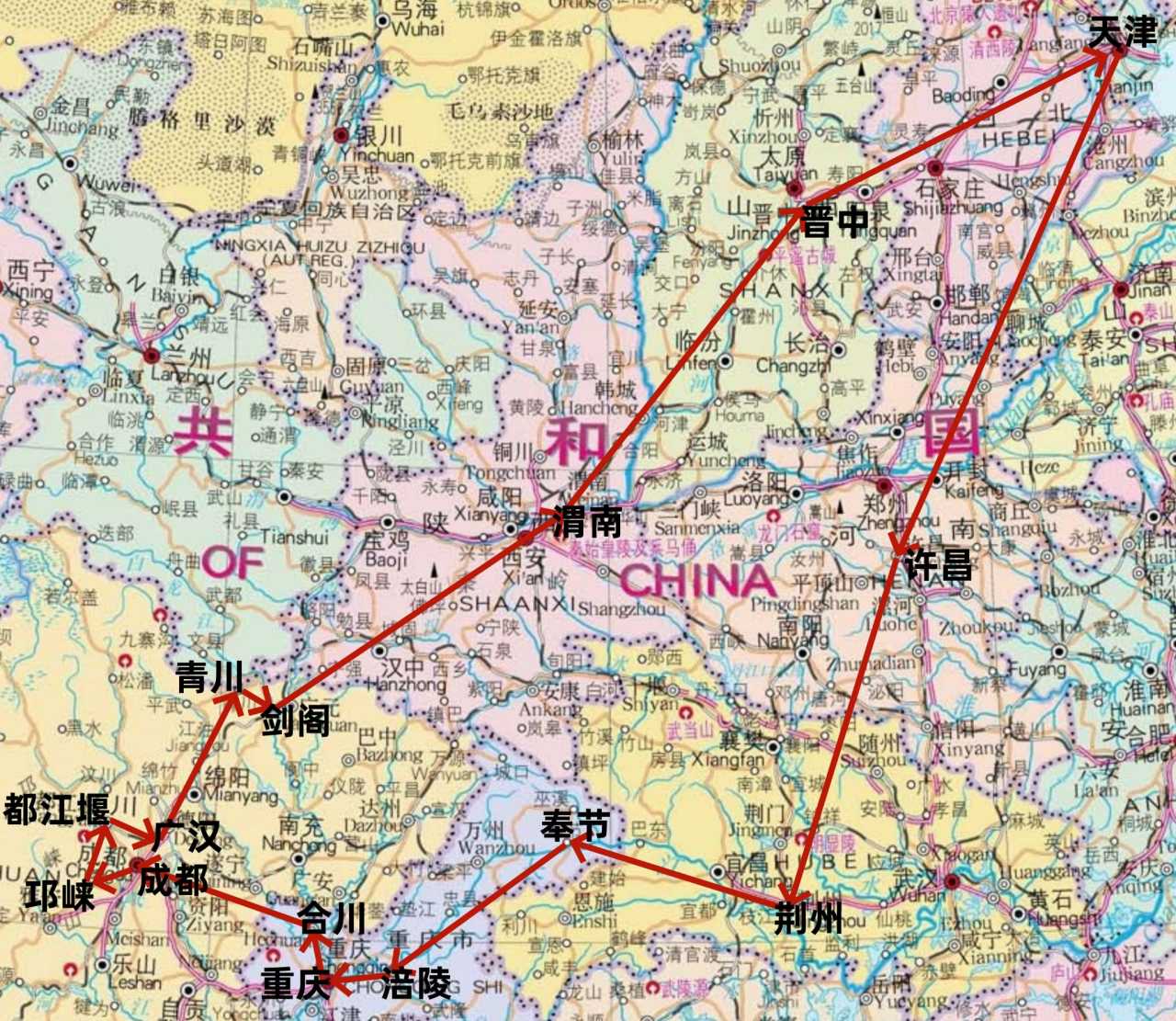
In 35 AD, Emperor Guangwu of the Eastern Han Dynasty, Liu Xiu, penned a letter to his general Cen Peng that would echo through millennia: "Man suffers from not knowing contentment. Having pacified Long, he then covets Shu." What appeared as self-deprecation was actually the strategic backdrop for a massive military campaign spanning the Longyou region and the Ba-Shu territory. Nearly two thousand years later, I decided to follow this historical trajectory—departing from Jingzhou, passing through Fengjie and Fuling, and finally arriving in Chongqing—to complete my own "coveting Shu" journey.
Last summer, illness forced me to cut my trip short in Guangyuan. This year, I regrouped and set out again on the southern route that Liu Xiu's forces took to conquer Gongsun Shu. This was not just a geographical crossing; it was a deep dive into a dialogue with history—a journey that connects the Han Dynasty's military ambitions with modern China's cultural heritage.
First Stop: Jingzhou — The Assembly Point for the Han Army's Southern Campaign
First Impressions of the Ancient City
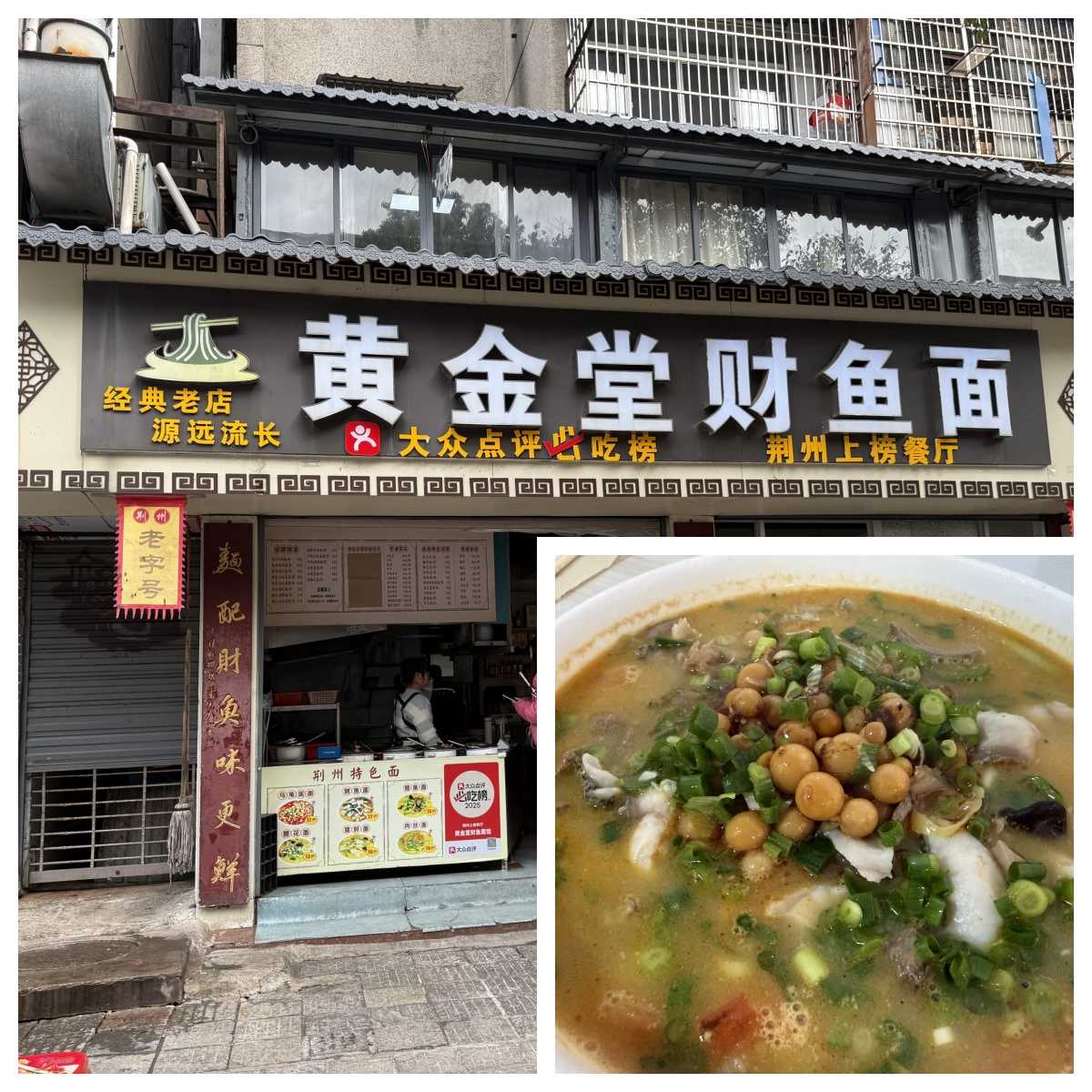
Early March in Jingzhou, and the spring chill still lingered. When I left Tianjin, it was snowing; when I arrived in this ancient city on the Jianghan Plain, the weather was still biting. But a steaming bowl of caiyu mian (wealth fish noodles) instantly dispelled the fatigue of the journey.
The locals call snakehead fish "wealth fish." They slice it thin, pair it with freshly stir-fried pork liver and beef, and pour it all over noodles in broth. The most amusing part? Those plump little "turtle eggs" in the bowl—they're actually fish roe, chewy and springy, with a unique texture. That bowl of noodles was Jingzhou's first surprise for me—a reminder that every great historical journey begins with local flavors.
[Link: Best local foods to try in Jingzhou]
Jingzhou Museum: A Dialogue Across Two Thousand Years
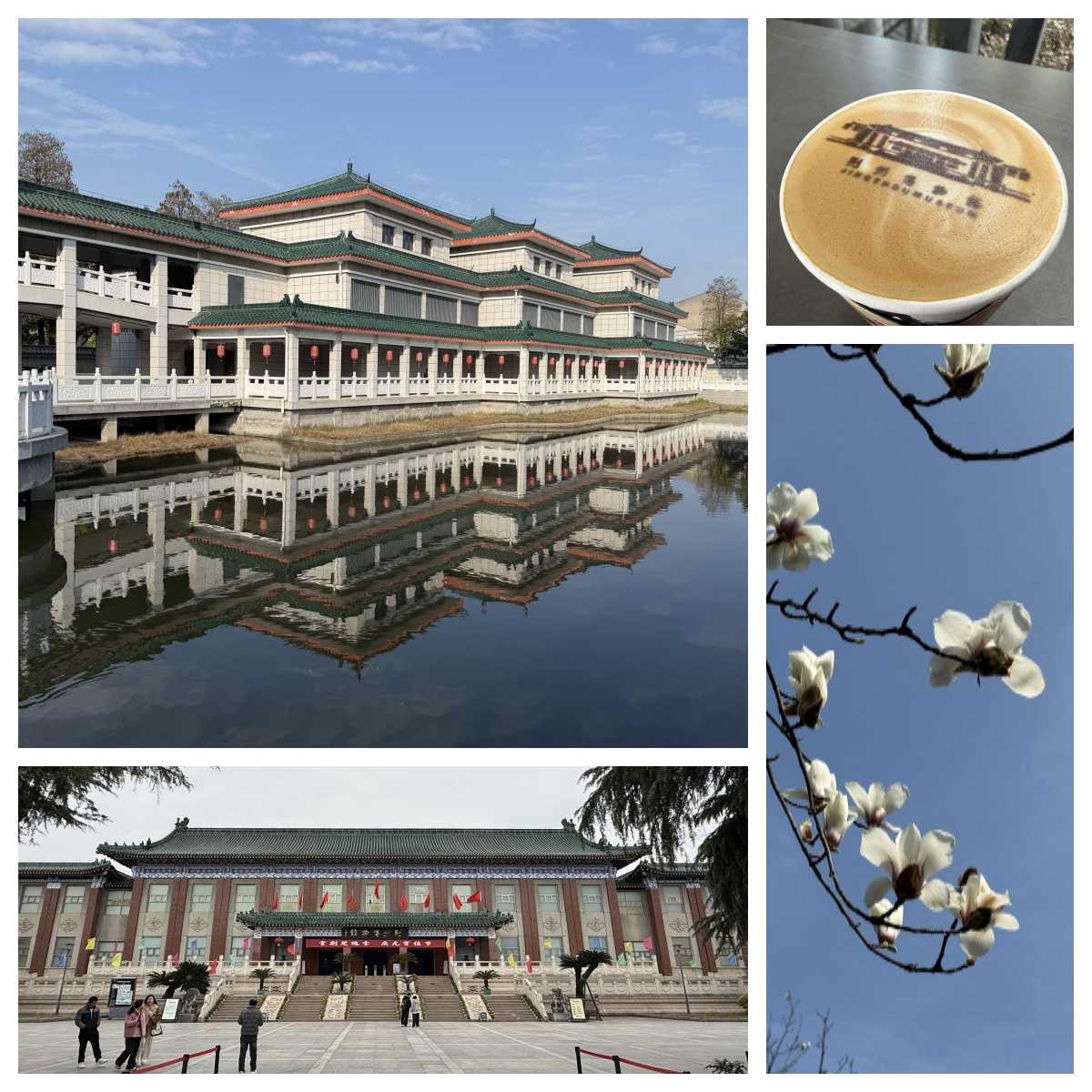
The Jingzhou Museum sits next to the Kaiyuan Temple in the ancient city, with green tiles, white corridors, and clear waters surrounding it. Magnolias were in full bloom, camellias bursting with color. This building, constructed in the 1950s, looked particularly elegant in the spring light.
I had arranged for a local cultural enthusiast, Teacher Ma, to guide us. She led us through the highlights of this national first-class museum, revealing treasures that rival any in China.
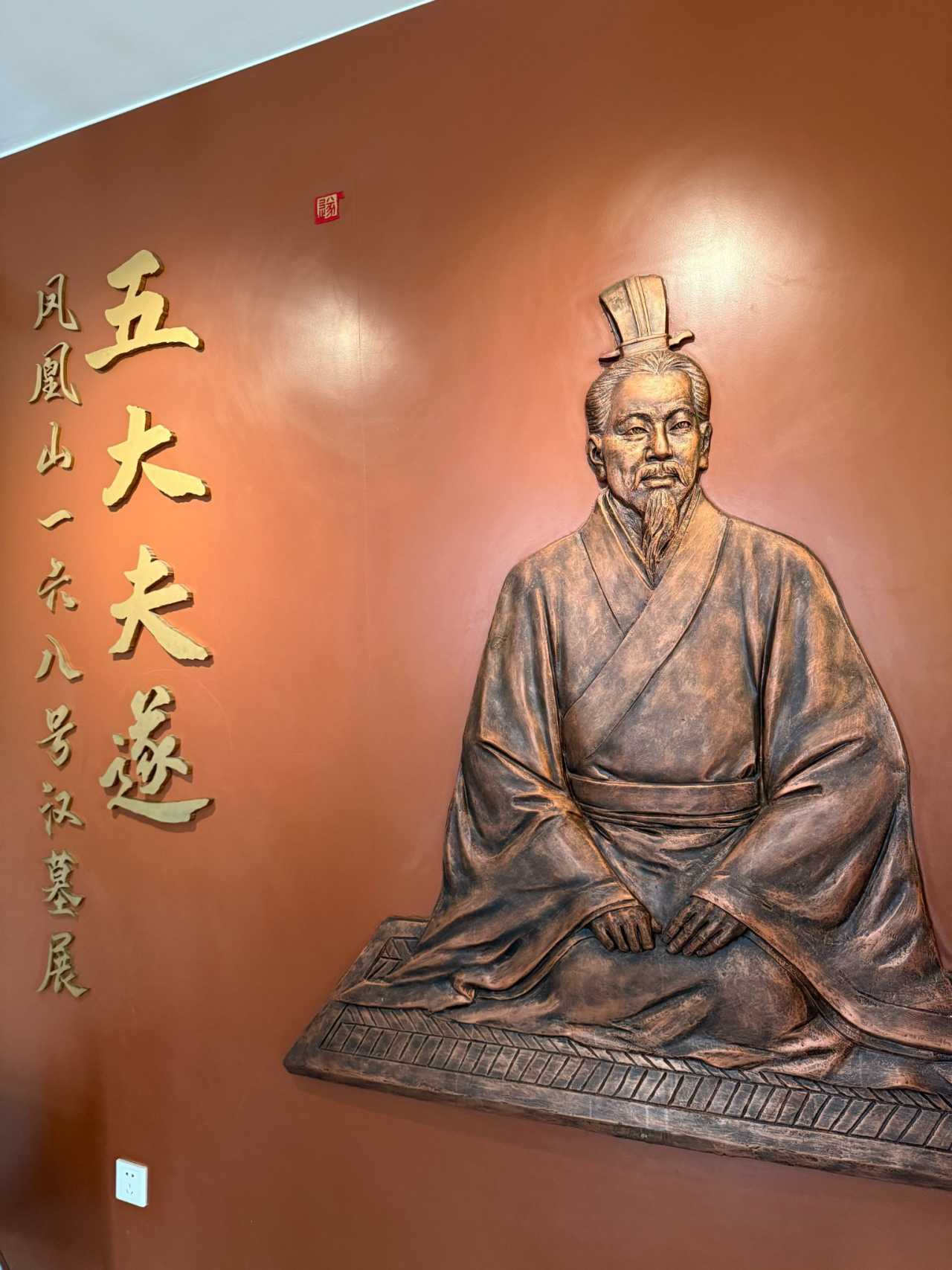
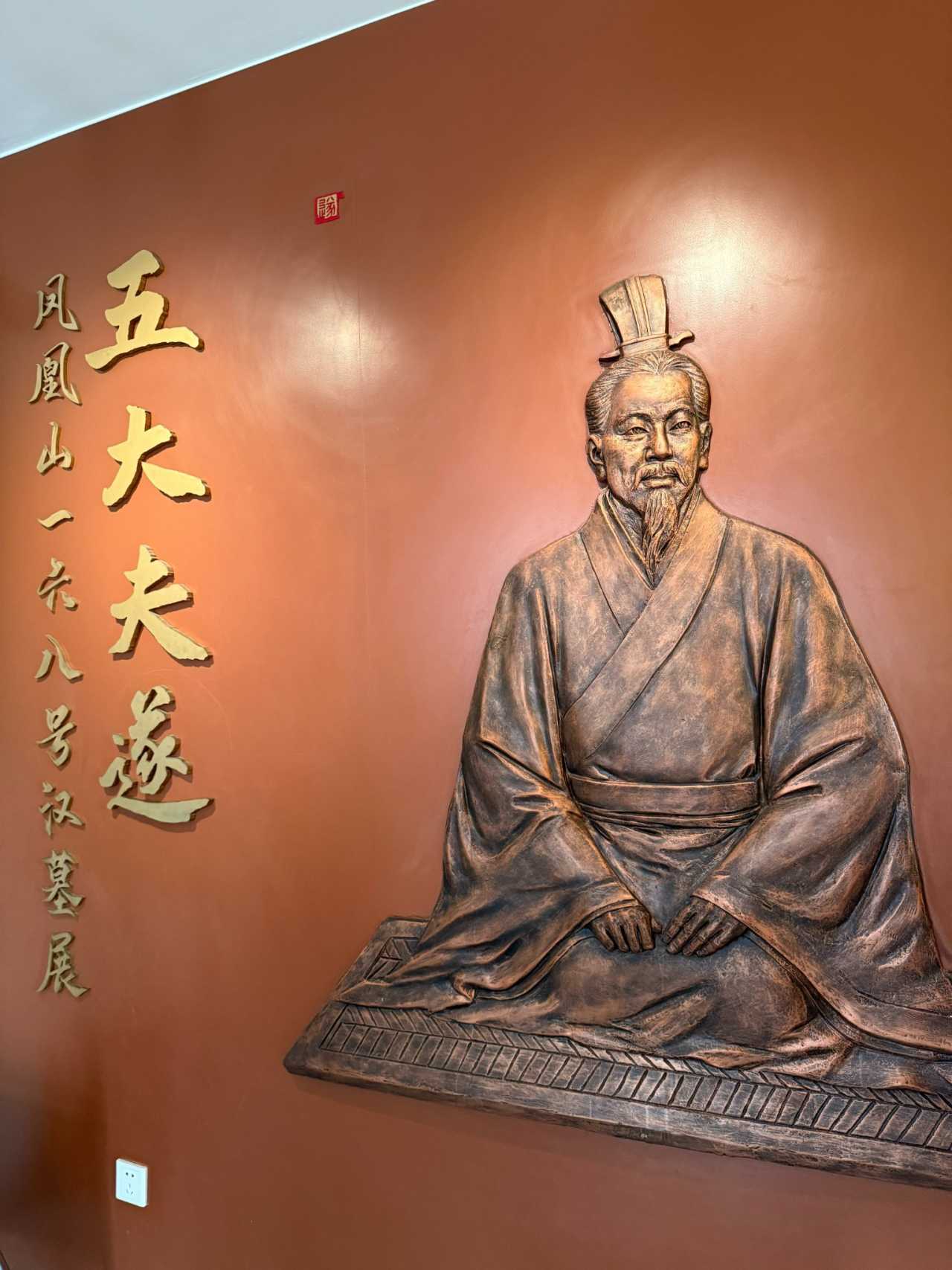
The "Five Grand Master" Sui: A Han Dynasty Official Resurrected
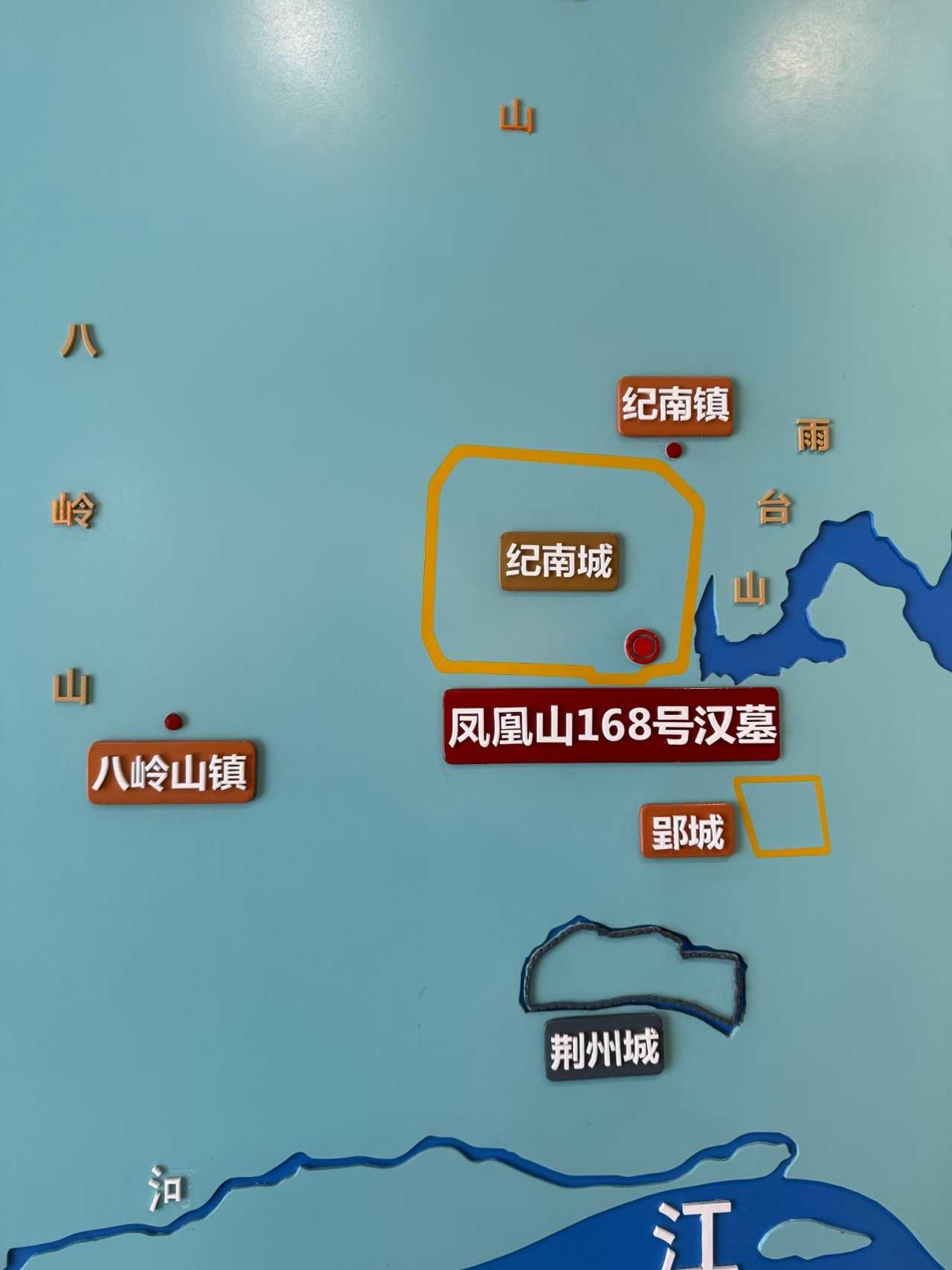
In 1975, at the No. 168 Han tomb on Phoenix Mountain within the ancient Chu capital of Jinan, archaeologists discovered a remarkably well-preserved Western Han male corpse. Named "Sui," he held the rank of wudafu (Five Grand Master), stood about 1.67 meters tall, was around 60 years old, and had type AB blood. When unearthed, his complexion was ruddy, his skin still elastic, all 32 teeth intact, and his internal organs complete—the preservation of this wet corpse was nothing short of miraculous.
Among the 500-plus burial items, a jade seal inscribed with the character "Sui" and a written "notice to the underworld" (essentially a letter of introduction for the afterlife) confirmed his identity. This Han official, roughly equivalent to a modern deputy department-level cadre, had crossed more than two thousand years to meet us.
The Splendid World of Chu Lacquerware
The lacquerware hall of the Jingzhou Museum is a treasure trove of Chu art. These lacquered wood pieces from the Warring States period still gleam with vibrant colors after more than two millennia.
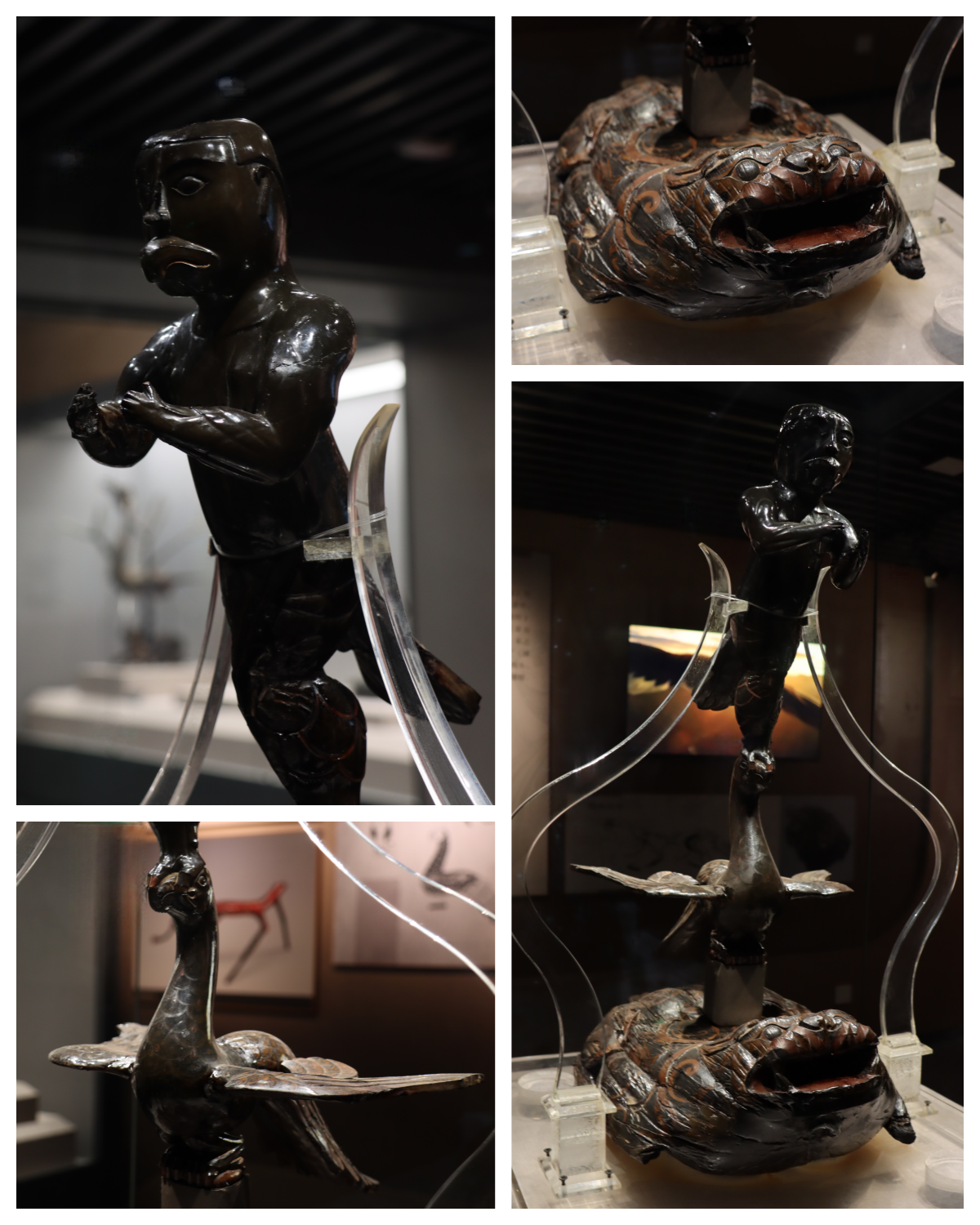
What struck me most was the "Toad-Base Phoenix-Bird Feathered Man"—the upper part is a feathered human, the middle a phoenix, and the base a toad-shaped pedestal. The fusion of human and bird forms embodies the unrestrained imagination of the Chu people. As for the "Wooden Double-Headed Tomb Guardian Beast," its two backswept heads connect at curved necks, with bulging eyes, a long tongue reaching to the chest, and massive antlers spreading like wings. The entire piece is lacquered black, painted with beast-face patterns in red, yellow, and gold—both imposing and magnificent.
The "Tiger-Base Phoenix Rack Suspended Drum" is another national treasure: two crouching tigers serve as the base, each with a singing phoenix standing on its back, suspending a large drum between them. This combination of tiger and phoenix is a vivid portrayal of the Chu culture's "phoenix cries, tiger roars."
[Link: Top 10 Chu lacquerware masterpieces to see in China]
Bronze and Jade: Gleaming Metals and Exquisite Gems
In the bronze gallery, a "Spear of King Guang of Wu" caught my eye, inscribed with the characters "兵闢" (weapon avoidance) and "太岁" (Jupiter). There was also a complete set of Warring States chime bells, burial goods for the wife of a Chu feudal lord, the "Lord of Danyang"—she must have been a music lover, since the "Tiger-Base Phoenix Rack Suspended Drum" we'd seen earlier also came from her tomb.
As for jade, a Warring States jade face covering was carved from a single piece of dark green jade, only 0.23 centimeters thick, matching the size of a real human face. The "Jade Dragon-Human-Bird Pendant" features one human, two dragons, and two phoenixes in an intricately composed design of exquisite craftsmanship.
Kaiyuan Temple and the Wanshou Pagoda
Before the museum closed, we made a quick visit to the adjacent Kaiyuan Temple. During the Kaiyuan era of the Tang Dynasty, Emperor Xuanzong dreamed of a giant. Around the same time, Jingzhou reported the discovery of an iron-cast statue of the Heavenly King. The emperor then ordered the construction of this temple. Today, while many temples across China bear the name "Kaiyuan," this is the only temple (as opposed to monastery) that does.
The next morning, we went to Guanyin Jetty by the river to admire the Wanshou Pagoda from a distance. Built during the Ming Jiajing era to pray for the emperor's longevity, this Buddhist pagoda is a rare national-protected ancient structure that visitors can actually climb. The octagonal, seven-story tower contains a spiral stone staircase. Each floor opens to four sides, housing 87 white marble seated Buddha statues. From the top, the Yangtze River Bridge and the ancient city spread out before you.
The Chariot and Horse Pits: The Stunning Spectacle of an Army of the Dead
Before leaving Jingzhou, Teacher Ma took us to Xiong's Mound—the site of the Chu king's chariot and horse burial pits. This was once a nondescript patch of earth, until archaeological excavations in 2006 revealed a burial pit that shocked the world.
Pit No. 1 stretches 132.6 meters from north to south, making it the longest single chariot burial pit ever discovered in China. So far, 43 chariots and 164 horses have been unearthed, including three chariots drawn by six horses—the "six-horse imperial carriage," a privilege reserved for the Son of Heaven. The Chu king had overstepped his rank. In the exhibition hall, modern metal wires recreate the charging war chariots in a visually stunning display, like an "army of the dead" marching through.
[Link: Ancient Chinese chariot burial sites worth visiting]
Second Stop: Fengjie — The Kui Gate Fortress and White Emperor City
Qutang Gorge: The Majesty of the Three Gorges
Driving west from Jingzhou, we arrived at Fengjie in Chongqing. Located in the heart of the Three Gorges reservoir area, this place was once called "Yufu" in ancient times. During the Tang Dynasty's Zhenguan era, it was renamed Fengjie to honor Zhuge Liang's unwavering integrity in the face of great trials.
The White Emperor City and Qutang Gorge scenic area was the highlight of this leg. Boarding a sightseeing boat into Qutang Gorge, we were flanked by sheer cliffs hundreds of meters high, with the channel barely a hundred meters wide—this is the famous "Kui Gate." The image on the back of the 10-yuan banknote is taken from here. After the Three Gorges Dam project raised the water level by 100 meters in 2008, the cliffs are now 100 meters lower than before the reservoir filled. One can only imagine how much more majestic they once were.
On the boat, the guide pointed to a cave on the cliff face, claiming it was the legendary treasure cave of Gongsun Shu. According to local legend, the warlord hid vast riches there before his defeat—a fitting reminder of the "covet Shu" campaign that brought us here.
[Link: Three Gorges cruise tips and best routes]
White Emperor City: Where History Meets Poetry
White Emperor City sits atop a hill overlooking the Yangtze, its walls bearing witness to centuries of conflict and culture. This is where Liu Bei, the Shu Han emperor, entrusted his son to Zhuge Liang in the famous "White Emperor City Entrustment." The site offers panoramic views of the Kui Gate and the surrounding gorge scenery.
Third Stop: Fuling — The Underwater Inscription Wonder

Baiheliang Underwater Museum: A Time Capsule Beneath the Waves
Fuling is home to one of China's most extraordinary archaeological sites: the Baiheliang Underwater Stone Inscriptions. Before the Three Gorges Dam raised water levels, this ancient riverbed was exposed during dry seasons, revealing inscriptions dating back over 1,200 years. Today, visitors descend through a tunnel to view these inscriptions through underwater viewing windows.
The inscriptions record historical water levels of the Yangtze River, making them an invaluable resource for hydrological studies. They also feature poems, calligraphy, and carvings from Tang, Song, Yuan, Ming, and Qing dynasties—a literary treasure trove preserved 40 meters underwater.
[Link: How to visit Baiheliang Underwater Museum]
Final Stop: Chongqing — The Mountain City at Journey's End
Arriving in the "Mountain City"
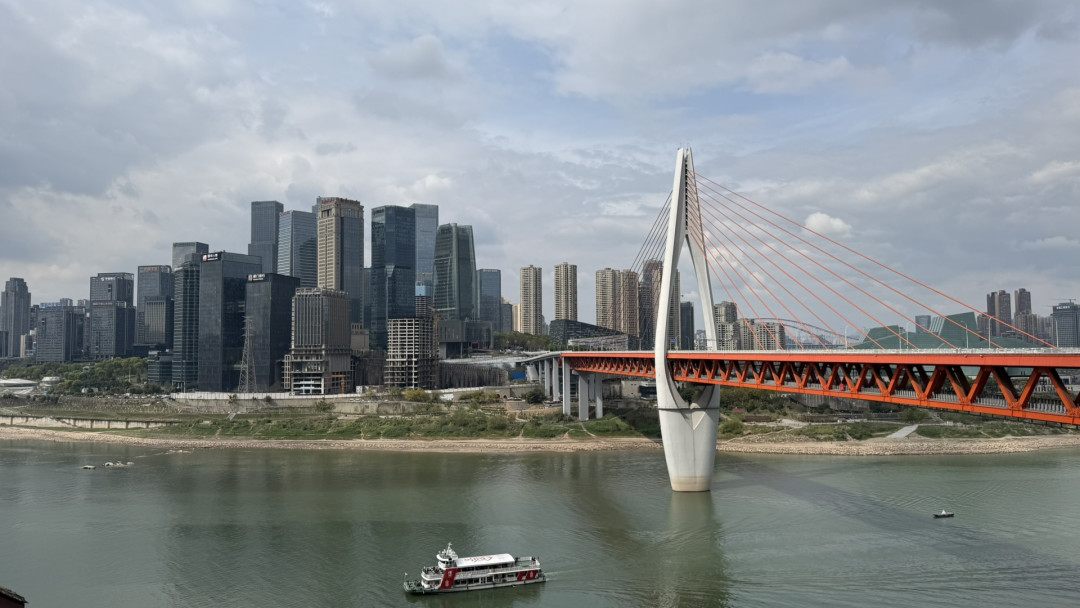
Chongqing greeted me with its signature chaos and charm—a city built on hills, where buildings seem to defy gravity and the spicy aroma of hotpot fills every street. This was the ultimate destination of the "covet Shu" campaign, the heart of Ba-Shu culture.
Hongya Cave and the Night View
Hongya Cave, with its stilted houses clinging to the cliff face, is a must-see. By night, the entire complex lights up like a floating palace, reflected in the Jialing River below. It's a fitting end to a journey that began with Han Dynasty ambition and ended in modern urban splendor.
Chongqing Hotpot: The Culinary Finale
No journey to Chongqing is complete without its famous hotpot. The bubbling red broth, laden with Sichuan peppercorns and chili, is a sensory assault—and a perfect metaphor for the city itself: bold, unapologetic, and unforgettable.
Frequently Asked Questions (FAQ)
Q1: What is the best time of year to travel the "Conquer Long, Covet Shu" trail from Jingzhou to Chongqing?
A: Spring (March to May) and autumn (September to November) offer the most comfortable temperatures for this route. Spring brings blooming flowers and mild weather, while autumn provides clear skies perfect for viewing the Three Gorges scenery. Avoid summer (June to August) due to intense heat and humidity, and winter (December to February) for cold temperatures and potential fog.
Q2: How long does it take to complete the Jingzhou to Chongqing journey?
A: A comprehensive trip covering Jingzhou, Fengjie, Fuling, and Chongqing typically requires 7-10 days. This allows time for museum visits, gorge cruises, and cultural exploration without rushing. You can shorten it to 5 days if you focus only on highlights.
Q3: What are the must-see attractions in Jingzhou Museum?
A: The "Five Grand Master" Sui mummy, the Chu lacquerware collection (especially the Tiger-Base Phoenix Rack Suspended Drum), the Warring States bronze chime bells, and the jade artifacts are absolute must-sees. Plan at least 3-4 hours for a thorough visit.
Q4: Is the Baiheliang Underwater Museum worth visiting?
A: Absolutely. It's one of the only underwater museums in China and offers a unique glimpse into 1,200 years of hydrological history and calligraphy. The engineering behind the viewing tunnel is impressive, and the inscriptions themselves are fascinating historical documents.
Q5: Can I combine this trip with a Yangtze River cruise?
A: Yes. Many Yangtze River cruises operate between Chongqing and Yichang (near Jingzhou). This allows you to experience the Three Gorges from the water while visiting Fengjie and Fuling along the way. It's an excellent alternative to driving.
Conclusion: Your Journey Through Two Millennia Awaits
From the Han Dynasty's military ambitions to the Chu kingdom's artistic brilliance, from the majestic cliffs of Qutang Gorge to the underwater treasures of Baiheliang, the "Conquer Long, Covet Shu" trail offers a journey through two millennia of Chinese history. This is not just a travel route—it's a living museum, a culinary adventure, and a spiritual pilgrimage all in one.
Whether you're a history buff, a culture enthusiast, or simply a traveler seeking authentic experiences, this trail delivers. The Han emperor's words may have been about conquest, but your journey will be about discovery—of ancient wonders, breathtaking landscapes, and the enduring spirit of a civilization.
Ready to embark on your own "covet Shu" journey? Start planning your trip today. Book your Jingzhou Museum tickets in advance, arrange a local guide for the chariot pits, and don't forget to save room for that bowl of wealth fish noodles. The trail of two millennia is waiting for you.
[Link: Complete China travel planning guide] [Link: Best hotels along the Jingzhou-Chongqing route] [Link: How to hire a cultural guide in Jingzhou]
Follow our travel blog for more historical journeys through China's ancient kingdoms and modern wonders.
You may also like


