From Jianmen Pass to the Hometown of a Female Emperor: A Thousand-Year Cultural Journey Through Guangyuan
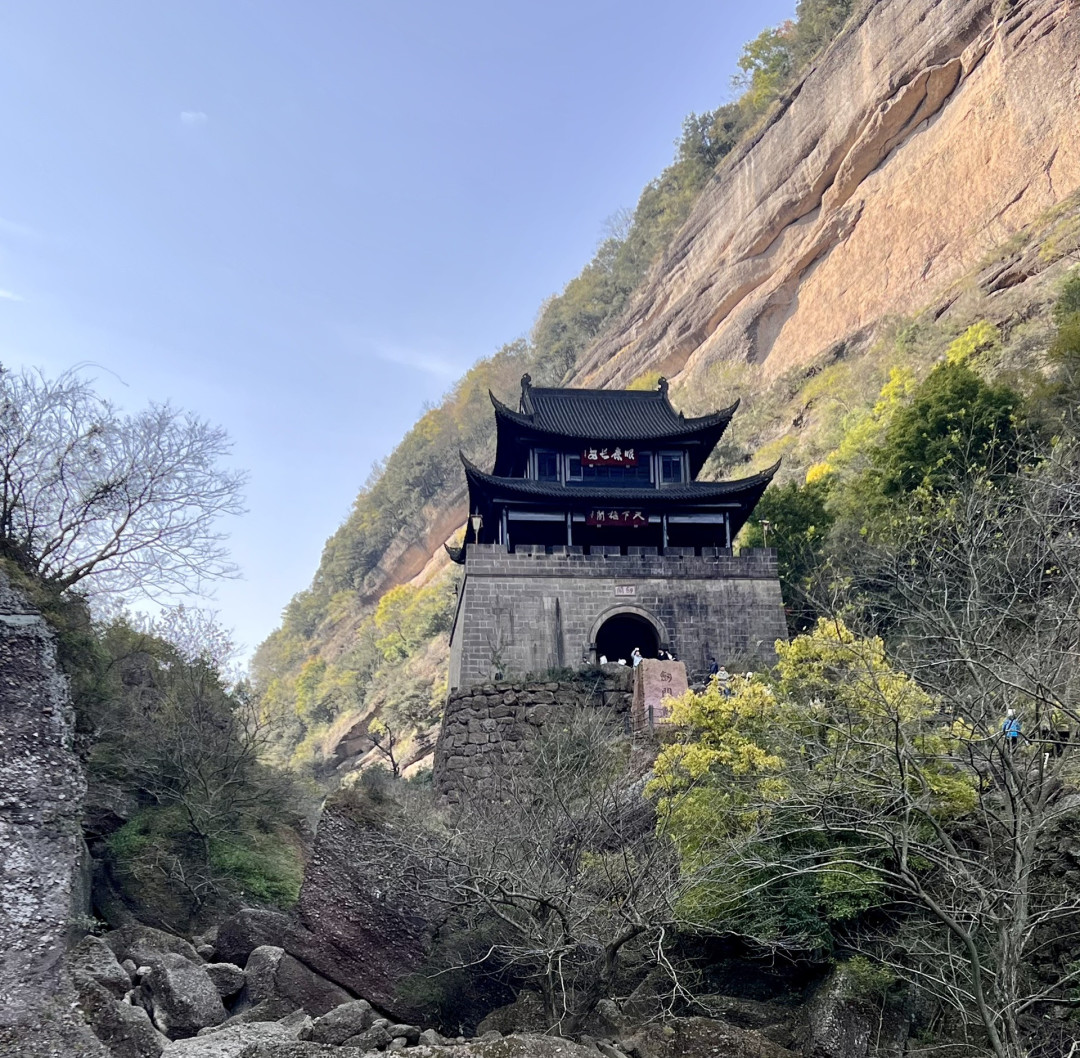
Meta Description: Discover Guangyuan, China's hidden historical gem—home of Empress Wu Zetian and the legendary Jianmen Pass. Explore Huangze Temple, Thousand Buddha Cliff, and more in this SEO-optimized travel guide.
Introduction: Why Guangyuan Deserves a Spot on Your Sichuan Travel Itinerary
As the high-speed train glided from Langzhong Ancient Town to Guangyuan in northern Sichuan, I realized this city—often overshadowed by Chengdu and Jiuzhaigou—holds a profound historical legacy that rivals any destination in China. In December 2024, I embarked on a cultural exploration journey from "the most formidable pass under heaven" to "the hometown of a female emperor." This Guangyuan travel guide will show you why this underrated city deserves your attention.
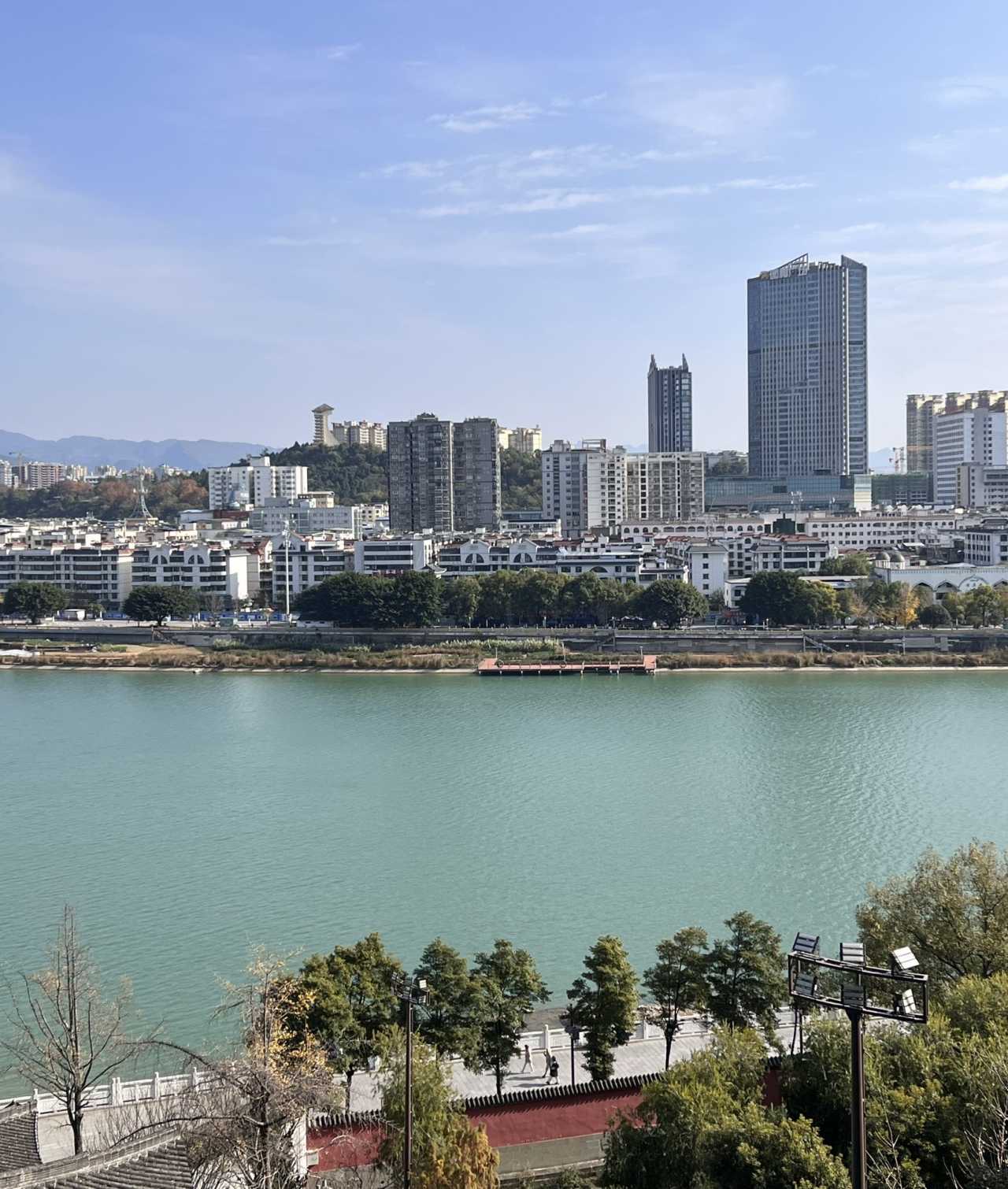
Guangyuan, nestled along the Jialing River, combines rugged mountain landscapes with gentle river waters. It carries the lingering embers of the Three Kingdoms era and the legendary tales of Tang Dynasty Empress Wu Zetian. My three-day itinerary revealed a city rich in history, culture, and natural beauty—perfect for history buffs, cultural travelers, and adventure seekers alike.
H2: Huangze Temple – The Empress's Imprint in a Millennial Monastery
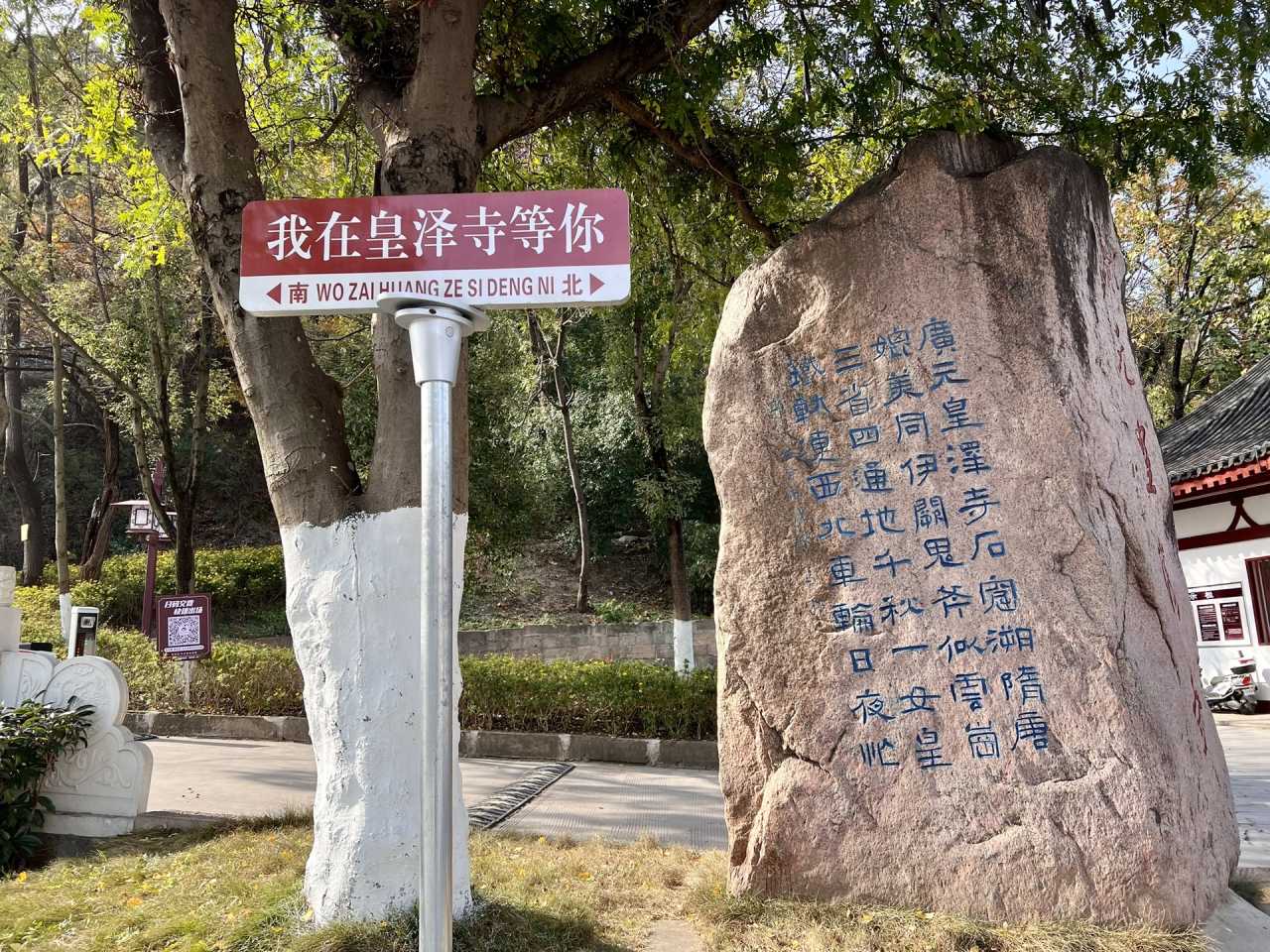
H3: First Encounter with Huangze: A Meeting Across Time

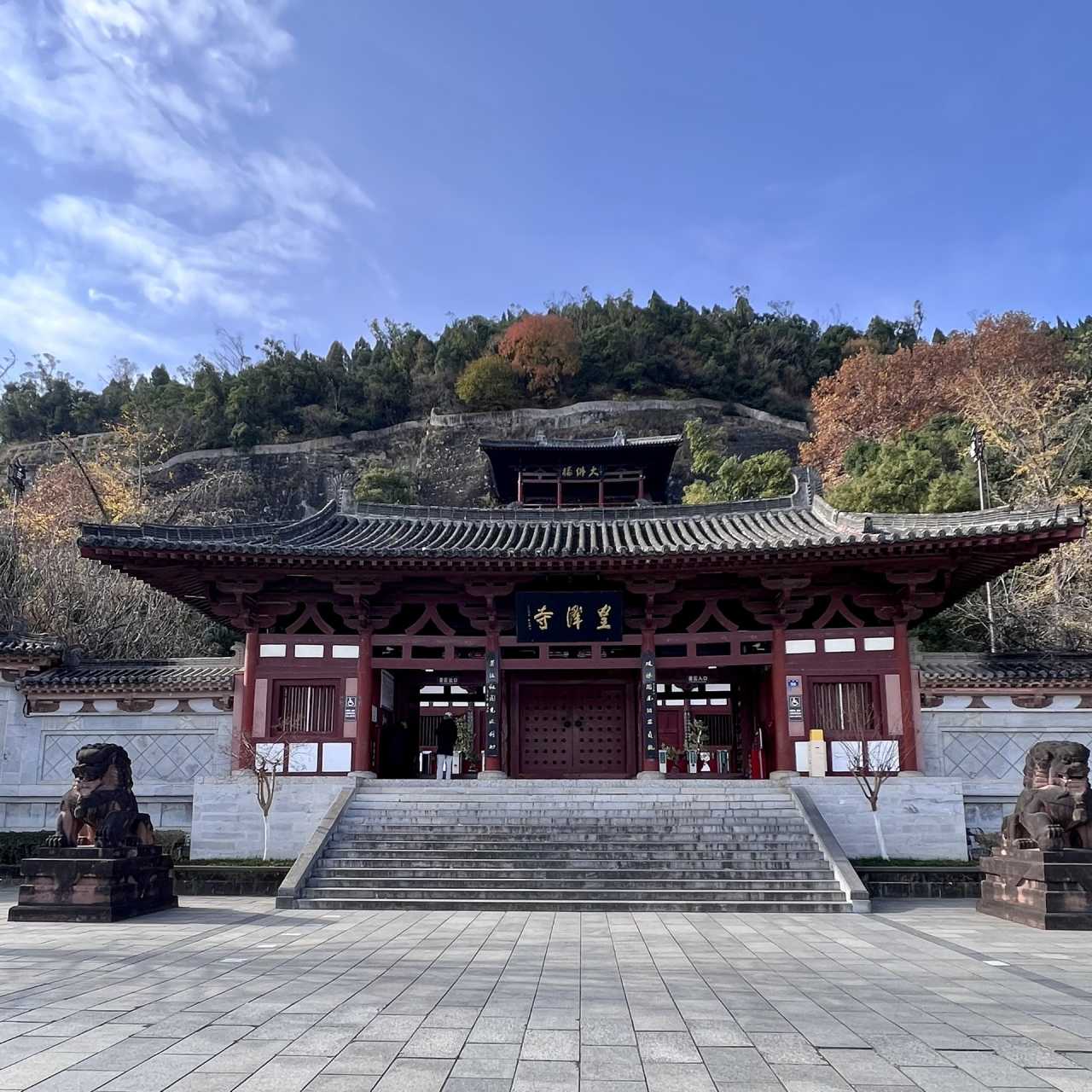
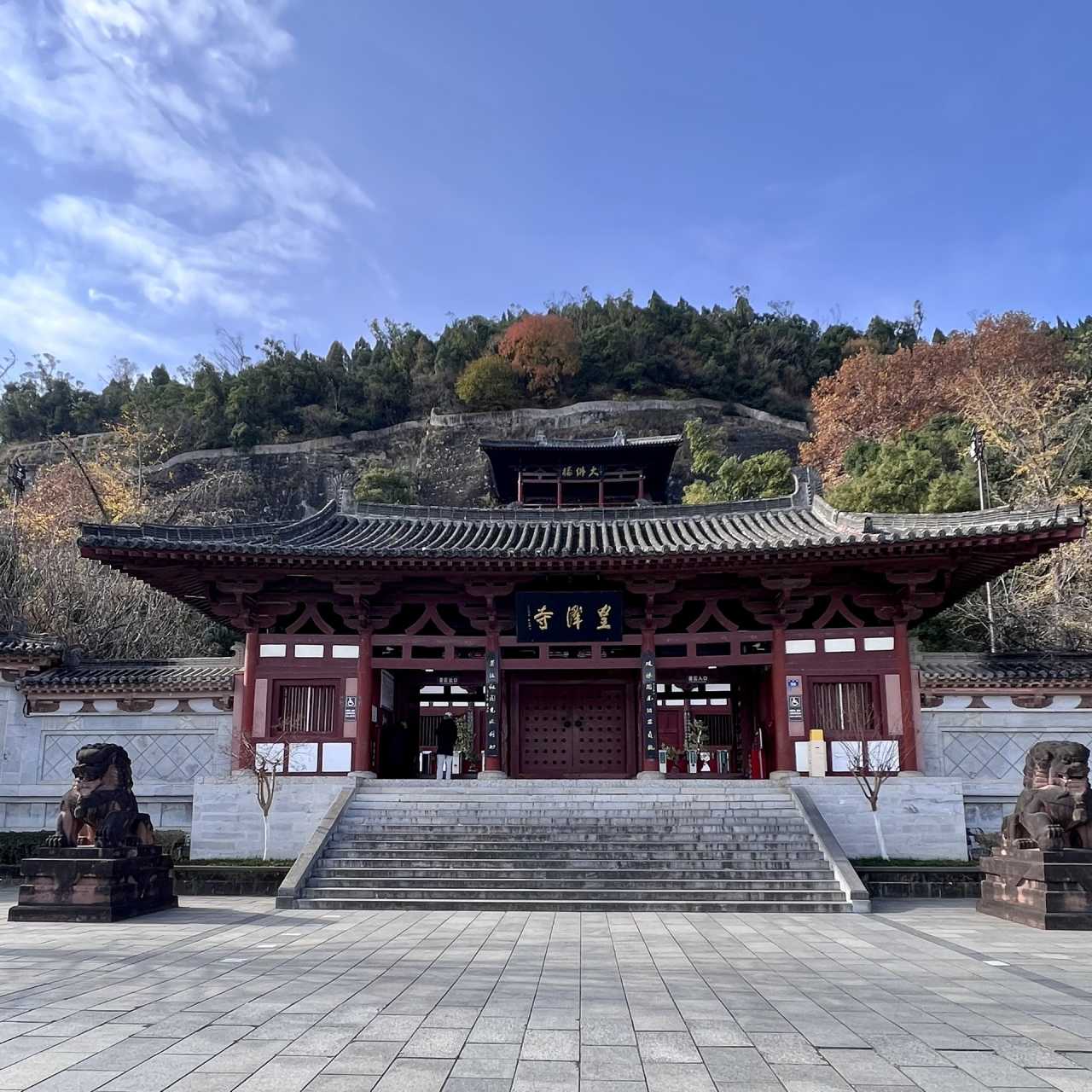
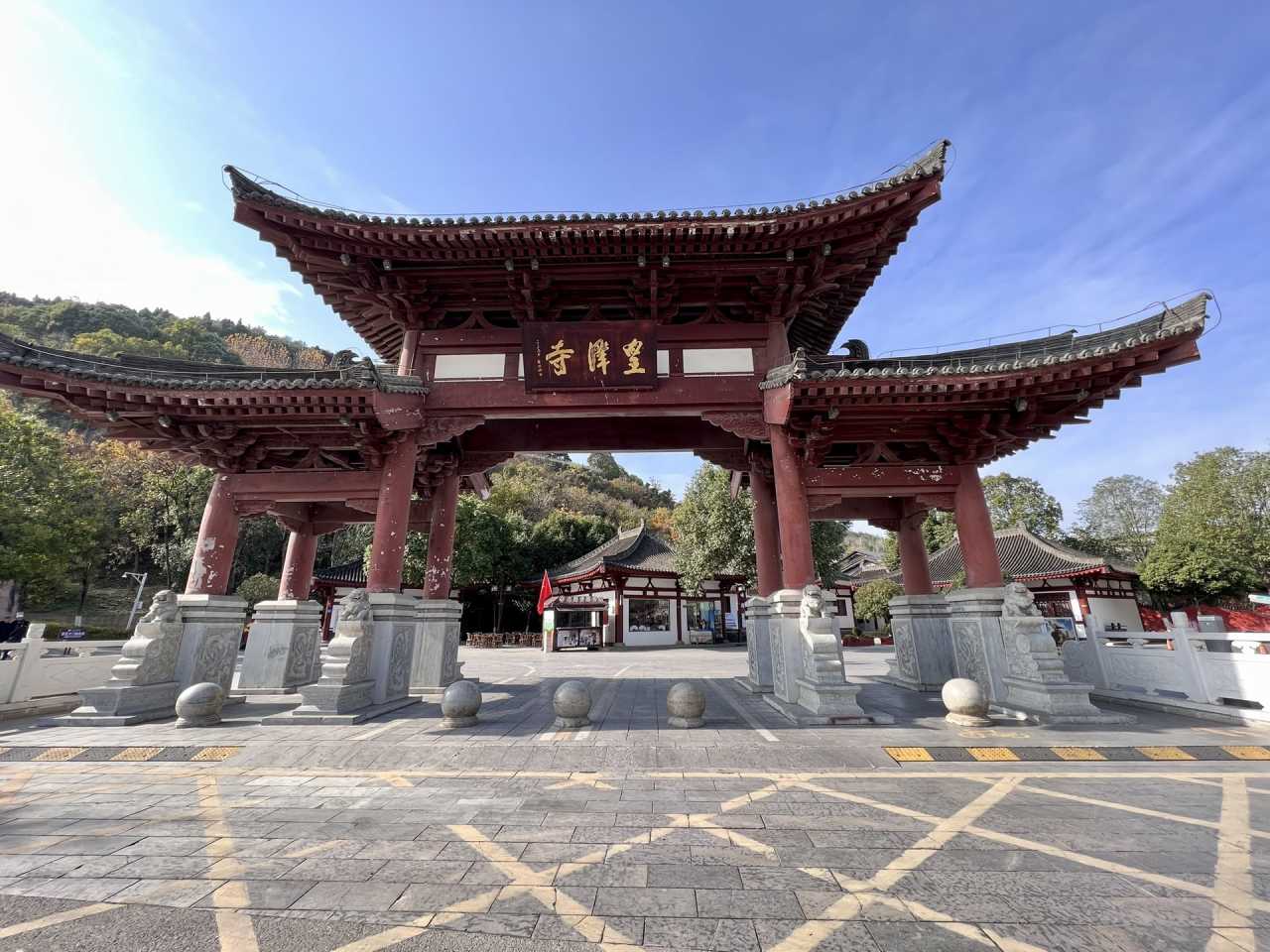
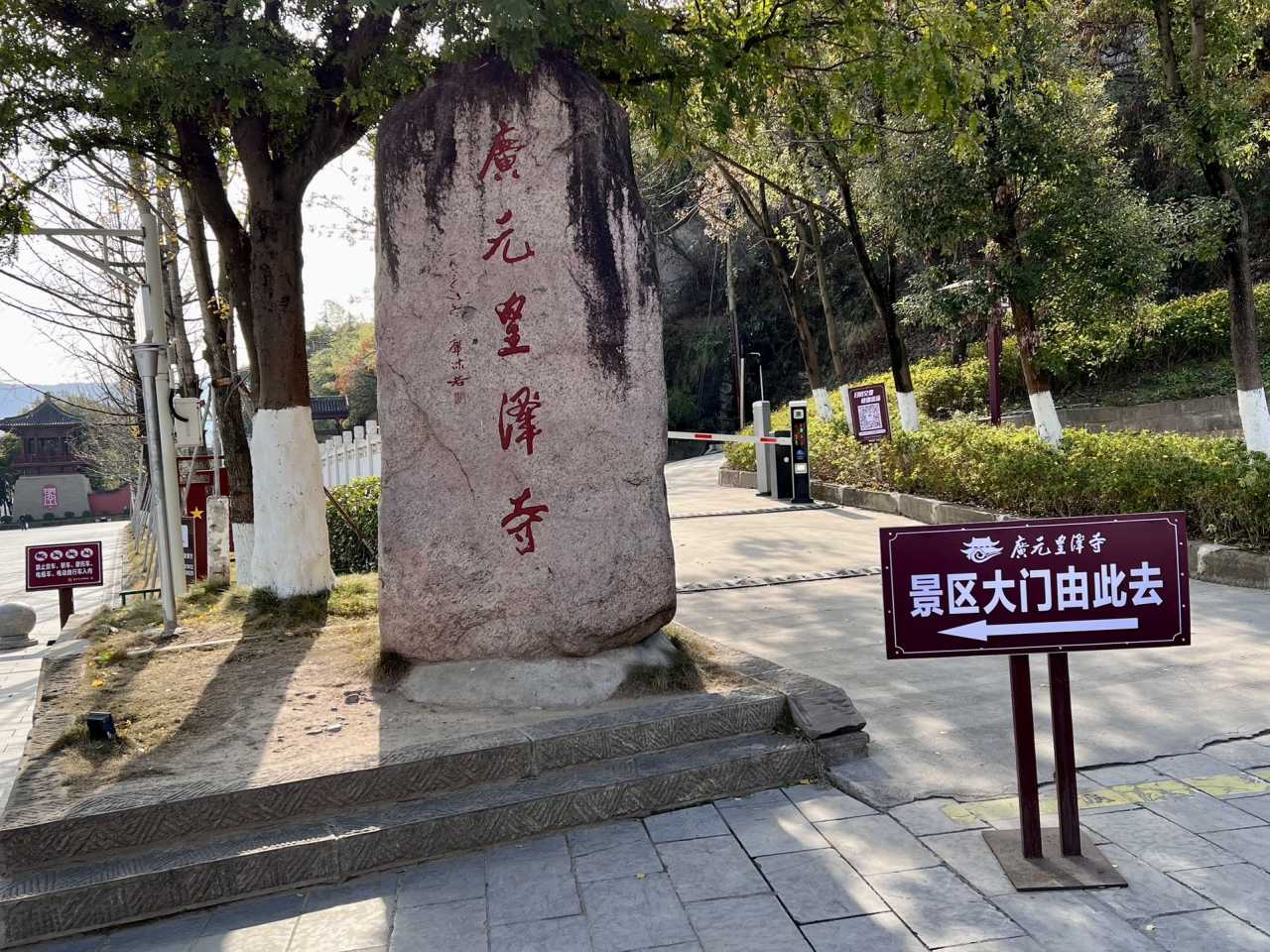
On my first afternoon in Guangyuan, I headed straight to Huangze Temple on the banks of the Jialing River. This ancient monastery, backed by Wulong Mountain and facing the river, exudes serenity. Stepping through the temple gate felt like crossing a time tunnel.
Huangze Temple's history dates back over 1,500 years to the late Northern Wei Dynasty. It is the only temple in China dedicated to Wu Zetian, the country's only female emperor. According to historical records, Wu Zetian was born in Lizhou (modern-day Guangyuan) when her father served as governor. After establishing the Wu Zhou regime, she used her cosmetics allowance to build a temple dedicated to the local deity, naming it "Huangze Temple"—meaning "imperial grace flows to the hometown."
H3: Architectural Beauty and Stone Carving Art
The temple complex features a well-arranged cluster of ancient buildings. The vermilion gate stands solemn, with exquisite carvings on the gate tower. Main structures include the Mahavira Hall, Ersheng Hall, Zetian Hall, and Great Buddha Pavilion, all lined along the central axis with carved beams and upturned eaves.
Zetian Hall is the most popular attraction. Inside, a stone-carved portrait of Wu Zetian in her later years is enshrined. Despite a thousand years of weathering, the statue still conveys her majesty and dignity.
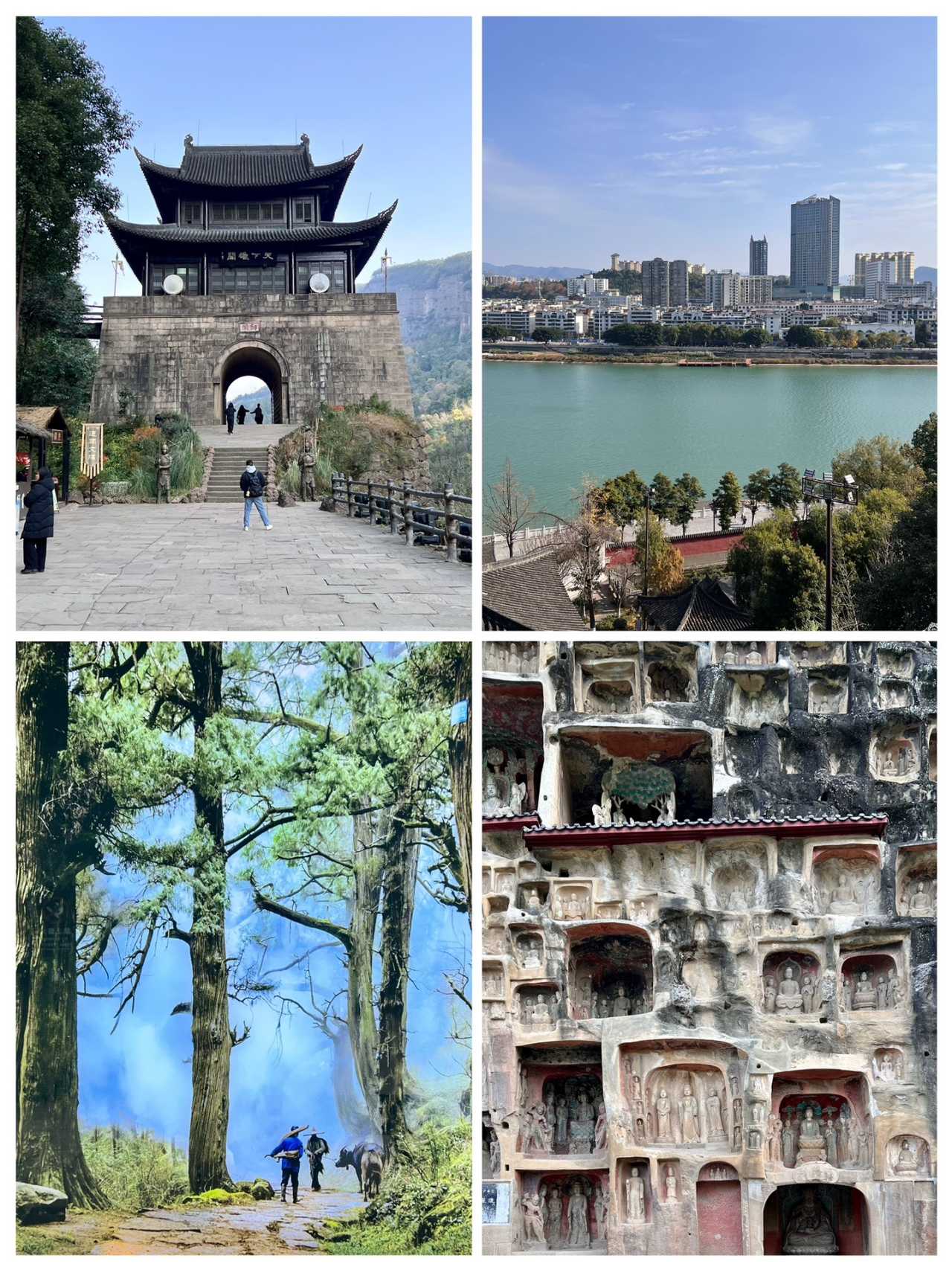
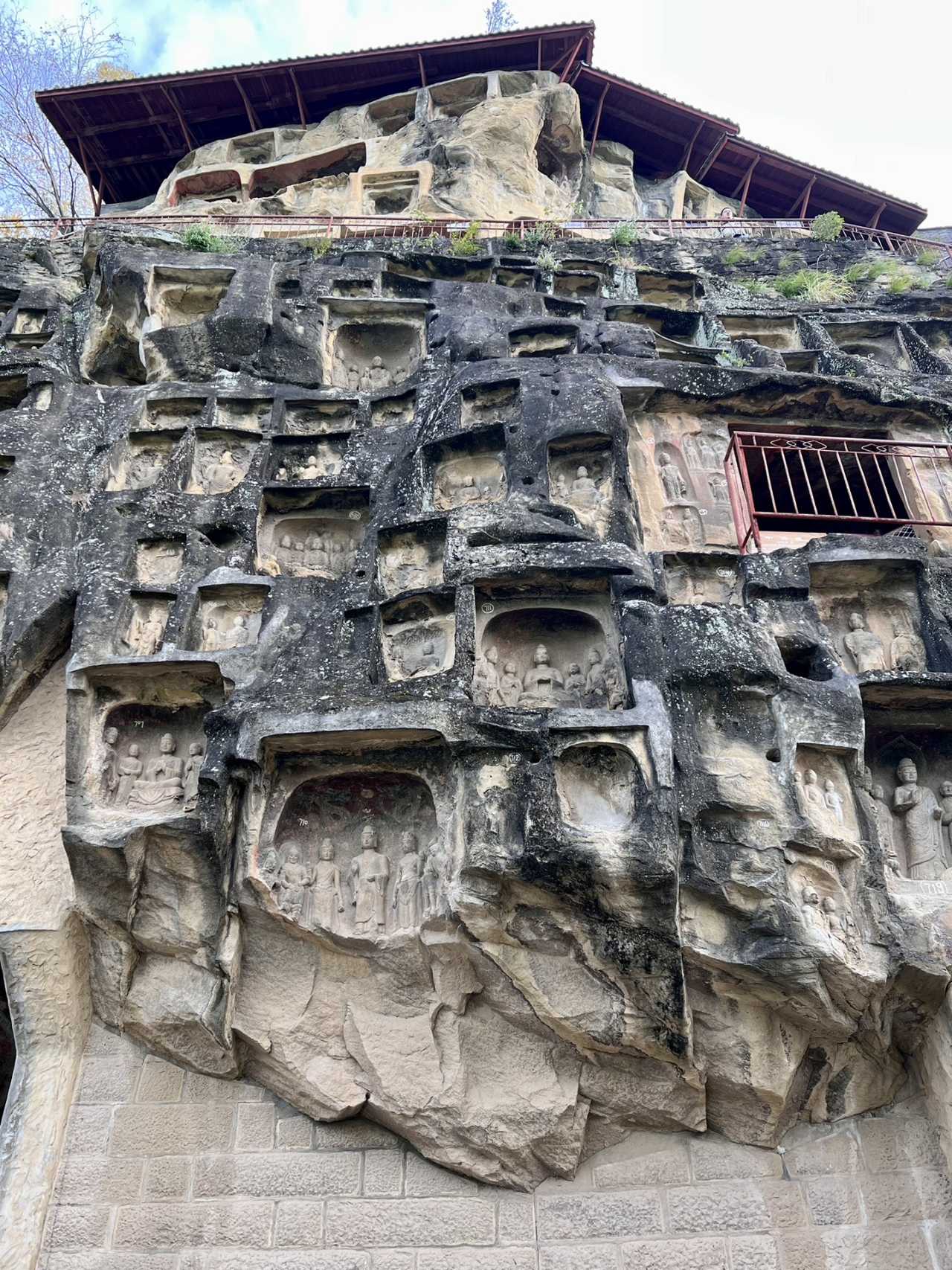
The Buddhist stone carvings at Huangze Temple are awe-inspiring. Excavated from the Northern Wei Dynasty through the Ming and Qing dynasties, they include six caves, 41 niches, and 1,203 statues. The seated Maitreya Buddha in the Great Buddha Pavilion stands dozens of meters tall—magnificent and breathtaking.
Practical Tips: - Visit Duration: 2-3 hours - Best Photo Spot: Elevated areas for a panoramic view of the Jialing River - Transportation: 15-minute taxi from downtown Guangyuan
[Link: Top historical temples in Sichuan]
H2: Thousand Buddha Cliff – A Cliffside Museum of Stone Carving Art
From Huangze Temple, a 15-minute ride-share took me to Thousand Buddha Cliff (Qianfo Ya) in the northern suburbs of Guangyuan. Here, continuous cliffs dotted with stone carvings form a vivid historical scroll.
H3: A Stunning First Impression
Entering the scenic area, the endless cliffs and densely packed stone carvings were overwhelming. These carvings, excavated from the Northern Wei Dynasty through the Ming and Qing dynasties, have withstood a thousand years of wind and rain. Some are solemn and dignified; others are lively and vibrant, depicting secular life.
The carvings are centered around Dayun Cave, divided into northern and southern sections. As the gateway to Sichuan, Guangyuan was the first stop for Buddhist and carving art entering Sichuan from the north. The treacherous Shu Road saw princes, officials, and merchants traveling between Chang'an and Chengdu, who excavated caves and carved statues here.
H3: The Great Buddha Cave – An Unmissable Visual Feast
Among the carvings, the Great Buddha Cave is a must-see. A seated Maitreya Buddha, dozens of meters tall, wears a gentle smile—compassionate and solemn. Standing before it, a sense of awe welled up within me.
Practical Tips: - Visit Duration: 1.5-2 hours - Best Photo Spot: Ascend to the front of Dayun Cave for clearer photos - Museum: The Thousand Buddha Cliff Stone Carving Art Museum offers deeper insights into stone carving history
[Link: Best Buddhist cave temples in China]
H2: Jianmen Pass – The Iron-Blooded Legend of a Millennial Ancient Road
The next morning, I took a bullet train to Jianmen Pass. In just ten minutes and for 15 yuan, I traveled from downtown Guangyuan to Jianmen Pass Station. After exiting, bus No. 7 took me directly to the scenic area.
H3: The Most Formidable Pass Under Heaven
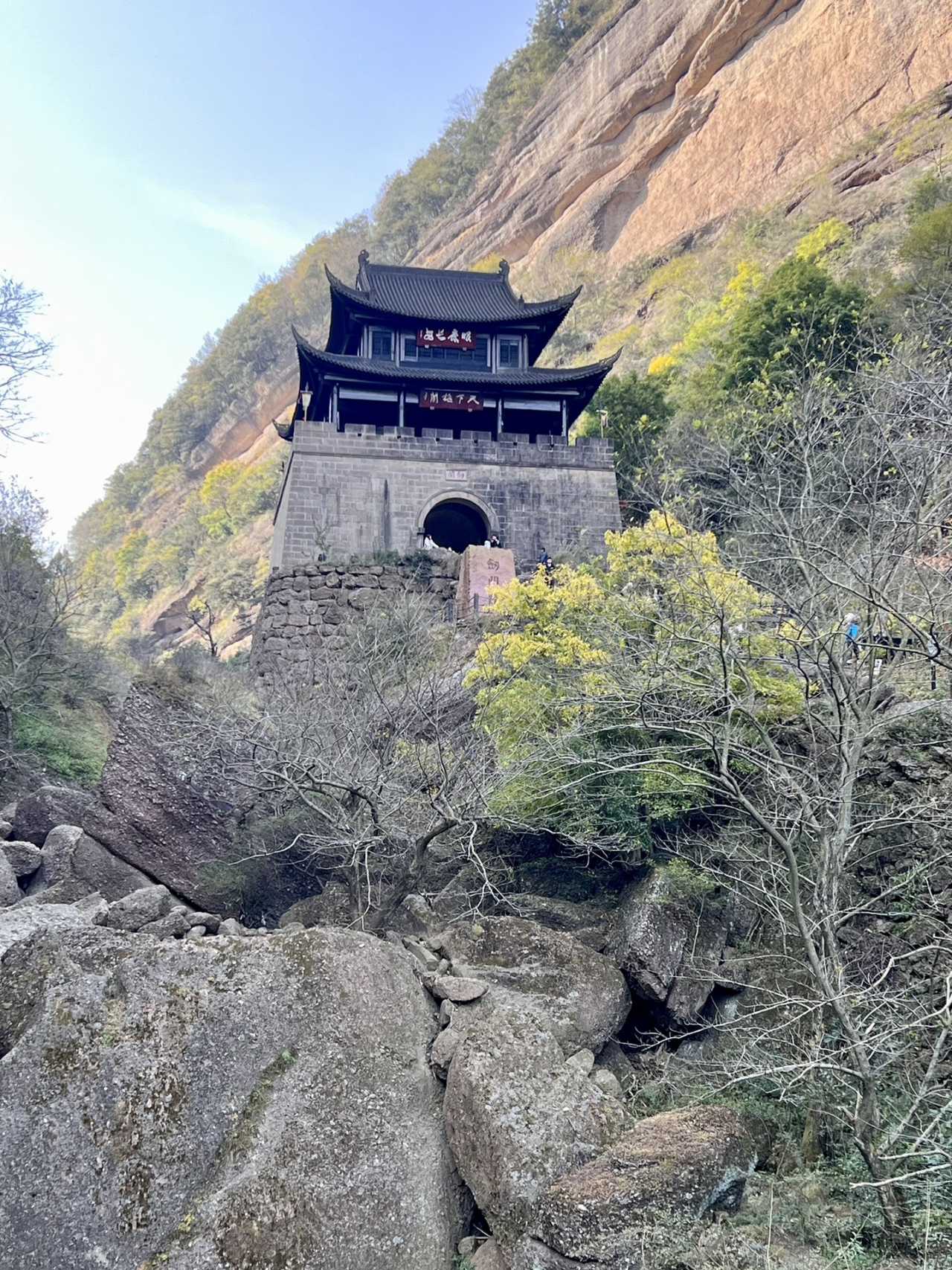
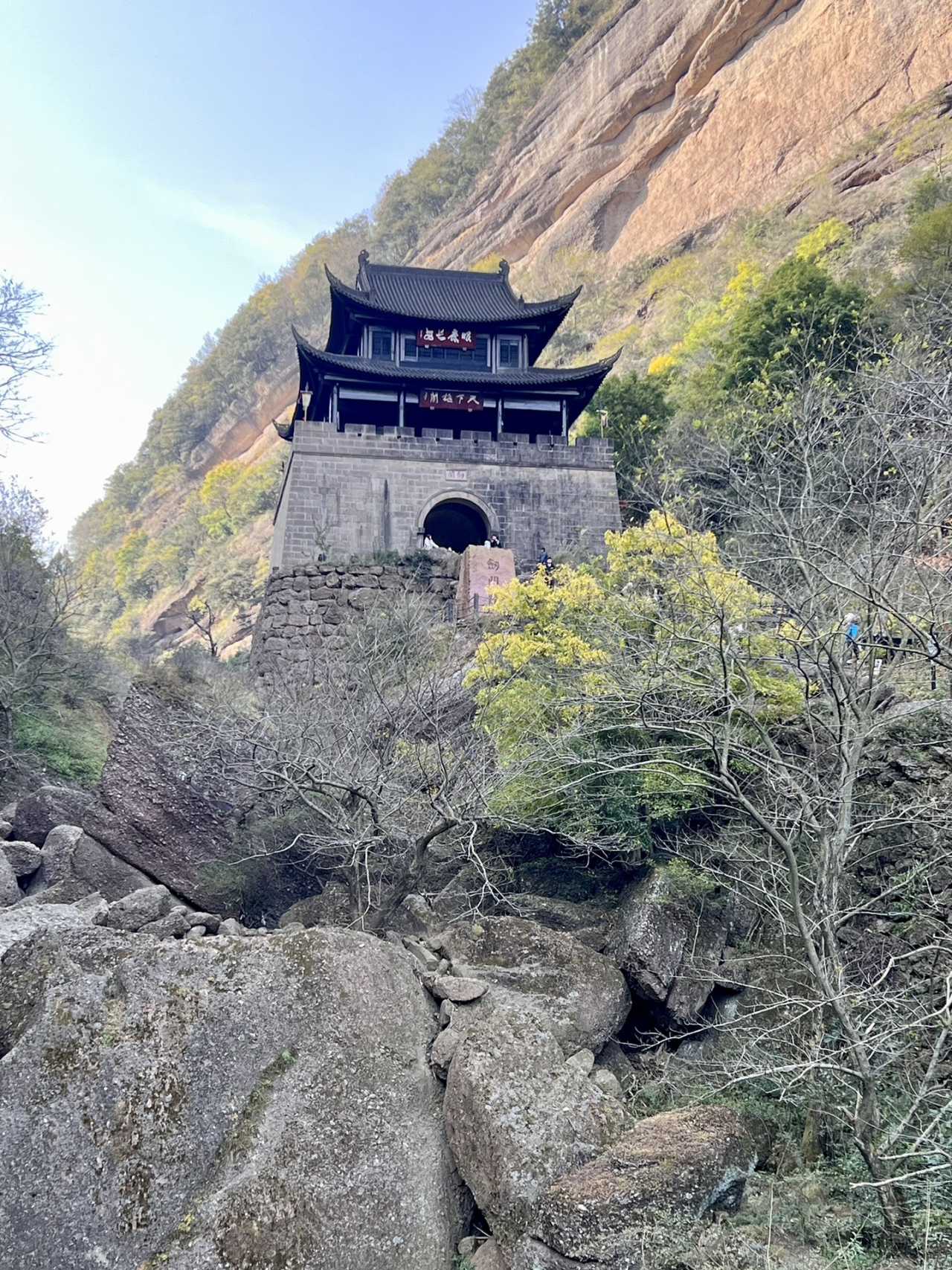
Jianmen Pass is located at the break of the Dajian Mountain range, with sheer cliffs on both sides and a narrow ancient road winding through the middle. This creates a "one man can hold the pass against ten thousand" military defensive terrain. Since the Qin and Han dynasties, it has been a vital artery connecting the Central Plains with the Ba-Shu region.
Jianmen Pass has a particularly tumultuous history. After Zhuge Liang of the Shu Han Kingdom established the pass, it was not officially named until the Tang Dynasty. Over 1,300 years, this formidable pass witnessed countless battles. However, in 1935, to build the Sichuan-Shaanxi Highway, the pass tower was dynamited—this millennia-old pass, never conquered in battle, ultimately fell to explosives. In 1992, a replica ancient-style pass tower was rebuilt east of the highway. In 2006, the tower was destroyed by fire; in 2008, it was again devastated by a massive earthquake. When rebuilt in 2009, the Sichuan-Shaanxi Highway was finally rerouted, and the pass tower was restored to its original Ming Dynasty site.
H3: An Easy Sightseeing Route
We chose the easiest route—entering through the South Gate and only visiting the pass tower without climbing the mountains. From the South Gate, it was just an 800-meter walk to the pass tower. Along the way, we passed the Jiange Archway, a Jiang Wei rock formation, a sword-shaped stone, and the "First Pass" monument.
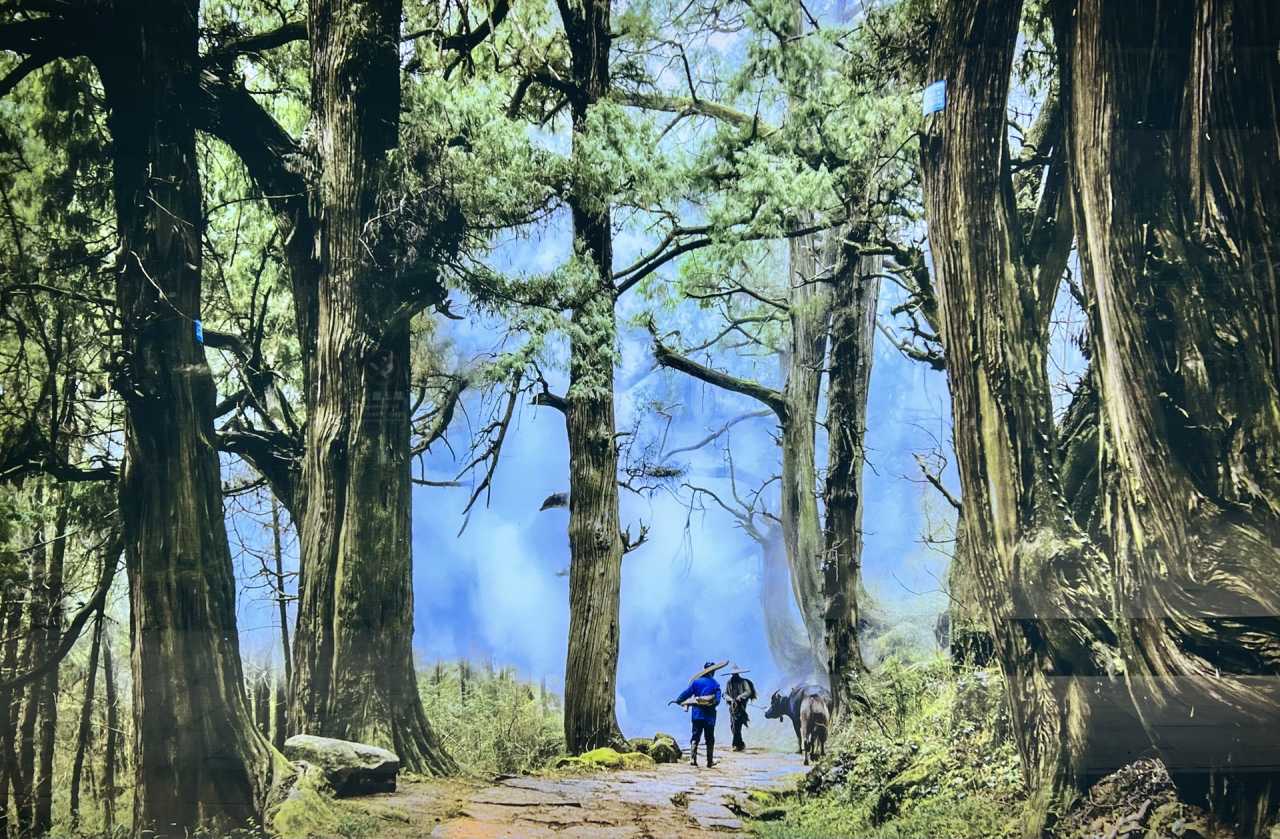
Ascending the pass tower, I looked down at the ancient road below and the distant mountains. The Tang Dynasty poet Li Bai wrote in "The Difficult Road to Shu": "Jianmen Pass towers steep and grand; one man can hold it against ten thousand." Standing on the pass tower, I truly understood this.
Practical Tips: - Visit Duration: 1-2 hours (easy route) - Best Time: Early morning for fewer crowds and better lighting - Transportation: Bullet train from Guangyuan (10 minutes), then bus No. 7
[Link: Best ancient passes in China]
H2: Guangyuan Travel FAQ
Q1: What is the best time to visit Guangyuan? A: Spring (March-May) and autumn (September-November) offer mild temperatures and clear skies. Summer can be hot, while winter is cold but less crowded.
Q2: How many days do I need for a Guangyuan itinerary? A: Three days and two nights is ideal. Day 1: Huangze Temple and downtown. Day 2: Thousand Buddha Cliff and Jianmen Pass. Day 3: Explore local cuisine and nearby attractions.
Q3: Is Jianmen Pass suitable for elderly travelers? A: Yes, the easy route (South Gate to pass tower) is flat and short (800 meters). Avoid mountain climbing routes if mobility is limited.
Q4: What local dishes should I try in Guangyuan? A: Try Guangyuan hot pot, Jialing River fish, and local snacks like cold noodles and tofu pudding. The city is also known for its pickled vegetables.
Q5: How do I get from Chengdu to Guangyuan? A: High-speed trains from Chengdu East Station take about 1.5-2 hours. Buses are also available but take longer.
H2: Plan Your Guangyuan Cultural Journey Today
Guangyuan offers a unique blend of history, culture, and natural beauty that few Chinese cities can match. From the imperial legacy of Wu Zetian at Huangze Temple to the breathtaking stone carvings at Thousand Buddha Cliff and the legendary Jianmen Pass, this city is a treasure trove waiting to be discovered.
Your next step: Book your high-speed train to Guangyuan today. Whether you're a history enthusiast, a Buddhist art lover, or a Three Kingdoms fan, Guangyuan promises a journey you won't forget. Start planning your itinerary now—this underrated gem won't stay hidden for long.
[Link: Complete Sichuan travel guide] [Link: Best historical cities in China for culture lovers]
Have you visited Guangyuan? Share your experience in the comments below, or tag us in your photos using #GuangyuanTravel. For personalized itinerary planning, contact our travel experts today!
You may also like


