From Ancient Shu to Modern Chengdu: Rediscovering a City's Soul in Its Hidden Alleys

Meta Description: Discover Chengdu beyond the tourist trail. From ancient Shu tea houses to Du Fu's Thatched Cottage and Sichuan Museum, explore the city's soul through hidden alleys and authentic local experiences.
Chengdu is often described as a city you never want to leave. But for those who dig deeper, it's more like a book you can never finish reading—every page holds a story, every chapter hides a surprise. From the flames of the Three Kingdoms to the thatched cottage of the Poet Sage, from the fragrance of gaiwan tea to the bubbling cauldrons of hotpot, this "Land of Abundance" has spent three millennia polishing itself into a warm, jade-like amber, perfectly preserving history, culture, and the everyday rhythm of life.
This guide takes you beyond the typical Chengdu travel itinerary. Whether you're a solo traveler, a family photographer, or a cultural explorer, you'll learn how to experience the authentic Chengdu—the one that lives in its parks, its tea houses, and its hidden corners.
Why Chengdu's Hidden Alleys Hold the City's True Soul
Some travelers rush through Chengdu's famous sights—Jinli Ancient Street, Kuanzhai Alley, the Giant Panda Base. But the city's real character lives in its quieter spaces: the bamboo-shaded tea houses, the misty mornings at Du Fu's Thatched Cottage, the museums that trace the ancient Shu civilization.
For photographers and cultural travelers alike, Chengdu offers a rare blend of ancient heritage and modern vibrancy. The key is knowing where to look—and when.
An Old Chengdu Morning Begins with a Cup of Gaiwan Tea

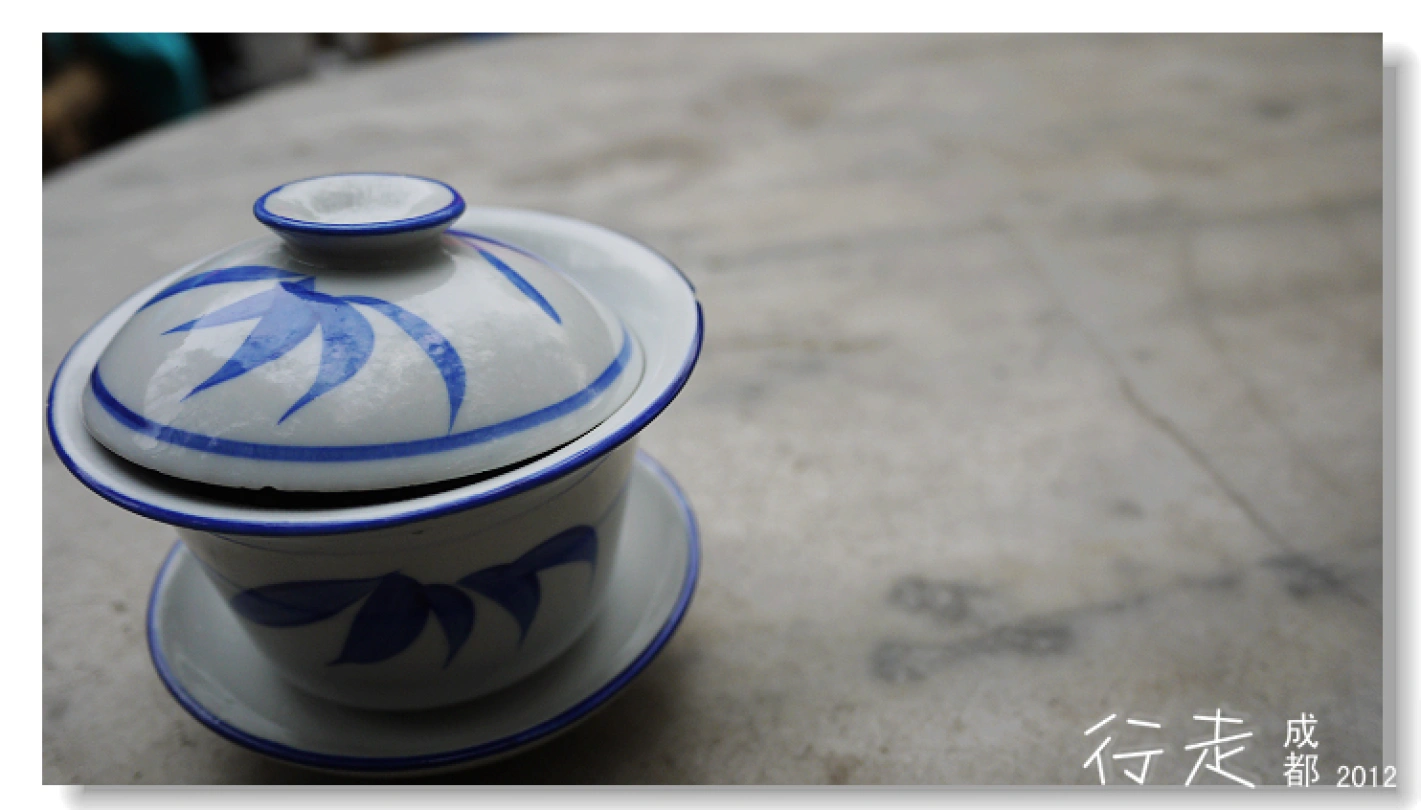
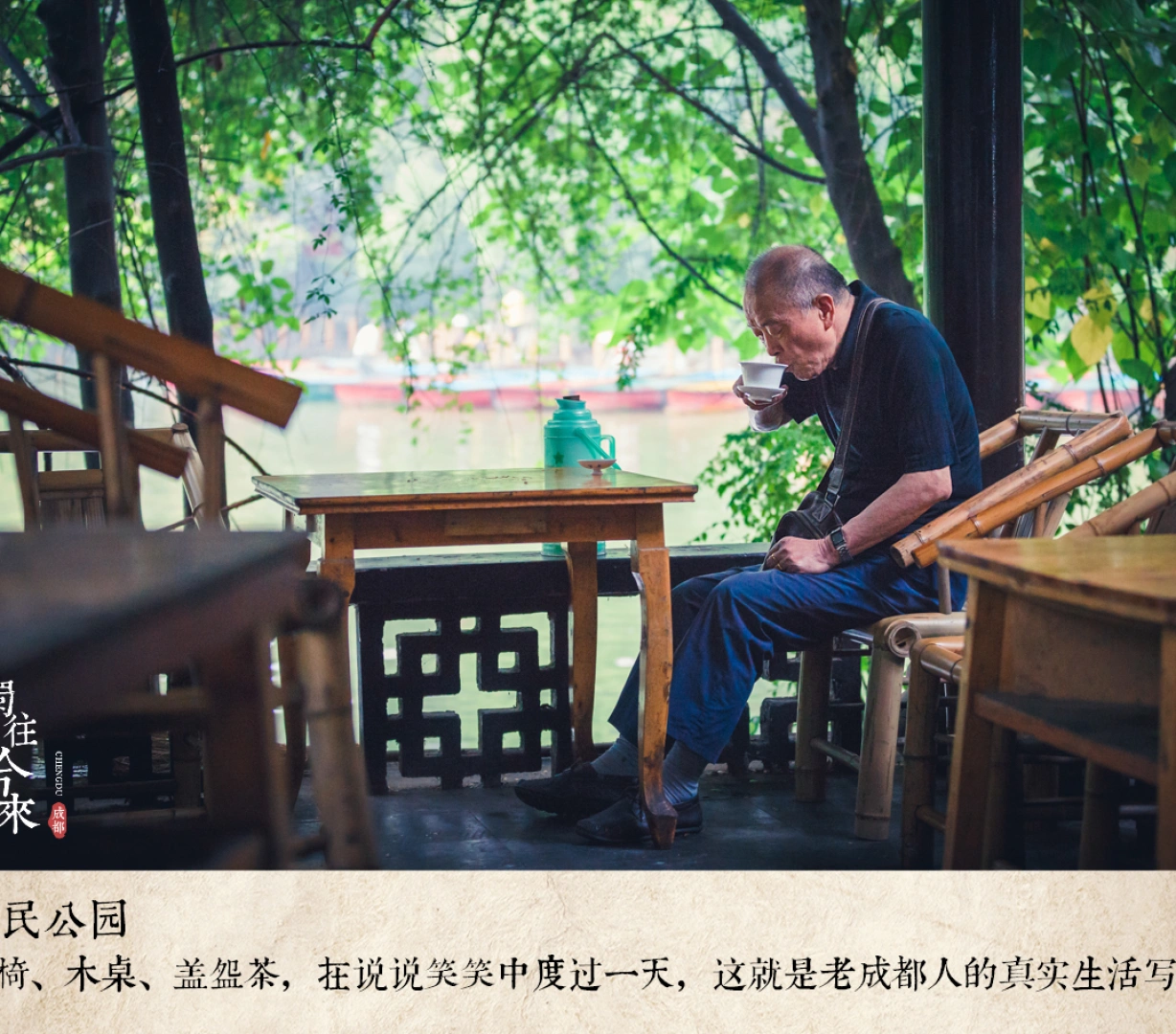
If you had to put a label on "Old Chengdu," tea houses would top the list. And when it comes to tea houses, you can't avoid mentioning that brimming cup of gaiwan tea. Chengdu is famous worldwide for its abundance of tea houses, its legions of tea drinkers, and the leisurely hours spent sipping. Though the city races forward at breakneck speed, you can still find old Chengdu residents in parks and deep alleyways, cradling their gaiwan tea cups, slowly easing into the morning.
Heming Tea House: A Century-Old Taste of Chengdu
Every city has its "People's Park," and Chengdu is no exception. Inside it sits Heming Tea House, which has weathered a hundred years of storms. Every morning, old Chengdu locals come here, start with some morning exercise, then order a pot of gaiwan tea, pick up a newspaper, and begin their leisurely day amid laughter and chatter.
Times change, but what remains unchanged is that cup of tea steeped in the flavor of Chengdu. What has changed is that the newspapers in customers' hands have been replaced by smartphones—they still care about world affairs, just in a different way.
The bamboo chairs in the tea house are an indispensable part of Chengdu's tea culture. Paired with square wooden tables, they form the standard setup of an old Chengdu tea house. Many of these chairs have been polished to a glossy, bronze-like sheen by years of use, as if telling stories of the past.
On a drizzly day, the rain adds a touch of rustic tranquility to Heming Tea House. Under the willow trees, beside the artificial lake, sipping a cup of fragrant gaiwan tea while watching raindrops create tiny ripples on the water's surface is a quintessential Chengdu experience. Time slips away in the patter of spring rain.
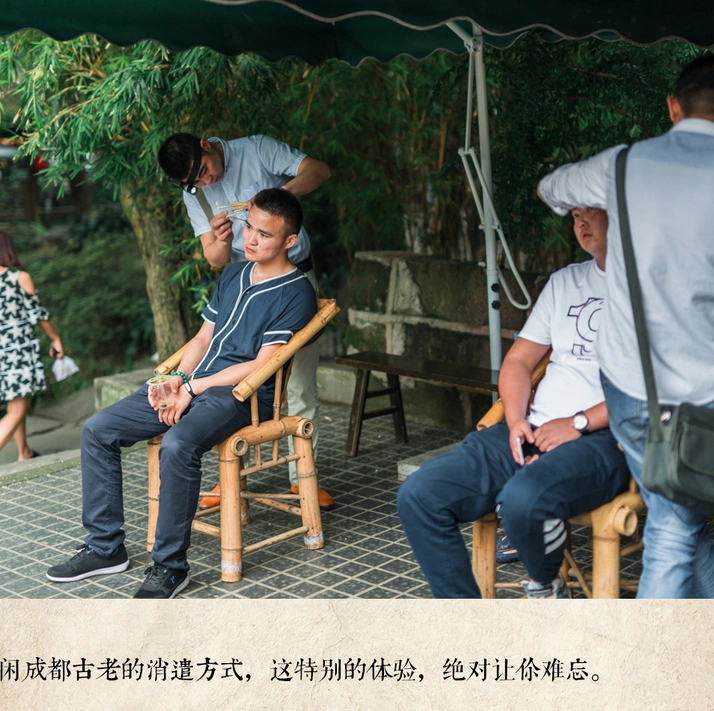
Practical Tip: If you want to experience the most authentic ear-cleaning technique, don't go to tourist traps like Jinli Ancient Street. Find a tea house or park frequented by locals—it'll be much more genuine. [Link: Best local tea houses in Chengdu]
Du Fu's Thatched Cottage: Where Human Spirit Meets Natural Beauty
Du Fu's Thatched Cottage sits on the banks of the Huanhua Stream in Chengdu. Walk through the main gate, cross the stone bridge, and you'll find yourself in a spacious open hall. In the center stands a statue of Du Fu, flanked by a meaningful couplet on the walls: "Born in different times, I ask this land—how many poets have crouched like dragons and lain like tigers? You too were a sojourner, yet you left behind a thatched cottage under the bright moon and clear breeze."
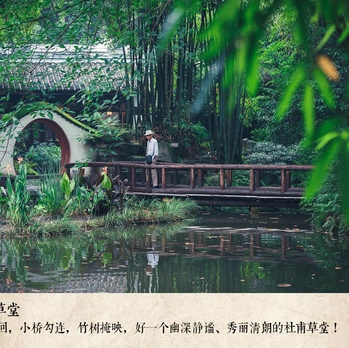
Though located in the bustling city, the cottage grounds are remarkably serene. Walking through the misty rain, you feel as if you have stepped not into Chengdu but into Jiangnan—the water towns south of the Yangtze River. The hazy drizzle and rustic tranquility perfectly match the cottage's atmosphere, immersing visitors in a deep sense of history.
Best Time to Visit Du Fu's Thatched Cottage
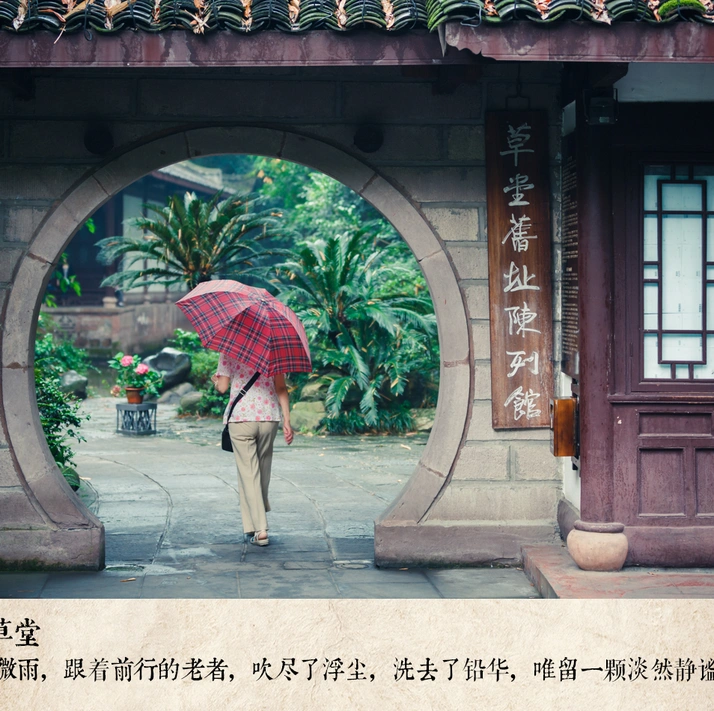
Early morning is the golden hour. Few tourists are around the Nine-Bend Bridge, and the light rain creates a magical atmosphere. One of the most memorable photos from a recent visit captured an elderly man walking through the light rain—time seemed to freeze in that moment, free from worldly noise and distraction, leaving only a calm, quiet heart.
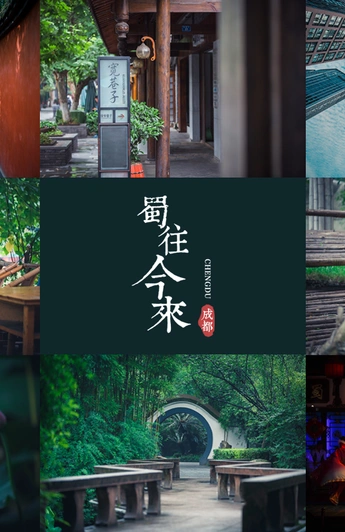
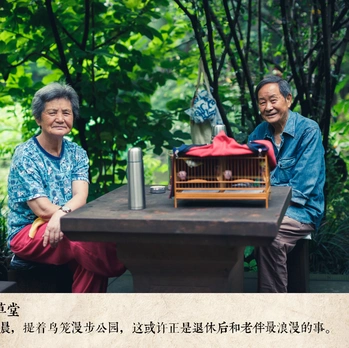
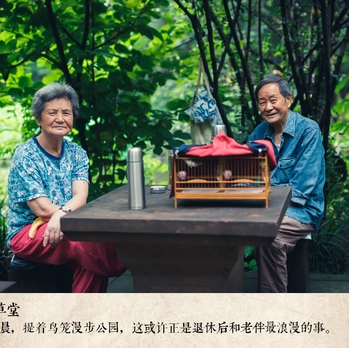
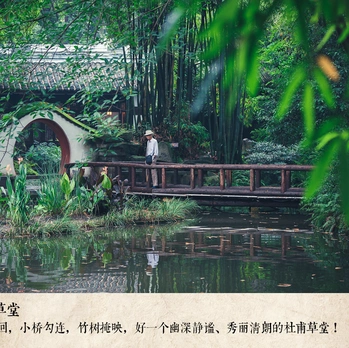
Taking a birdcage for a morning stroll in the park might be the most romantic thing to do after retirement. The cottage grounds are densely covered with greenery, especially bamboo groves, creating a "bamboo path leading to tranquility" scene at every turn.
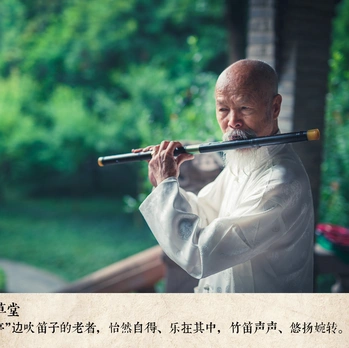
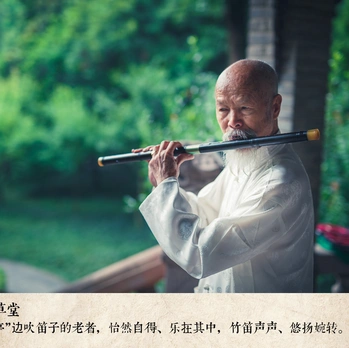
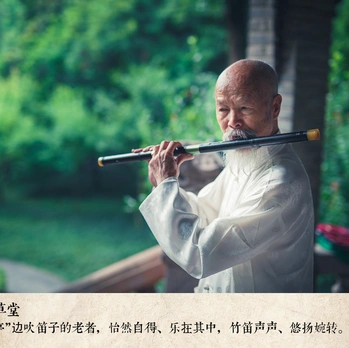
By the waterside, a babbling brook flows beneath a railing, flanked by bamboo groves—a picture of rustic elegance and deep serenity. In the plum garden stands a four-story brick pagoda called "Yilan Pavilion." Inside, an elderly man played the bamboo flute, carefree and content, the melodious notes drifting through the air.
The reconstructed thatched dwelling faithfully reproduces the simple and crude living conditions of Du Fu's time. Though the house was simple, it had its own elegance—nestled along the river, surrounded by clear streams and bamboo groves, vividly evoking the poetic scene described by Du Fu: "South of my cottage, north of my cottage, spring water everywhere; I see only flocks of gulls coming day after day."
The Shaoling Stele Pavilion is one of the cottage's most iconic structures. Inside stands a stone tablet inscribed with the four characters "少陵草堂" (Shaoling Thatched Cottage) in bold, powerful calligraphy, written by Prince Guo, Yunli. The "Flower Path" is the cottage's most distinctive feature—a quiet, deep red-walled path about a hundred meters long, offering a unique experience as you walk along it.
Important Reminder: If you want to experience this tranquility, you must come early! Must come early! Must come early! [Link: Complete guide to Du Fu's Thatched Cottage]
Sichuan Museum: Tracing Roots, Savoring Ba-Shu Culture
As you leave the cottage, consider heading to the Sichuan Museum—especially if the rain picks up. Founded in 1941, the Sichuan Museum is located in the Huanhua Stream Historical and Cultural Scenic Area and is the largest comprehensive museum in Southwest China. It's an unexpected bonus for any traveler caught in a downpour.
What to See at Sichuan Museum
- Ceramics Gallery: Showcases the natural, unadorned charm of Ba-Shu pottery—from vivid Han dynasty clay figurines to colorful Song dynasty tri-color glazed figurines to the unique Qingyang Palace kilns. Each piece reveals the distinctive allure of Ba-Shu ceramics.
Zhang Daqian Collection: The museum houses a large collection of Zhang Daqian's paintings, especially his copies of Dunhuang murals. Zhang copied over 200 Dunhuang murals, and the Sichuan Museum holds 183 of them.
Ba-Shu Bronze Gallery: Ancient bronze vessels bear witness to the evolution of an ancient civilization, offering a window into the region's deep history.
Visiting a local museum to absorb its culture and history has become an indispensable part of any thoughtful travel routine. [Link: Top museums in Chengdu for history lovers]
Hotpot and Skewers: Chengdu's Taste Memories
No trip to Chengdu would be complete without that fiery red oil pot. For an authentic experience, try Kanshangkan Old Hotpot—it turned out to be the most memorable meal of the entire trip.
Kanshangkan hotpot originated in Chongqing and uses authentic pure beef tallow. It's said that Sichuan hotpot is fragrant, rich, and unforgettable, and that it won't easily cause internal heat. The bubbling cauldron, the aroma of Sichuan peppercorns, and the shared experience of dipping fresh ingredients into the broth—this is Chengdu's culinary soul.
For a lighter option, explore the city's skewer stalls found in hidden alleys. These street-food gems offer a taste of everyday Chengdu life, where locals gather after work to share stories over grilled meat and vegetables. [Link: Best hotpot restaurants in Chengdu]
FAQ: Chengdu Travel Tips for Cultural Explorers
1. What is the best time to visit Chengdu for cultural experiences?
 Early morning is ideal for tea houses and Du Fu's Thatched Cottage. Weekdays are less crowded. Spring and autumn offer mild weather perfect for walking.
2. How can I experience authentic Chengdu tea culture?
 Skip tourist-heavy spots. Visit Heming Tea House in People's Park or find local tea houses in residential alleys. Order gaiwan tea and watch the locals—that's the real experience.
3. Is Du Fu's Thatched Cottage worth visiting?
 Absolutely. It's a serene escape from the city, rich in history and poetry. Arrive before 9 AM to avoid crowds and capture the misty atmosphere.
4. What should I eat in Chengdu besides hotpot?
 Try dan dan noodles, mapo tofu, chuan chuan (skewers), and long chao shou (soup dumplings). Street food in hidden alleys offers the most authentic flavors.
5. How do I photograph Chengdu's humanistic culture?
Focus on daily life: elderly people in parks, tea drinkers, street vendors. Use natural light and be respectful. Early morning and late afternoon offer the best lighting.
Ready to Discover Chengdu's Hidden Soul?
Chengdu is not a city you visit—it's a city you experience. From the steam of a gaiwan tea cup to the mist over Du Fu's bamboo groves, every moment offers a story waiting to be captured.
Whether you're planning a family trip, a solo photography journey, or a deep cultural dive, let this guide be your starting point. Book your flights, pack your camera, and prepare to lose yourself in the alleys of a city that has been perfecting its soul for three thousand years.
Start planning your Chengdu adventure today. The hidden alleys are waiting.
You may also like