Four Sisters Mountain Ultimate Guide: Best Time, Valleys & Travel Tips (2024)
Meta Description: Planning a trip to Four Sisters Mountain? After dozens of visits, here's my complete guide covering the best seasons, which valley to choose, self-drive routes, and hidden gems. Your ultimate Sichuan snow mountain adventure starts here.
If you asked me which snow-capped mountain destination in western Sichuan is the most underrated, I wouldn't hesitate: Four Sisters Mountain (四姑娘山).
I've been to Yading twice, both times during its stunning late autumn. But Four Sisters Mountain? I've visited over a dozen times—cycling through Shuangqiao Valley, hiking and camping in Haizi Valley, summiting the Second Sister Peak, and trekking the legendary Tang-Tibetan Ancient Road (a traverse from Changping Valley to Bipeng Valley), hailed as one of China's top ten classic hiking routes. Through spring, summer, autumn, and winter, I've etched nearly every inch of this mountain landscape into my memory.
Honestly, in terms of visual impact, Four Sisters Mountain and Yading are on par—snow-capped peaks, alpine meadows, glacial lakes, and forests—they've got all the elements. Yet strangely, when many out-of-town friends mention western Sichuan, Yading is their first thought, while Four Sisters Mountain draws blank stares. Why?
Three reasons: First, in the early 20th century, American explorer Joseph Rock visited China six times and heavily promoted Shangri-La in National Geographic, catapulting Yading to fame, while Four Sisters Mountain missed out on this "international buzz." Second, Lost Horizon, adapted from Rock's experiences, further cemented Yading's status. Third, Yading's three sacred peaks hold high status in Tibetan Buddhism, whereas Four Sisters Mountain is merely the embodiment of several fairy maidens, lacking religious prestige.
But here's the truth: Located just four hours from Chengdu, Four Sisters Mountain boasts over seventy permanently snow-capped peaks. Its three open valleys each have distinct charms. In terms of snow mountain density and diversity, it truly holds its own against Yading's three peaks. More importantly, it allows outdoor camping and mountaineering, and since the Balang Mountain Tunnel opened, winter travel no longer means worrying about icy roads—even regular cars can manage. A single weekend is enough for a perfect snow mountain getaway.
Best Time to Visit Four Sisters Mountain: Choosing the Right Season Is an Art
Four Sisters Mountain sits at high altitude, with over seventy snow-capped peaks year-round, so any season offers snowy views. But if you want the absolute best scenery, remember these key times.
Summer (June–July): The Wildflower Spectacle
This is a feast of wildflowers. From late May, flowers begin to bloom, and by June and July, the meadows are carpeted in a riot of colors, like a spilled paint palette. Early August is still nice, but beware: mid-August to early September is the rainy season. The route from Chengdu to Four Sisters Mountain, especially around Wenchuan, often sees heavy rain triggering mudslides, causing road closures almost every year. Don't worry, though—even if the road from Yingxiu to Wolong is cut, you can detour via Barkam.
Late Autumn (Late October): The Golden Window
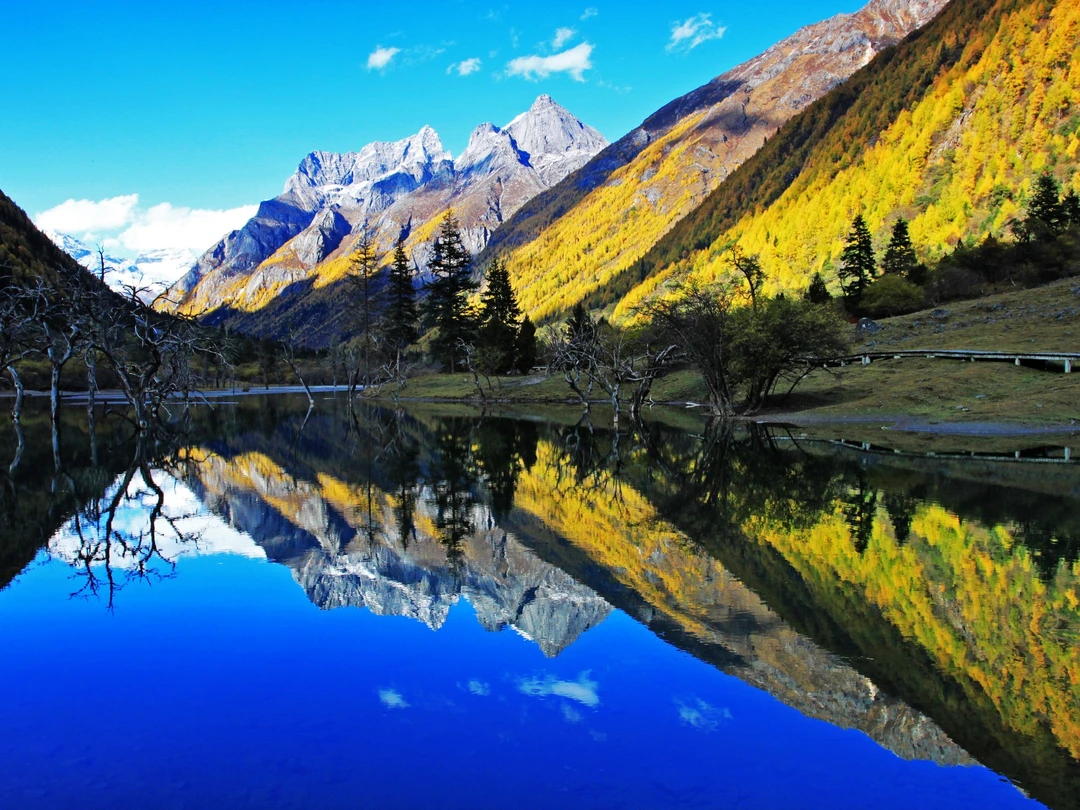
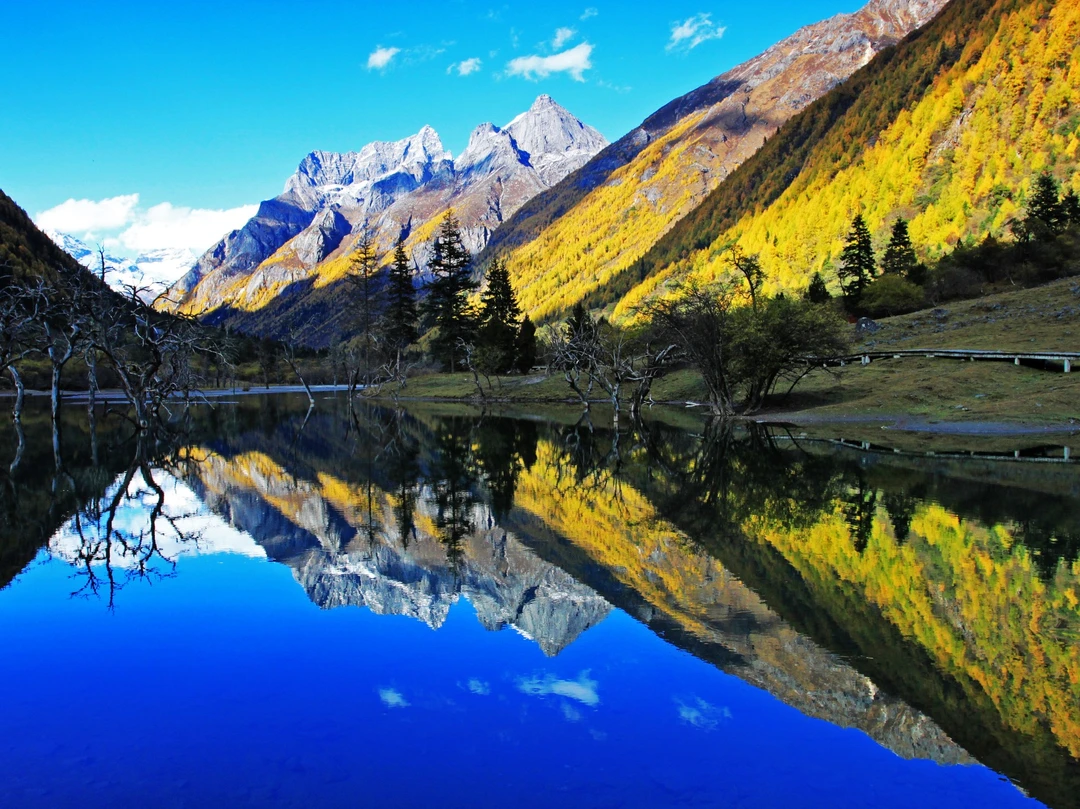
This is Four Sisters Mountain's most beautiful time of year. No contest. Say it three times: late October! Late October! Late October! Golden larch trees against pristine white snow create a color contrast so stunning it brings tears to your eyes. During National Day (early October), autumn has just begun, and the colors aren't fully out yet, so don't rush to join the crowds then.
Winter (November–April): Solitude and Savings

As winter sets in, the scenery fades. A strong wind in early November can strip all the leaves, but if you catch a clear day after snowfall, the snow-covered forests have their own unique charm. Fewer tourists, cheaper accommodation—perfect for Chengdu locals to soak up some sun and relax.
Spring (March–May): The Shoulder Season
Colors are muted, few flowers, and greenery is just starting to emerge. However, if you combine Four Sisters Mountain with Danba on a small loop, it's a solid option—see snow mountains at Four Sisters, then visit Danba for its watchtowers, Tibetan villages, and pear blossoms.
How to Get to Four Sisters Mountain: It's Never Been Easier
Self-Drive Route
From Chengdu, take the expressway to Yingxiu (about 1 hour), then pass through Wolong, the Panda National Viewing Platform, the Balang Mountain Tunnel, and finally to the Cat's Nose Ridge viewpoint. Total time: about 3–4 hours. With the tunnel now open, winter icy roads are rarely an issue unless there's extreme weather.
Without a Car
Long-distance buses run from Chengdu's Chadianzi Station to Four Sisters Mountain Town, and the Dujiangyan Bus Terminal also has services.
Highlights Along the Way
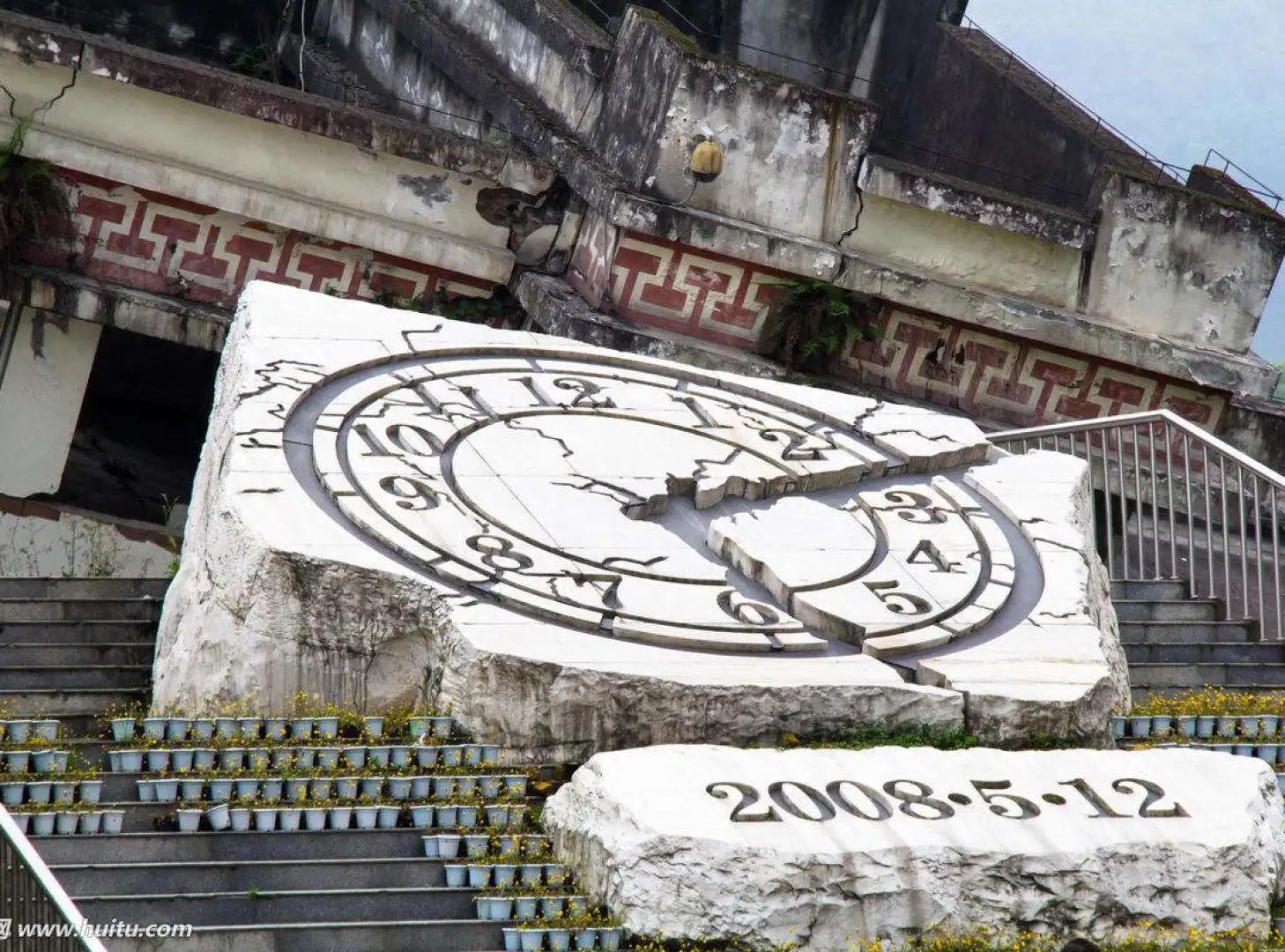
- Yingxiu Town: The epicenter of the 2008 Wenchuan earthquake, now beautifully rebuilt. You can visit the earthquake memorial museum.
- Panda National Viewing Platform: A roadside lookout where, with luck, you might see a sea of clouds.
- Balang Mountain Pass: Even though the tunnel is open, I recommend self-drivers take the detour to the pass, especially at dawn or dusk. The combination of clouds and snow peaks is unforgettable.
[Link: Best Sichuan road trips for snow mountain views]
Which Valley to Choose? Avoid These Common Pitfalls
Four Sisters Mountain currently has three developed valleys: Shuangqiao Valley, Changping Valley, and Haizi Valley. Each requires a separate ticket and has its own entrance. Many local guides will tell you Haizi Valley is the most beautiful, but if you take their word and head in blindly, you'll likely be disappointed—not because Haizi isn't stunning, but because it demands serious time and effort.
Shuangqiao Valley: The Top Pick for Regular Tourists
Ticket: 80 RMB, Sightseeing Bus: 70 RMB (definitely buy the bus ticket; the valley is about 30 km long, and the first 10 km have little scenery).
Shuangqiao Valley is the "must-do" for regular tourists. If you only have one day and can only visit one valley, choose Shuangqiao. Why? Because it has the most snow peaks, the richest landscapes, and requires the least effort of the three. Over a dozen snow-capped peaks stretch before you; in summer, meadows burst with flowers, and you can even pick wild strawberries. Gnarled sea buckthorn trees look like bonsai, tranquil lakes mirror the peaks, and at the valley's end hangs a glacier.
Best of all, like Jiuzhaigou, Shuangqiao Valley has sightseeing buses that stop at various points. Boarding and alighting is easy, with boardwalks connecting the stops—walk if you want, ride if you don't. There are no restaurants inside, so pack a picnic lunch, though small stalls at each stop sell barbecue and lamb offal soup.
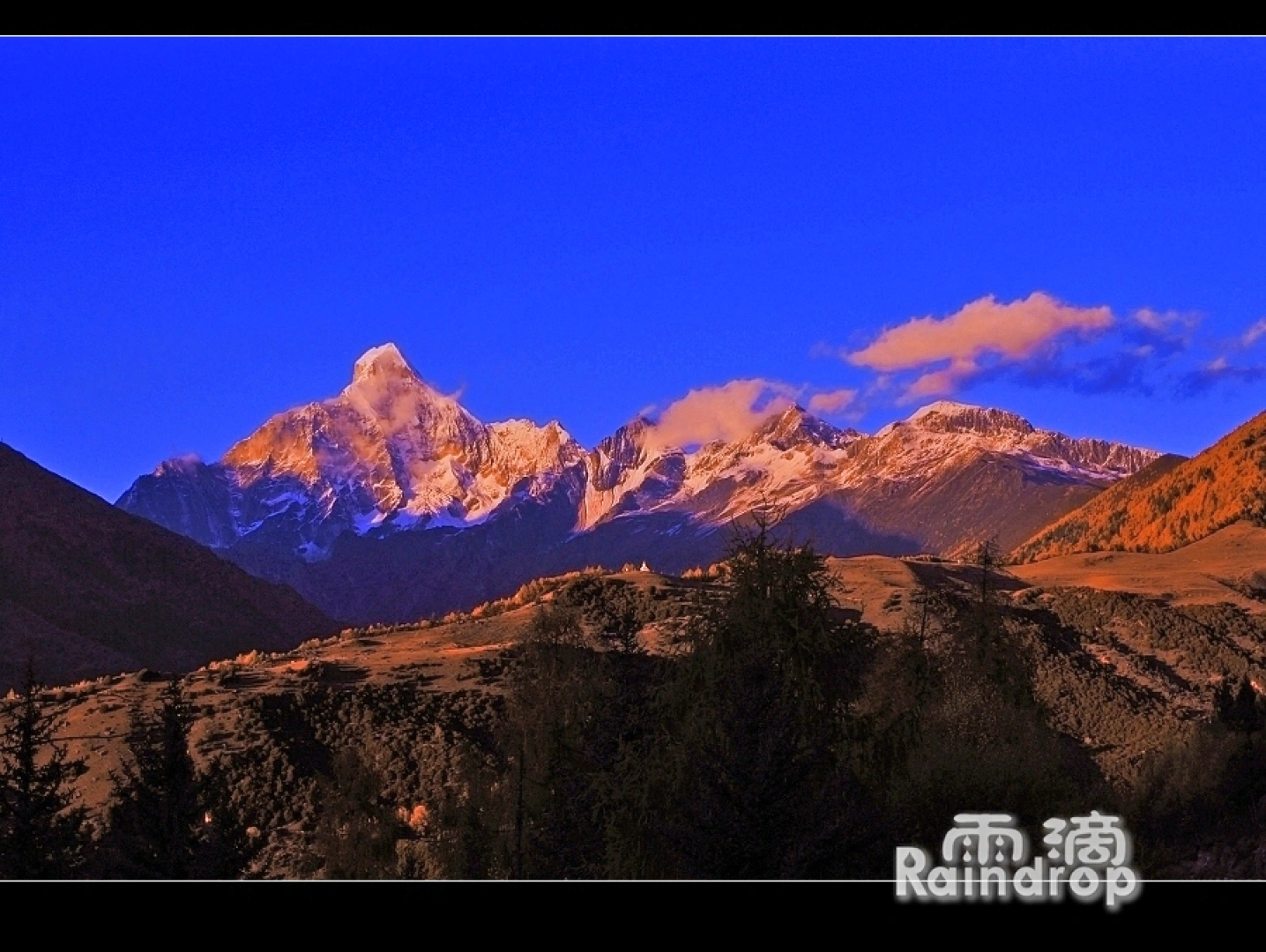
Recommended Itinerary: Spend a full day leisurely exploring Shuangqiao Valley. In the afternoon, head out and go to Cat's Nose Ridge to watch the sunset and see the "Golden Sunlight on the Snow Mountains" phenomenon on the four peaks.
Must-See Spots: - Ginseng Fruit Meadow: A vast, gentle meadow with a slow stream and sea buckthorn groves that look like bonsai. - Sikula Lake: Formerly called Dead Tree Beach, the submerged dead trees create a haunting, vibrant desolation. Come early or wait for the wind to die down to see mirror-like reflections. - Potala Peak: A mountain shaped strikingly like the Potala Palace. - Hunter Peak: The mountain featured in the C'estbon (Yibao) purified water advertisement.
Changping Valley: Made for Hiking Enthusiasts
Ticket: 70 RMB. Many say Changping Valley is the most beautiful, and I won't argue—but only if you go deep enough. The famous "Tang-Tibetan Ancient Road" (traversing from Changping to Bipeng Valley) starts here.
The catch? Changping begins with a short bus ride, followed by a long, monotonous trek through forest. It takes 3–5 hours to get past the trees and reach "Lower Dry Sea" before the real beauty appears. The spot that truly makes it worth it is Mu Luozi —a large, flower-filled meadow offering a view of the back side of the youngest sister peak (Yaomei Peak).
One-Day Trip Advice: If you're fit, enter early (before 7 AM), hike to Mu Luozi, and then turn back. If you're average in fitness, consider hiring a horse for part of the trail.
[Link: Top hiking trails in Sichuan for beginners]
Haizi Valley: For Adventurers Only
Ticket: 60 RMB. This valley is raw, wild, and demanding. No sightseeing buses—you either hike or hire a horse. The reward? Pristine alpine lakes, fewer crowds, and a true wilderness experience. Camping is allowed with permits. Only attempt if you have proper gear and experience.
Four Sisters Mountain Travel Tips: What Nobody Tells You
Altitude Awareness: The town sits at 3,200m, and valley entrances are higher. Spend your first night in town to acclimatize. Avoid alcohol and heavy meals.
Packing Essentials: Sunscreen, sunglasses, warm layers (even in summer), rain gear, and comfortable hiking shoes. The weather changes fast.
Accommodation: Four Sisters Mountain Town has options from budget hostels to comfortable hotels. Book ahead during October and national holidays.
Food: Tibetan hot pot, yak meat, and butter tea are local specialties. Most restaurants are in town—pack snacks for valley exploration.
Photography Tips: Golden hour at Cat's Nose Ridge is unbeatable. For star photography, head away from town lights into any valley.
Frequently Asked Questions
Q: Is Four Sisters Mountain suitable for first-time visitors to high altitude? A: Yes, but take it slow. Spend a night in town (3,200m) before any hiking. If you feel dizzy or nauseous, descend immediately. Most visitors manage fine with proper acclimatization.
Q: Can I visit all three valleys in one day? A: Technically yes, but not recommended. Each valley deserves at least half a day. Two days is ideal: Day 1 for Shuangqiao Valley, Day 2 for either Changping or Haizi.
Q: What's the best valley for photography? A: Shuangqiao Valley offers the most variety with minimal effort. For sunrise/sunset shots of the main peaks, go to Cat's Nose Ridge (free, no ticket needed).
Q: Are there guided tours available? A: Yes, many tour operators in Chengdu offer 2–3 day packages. For independent travelers, self-driving or taking the bus is straightforward.
Q: Is winter travel safe after the Balang Mountain Tunnel opened? A: Generally yes. The tunnel bypasses the most dangerous icy sections. However, check road conditions before departing, and carry snow chains just in case.
Your Four Sisters Mountain Adventure Awaits
Four Sisters Mountain offers everything you love about western Sichuan—stunning snow peaks, vibrant alpine meadows, and authentic Tibetan culture—without the crowds and high costs of Yading. With easy access from Chengdu, year-round appeal, and valleys for every fitness level, it's the perfect weekend escape.
Ready to plan your trip? Start by booking accommodation for late October if you want peak autumn colors. Pack your camera, bring your sense of adventure, and discover why I've returned over a dozen times.
Pro Tip: Join our free travel planning group [Link: Sichuan travel community] for real-time road condition updates and hidden gem recommendations from fellow travelers.
Have you visited Four Sisters Mountain? Share your experience in the comments below—I'd love to hear which valley stole your heart.
You may also like


