Four Sisters Mountain Travel Guide: The Tenderness and Wildness Beneath the Snow – How to Truly Experience Siguniangshan
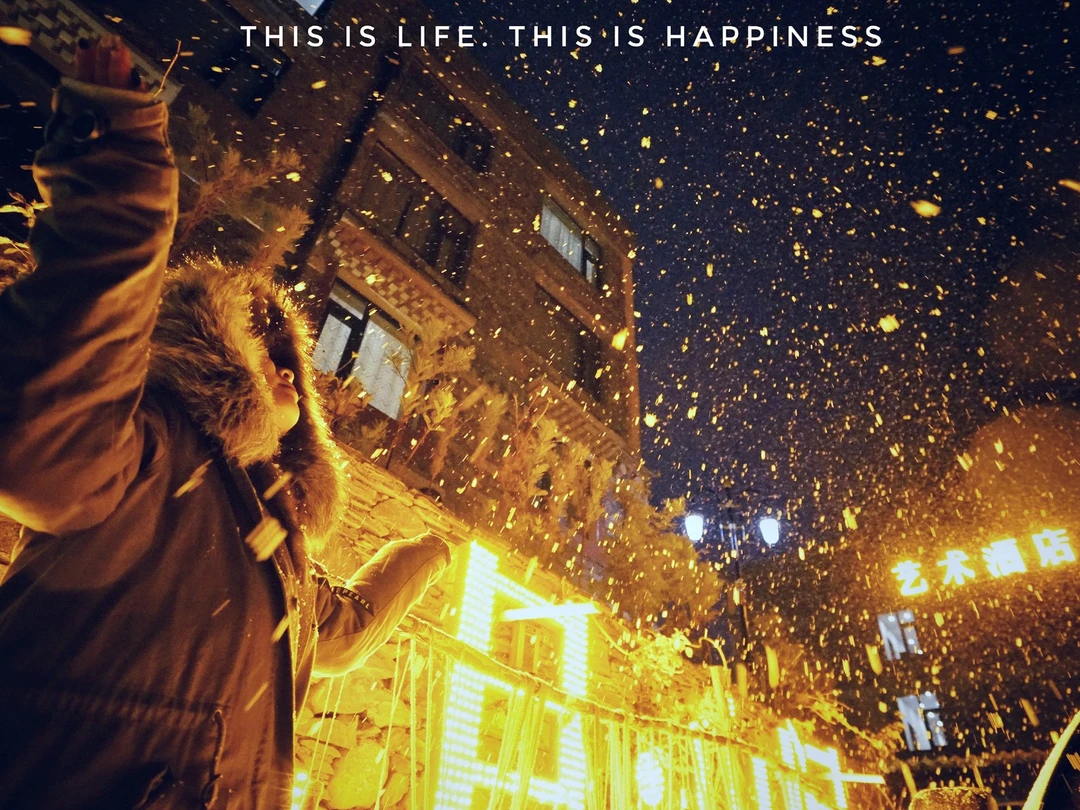
Meta Description: Discover Four Sisters Mountain (Siguniangshan) in Sichuan—a bucket-list destination with three valleys, four peaks, and alpine wonders. Get hiking tips, legends, and travel advice for an unforgettable adventure.
Some places are destined to earn a spot on your life's bucket list. Four Sisters Mountain (Siguniangshan) is exactly that kind of place. She's not a landscape you can grasp at a single glance, but a "beauty" that demands your time—to draw near, to understand, to feel. As the saying goes, everyone should see this beautiful yet fragile world at least once in their lifetime. And Four Sisters Mountain is one of the most moving chapters in that world.
My connection with Four Sisters Mountain began with a chance trip. A friend and I were heading to Seda (Larung Gar) along the small loop route, passing through Xinduqiao and Seda before finally reaching Xiaojin County. Around four in the afternoon, our car stopped in the town of Four Sisters Mountain (Siguniangshan Town), and we debated whether to stay the night. That old saying—"Since we're already here"—made up our minds. But finding accommodation proved difficult. We tried several places, all fully booked, before finally securing a four-person dorm with bunk beds. After checking in, I wandered through the village and noticed many unfinished houses. I casually asked a few landlords about rent: it was only 50,000 to 70,000 yuan a year for a dozen rooms. Compared to Sanya, where 100,000 to 200,000 yuan a year gets you just four rooms, this was practically a steal. So I called a few friends to discuss, and that's how "September Mountain" (September Mountain Inn) came to be. Well, the story is a bit long, but fate works in mysterious ways.
Now, let's officially step into Four Sisters Mountain.
The "Assets" of Four Sisters Mountain: Three Valleys, Four Peaks
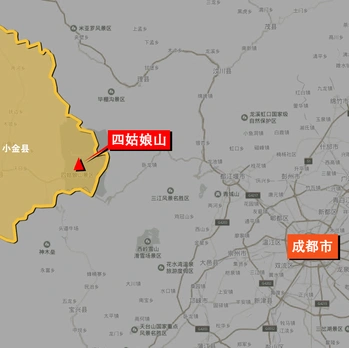
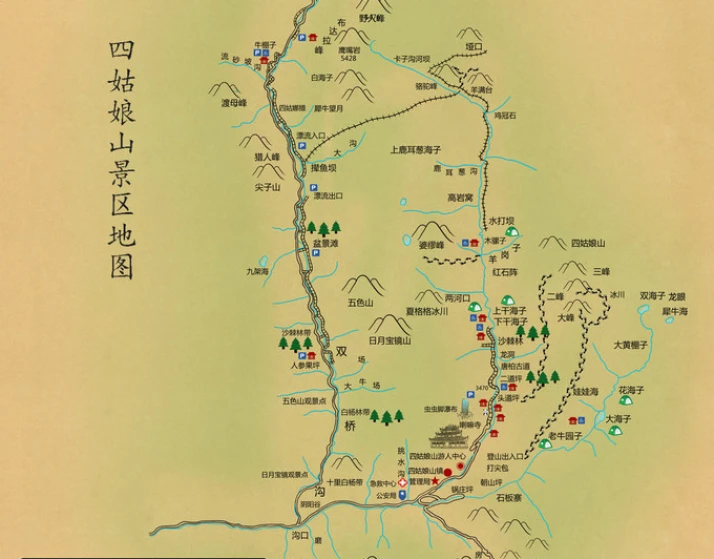
Four Sisters Mountain is located in Siguniangshan Town, Xiaojin County, Ngawa Tibetan and Qiang Autonomous Prefecture, Sichuan Province. It belongs to the Qionglai Mountain range on the Qinghai-Tibet Plateau, about 220 kilometers from Chengdu. Driving from Chengdu takes around three and a half hours. But don't underestimate this journey—the altitude surges from roughly 500 meters to over 4,000 meters, offering a dazzling variety of landscapes along the way.

The entire Four Sisters Mountain area boasts over seventy snow-capped peaks and countless valleys, but for ordinary tourists, the main attractions are the "Three Valleys and Four Peaks" within the scenic area, starting at an elevation of 3,200 meters.
The Three Valleys: Each with Its Own Character
Shuangqiao Valley (Double Bridge Valley): The "Lazy Person's Blessing" for Sightseeing
This is the most developed of the three valleys, with shuttle buses running the entire route. Mountains line both sides, and the vegetation changes from low to high altitude. In autumn, the yellow and red colored forests are breathtakingly beautiful. However, since it's about 6 kilometers from the town, you can't see the main peak of Four Sisters Mountain from here. If you're short on time or traveling with elderly people or children, Shuangqiao Valley is the easiest choice. Tickets are 50 yuan in the off-season and 80 yuan in peak season, with a shuttle bus ticket costing 70 yuan. The visit takes about 3 to 4 hours. There are no restaurants inside the valley, so bring your own food, though some stops have barbecue stalls.
Tip: Arrive early to avoid crowds and enjoy the morning light on the cliffs.
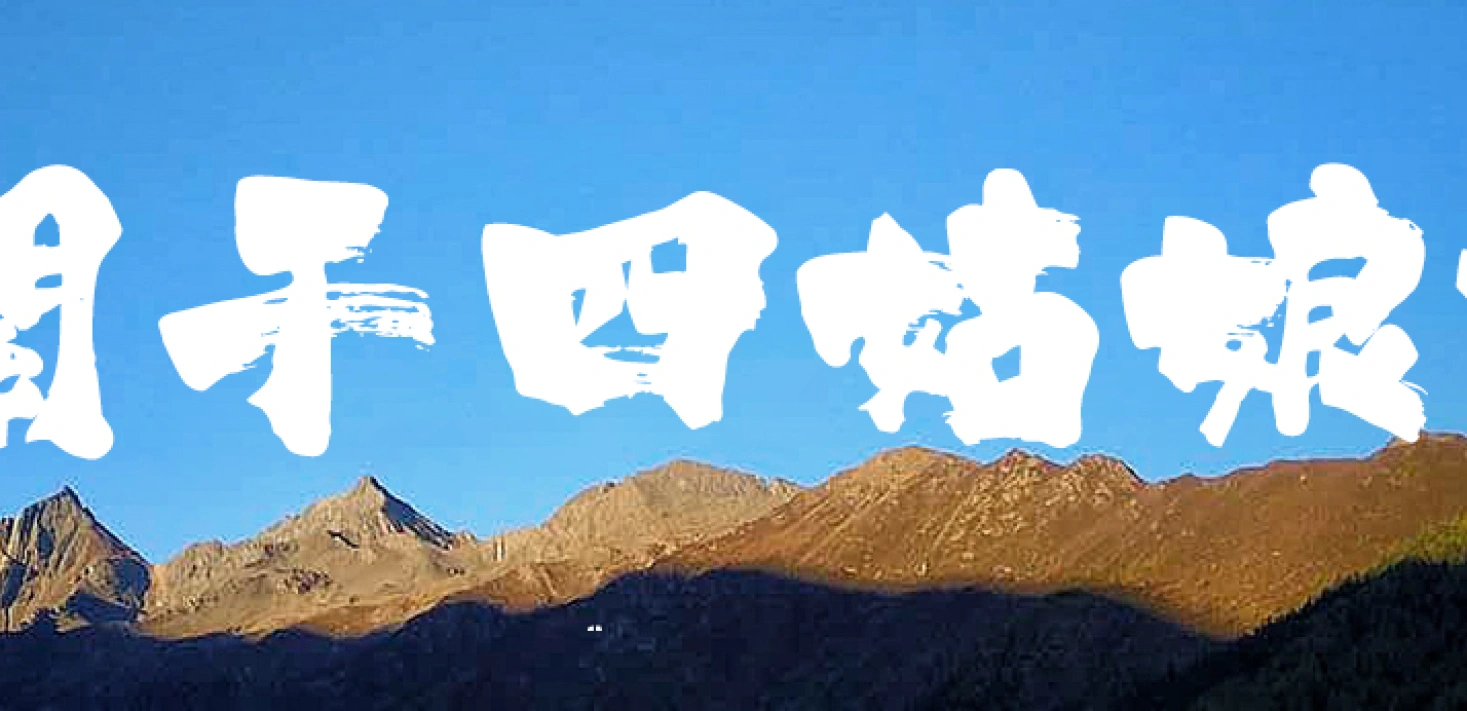
Changping Valley (Long Flat Valley): The "Hiker's Paradise" for Eco-Tourism
The shuttle bus in Changping Valley only goes as far as Lamasery Temple, about 7 kilometers. After that, it's all on foot or horseback. The valley offers not only stunning natural scenery but also unique cultural charm. You can walk to the foot of Yao Mei Feng (The Youngest Sister Peak) and sneak a peek at her profile. Tickets are 50 yuan in the off-season and 70 yuan in peak season, with a shuttle bus ticket costing 20 yuan.
For ordinary visitors, reaching Mu Luozi (Wooden Stake) is considered a worthwhile journey. I once hiked from Lamasery Temple to Mu Luozi and back—about 24 kilometers—which took me nearly 8 hours. In the morning, I walked and took photos, spending over 40 minutes in the forest. In the afternoon, I barely stopped, pushing forward the whole way. Along the trail, I encountered three pheasants, one weasel, eight squirrels, and a porcupine. While cooking lunch, three squirrels approached me in a strange, alternating pattern, as if they were begging for food.
If you're low on energy, consider riding a horse to Mu Luozi and then hiking back. But remember: always have a handler lead the horse one-on-one, not one handler for multiple horses. Don't imagine yourself galloping—you're not the hero in a martial arts movie. And try not to ride the horse on the return trip, as the animals are exhausted and accidents are more likely.
Pro Tip: Pack lightweight snacks and plenty of water. The trail is exposed in sections, so sunscreen and a hat are essential.
Haizi Valley (Lake Valley): The "Primitive Wilderness" for Adventurers
Haizi Valley is ideal for hiking or horseback riding. The area is open, with pristine meadows, making it a paradise for hiking enthusiasts. The first half features high-altitude grasslands and canyons, offering wide views. From Chaoshan Ping (Mountain Worship Flat), you can see the full panorama of Four Sisters Mountain. The second half boasts over a dozen alpine lakes, such as Da Haizi (Big Lake), Hua Haizi (Flower Lake), and Bajiao Peng Haizi (Octagonal Tent Lake), with crystal-clear water. Tickets are 40 yuan in the off-season and 60 yuan in peak season.
Ordinary visitors can just walk to Chaoshan Ping, bring friends and food, and have a picnic on the alpine meadow—sunbathing, chatting, and enjoying a leisurely time. If you want to see the lakes, those with good stamina can hike to Da Haizi or Hua Haizi, but the round trip takes about 9 hours. To see the most beautiful Bajiao Peng Haizi, you'll need to camp overnight.
Important: Haizi Valley is less developed. Carry a GPS device or download offline maps. [Link: Best hiking gear for high-altitude trekking]
The Four Peaks: From Beginner to Summit
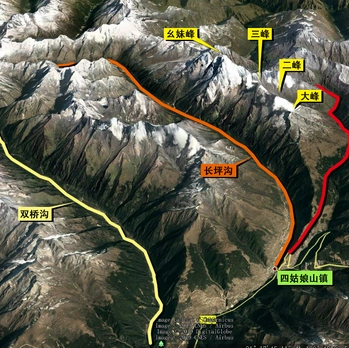
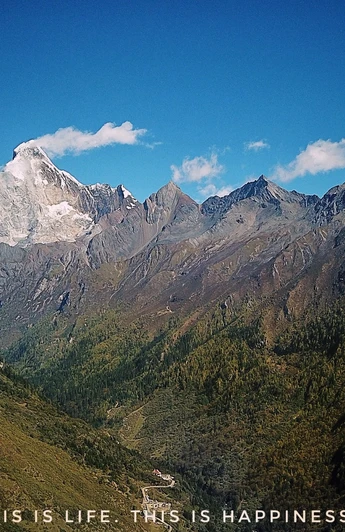
Four Sisters Mountain consists of Da Feng (Big Peak), Er Feng (Second Peak), San Feng (Third Peak), and Yao Mei Feng (Youngest Sister Peak), with elevations of 5,355 meters, 5,454 meters, 5,664 meters, and 6,250 meters respectively. Yao Mei Feng is the second-highest peak in Sichuan Province, known as the "Queen of Sichuan Mountains," standing in distant view of the "King of Sichuan Mountains," Mount Gongga (Minya Konka).
- Da Feng (Big Peak) – Elevation 5,355 meters. The route has no dangerous sections, making it the first 5,000-meter peak for ordinary climbers. Local guides joke, "If you're fit enough, open a bag of sunflower seeds at the base, munch as you walk, and you'll be at the summit by the time you finish."
- Er Feng (Second Peak) – Elevation 5,276 meters. Suitable for experienced amateurs who are physically fit, free from altitude sickness, and familiar with snow gear.
- San Feng (Third Peak) – Elevation 5,664 meters. An entry-level technical peak requiring specialized equipment to reach the summit.
- Yao Mei Feng (Youngest Sister Peak) – Elevation 6,250 meters. Professional level, with top-tier difficulty. Those who summit Yao Mei Feng achieve a status in the climbing world that even surpasses those who have climbed Mount Everest. Two Americans once won the Golden Ice Axe Award—equivalent to the Nobel Prize of mountaineering—for conquering this peak.
Note: For non-climbers, simply viewing Yao Mei Feng from Changping Valley or Chaoshan Ping is an awe-inspiring experience.
The Legend of Four Sisters Mountain: Love and Sacrifice Behind the Snow
Long ago, in Rilong Town, there lived a young man named Alang Bayi. He married a girl from a neighboring village, and they had four daughters. The youngest and most beautiful daughter, at 16, had a stunning figure and radiant face, adored by her three older sisters. However, a demon named Mo'erduo arrived from a foreign land. He became enraged at the sight of green, and every month he needed to eat a human heart and drink human blood to calm down. Every summer, he would dry up the crops, making life impossible for the villagers.
The demon heard about the four beautiful girls in the village and wanted to possess them. But their father, Alang Bayi, was the village protector. He fought the demon but was ultimately defeated. The four sisters, to save their people, transformed themselves into four towering peaks—forever guarding the land. The youngest sister, the tallest and most graceful, became Yao Mei Feng. The demon was buried beneath the mountain, and his anger turned into the fierce winds that sometimes howl through the valleys.
Today, locals say that when the clouds part and the peaks are visible, the sisters are smiling. When mist shrouds the summits, they are mourning. This legend adds a layer of emotion to every trek—you're not just walking through a landscape; you're walking through a story of sacrifice and love.
[Link: Folklore and myths of Tibetan mountain ranges]
Practical Travel Tips for Four Sisters Mountain
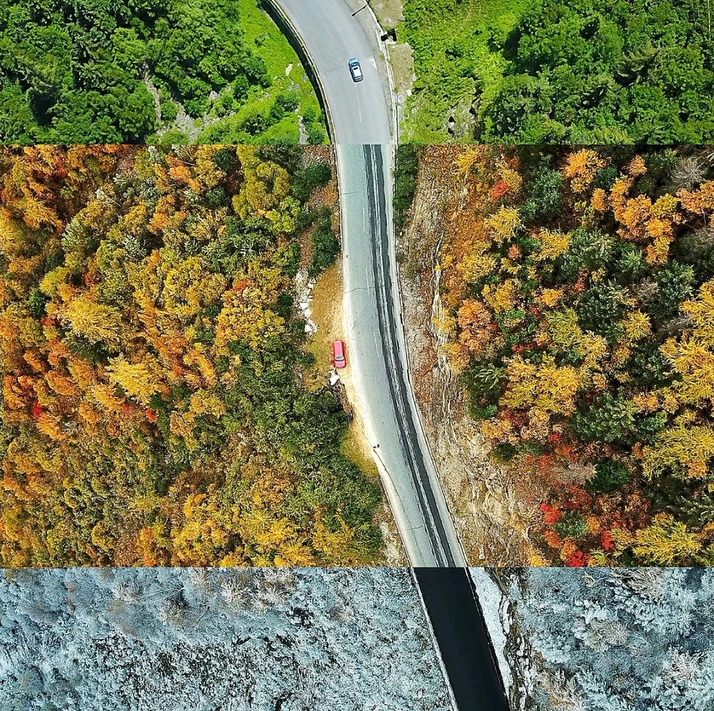
Best Time to Visit
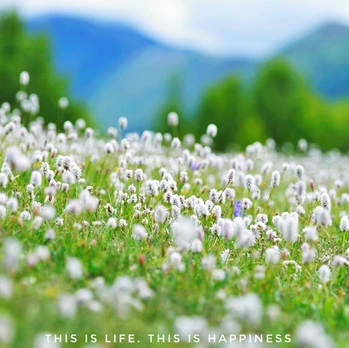
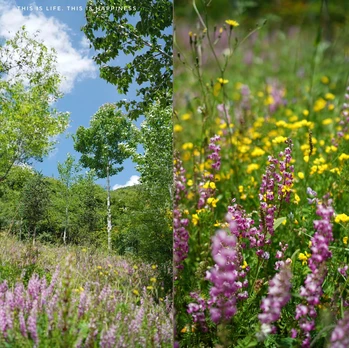
- Spring (April–June): Wildflowers bloom in the lower valleys. Weather is mild but unpredictable.
- Summer (July–August): Green meadows and clear skies. Peak tourist season—book accommodation early.
- Autumn (September–October): The most photogenic season. Golden and red forests contrast with snow-capped peaks.
- Winter (November–March): Fewer crowds, but heavy snow may close some trails. Suitable for experienced winter hikers.
Altitude Acclimatization
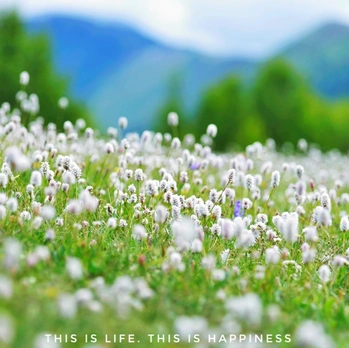
Starting at 3,200 meters and climbing to over 4,000 meters, altitude sickness is a real concern. Spend at least one night in Siguniangshan Town before hiking. Drink plenty of water, avoid alcohol, and consider taking acetazolamide (Diamox) if you're prone to altitude issues.
What to Pack
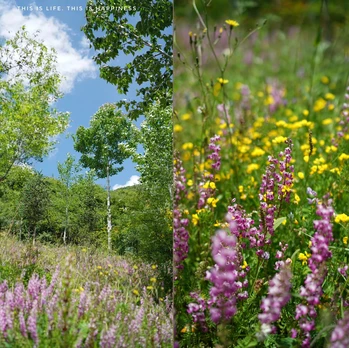
- Layered clothing (temperatures can swing 20°C in a day)
- Waterproof hiking boots
- Sunscreen and sunglasses (UV is intense at altitude)
- High-energy snacks and a reusable water bottle
- Trekking poles (especially for Changping and Haizi Valleys)
Getting There
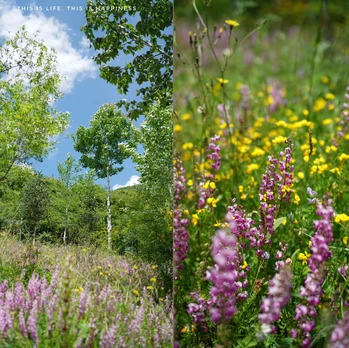
From Chengdu, take the direct bus to Siguniangshan Town (approx. 3.5 hours). Alternatively, drive via the Dujiangyan–Wenchuan–Xiaojin route. The road is well-maintained but winding—drive carefully.
Frequently Asked Questions
Q1: Is Four Sisters Mountain suitable for beginners?
Yes. Shuangqiao Valley is fully accessible by shuttle bus, and Changping Valley offers easy-to-moderate hiking. For climbing, Da Feng is the easiest 5,000-meter peak for beginners.
Q2: Do I need a guide for hiking?
For Shuangqiao Valley, no. For Changping and Haizi Valleys, a guide is recommended if you're unfamiliar with the terrain. For climbing any of the four peaks, a local guide is essential.
Q3: Can I see Yao Mei Feng without climbing?
Yes. The best views are from Chaoshan Ping in Haizi Valley and from the upper sections of Changping Valley. You don't need technical skills—just good stamina.
Q4: What is the accommodation like?
Siguniangshan Town has a range of options, from budget hostels (like September Mountain Inn) to mid-range hotels. Book in advance during peak seasons.
Q5: Are there any altitude sickness risks?
Yes. The scenic area starts at 3,200 meters. Ascend slowly, stay hydrated, and descend immediately if you experience severe headaches, nausea, or confusion.
Conclusion: Your Journey Begins Now
Four Sisters Mountain is more than a destination—it's an experience that stays with you. Whether you're gazing at Yao Mei Feng from a meadow, hiking through autumn-colored forests, or sipping tea in a village inn, this place offers a rare combination of tenderness and wildness. The snow-capped peaks, the legends of sacrifice, and the pristine valleys all invite you to slow down and truly connect with nature.
Ready to plan your trip? Start by booking your accommodation in Siguniangshan Town and choosing your valley. Remember: the best way to experience Four Sisters Mountain is to give her time. Walk slowly. Breathe deeply. Let the landscape speak to you.
[Link: Complete Sichuan travel itinerary for 7–10 days]
[Link: High-altitude hiking safety checklist]
[Link: Best photography spots in Four Sisters Mountain]
Book your adventure today—and discover the tenderness and wildness beneath the snow.
You may also like


