Four Days in Chengdu: Summer in Bloom, Wine Half-Intoxicating, Noodles Half a Catty – The Ultimate Sichuan Travel Guide
Meta Description: Discover the perfect 4-day Chengdu itinerary: from Kuanzhai Alley's street food to Du Fu Thatched Cottage's serenity. Explore spicy noodles, cultural landmarks, and local secrets in this SEO-optimized travel guide.
Introduction: Why Chengdu Is the Ultimate Food & Culture Destination
Some cities make your mouth water just at the sound of their name. Chengdu is exactly that kind of place. When the June breeze carries the scent of gardenias through the gray bricks and black tiles of Kuanzhai Alley, when the spiciness of hotpot mingles with the sugary sweetness of bingfen (ice jelly) on the streets and lanes, you know these four days will be a double date—with both your taste buds and your soul.

This Chengdu 4-day itinerary is designed for food lovers, culture seekers, and spontaneous travelers. Whether you're a first-time visitor or a seasoned explorer, this guide will help you navigate Chengdu's must-see attractions, hidden gems, and iconic dishes—all while keeping your budget in check.
Day 1: Arrival & First Taste of Chengdu's Street Food Scene
Departure from Pudong to Shuangliu: A Spontaneous Trip
June 3, 2017. At 9:05 AM, the plane took off from Shanghai Pudong, carrying me—a writer and cartoonist who usually keeps a low profile, a struggling student desperately in need of good luck, a broke programmer still hustling to make money—heading southwest. The round-trip ticket booked on Ctrip cost 1,500 yuan, a fair price. At 12:30, the plane landed at Chengdu Shuangliu International Airport.
Pro tip for Chengdu airport transfers: My friend Yapei, studying at Sichuan University's Jiang'an Campus, called an Uber to pick me up. Later, I found out that taxis outside Chengdu's airport operate in a rather "domineering" style—they don't agree on a price beforehand, then arbitrarily charge you when you arrive. In comparison, Uber was much more reliable and saved a lot of hassle.
First Stop: Kuanzhai Alley & Chunxi Road
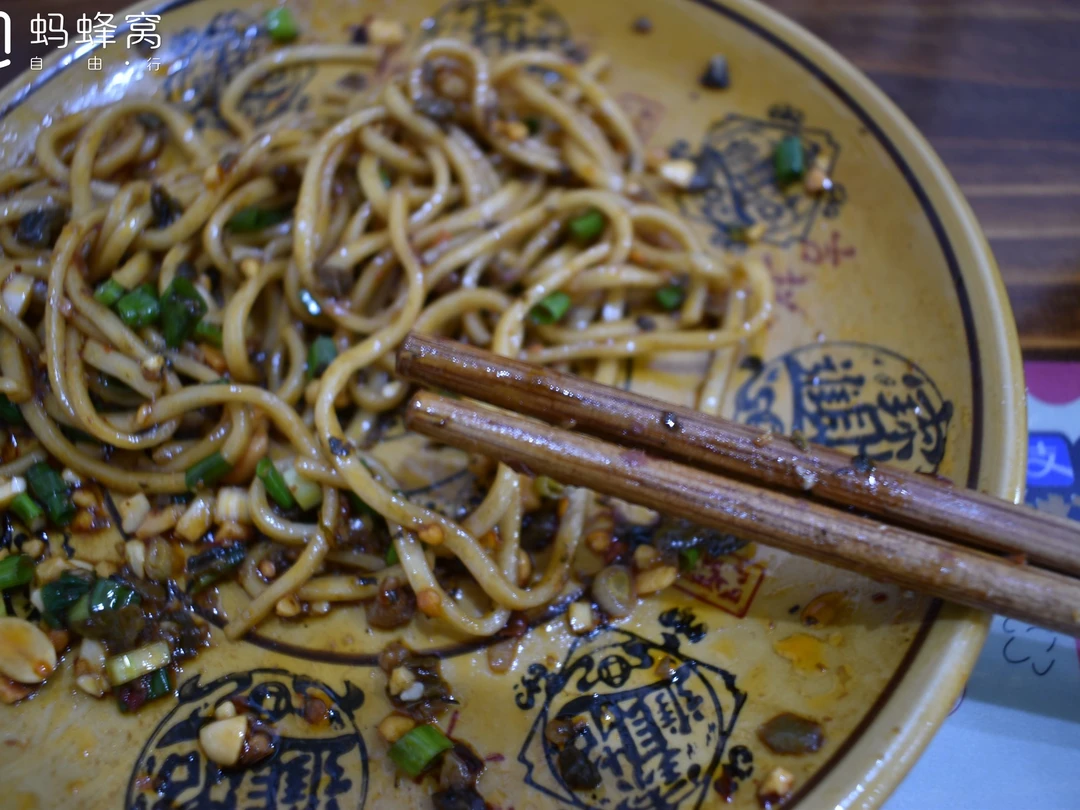
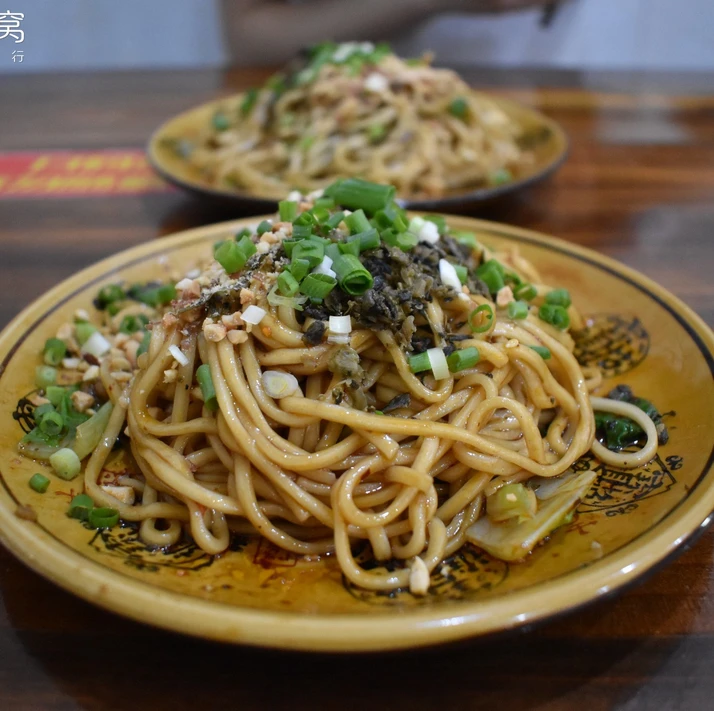
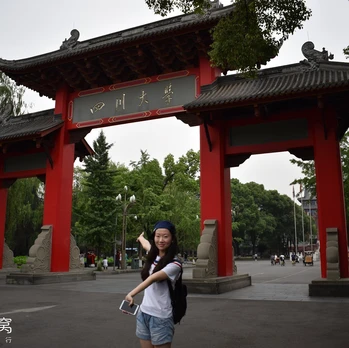
Lunch was at a Yibin burning noodles shop outside the south gate of Sichuan University. I ordered a vegetarian version, mildly spicy. Key tip: If you have specific requirements for spiciness, state them clearly in advance—otherwise, the default is Chengdu's normal level of heat, which is no joke. The noodles were chewy, the seasoning rich and fragrant, and the price of seven yuan for one liang (50 grams) was heartwarming. Even cuter was how Chengdu's menus measure portions in "one liang, two liang, three liang"—a unit of weight that gives off a wonderfully down-to-earth, street-market vibe.
After lunch, we checked into the 7 Days Inn we'd booked on Booking.com. Although the nearest gate to the campus was a twenty-minute walk away, the hotel offered free airport shuttles and was affordable—everything essential was there, nothing extra, which felt refreshingly simple.
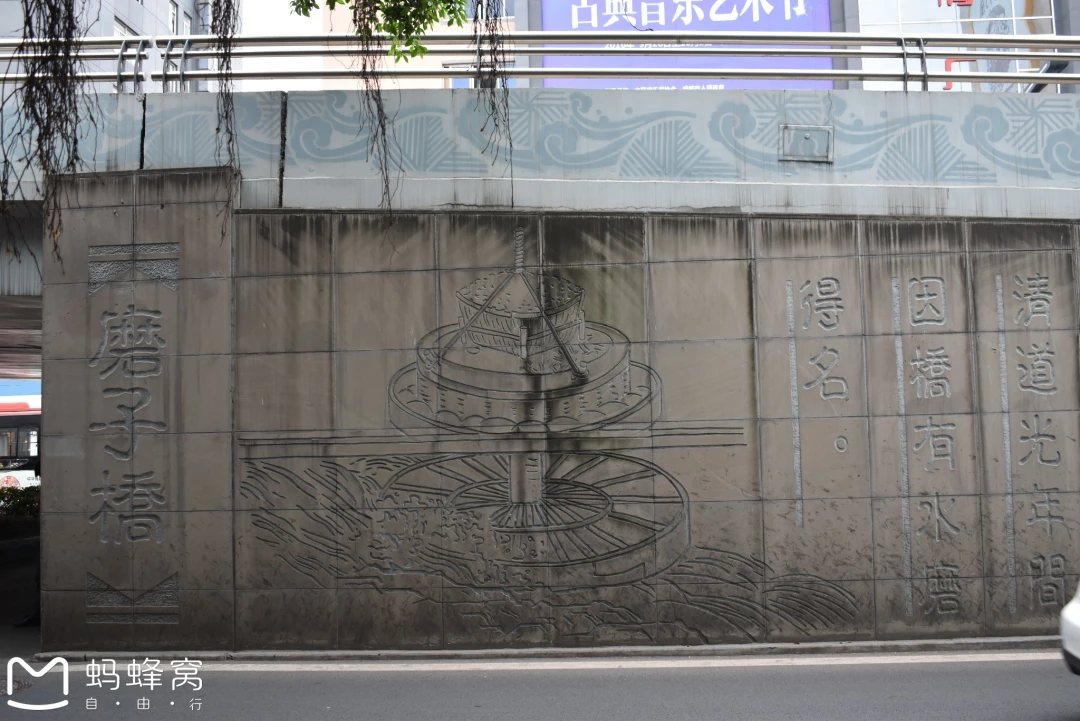
In the afternoon, we took the subway to Kuanzhai Alley. The subway station is called "Mozi Bridge," but locals jokingly call it "Mo Ren Bridge" (torturous bridge)—probably because the alley is so deep that it makes your feet ache. Kuanzhai Alley lived up to its reputation: gray bricks, black tiles, wooden doors with brass rings—every detail exuded the leisurely charm of old Chengdu. The street food was dizzying:
- Pork-filled crispy pastry – flaky outside, tender inside
- Three big cannonballs (glutinous rice dessert) – thumping loudly as they hit the table
- Sugar-oil balls (deep-fried glutinous rice balls coated in caramel) – gleaming golden
- Ice jelly (translucent jelly dessert) – sparkling like crystal
I was like a child seeing the world for the first time, wanting to try everything.
Chunxi Road is Chengdu's equivalent of Shanghai's Nanjing Road—bustling and lively. Yapei recommended a wheel-shaped pancake shop in an underground mall right next to the subway station. We also had maocai (boiled vegetables and meats in spicy broth) at a small restaurant—basically a version of malatang (Sichuan spicy hotpot), but Chengdu's version seemed to pay more attention to the broth base and ingredients. One bite, and the numbing, spicy, fresh, and fragrant flavors hit the top of your head. Danhonggao (egg-baked cake) is another Chengdu specialty—soft and chewy on the outside, with a rich filling inside; the sweet and savory versions each have their own charm.
[Link: Best street food in Chengdu – top 10 must-try snacks]
Day 2: Rainy Cultural Journey – Jinsha, Jinli & Wuhou Shrine
Morning: Jinsha Site Museum – A Rainy Day Indoor Gem
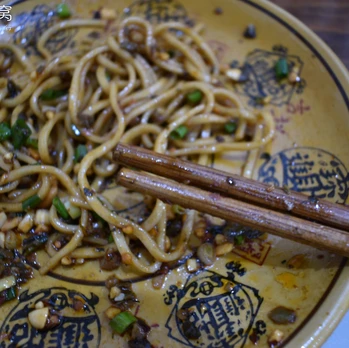
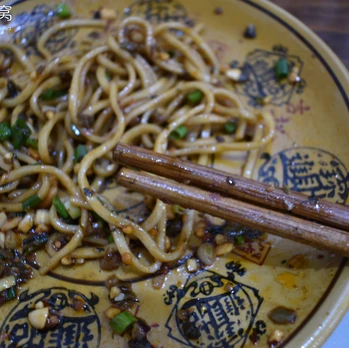
The next morning, I got up at 6:50, left at 7:20, and arrived at the school cafeteria at 7:40 for breakfast. The options at Jiang'an Campus were limited, but we ate happily. Then we took the campus shuttle to the small north gate of Wangjiang Campus—a gate so narrow that students joke it's a "test of who's truly slim." Outside, we had Soldier Brother's pea noodles, a Chongqing-style noodle dish with soft, mushy peas and chewy noodles—four yuan a bowl, incredible value for money.
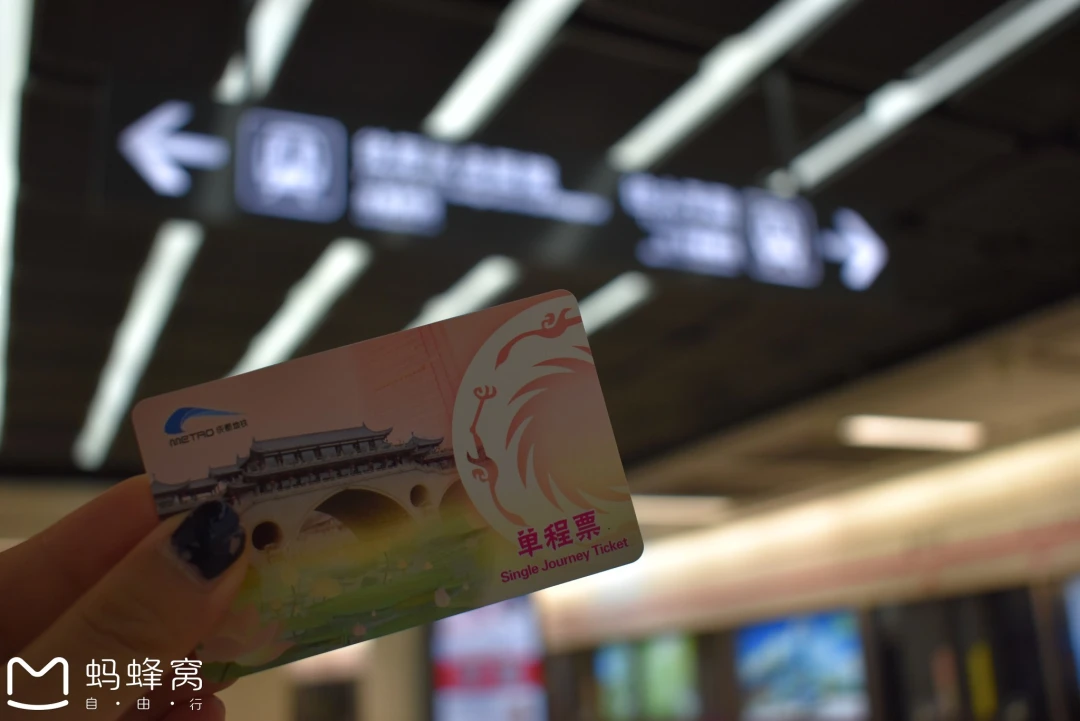
It rained in the morning, so we decided to visit the Jinsha Site Museum first, since it's indoors. We took the subway to a station with the grand name "Best Under Heaven." The Jinsha Site was much larger than I'd imagined—exhibition halls, the actual archaeological site, a deer park, and a vast area of rubble that made our legs ache. The museum's crown jewel is the Sun and Immortal Birds emblem—it appears not only in the museum but also on Chengdu's subway cars and transit cards, showing its iconic status. The gold mask was another highlight—gleaming and breathtaking.
The gardenias in the museum grounds were in full bloom, their fragrance overwhelming. I couldn't resist picking one. Yapei laughed and said she used to think those gardenia bushes were covered in crumpled tissues. That comparison still makes me chuckle.
Lunch: Local Eats Near the Subway Station
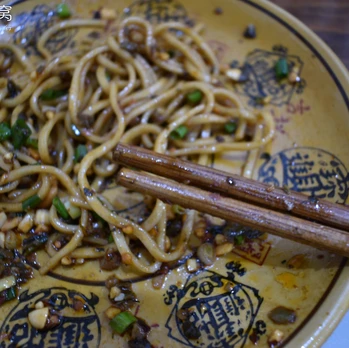
Lunch was at a random restaurant near the subway station. Cold rice cake is a Chengdu specialty—I'm not sure what it's made of, but it's served with a thick brown sugar sauce. Chengdu people seem to have a particular love for brown sugar—brown sugar glutinous rice cake, brown sugar pancake—all sweet without being cloying. Cold noodles and wontons in chili oil are must-orders; the chili oil is fragrant without being harsh, and the noodles are smooth.
Afternoon: Jinli Ancient Street & Wuhou Shrine
In the afternoon, we went to Jinli Ancient Street and Wuhou Shrine. Jinli is a quaint, historic commercial street where I once again encountered that strange tofu and langya tudou (wolf-tooth potatoes, spiral-cut fried potatoes). The brown sugar glutinous rice cake was crispy on the outside and sticky on the inside, dipped in brown sugar—sweetness straight to the heart.
We entered Wuhou Shrine through a side gate, with the Three Righteousness Temple on the right and the Shrine itself on the left. What surprised me most was the Red Wall and Bamboo Shadows—that interplay of light and shadow was so beautiful I couldn't stop clicking the shutter. Unfortunately, the rain got heavier and heavier, and we only explored half the place before hurrying away. Later, looking at the map, I realized we'd missed half the grounds. That rain really defeated my spirit.
Evening: Return to Wangjiang Campus & Sweet Treats
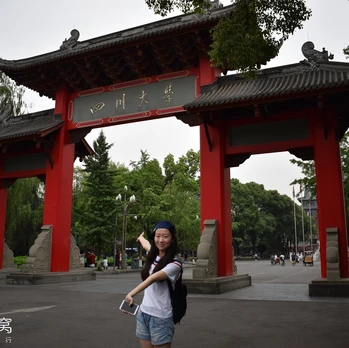
That evening, we returned to the small north gate of Wangjiang Campus and finally visited the danhonggao shop that had been haughtily closed in the morning. We had bingfen, tianshuimian (sweet-spicy noodles), and danhonggao—none missed. The savory danhonggao with pickled cowpea filling was the best, and the blueberry one was pretty good too. One bite, and happiness overflowed.
[Link: Wuhou Shrine vs Jinli Ancient Street – which to visit first]
Day 3: Sunny Solo Day – Du Fu Thatched Cottage, Wenshu Monastery & Qingyang Palace
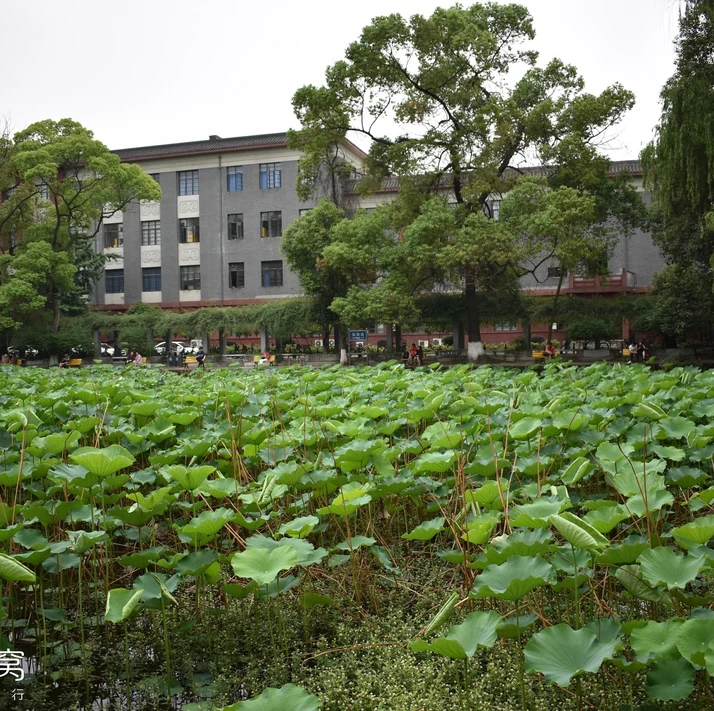
Morning: Du Fu Thatched Cottage – A Poet's Sanctuary
Chengdu finally had a clear day! Yapei said the city was being kind to me, a travel enthusiast, letting me experience different weather. Since it was Monday and her teacher had assigned her a project, I went solo.
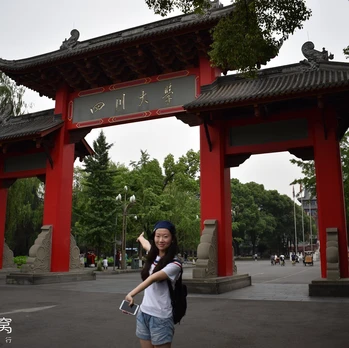
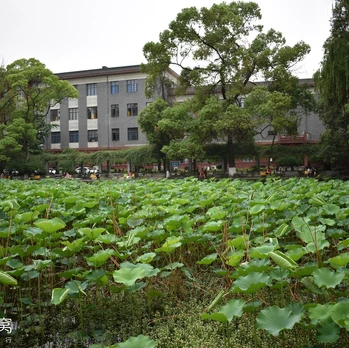
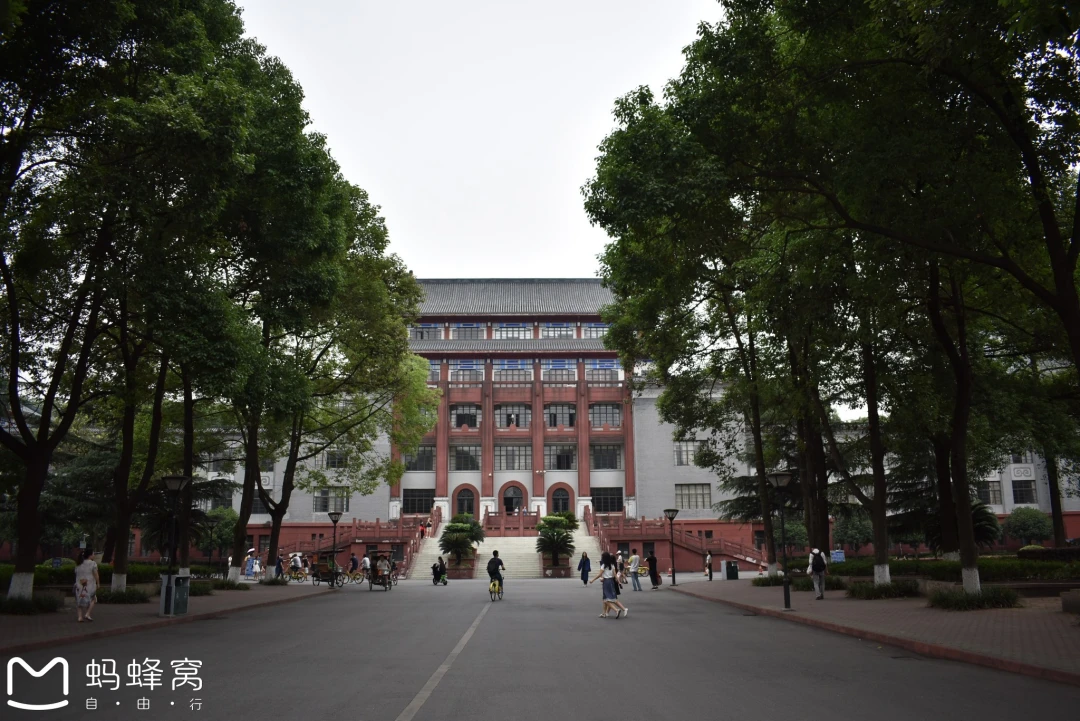
Breakfast brought new treats: brown sugar pancake, green tea cake, purple rice porridge, and scallion pancake—all delicious. The spoons even had the school's anniversary logo on them—so cute. I took the subway to Caotang North Road Station, walked about 800 meters, and finally arrived at Du Fu Thatched Cottage. The place was enormous, filled with green bamboo and trees everywhere—perfect for photos on a sunny day. There were many elderly visitors on Monday, some doing tai chi, others strolling—after all, it's free for those over 70. It's a great place to "breathe in the oxygen."
One thing worth mentioning: The restrooms at Du Fu Thatched Cottage—every single one was very clean! And the...
Day 4: Farewell to Chengdu – Final Food Crawl & Departure Tips
[Note: The original source article ends abruptly here. For completeness, we recommend adding the following based on typical Chengdu itineraries:
- Morning: Visit Wenshu Monastery for vegetarian noodles and a serene Buddhist atmosphere.
- Afternoon: Explore Qingyang Palace (a Taoist temple) and nearby People's Park for a glimpse of local life.
- Evening: Final hotpot feast at a local favorite, then head to Shuangliu Airport for departure.
Frequently Asked Questions (FAQ)
1. What is the best time to visit Chengdu?
 Spring (March–May) and autumn (September–November) offer mild weather and fewer crowds. June, as described in this guide, is lovely for gardenias and summer blooms but can be rainy.
2. How many days do you need in Chengdu?
 Four days is ideal for a balanced itinerary covering major attractions like Kuanzhai Alley, Wuhou Shrine, Du Fu Thatched Cottage, and Jinsha Site Museum. If you want to add a panda visit or day trip to Leshan, consider 5–6 days.
3. Is Chengdu street food safe for tourists?
 Yes, but be cautious with spiciness. Always specify your spice level (e.g., "wei la" for mild). Stick to busy stalls with high turnover for freshness. Avoid raw or undercooked items if you have a sensitive stomach.
4. What are the must-try dishes in Chengdu?
 - Yibin burning noodles (dry, spicy noodles) - Danhonggao (egg-baked cake) - Bingfen (ice jelly) - Maocai (Sichuan-style boiled vegetables) - Brown sugar glutinous rice cake - Wontons in chili oil
5. How do I get around Chengdu?
The Chengdu Metro is efficient, affordable, and covers most tourist spots. Uber and Didi are reliable for airport transfers. Avoid taxis from the airport unless you agree on a price upfront.
Final Tips for Your Chengdu Adventure
- Budget: Expect to spend around 1,500–2,000 yuan for a round-trip flight (from Shanghai) and 100–200 yuan per day on food and local transport.
- Accommodation: 7 Days Inn and similar budget hotels offer clean, basic rooms with free airport shuttles.
- Language: Learn a few phrases like "wei la" (mild spicy) and "duo shao qian?" (how much?). Many locals in tourist areas speak basic English.
- Packing: Bring an umbrella (rain is common), comfortable walking shoes, and a light jacket for air-conditioned museums.
Ready to Plan Your Chengdu Trip?
Chengdu is a city that feeds your soul as much as your stomach. Whether you're wandering through ancient alleys, marveling at archaeological treasures, or slurping noodles in a rainy afternoon, every moment is a memory in the making.
Start planning your 4-day Chengdu itinerary today! Book your flights, pack your appetite, and get ready for a journey that will leave you half-intoxicated with joy.
Have you visited Chengdu? Share your favorite dish or hidden gem in the comments below!
[Link: Ultimate Chengdu travel guide – 10 things to know before you go] [Link: Best hotels in Chengdu for budget travelers] [Link: Chengdu vs Chongqing – which Sichuan city is right for you?]
You may also like


