Follow Your Heart, Find Peace in Stillness: Second Stop of Chengdu's Surrounding Tour – How Many Surprises Does This Underrated Small City in Central Sichuan Hold?
Meta Description: Discover Suining, the underrated small city in central Sichuan, just 1 hour from Chengdu. Explore ancient temples, peaceful ancient towns, and local culture in this 2-day travel guide.
Introduction: Why This "Not Internet-Famous" City in Central Sichuan Deserves Your Attention
In my second month of living in Chengdu, I finally set off on the second stop of my surrounding tour. To be honest, I chose Suining purely because a friend's hometown is there. There are no filters from trendy check-in spots, no viral photo angles from Xiaohongshu, and even travel videos rarely feature it.
But it's precisely this "lack of expectation" that made the trip full of unexpected surprises.
Before I left, I was still suffering from allergies in Chengdu, sneezing so hard my back ached – oddly enough, I'd recover as soon as I returned to Beijing, but the symptoms would flare up again in Chengdu. Yet Suining's sunshine and fresh breeze seemed more effective than any medicine I'd tried in the city.
If you're looking for hidden gems near Chengdu that offer authentic Sichuan culture without the crowds, Suining might just be your perfect weekend escape.
About Suining: A Place Whose Name Holds a Thousand-Year-Old Wish
The name "Suining" embodies the most simple wish of ancient people – to quell chaos and attain peace. After General Huan Wen of the Eastern Jin Dynasty pacified Shu, he established Suining Commandery. This name has been in use since 347 AD, spanning over 1,600 years.
This city, half mountains and half rivers, wears many hats:
- The Hometown of Chinese Guanyin (Goddess of Mercy) Culture
- The birthplace of Tang Dynasty poet Chen Zi'ang (author of the famous line, "Looking back, I see no ancients; looking ahead, I see no successors")
- The hometown of Qing Dynasty official Zhang Penghe and poet Huang E
- China's Lithium Battery Capital
From Chengdu, a high-speed train takes just one hour, with tickets under 50 yuan. Two days is enough time to slowly savor the tranquility and warmth of this small city.
[Link: Best weekend getaways from Chengdu]
Transportation & Accommodation: Quick Practical Info

Getting to Suining from Chengdu
- Outbound: Train D3078, Chengdu East → Suining, 49 yuan
- Return: Train D2255, Suining → Chengdu East, 46 yuan
Where to Stay in Suining
Shangkeyou Hotel (Suining Chuanshan District, Suining Park Entrance) - King-size room: 116 yuan/night - Breakfast: 15 yuan extra
Getting Around Suining
- Buses: Very new, with USB charging ports, fare: 1 yuan
- Taxis: Affordable fares, no need to worry about costs
Day 1: Ancient Temple Serenity and Old Town Slow Living
Guangde Temple: The Serene Beauty of the "First Chan Forest of the West"
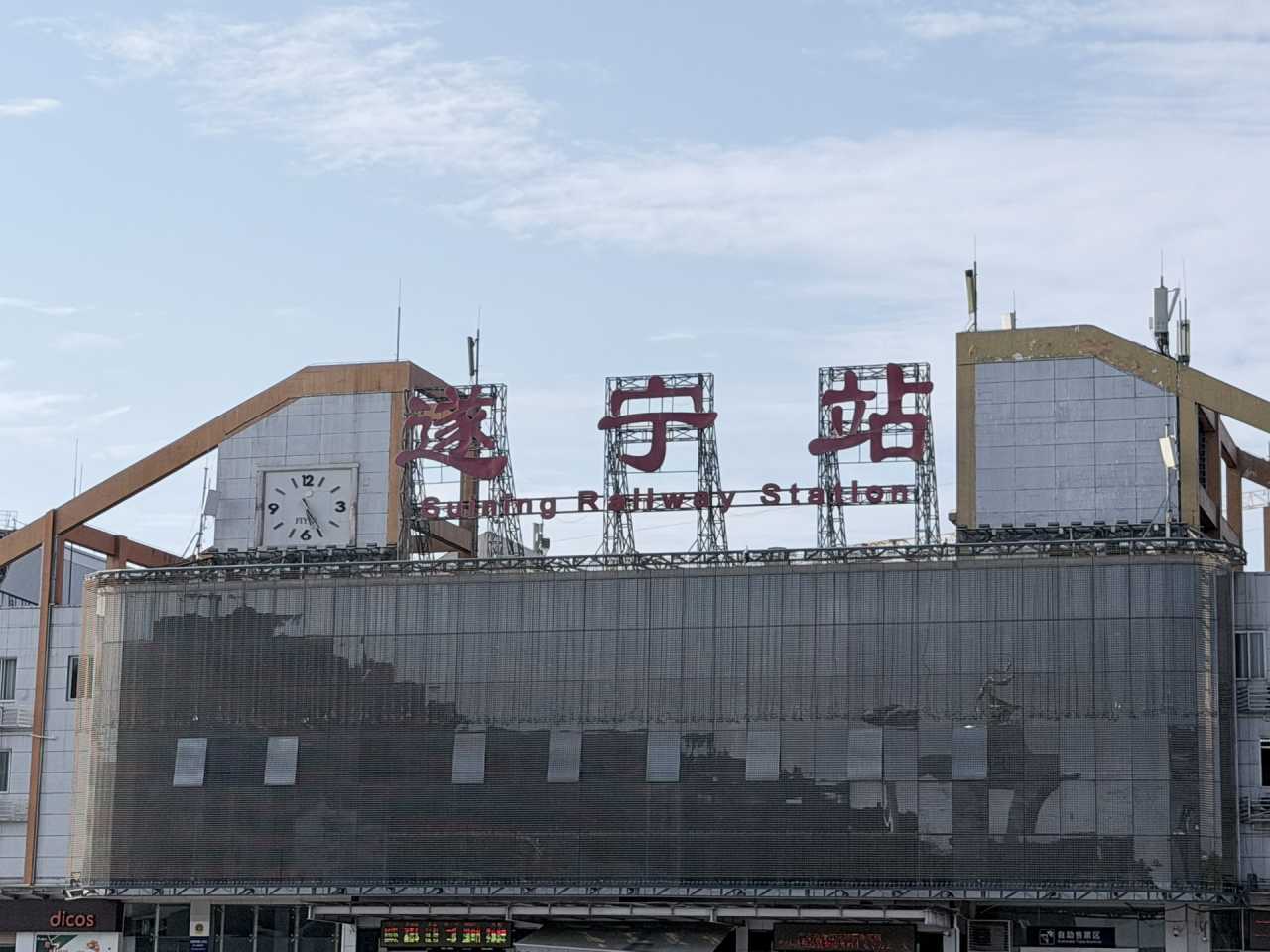
I arrived at Suining Station in the morning, took Bus Tour Route 3 to the hotel to drop off my bags. For some reason, I felt extremely tired, so I simply rested until 11 a.m. before taking a taxi to Guangde Temple.
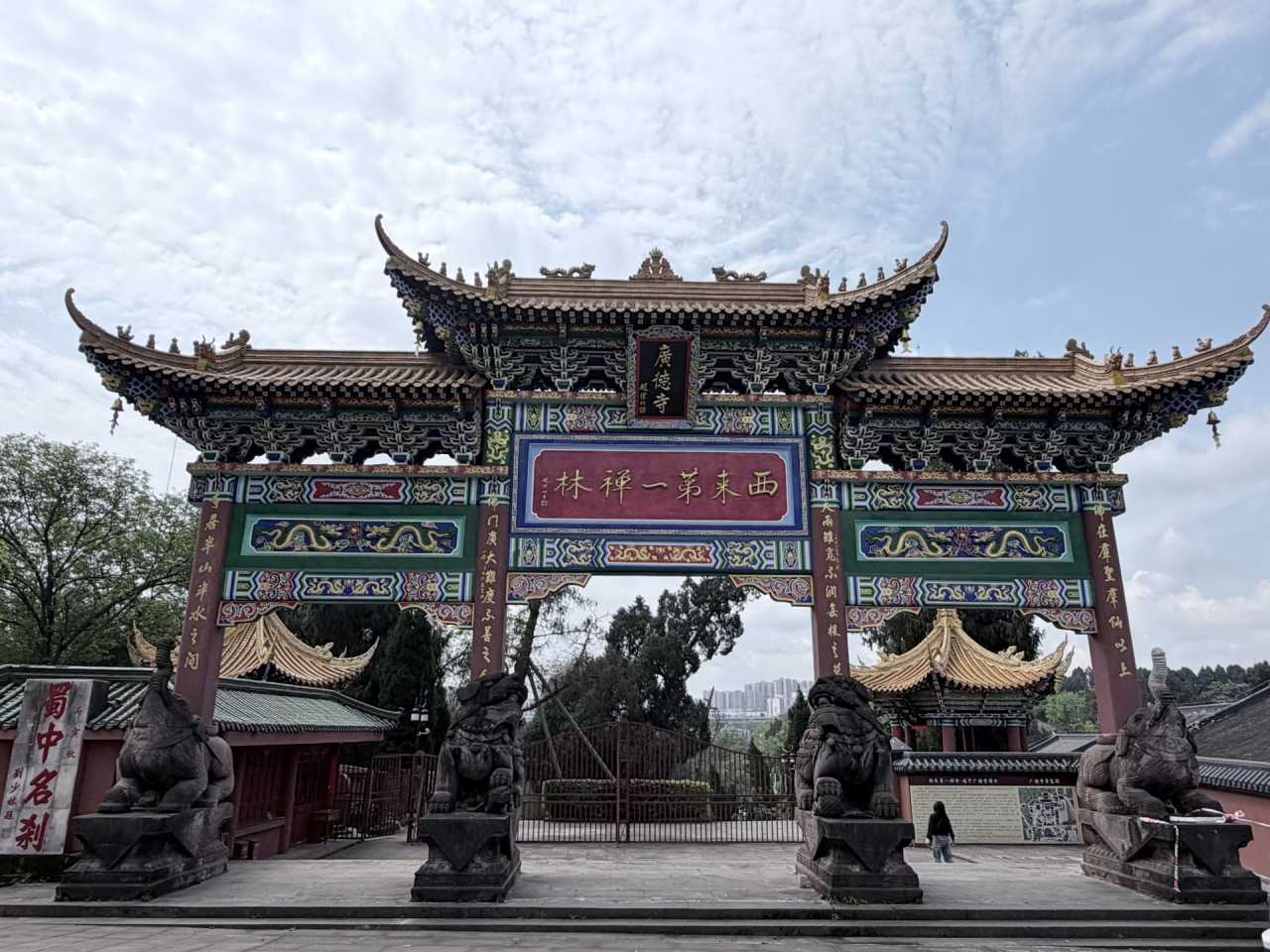
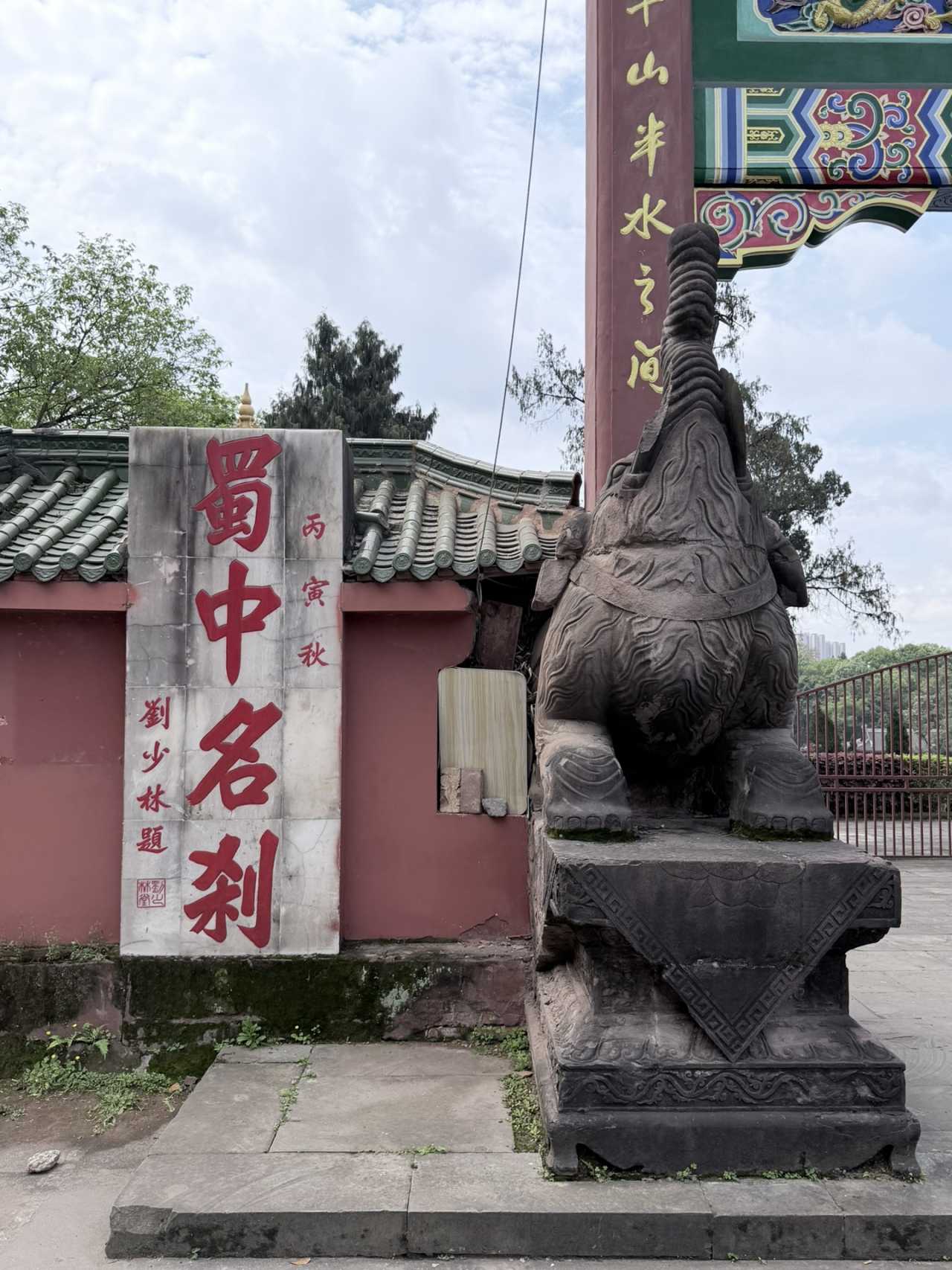
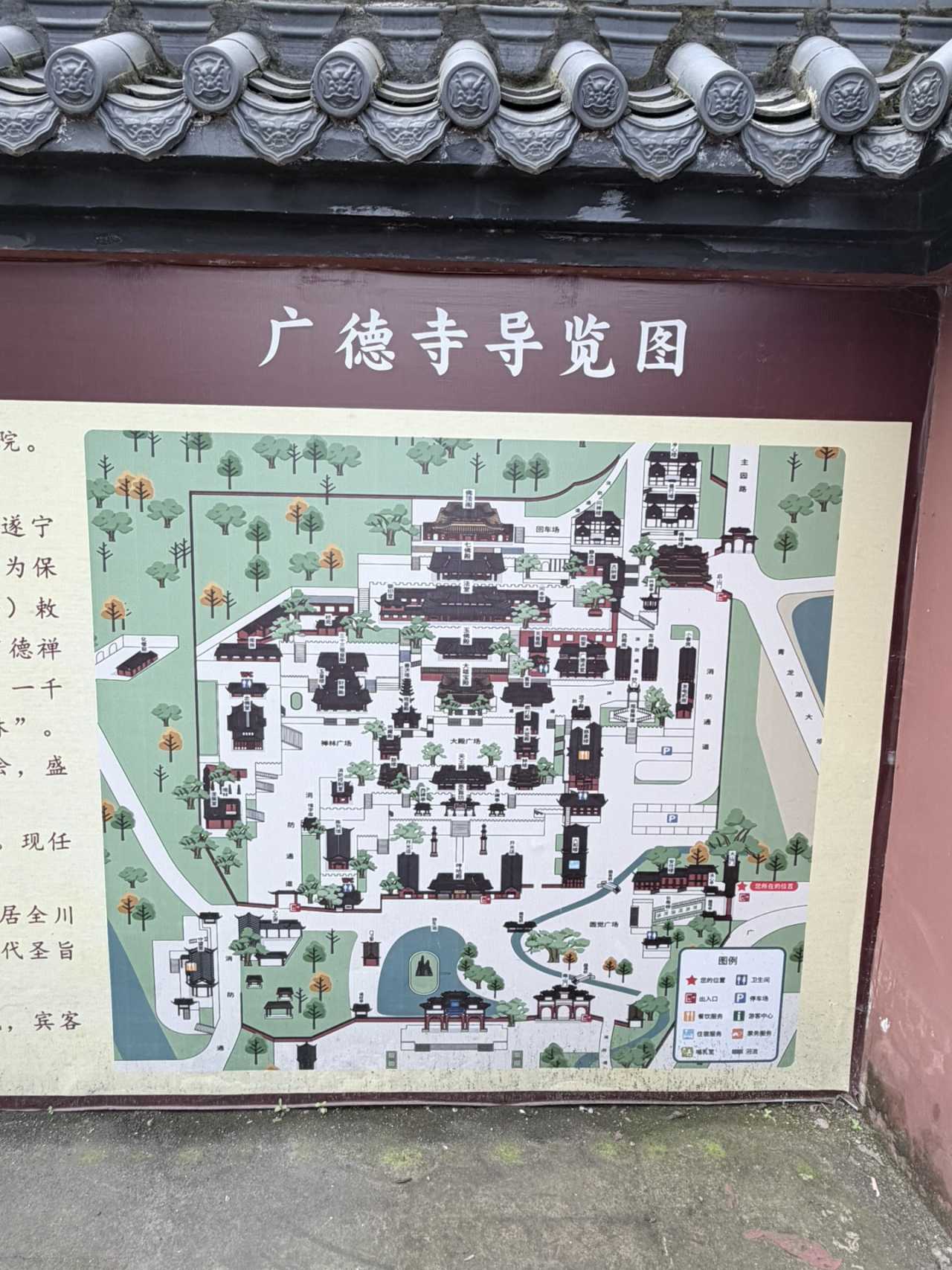
This thousand-year-old temple, first built in the Tang Dynasty, sits on Wolong Mountain in the western part of the city. It received imperial decrees from emperors of the Tang, Song, and Ming Dynasties eleven times and is hailed as the "First Chan Forest of the West." Since last year, the temple has been open to the public for free.
First Impressions: Not too crowded, lush green trees, a serene quietness that makes you unconsciously slow your pace.
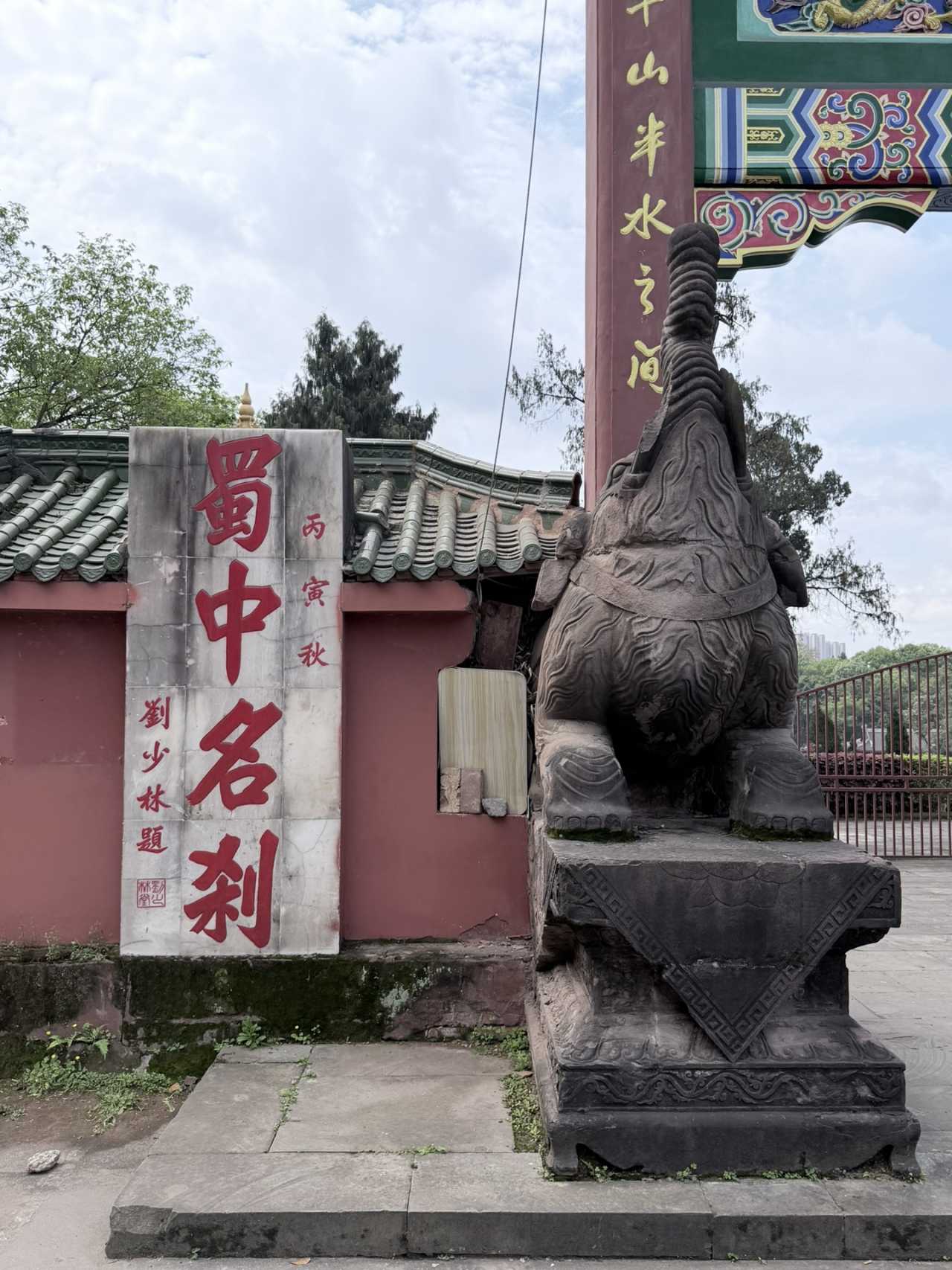
Interesting Little Discovery: Instead of the usual stone lions, the temple features elephant sculptures. I asked around but couldn't find a guide or docent to explain this mystery – it remains unsolved to this day.
Must-See Highlights at Guangde Temple
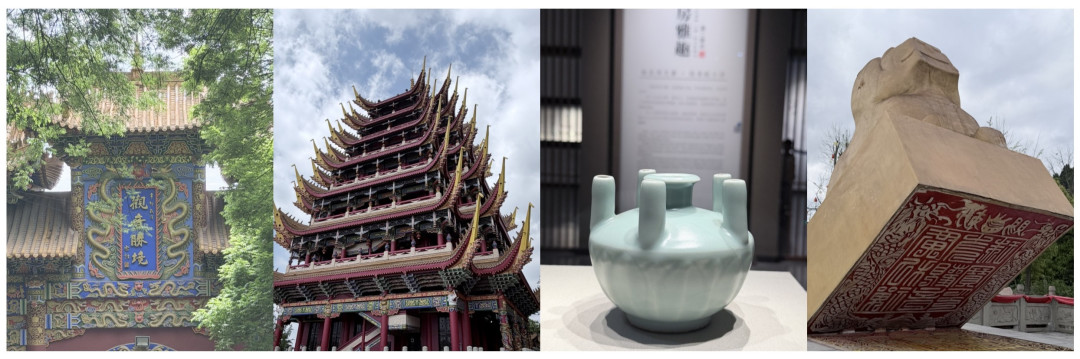
"The Number One Seal Under Heaven" – In the central square stands a model of a jade seal magnified over 26,000 times, inscribed by Zhao Puchu. Guangde Temple uniquely possesses two imperial temple-protecting seals: one is the Guanyin Jewel Seal bestowed by Emperor Zhenzong of the Song Dynasty, and the other is the "Four-Script Jade Seal" bestowed by Emperor Wuzong of the Ming Dynasty, engraved with Chinese, Burmese, Sinhalese, and Pali scripts. This seal once governed all major and minor temples in Sichuan, Yunnan, and Guizhou.
The Imperial Edict Archway – The only "Imperial Edict Archway" in China. When imperial envoys throughout history came to Guangde Temple to proclaim imperial decrees, they had to enter the temple grounds themselves. In contrast, at other temples like Mount Emei, monks had to go ten miles outside the temple gates to receive the decree. This privilege of "receiving the edict within the temple" speaks volumes about its esteemed status.
Shanji Pagoda – The relic pagoda housing the mummified body of the temple's founding master, Master Keyou. This square stone pagoda stands 22 meters tall, first built in the third year of the Zhenyuan era under Emperor Dezong of the Tang Dynasty. It is the best-preserved Song Dynasty pagoda in China.
About the Vegetarian Meal at Guangde Temple
The vegetarian hotpot at the Cisu Building is only served on weekend afternoons. Each person gets their own small pot, with two broth options: tomato and spicy. I recommend the spicy one; the tomato flavor was a bit strange. The ingredients are plentiful, mainly vegetables, mushrooms, and soy products, all very cleanly maintained by the volunteers. There's a good selection of condiments, but no minced garlic – could garlic count as a meat dish?
Little Interlude: In a pavilion next to the Imperial Edict Archway, I lay down on a bench and slept for an hour. When I woke up, the sun had come out, and there were more visitors. This kind of "Zen-like" travel style probably only feels natural in a temple like this.
[Link: Buddhist temples in Sichuan worth visiting]
Longfeng Ancient Town: The "Number One Town in Central Sichuan" with Two Thousand Years of History
At 4 p.m., I took a taxi from Guangde Temple to Longfeng Ancient Town. The name comes from "the Fujiang River winding like a dragon, and the mountain ridges curving like a phoenix." With over two thousand years of history, this ancient town is called the "Number One Town in Central Sichuan."
Impression of the Town: Not overly commercialized. Most shops are run by locals selling their own products. Every household has a mahjong table; when there are few tourists, they just drink tea and play mahjong, living a leisurely life.
Recommended Route: Start from the visitor center and go clockwise (counterclockwise has a slight uphill section, but it's not a big deal).
Special Experiences in Longfeng Ancient Town
"Chong" – A Suining specialty snack, a bit like a spring roll but very small, filled with vegetables, meant to be eaten in one bite. The name is pronounced with a falling tone (chòng) because the dipping sauce contains mustard, and the flavor hits you right in the sinuses. 1.5 yuan each, a bit pricey.
Electrical Appliance Museum – A free private collection museum where you can see the evolution from old radios to modern appliances. Quite interesting.
Five-Grain Cold Noodles – A well-known cold noodle shop in the town, 7 yuan per serving. The texture is sticky and soft, completely different from the crisp and refreshing cold noodles of the north. Be careful with the chili – it almost killed me.
"Zuo Ge Tang" (Sitting and Singing) – A unique traditional wedding custom in the Suining area. On the night before a bride's wedding, her female friends and sisters from her maternal family gather around, singing to accompany her through her last night as an unmarried woman. It's both a farewell ritual and a lively "girls' concert."
At 6 p.m., I left the town and took Bus Tour Route 3 back to the city center. The driver said the last bus was at 9:30 p.m. – very considerate. Back at the hotel, I was so tired I fell asleep. I woke up around 9 p.m., strolled through Central Pedestrian Street, ate some snacks, bought a piece of clothing, and ended my Zen-like day.
Day 2: Seeking Zen at Lingquan and Searching for Song Dynasty Ceramics
Lingquan Temple: The Cultivation Ground of the Three Guanyin Sisters
After breakfast at the hotel (if you go late, there's nothing left), I went back to sleep for a while. I didn't start washing up and checking out until 11 a.m., then headed to Lingquan Temple.
Lingquan Temple is another significant Buddhist site in Suining, known as the cultivation ground of the Three Guanyin Sisters. The temple is set against a serene mountain backdrop, with ancient trees and peaceful courtyards that invite quiet contemplation.
Key Highlights: - The main hall features exquisite Buddhist art and statues - The temple grounds offer panoramic views of the surrounding countryside - Fewer tourists than Guangde Temple – perfect for those seeking solitude
[Link: Off-the-beaten-path temples in Sichuan]
Song Dynasty Ceramics Museum
After Lingquan Temple, I visited the Song Dynasty Ceramics Museum, which houses a remarkable collection of pottery and porcelain from the Song Dynasty. Suining was an important center for ceramic production during this period, and the museum showcases the craftsmanship and artistry of the era.
What to see: - Intricately designed celadon pieces - Everyday utensils and ceremonial objects - Educational displays about the history of Chinese ceramics
FAQ: Everything You Need to Know About Visiting Suining
1. Is Suining worth visiting from Chengdu?
Absolutely. Suining offers a genuine, non-commercialized experience of central Sichuan culture. With a 1-hour high-speed train ride and affordable prices, it's perfect for a weekend getaway from Chengdu.
2. What is the best time to visit Suining?
Spring (March-May) and autumn (September-November) offer the most pleasant weather. Summer can be hot and humid, while winter is mild but can be damp.
3. How many days do you need in Suining?
Two days is ideal. Day 1 for Guangde Temple and Longfeng Ancient Town, Day 2 for Lingquan Temple and the Song Dynasty Ceramics Museum.
4. What food is Suining famous for?
Suining is known for "Chong" (mustard-filled spring rolls), five-grain cold noodles, and its unique vegetarian hotpot at Guangde Temple.
5. Is Suining suitable for solo travelers?
Yes, Suining is very safe and easy to navigate. Public transportation is efficient, and locals are friendly. The temple atmosphere is particularly conducive to solo reflection.
Final Thoughts: Why This Underrated Small City in Central Sichuan Will Surprise You
Suining may not have the flashy attractions of Chengdu or the dramatic landscapes of Western Sichuan, but that's precisely its charm. Here, you can experience authentic Sichuan culture without the crowds, find peace in ancient temples, and connect with a slower pace of life that's increasingly rare in China.
If you're ready to follow your heart and find peace in stillness, Suining is waiting for you.
Ready to plan your trip? Book your high-speed train from Chengdu East Station today and discover the hidden gem of central Sichuan. Your Zen-like weekend awaits.
[Link: How to plan a Sichuan road trip]
Have you visited Suining or other underrated cities in Sichuan? Share your experiences in the comments below!