Five Thousand Kilometers in Golden Autumn: Surprises and Delights of Driving an EV Through Western Sichuan
Here is the SEO-optimized and rewritten article based on your source material. It has been structured for search visibility, readability, and user engagement, while strictly adhering to the original narrative and facts.
SEO Title: 5,000 km EV Road Trip Through Western Sichuan: A Golden Autumn Guide to Charging, Altitude, and Scenic Routes
Meta Description: Discover the reality of driving an EV 5,000 km through Western Sichuan in autumn. From charging station woes to Ganbai Road's majesty, read this honest travelogue.
5,000 km EV Road Trip Through Western Sichuan: A Golden Autumn Guide to Charging, Altitude, and Scenic Routes
Switching from a gas car to an electric vehicle (EV) for a 5,000-kilometer road trip through the high-altitude passes of Western Sichuan sounds like a recipe for disaster—or a revelation. For this traveler, it was both. What started as a "broke" decision to save on maintenance costs turned into an unforgettable journey through golden autumn landscapes, complete with unexpected challenges, breathtaking views, and a hard-earned appreciation for EV travel in remote China.
This is the story of that trip: a detailed account of navigating charging deserts, battling altitude sickness, and finding awe in places like Yarchen Gar and Ganbai Road. If you are considering an EV road trip to Western Sichuan, this guide offers the raw, unfiltered truth.
From Gas to Electric: The "Broke" Decision That Changed Everything
I used to be a die-hard gas car fan. My friends were shocked when I bought an EV. My honest answer? I was broke. My nine-year-old gas car had become a money pit. In an era of tightening budgets, the switch felt like my only option.
But driving the EV changed my mind. The handling felt almost identical to a gas car, but the acceleration was quicker. The silky-smooth driving experience was addictive. The driver-assistance features were fine, though I turned most of them off—after a decade behind the wheel, I still trust my own hands.
I’m not dismissing gas cars. Each has its merits. This is just my honest take as an ordinary car owner.
I took delivery of my EV on September 10. After stocking up on gear, my wife and I hit the road on the evening of September 27. Our destination: the golden autumn of Western Sichuan.
First Stop: Nanjing to Kangding — The Price of Saving Money
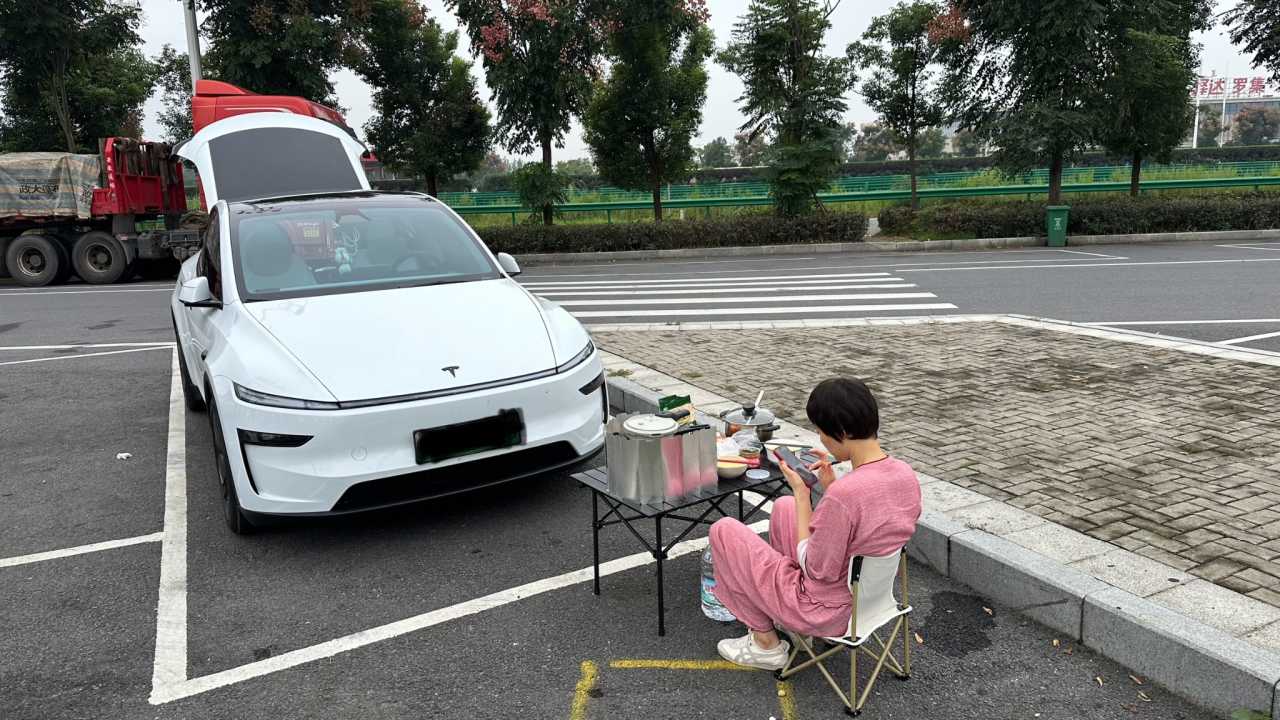
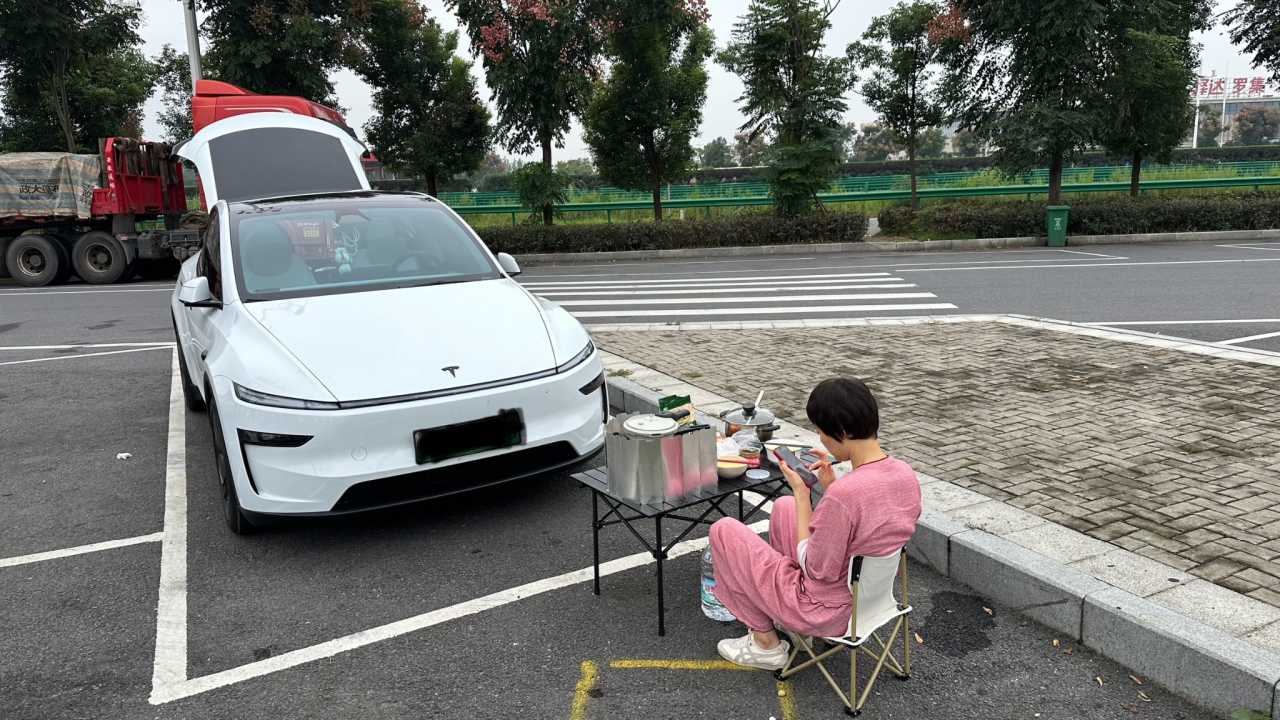
To avoid highway traffic jams and save over a thousand yuan in tolls, we decided to sleep in the car at service areas for three consecutive nights. This gave us the unique experience of an EV "bedroom."
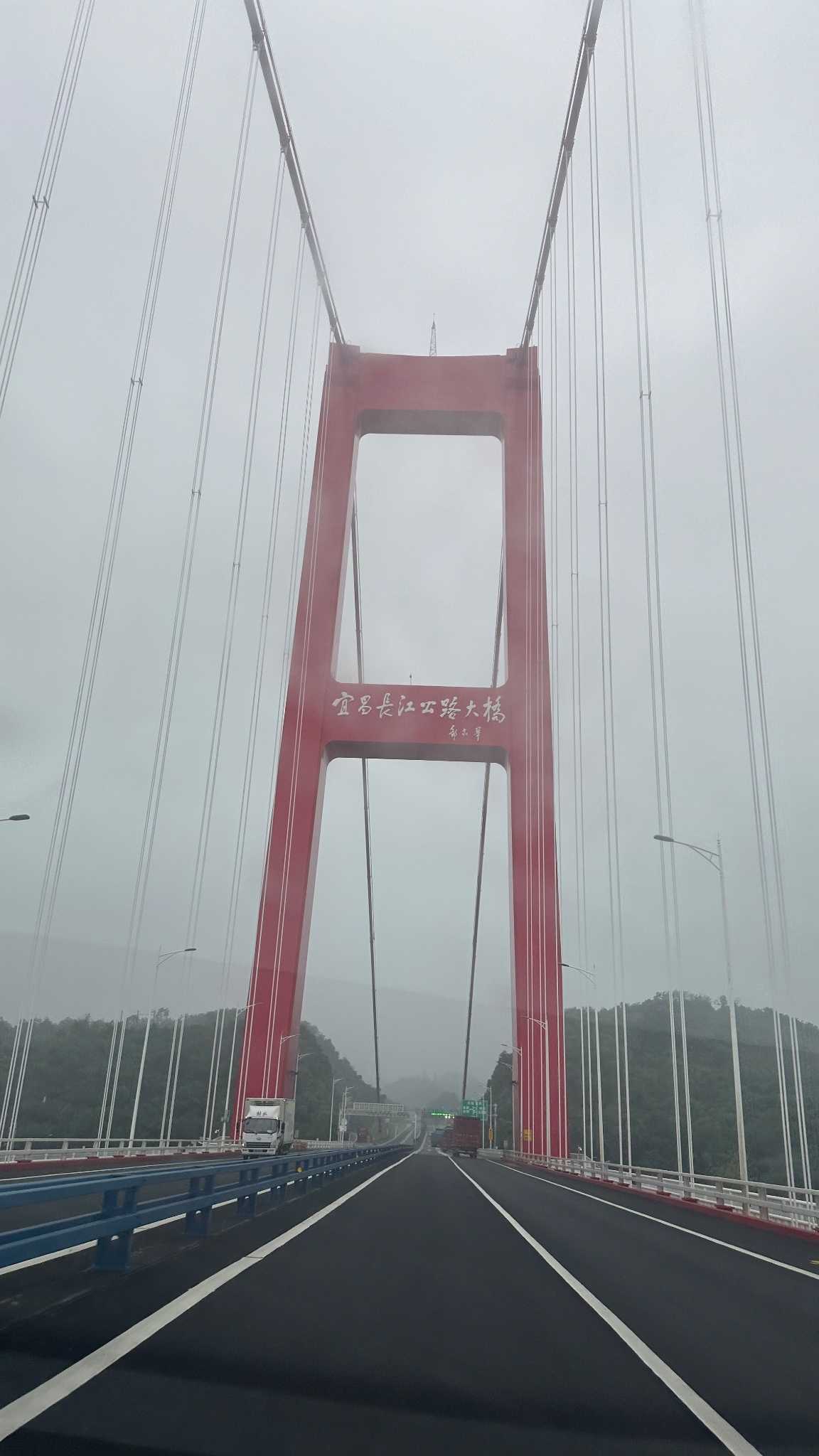
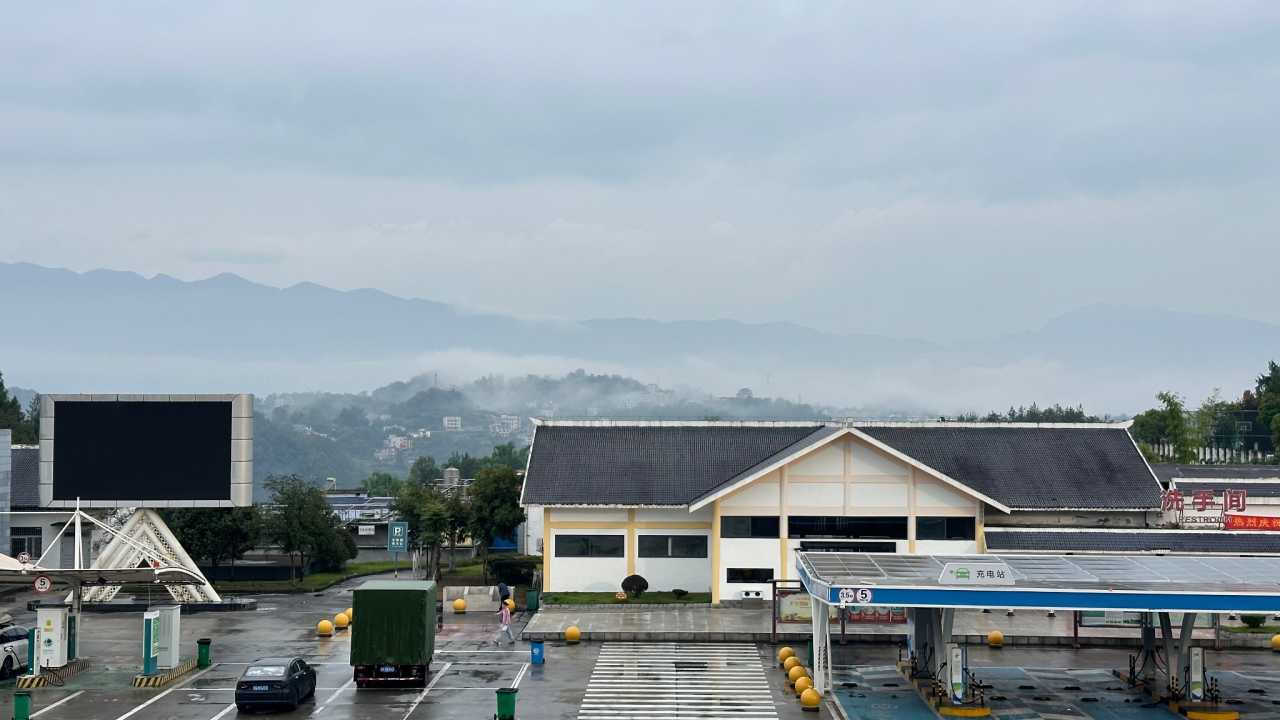
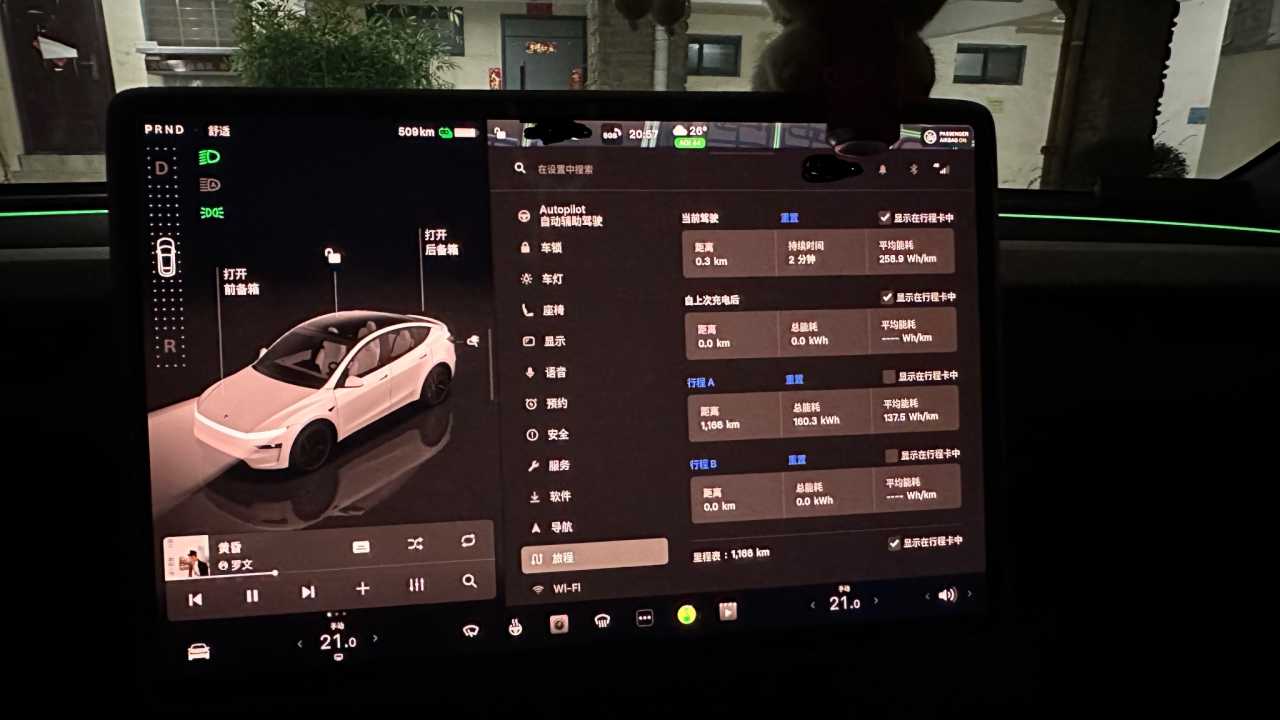
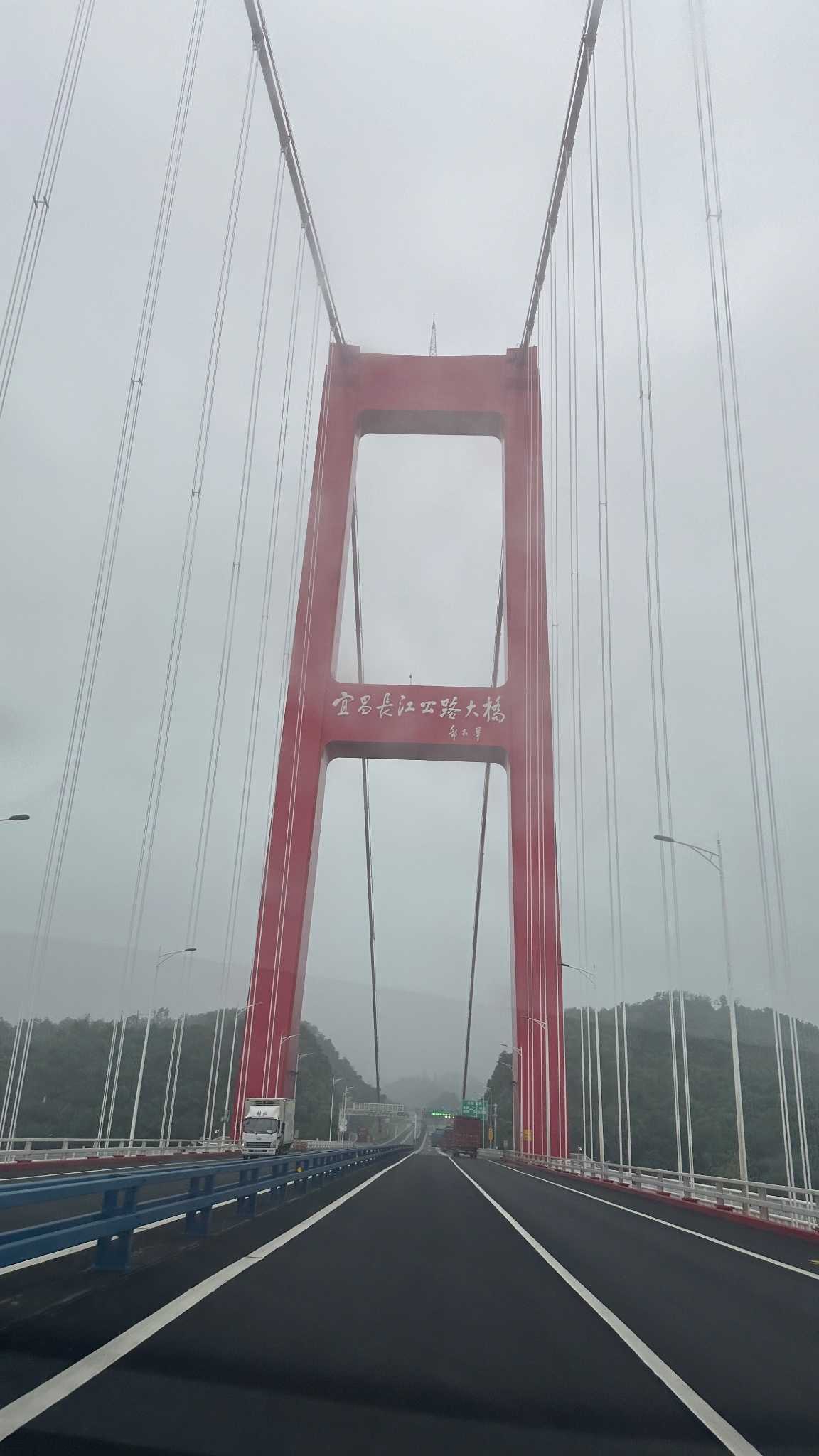
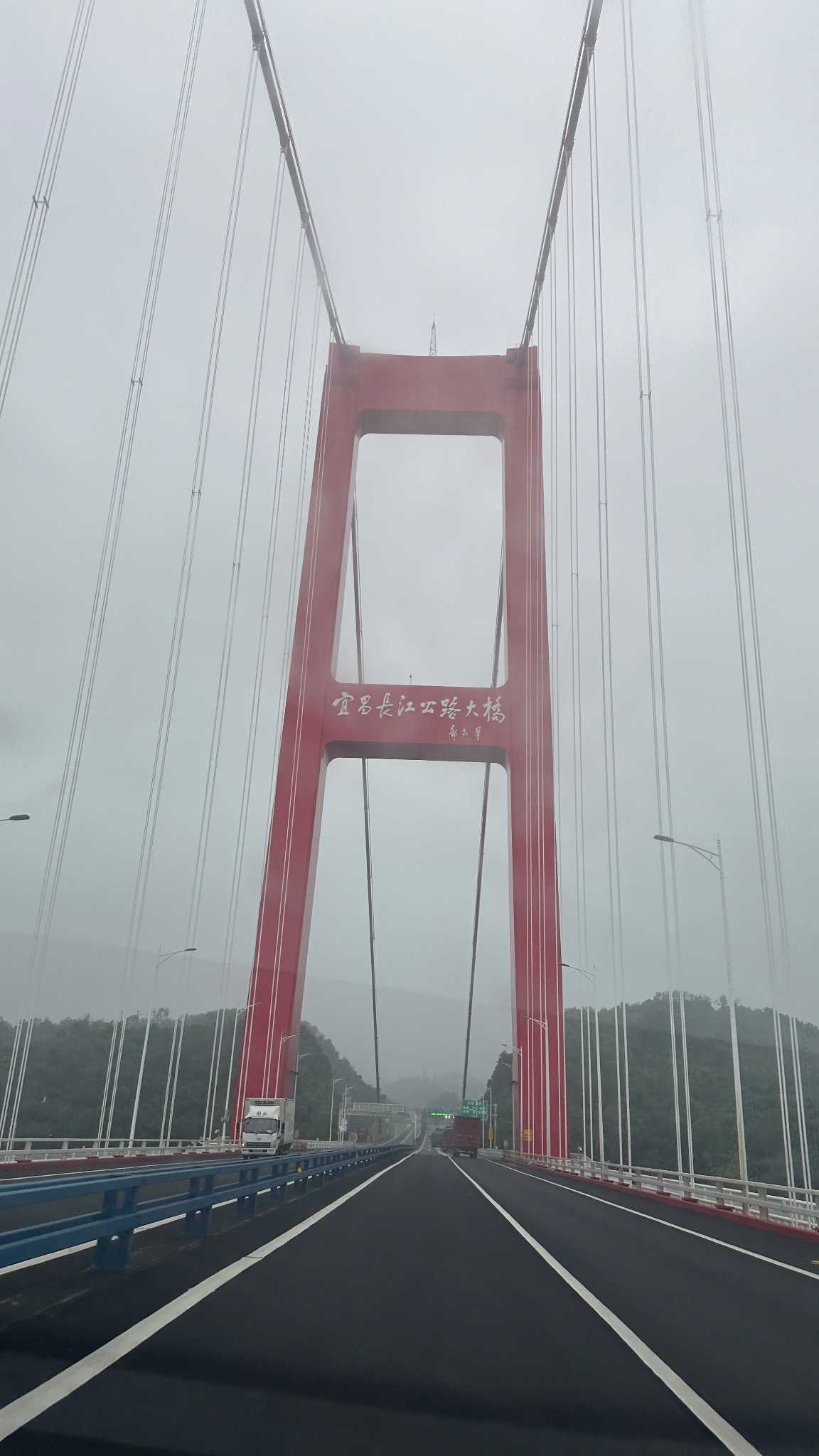
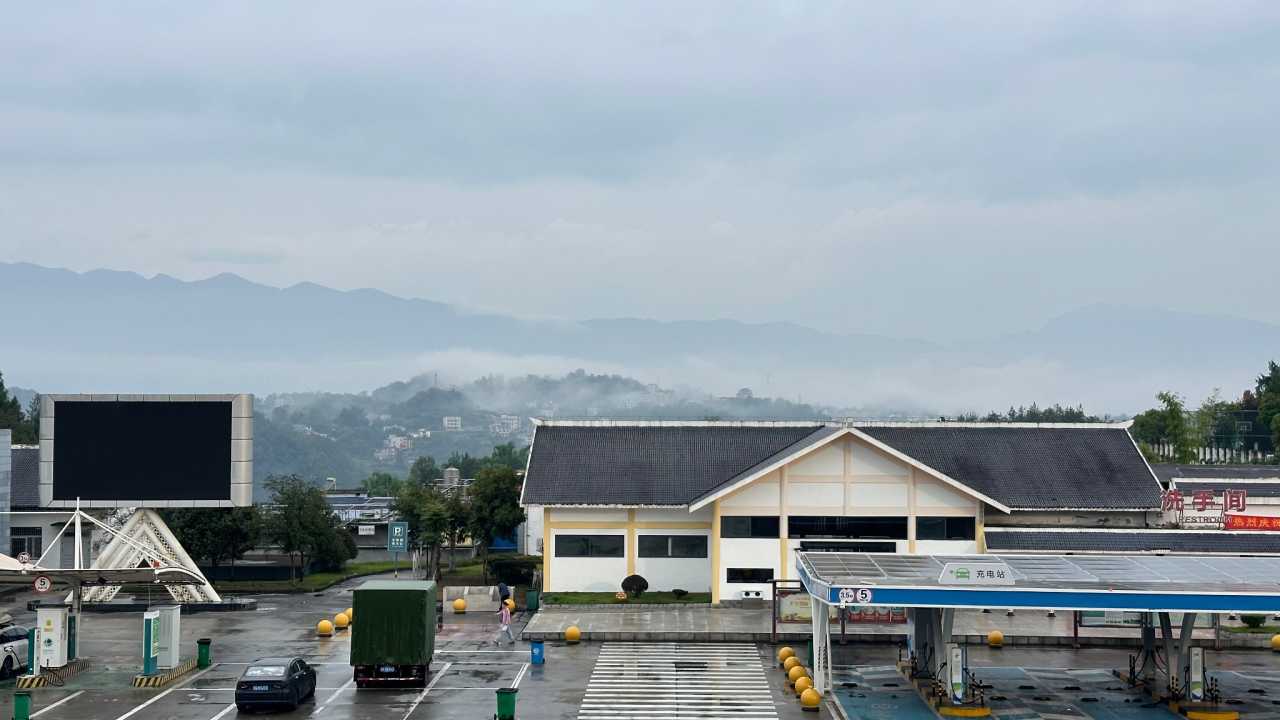
We reset the trip odometer. Our first breakfast was at a service area. Passing through Yichang, we spent the night at the Enshi service area—sleeping in the car was not comfortable. The next day, we found a hotel in Enshi for 180 yuan a night.
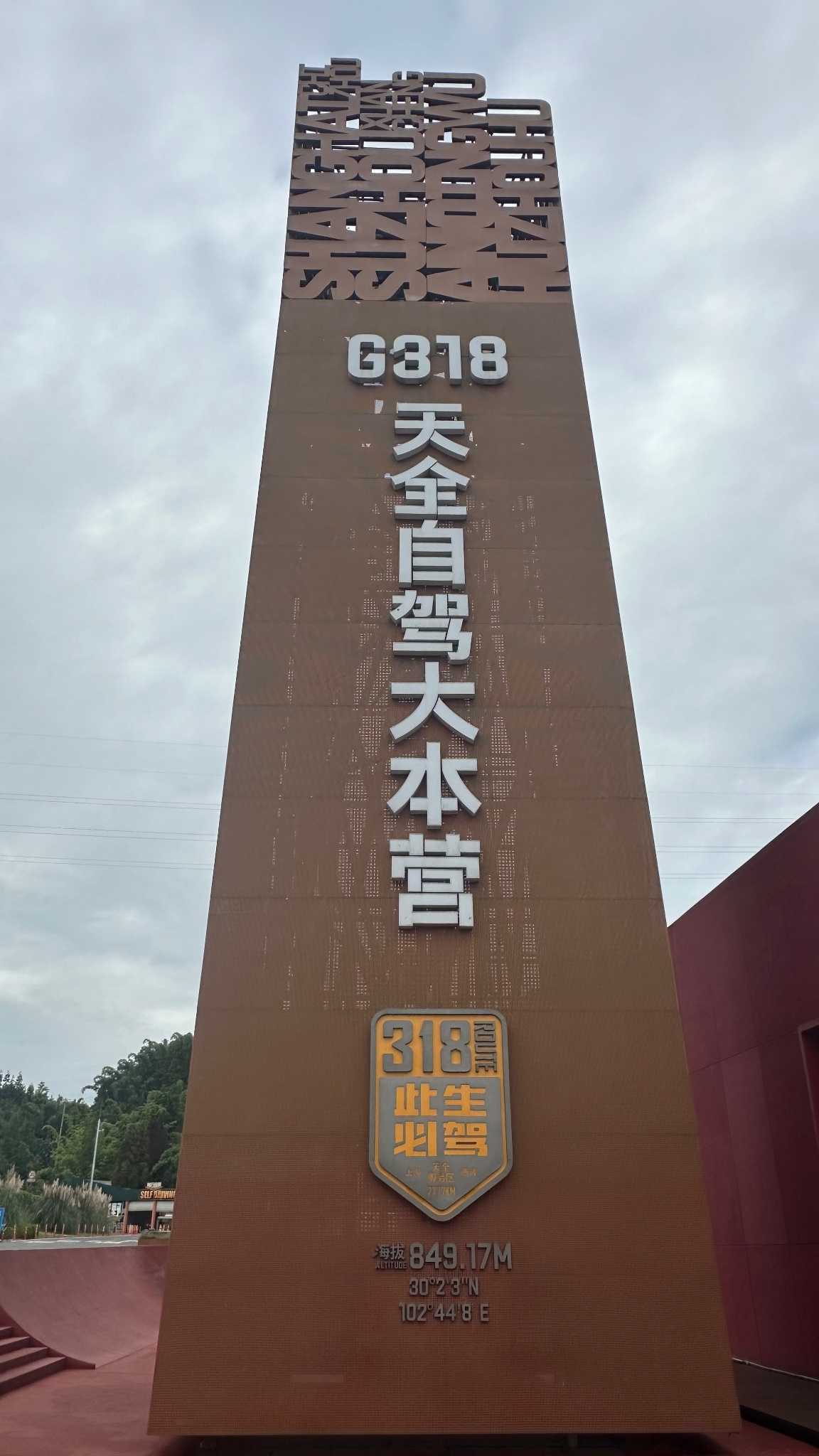
We reached the famous Tianquan service area at 11 a.m. on September 30. We waited at the Luding service area for an entire day, finally getting off the highway at the Kangding service area just before midnight. We successfully saved 1,000 yuan in tolls.
Kangding to Daofu: Battling a Cold and Altitude Sickness
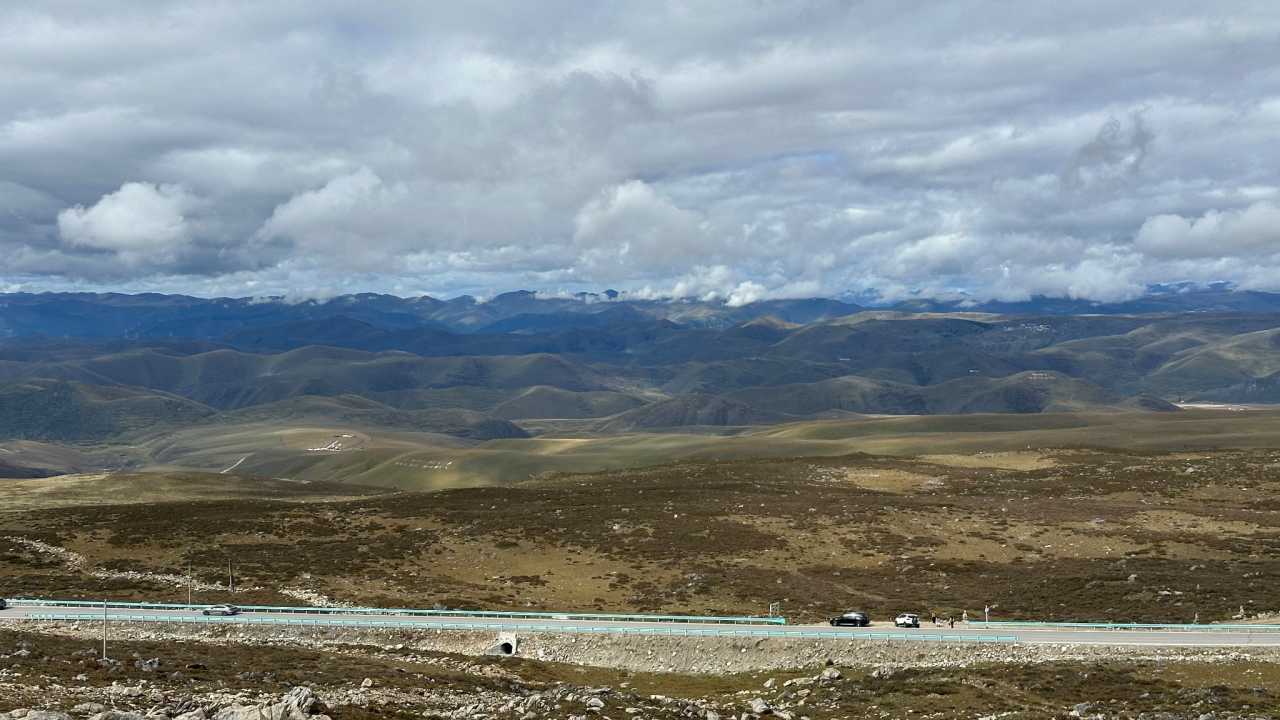
We didn't reach our hotel in Kangding until nearly 1 a.m. When we woke up, my wife had likely caught COVID again, and she'd passed it to me. Both of us had sore throats and started coughing. Looking at the high-altitude route ahead, we felt uneasy. We decided: we'd go as far as we could.
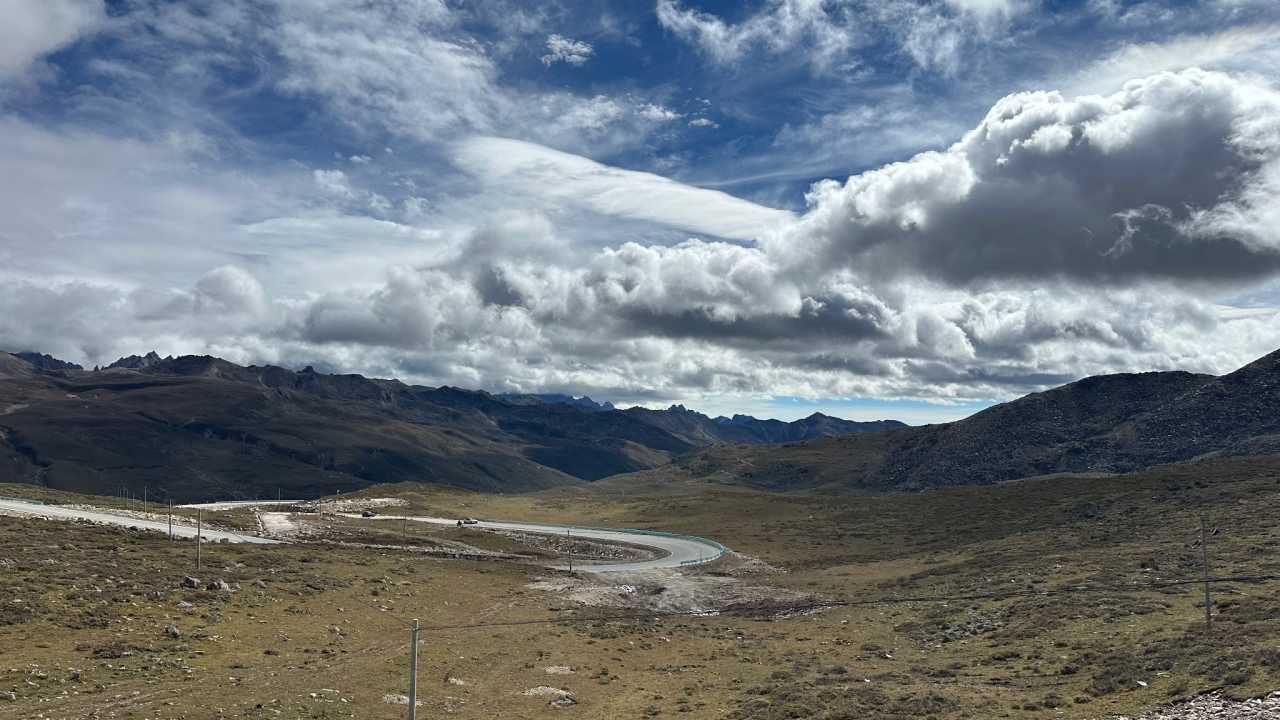
On the first day of National Day, Kangding city was packed with traffic. We decisively avoided Zheduo Mountain and took Highway S434 to Tagong Grassland. This was our fourth trip to Western Sichuan. With constant rain and clouds during the holiday, the scenery was less impressive than before.
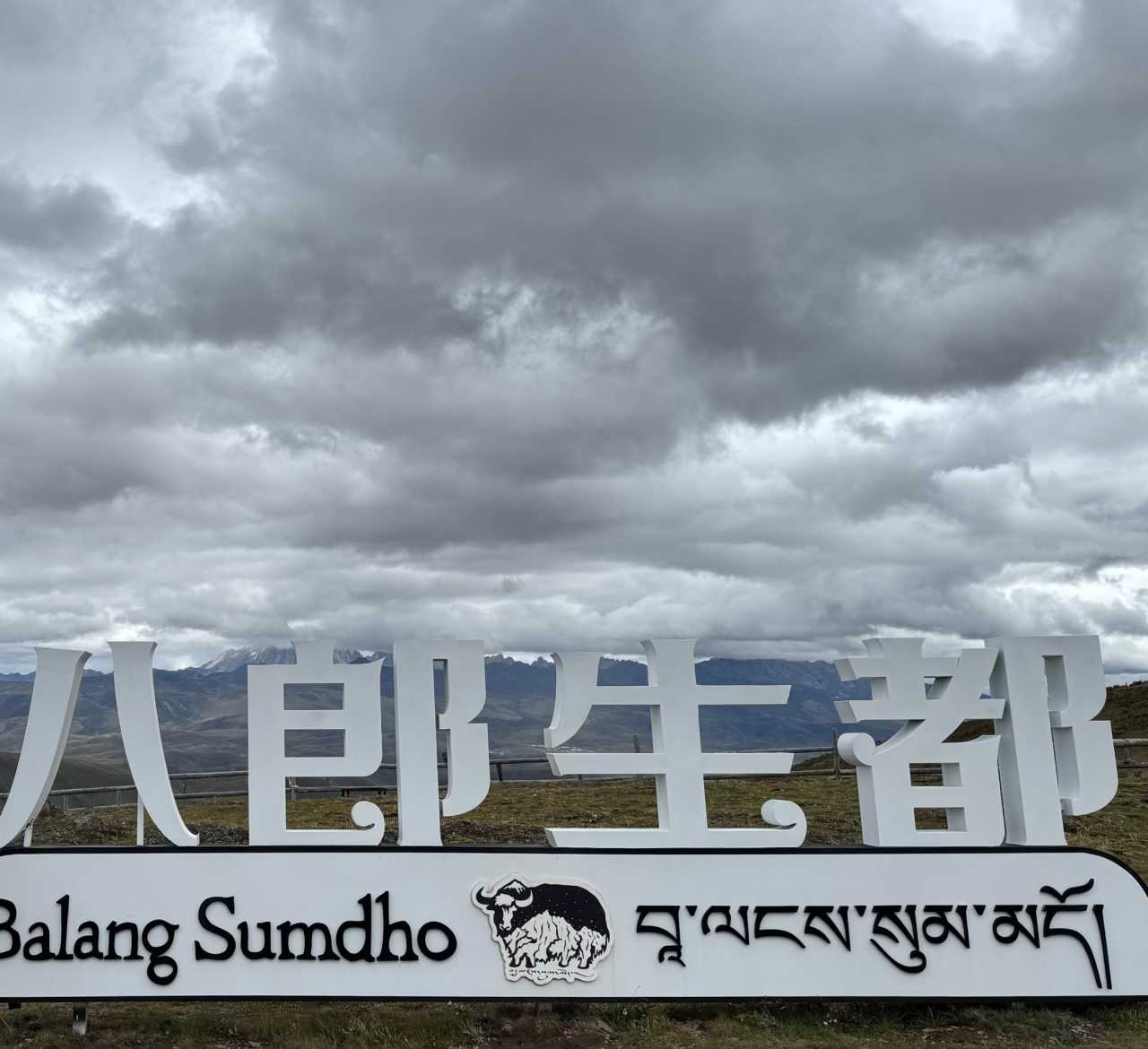
Balangshengdu was one of our destinations. The road up the mountain was three kilometers of terrible terrain. I drove cautiously, terrified of scraping the battery pack. It took twenty minutes to reach the top. The wind was terrifyingly strong. They had started charging admission—30 yuan per person.
Yala Snow Mountain was hidden behind clouds. We saw nothing. We didn't reach Gunong Village for camping until 1:30 p.m. Setting up a tent cost 50 yuan.
We passed Longdeng Grassland, quickly snapping a couple of photos, and checked into a hotel in Daofu County that evening. Our non-negotiable requirement: the hotel had to have its own charging station or be near one. When we arrived, the charging station was broken—a problem that would keep popping up throughout the trip.
Daofu to Yarchen Gar: The Awe of Ganbai Road and the Agony of Altitude Sickness
Waking up, my cold symptoms were worse. It was going to be a long day of driving. Ganbai Road was the highlight of this trip. At 5:30 a.m., I went out to find a charging station. Experience had taught me that when traveling through Western Sichuan in an EV, if you can't find a Tesla charger, your best bets are NIO or Li Auto.

Leaving Daofu, we passed through Luhuo County. The traffic management was very orderly. During the holiday, traffic police were still stationed at every intersection—they deserved a thumbs-up.
When we reached Kasag Lake, a small path led down to the water. We snapped some beautiful photos. Continuing on, we caught a distant view of Chola Mountain along National Highway 227.
We arrived at the Gesar King City a little after 1 p.m. It seemed to be a market for Tibetan communities. Almost no one spoke Mandarin. Many shops were closed. Even during the National Day holiday, there weren't many out-of-town visitors.
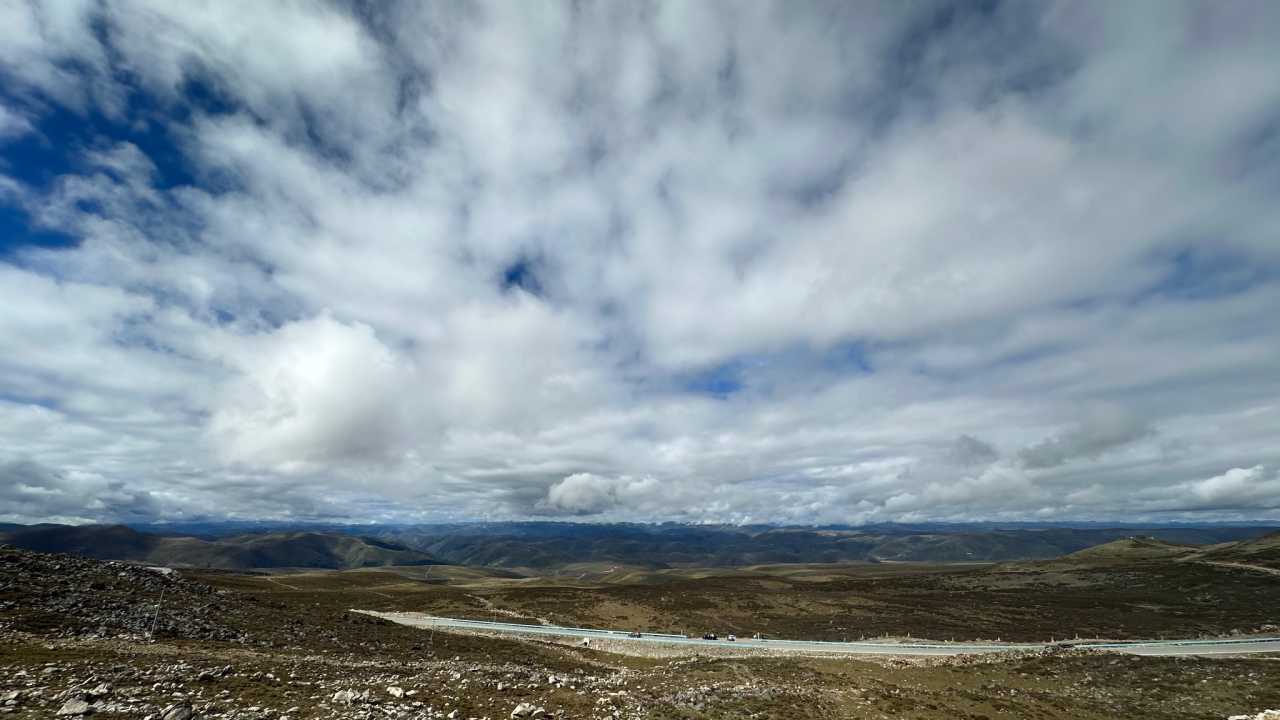
Leaving Gesar King City, we finally set foot on Ganbai Road. The distant peaks rushed toward us, their imposing presence almost overwhelming. Our daughter's Labubu doll made an appearance.
By now, the altitude had climbed to 4,000 meters. Because of my cold, symptoms of altitude sickness were setting in. Both of us developed headaches. We passed an area covered in huge round boulders, very similar to the Haizi Mountain we'd seen on a trip to Daocheng years earlier.
We spotted Lake Lalongcuo in the distance, but my wife didn't even get out of the car. We continued toward our destination for the day: Yarchen Gar.
Yarchen Gar: One Person's Awe, Two People's Regret
We finally reached Yarchen Gar in the early evening. My wife went straight to sleep. I didn't want to miss the place I'd been most looking forward to, so I insisted on walking to the viewing platform on my own.
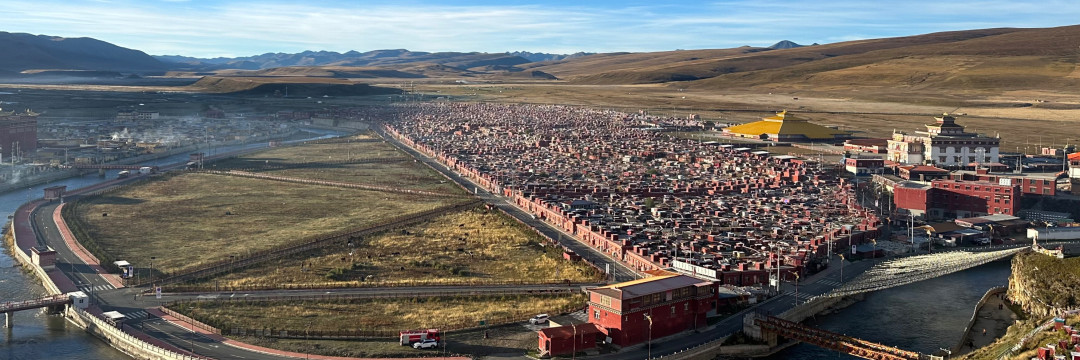
Beneath a massive golden pagoda were many prayer wheels. When I reached the viewing platform, I was genuinely stunned. I vividly remembered the sea of red at Seda years ago. If that was a dense, packed red, then the red of Yarchen Gar was like a bright, vivid jewel scattered across a vast landscape. The combination hit me with an overwhelming emotional impact.
I sat alone on the viewing platform for a while, quietly staring into the distance. It felt like I wasn't thinking about anything, yet at the same time, decades of my life's important moments flashed through my mind. It was a strange sensation—as if I had merged with nature.
Slowly, clouds gathered in the distance. My wife missed it. She regretted it later.
EV Charging in Western Sichuan: The Hard Truth
This trip taught me a crucial lesson about EV charging in Western Sichuan. Many charging stations were damaged or out of service. The best strategy is to plan for redundancy. Always have a backup plan, and know which charging networks are most reliable in remote areas. In Western Sichuan, NIO and Li Auto chargers were often more reliable than others. [Link: Best EV charging networks in China for road trips]
Frequently Asked Questions (FAQ)
Q: Is it safe to drive an EV in Western Sichuan? A: Yes, but you must plan carefully. The altitude and cold can reduce battery range. Always have a backup charging station in mind.
Q: What is the best time for a Western Sichuan EV road trip? A: Golden autumn (late September to October) offers spectacular scenery, but be prepared for cold weather and potential rain.
Q: How do you deal with altitude sickness on a road trip? A: Acclimate slowly. Drive in stages, stay hydrated, and consider medication. If symptoms are severe, descend to a lower altitude immediately.
Q: Can you sleep in an EV on the road? A: Yes, many EVs have a "bedroom" mode. It's not the most comfortable, but it saves money on accommodation.
Q: What should I do if a charging station is broken? A: Always have a backup plan. Use apps to check real-time charger status. In remote areas, consider carrying a portable charger.
Conclusion: The Road Awaits
This 5,000-kilometer journey through Western Sichuan was a revelation. It was a trip of contrasts: the struggle of altitude sickness and broken chargers versus the awe of Ganbai Road and the spiritual quiet of Yarchen Gar. It proved that an EV can handle the high-altitude roads of Western Sichuan, but only with careful planning and a sense of adventure.
If you are considering this trip, don't let the challenges scare you. The golden autumn landscapes, the quiet lakes, and the majestic mountains are worth every mile.
Ready to plan your own Western Sichuan EV road trip? Start by mapping out your charging stations and packing for altitude. The golden autumn is waiting.
You may also like


