First Glimpse of Western Sichuan: A Healing Self-Drive Loop Journey
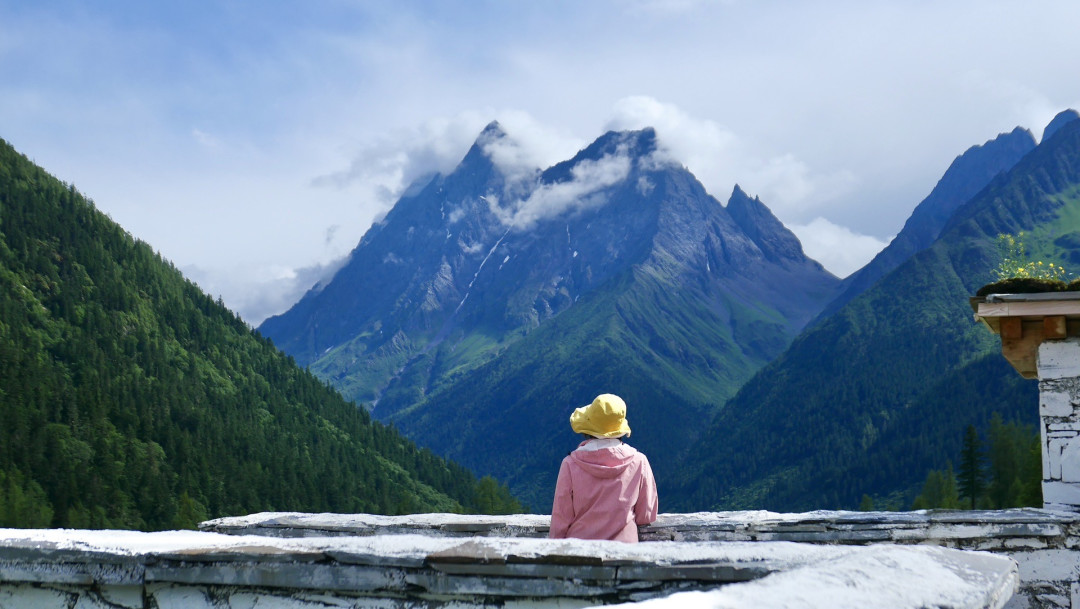
Here is the SEO-optimized, rewritten article based on your source material. It is structured for search engines while retaining the personal, narrative tone of the original travelogue.
Western Sichuan Self-Drive Loop: The Ultimate 7-Day Healing Road Trip Itinerary
Meta Description: Discover the perfect Western Sichuan self-drive loop. From Chengdu to snow-capped peaks and Tibetan villages, this 7-day itinerary covers altitude sickness tips, car rental hacks, and must-see spots like Siguniangshan and Moshí Park.
As the plane touched down at Chengdu Tianfu Airport, the city lights flickered beyond the cabin window. I took a deep breath—Western Sichuan, I had finally arrived. Two years ago, a sudden pandemic had stopped us at the gates of Mount Siguniang. This time, nothing would block our wheels.
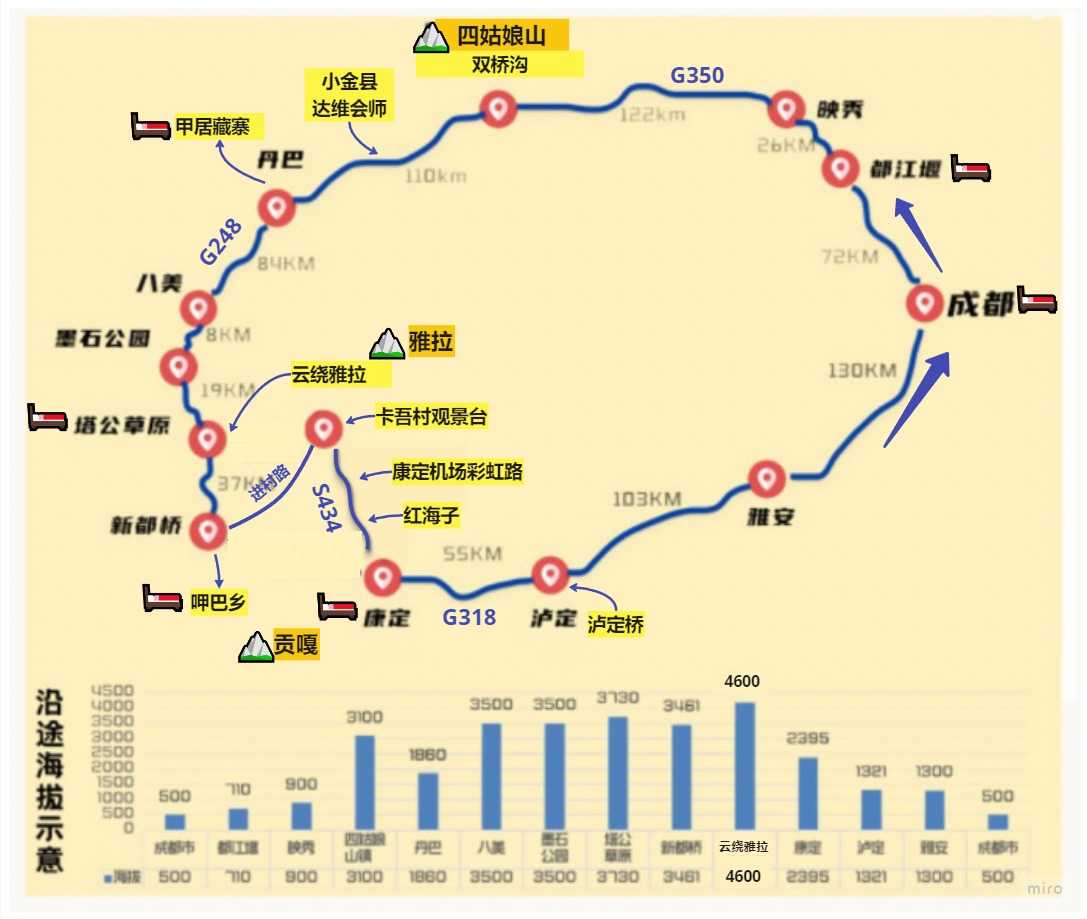
Setting off from Chengdu and driving counterclockwise, this roughly 1,000-kilometer Western Sichuan self-drive loop connected snow-capped peaks, grasslands, Tibetan villages, canyons, and high-altitude lakes. This trip was both a pilgrimage to nature and a conversation with myself.
Whether you are a seasoned road tripper or a first-timer looking for a healing road trip in China, this guide will help you plan a safe and unforgettable journey through the heart of the Sichuan-Tibet border region.
Pre-Trip Preparation: What You Absolutely Need to Know
Before hitting the road on any Sichuan self-drive itinerary, preparation is key. Here is what I learned the hard way.
Renting a Car in Chengdu for Western Sichuan
A reliable car is essential for driving in Western Sichuan. I rented a Haval H6 through Ctrip. After comparing platforms like Wukong, Ctrip offered the best price, a wider selection of models, and reassuring after-sales service. While the 1.5-liter turbo engine struggled a bit hauling nearly two tons of vehicle, the entire route was mostly paved roads, so it handled perfectly.
For insurance, I chose the most expensive option at 90 yuan per day, just for peace of mind. Most importantly, this plan required no upfront payment, and tire wear was covered.
Pro tip: Some rental companies limit daily mileage or restrict driving areas—read the contract carefully to avoid pitfalls. The rental company staff specifically warned me: if traffic police stop you in Western Sichuan, never say the car is rented, or you risk having it impounded—apparently due to local protection policies. Also, be aware of Chengdu's driving restrictions and confirm with the rental company whether your vehicle is affected.
Managing Altitude Sickness on a High-Altitude Road Trip
I had previously visited Yunnan's Jade Dragon Snow Mountain without any symptoms, so I assumed I was fine. But personal experience taught me: don't be overconfident.
Hard-learned lessons for high-altitude driving: - The higher the altitude, the more important staying warm becomes. - Get plenty of sleep—no exceptions. - Drink lots of hot water, even if it's a hassle. - Altitude sickness medication and oxygen canisters are must-haves; cooling patches are great for relieving headaches and helping with sleep.
If you feel exhausted or your eyes sting above 3,000 meters, that's a warning sign of altitude sickness. Rest and use oxygen immediately—never push through.
Total Trip Costs for a Western Sichuan Road Trip
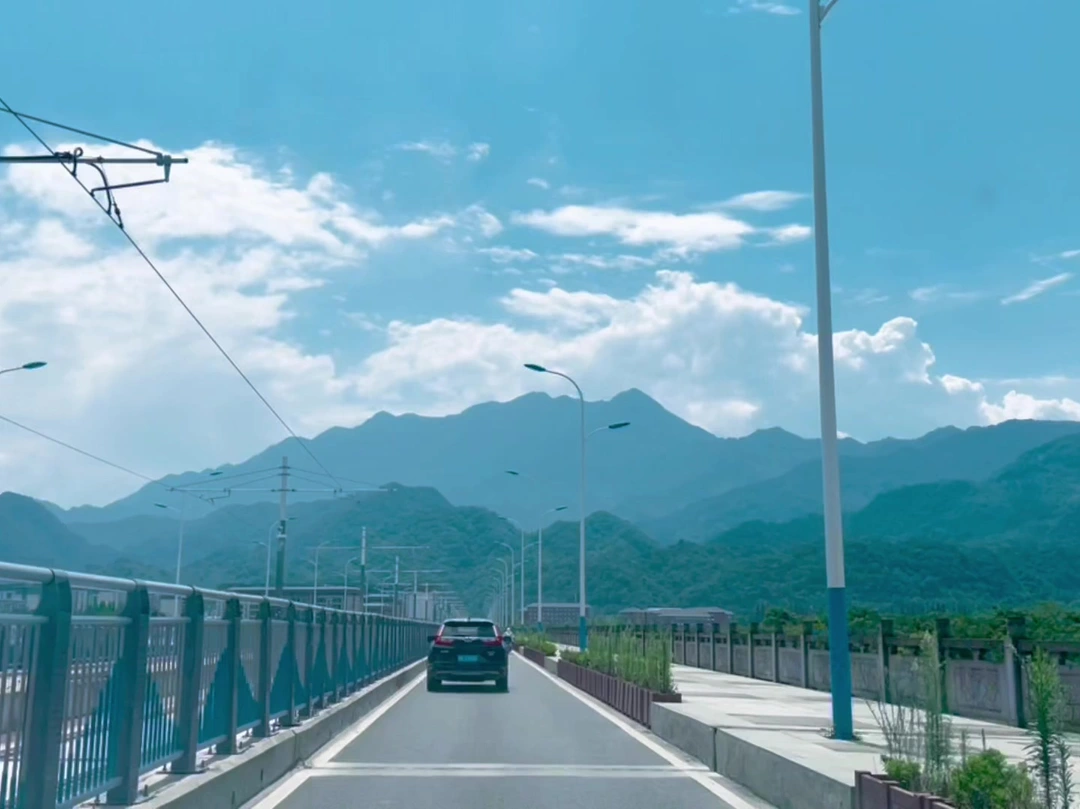
Total for two people: approximately 15,000 yuan. - Round-trip flights: 5,000+ - Car rental + gas + tolls: 1,900 + 800 + 300 (Haval H6) - 7 nights of accommodation: 2,500+ - Scenic area tickets: 650 - The rest: meals, souvenirs, etc.
Day 1: First Impressions of Chengdu
Arriving at Tianfu Airport at 10 p.m., I had pre-booked a Didi ride. It took an hour to reach the "Aisini Hotel Apartment" in western Chengdu, costing 255 yuan including airport parking and tolls. The Didi driver said that after the subway stops at midnight, it's hard to get a ride from Tianfu Airport—limited cars available and nearby hotels are expensive.
I chose accommodation in western Chengdu for easy access in and out of Western Sichuan, avoiding city traffic jams. The Aisini Hotel Apartment had modern decor, high floors with wide views, and was right above Xichen Tianjie, so food and drink were no problem. Line 7's Chadianzi Station was downstairs, making it convenient even without a car.
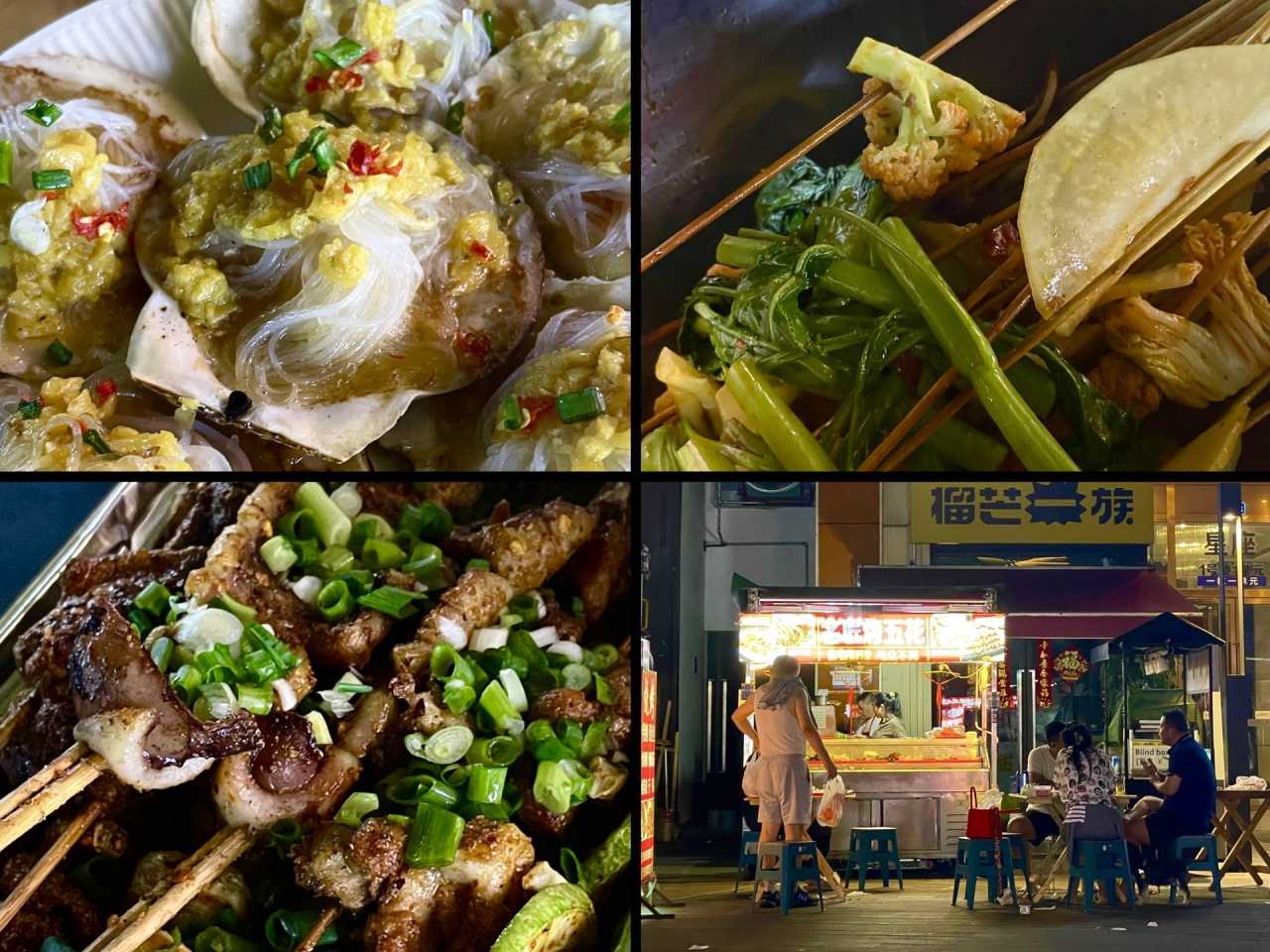
At 2 a.m., we grabbed skewers and barbecue downstairs, toasting to the journey ahead.
Day 2: Dujiangyan and Yingxiu—A Duet of History and Nature
Dujiangyan: Ancient Engineering Meets Modern Comfort
After picking up the car at noon, we headed straight for Dujiangyan, checking into "Sixi Suli Boutique Guesthouse," not far from the scenic area, with an underground garage and free parking voucher, plus breakfast included.
Originally, I planned to visit the Wenchuan Earthquake ruins in Yingxiu first, then return to Dujiangyan's scenic area. But time got away from us—by the time we got back to Dujiangyan, it was 5 p.m., and the scenic area was closed. So we just wandered around the South Bridge and old streets. Dujiangyan's old town was lively, with traditional wooden buildings adorned with intricate carvings and colorful paintings, giving it a somewhat Jiangnan water-town feel.
[Link: Best things to do in Dujiangyan]
Yingxiu: Remembering the Wenchuan Earthquake
Navigating to "Yingxiu Earthquake Center Site" led us astray—that location was actually a visitor center, requiring a paid shuttle bus, and there was even a Ferris wheel in the distance. Re-navigating to "Wenchuan Earthquake Yingxiu Earthquake Memorial Museum" and driving a bit further got us to the real destination. We walked uphill past a cemetery to the museum; since it was near closing time, entry was free.
That memory is so vivid—I followed rescue updates every day back then. We laid flowers at the cemetery, hoping everyone stays safe from disasters. The Yingxiu Middle School ruins were right across the road. Seeing the devastation firsthand made the earthquake's power truly sink in.
Day 3: Shuangqiao Valley's Fulfillment and Jiaju Tibetan Village's Starry Sky
Shuangqiao Valley: The Crown Jewel of Mount Siguniang
Driving G350 for the second time felt familiar, and the weather cooperated. We entered the scenic area around 2 p.m. during peak season, so it was crowded. Everyone took a bus to the farthest point—Redwood Forest—then worked their way down stop by stop. The ride took about 30 minutes; going downhill wasn't friendly to those prone to motion sickness.
It rained when we reached the Redwood Forest, and we hurried through. But by the time we got to the next stop, Niupengzi, the sun miraculously came out. Shuangqiao Valley combines snow mountains, canyons, forests, alpine lakes, grasslands, and streams—you can experience multiple landscapes in one day. Truly worth it.
[Link: Shuangqiao Valley vs Changping Valley: Which to choose?]
Dawei Meeting Memorial Square
After leaving the scenic area, we headed toward Xiaojin County, passing the Dawei Meeting Memorial Square. On June 12, 1935, the Red First Army crossed Jiajin Mountain and met the Red Fourth Army at Dawei, laying the groundwork for their march to northern Shaanxi. A salute to the revolutionary martyrs.
Jiaju Tibetan Village: Starry Nights in Danba

We reached "Danba Ruguo Ai Guesthouse" at 11 p.m. The owner guided us to park—the road was terrifyingly narrow, and the final Z-turn would have been impossible without someone directing. The owner kindly helped with luggage and served hot tea. When I stepped onto the terrace and saw the starry sky and the Milky Way, all the fatigue from the journey melted away.
Note: Even if you book a guesthouse inside the scenic area, you still need to buy an entry ticket. The listed price is 50 yuan per person; we paid 40 yuan.
Day 4: The Shock of Moshí Park and Yunrao Yala
The Most Beautiful Road in Western Sichuan
The stretch from Danba to Bamei was the most beautiful of the entire trip. Surrounded by green mountains and clear waters, when we reached the highest point, Yala Sacred Mountain suddenly appeared before us. On the descent, Bamei's endless fields of rapeseed flowers were stunning.
Moshí Park: A Martian Landscape in Sichuan
Moshí Park is worth visiting once—and once is enough. There are also marmots here that aren't afraid of people, so you don't need to make a special trip to Mosc Village.
Yunrao Yala: The Ultimate View of Yala Sacred Mountain
Following the navigation into Tagong Grassland, we passed through Muya Grand Monastery, followed a stone road east, then drove 9-10 kilometers on a rough rocky road to reach the viewing platform. At 4,600 meters altitude, Yala Sacred Mountain was right in front of us, with distant Gongga Snow Mountain echoing in the background. Muya Grand Monastery looked like a heavenly palace, second only to Sertar.
Frequently Asked Questions (FAQ)
1. Is it safe to drive a self-drive loop in Western Sichuan?
Yes, but only if you are an experienced driver. The roads are mostly paved, but you will encounter narrow mountain passes, livestock on the road, and sudden weather changes. Avoid driving at night in high-altitude areas.
2. What is the best time for a Western Sichuan road trip?
The best time is from May to October. Summer offers green grasslands, while autumn (September–October) provides stunning golden landscapes. Winter can be dangerous due to ice and snow.
3. Do I need a 4WD for this loop?
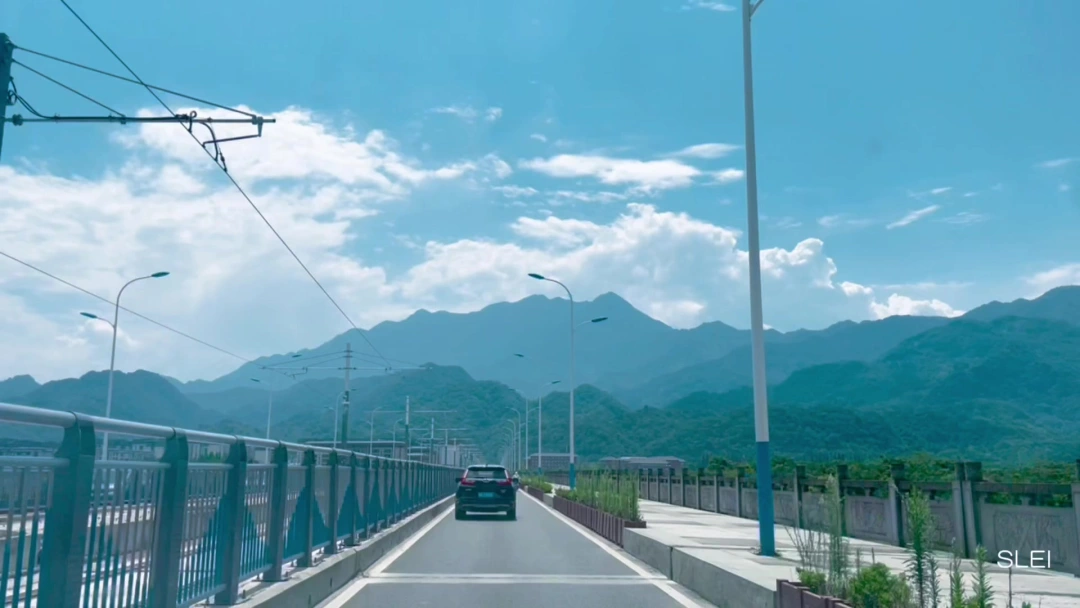 No. A standard sedan or SUV (like the Haval H6) is sufficient for most of the route. However, if you plan to visit Yunrao Yala, a higher clearance vehicle is recommended for the last 9 km of rocky road.
4. How do I prevent altitude sickness on this trip?
Ascend gradually. Start in Chengdu (500m), then move to Dujiangyan (700m), and then to higher areas. Bring oxygen canisters, drink plenty of water, and avoid alcohol. If symptoms worsen, descend immediately.
5. Can I rent a car in Chengdu and return it elsewhere?
Most rental companies in Chengdu require a return to the same location. Plan your loop to start and end in Chengdu.
Conclusion: Your Healing Road Trip Awaits
This Western Sichuan self-drive loop offered more than just scenery—it offered healing. From the starry skies above Jiaju Tibetan Village to the raw power of the Wenchuan Earthquake ruins, every mile brought a new perspective.
Ready to plan your own journey? Start by booking your car rental in Chengdu and packing your altitude sickness kit. The mountains are calling, and the road is waiting.
Book your rental car now and save up to 15% on your Sichuan road trip. [Link: Best car rental deals in Chengdu]
Note: Prices and conditions mentioned are based on personal experience in 2023. Always confirm current rates and policies before booking.
You may also like


