Father and Son Trekking Changchuanbi: The Ultimate High-Altitude Adventure in Western Sichuan
Meta Description: Discover the Changchuanbi trekking route in Western Sichuan—a 34km father-son journey from 3,300m to 4,656m. Expert tips, gear advice, and breathtaking scenery from China's top ten classic treks.
Introduction: Why the Changchuanbi Trek Is a Life-Changing Father-Son Adventure
There are moments in life when a simple conversation changes everything. Last summer, my 14-year-old son looked up from his phone and said, "Dad, I want to hike the Changchuanbi this summer break." That single sentence launched us into one of the most challenging and rewarding experiences of our lives—a father-son Changchuanbi trek that tested our limits and deepened our bond.
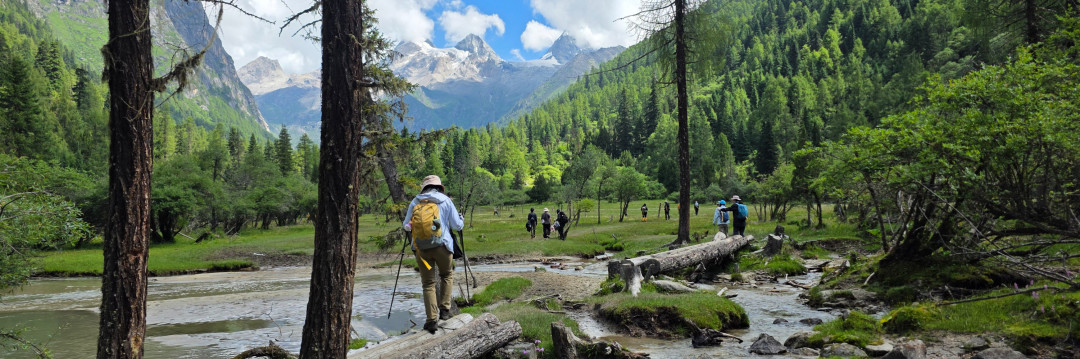
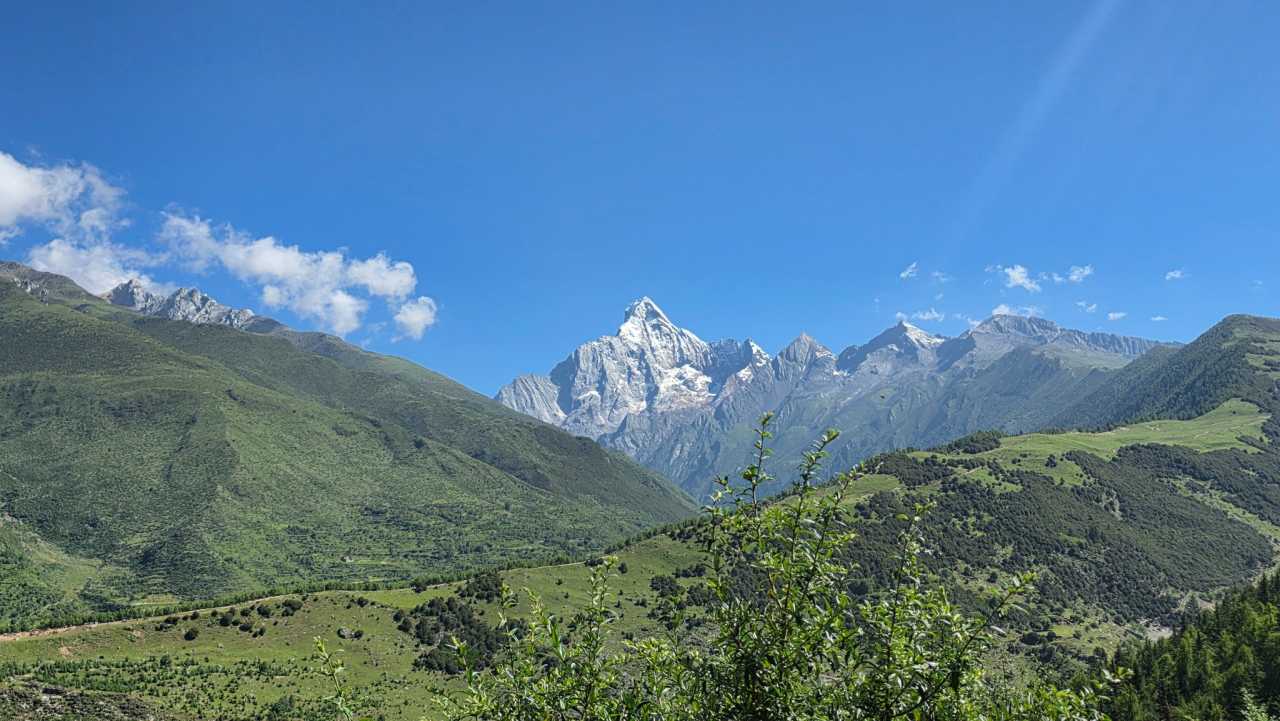
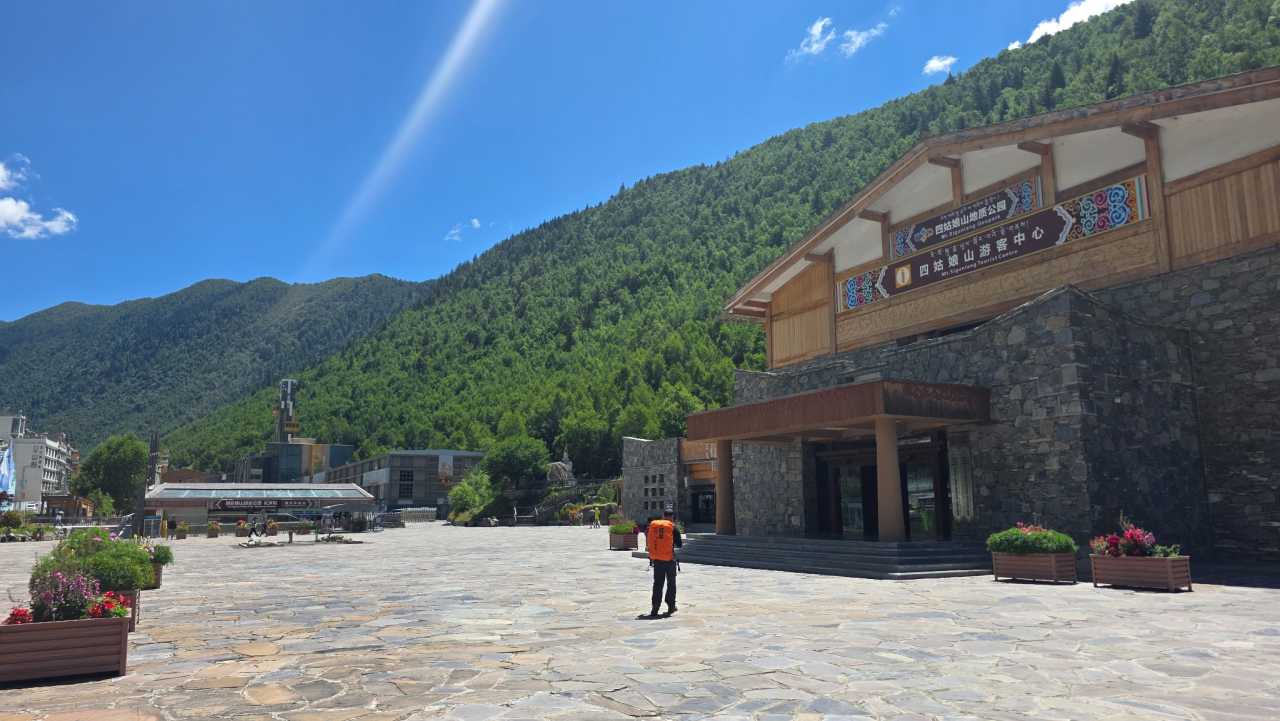
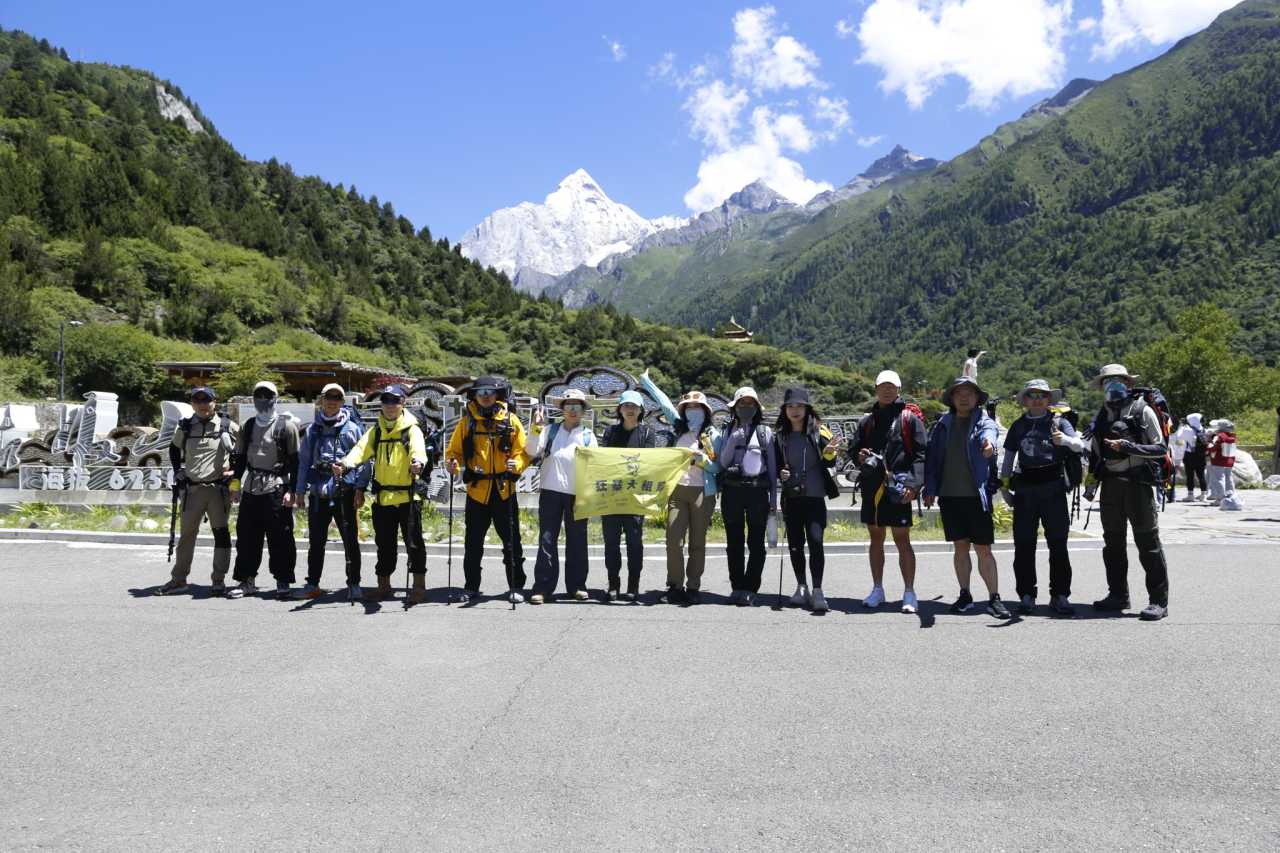
For those unfamiliar with China's premier trekking destinations, Changchuanbi is the abbreviated name for the Changping Valley to Bipeng Valley crossing. This legendary route traverses the Four Sisters Mountain area and Li County in Western Sichuan, earning its reputation as one of Chinese National Geography's "Top Ten Classic Trekking Routes in China." The Changchuanbi hiking route offers everything: alpine rhododendrons blooming in July, carpets of wildflowers across high meadows, and glacial streams sparkling under the plateau sun. The crown jewel? Yaomei Mountain—the youngest of the Four Sisters—whose snow-capped peak seems close enough to touch in the crystalline high-altitude air.
But this is no walk in the park. Covering over 30 kilometers of high-altitude terrain, with a maximum elevation approaching 4,700 meters and unpredictable plateau weather, the Changchuanbi trek demands respect. For a father and son with limited heavy-load high-altitude experience, the challenge felt daunting. Then my son discovered an outdoor team called Crazy Thick Legs, whose light-trekking service changed everything. They provided packhorses for our duffel bags, delivered luggage to each camp daily, and arranged for horses to return all gear on the final day—allowing us to cross the mountain pass with just light daypacks. That support gave us the confidence to turn our Changchuanbi dream into reality.
Changchuanbi Trekking Route Overview: 3 Days, 34 Kilometers, 3,300m to 4,656m
Before we departed, I recorded every detail using my Garmin watch. Here's the complete Changchuanbi itinerary for anyone planning this adventure:
Day 1: Changping Valley to Muluozi Camp
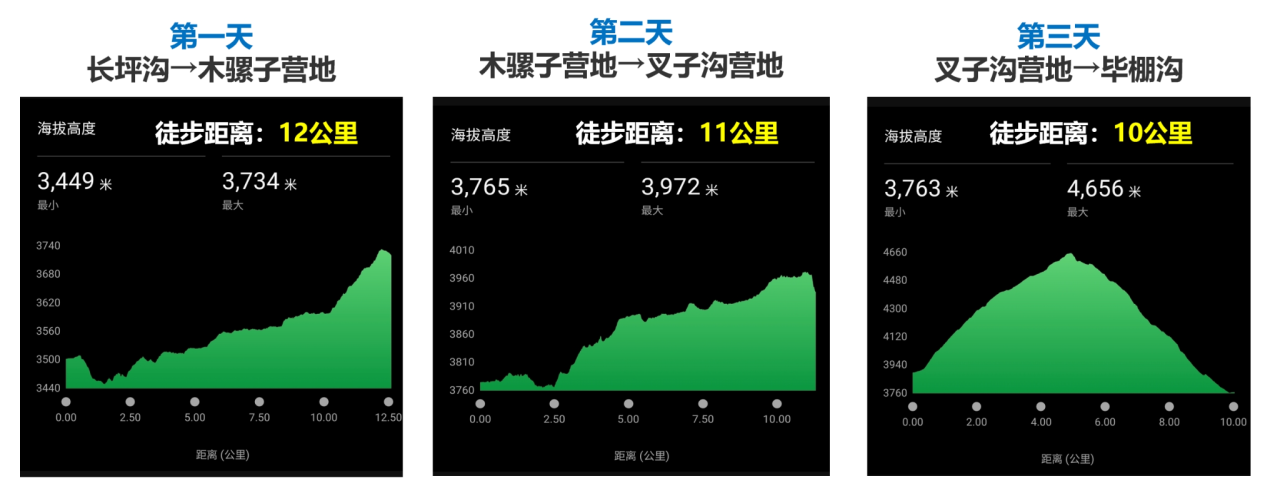 - Start Point: Changping Valley Scenic Area (approx. 3,300m) - End Point: Muluozi Camp (approx. 3,700m) - Distance: 12.6 km - Elevation Gain: ~300m - Duration: 5 hours
Day 2: Muluozi Camp to Chazigou Camp
- Start Point: Muluozi Camp (approx. 3,700m)
- End Point: Chazigou Camp (approx. 3,900m)
- Distance: 11.3 km
- Elevation Gain: ~200m
- Duration: 5 hours
Day 3: Chazigou Camp to Bipeng Valley (Pass Crossing)
- Start Point: Chazigou Camp (approx. 3,900m)
- End Point: Bipeng Valley (approx. 3,700m)
- Distance: 10.2 km
- Elevation Gain: ~750m (to pass at 4,656m)
- Duration: 9 hours (including pass crossing)

[Link: How to prepare for high-altitude trekking in Western Sichuan]
Day 2: The Most Beautiful Scenery on the Changchuanbi Route
If the entire Changchuanbi trek were a symphony, Day 2 would be its most moving movement.
At 8 a.m., we departed Muluozi Camp. A thin mist clung like gauze to the fir trees, while morning sunlight filtered through the canopy, casting dappled shadows along the trail. We walked through a transition zone between primeval forest and alpine meadow, with a thick carpet of pine needles underfoot and the sound of babbling streams accompanying our每一步.
As we climbed higher, the vista opened dramatically. The snowy summit of Yaomei Mountain appeared and disappeared among the sea of clouds, while the U-shaped valley at Chazigou's end looked carved by a giant's axe—bare rock faces contrasting with soft, carpet-like alpine rhododendrons. This 11-kilometer stretch of the Changchuanbi hiking route offered a visual feast at every turn.
My son and I walked side by side along this high-altitude scenic corridor. We stopped to admire a clump of Meconopsis integrifolia (Himalayan blue poppy) by the trail—its petals as thin as cicada wings, yet blooming defiantly in the wind and snow at 4,000 meters. It was a powerful reminder of nature's resilience, and a metaphor for our own journey.
Day 3: The Most Grueling Section—Crossing the Chazigou Pass
The third day's route was the most challenging part of our entire Changchuanbi trekking experience. At 3 a.m., the plateau was still shrouded in thick darkness. We packed our gear by headlamp light while guides prepared hot porridge and noodles—their steam rising precious in the cold. At exactly 3 a.m., our group set off toward the Chazigou mountain pass.
The Climb: 4.5 Hours of Pure Grit
The first four and a half hours of climbing to the pass were agonizing. The initial steep slope felt like an invisible giant dragging at our legs—our breath ragged and broken at 4,000 meters. The second section was slightly gentler, allowing us to find a rhythm on the scree slope. But the final stretch—a nearly 65-degree zigzag climb—required using both hands and feet. Every step was a battle against gravity.
Reaching the Summit: 4,656 Meters
By 8 a.m., after five hours and 5 kilometers, we finally reached the pass at 4,656 meters. It looked like a gap carved by a giant axe through the ridge, with steep rock walls on either side forming natural barriers. A slide zone of mixed gravel and frozen earth lay underfoot. Even in midsummer, the pass carried glacial chill—even with a thin down jacket, I felt cold, though fortunately the wind wasn't strong.
Unfortunately, the weather didn't cooperate. Instead of rolling clouds in Bipeng Valley, there was only unawakened darkness. The entire valley lay curled in the shadow of the mountains, splashed with cold, blue-gray light—except for a thin line of gold on distant snowy peaks, touched by the first morning rays.
The Descent: A Battle with Loose Rocks
The descent from the pass to Bipeng Valley was a long, grinding battle with loose rocks. Every step required caution on sharp-edged scree—no room for a slip or twisted ankle. At first, I thought we'd be down in two hours, but the scree slope seemed enchanted, stretching endlessly ahead. Time felt infinite. My knees began to tremble; backpack straps cut into my shoulders. Every time we rounded a bend, the forest I longed for refused to appear—only an endless sea of gray-brown rocks.
Just as exhaustion threatened to overwhelm me, I finally heard the long-missed sound of running water. The green of Bipeng Valley, at that moment, was more precious than any scenery we had seen.
[Link: Best time to trek Changchuanbi—seasonal guide]
Essential Changchuanbi Trekking Tips: What You Need to Know Before You Go
1. Clothing: The Three-Layer System for Plateau Weather

Upper Body: - Days 1-2 (daytime): Quick-dry T-shirt + thin sun-protection jacket (switch to long-sleeved quick-dry if you get cold easily) - Day 3 (pass crossing): Add light down jacket or fleece
Lower Body: - Thin hiking pants with side zippers for easy ventilation
Head: - Bring a warm hat—keeping your head warm is crucial when wind picks up at the pass
2. Gear: Details That Save Your Knees and Spirits
Trekking Poles: Use TWO poles! On Day 3's scree descent, a single pole won't keep you balanced.
Gloves: Bring slightly thicker gloves for the early-morning pass crossing—your hands will freeze without them.
Knee Braces: Bring them! On the 5-kilometer scree descent, you'll regret not having them.
Shoes: Bring two pairs. Wear regular hiking shoes for Days 1-2, and high-ankle boots for Day 3.
Water Bottle: Bring a large-capacity bottle or thermos. From the first night until the end of Day 3, water sources are limited.
3. Altitude Sickness Prevention
- Ascend gradually—the Changchuanbi itinerary allows for proper acclimatization
- Stay hydrated (aim for 3-4 liters daily)
- Consider Diamox (acetazolamide) after consulting your doctor
- Listen to your body—if symptoms worsen, descend immediately
[Link: How to prevent altitude sickness on high-altitude treks]
Changchuanbi Trek FAQ
Q1: Is the Changchuanbi trek suitable for beginners?
A: With proper preparation and a light-trekking service (like Crazy Thick Legs), beginners can complete this route. However, the high altitude and Day 3's challenging pass crossing require reasonable fitness. We recommend at least 3 months of training including cardio and leg strength exercises.
Q2: What is the best season for the Changchuanbi hiking route?
 A: The optimal window is June to September. July offers alpine rhododendrons in bloom, while August-September provides more stable weather. Avoid October through May due to snow and extreme cold at higher elevations.
Q3: Do I need a guide for the Changchuanbi trek?
A: Yes—strongly recommended. The route has limited markings, and weather can change rapidly. Professional guides provide safety, navigation, and support. Our team from Crazy Thick Legs was excellent.
Q4: How much does a Changchuanbi trek cost?
 A: Costs vary, but expect to pay approximately 2,000-3,500 RMB per person for a guided light-trekking package (including permits, accommodation, meals, and horse support). Independent trekking may be cheaper but requires more logistics.
Q5: What permits are needed for the Changchuanbi route?
A: You need permits for both Changping Valley and Bipeng Valley. Most guided tours include these. Independent trekkers must arrange permits through local authorities or outdoor clubs.
Conclusion: More Than a Trek—A Father-Son Bond Forged at 4,656 Meters
Standing at the Chazigou pass, watching the first light touch distant peaks, I realized this Changchuanbi trek was never just about the scenery. It was about watching my son push through exhaustion, about sharing silence on a scree slope, about the pride in his eyes when he reached the summit.
The Changchuanbi hiking route is a crucible—it tests your body, challenges your spirit, and rewards you with views that words cannot capture. But more than that, it offers something rare in our busy lives: uninterrupted time with someone you love, walking side by side through one of China's most spectacular landscapes.
If you're considering a father-son adventure, a family challenge, or simply a trek that will change how you see the world—and yourself—the Changchuanbi trek awaits.
Ready to plan your own Changchuanbi adventure? [Link: Book a guided Changchuanbi trek] or [Link: Download our complete packing checklist].
Have you trekked the Changchuanbi route? Share your experience in the comments below—we'd love to hear your story.
You may also like


