Falling in Love with Chengdu, the Land of Abundance: A City You Won't Want to Leave
Meta Description: Discover why Chengdu, the Land of Abundance, captivates travelers with giant pandas, spicy hotpot, ancient streets, and a relaxed lifestyle. Plan your 3-day Chengdu itinerary with expert tips.
Introduction: Why Chengdu Lingers in Your Heart
As a travel enthusiast who has explored countless destinations worldwide, I can confidently say that Chengdu—the capital of Sichuan province and the heart of the "Land of Abundance"—is one of those rare cities that leaves an indelible mark on your soul. After returning from Europe, instead of heading straight home, I chose to fly directly to this enchanting city. Chengdu is unhurried, warm, and brimming with everyday life. It makes you willingly slow down, immerse yourself, and never want to leave.
The moment you step into Chengdu, you're greeted by the irresistible aroma of Sichuan hotpot wafting through the streets. The bustling lanes of Chunxi Road, the ancient charm of Jinli, and the iconic giant pandas all combine to create an experience that feels both timeless and vibrant. Whether you're a food lover, a culture seeker, or a nature enthusiast, Chengdu offers something unforgettable.
In this comprehensive guide, I'll share my three-day Chengdu itinerary, highlight the must-visit attractions, and reveal why this city is a top destination for travelers worldwide. Let's dive in.
Day 1: Pandas, Shopping, and Spanish Flavors

Morning: Chengdu Research Base of Giant Panda Breeding
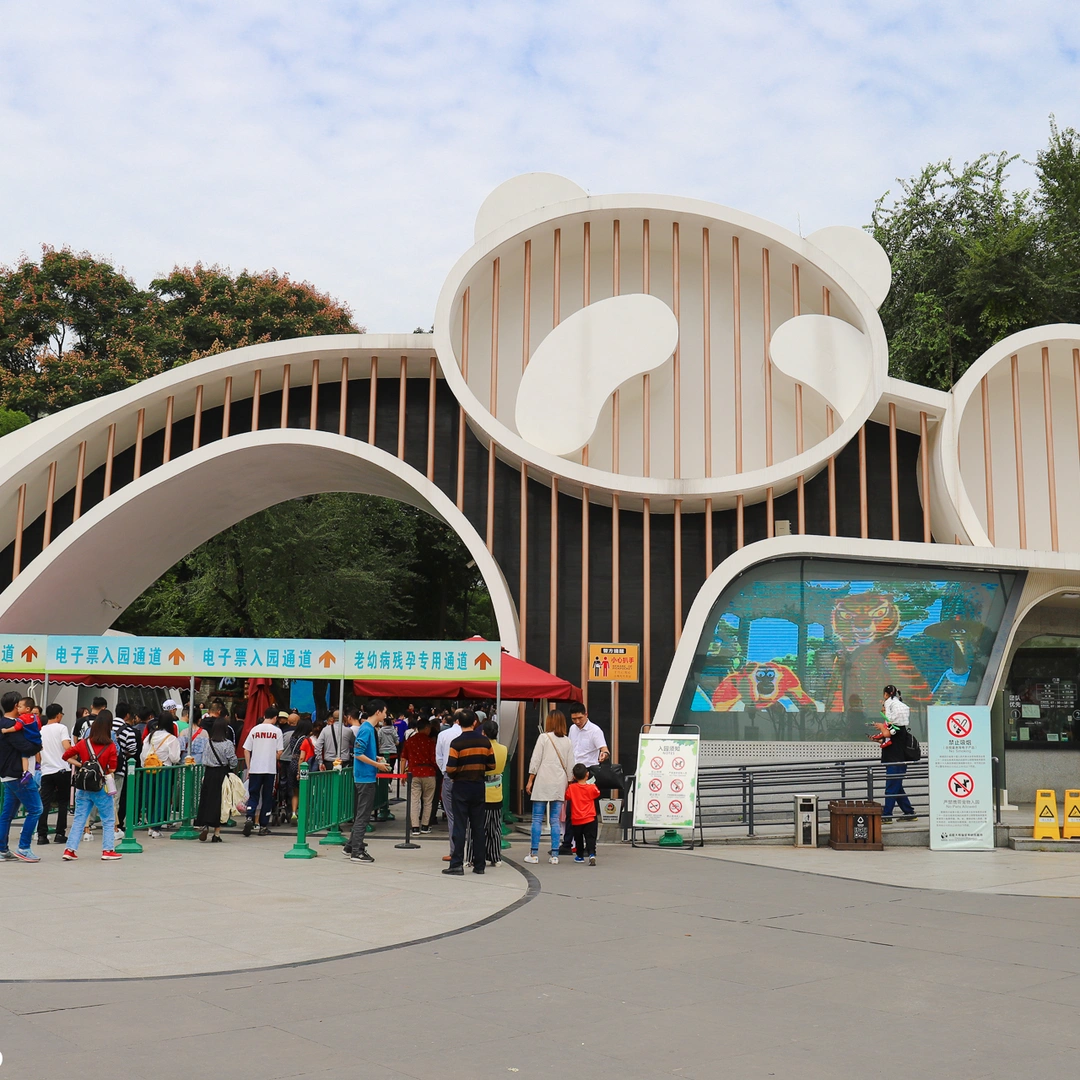
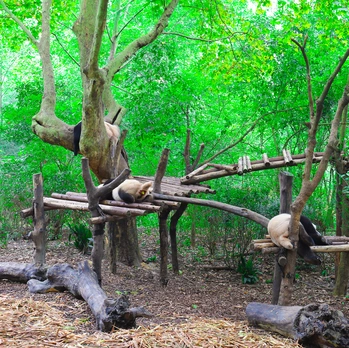
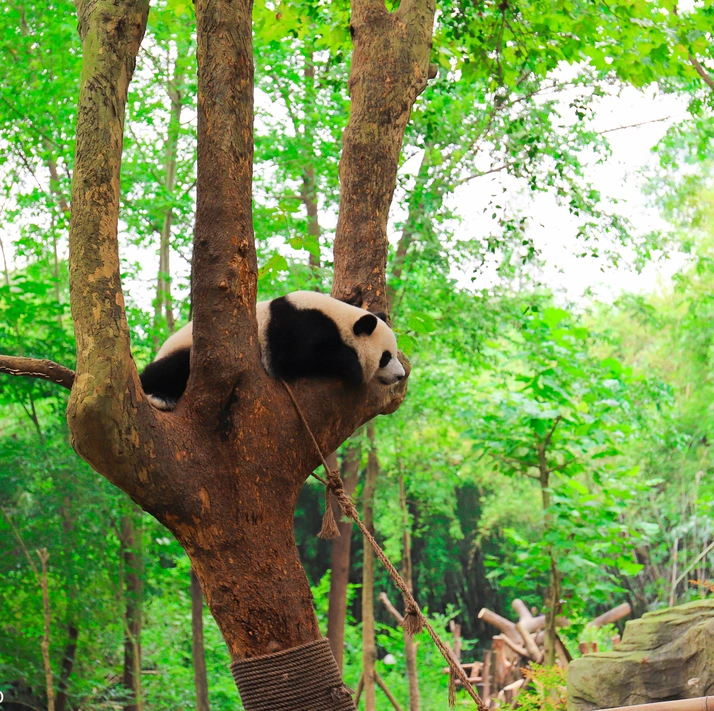
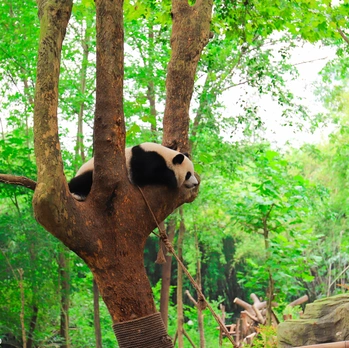
No trip to Chengdu is complete without visiting the Chengdu Research Base of Giant Panda Breeding, the world's largest habitat for these beloved national treasures. I arrived early in the morning to avoid crowds—a tip I highly recommend. The base opens at 7:30 AM, and the pandas are most active during the cooler morning hours.
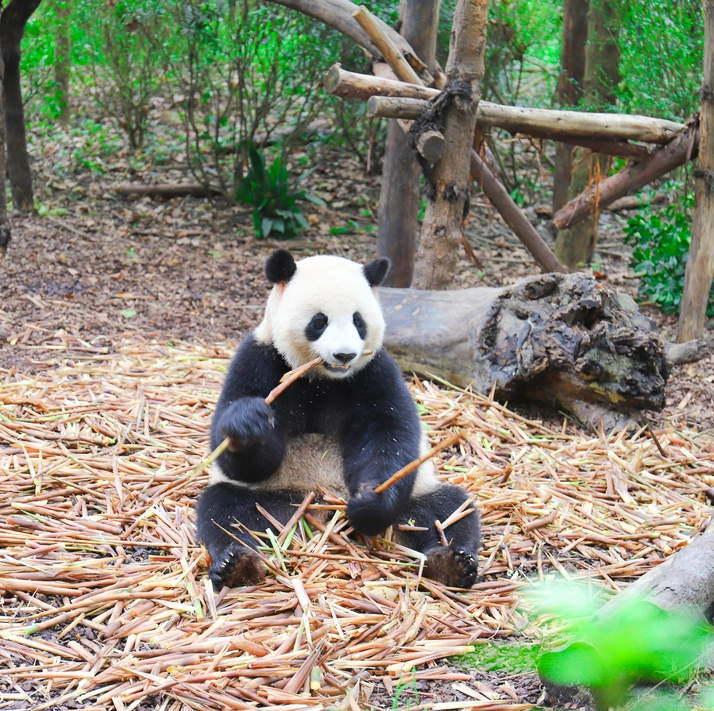
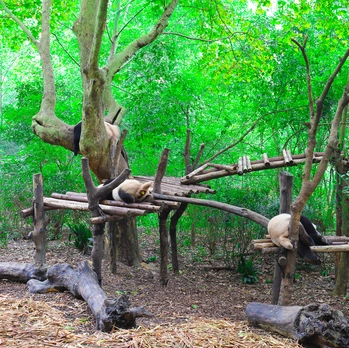
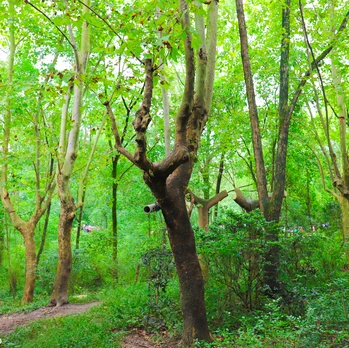
Why visit early? The pandas are often napping by midday, so arriving early increases your chances of seeing them eat, play, and climb. The park is lush with bamboo groves, and the air is fresh and humid—perfect for a morning stroll.
Pro tip: Purchase tickets online in advance. You can scan your ID card directly at the gate, saving time and hassle. The base is a favorite among families, children, and international tourists alike.
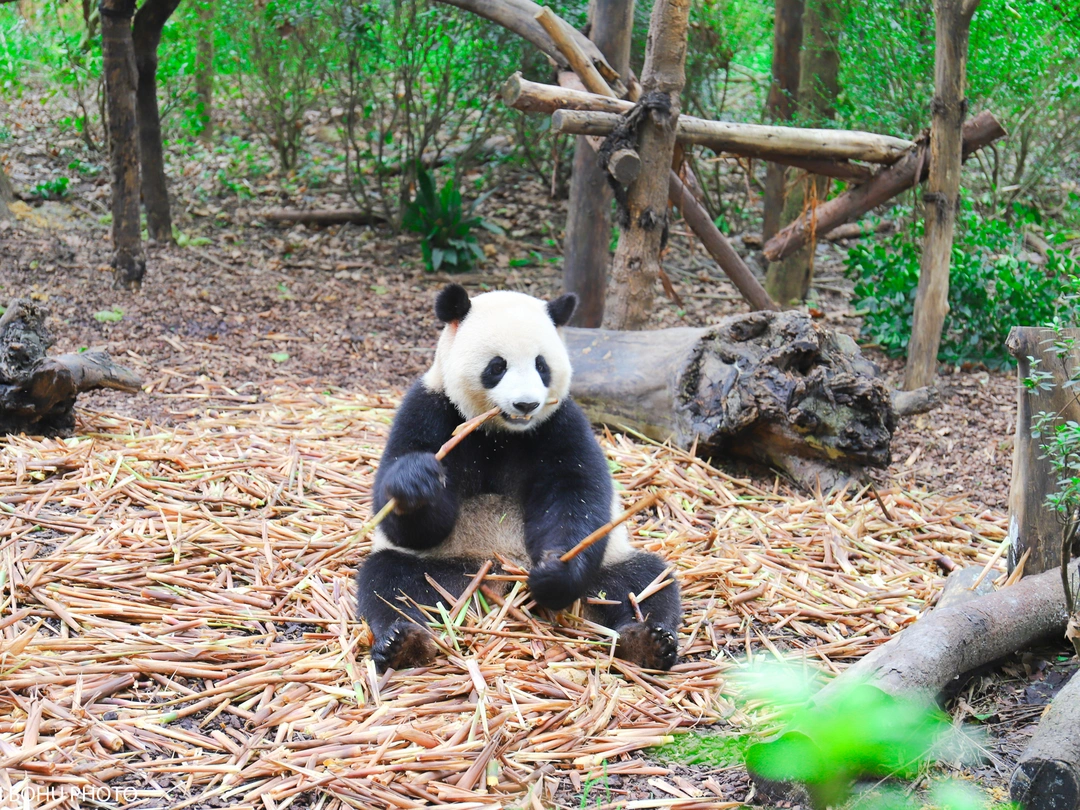
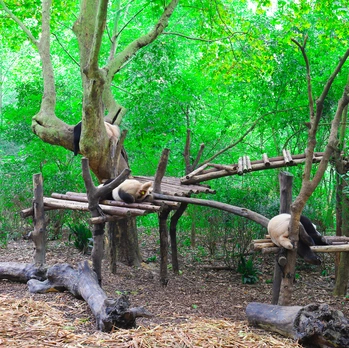
I was lucky enough to see a panda wake up, climb down from a tree, and begin eating bamboo. It sat upright, legs crossed, holding tender bamboo shoots in its front paws. Another panda drank water from a pool, leaning forward with its front legs on the edge—a sight that made everyone laugh. Watching these chubby creatures eat, sleep, and play is a mesmerizing experience that appeals to all ages.
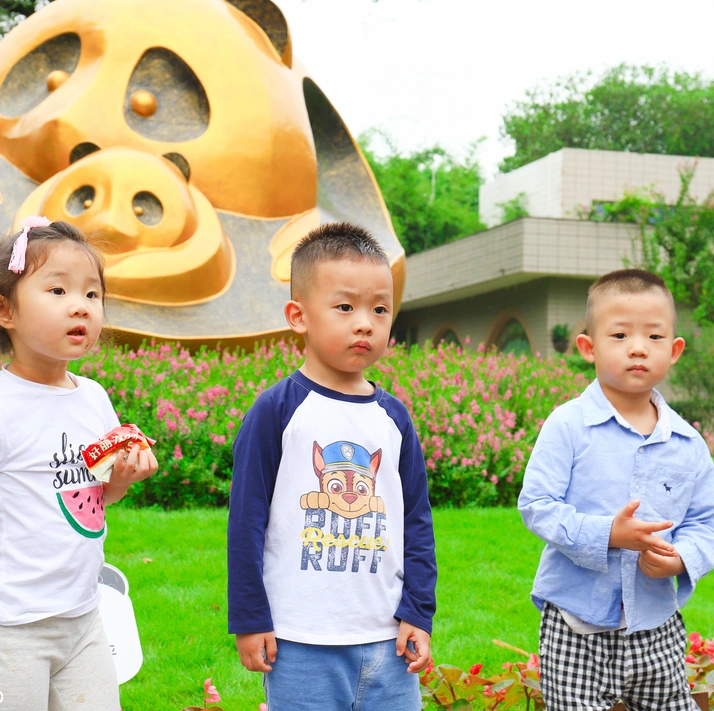
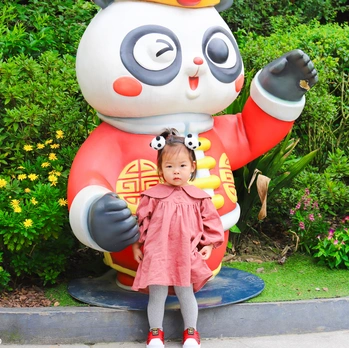
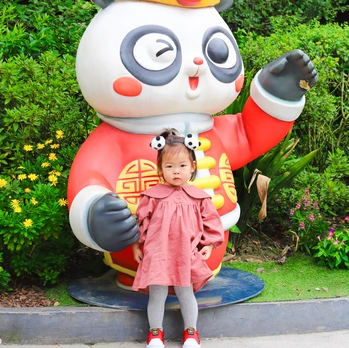
Key highlights: - Observe pandas in their natural habitat - See panda breeding processes and skeleton specimens in the museum - Photo opportunities with adorable panda sculptures
Evening: Chunxi Road and Brabo Spanish Restaurant
After a morning with the pandas, head to Chunxi Road, Chengdu's most famous commercial street. This bustling area is the city's "face," lined with towering skyscrapers, dazzling shops, and endless streams of locals and tourists. In the evening, the street comes alive with neon lights and the aroma of street food.

Don't miss: The giant panda statue "climbing" up the side of the IFS building. Its cute rear end faces Chunxi Road, and to see its face, you'll need to take the elevator to the outdoor terrace. It's a famous photo spot, so be prepared to wait in line.
For dinner, I visited Brabo Spanish Restaurant on the 9th floor of Qunguang Plaza, a new food landmark in Chengdu. The restaurant's red-and-black decor creates a romantic atmosphere, and the window seats offer stunning views of the city skyline. I ordered the pan-seared black pepper steak (medium-well), which was tender and flavorful. The freshly fried shrimp were crispy, and the classic blue Mojito cocktail added a refreshing touch.
Why this spot? The international food court on the 9th floor brings together cuisines from China, Japan, Korea, the USA, Thailand, and more. It's a food lover's paradise.
Day 2: Ancient Streets, History, and Nightlife

Morning: Jinli Ancient Street and Wuhou Memorial Temple

Jinli Ancient Street is a folk-custom leisure street that perfectly captures Chengdu's way of life. Stroll through old lanes, mansions, government offices, residential homes, inns, shops, and ancient stages. The street is lined with souvenir shops, tea houses, and local snacks. It's a great place to experience traditional Sichuan culture.
Adjacent to Jinli is the Wuhou Memorial Temple, dedicated to Zhuge Liang, the famous strategist of the Three Kingdoms period. The temple features beautiful gardens, ancient architecture, and statues of historical figures. It's a must-visit for history enthusiasts.
Insider tip: Visit in the morning to avoid crowds. The temple opens at 8:00 AM, and the serene atmosphere enhances the experience.
Afternoon: Taikoo Li and Yigen'er Chuanchuan Xiang Hotpot

Taikoo Li is a modern shopping and dining district that blends traditional Sichuan architecture with contemporary design. It's home to luxury brands, boutique stores, and trendy restaurants. The open-air layout and courtyard settings make it a pleasant place to explore.
For lunch, I tried Yigen'er Chuanchuan Xiang Hotpot near Taikoo Li. This local chain specializes in chuanchuan—skewers of meat, vegetables, and tofu cooked in a spicy Sichuan broth. The flavors are bold and addictive, and the atmosphere is lively. If you love spicy food, this is a must-try.
Evening: Night Tour of Kuanzhai Alley
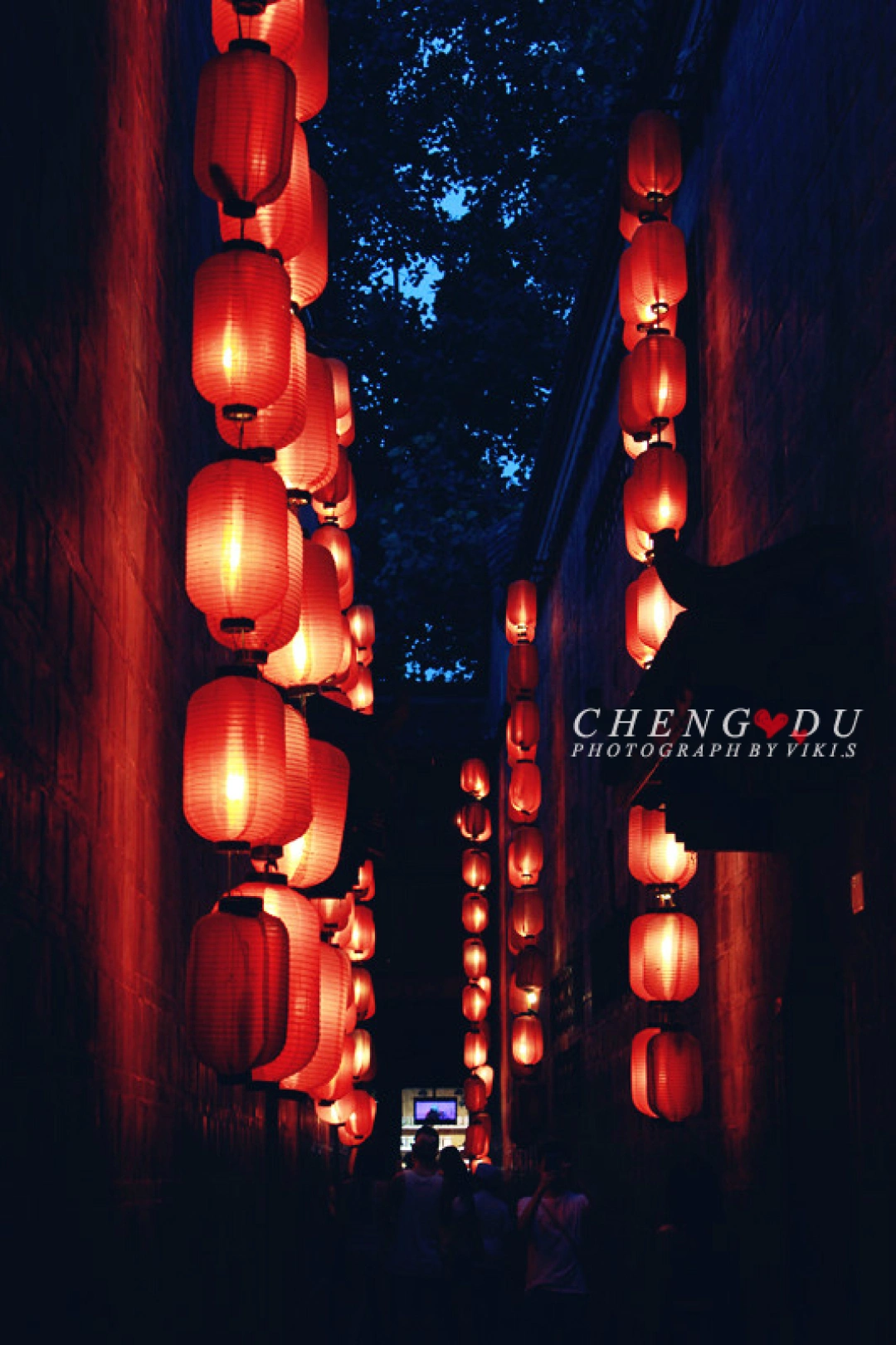
Kuanzhai Alley (Wide and Narrow Alley) is one of Chengdu's most iconic cultural landmarks. By night, the alley transforms into a magical place with lanterns, street performers, and cozy tea houses. The area consists of three parallel alleys—Kuan Alley, Zhai Alley, and Jing Alley—each with its own character.
What to do: Explore the boutiques, art galleries, and cafes. Stop at a tea house for a cup of Sichuan tea and watch the world go by. For dinner, I visited Chaoshi Dashu Zhonghua Jiulou near Kuanzhai Alley, which serves traditional Sichuan dishes in a historic setting.
Day 3: Relaxation, Tea, and Farewell
Morning: Chengdu People's Park and Heming Teahouse
Chengdu People's Park is the heart of local life. Here, you'll find locals practicing tai chi, playing mahjong, and dancing. The park is also home to Heming Teahouse, one of the oldest tea houses in Chengdu. Sit back, sip a cup of jasmine tea, and soak in the relaxed atmosphere.
Why visit? People's Park offers a glimpse into Chengdu's unhurried lifestyle. It's the perfect place to unwind before your departure.
Afternoon: Final Stroll Through Kuanzhai Alley
Before heading to the airport, take one last walk through Kuanzhai Alley. During the day, the alley is less crowded, and you can explore the shops and cafes at your leisure. I recommend trying Luhemei Meifrog Hotpot near Kuanzhai Alley for a final taste of Sichuan cuisine. The frog hotpot is a local specialty that's both spicy and flavorful.
Departure: Chengdu Shuangliu Airport → Xiamen
After three unforgettable days, it was time to say goodbye. But as I boarded my flight, I knew I would return. Chengdu is one of those cities that stays with you long after you leave.
Why Chengdu is Called the "Land of Abundance"
The nickname "Land of Abundance" (天府之国) dates back to ancient times when Sichuan province was known for its fertile land and abundant resources. Today, the term reflects Chengdu's rich culture, diverse cuisine, and high quality of life. From its world-famous Sichuan hotpot to its giant pandas, Chengdu offers an abundance of experiences that captivate visitors.
FAQ: Everything You Need to Know About Visiting Chengdu
1. What is the best time to visit Chengdu?
 The best time to visit Chengdu is during spring (March to May) and autumn (September to November) when the weather is mild and pleasant. Summer can be hot and humid, while winter is cold but less crowded.
2. How many days do I need in Chengdu?
 Three days is ideal for covering the highlights: the Giant Panda Base, Jinli Ancient Street, Wuhou Memorial Temple, Chunxi Road, and Kuanzhai Alley. If you have more time, consider a day trip to Leshan Giant Buddha or Mount Qingcheng.
3. Is Chengdu safe for solo travelers?
 Yes, Chengdu is very safe for solo travelers. The city is well-lit, public transportation is reliable, and locals are friendly. However, as with any destination, stay aware of your surroundings and keep your belongings secure.
4. What food should I try in Chengdu?
 Don't miss Sichuan hotpot, mapo tofu, kung pao chicken, dan dan noodles, and chuanchuan (skewers). For a unique experience, try frog hotpot or rabbit head—local specialties.
5. How do I get around Chengdu?
Chengdu has an efficient metro system that covers most tourist attractions. Taxis and ride-hailing apps like Didi are also affordable and convenient. For a more local experience, rent a bike or take a bus.
Internal Linking Suggestions
- [Link: Best Sichuan hotpot restaurants in Chengdu]
- [Link: Complete guide to Chengdu's ancient streets]
- [Link: How to plan a family trip to Chengdu]
- [Link: Top 10 things to do in Chengdu for food lovers]
Conclusion: Fall in Love with Chengdu
Chengdu is more than a destination—it's an experience. From the adorable giant pandas to the fiery hotpot, from the ancient streets to the modern shopping districts, this city offers a perfect blend of tradition and modernity. It's a place where you can slow down, savor every moment, and fall in love with life again.
Ready to explore Chengdu? Start planning your trip today. Book your flights, reserve your panda base tickets, and pack your appetite. Chengdu is waiting to welcome you with open arms and a steaming bowl of hotpot.
Don't wait—your Chengdu adventure begins now!