Escaping the Heat to the Sky City: A 10-Day Secret Journey to Litang's Genie Mountains
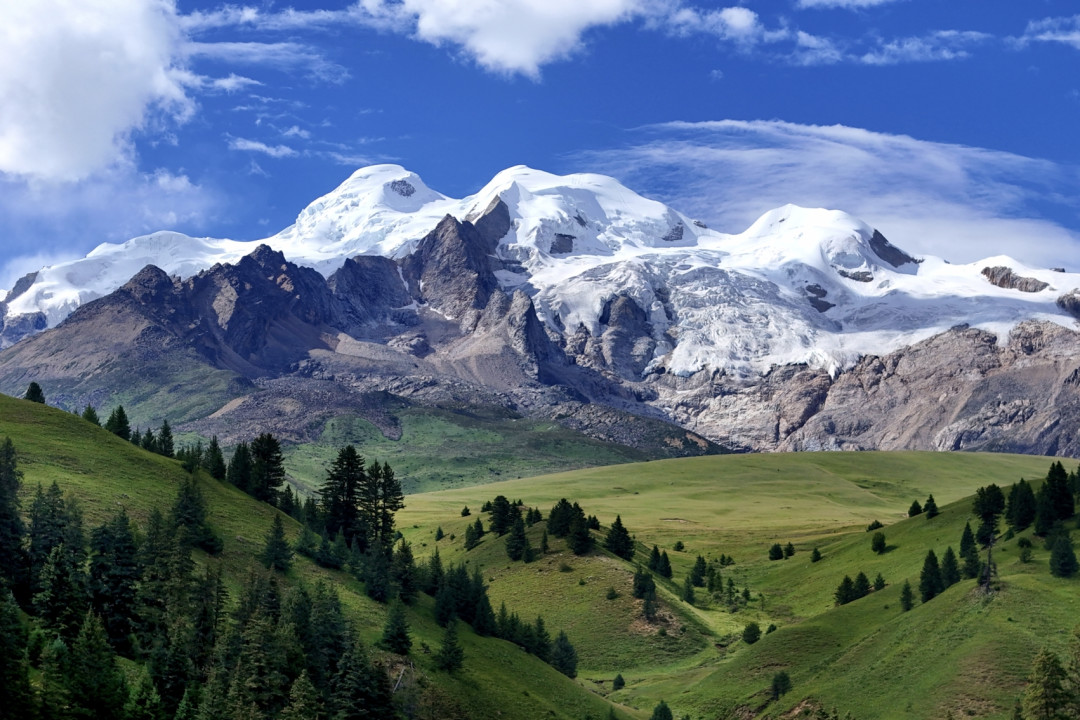
Meta Description: Escape the summer heat with this 10-day Litang Genie Mountains itinerary. Discover Cuopu Valley, Cuoka Lake, and Maoya Prairie. Family travel tips, costs, accommodation, and hidden gems included.
Introduction: Why the Genie Mountains Should Be Your Next Summer Escape
At thirty years old, what's it like to still be trotting happily behind your parents on a trip, just like when you were a kid? My answer: blissfully happy. With a mom who's a master at planning itineraries and a dad in charge of driving and photography, this "iron triangle" team makes every departure feel incredibly reassuring.
This summer vacation, we finally set foot on the road we'd been dreaming about for three years—the Genie Mountain loop in western Sichuan. The trip was first planned back in 2021, then interrupted by the pandemic, and delayed again by various trivial matters. It wasn't until early July, after seeing that heartbreaking news about flash floods, that we became even more cautious about checking the weather. After confirming there were no heavy rain warnings along the route, our stubborn family of three finally hit the road.
If you're also tired of rough roads and pothole-ridden paths, and want a perfect route that doesn't require backtracking and avoids 10 kilometers of bumpy terrain, then this travelogue might just become your best reference.
Itinerary Overview: A Scenic Corridor with No Backtracking
We took 11 days, starting from Chengdu, making a big loop, and eventually returning to Chengdu. This trip was actually a bit "willful"—because we found out at the last minute that Cuoka Lake was offering free entry for its opening, we adjusted our route and took a bit of a detour. But it was precisely this spontaneity that brought us more unexpected surprises.
Day 1 Chengdu → Yajiang
Day 2 Yajiang → Litang → Maoya Prairie → Sister Lakes → Cuopu Valley
Day 3 Cuopu Valley → Batang
Day 4 Batang → Yaqing Monastery → Ganzi County
Day 5 Ganzi County → Cuoka Lake → Xinlong
Day 6 Xinlong → Litang → Genie
Day 7 Genie's Eye, Handa Campground
Day 8 Lenggu Monastery, Xiazetong Village
Day 9 Genie → Litang → Ganzi County
Day 10 Ganzi County → Kasa Lake → Daofu
Day 11 Daofu → Chengdu
[Link: Best time to visit western Sichuan]
Accommodation Guide: Sleeping Soundly from 3,000 to 3,800 Meters
On a high-altitude trip, how comfortably you sleep directly determines your mental state the next day. We stayed in quite a few places on this trip, from guesthouses to hotels, each with its own pros and cons. Here's a summary for your reference.
Yajiang · Yangke Guesthouse (Elevation 3,000m)
We stayed here the first night. It has a small courtyard, and in the evening, you can stroll over to the matsutake mushroom market to buy freshly dug wild mushrooms. The quilt was ridiculously thick—I was so hot in the middle of the summer night that I sat up in bed contemplating life. If you're worried about altitude sickness, I'd recommend staying in Yajiang County (elevation around 2,700m).
Cuopu Valley · Hongtai Hotel (Elevation 3,300m)
 Although it's right by the national highway, the windows have decent soundproofing. If you're concerned about altitude sickness, you can stay in Batang (elevation 2,540m), but that means an extra two hours of driving back and forth, which we didn't think was worth it.
Batang · Baiman Hotel (Elevation 2,540m)
The rooms are nice, and the hot water is plentiful. The only downside is that parking requires a bit of skill.
Ganzi County · Zhumu Grand Hotel (Elevation 3,360m)
 It's a bit out of the way, but the price is reasonable, and we slept like logs. We stayed here for two nights.
Xinlong · Songduobari Hotel (Elevation 3,200m)
We originally booked a guesthouse halfway up Cuoka Mountain, which had stunning views and was perfect for just zoning out. But then the power suddenly went out in the evening, so we had to fumble our way back to the county town to stay.
Genie · Zanpu Guesthouse (Elevation 3,700m)
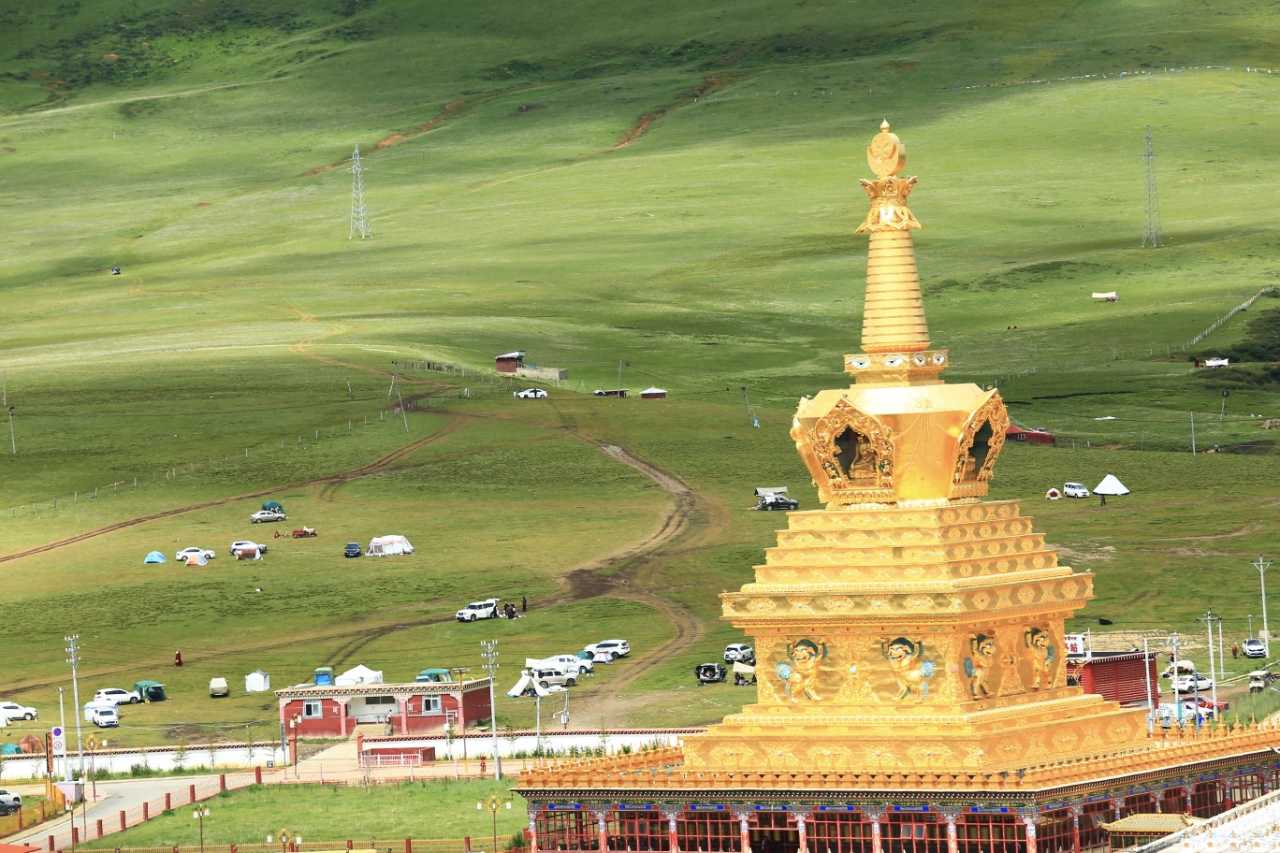 Clean and tidy, but the bed labeled as 1.5 meters online was actually only 1.2-1.3 meters wide—a bit cramped for two people.
Xiazetong Village · Genie Xiangyang Mountain House (Elevation 3,800m)
The owner seemed like he was from Jiangsu or Zhejiang, and the Western-style dishes he made smelled absolutely amazing.
Daofu · Jiacang Xika Guesthouse (Elevation 3,000m)
The most comfortable room of the entire trip! A standalone wooden cabin with a tatami mat, wide-open views from the window—you could easily spend an entire afternoon here. The only drawback: the water pressure was a bit weak.
[Link: High-altitude travel tips for families]
Food Guide: One Bite of Yak Shank Heals All Fatigue
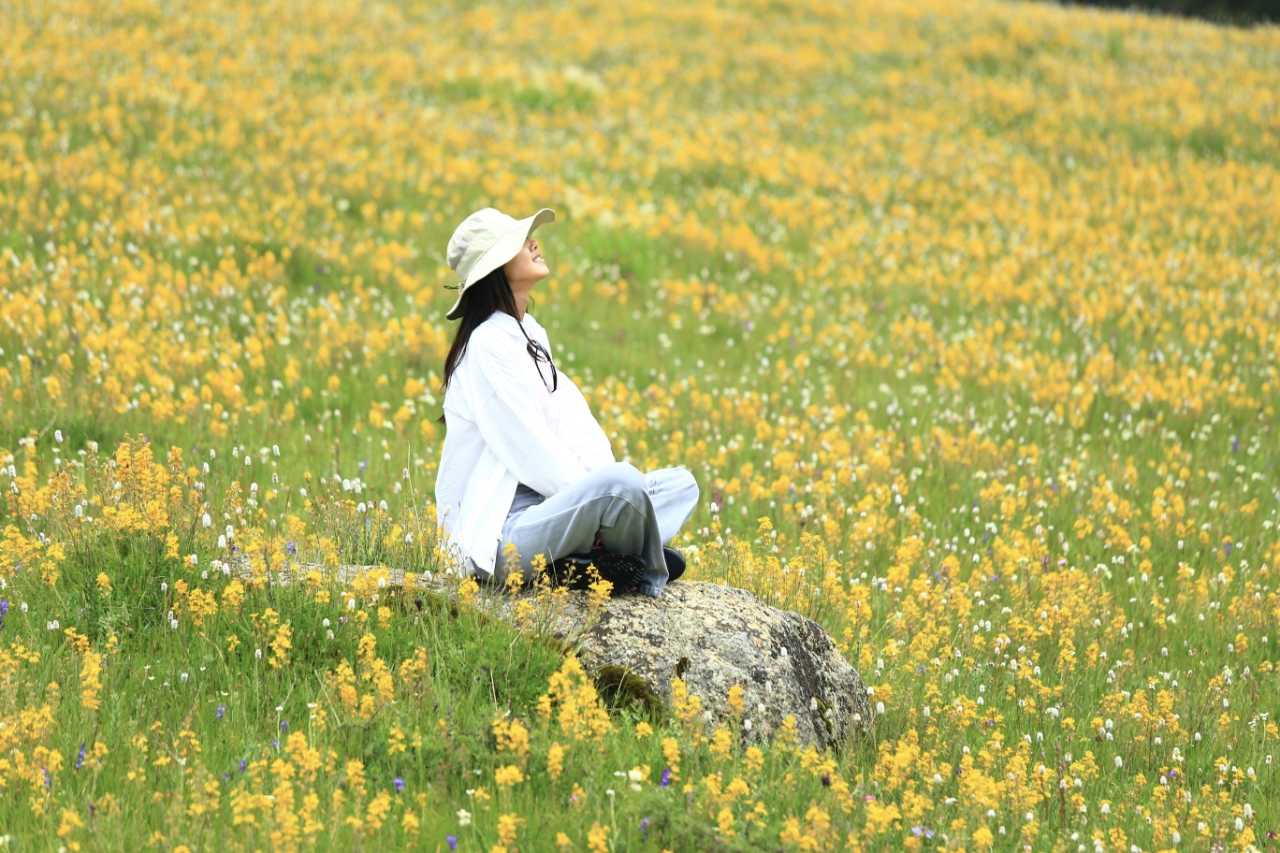
When it comes to food, there was only one true "god" on this trip—Ganzi Cultural and Creative Garden · Garden Hotpot · Yak Bone Broth. A full pound of yak shank, braised until tender and flavorful, dipped in a secret sauce—pure bliss. They also serve stir-fries, but the bone broth is the soul of the place.
Other Decent Recommendations (Only Worth Trying if You Happen to Pass By)
- Kangding · Wanwanxiang Noodle House: Right off the highway, quick and convenient
- Litang · Liji Guanguan Rice Noodles: A warm bowl of soup on the plateau
- Cuopu Valley · Xiaoyan Restaurant: Home-style cooking
- Genie · Authentic Chengdu Sichuan Flavors: Good stir-fries, but be cautious about breakfast
- Xiazetong Village · Genie Restaurant: Local flavors
- Daofu · Huangji Local Cuisine: Decent, nothing special
[Link: Best restaurants in western Sichuan]
Cost Breakdown: 2,506 RMB per Person—Worth It or Not?
| Item | Cost (RMB) |
|---|---|
| Gas | 1,578 |
| Tolls | 235 |
| Accommodation | 3,239 |
| Food | 1,854 |
| Tickets | 348 |
| Other | 30 |
| Supplies | 234 |
| Total | 7,518 |
| Per Person | 2,506 |
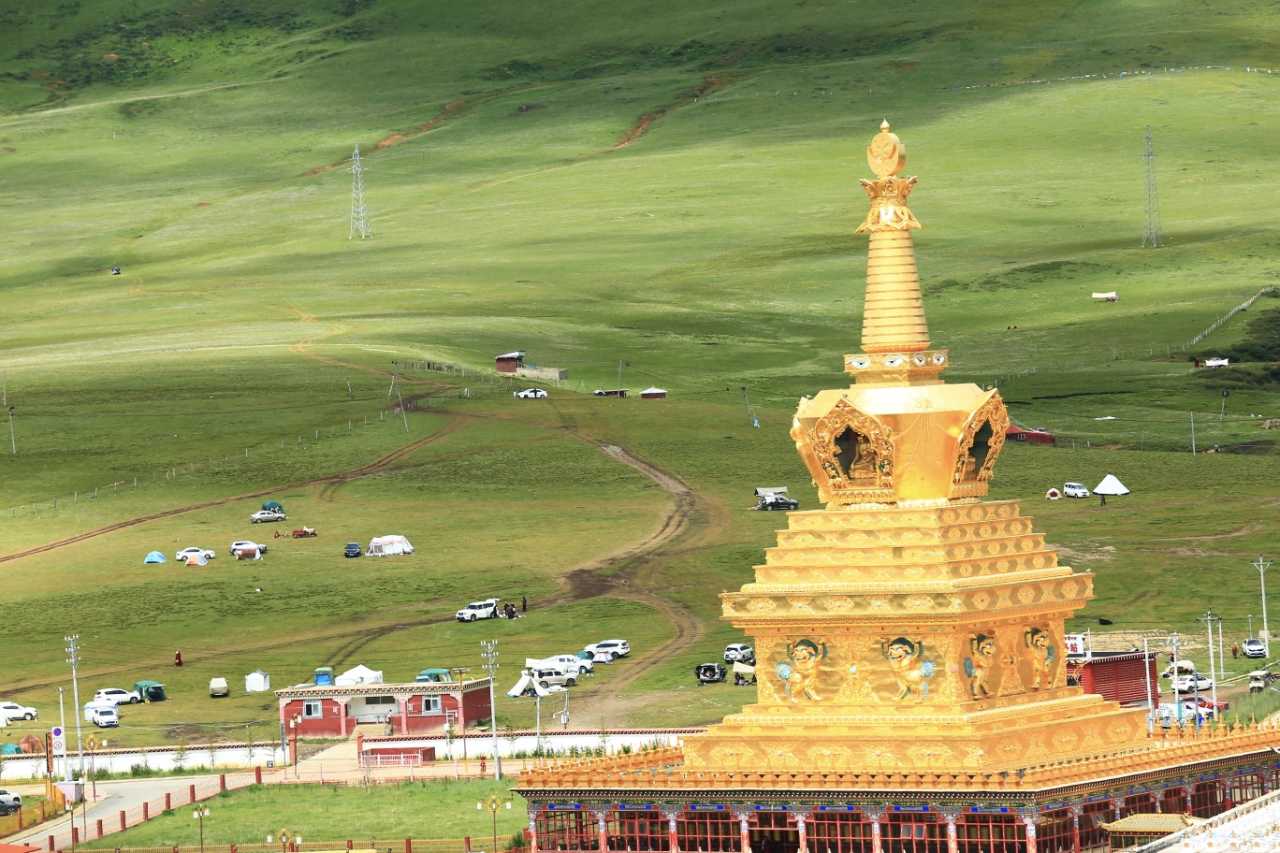
11 days, 2,506 RMB per person, taking in snow-capped mountains, grasslands, lakes, and temples—no matter how you do the math, it's worth it.
[Link: Budget travel tips for Sichuan]
Day-by-Day Travel Stories: Days Captured by Breathtaking Scenery
Day 1 Departure: Matsutake Mushrooms and Anticipation

The first day from Chengdu to Yajiang wasn't too far, and we arrived in the evening. It was the matsutake mushroom season, and the market was piled high with freshly dug wild mushrooms. In my thirty years of life, it was the first time I'd seen so many "mountain treasures" stacked together. Just smelling that fungal aroma made me feel like half the trip was already worthwhile.
Day 2 The Heavenly Road's Eighteen Bends · Maoya Prairie · Sister Lakes
From the second day onward, our eyes couldn't keep up. After traversing the Heavenly Road's Eighteen Bends, a series of viewpoints made us want to stop the car. Along the way, we encountered quite a few cyclists heading into Tibet, measuring this land with their bodies—it filled me, sitting comfortably in the car, with a sense of respect.
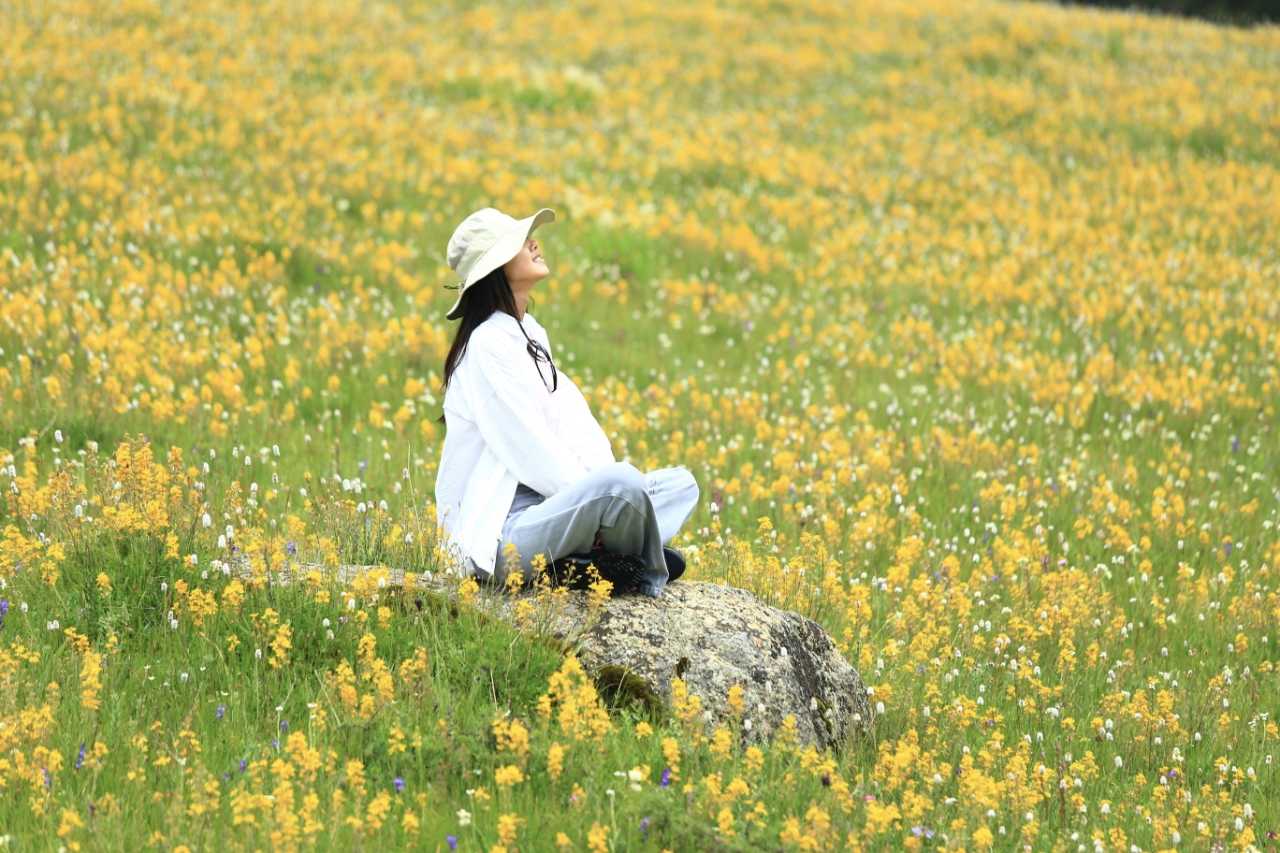
On the Maoya Prairie, wildflowers were scattered here and there, but two young Tibetan guys were quite entertaining. They chatted with us for a while, but the moment they spotted a camera, they fled in panic, leaving us roaring with laughter.
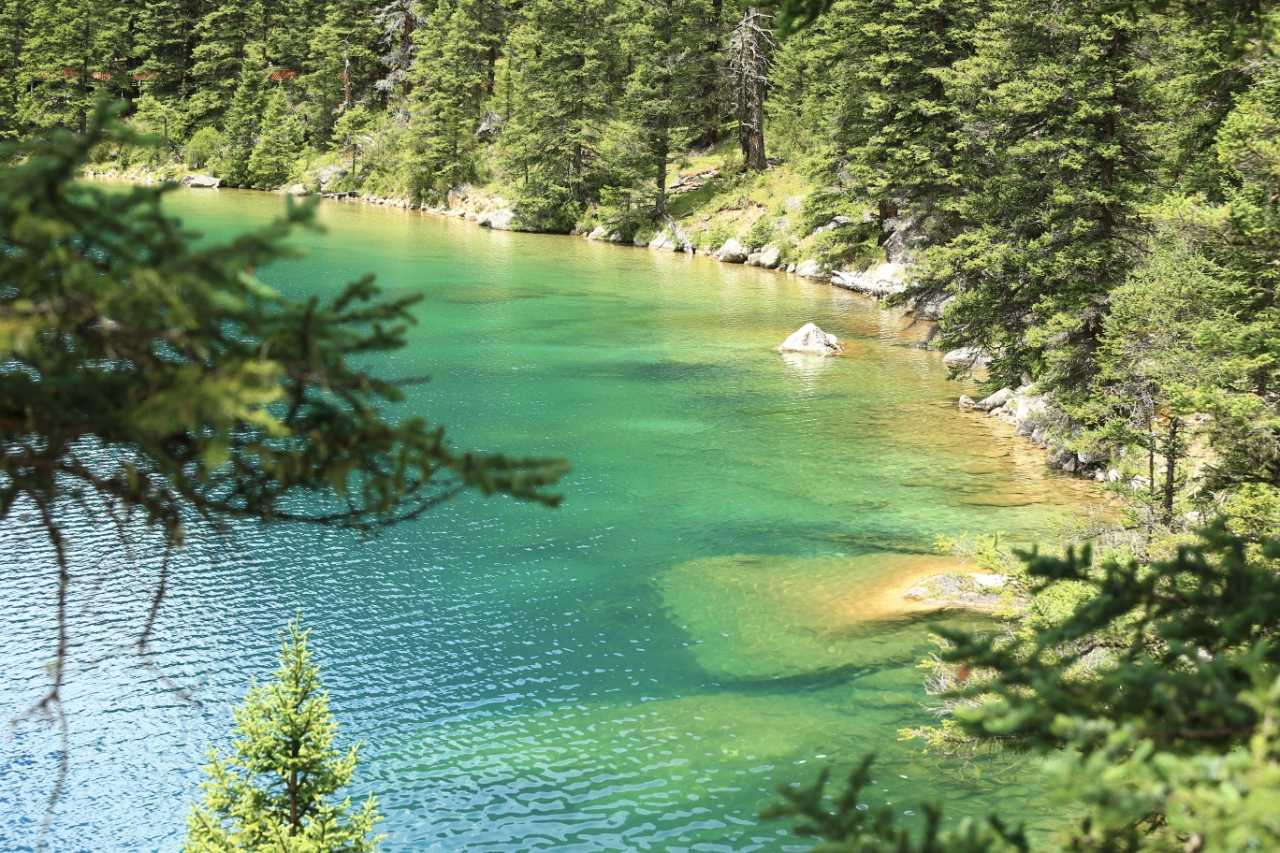
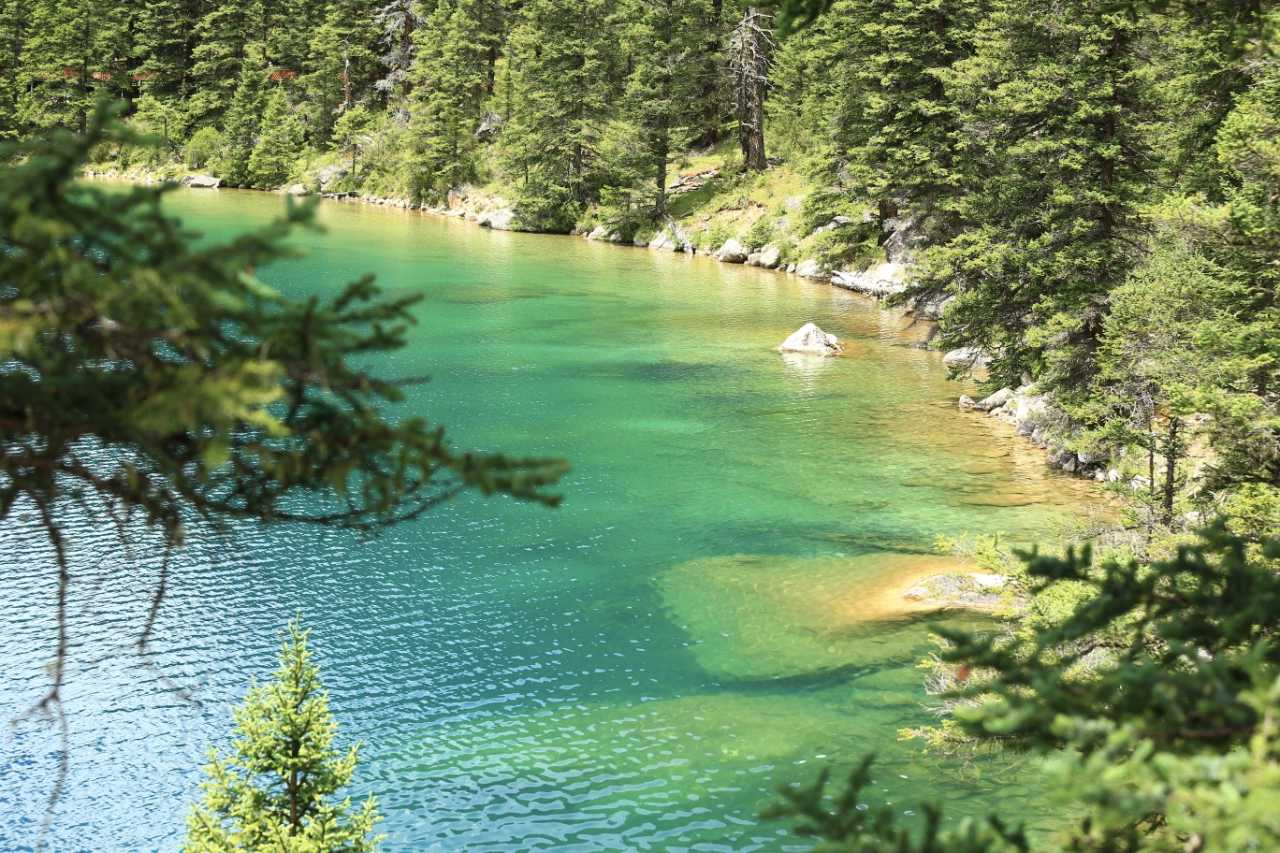
Crossing the Haizi Mountain Pass, the Sister Lakes appeared before us. The turquoise water lay quietly at the foot of the snow-capped mountains, like two forgotten pieces of jade. At that moment, all drowsiness vanished.
Day 3 Cuopu Valley: The Only Place We Paid for a Ticket
This was the only scenic spot on the entire trip where we bought a ticket. The area allows self-driving, but the cost is about the same as taking a shuttle. After passing the visitor center, we drove another 20 minutes on a side road to reach the ticket checkpoint, followed by a brand-new asphalt road.
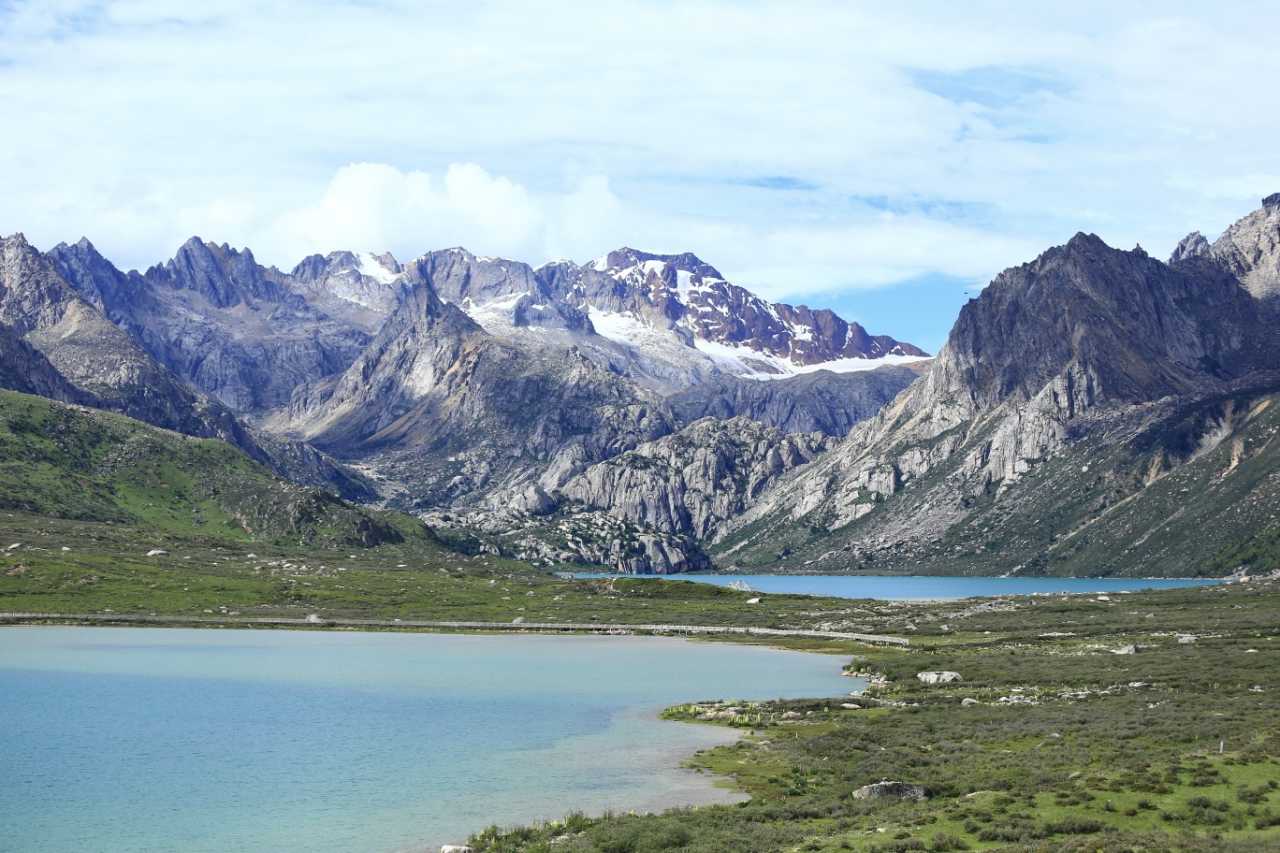
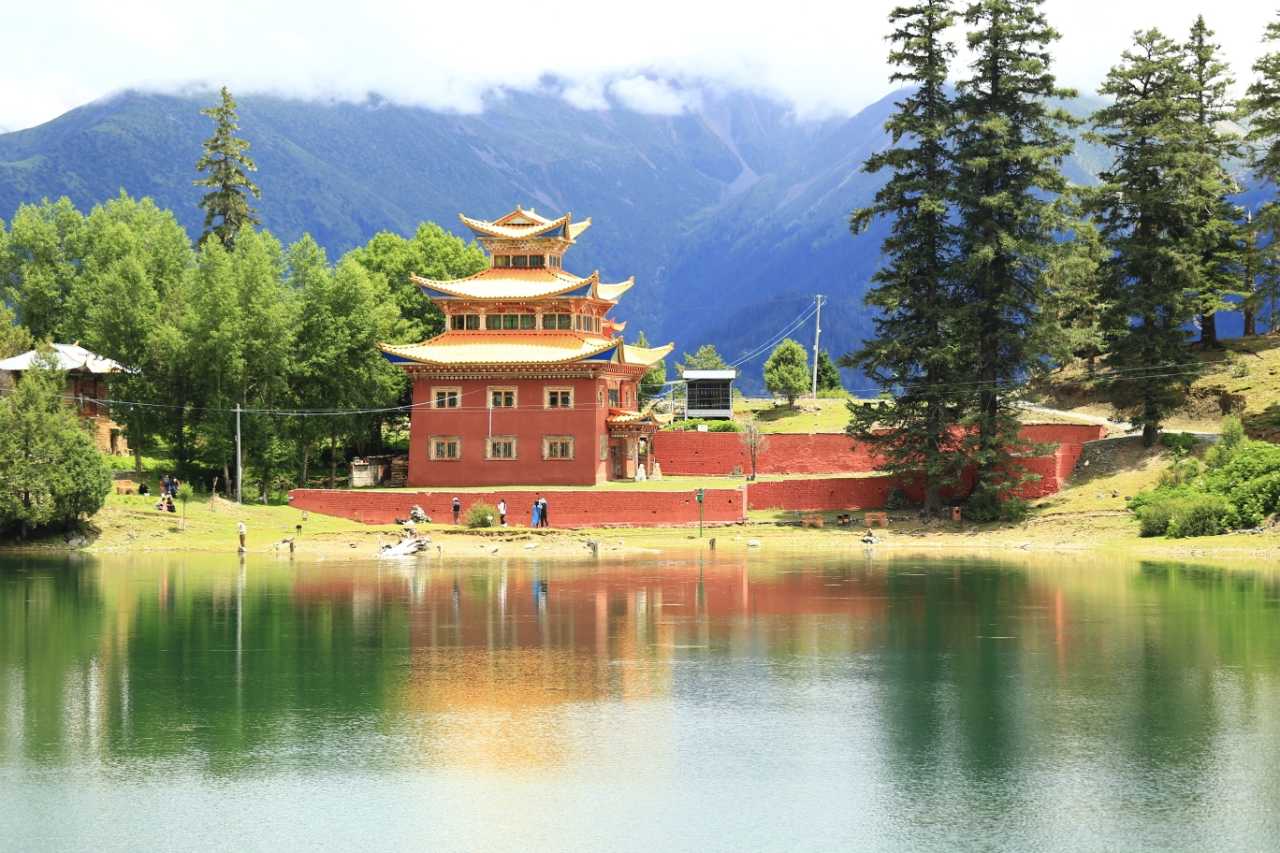
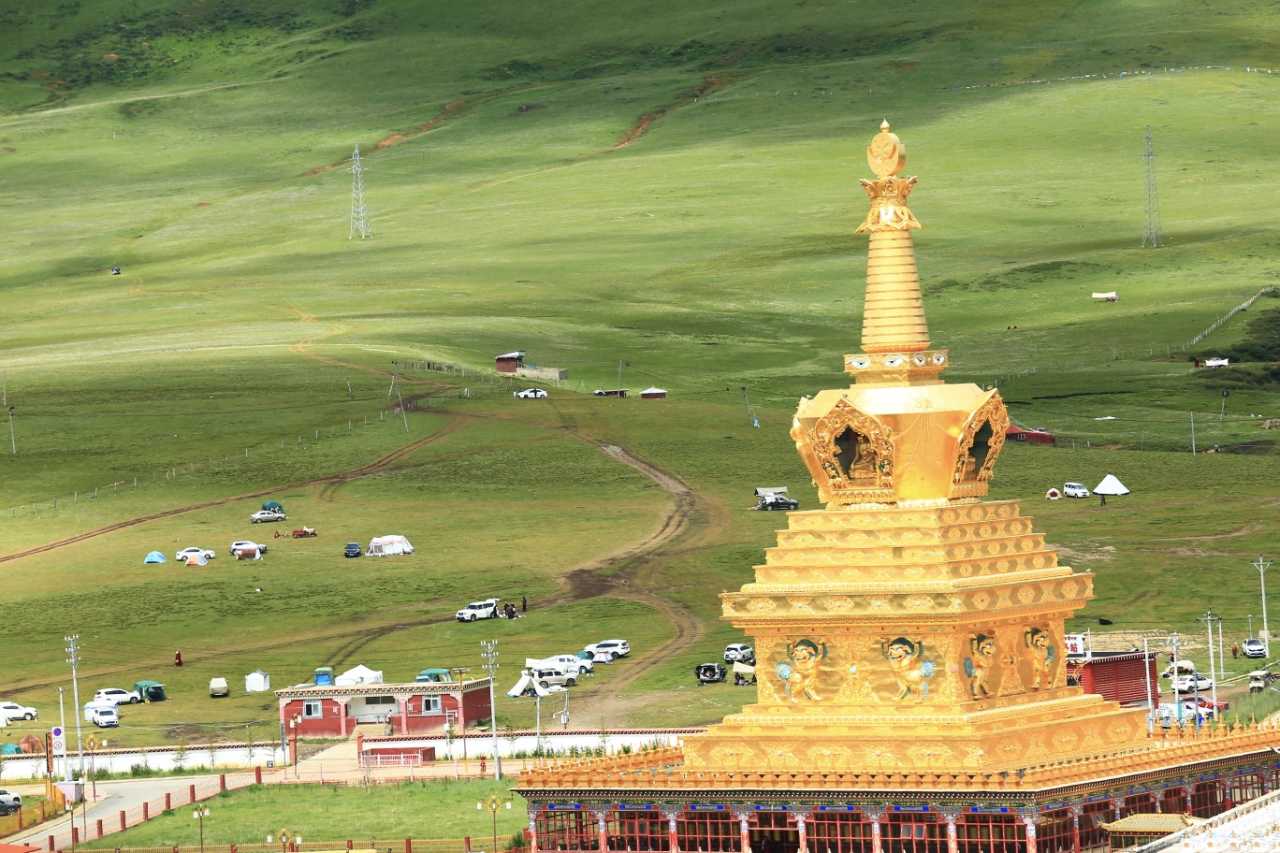
The Rekeng Hot Springs were the first surprise—if you're interested, you can try the hot spring eggs. Further in, the Zhangde Prairie spread out before us, with meadows, rivers, and rocky mountains. At first glance, it had a similar vibe to Zhagana. During peak season, the self-driving route ends at the Haimen Stone parking lot, where you then transfer to a shuttle bus to Cuopu Monastery.
[Link: Cuopu Valley travel guide]
Essential Tips for Your Genie Mountains Trip
Best Time to Visit
July to October offers the best weather, with wildflowers in bloom and clear skies. Avoid the rainy season (June–July) if possible, as flash floods can occur.
What to Pack
 - Warm layers (temperatures drop significantly at night) - Sunscreen and sunglasses (high UV at altitude) - Comfortable hiking shoes - Reusable water bottle - Snacks and emergency food
Altitude Sickness Precautions
- Acclimatize slowly: start in Yajiang (2,700m) before heading higher
- Stay hydrated
- Avoid alcohol and heavy meals
- Carry medication like Diamox if prone to altitude sickness
[Link: Altitude sickness prevention guide]
FAQ: Everything You Need to Know About the Genie Mountains Loop
1. Is the Genie Mountains loop suitable for families with children?
Yes, but children should be at least 6–8 years old and in good health. The loop involves long drives and high altitudes (up to 3,800m). Ensure your child is comfortable with altitude and can handle long car rides.
2. Do I need a 4WD vehicle?
 A standard sedan can handle most of the route, but a 4WD is recommended for off-road sections, especially around Cuopu Valley and Genie's Eye. Check road conditions before departure.
3. How much does the entire trip cost?
Our total cost was 7,518 RMB for three people (2,506 RMB per person), including gas, accommodation, food, and tickets. Budget an extra 10–15% for unexpected expenses.
4. What is the best time of year to visit?
 July to October offers the best weather and scenery. However, avoid the peak rainy season (late June–early July) if possible. August and September are ideal for wildflowers and clear skies.
5. Are there any dangerous sections on the route?
The most challenging sections are the Heavenly Road's Eighteen Bends and the road to Cuopu Valley. Drive slowly, especially in wet conditions. Always check weather forecasts before setting out.
Conclusion: Why You Should Book This Trip Today
This 10-day Genie Mountains loop offers the perfect blend of adventure, culture, and natural beauty. From the turquoise Sister Lakes to the serene Cuopu Valley, every day brings a new wonder. And at just 2,506 RMB per person for 11 days, it's an incredible value.
Don't let another summer slip away. Pack your bags, gather your family, and escape the heat to the Sky City of Litang. The Genie Mountains are waiting.
Ready to plan your trip? Start by booking your accommodation in Yajiang or Batang, and check road conditions on local travel forums. Share your own experiences in the comments below—we'd love to hear about your adventure!
[Link: Book your Genie Mountains tour]
You may also like


