Escaping the City for Two Days: A Chengdu Weekend Guide to History and Panda Cuteness
Meta Description: Discover the perfect 2-day Chengdu itinerary: explore the Republican-era Liu Family Manor in Anren Ancient Town and witness adorable pandas at the Chengdu Panda Base. Escape the city for history, culture, and unforgettable wildlife encounters.
Introduction: Why Chengdu Deserves More Than Just a Weekend
Sometimes, the meaning of travel isn't about how far you go, but about how much "leisure time" you can steal for yourself in a city. Chengdu—a city so captivating that once you arrive, you never want to leave—offers more than just hotpot, skewers, and Kuanzhai Alley (Wide and Narrow Alleys). It also hides stories polished by time and a group of "black-and-white dumplings" that have charmed the entire world.
In late autumn 2022, I accepted an invitation from my old friend Li in Chengdu to attend his 50th birthday banquet. Joining me was Miaomiao, who had flown in from Changsha. We decided to stretch this trip into a "two-day leisure escape" —on the first day, we would visit Anren Ancient Town in Dayi County to see what kind of manor the infamous "Liu Wencai" from our textbooks actually lived in; on the second day, we would head to the Panda Base to soak up the "cuteness" of the national treasures. After just two days, we realized that Chengdu's leisurely vibe could be "stolen" in such a delightful way.
Day One: Anren Ancient Town – A Living Museum of the Republican Era

Departing from Chengdu, Traveling a Century in One Hour
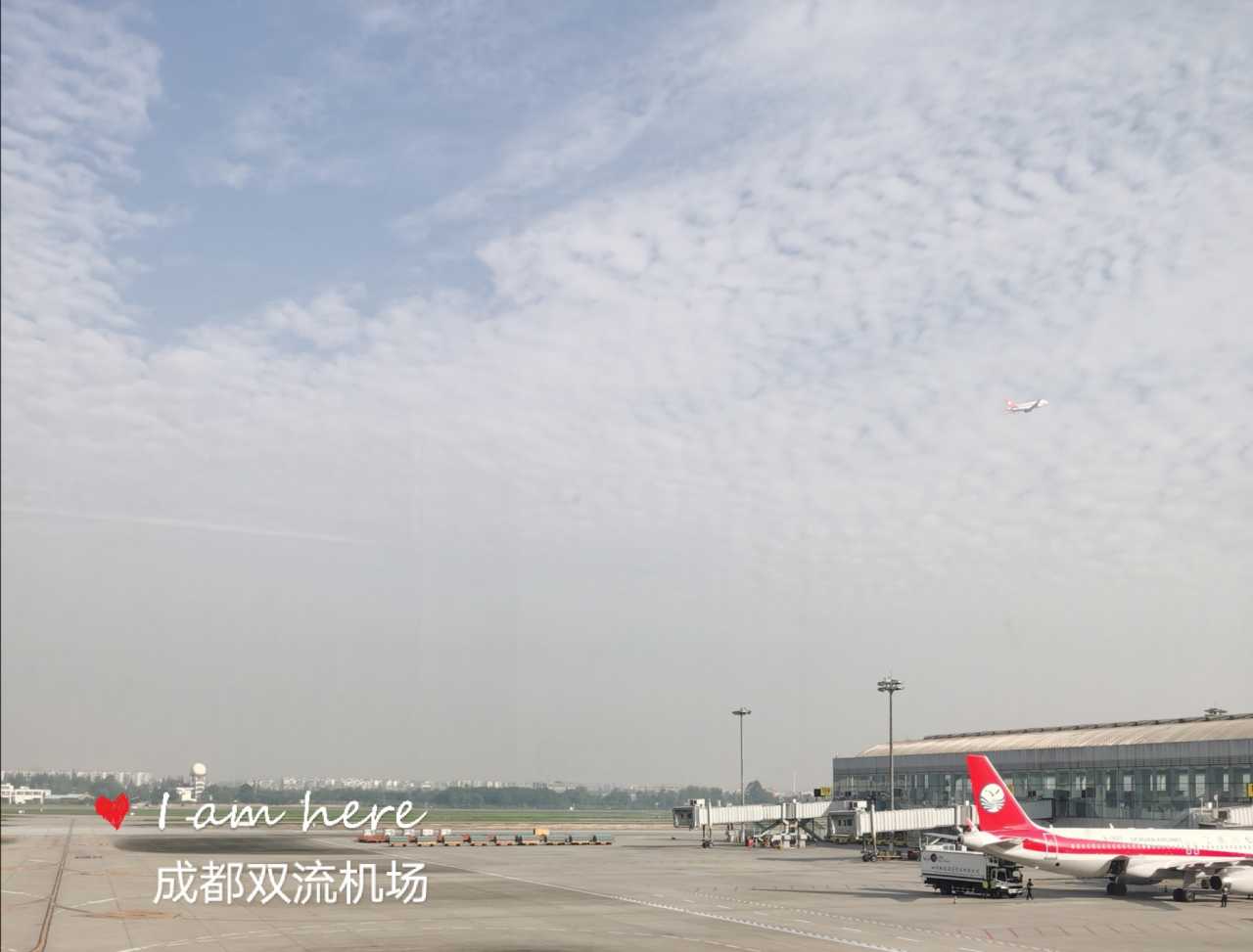
We landed at Shuangliu Airport in the morning, and Li had already arranged for a driver to pick us up. The birthday banquet was set for the evening, leaving the whole day free. I had been to Chengdu many times before—Kuanzhai Alley, Jinli Ancient Street, and the Wuhou Shrine were all familiar to me. This time, I deliberately chose a less touristy destination—Anren Ancient Town in Dayi County.
Anren is only about 60 kilometers from Chengdu, a one-hour drive. Don't underestimate that short hour; it's enough to transport you from the hustle and bustle of modern urban life straight into the turbulent years of a century ago.
Anren's history dates back to the Tang Dynasty (618–907 AD), with over a thousand years of time settling into a serene, understated character. This town was once the hometown of many military and political figures from the Republican Era (1912–1949), including the anti-Japanese general Liu Xiang and the rebel general Liu Wenhui. As you walk along the cobblestone streets, you'll realize the entire ancient town is an open-air museum of the Republican Era.
Old Times on Antique Street
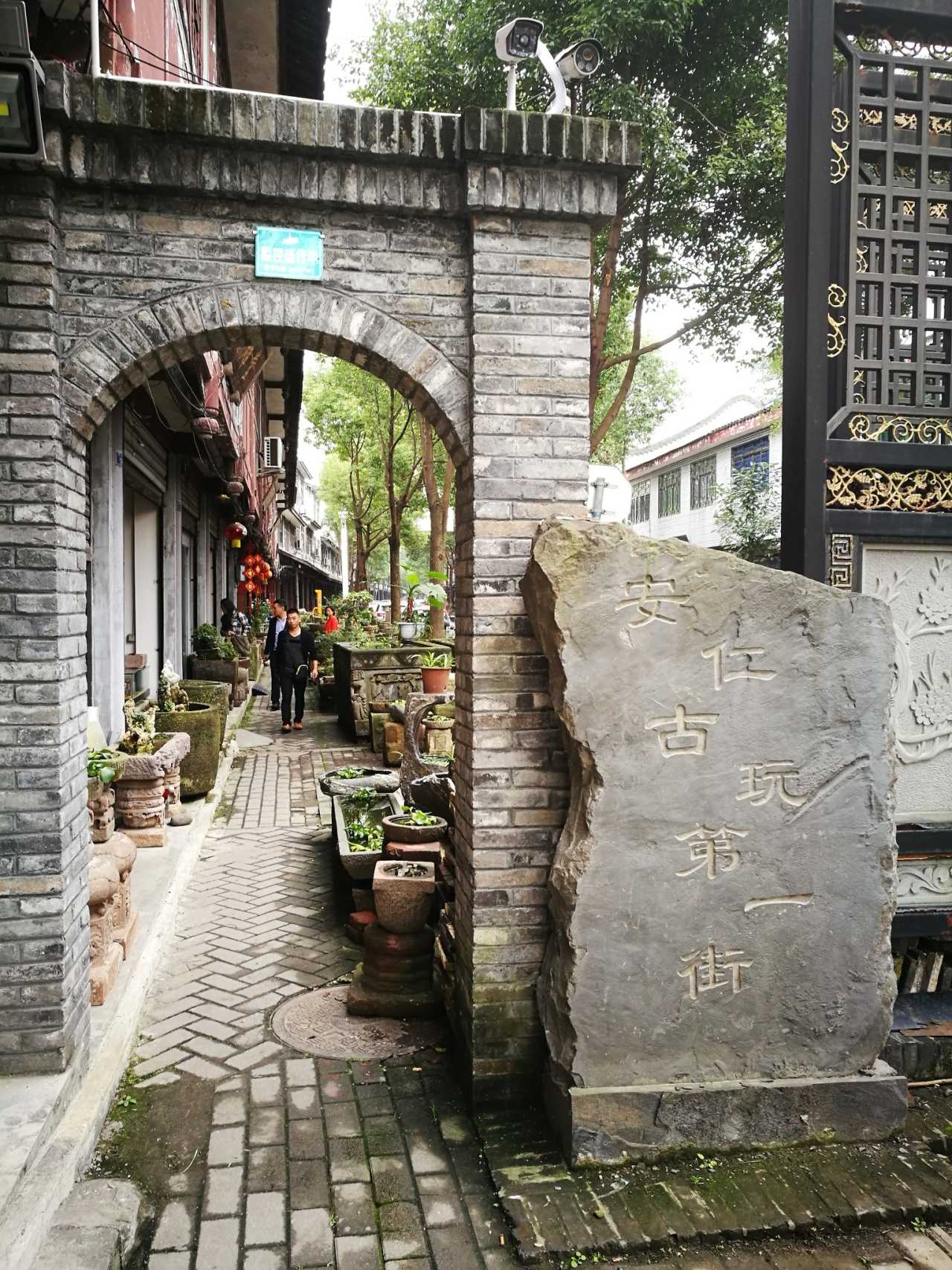
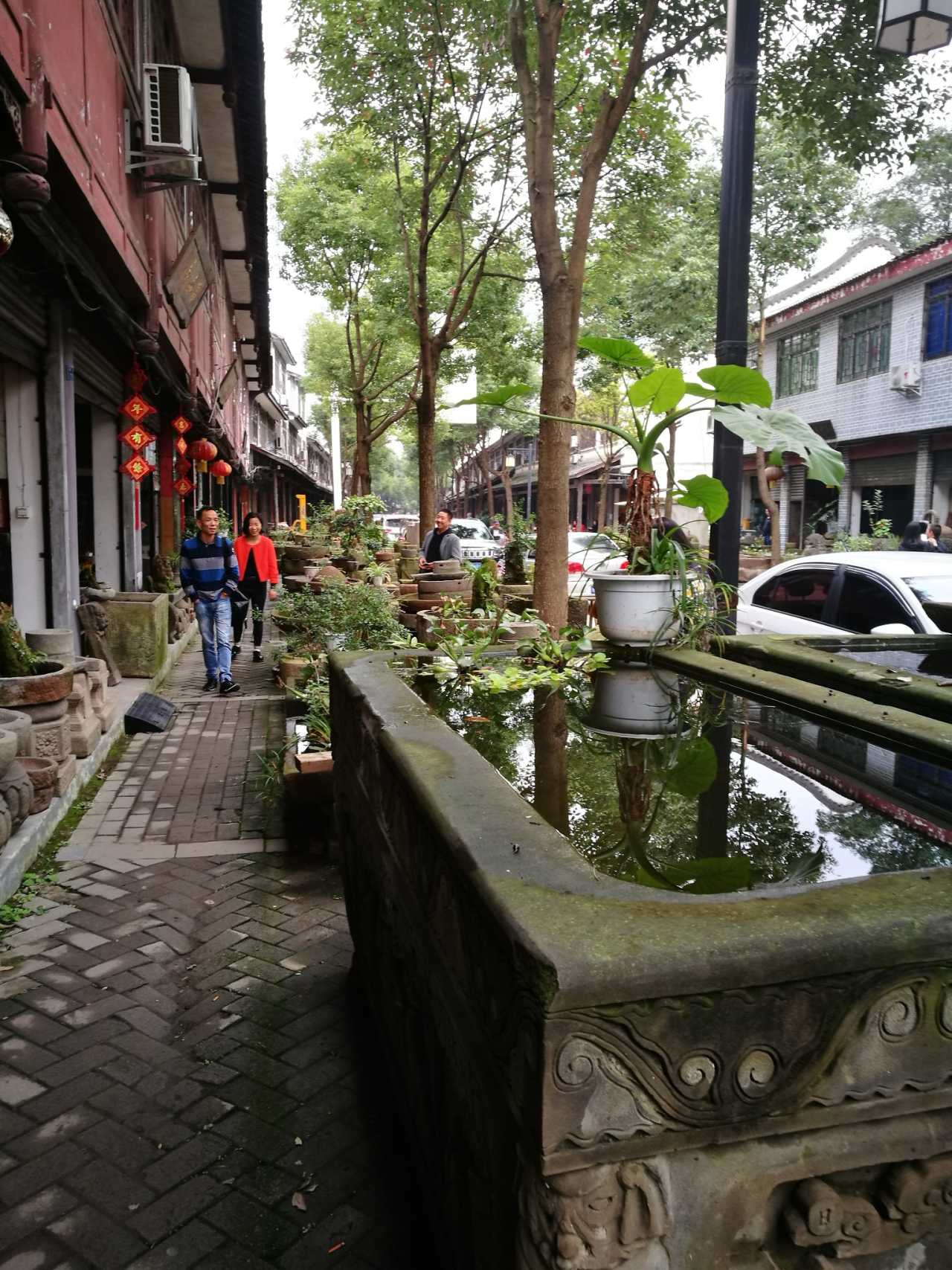
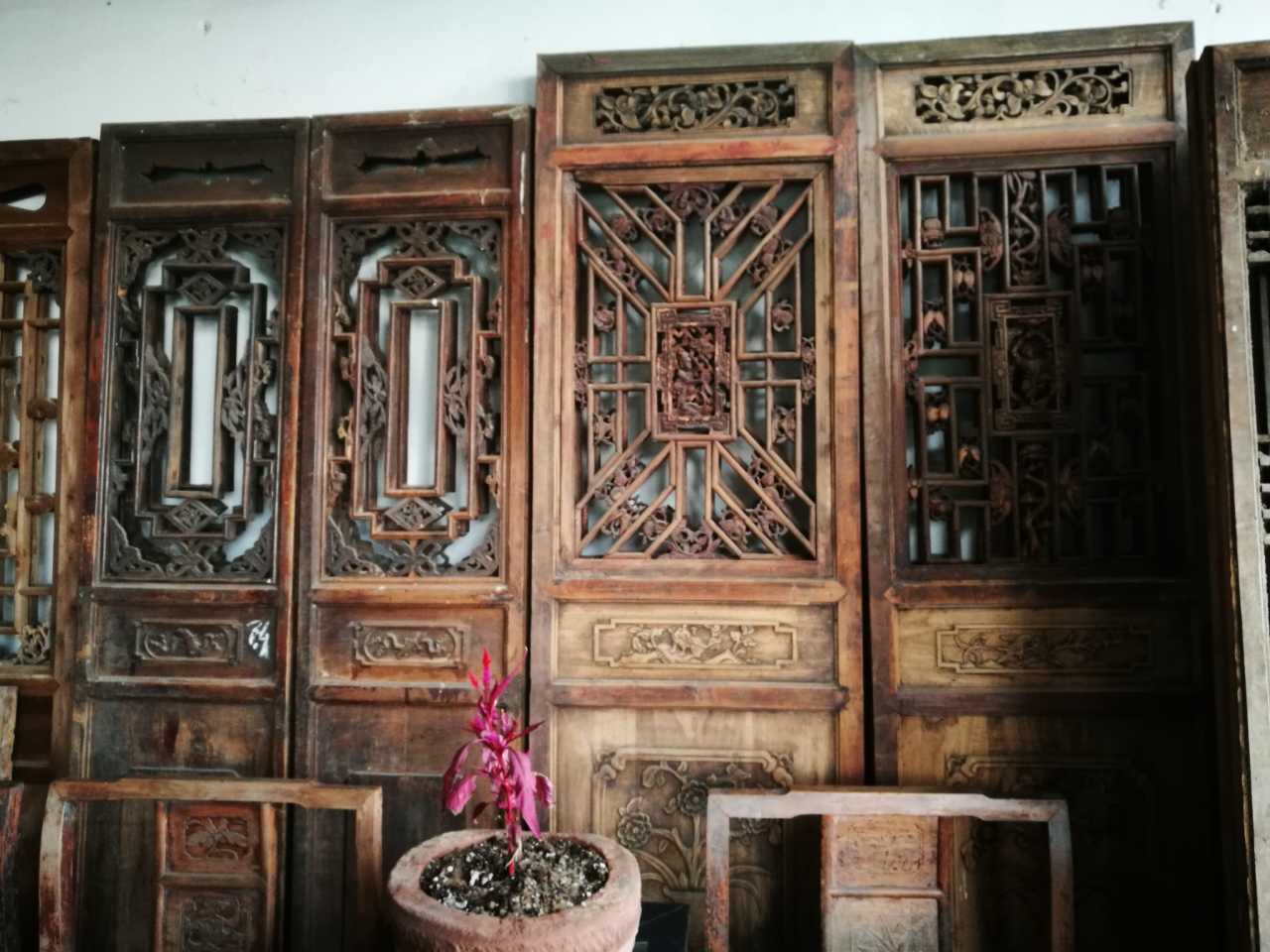
We first strolled down the town's antique street. Both sides were lined with old houses made of gray bricks and gray tiles, with wooden shop fronts and brick-and-wood structures, exuding a simple yet charming Chinese aesthetic. Street stalls displayed old books, vintage records, porcelain bowls and copper locks from the Republican Era… each item seemed to whisper its own story. Miaomiao found a small blue-and-white bowl; the shopkeeper said it was from the Republican Era, and she couldn't put it down.
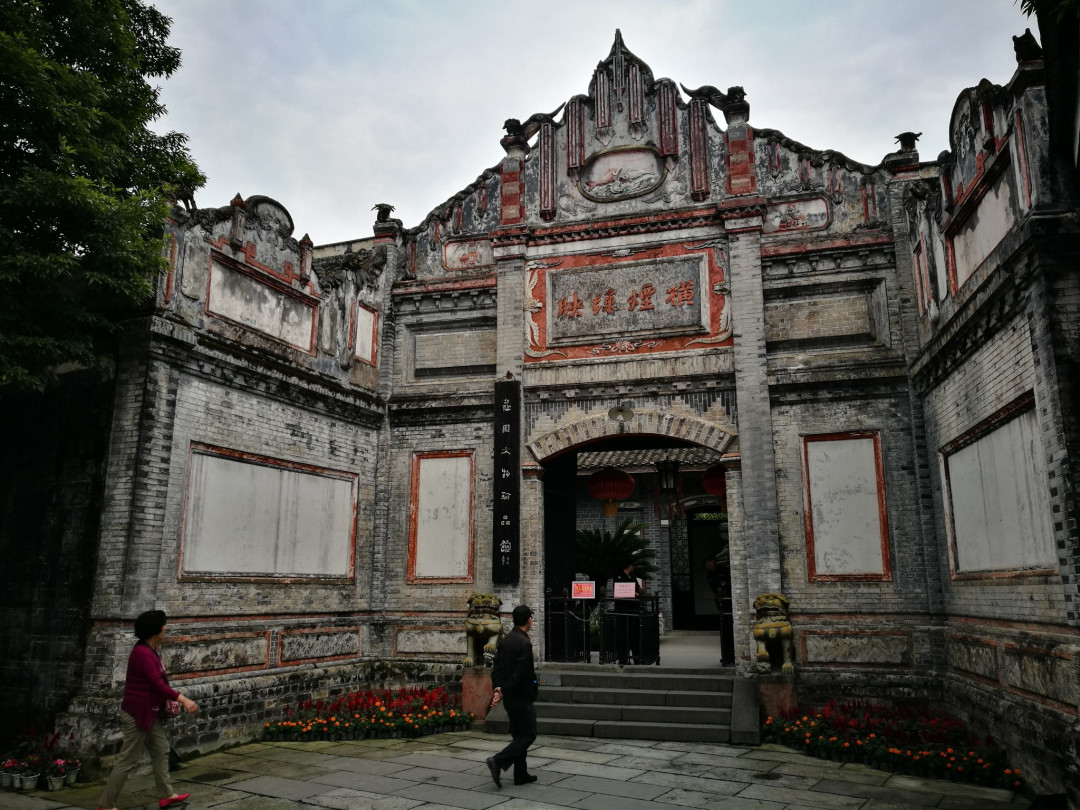
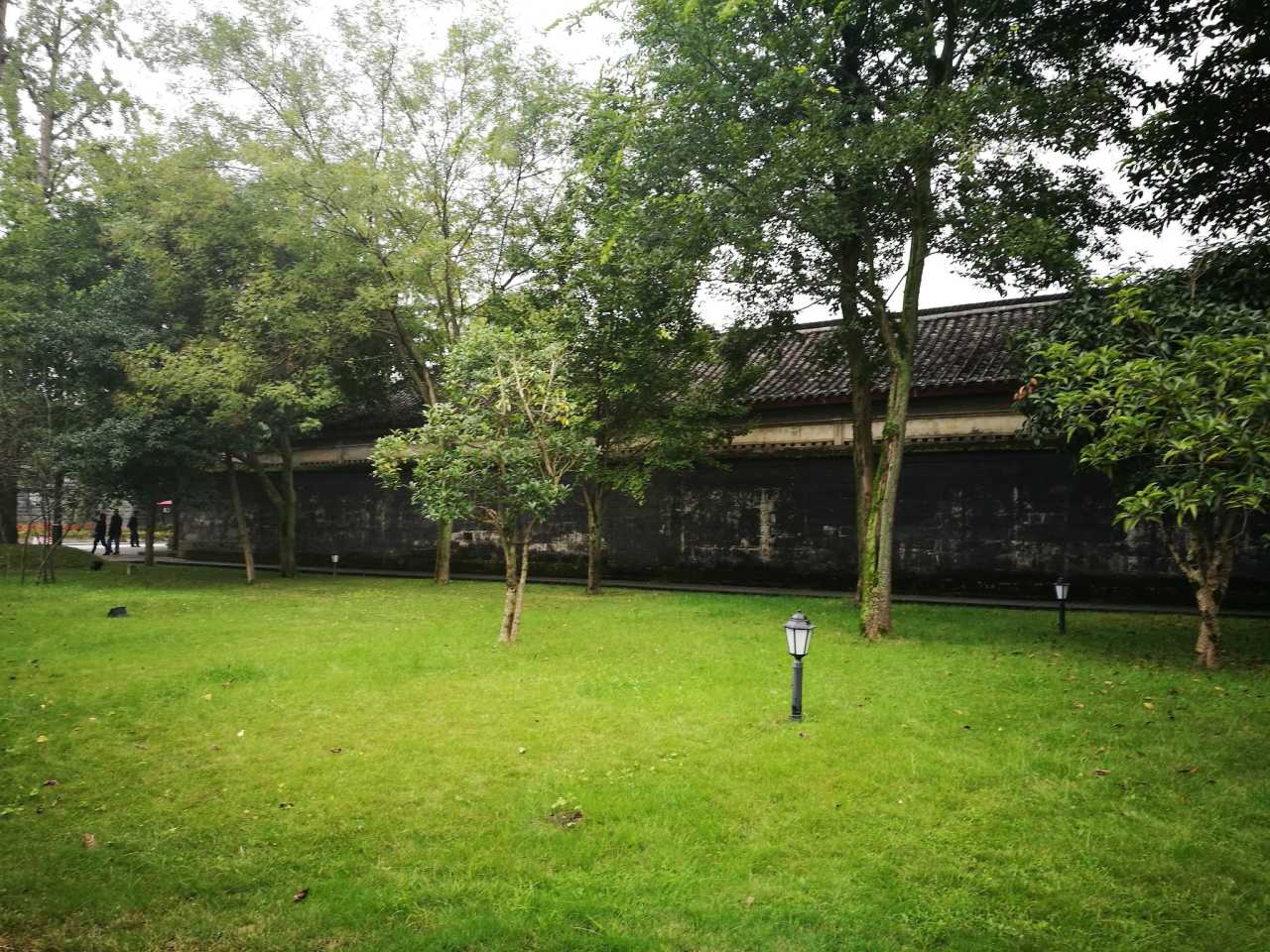
Walking to the end of the street and turning right, we saw in the distance a deep courtyard enclosed by high walls—the Liu Family Manor.
Entering the Liu Family Manor: A Duet of Wealth and History
The Liu Family Manor consists of two parts: the Old Mansion (Liu Family Manor Museum) and the New Mansion (Manor Cultural Relics Museum). Covering an area of over 70,000 square meters with hundreds of rooms, construction began in the late Qing Dynasty (1644–1912) and was completed at the end of the Republican Era. The entire manor is a blend of Chinese and Western architectural styles—combining the weightiness of a traditional Chinese feudal mansion with the refinement of Western castles and churches.
We entered the Old Mansion first. This is the core attraction of the Liu Family Manor, housing over 2,000 cultural relics. Among the most precious is a national first-class relic—eight rosewood (紫檀木, zitanmu) hundred-jewel-and-jade ruyi (a curved decorative object symbolizing good fortune) armchairs that once belonged to the Heavenly Palace of the Taiping Heavenly Kingdom (1851–1864) in Nanjing. These eight chairs, said to be the "treasures of the museum," are intricately carved and inlaid with jade, agate, and emerald, exuding a jaw-dropping opulence.
The most striking exhibit in the manor is a large-scale clay sculpture group called "The Rent Collection Courtyard" (收租院). This series of sculptures consists of seven sections—handing in rent, inspecting rent, winnowing grain, measuring grain, calculating accounts, pressing for rent, and resistance—telling a continuous story of a landlord's brutal exploitation of peasants. Using a larger measure for collecting rent and a smaller one for lending, and a winnowing machine that scraped away the chaff… each clay figure has vivid expressions, making you feel as if you can hear the sighs of the tenant farmers from that era. The site also preserves the actual large and small measures, scales, and winnowing machines—a stark, shocking sight.
Leaving the Old Mansion, we headed to the New Mansion. Its layout was more spacious, with high walls and deep courtyards, pavilions and terraces, rockeries and waterside pavilions, winding paths and covered corridors. Hundreds of luxurious rooms were adorned with carved beams and painted rafters, all preserved intact to this day. In the Cultural Relics Museum, the landlord's extravagant lifestyle was on display—ivory carvings, gold and silverware, silk brocades… all prompting a sigh at the stark wealth gap of that era.
The museum also features a "Western Sichuan Folk Customs Exhibition," vividly recreating the local traditions and lifestyles of modern Sichuan. From clothing, food, housing, and transportation to weddings and funerals, from seasonal festivals to folk art, it unfolds like a "Qingming Scroll of Western Sichuan," leaving visitors reluctant to leave.
Twilight in the Ancient Town: Mansions, Theaters, and Teahouses
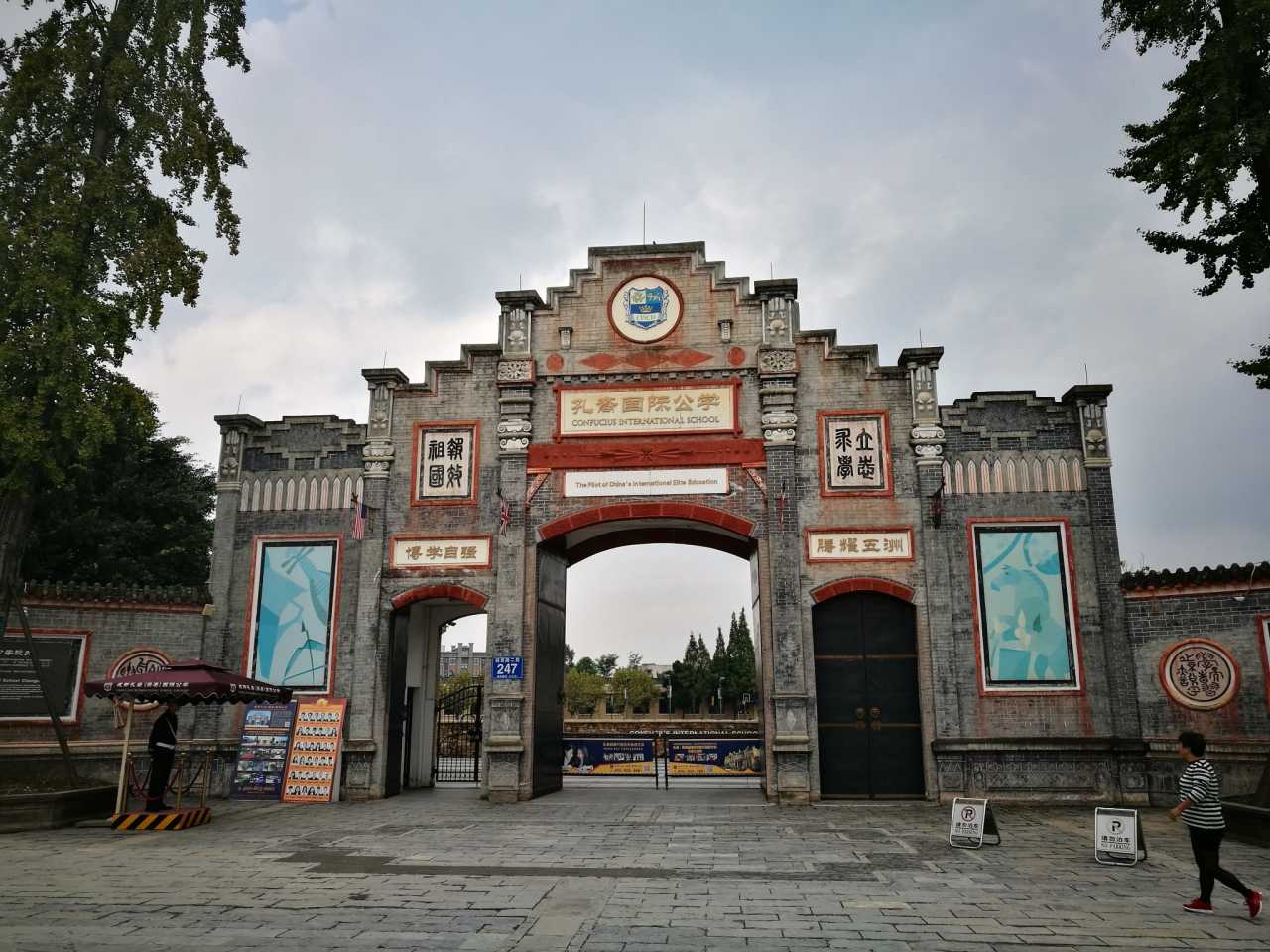
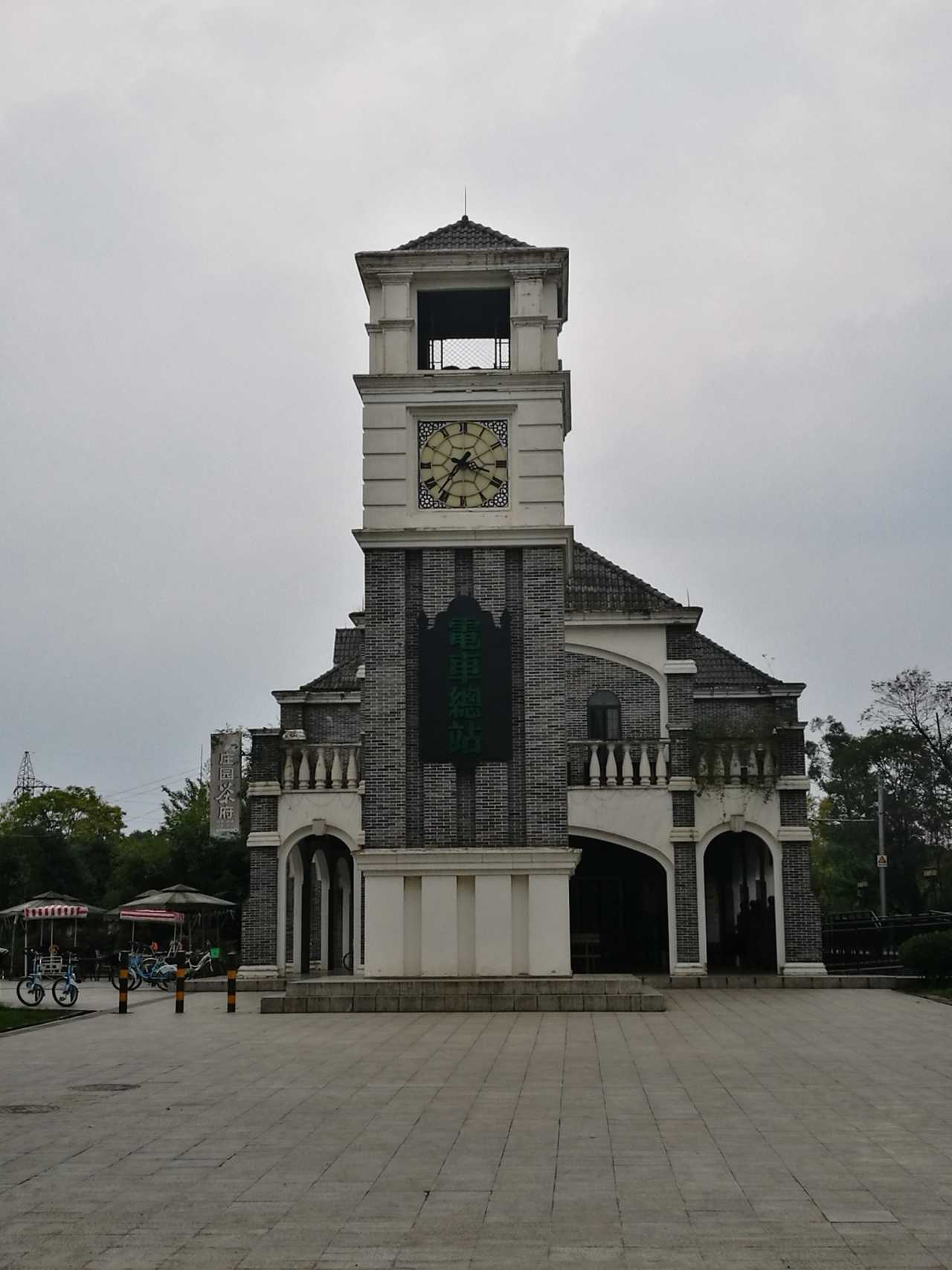
After leaving the manor, we wandered aimlessly through the ancient town. The schools, theaters, and teahouses built during Liu Wencai's time are still in use today. The clusters of mansions, ancient streets, ancient roads, and ancient alleys skillfully blend the architectural style of Western Sichuan residences with European architectural elements, creating a unique aesthetic of "Chinese-Western fusion."

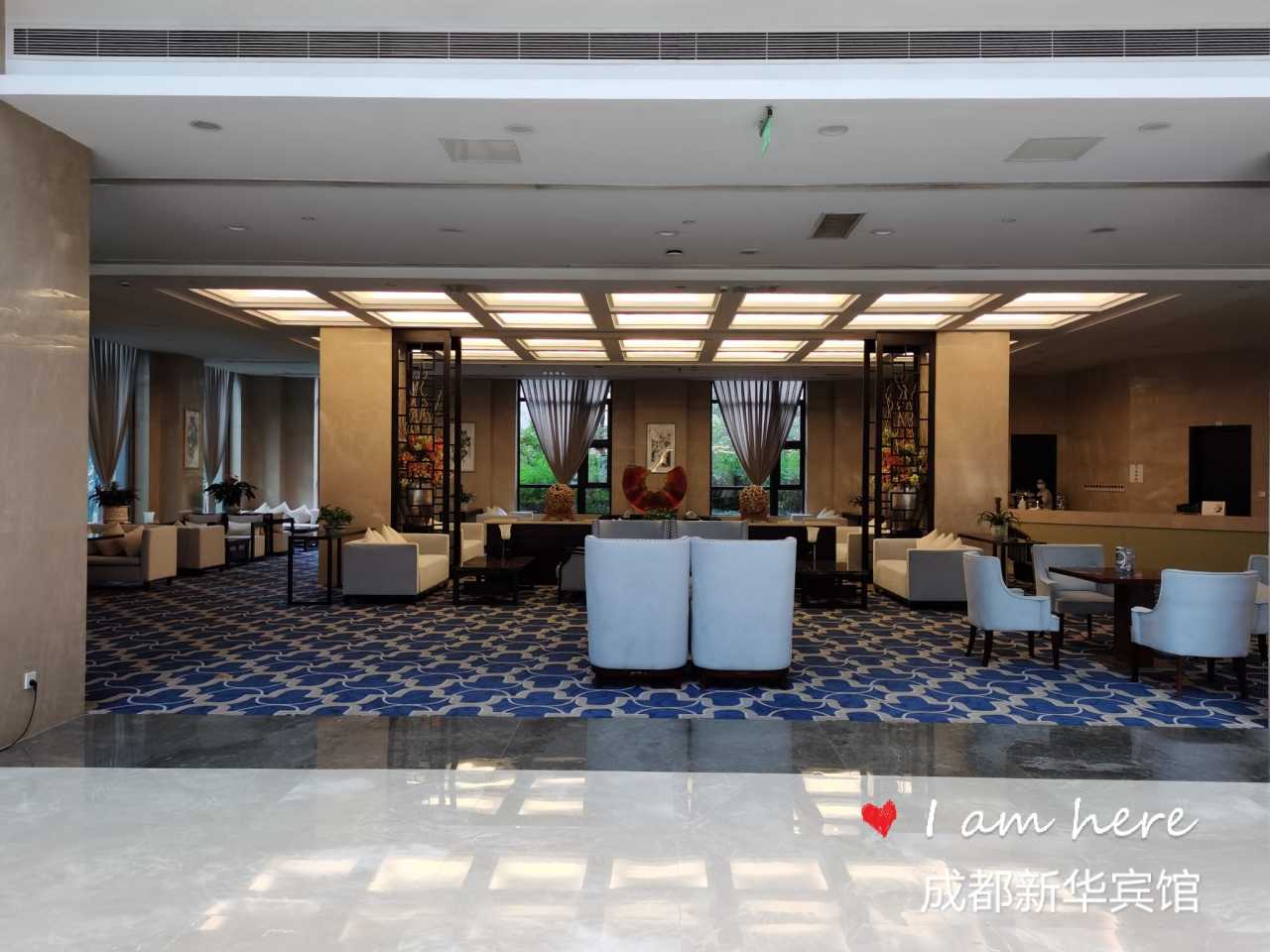
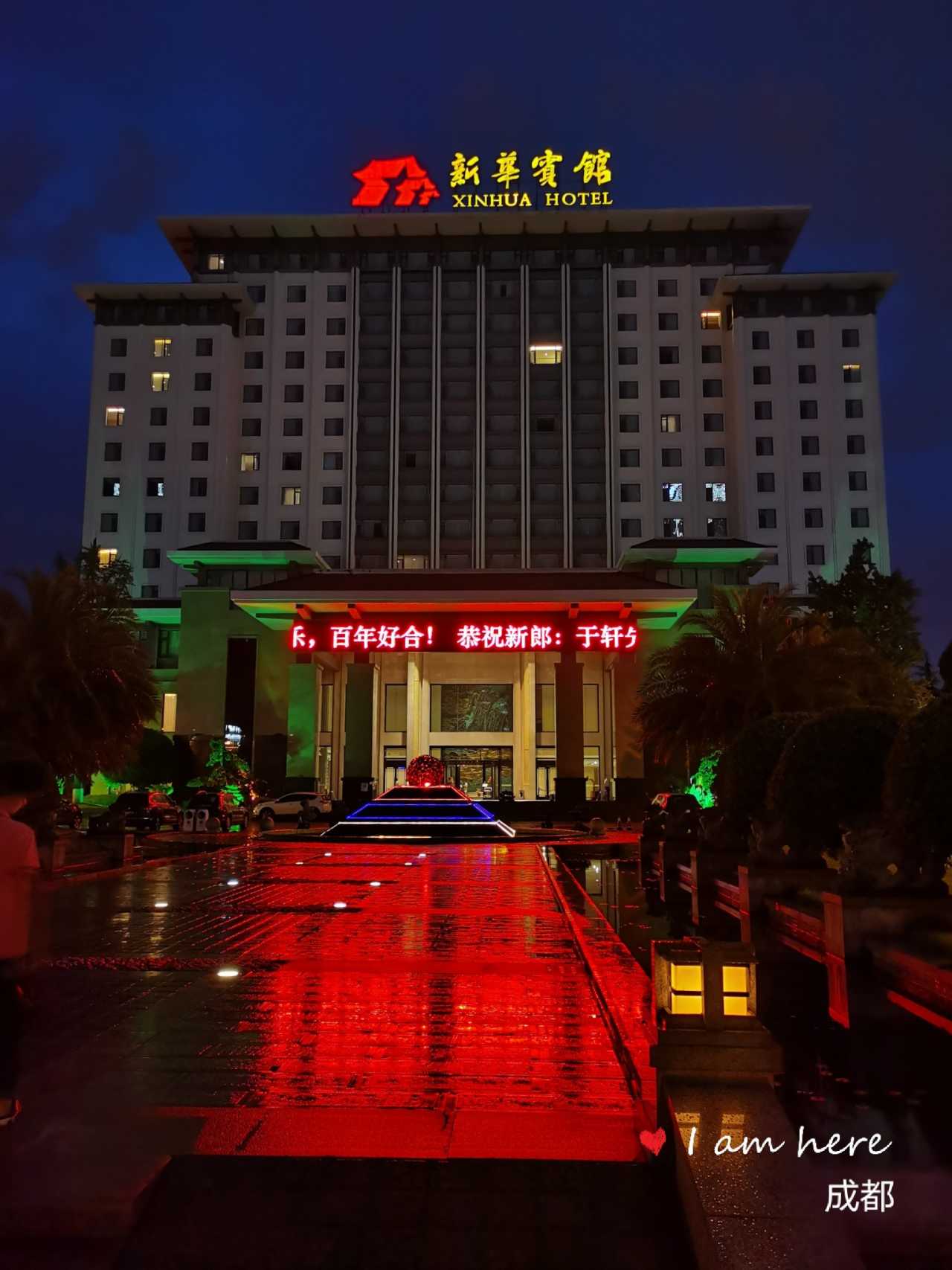
In the evening, we returned to Chengdu and celebrated Li's birthday at the restaurant in the Xinhua Hotel. Amid the clinking of glasses, the laughter of old friends echoed through the dining room. That night, Chengdu's night was gentle, and the wine left us pleasantly tipsy.
[Link: Best things to do in Chengdu beyond the tourist trail]
Day Two: The Panda Base – A Heart-Meltingly Cute Healing Trip
Setting Out Early to See the "Black-and-White Dumplings"
The next morning, after a buffet breakfast, we took a taxi directly to the Chengdu Research Base of Giant Panda Breeding. This is a national 4A-level tourist attraction and one of China's main research bases for the ex-situ conservation of endangered wild animals like giant pandas. Originally established with six sick and starving wild pandas rescued from the wild, the base has since successfully bred dozens of giant pandas and become one of the country's main sources for panda exports.
After entering the scenic area, we chose the left path and first visited the Giant Panda Science Exploration Hall. This 1,200-square-meter exhibition hall uses an interactive, educational approach to showcase research achievements in giant panda reproduction, cub rearing, genetics, endocrinology, and biodiversity conservation. Miaomiao had a blast at the interactive screens, learning while exclaiming, "So giant panda poop can be used to make paper!"
Next, we went to the Giant Panda Museum, located on the right side of the main entrance. Covering 3,000 square meters, the museum is divided into three sections: giant pandas, insects, and vertebrates, displaying a large number of animal specimens, plant specimens, and other physical exhibits. But of course, the biggest attraction was yet to come.
Watching Pandas in Their Natural Habitat
We made our way to the outdoor enclosures, where the real magic happens. The pandas were in their element—some lounging lazily on wooden platforms, others munching contentedly on bamboo, and a few cubs tumbling playfully with each other. The base is designed to mimic the pandas' natural habitat, with lush greenery, climbing structures, and cool pools. Watching them is pure therapy—a reminder to slow down and enjoy the simple pleasures of life.
One panda, in particular, caught our attention. Sitting upright, it methodically stripped bamboo leaves with its paws, chewing with an expression of utter satisfaction. Nearby, a younger panda was attempting a clumsy somersault, only to roll into its mother. The crowd erupted in laughter and "awws." It's no wonder the panda base is a must-visit for any Chengdu itinerary.
Why the Panda Base Is Perfect for Families and Solo Travelers Alike
The Chengdu Panda Base isn't just for kids—it's for anyone who needs a dose of joy. The base offers guided tours, educational talks, and even volunteer programs for those who want to get closer to the conservation efforts. For photographers, the morning hours (before 10 AM) are ideal, as the pandas are most active during feeding time. The base is also wheelchair accessible, making it inclusive for all visitors.
[Link: Family-friendly attractions in Chengdu for a weekend trip]
FAQ: Planning Your 2-Day Chengdu Escape
1. What is the best time to visit the Chengdu Panda Base?
 The best time is early morning, between 7:30 AM and 10 AM, when pandas are most active after feeding. Avoid weekends and Chinese public holidays to escape large crowds.
2. How far is Anren Ancient Town from Chengdu city center?
 Anren Ancient Town is approximately 60 kilometers from downtown Chengdu, about a 1-hour drive by car or taxi. Public buses are also available from Chengdu's bus stations.
3. Can I visit both the Liu Family Manor and the Panda Base in one day?
It's possible but rushed. We recommend dedicating one full day to each attraction to fully appreciate the history at the manor and the wildlife at the panda base. A two-day itinerary is ideal.
4. Are there guided tours available at the Liu Family Manor?
 Yes, the manor offers guided tours in Chinese and English. Audio guides are also available for rent. The tour covers the Old Mansion, New Mansion, and the clay sculpture exhibition.
5. What should I bring to the Panda Base?
Bring comfortable walking shoes, a hat and sunscreen (especially in summer), a refillable water bottle, and a camera. Food is available on-site, but you can also pack a picnic. Note that flash photography is prohibited near the pandas.
Conclusion: Your Chengdu Weekend Awaits
In just two days, you can escape the city's noise and dive into two completely different worlds—the turbulent Republican Era at the Liu Family Manor and the heartwarming daily life of pandas at the base. Chengdu's charm lies in its ability to offer both history and healing, all within a short distance from the city center.
Whether you're a history buff, a wildlife lover, or simply someone in need of a break, this 2-day Chengdu itinerary delivers. So pack your bags, book your tickets, and get ready to steal some leisure time in one of China's most captivating cities.
Ready to plan your trip? Start by booking your flights to Chengdu Shuangliu International Airport and reserving your spot at the panda base. Don't forget to leave room for hotpot and skewers—because no trip to Chengdu is complete without them.
[Link: How to plan a budget-friendly weekend in Chengdu]
Have you visited the Liu Family Manor or the Chengdu Panda Base? Share your experience in the comments below—we'd love to hear your tips and stories!


