Escaping the City, Embracing the Mountains and Seas: Your Ultimate Guide to the Garzê Western Sichuan Small Loop
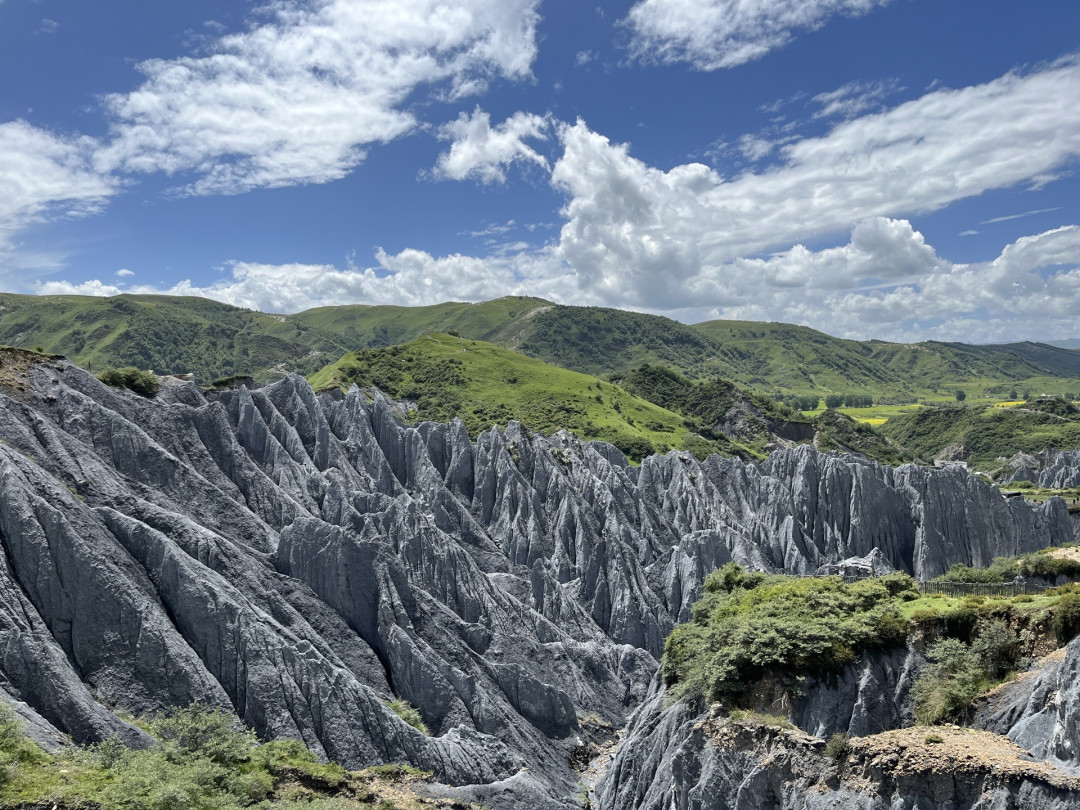
Meta Description: Discover the transformative power of the Garzê Western Sichuan Small Loop. From Mount Siguniang's rain-shrouded peaks to Morshi Park's alien landscapes, find your true self in this pristine highland paradise. Your complete travel guide awaits.
Introduction: Why Western Sichuan Calls to the Urban Soul
The midsummer city feels like a giant steam box. Every day is the same monotonous routine—shuttling between the office tower and home, the chill of air conditioning mingling with the bitterness of coffee, life dragging on in endless tedium. When the restlessness inside you becomes too much to contain, it's time for a spontaneous escape.
Western Sichuan—that pristine land guarded by snow-capped mountains, grasslands, and prayer flags—offers the perfect antidote. This comprehensive guide to the Garzê Western Sichuan Small Loop will help you plan the ultimate high-altitude escape, whether you're a first-time visitor or a seasoned traveler seeking deeper connection with nature and yourself.
Pre-Trip Preparations: A Gentle Conversation with the Highlands
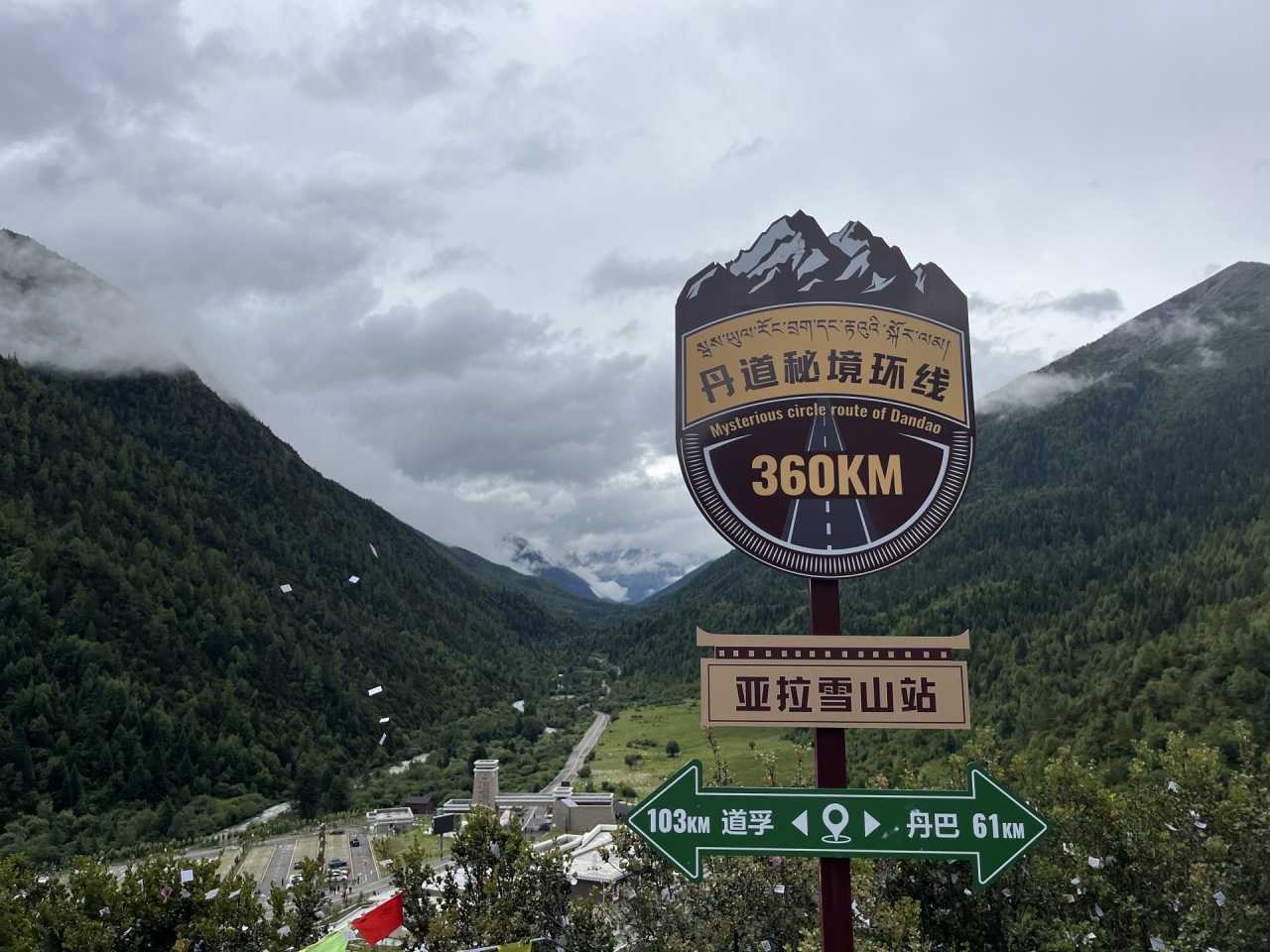
Understanding the Classic Western Sichuan Small Loop Route
The Western Sichuan Small Loop is the golden route for short getaways, primarily connected by two iconic highways:
- G350 China Panda Highway (Yingxiu to Danba section)
- G318 Sichuan-Tibet Southern Route (Xinduqiao to Chengdu section)
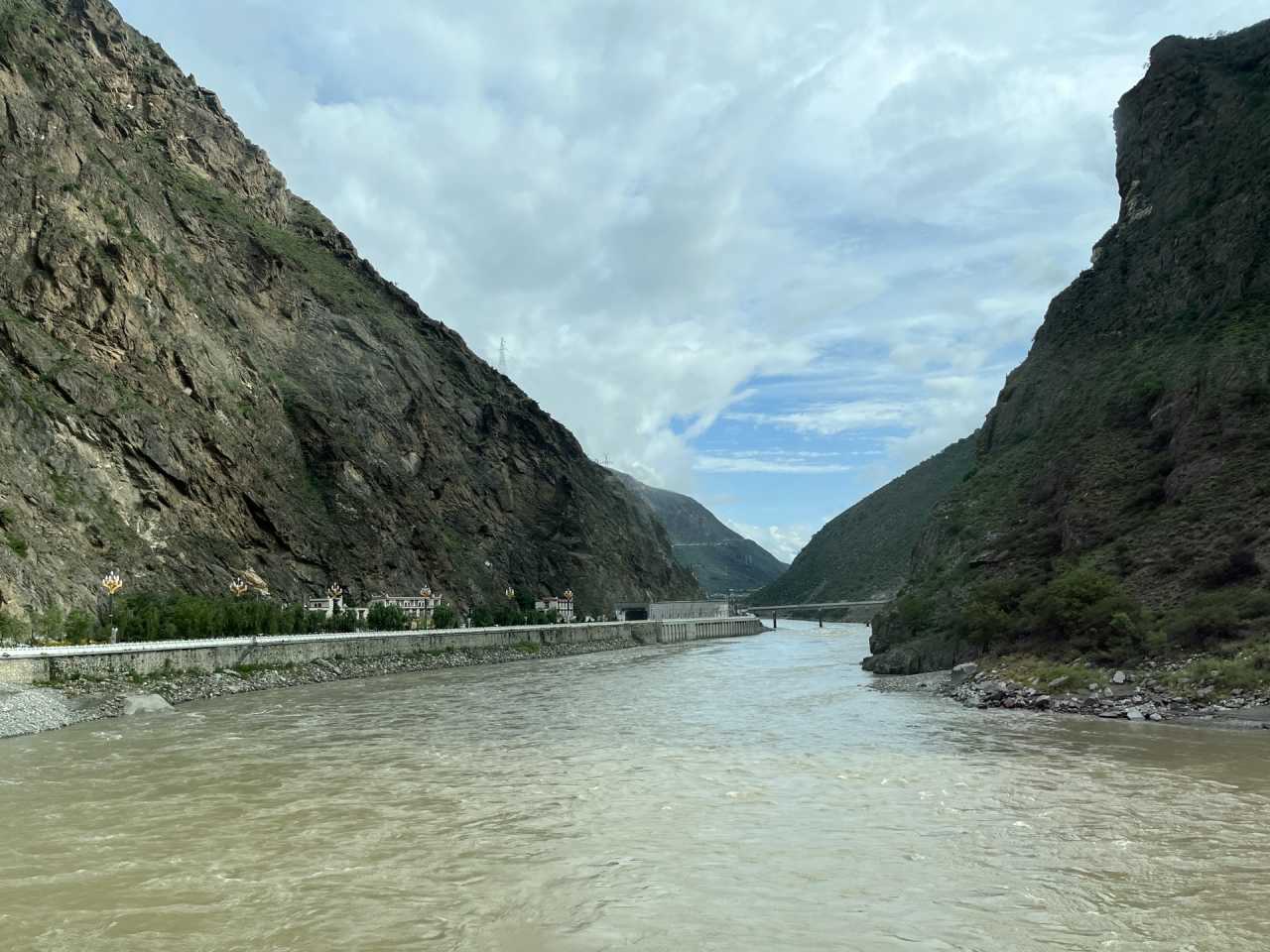
This route passes through breathtaking destinations including Mount Siguniang, Yala Snow Mountain Viewpoint, Huiyuan Temple, Morshi Park, Tagong Grassland, Yuzixi, and Mugecuo. The greatest charm? Within a single day, you can experience all four seasons—one moment under blazing sun, the next caught in a torrential downpour.
Essential Gear for High-Altitude Travel

On a high-altitude trip, gear is your source of security. Here's your Western Sichuan packing checklist:
| Category | Essential Items |
|---|---|
| Clothing | Spring/autumn layers, windbreaker or down jacket |
| Rain Protection | Raincoat, umbrella, waterproof sneakers |
| Sun Protection | Sunglasses, high-SPF sunscreen |
| Medications | Motion sickness medicine, common medications |
| Altitude Prep | Rhodiola rosea (start 1 week before), oxygen canister |
Pro tip: At high altitudes, avoid strenuous exercise, drink plenty of water, and stand up slowly after squatting—let your body adapt gradually.
Altitude Sickness: What You Need to Know
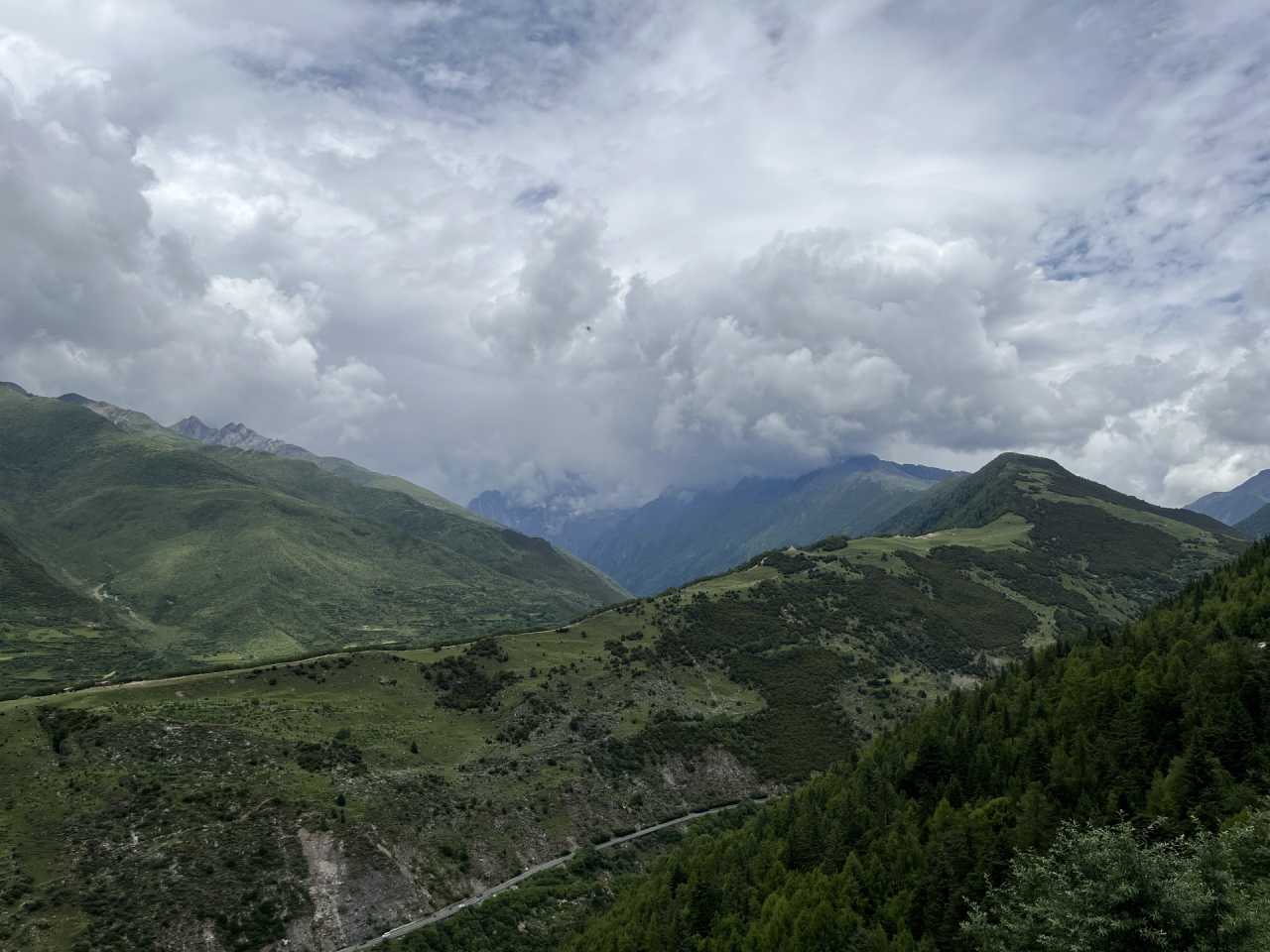
You'll pass altitude sickness information stations along the way where staff explain precautions in detail. The key takeaway: don't panic excessively, but don't let your guard down either. Everyone's body reacts differently. For those experiencing elevations above 4,000 meters for the first time, listen carefully to the briefings.
[Link: High-Altitude Travel Safety Guide]
First Encounter with Mount Siguniang: The Alps of the East
Maobiliang Viewing Platform: A Fleeting Glimpse Through Rain and Fog
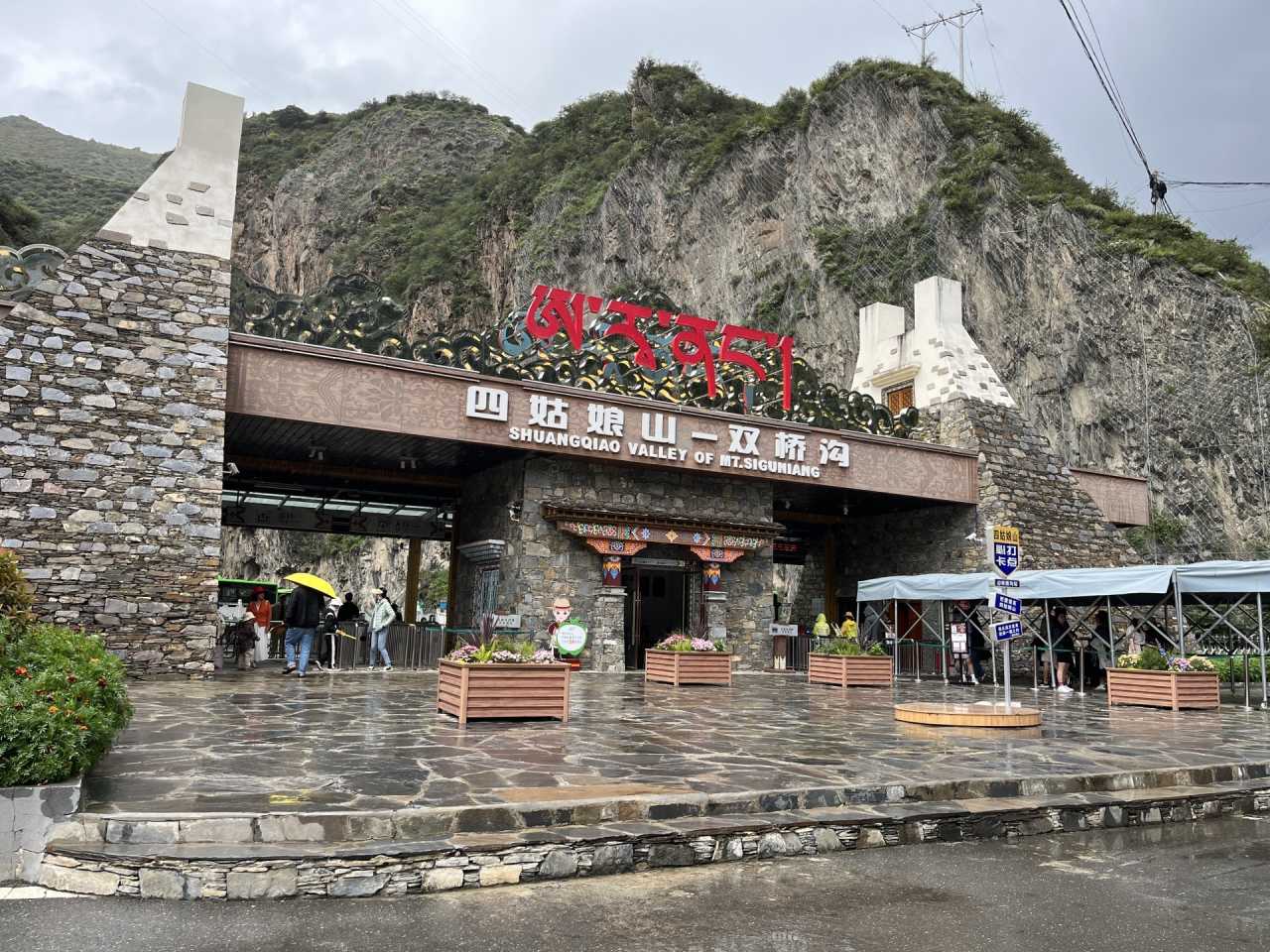
Departing Chengdu at 7 a.m., after a five-hour drive, you'll arrive at the first stop: Maobiliang Viewing Platform. While fog may obscure the full view of Mount Siguniang, the vast and magnificent scenery unfolding before you is already breathtaking—that sense of liberation from city hustle makes you want to take a deep, satisfying breath.
Exploring Shuangqiao Valley: The Heart of Mount Siguniang Scenic Area
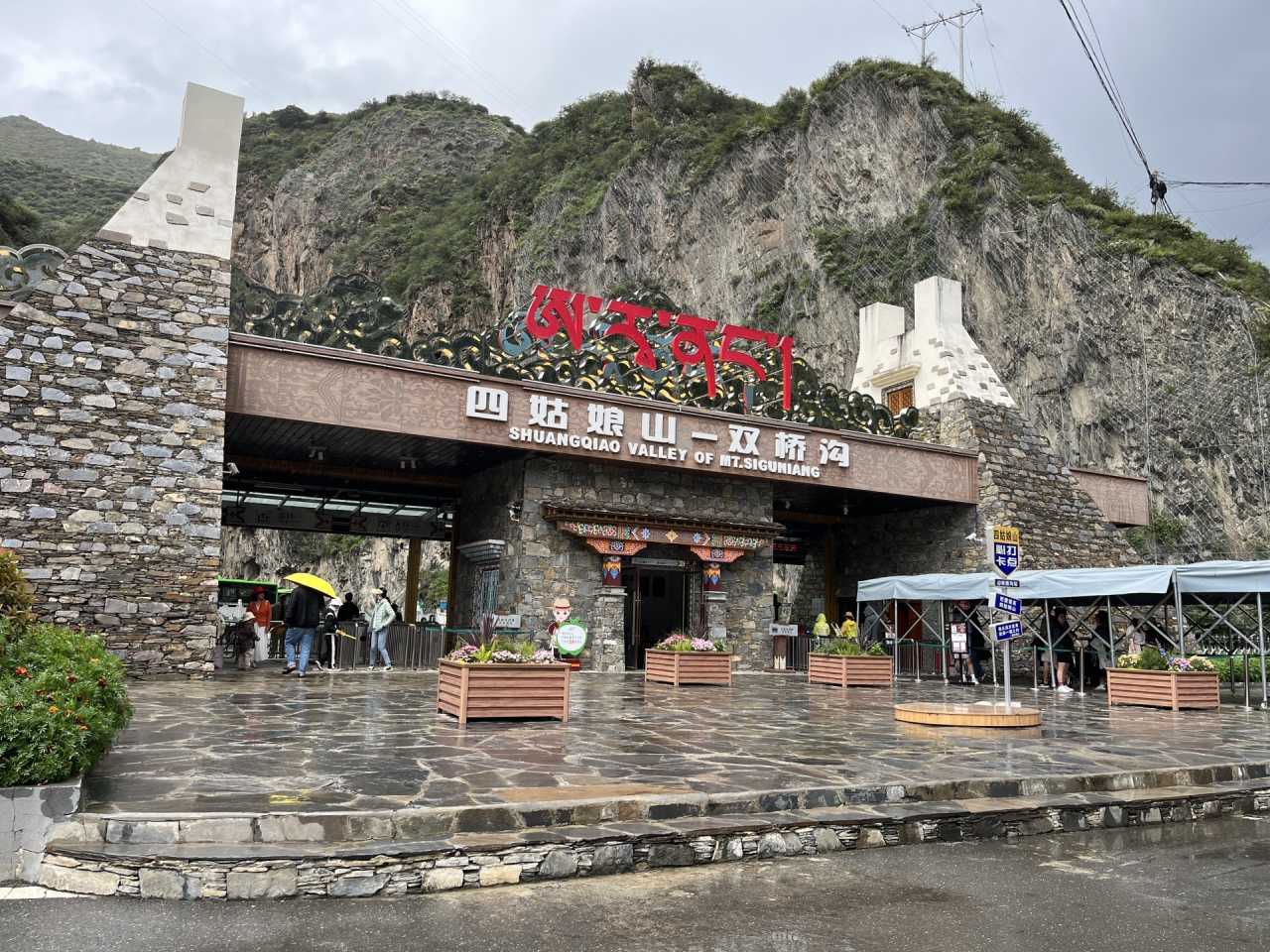
Mount Siguniang is the closest snow-capped mountain range to a major city in China. It consists of four peaks covered in year-round snow, like four maidens draped in white veils. The tallest and most beautiful peak, Yaomei Feng, is what people commonly call "Siguniang" (the Fourth Maiden).
The scenic area comprises "three valleys and one mountain," with the core being Shuangqiao Valley, which has the most developed sightseeing facilities. The world-renowned Wolong Giant Panda Nature Reserve lies on the eastern slope of Mount Siguniang.
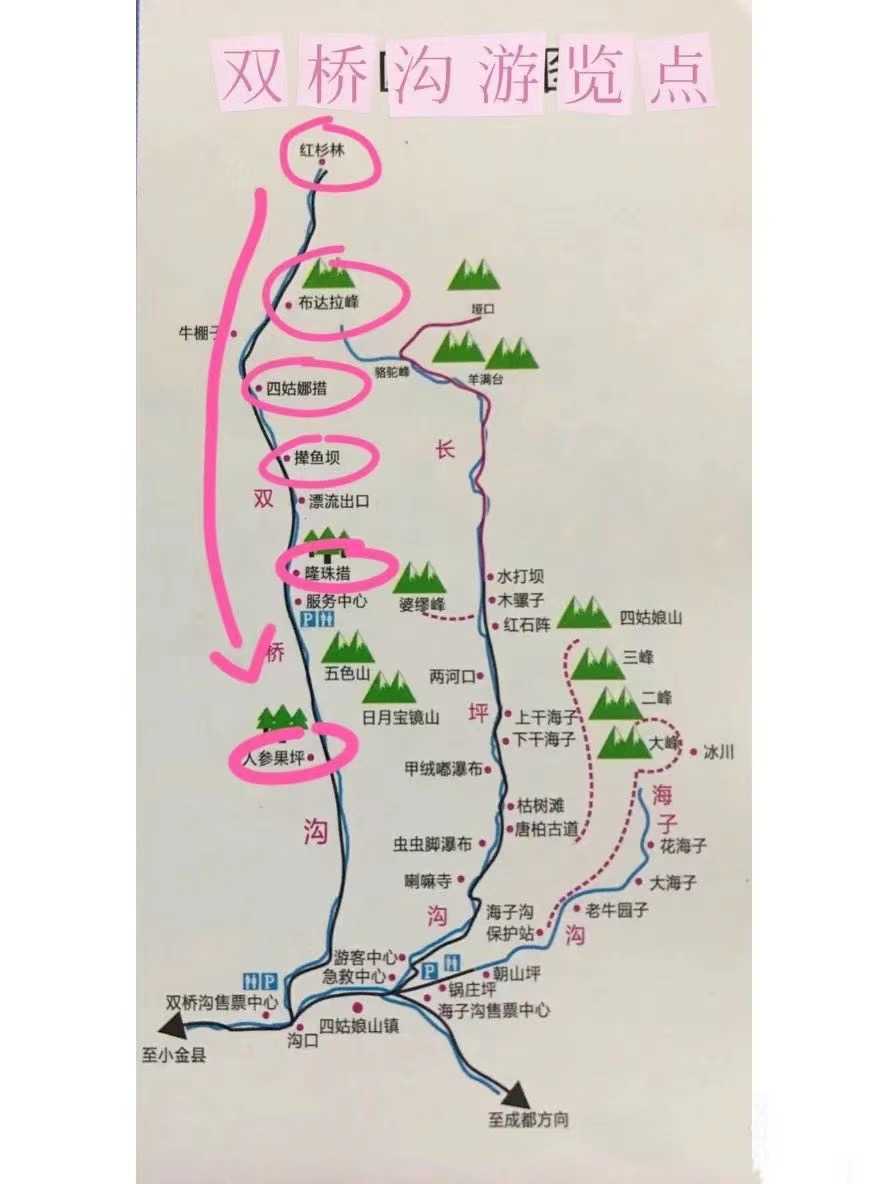
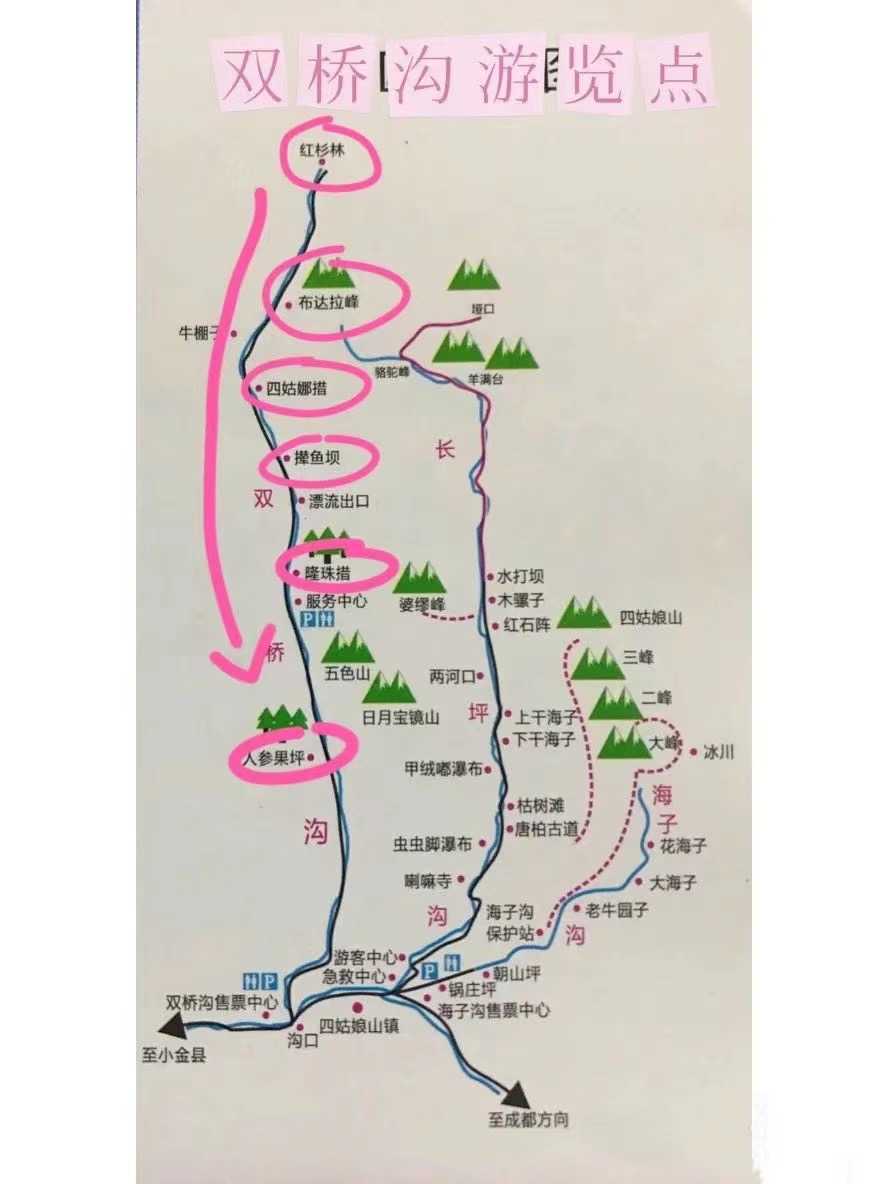
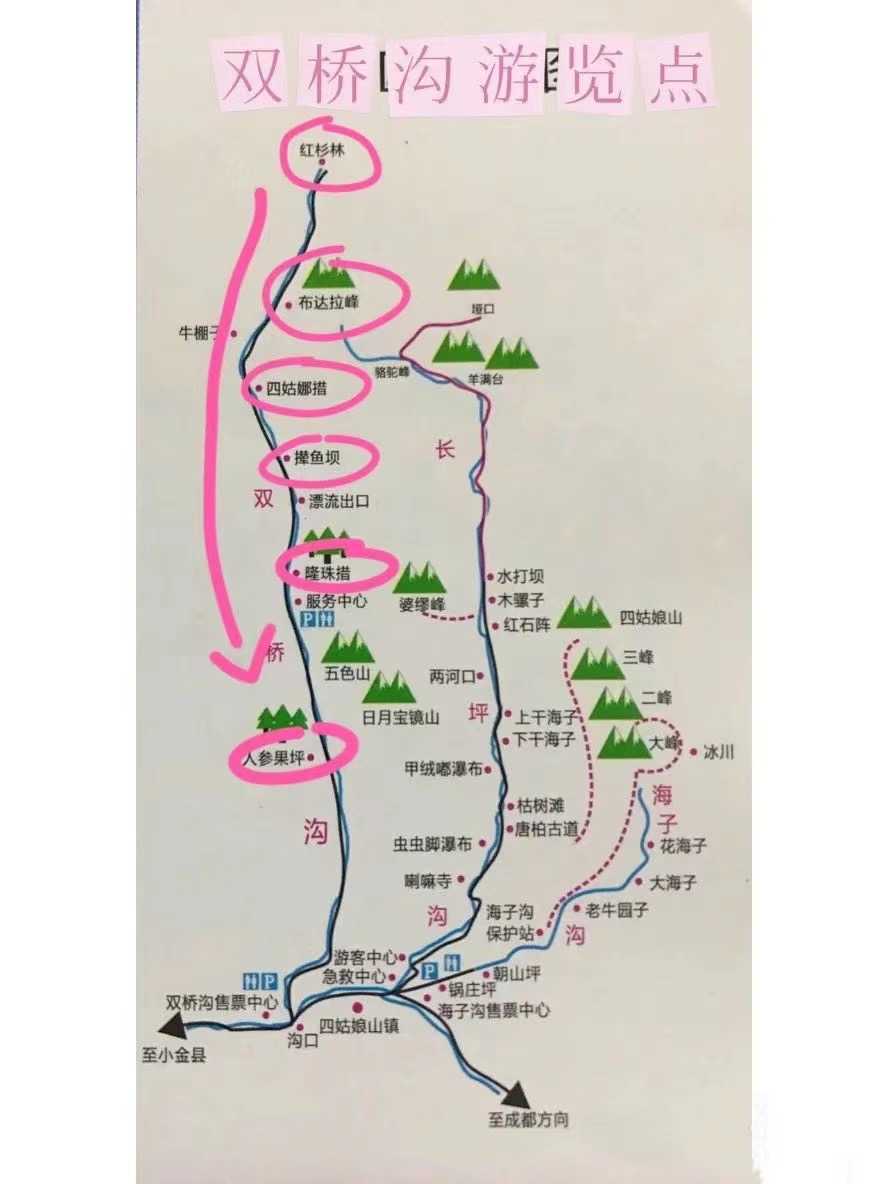
Shuangqiao Valley stretches 34.8 kilometers, its name derived from two wooden bridges built by local villagers—one of willow wood, one of redwood. The exploration method is similar to Jiuzhaigou: green eco-friendly sightseeing buses take you from the entrance directly to the highest scenic spot, "Redwood Forest," then you hop on the return bus, getting on and off at stops along the way without backtracking.
Key Stops in Shuangqiao Valley
- Redwood Forest: On clear days, mountains feel close enough to touch. Even in a down jacket, the air is biting, yet the scenery awe-inspiring.
- Potala Peak: Where many iconic road photos are taken.
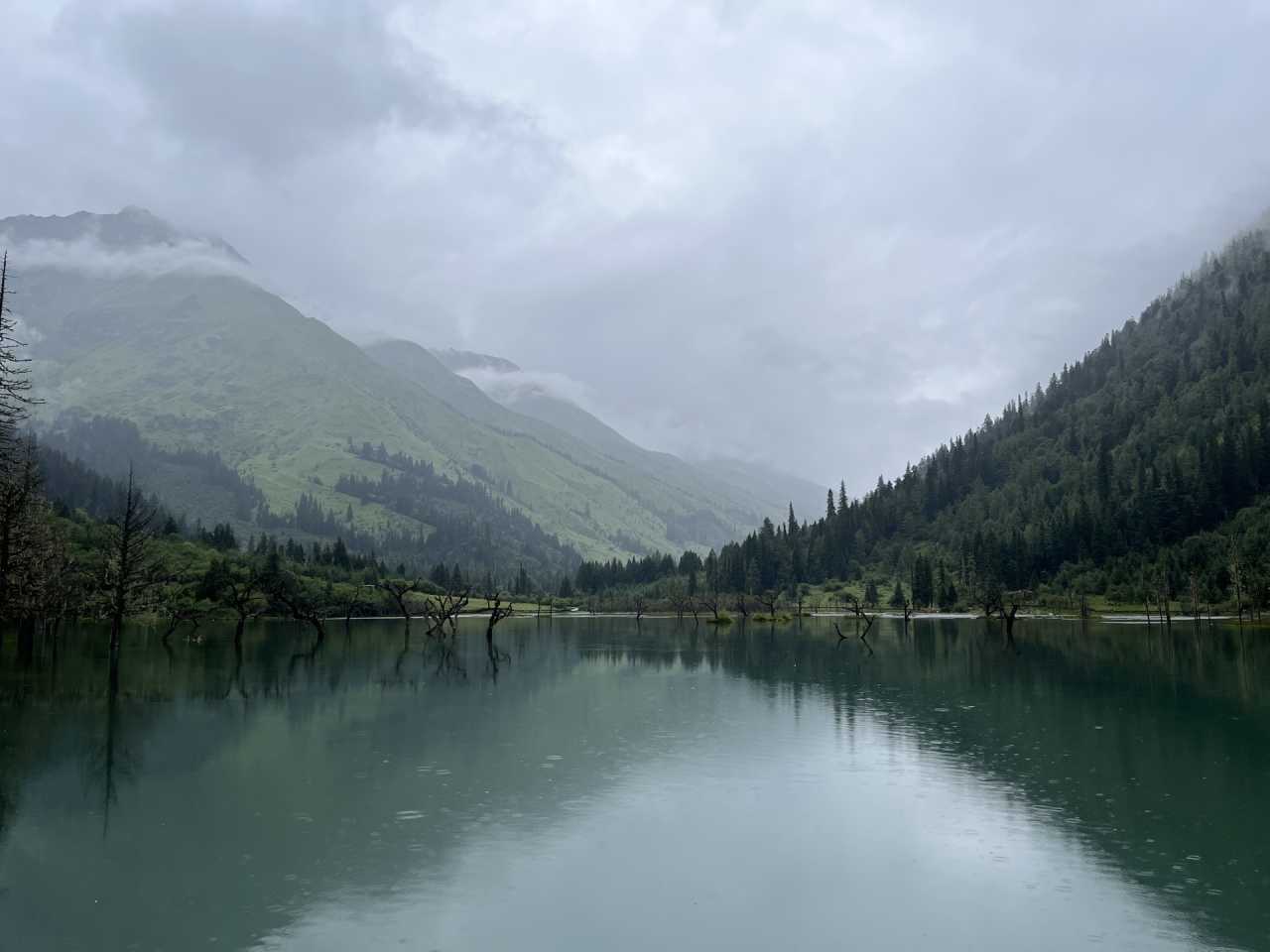
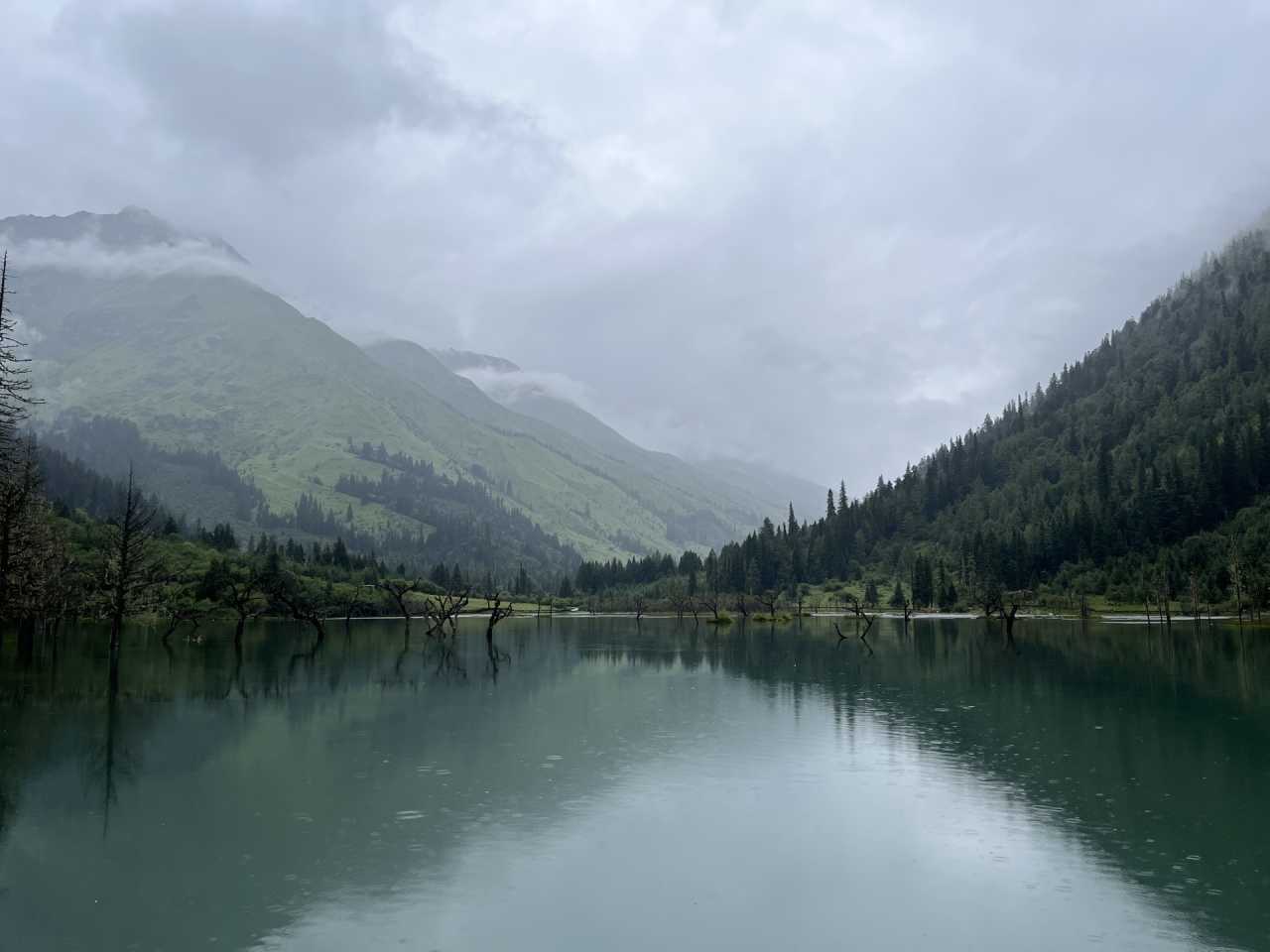
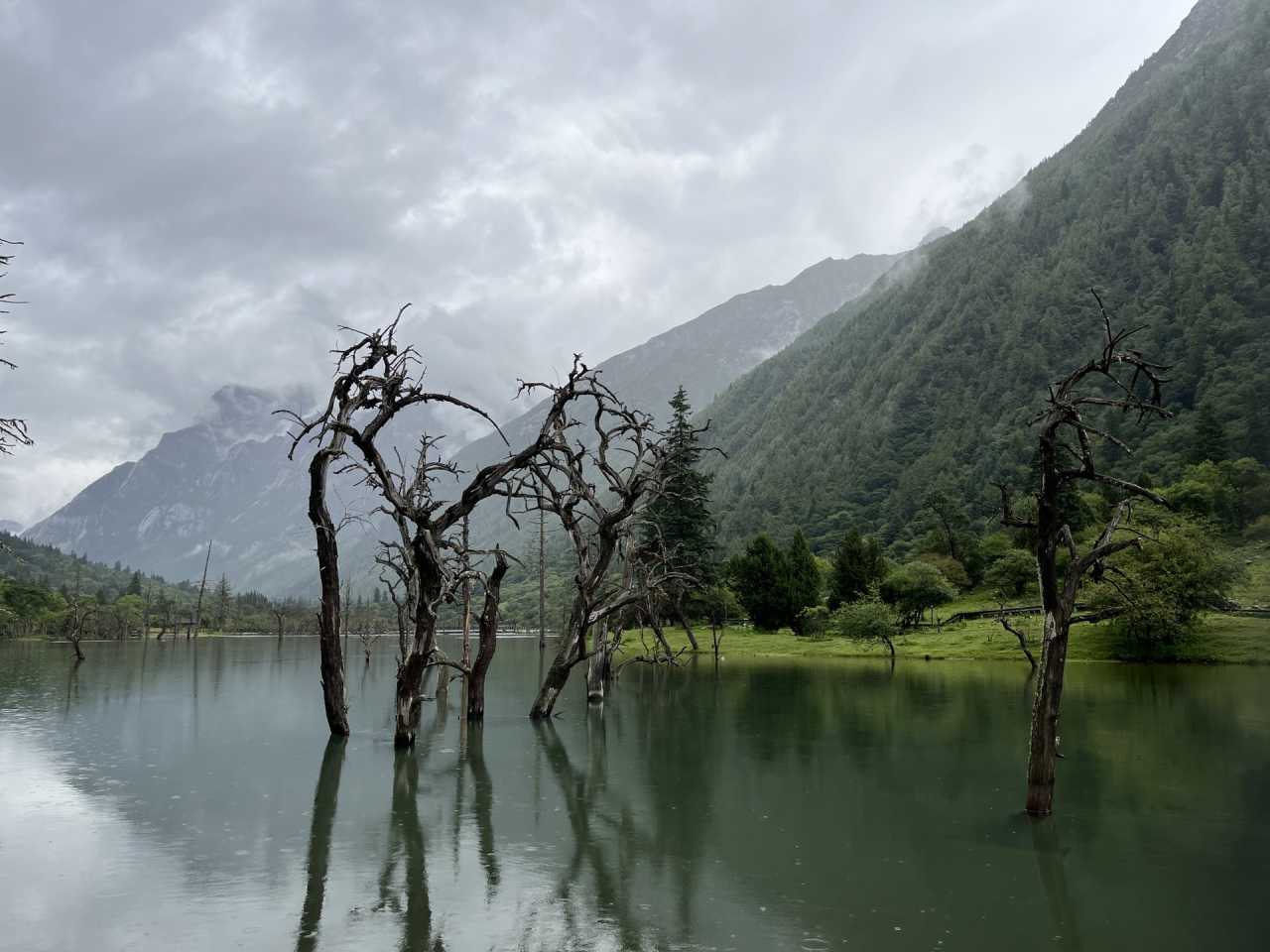
- Sigunacuo: A lake with oddly shaped dead trees that make you marvel at nature's artistry.
- Nianyu Dam: Offers rafting (separate ticket required).
- Longzhucuo: Similar to Sigunacuo—if short on time, stop at just one.
- Renshenguo Meadow: Excellent photo opportunities.
The heavy rain and fog may obscure distant snow-capped peaks, but even without perfect weather, this first encounter is wonderful enough. Hopefully, next time will be a sunny day.
Around 8 p.m., arrive in Xiaojin County and check into your hotel. If you want to explore, take a taxi or walk to Huishi Square, the liveliest part of town.
[Link: Best Photography Spots in Western Sichuan]
Morshi Park: An Alien Planet That Stole the Show
Yala Snow Mountain Viewpoint: A Glimpse of Highland Majesty
The second day starts early. The mountain scenery along the way is expansive, and the first stop is the Yala Snow Mountain Viewpoint. In Western Sichuan, almost every scenic spot has a similar photo-op. While clouds may be thick, catching even a glimpse of snow-capped mountains is a stroke of luck.
Huiyuan Temple: Spiritual Heart of the Highlands
Leaving the viewpoint, head to Huiyuan Temple. Along the way, high-altitude rapeseed flowers are stunning—under blue sky and white clouds, golden fields of blossoms interwoven with green meadows, like a scene from a dream.
Huiyuan Temple is the birthplace of the 11th Dalai Lama and has been rebuilt three times. The newly completed temple features a palace-style golden-tiled roof, adorned with golden finials, vases, dharma wheels, and mythical beasts. It houses a vast collection of precious artifacts, with 245 days of ritual activities each year.
If you visit during a dharma assembly, you'll witness Tibetan locals sitting in a circle, monks performing ritual dances, and musicians playing accompaniment. Watching everyone sit under the clear sky with such devout focus, you'll understand these are prayers for peace, happiness, and a good life.
Prayer wheels are everywhere. Tibetan people place scriptures inside these cylinders—each rotation is equivalent to reciting the sutra once. In one corner, horses graze leisurely, utterly content.
Morshi Park: A Geological Wonder from Another Planet
Leave Huiyuan Temple and arrive at the most stunning stop of the entire trip: Morshi Park—a place that feels like it's from another planet.
Located at an altitude of 3,500 meters, Morshi Park is a geological wonder of the world. This Western Sichuan alien landscape features:
- Otherworldly rock formations
- Unique geological structures
- Photographic opportunities unlike anywhere else
The park is hailed as one of the most extraordinary landscapes in all of Western Sichuan, offering visitors a glimpse into Earth's geological history while feeling like they've stepped onto another world.
[Link: Otherworldly Landscapes in Sichuan Province]
Frequently Asked Questions About the Western Sichuan Small Loop
Q1: What is the best time of year to visit Western Sichuan?
A: The best time is May through October, when temperatures are milder and most scenic areas are accessible. July and August offer lush green meadows and blooming wildflowers, though afternoon rain is common. September and October provide clearer skies and stunning autumn colors.
Q2: How many days do I need for the Western Sichuan Small Loop?
A: Most travelers complete the loop in 3-5 days. A 3-day itinerary covers the highlights: Mount Siguniang, Huiyuan Temple, and Morshi Park. A 5-day itinerary allows for deeper exploration of Tagong Grassland and Mugecuo.
Q3: Is altitude sickness a serious concern?
A: Yes, especially for first-time visitors above 3,000 meters. Symptoms include headaches, nausea, and fatigue. Preparation is key: start Rhodiola rosea one week before, stay hydrated, avoid alcohol, and ascend gradually. Most accommodations have oxygen canisters available.
Q4: What type of vehicle is recommended for this route?
A: A 4WD or SUV is strongly recommended, especially during rainy season (June-August). The mountain roads can be challenging, and some sections are unpaved. If you're not comfortable driving, consider hiring a local driver-guide.
Q5: Are there accommodation options along the route?
A: Yes, from budget guesthouses to comfortable hotels. Xiaojin County and Kangding offer the widest range of options. Book ahead during peak season (July-August and October National Day holiday).
Conclusion: Finding Your True Self in Garzê, Western Sichuan
The Garzê Western Sichuan Small Loop offers more than just stunning scenery—it provides a transformative experience that reconnects you with nature and yourself. From the rain-shrouded majesty of Mount Siguniang to the otherworldly landscapes of Morshi Park, from the spiritual serenity of Huiyuan Temple to the golden rapeseed fields stretching to the horizon, every moment here invites you to breathe deeply, see clearly, and feel fully alive.
The midsummer city may feel like a steam box, but the mountains and seas of Western Sichuan await—pristine, powerful, and profoundly healing. Whether you're escaping the monotony of daily life or seeking a deeper connection with the natural world, this journey promises to be unforgettable.
Ready to escape? Start planning your Western Sichuan adventure today. Book your accommodations, pack your gear, and prepare for a journey that will change how you see the world—and yourself.
[Link: Book Your Western Sichuan Tour Package] [Link: Recommended Hotels in Xiaojin County] [Link: High-Altitude Travel Insurance Options]
Note: This article is based on firsthand travel experiences and aims to provide accurate, practical information for planning your Western Sichuan Small Loop adventure. Always check current road conditions and weather forecasts before departure.
You may also like


