Escape the Crowds in Southern Sichuan: Your Ultimate Reverse Spring Break Guide to Blue-Purple Jacaranda & Orange-Red Flame Trees
Meta Description: Discover Southern Sichuan's hidden gems this May Day. Escape overcrowded tourist spots for jacaranda-lined streets, flame trees, hot spring waterfalls, and alpine rhododendrons. Your complete 6-day Xichang-Panzhihua itinerary awaits.
Why Southern Sichuan Is the Perfect Reverse Spring Break Destination
While millions of travelers jostle for space at China's iconic landmarks during the May Day holiday, savvy travelers are turning their eyes south—to the forgotten paradises of Liangshan and Panzhihua in Southern Sichuan. Here, you won't find shoulder-to-shoulder crowds. Instead, you'll discover dreamy streets painted in blue-purple jacaranda blossoms, the fiery passion of orange-red flame trees, misty hot spring waterfalls, and the cool elegance of alpine rhododendrons.
If you're tired of the exhaustion and noise of peak-season travel, this Xichang–Panzhihua loop offers an unexpected answer: a reverse spring break where tranquility meets breathtaking natural beauty.
[Link: Best off-season travel destinations in China]
4 Irresistible Reasons to Choose Southern Sichuan for Your May Day Escape
1. A Floral Feast You Can't Afford to Miss
Around the May Day holiday, Southern Sichuan enters its most spectacular blooming season. Four types of flowers burst into color simultaneously, creating a layered masterpiece that rivals any botanical garden:

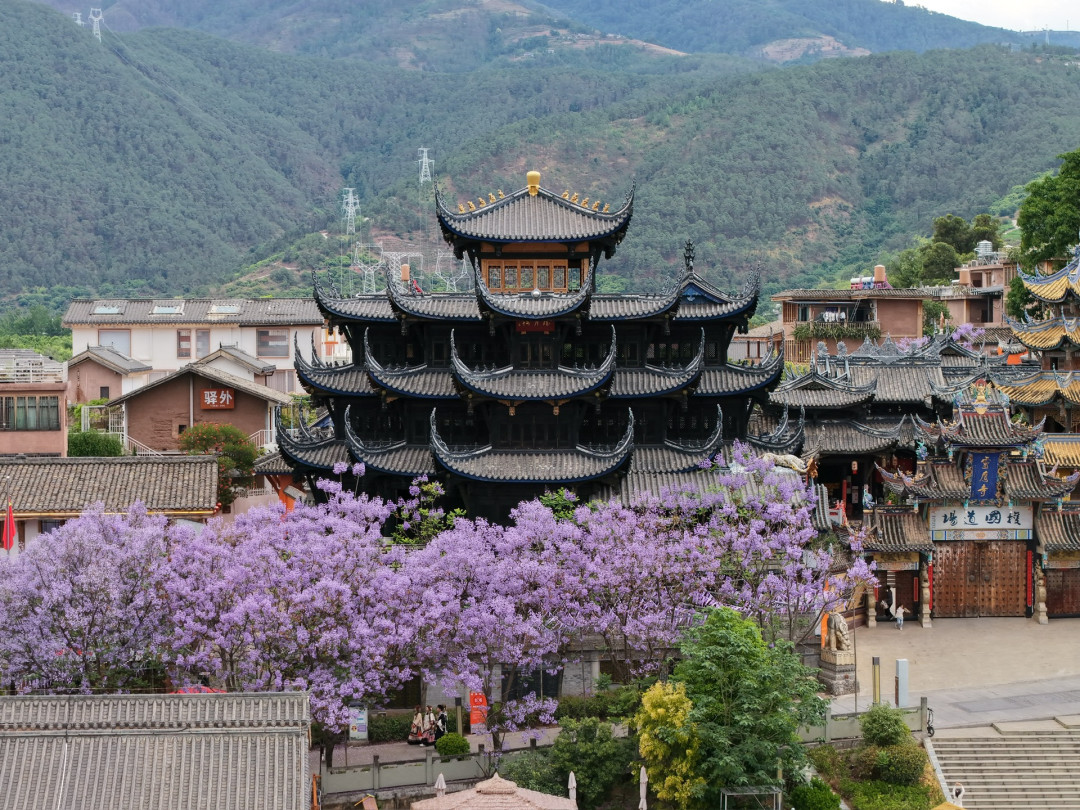
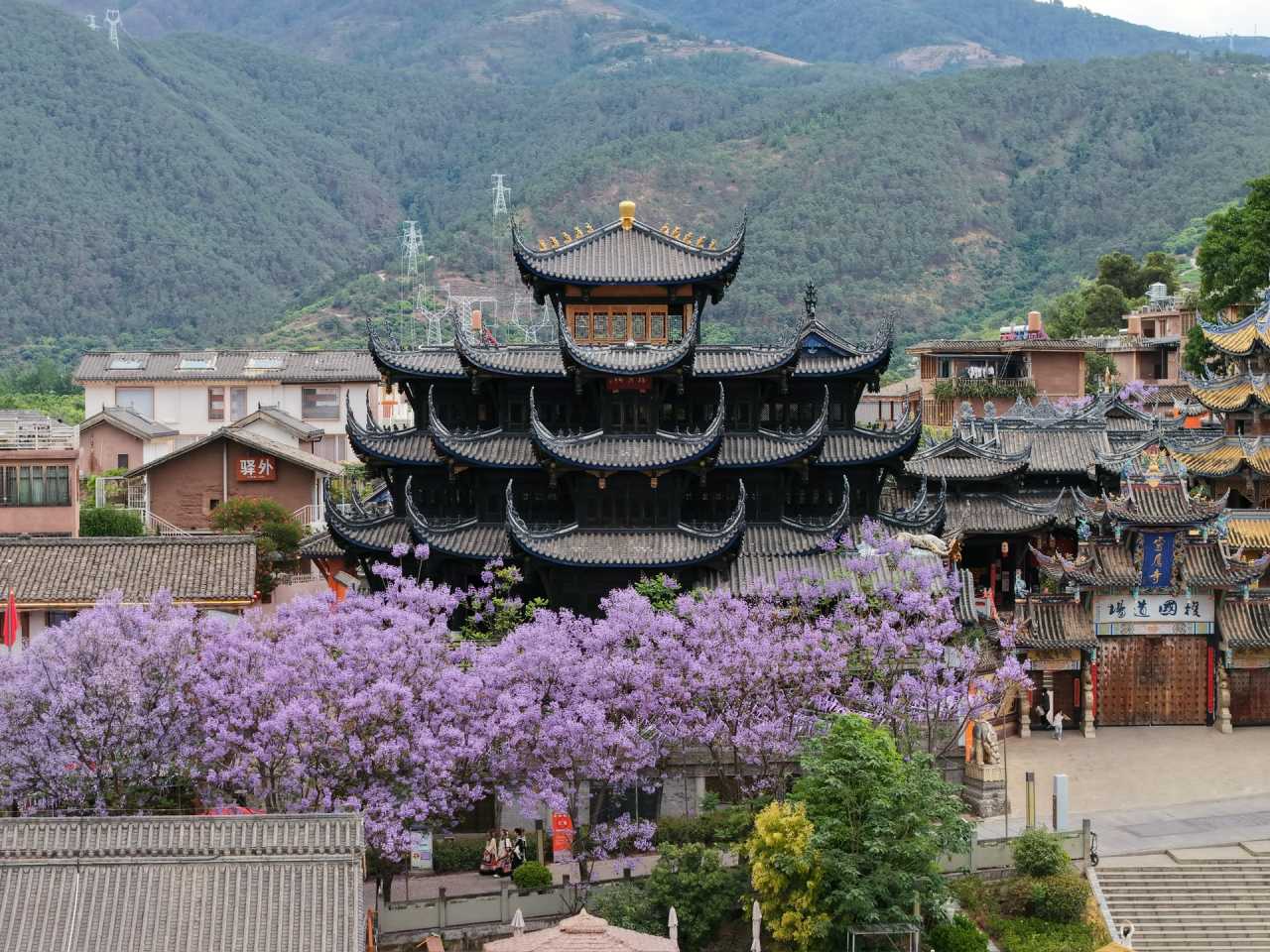
Jacaranda (★★★★★) – Xichang is China's undisputed "Jacaranda Capital." Aerospace North Road remains the classic photo spot, but new locations like Tang Garden, Tingtao Town, and Dashi Ancient Village's Lingying Temple are becoming favorites among photographers. The trees grow older and more magnificent each year.
Alpine Rhododendron (★★★★★) – Blooming amid glacial lakes and primeval forests on Mount Luoji and Mount Longzhou, these flowers offer a cool, aloof beauty that contrasts perfectly with the region's warmer blooms.
Flame Tree (★★★★) – Panzhihua's city flower, locally called "honghuaying" (red jacaranda), reaches peak bloom in May, igniting the entire city in shades of orange-red.
Bougainvillea (★★★) – Blooming year-round but most abundant around May, the Hemenkou Park in Panzhihua offers the best viewing.
2. The Ultimate Contrast: Hot Springs and Glaciers
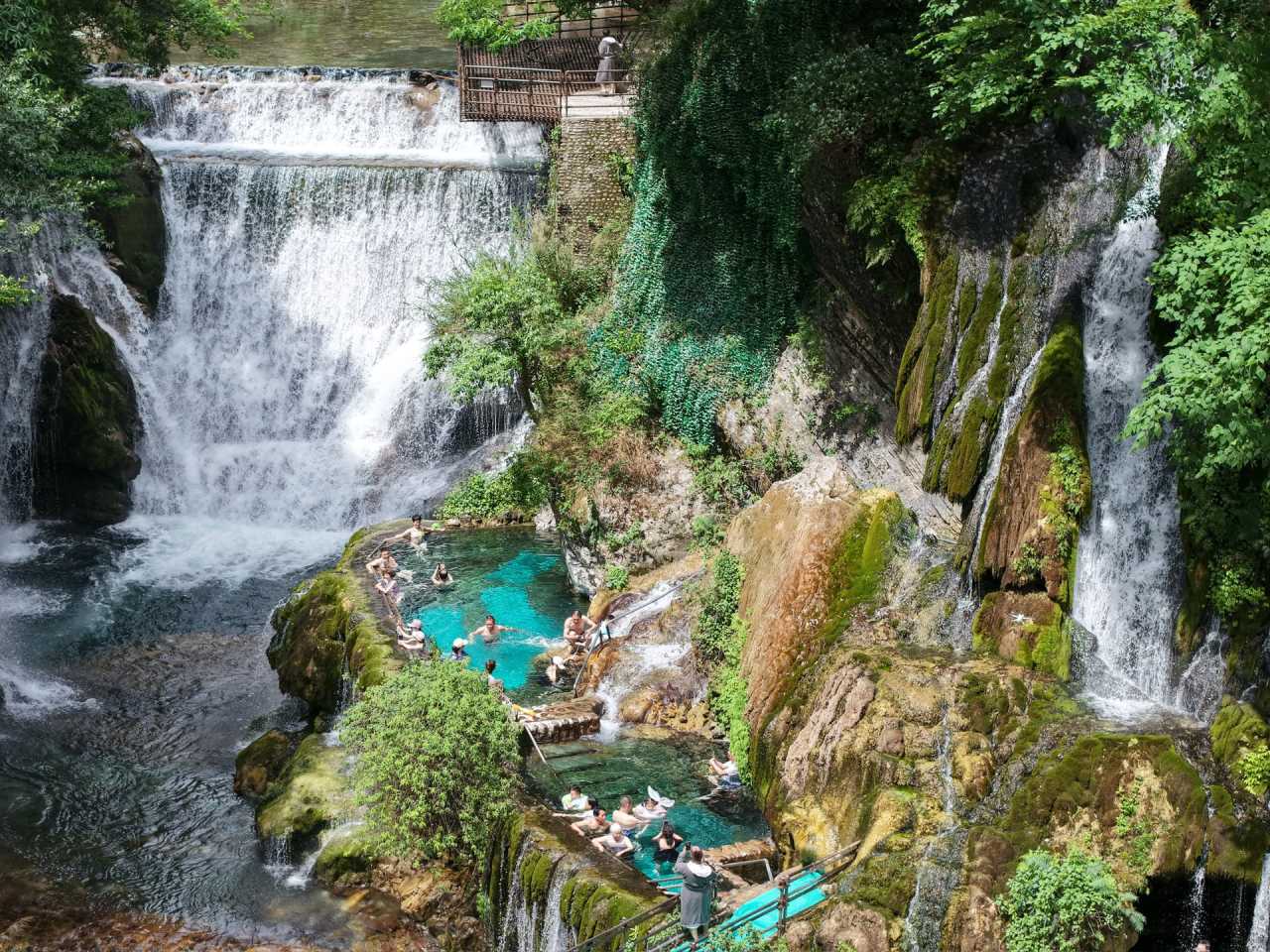
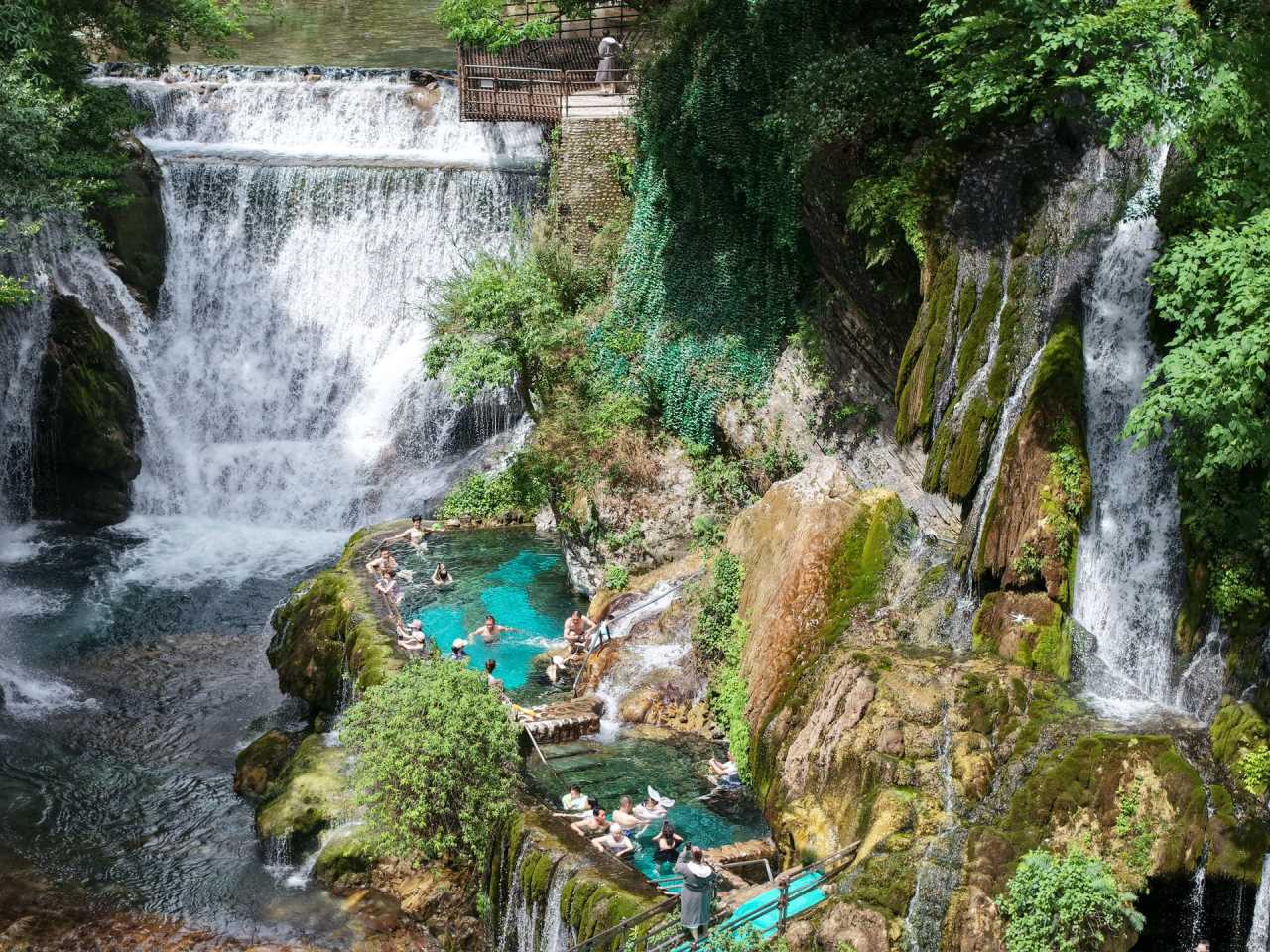
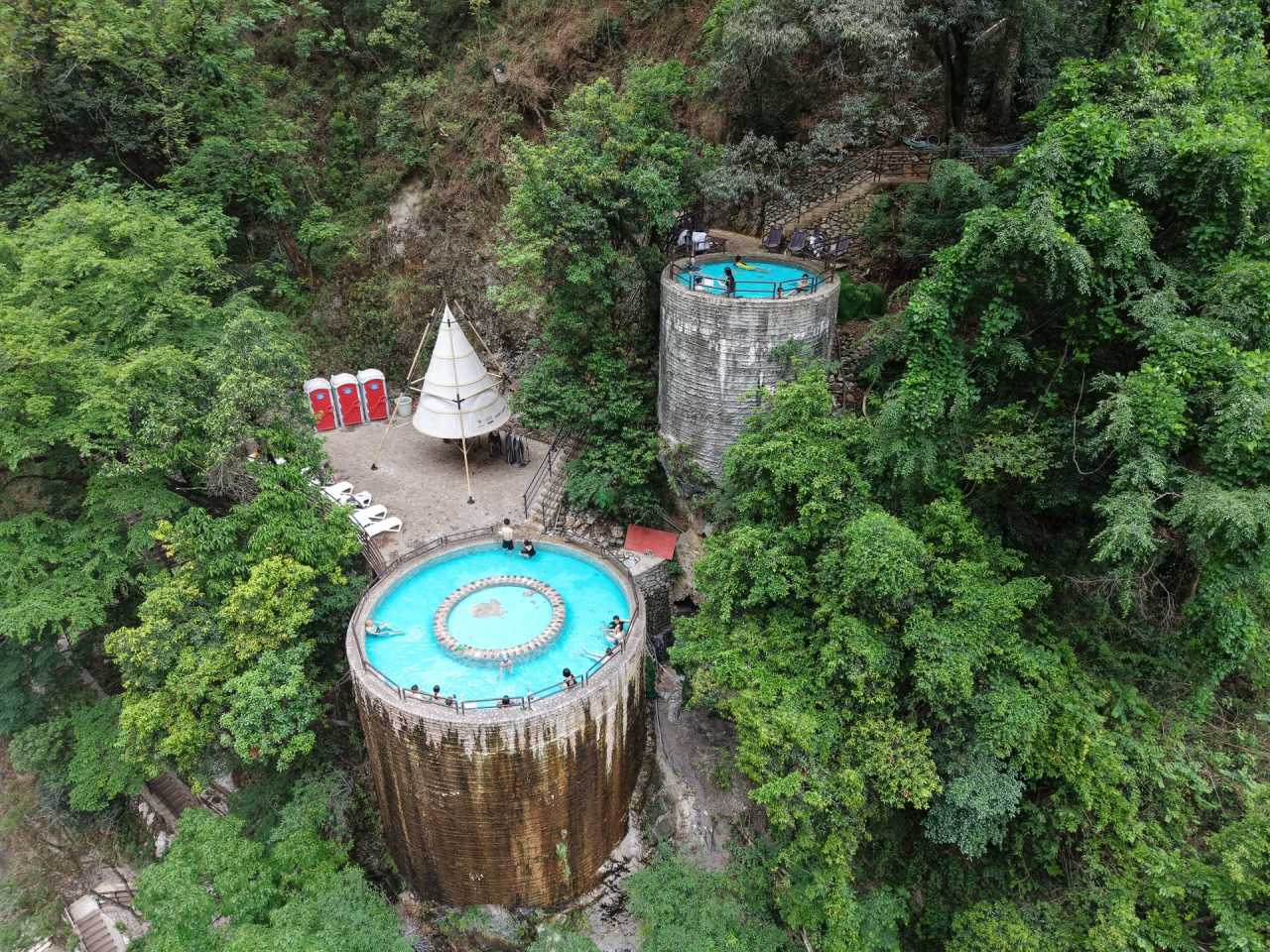
Mount Luoji is the biggest surprise of this trip. Here you'll find the world's largest hot spring waterfall—Luoji Ninety-Nine Hot Spring Waterfall. The fusion of natural waterfalls and hot springs turns bathing into a feast for both the eyes and the body. Mount Luoji itself features glacial lakes, primeval forests, and Asia's most dramatic cable car ride. From the summit, the majesty of the Hengduan Mountains unfolds beneath you, making you feel as if you've landed on another planet.
[Link: Best hot spring destinations in Sichuan]
3. A Succulent Kingdom and Artistic Landscapes
Zhang Yi Garden Branch 6 is Panzhihua's newest viral hotspot. Spanning 160,000 square meters with an investment of 66 million yuan, the garden is filled with succulents of every shape and size, paired with artistic installations that feel like stepping into a fairy tale. You can enjoy hotpot here for under 100 yuan per person—incredible value for a premium experience.
4. Fewer People! Fewer People! Fewer People!
This is the most important reason to choose Southern Sichuan for your reverse spring break. During May Day, tourist density in Xichang and Panzhihua is far lower than in popular destinations. You can take photos under jacaranda trees at your leisure, soak in a natural hot spring waterfall all to yourself, and stroll through ancient streets without jostling—this is what a holiday should feel like.
[Link: How to avoid crowds during Chinese holidays]
Six-Day Reverse Spring Break Itinerary: From Blue-Purple to Orange-Red
Day 1: Xichang – First Encounter with Jacaranda
Highlights: Aerospace North Road Jacaranda, Jianchang Ancient City, Dashi Ancient Village
Fly directly from Hangzhou or Ningbo to Xichang, and in three hours you'll arrive in this city of sunshine. As the plane descends, you'll be amazed by the sea of greenhouses below—testament to the meticulous farming wisdom of Southern Sichuan's people.
Xichang's airport is small, but step outside the terminal and you're greeted by clear blue skies and jacaranda trees everywhere. Pick up your rental car and head straight to Aerospace North Road, the most concentrated area for jacaranda in Xichang. Although the blooms came slightly early this year and some petals have fallen, the trees still display a breathtaking canopy of blue-purple. Street vendors sell jacaranda-shaped ice cream and yogurt—perfect photo props—and seasonal blueberries at 10 yuan per catty are so cheap you'll wonder if you're dreaming.
Where to eat: For lunch, try Weifeifan Lamb Rice Noodle Shop. Xichang rice noodles have a rich broth, and fresh mint leaves are the essential finishing touch. In the afternoon, visit Jianchang Ancient City. Though newly built, the banyan trees on the city walls and the jacaranda-lined streets in front of the ancient gates give it a sense of history. By evening, arrive at Dashi Ancient Village. The jacaranda tree in front of Lingying Temple, set against the temple architecture, creates a dreamy, almost Miyazaki-like atmosphere. For dinner, head to Laowang Fresh Fish House for Qionghai lake fish. The "one fish, three ways" preparation costs just 230 yuan for five people.
Where to stay: The "White Villa" B&B near Qionghai Lake. At 300 yuan per night during May Day, it's not exceptional value, but the quiet location is a plus.
Day 2: Mount Luoji – A Duet of Hot Springs and Glaciers
Highlights: Jinlin Beach, Luoji Ninety-Nine Hot Spring Waterfall, Mount Luoji
Start early from your B&B and head to Jinlin Beach for a quick photo stop. The beach is small, but the morning tranquility and the view of Dashi Ancient Village in the distance make it worthwhile. Then drive an hour to Luoji Ninety-Nine Hot Spring Waterfall—the highlight of the entire trip.
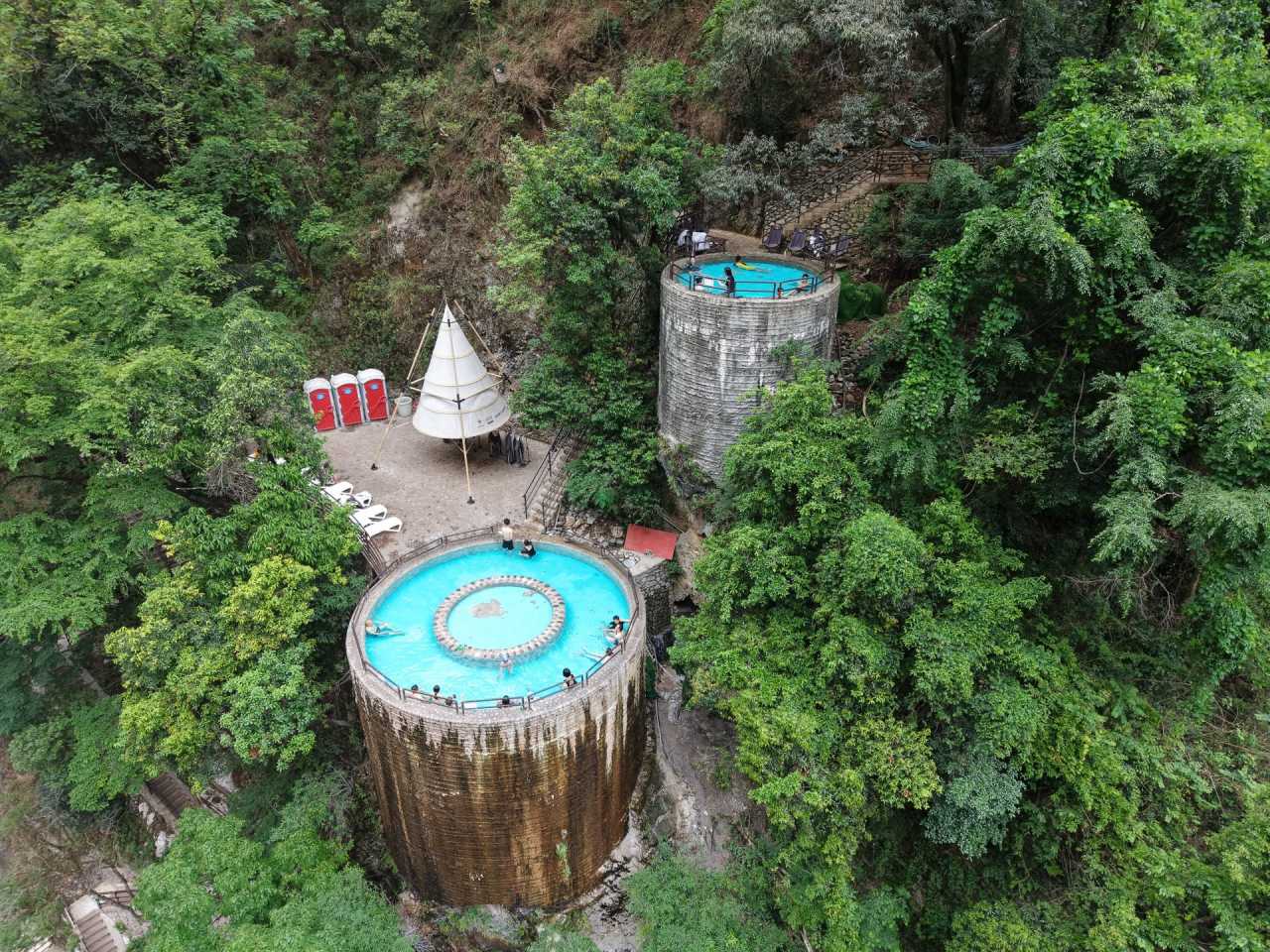
Pro tip: The scenic area has two shuttle bus transfers, and wait times can be long, so plan accordingly. Once inside, you'll be stunned by what you see: waterfalls cascading down cliffs, hot spring pools built into the mountainside—cave pools, cliff-side pools, waterfall pools... each one unique. Soaking in a natural hot spring while looking up at a thundering waterfall is an experience like no other. Warning: Watch out for the monkeys—the ones on Mount Luoji are the most aggressive in Southern Sichuan. Trust me on this.
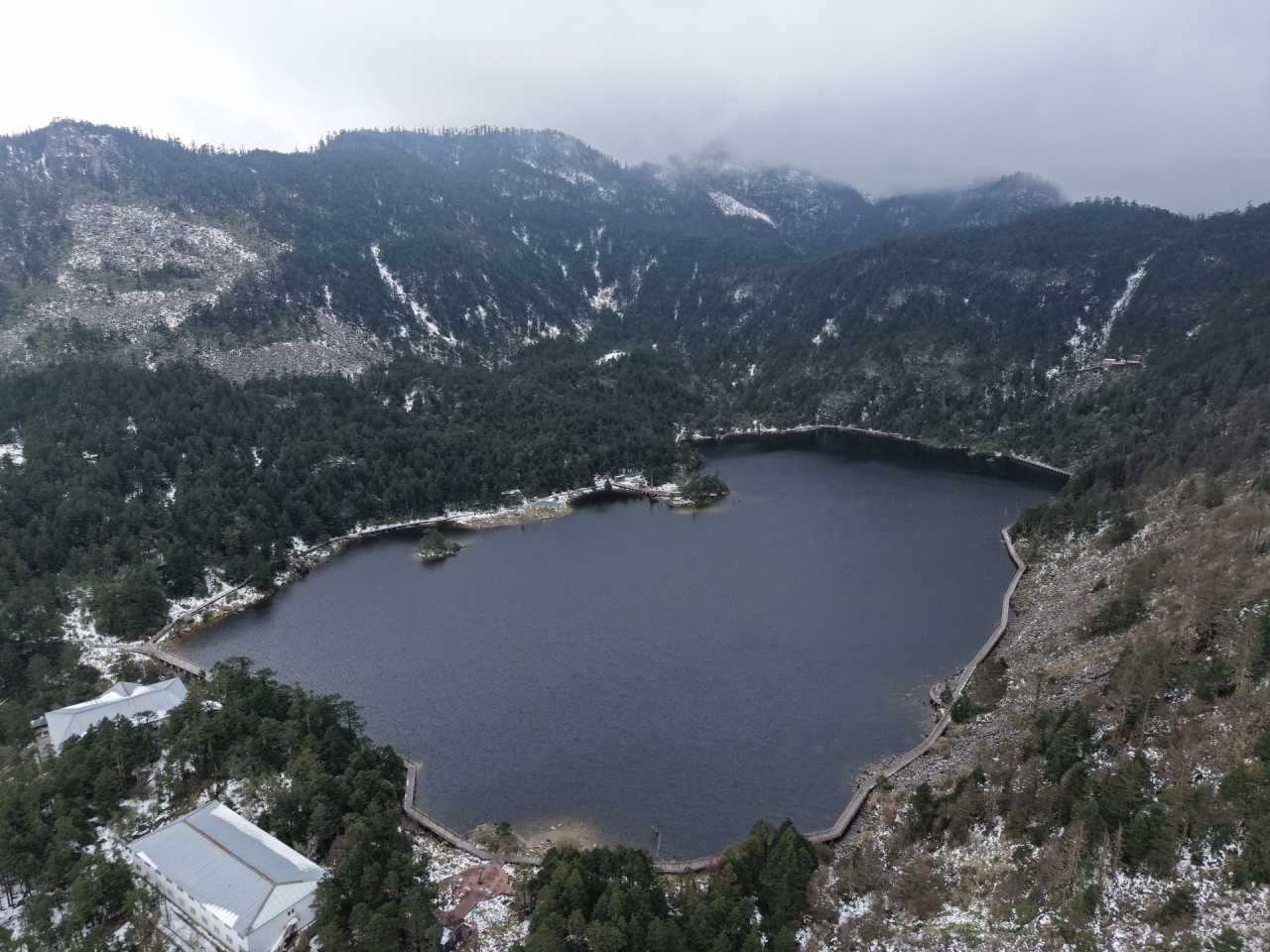
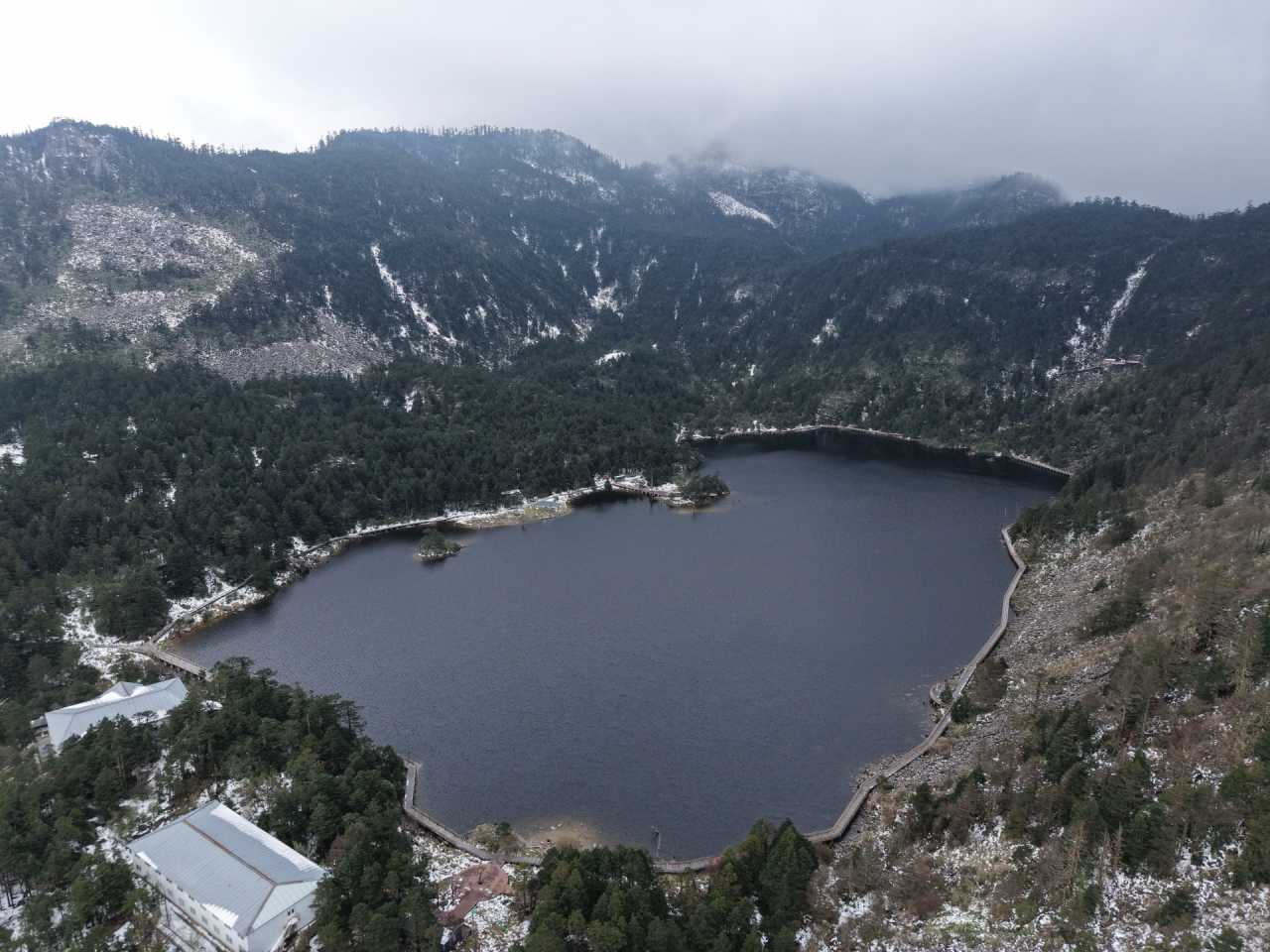
Where to eat: Have dofu rice (tofu and rice) in Luoji Town—150 yuan for five people. In the afternoon, head to Mount Luoji. The park stops admitting visitors at 3:30 PM, so time is tight. Take Asia's most dramatic cable car to the summit, where clouds swirl around the peaks and glacial lakes appear and disappear in the mist. At 3,600 meters above sea level, bring a jacket—though the park provides free cotton coats. The alpine rhododendrons were thinned out by recent snowfall, but the stark beauty of Black Dragon Pool more than makes up for it.
Where to stay: Puge Hot Spring Hotel. A standard room during May Day costs under 300 yuan, includes free natural hot springs, and has a great breakfast—outstanding value.
[Link: Mount Luoji travel tips and cable car guide]
Day 3: Mount Longzhou – The Edge of the World and a Succulent Kingdom
Highlights: Huili Ancient City, Mount Longzhou Grand Cliff, Zhang Yi Garden
Drive three hours from Puge to Huili Ancient City. You must try Liaoji Laodian Jihuo Rice Noodles (a famous local specialty). Blueberries are 25 yuan for a large box, and small cherries are also in season. In the afternoon, head to Mount Longzhou. Although the alpine rhododendrons had already faded due to snow, we unexpectedly encountered spectacular sea clouds. Standing at the edge of the Mount Longzhou Grand Cliff, with a bottomless abyss below and rolling clouds before you, you feel as if you've reached the end of the world.
By evening, arrive at Hongge Town in Panzhihua and head straight to Zhang Yi Garden Branch 6. This succulent kingdom spans 160,000 square meters, with every corner planted with succulents of all varieties, paired with artistic installations. Every shot is Instagram-worthy. For hotpot, order the sour soup base—it's authentic and delicious. However, the performance area's photographers tend to block the view, slightly diminishing the experience.
Where to stay: Hongge Hot Spring Resort Hotel. The price increase during May Day is modest, making it a solid recommendation.
[Link: Panzhihua off-the-beaten-path attractions]
Day 4: Panzhihua – The Fierce Flame Tree City
Highlights: Flame tree viewing spots, Hemenkou Park bougainvillea, local markets
Today, immerse yourself in Panzhihua's fiery spirit. The city's flame trees are at their peak, painting streets and parks in vibrant orange-red. Start at Bingcaogang for the best urban flame tree views, then head to Hemenkou Park for bougainvillea in full bloom.
Where to eat: Try local specialties like Panzhihua-style hotpot and yongping huoguo (a local spicy stew). Don't miss the fresh tropical fruits—mangoes, dragon fruit, and papayas are abundant and cheap.
Where to stay: Continue at Hongge Hot Spring Resort Hotel or move to a city-center option for easier exploration.
Day 5: Return to Xichang – Last Glimpses of Blue-Purple
Highlights: Qionghai Lake, Lushan Mountain, farewell jacaranda photos
Drive back to Xichang (about 3 hours). Spend your last full day exploring Qionghai Lake by bike or on foot. Visit Lushan Mountain for panoramic views of the lake and city. In the evening, take one last stroll under the jacaranda trees—the blue-purple canopy will be even more magical in the golden hour light.
Day 6: Departure
Enjoy a final local breakfast of rice noodles before heading to Xichang Qingshan Airport for your flight home.
FAQ: Southern Sichuan Reverse Spring Break
1. When is the best time to see jacaranda in Xichang?
The jacaranda bloom typically peaks in mid-to-late April, but some trees still show color through the first week of May. For the May Day holiday, you'll likely see a mix of full blooms and falling petals—still spectacular. If you want guaranteed peak blooms, aim for the last week of April.
2. Is it safe to drive between Xichang and Panzhihua?
Yes, the roads are generally well-maintained. The drive takes about 3-4 hours depending on your route. However, be cautious on mountain roads, especially in rainy conditions. Renting a car is the most convenient way to explore this region, as public transportation between attractions can be limited.
3. What should I pack for this trip?
Pack layers: daytime temperatures can reach 25-30°C (77-86°F), but evenings and high-altitude areas like Mount Luoji can drop to 5-10°C (41-50°F). Bring a light jacket, comfortable walking shoes, sunscreen, a hat, and a reusable water bottle. Don't forget your camera for the jacaranda and flame tree photo opportunities!
4. How expensive is this trip compared to popular destinations?
Surprisingly affordable. Accommodation during May Day averages 200-400 yuan per night for quality options. Meals cost 30-50 yuan per person. Entry fees for scenic spots range from 50-150 yuan. Overall, you can expect to spend 30-40% less than in popular destinations like Chengdu or Lijiang during the same period.
5. Are there English-speaking services available?
English is not widely spoken in smaller towns. However, major hotels and some attractions in Xichang and Panzhihua have basic English signage. Download a translation app and have your hotel write key destinations in Chinese characters for taxi drivers.
[Link: Essential travel apps for China]
Your Reverse Spring Break Awaits
Southern Sichuan offers something increasingly rare during China's peak travel season: peace, beauty, and authenticity. From the dreamy blue-purple jacaranda streets of Xichang to the fiery orange-red flame trees of Panzhihua, from the world's largest hot spring waterfall to the edge-of-the-world cliffs of Mount Longzhou—this is a journey that rewards those who dare to go against the crowd.
Ready to plan your escape? Book your flights to Xichang now, reserve your rental car, and prepare for a May Day holiday you'll never forget. The blue-purple and orange-red are waiting.
Have you experienced Southern Sichuan's reverse spring break? Share your tips and photos in the comments below!
[Link: Book your Xichang flight] [Link: Find hotels in Panzhihua] [Link: Rent a car for your Sichuan road trip]
You may also like


