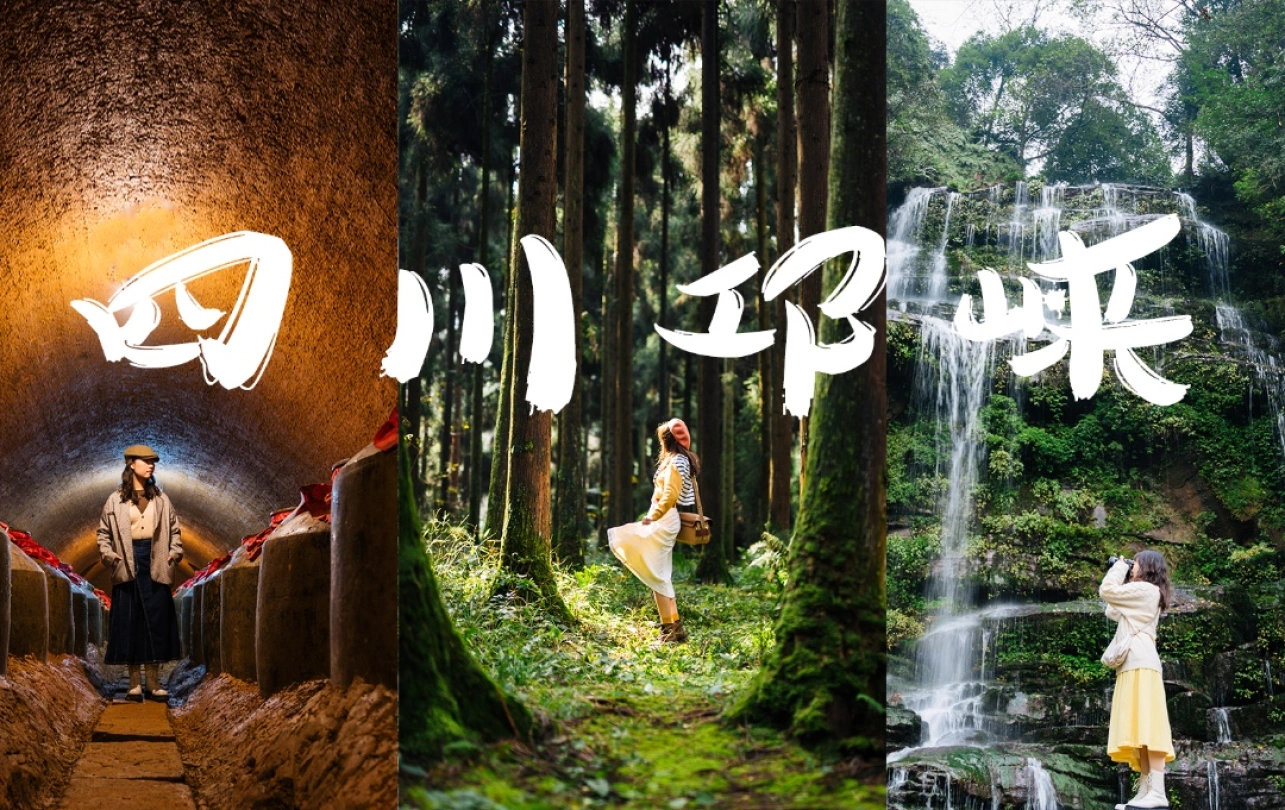
Escape the City Plan: Two Days and One Night, Encountering Mountains, Wine, Ancient Towns, and the Warmth of Life in Qionglai
Here is the SEO-optimized rewrite of your article. It has been restructured for search engine visibility while preserving the poetic and descriptive quality of the original source.
SEO Title: Qionglai Weekend Getaway: 2 Days, 1 Night of Mountains, Wine, and Ancient Towns
Meta Description: Escape Chengdu for a weekend in Qionglai. Discover the Tiantai Mountain "natural oxygen bar," taste local wines, and explore Pingle Ancient Town. Your perfect 2-day itinerary awaits.
Escape the City Plan: Two Days and One Night in Qionglai – Mountains, Wine, and Ancient Towns
At twenty-five, I picked up a camera and began measuring the world through my lens. From that moment on, I've always believed that the best scenery isn't found in distant lands, but hidden in every weekend where we're willing to pause.
Sixty-five kilometers west of Chengdu lies an ancient city gently caressed by time—Qionglai. Here, there's no clamor of big cities, but there's a pleasant climate with mild winters and cool summers. There's no restlessness of over-commercialization, but there are picturesque mountains and rivers, bustling taverns, and the vibrant pulse of everyday life.
Last weekend, taking advantage of the fine weather, I took my newly-graduated sister for a driving practice and embarked on a spontaneous short trip. One of us was revisiting old haunts, the other experiencing it all for the first time. In just two days, we gathered memories worth cherishing for a long time.
Now, follow our lens as we step into Qionglai through a photographer's eyes.
Itinerary at a Glance: The Perfect Rhythm for Two Days and One Night
Day 1: Chengdu → Tiantai Mountain → Daliang Winery → Tiehua Lane Day 2: Daliang Winery → Pingle Ancient Town → Chengdu

I. Forest Breathing at Tiantai Mountain: A Four-Season Canvas in a Natural Oxygen Bar
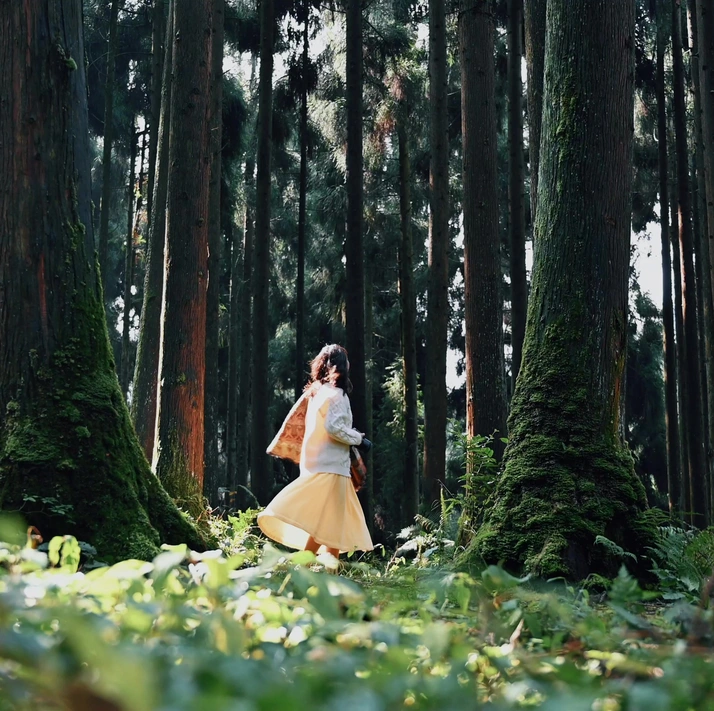
A Return to Childhood's Mountain Water Paradise
In early winter, Chengdu's smog arrives right on schedule. Fortunately, at the southwestern edge of Qionglai, there's a "natural oxygen bar" covering two hundred square kilometers—Tiantai Mountain. This place is one of the brightest chapters in my childhood memories: on summer evenings, fireflies danced from the woods and grass, their twinkling lights like scattered stars, perfectly capping off the summer break.
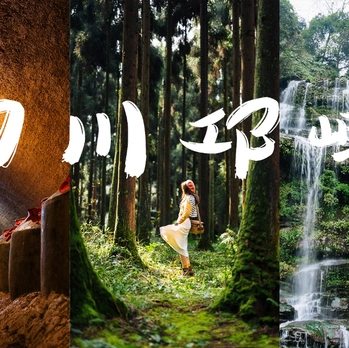
And in early winter, Tiantai Mountain still wins its place in the cycle of seasons with its unique vitality.
"Lush green mountains stand, clear waters gently flow; Tiantai is a sacred abode of immortals, cut off from the dust of the world."
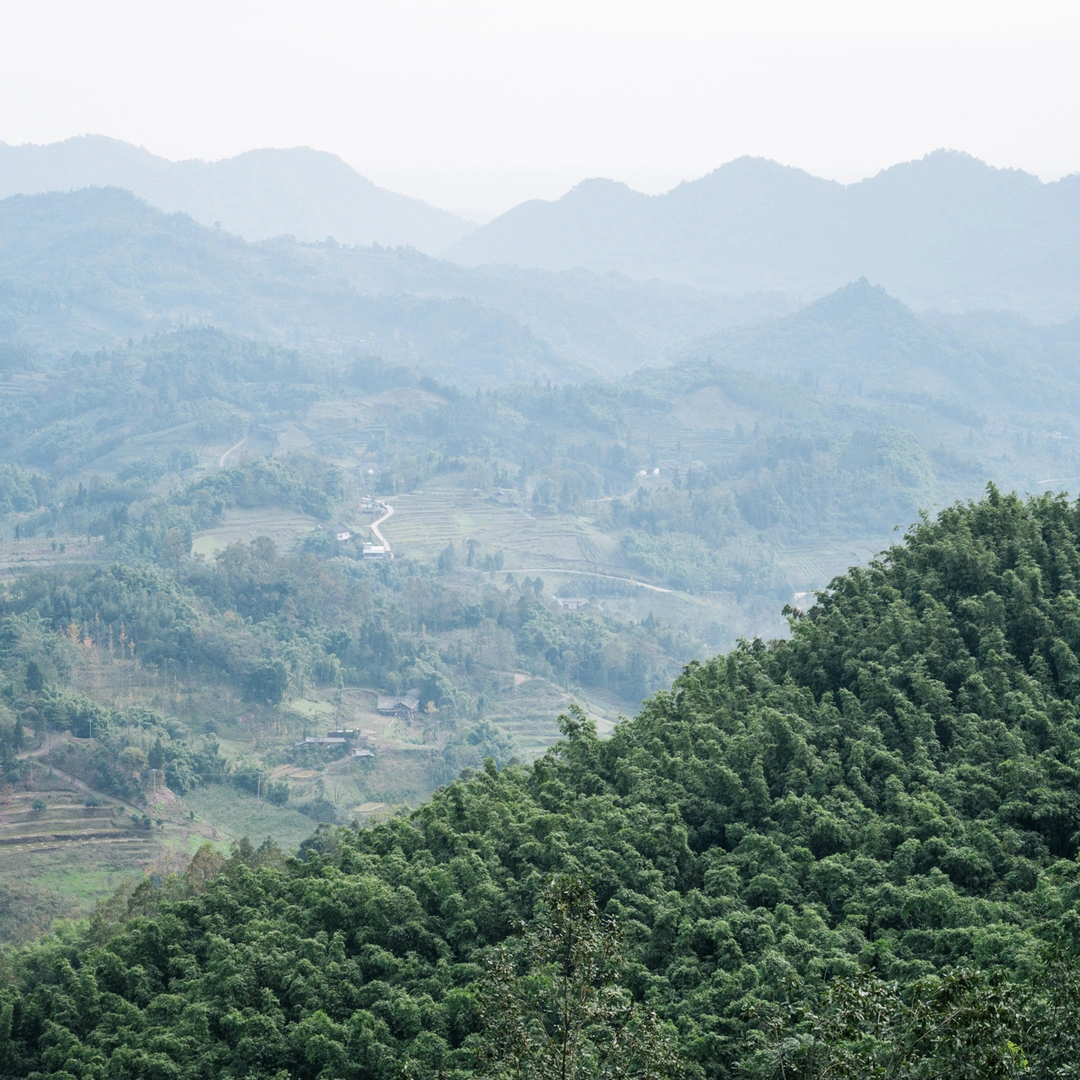
As our car entered the mountain gate, a thin mist wrapped around the distant peaks, and the wind grew cool but not biting. Rolling down the windows, we greedily breathed in the fresh air tinged with soil and dew, and a sense of joy from within instantly filled our whole being.
Leiyin Temple and the Cedar Forest: A Magical World of Light and Shadow
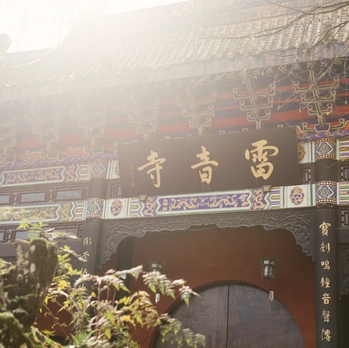
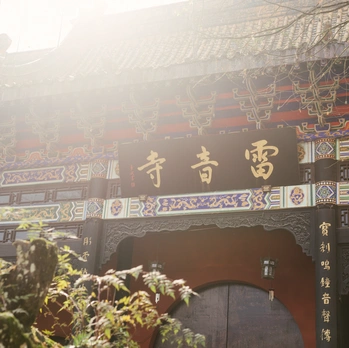
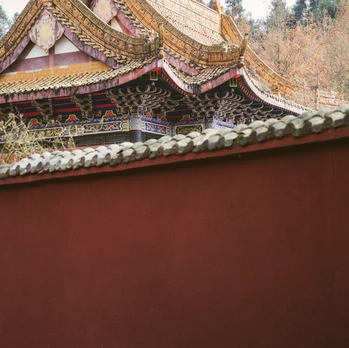
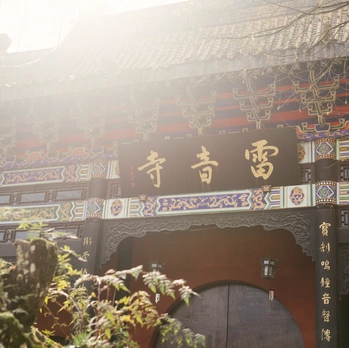
Winding up the serpentine mountain road, during the off-season, self-driving cars can go all the way to Leiyin Temple. According to records, during the heyday of Tiantai Mountain's Buddhist culture, there were once 108 temples, with Leiyin Temple being the largest and highest-ranking among them. Due to the pandemic, the temple was temporarily closed, but the red walls outside, bathed in sunlight, still offered plenty to see.
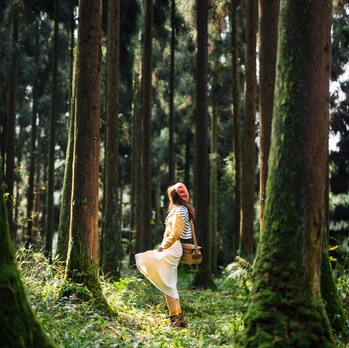
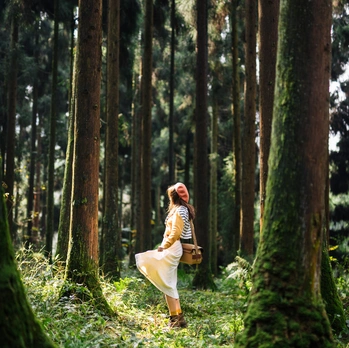
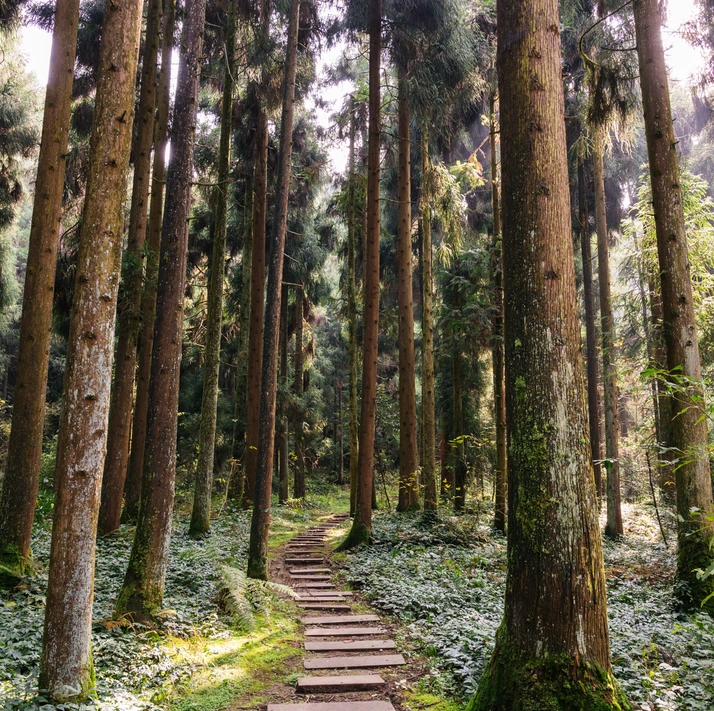
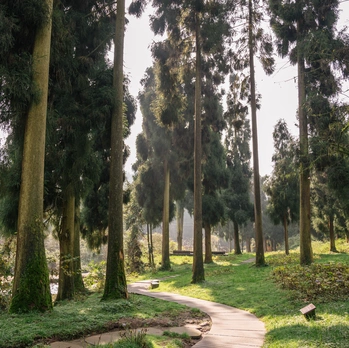
Behind the temple, there is a straight grove of cedar trees. The warm sun filtered through the thousand-year-old yew trees, casting dappled shadows. These cedars, most over a century old, stood straight and tall, reaching into the clouds, offering an endless green sea of trees as far as the eye could see. Whether walking through the forest floor covered in lichen or observing up close from the elevated walkways, the place seemed to exude a spiritual aura everywhere.
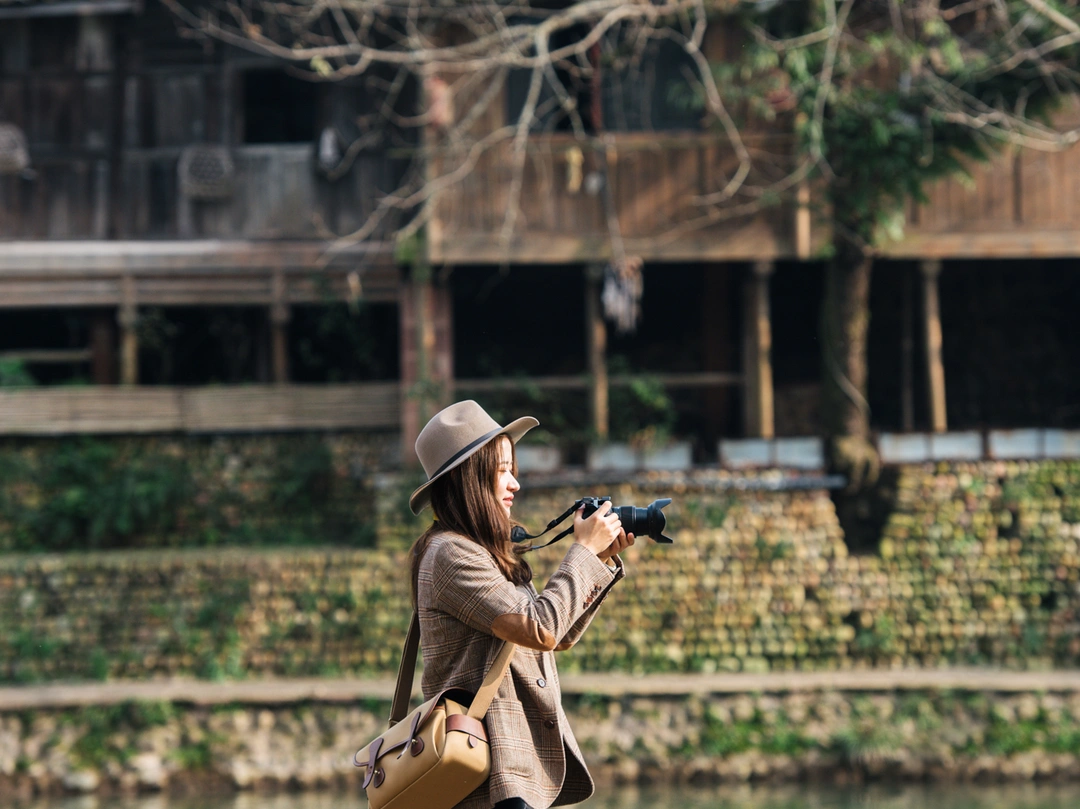
The wind rustled through the cedar forest with a low moan, birds sang in the branches, and sunlight flickered in and out—as if we had stumbled into a magical world, falling in love at first sight. This was also a paradise for shutterbugs; whether shooting with or against the light, as long as there were shadows, the photos turned out spectacularly.
[Link: Best photography spots in Chengdu]
Shibali Xiangcao Gully: The Winter Charm of the West's Premier Water Play Spot
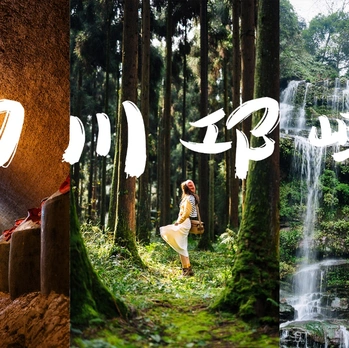
Emerging from the forest, the view opened up. Following a broad river valley upstream, the first artificial waterfall came into view. Tiantai Mountain has many waterfalls because it features a rare box-shaped syncline mountain terrain. The entire mountain slopes from southwest to northeast in a U-shape, forming three terraced levels, each with its own unique character.
Butterfly Beach, a tranquil, mirror-like artificial lake, is the entrance to Xiangcao Gully. Standing by the lake and looking across, the dragon-coiled gate on the opposite bank had a certain charm. To enter Xiangcao Gully, one must take a wooden raft to cross the Dragon Gate—as the oars stirred ripples on the still water, we felt as if we had entered another world, the whole process imbued with a sense of ritual.
Once through the Dragon Gate, the sudden appearance of recreational facilities caught us off guard but delighted us. The gully has many gentle shoals, with clear streams flowing over wide, flat red sandstone riverbeds. Various suspension bridges, water rope bridges, and other attractions were all built to fit the natural terrain. If visiting in summer, splashing in the streams and playing amidst the wild mountains would surely feel even more magical, releasing one's inner child.
The Three Charms of Beautiful Water: Waterfalls, Camellias, and Unexpected Surprises
Returning to Butterfly Beach, we followed the path deep into the dense forest. In my childhood memories, Tiantai Mountain was vast, with layers of waterfalls and water features that dazzled the eyes. Returning after more than a decade, familiar scenes occasionally popped up amidst the unfamiliar, filling me with a warm nostalgia. My sister's experience was completely different—every turn revealing a new landscape excited her endlessly.
The stream at Moon Cave Flying Water cut through the deep mountain silence. Though the winter water flow was modest, it had a lingering charm of a long, gentle stream. At Panlong Waterfall, lush green moss covered the bluish cliffs, and mist swirled in the valley. Standing on the rugged rocks, I instantly felt a wonderful sense of exploring the ancient and remote, achieving harmony between heaven and man.
On the way back, we discovered scattered camellia flowers dotting the riverbanks. Green leaves danced with white blossoms, bringing boundless vitality to the early winter wilderness. A forest ranger told us that the camellia season here lasts from November all the way to April of the following year, with a long blooming period and numerous flowering trees. Once the flowers on the branches finished blooming, they fell onto the lake surface, shimmering in the ripples, while a faint floral fragrance lingered throughout the valley. Standing in Tiantai Mountain, we forgot it was already the Minor Snow solar term—every corner here was still brimming with spring.
On clear days, the small animals usually hidden in secluded corners also boldly came out to welcome visitors from afar. A freshly-coiffed caterpillar made its appearance, yellow birds held a singing contest in the branches, and nimble squirrels moved with the grace of martial arts masters, disappearing before we could track them.
High Mountain Waterfalls: A Soul-Stirring Symphony of Water
Descending from the highest terrace, a few kilometers from the scenic area entrance, under a cliff face, lie Tiantai Mountain's most spectacular three waterfalls: Panlong Waterfall, Changhong Waterfall, and Xiangshuitan Waterfall.
Between the huge cliffs, steep stone steps made our legs tremble. Following the deafening roar, Panlong Waterfall appeared like a white dragon, plummeting from the cliff top onto the boulders at the bottom of the pool, splashing water everywhere, echoing through the empty valley. Approaching it, we were enveloped in mist; droplets brushed against our flushed cheeks, cool and refreshing—all fatigue vanished.
Continuing downward, we reached the even more majestic Changhong Waterfall. The moss-covered cliff face was like a green screen, and the cascading silver chain resembled a shimmering veil. Cool breezes blew, mist hung in the air—it was indescribably beautiful.
[Link: Best hiking trails near Chengdu]
II. Daliang Winery: A Toast to the Qionglai Wine Culture
After a morning of hiking, we drove to Daliang Winery, a cornerstone of Qionglai's famous wine culture. Located in the heart of the town, this winery is a perfect blend of old-world craftsmanship and modern hospitality. The courtyard, shaded by ancient vines, offers a tasting room where you can sample the region's signature Qionglai wines.
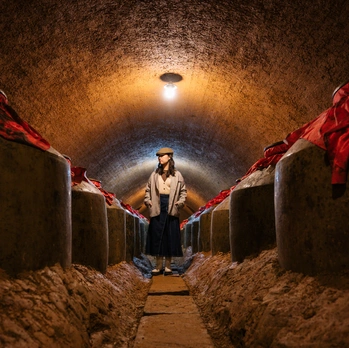
The winery specializes in a crisp, aromatic white wine made from local grapes. We sat on the terrace, sipping a chilled glass while watching the sun dip behind the distant mountains. The wine was smooth, with notes of stone fruit and a hint of wildflower honey—a perfect reward for our mountain trek.
For dinner, we walked to Tiehua Lane, a narrow alley lined with family-run eateries. We ordered a local specialty: Qionglai braised pork, slow-cooked with soy sauce and star anise, served with steamed buns. The flavors were deep, rich, and comforting—exactly what we needed after a day outdoors.
III. Pingle Ancient Town: A Step Back in Time
The next morning, we visited Pingle Ancient Town, a well-preserved settlement dating back to the Ming and Qing dynasties. Unlike the polished tourist towns near Chengdu, Pingle retains a raw, authentic charm. Cobblestone streets wind past wooden storefronts selling handmade tofu, bamboo crafts, and local tea.
We stopped at a small tea house by the river. The owner, an elderly woman, served us Qionglai green tea in chipped porcelain cups. The tea was light, slightly sweet, and carried a subtle floral aroma. Sitting there, watching the water flow under the ancient bridge, I felt a deep sense of peace.
[Link: Top ancient towns near Chengdu]
FAQ: Planning Your Qionglai Trip
1. What is the best time to visit Tiantai Mountain?
 Spring (March-May) and Autumn (September-November) are ideal. The weather is mild, and the foliage is stunning. Winter offers fewer crowds and the chance to see camellias in bloom.
2. How do I get to Qionglai from Chengdu?
 By car, it's a 1.5-hour drive via the Chengdu-Wenjiang-Qionglai Expressway. Public buses also depart from Chengdu's Chadianzi Bus Station every 30 minutes.
3. Is Tiantai Mountain suitable for families with children?
 Yes. The Xiangcao Gully area has gentle streams and easy walking paths. The wooden raft ride and suspension bridges are especially popular with kids.
4. What local foods should I try in Qionglai?
 Don't miss Qionglai braised pork, local white wine, and handmade tofu from Pingle Ancient Town. The camellia flower tea is also a unique souvenir.
5. Can I visit Qionglai on a day trip from Chengdu?
While possible, a two-day, one-night trip is recommended. It allows you to explore Tiantai Mountain thoroughly, enjoy the winery, and soak in the atmosphere of Pingle Ancient Town without rushing.
Conclusion: Your Weekend Escape Awaits
Qionglai is more than a destination; it's a reminder that the best weekends are often the simplest. Whether you're hiking through the misty forests of Tiantai Mountain, sipping wine at a local winery, or wandering the ancient streets of Pingle, every moment here feels like a gift.
Ready to escape the city? Pack your camera, grab a friend, and set your GPS for Qionglai. The mountains, the wine, and the warmth of life are waiting for you.
[Link: Book your Qionglai guided tour] [Link: Find hotels in Qionglai]
You may also like