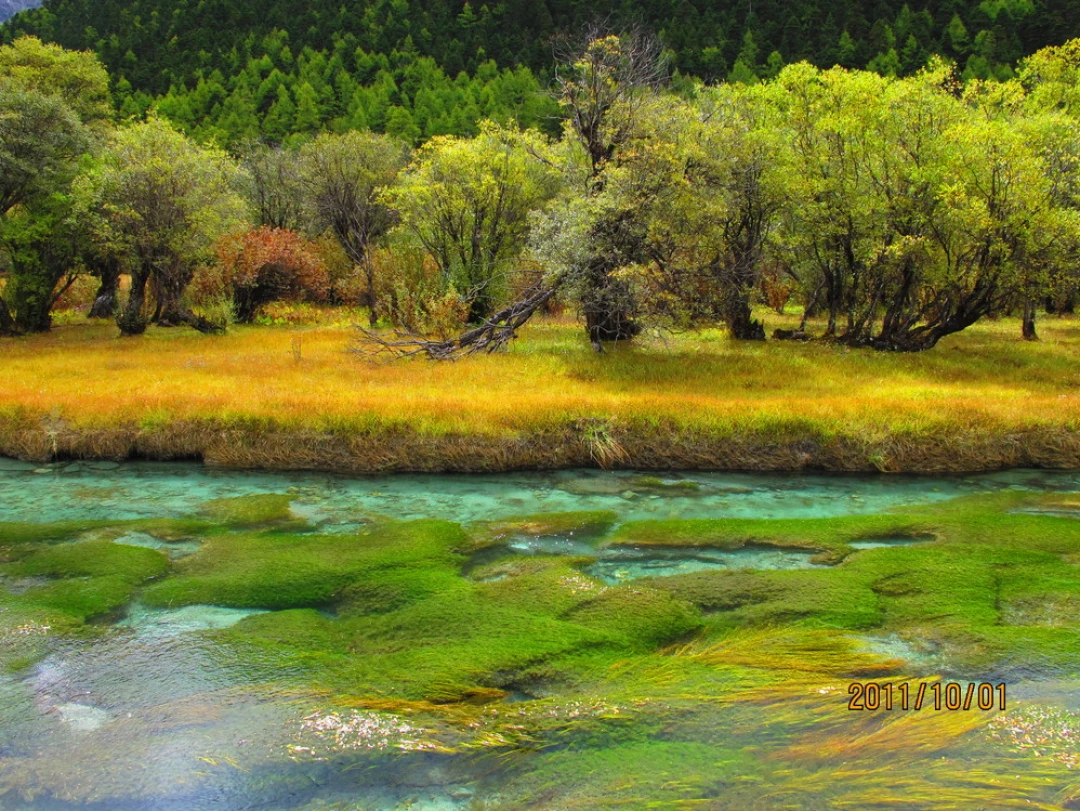
Encountering Snow-Capped Peaks in the Golden Autumn of Garzê: An Unforgettable Western Sichuan Road Trip
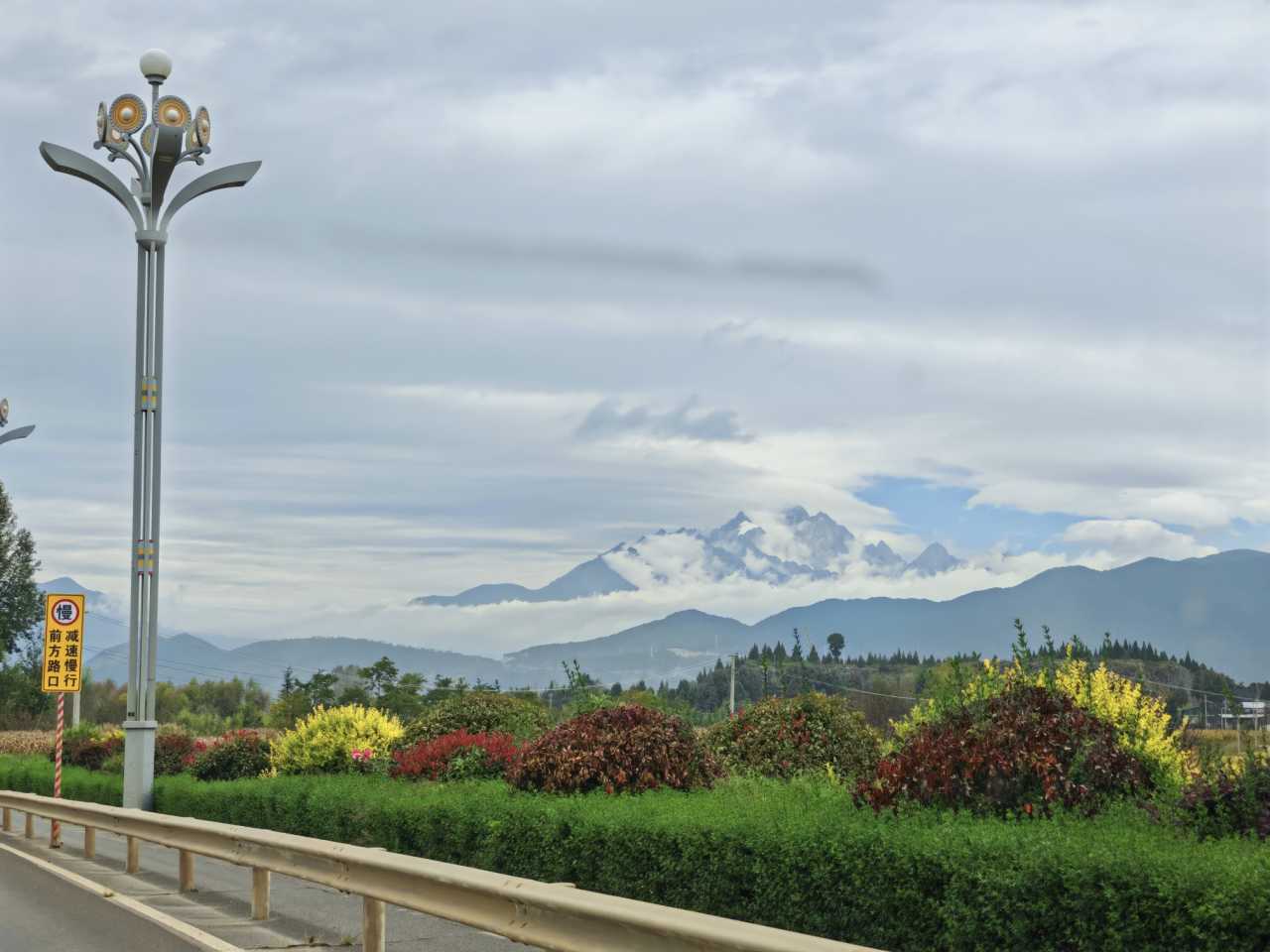
Meta Description: Discover the magic of Garzê in autumn—from Meili Snow Mountain's golden sunrise to Daocheng Yading's vibrant landscapes. Read our complete western Sichuan travel guide for insider tips, navigation advice, and must-see peaks.
Introduction: When a Spontaneous Journey Beats Standing Still
Sometimes, the best travel stories aren't the ones you meticulously plan—they're the ones that find you when you least expect them. My grand plan for the year had been to tackle the legendary "Bing Cha Cha" route, starting from Bingzhongluo in Yunnan and ending in Zayu, Tibet. But when the tour was canceled due to insufficient participants, I found myself pivoting to Garzê in western Sichuan. And honestly? It was the best travel decision I never made.
In this Garzê autumn travel guide, I'll share how we encountered snow-capped peaks at their most magnificent, navigated Western Sichuan road trip challenges, and discovered why this region deserves a top spot on every traveler's bucket list. Whether you're planning a Sichuan-Tibet border road trip or simply dreaming of golden autumn landscapes in China, this article has something for you.
Why Garzê Should Be Your Next Autumn Destination
Garzê Tibetan Autonomous Prefecture sits at the crossroads of Sichuan and Tibet, offering some of the most dramatic mountain scenery in the world. While many travelers flock to Jiuzhaigou or Huanglong, Garzê remains a hidden gem—especially during golden autumn in western Sichuan.
What makes autumn special here? Three things: 1. The colors – Alpine meadows transform into a painter's palette of gold, burnt orange, and deep crimson 2. The clarity – Autumn air is crisp and clear, offering the best visibility for mountain views 3. The crowds – Summer peak season has passed, meaning you'll have these sacred peaks almost to yourself
Our Daocheng Yading autumn itinerary became the centerpiece of this trip, but the journey itself held countless surprises.
Day One: From Shenzhen to Lijiang – A Navigation Disaster That Taught Us Everything
Morning Takeoff and Car Rental Tips for Western Sichuan
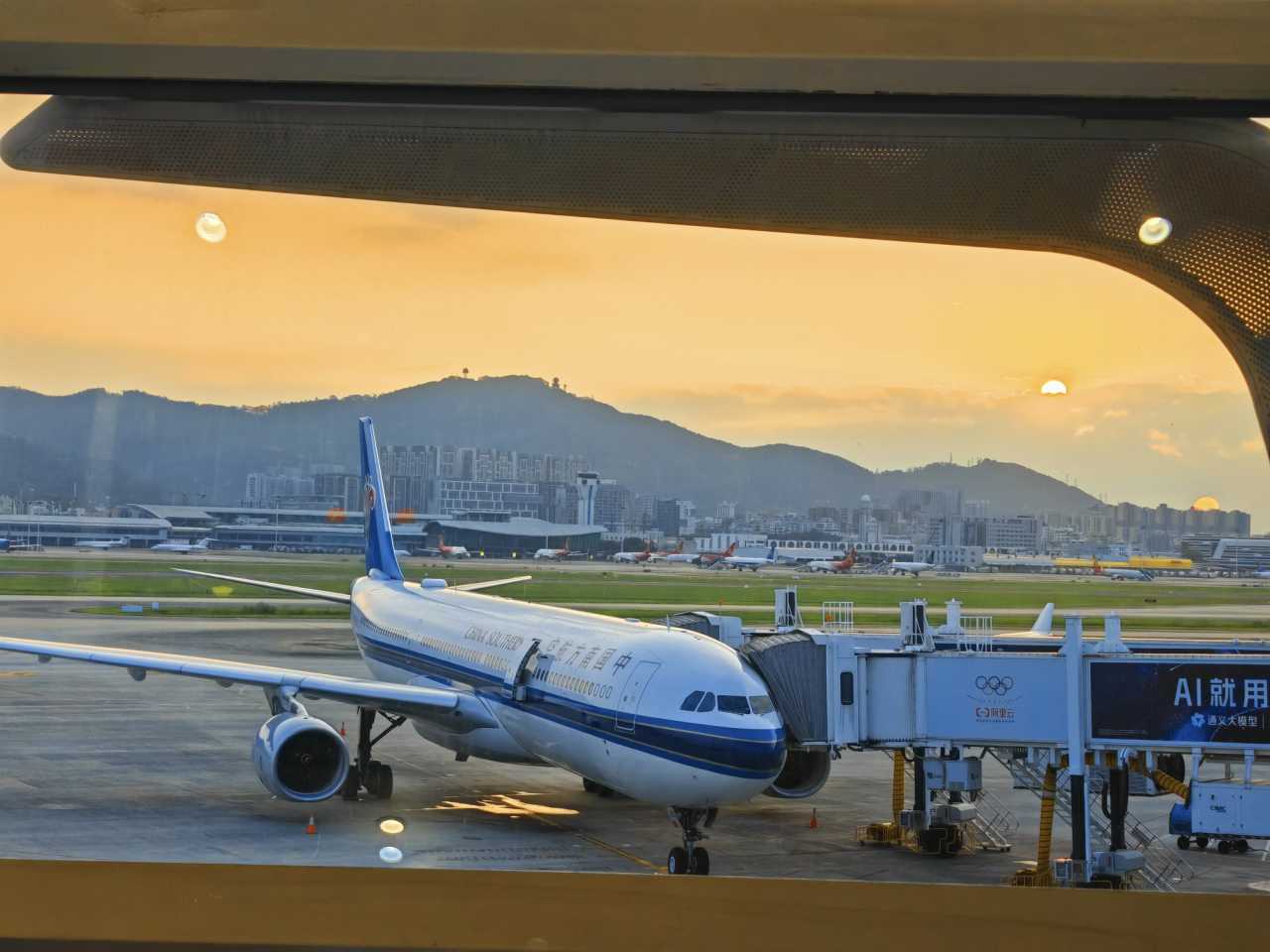
At 7:25 a.m., we departed from Shenzhen Bao'an Airport, landing at Lijiang Sanyi Airport just over three hours later. For anyone planning a Sichuan self-drive tour, here's my first piece of advice: Rent a reliable vehicle, but don't trust its navigation system.
We rented two cars for our group of eight—a Tank 300 and a Volkswagen Teramont, both nearly new. Having grown accustomed to electric cars with seamless infotainment, I confidently set our hotel destination using the Tank's built-in navigation. Big mistake.
The Navigation Trap That Nearly Derailed Our Day
Once we hit the highway, the car's GPS signal became erratic. The map arrow wobbled like it was drunk, and at a critical interchange, the navigation went completely silent. By the time we realized we'd missed the exit, we were already several hundred meters past it.
Lesson learned: For road trips in Sichuan, always use your phone's GPS as the primary navigation tool. The car's system might be fine for music, but when you're navigating mountain roads with limited signal, you need reliability.
The detour cost us nearly forty minutes, but it also gave us our first taste of the region's unpredictable beauty—a small village we never would have seen otherwise, with prayer flags fluttering in the wind.
Feilai Temple: A First Glimpse of Meili Snow Mountain
After the navigation fiasco, we finally arrived at Feilai Temple (Feilai Si) in the afternoon. This is the premier Meili Snow Mountain viewing spot and a sacred starting point for many hiking enthusiasts.
Feilai Temple itself is modest, but its location is extraordinary—directly facing Kawagebo, the main peak of Meili Snow Mountain. By late afternoon, the setting sun caught the summit, transforming the pristine white peak into flowing gold. The color wasn't something a photo could capture—it felt alive, like molten light cascading down the mountain.
Standing on the observation deck, buffeted by strong winds, none of us wanted to leave. All the frustration from the navigation mishap melted away. This was our first taste of the sacred mountains of Sichuan and Tibet, and it was unforgettable.
Day Two: Yala and Gongga – Greetings from the Kings of Snow
Morning Surprise: The Golden Mountain Sunrise at Meili
I woke before dawn on the second day, peeking through the curtains at a world still deep blue. But I knew that in half an hour, a visual feast would unfold.
Around 6:30 a.m., a faint orange-red glow appeared on the horizon. The silhouette of Meili Snow Mountain sharpened in the morning light. Then, as if someone had flipped a switch, the first ray of sunlight hit Kawagebo's tip. That spot of gold spread like ink bleeding into rice paper, and within minutes, the entire peak was bathed in dazzling gold.
This is the legendary golden mountain sunrise at Meili Snow Mountain—a phenomenon that locals say brings a year of good luck to those who witness it. Whether or not that's true, standing there, barely breathing, I felt like the luckiest person in the world.
Pro tip for photographers: Arrive at Feilai Temple's observation deck by 6:00 a.m. to secure a good spot. The golden light lasts only 10-15 minutes, so have your camera ready.
Yala Snow Mountain: The Goddess Hidden in Mist
Leaving Feilai Temple, we drove toward Yala Snow Mountain, located at the border between Dawu County and Kangding City in Garzê Prefecture. Standing at 5,820 meters, Yala is one of the four sacred mountains of the Tibetan region, often described as a beautiful goddess shrouded in clouds and mist.
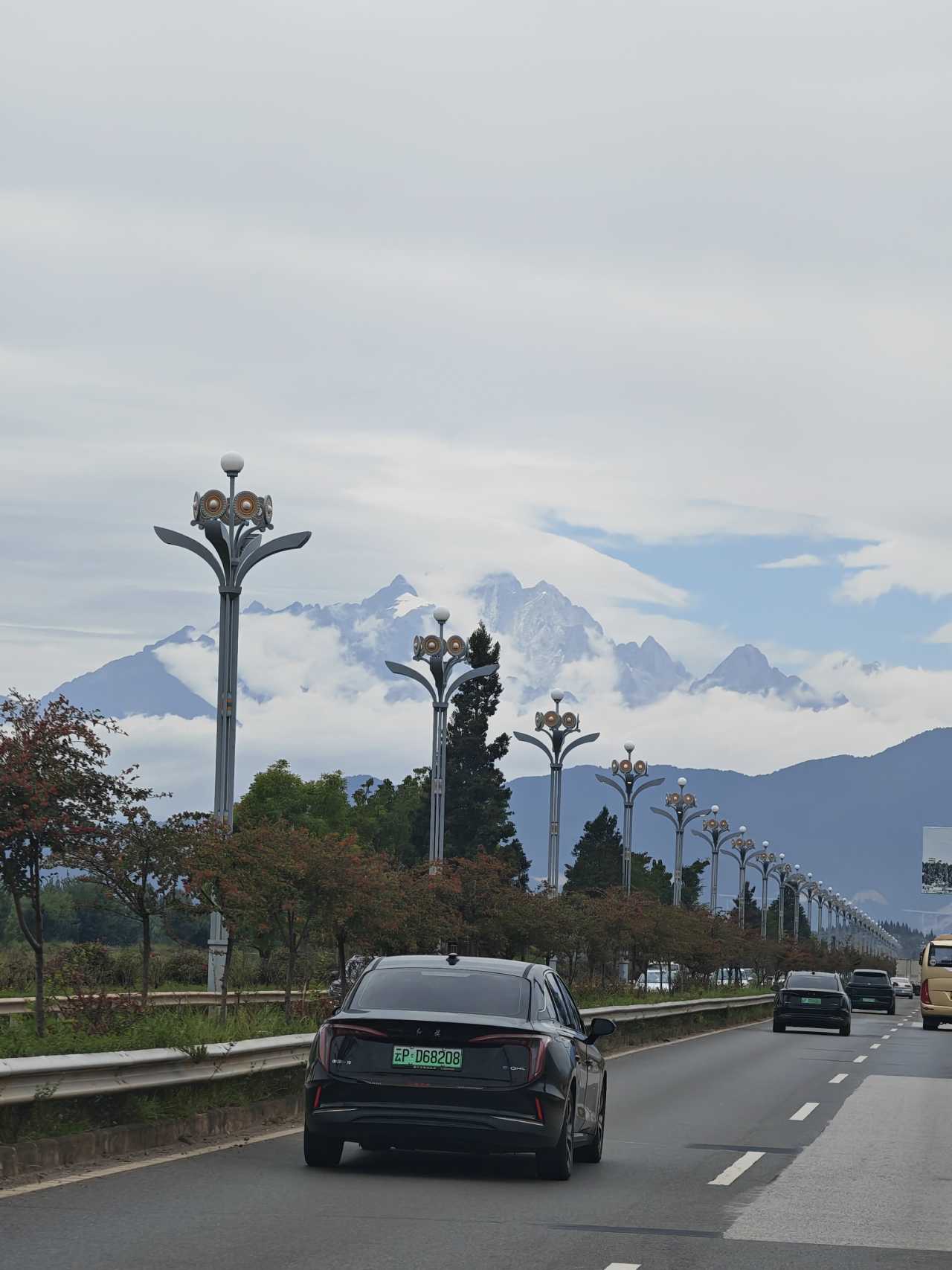
When we arrived, thick clouds covered most of the summit. But even from the base, the mountain's scale inspired awe. Glaciers on its slopes glowed with a faint blue light under the sun—a frozen river telling stories spanning millions of years.
We stopped on the autumn-colored grassland at the mountain's foot. The meadow had transformed into a palette of golden yellow, burnt orange, and deep brown. A few yaks grazed lazily, occasionally glancing at us as if to say, "What are you looking at?"
For those interested in Yala Snow Mountain hiking, the best time is late September to early October, when the weather is most stable and the autumn colors are at their peak.
Gongga Snow Mountain: The Majesty of the King of Sichuan Mountains
In the afternoon, we continued toward Gongga Snow Mountain, the highest peak in Sichuan Province at 7,556 meters. Known as the "King of Sichuan Mountains," its Tibetan name means "white iceberg"—and seeing it in person, you'll understand why.
We reached the Gongga observation deck just as the clouds parted. The main peak revealed itself completely—a nearly perfect pyramid shape, steep, sharp, and cold. Sunlight reflected off the snow, creating a blinding glare.
Standing before this colossal mountain, you can't help but feel small. It's not a feeling of inferiority, but a kind of clarity—a reminder that some things in this world can never be conquered. All you can do is look up, respect, and give thanks.
For the best Gongga Snow Mountain photography spots, the observation deck near Hailuogou Glacier offers stunning panoramic views. Early morning and late afternoon provide the best light.
Day Three: Daocheng Yading – An Autumn Fairytale
Yading Village: Living Inside a Painting
On the third day, we arrived at the highlight of our trip—Daocheng Yading, often called "the last Shangri-La." This UNESCO World Heritage site is famous for its three sacred peaks, alpine lakes, and pristine forests.
By autumn, Yading Village becomes a living painting. The aspens and birches lining the valley turn brilliant gold, contrasting with the deep green of firs and the white of distant snow peaks. Walking through the village, you'll see traditional Tibetan homes with prayer flags fluttering in the breeze, their wooden balconies adorned with drying corn and chili peppers.
Daocheng Yading travel tips: - Best time to visit: Mid-October to early November for peak autumn colors - Altitude: The village sits at 3,700 meters—take it slow on your first day - Permits: You'll need a ticket and a scenic area bus pass (book in advance during peak season) - What to pack: Warm layers, waterproof boots, sunscreen, and plenty of water
The Three Sacred Peaks: Chenresig, Chanadorje, and Jambeyang
Daocheng Yading is home to three sacred peaks, each representing a Buddhist deity: - Chenresig (6,032m) – The Goddess of Mercy, the highest and most revered - Chanadorje (5,958m) – The Vajra Holder, known for its dramatic shape - Jambeyang (5,958m) – The Manjushri, representing wisdom
We hiked the Chonggu Monastery to Luorong Pasture trail, which offers close-up views of all three peaks. The path winds through golden meadows, past turquoise alpine lakes, and under towering cliffs. By the time we reached the pasture, the afternoon light was turning the peaks into shades of rose gold.
For those seeking Daocheng Yading hiking routes, the full loop takes 6-8 hours. If you're short on time, the shorter trail to Milk Lake (Niu Nai Hai) is equally rewarding and takes about 3-4 hours.
Practical Tips for Your Garzê Autumn Road Trip
Best Time to Visit Garzê
The golden autumn in Garzê typically runs from mid-October to early November. During this period: - Daytime temperatures range from 10-18°C (50-64°F) - Nighttime temperatures can drop to 0-5°C (32-41°F) - Rainfall is minimal, offering clear skies for mountain views - Autumn colors peak around the third week of October
Essential Packing List for Western Sichuan
- Clothing: Thermal base layers, fleece jacket, waterproof outer shell, warm hat, gloves
- Footwear: Sturdy hiking boots with good grip
- Gear: Headlamp, power bank, reusable water bottle, snacks
- Health: Altitude sickness medication, sunscreen (SPF 50+), lip balm
- Documents: ID card, driving license (if renting), travel insurance
Navigation and Driving Tips
As we learned the hard way, car navigation systems in Sichuan can be unreliable. Here's what worked for us: 1. Use your phone with offline maps downloaded (Gaode Maps or Baidu Maps) 2. Bring a backup – a physical map or a second phone 3. Plan for delays – mountain roads are unpredictable, so add 20-30% extra time to your estimates 4. Fuel up whenever you see a gas station – stations can be 100+ km apart in remote areas
Frequently Asked Questions About Garzê Autumn Travel
Q1: Is it safe to drive in Garzê during autumn?
Yes, but with precautions. Autumn offers the best weather conditions—clear skies and dry roads. However, mountain roads can be narrow and winding, and some passes exceed 4,000 meters. Drive during daylight hours, check road conditions before departing, and carry chains in case of early snow.
Q2: Do I need altitude sickness medication for Daocheng Yading?
Highly recommended. Daocheng Yading's base elevation is 3,700 meters, and hiking trails go above 4,500 meters. Acclimatize for at least one day in Lijiang or Kangding before heading higher. Common medications include acetazolamide (Diamox) and ibuprofen for headaches. Stay hydrated and avoid alcohol.
Q3: What's the best way to see Meili Snow Mountain's golden sunrise?
Stay at Feilai Temple or nearby Deqin County. The golden sunrise occurs around 6:30-7:00 a.m. from October to November. Arrive at the observation deck by 6:00 a.m. to secure a spot. The best viewing season is October to March, when skies are clearest.
Q4: Can I visit Garzê without a car?
Public transportation is limited. Buses connect major towns (Kangding, Daocheng, Litang), but reaching specific viewpoints like Feilai Temple or Yala Snow Mountain requires a private car or organized tour. For the best experience, rent a car or join a small group tour.
Q5: How many days do I need for a Garzê road trip?
A minimum of 5-7 days is recommended to cover the highlights: Lijiang to Feilai Temple (1 day), Meili and Yala Snow Mountains (1 day), Gongga Snow Mountain (1 day), and Daocheng Yading (2-3 days). Add extra days for acclimatization and unexpected delays.
Conclusion: Your Garzê Autumn Adventure Awaits
Our spontaneous Garzê journey turned into one of the most memorable trips of our lives. From the golden sunrise over Meili Snow Mountain to the fairy-tale landscapes of Daocheng Yading, every moment reminded us why travel matters—not for the photos, but for the feelings they capture.
If you've been dreaming of snow-capped peaks in autumn, now is the time to act. October's golden light won't wait forever, and the sacred mountains of Garzê are calling.
Ready to plan your trip? Start by booking your flights to Lijiang or Chengdu, and reserve your rental car early—autumn is peak season in western Sichuan. And remember: sometimes the best journeys are the ones you never planned.
[Link: Best time to visit Garzê] [Link: Essential gear for high-altitude hiking] [Link: Comparison of Sichuan road trip routes]
Have you visited Garzê in autumn? Share your experience in the comments below—we'd love to hear about your favorite snow-capped peak!
You may also like