Echoes of a Millennium by the Jialing River: A Journey Through Guangyuan's Ancient Relics
Meta Description: Discover Guangyuan's ancient relics, the Thousand Buddha Cliff and Huangze Temple, on a journey through the "Hometown of the Empress." Explore millennium-old carvings, Wu Zetian's legacy, and practical travel tips in this SEO-optimized guide.
Introduction: Why Guangyuan Deserves a Place on Your China Travel Itinerary
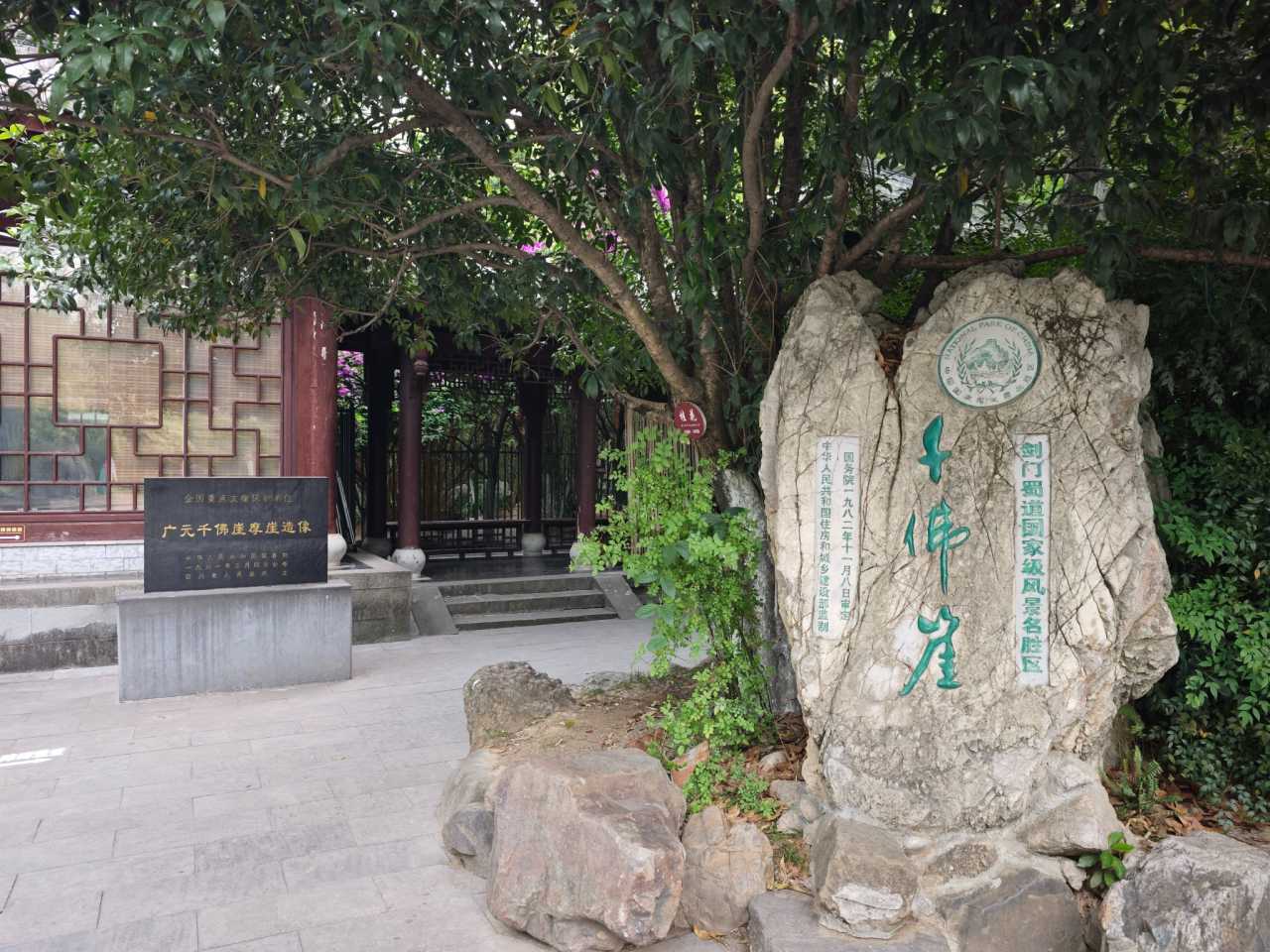
In the May of northern Sichuan, the Jialing River flows in quiet stillness. As the holiday crowds ebbed away, I set foot in this small city known as the "Hometown of the Empress" — Guangyuan. It lacks the clamor of Chengdu, yet it harbors two of China's first batch of National Key Cultural Relics Protection Units: the Thousand Buddha Cliff (Qianfo Ya) and the Huangze Temple. Both are tied to a legendary woman — Wu Zetian, the only female emperor in Chinese history.
If you're seeking a Sichuan off-the-beaten-path destination that blends ancient history, Buddhist art, and authentic local culture, Guangyuan is your answer. This SEO-optimized guide will walk you through the must-see ancient relics, practical travel tips, and the stories carved into stone along the Jialing River.
Arriving in Guangyuan: A Small City You Can Explore on Shared E-Scooters
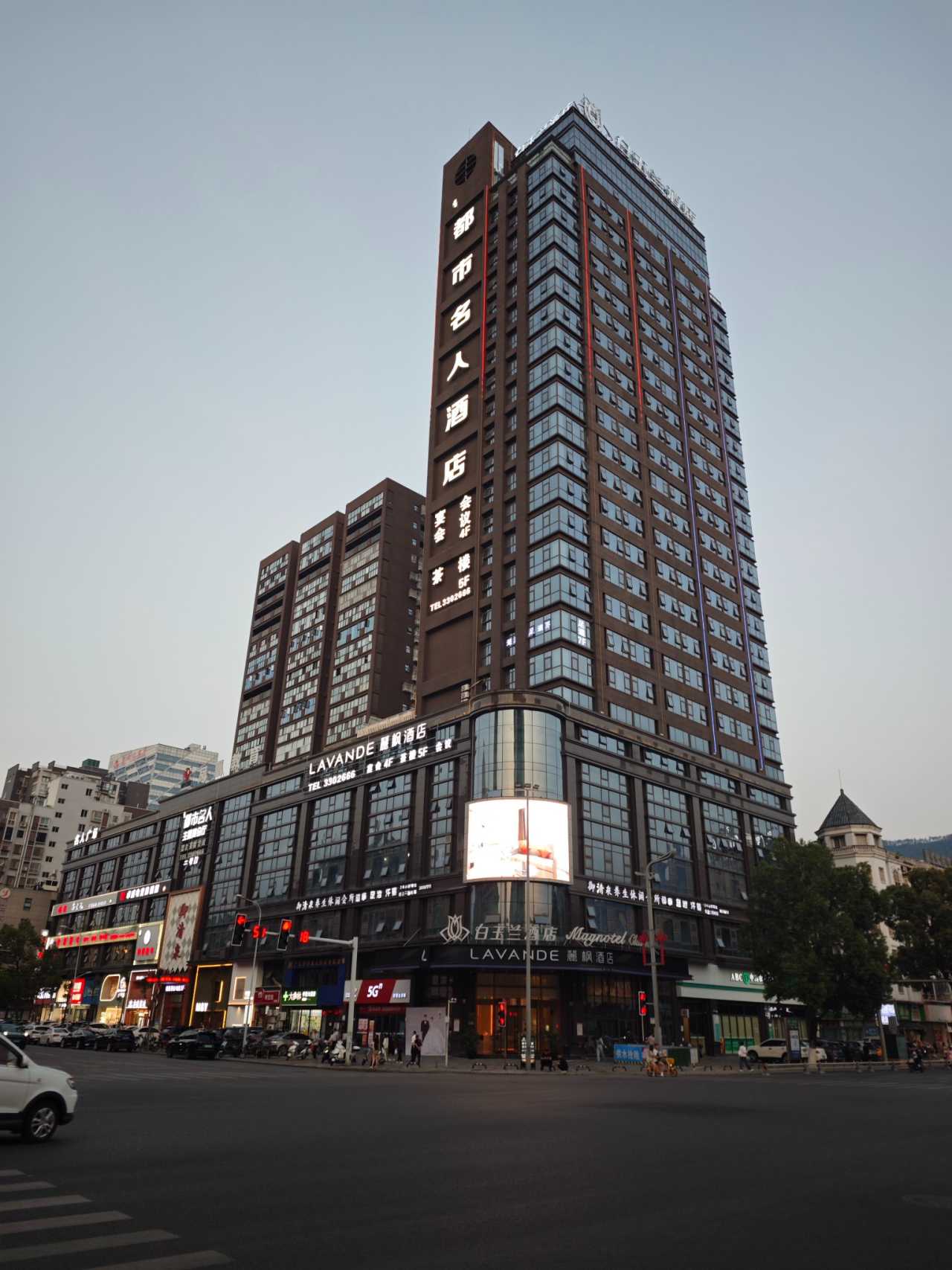
On the evening of May 10th, I boarded the D153 train from Chongqing North Station and arrived in Guangyuan at exactly 7:30 PM. Stepping out of the station, I was greeted by the uniquely moist air of northern Sichuan. What surprised me most was the sight of shared electric scooters lining the streets — scan, ride, and within minutes I was at the Lifeng Hotel, just a short distance from the station.
Guangyuan travel tips for first-time visitors:
- Getting there: High-speed rail from Chongqing (2 hours) or Xi'an (1.5 hours)
- Local transport: Shared e-scooters are perfect for short distances; taxis are affordable
- Accommodation: Lifeng Hotel (near station) or options near the Jialing River
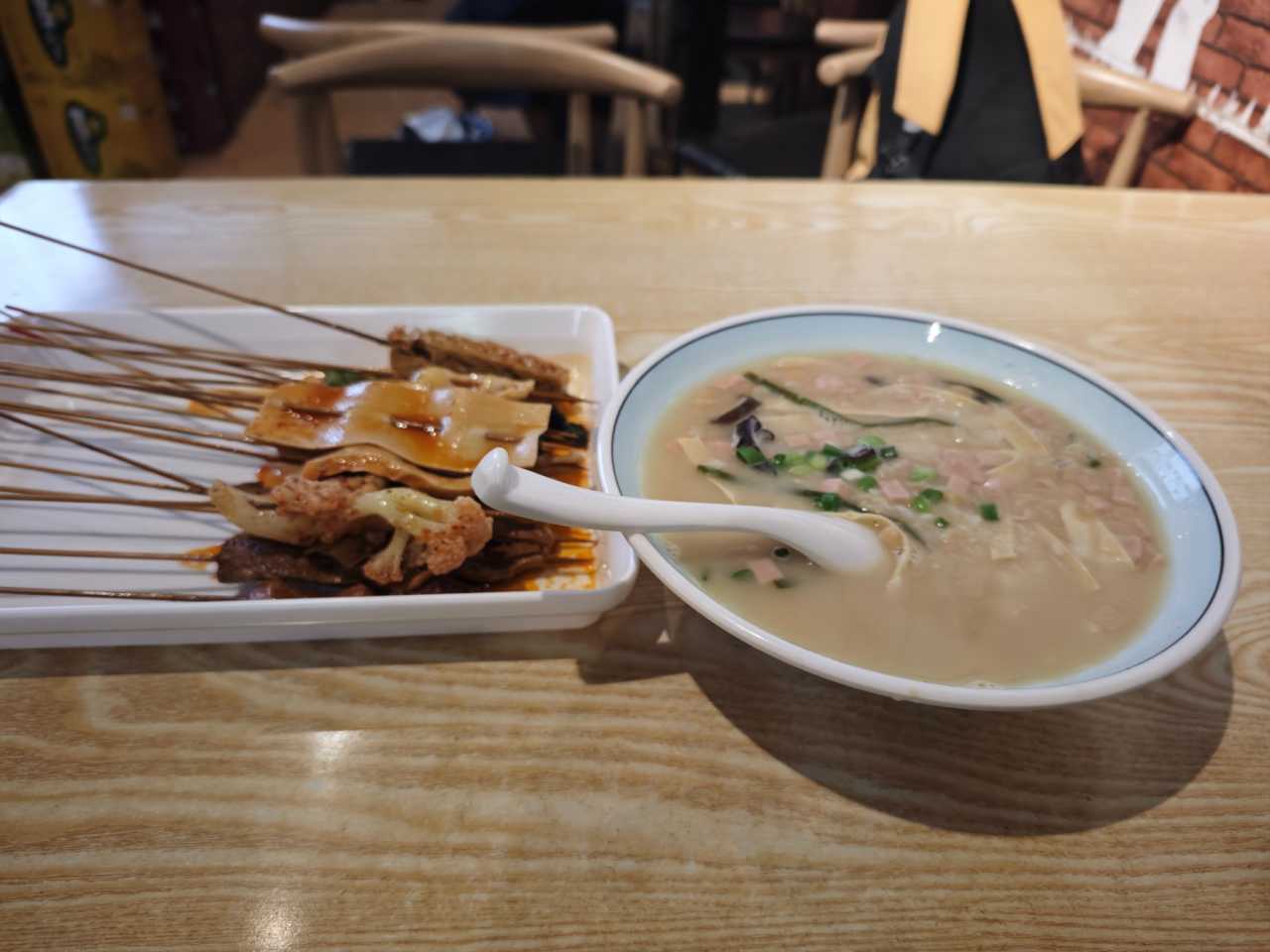
After settling in, I headed straight out to find food. The spicy and numbing fragrance of 钵钵鸡 (Boboji) — a Sichuan cold skewer dish — paired with the warm, rich comfort of 豆汤饭 (bean soup rice) — both quintessential Sichuan flavors. The fiery kick of Sichuan cuisine was exactly what my palate craved. Satisfied and full, I returned to the hotel and turned in early, conserving energy for the next day's explorations.
Thousand Buddha Cliff: A Millennium-Long History Carved into the Cliffside
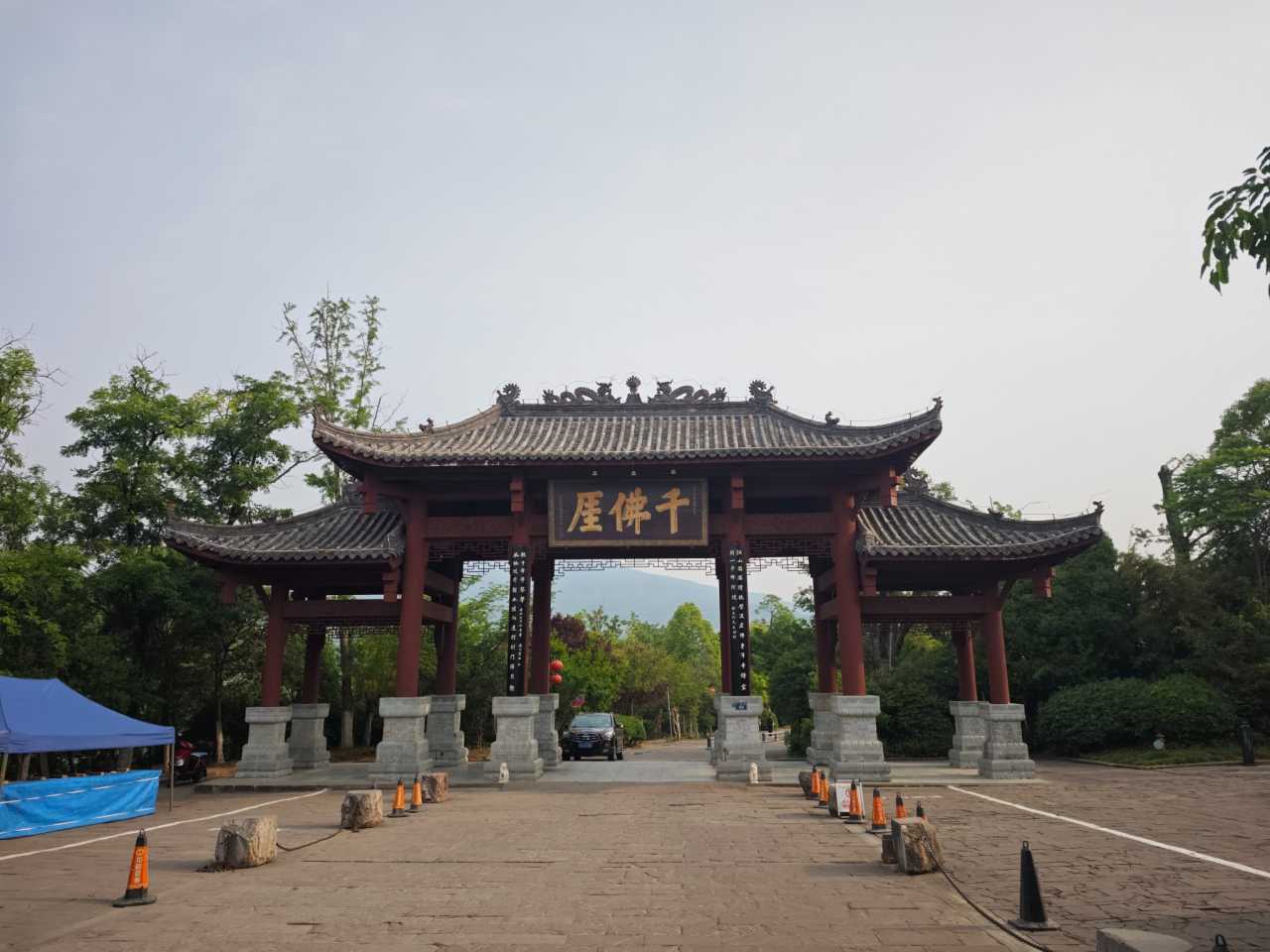
The First Light of Dawn
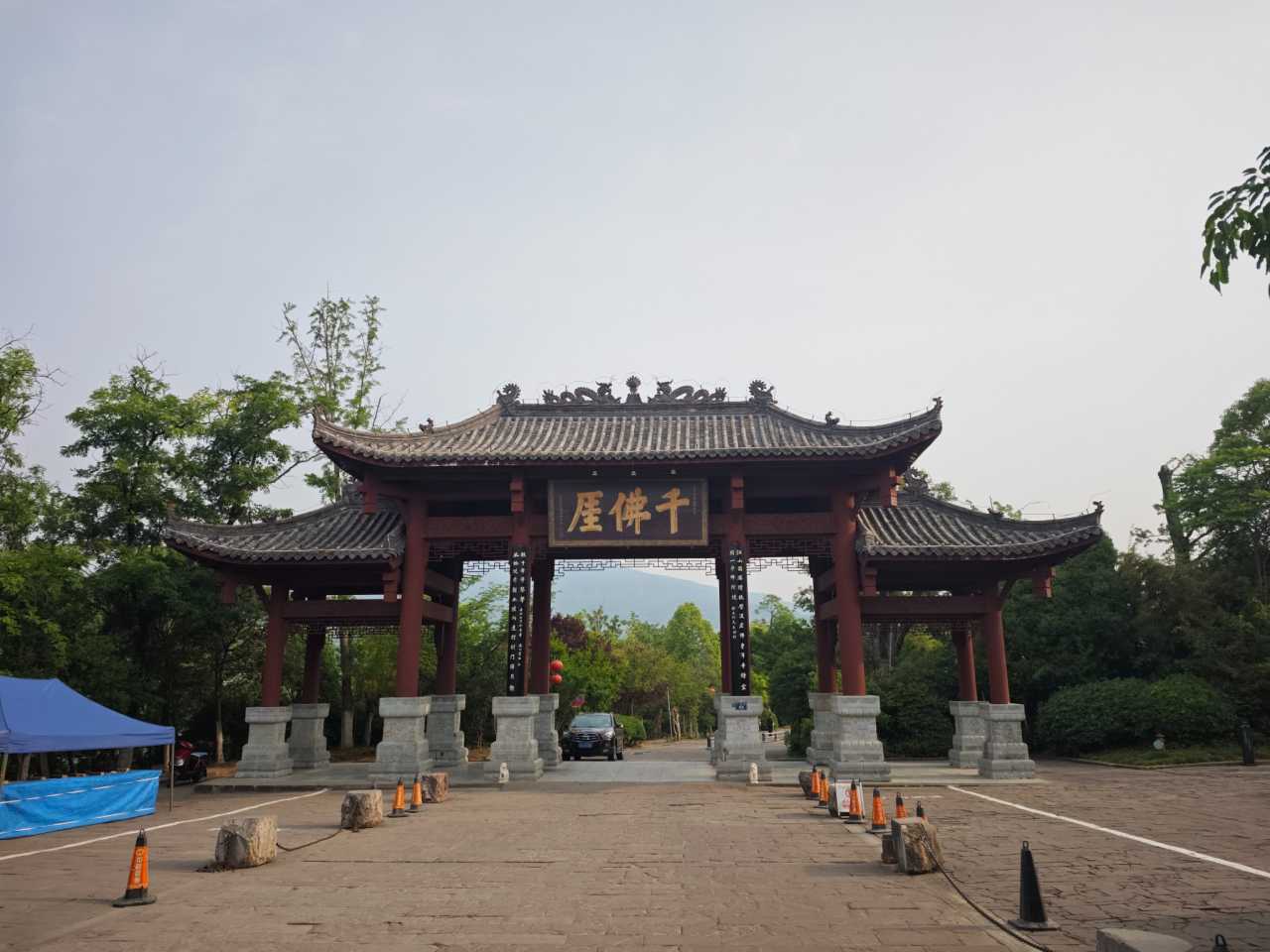
At six in the morning on the 11th, as the sky was just beginning to lighten, I hailed a taxi and headed straight for the Thousand Buddha Cliff. The scenic area opened at exactly eight o'clock, and I was among the first visitors. No crushing crowds — just the gentle morning light spilling across the Jialing River. It was a luxury of an experience.
Thousand Buddha Cliff ticket prices and discounts:
- Full ticket: 50 yuan
- Combo ticket (Thousand Buddha Cliff + Huangze Temple): 80 yuan
- High-speed rail discount: Show your train ticket → 30% off → pay just 35 yuan
- Flight discount: Show your boarding pass → 50% off → pay just 25 yuan
I pulled out my train ticket and saved myself 15 yuan — a simple tip that adds up.
Dayun Temple: The Empress's Political Chess Move
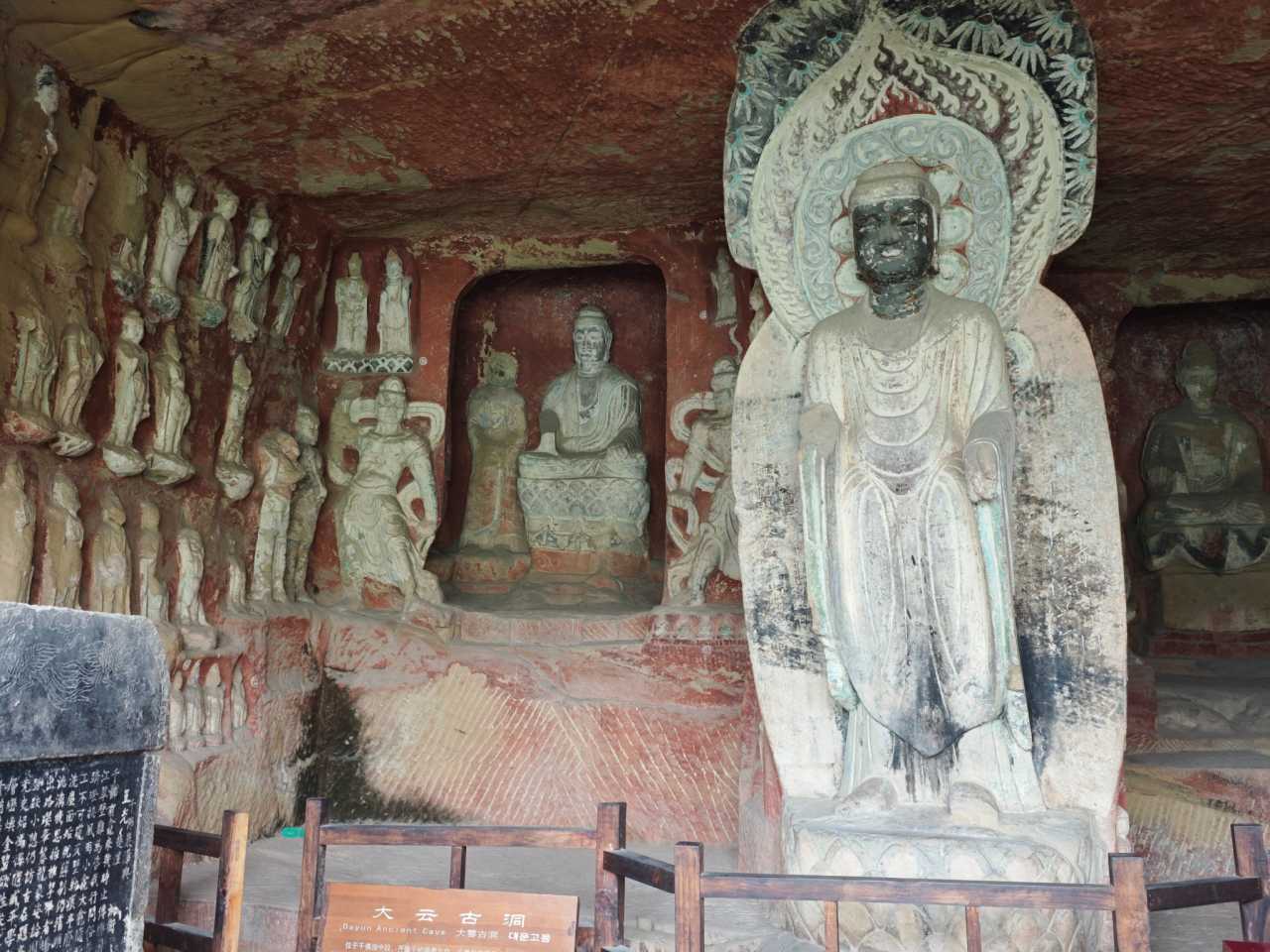
Upon entering the scenic area, the first thing that caught my eye was Dayun Temple. The origins of this temple are anything but ordinary — after Wu Zetian ascended the throne in 690 AD, she ordered the construction of Dayun Temples across the country to provide "divine justification" for her rule as a female emperor. These temples were specifically built to house and preach the Dayun Sutra, which contained a prophecy about a "Pure Light Heavenly Maiden" who becomes a king in female form — a prophecy cleverly reinterpreted as Wu Zetian's "mandate of heaven."
The Thousand Buddha Cliff's predecessor, known as "Baitang Temple," was renamed Dayun Temple during this period. The buildings that survive today were rebuilt in the 19th year of the Qianlong reign (1754) with funds donated by Zhang Gengmo, the magistrate of Guangyuan County. The statues inside the temple also date from this period. While they may not be masterpieces of art, they carry a unique historical memory.
Next to Dayun Temple once stood Luohan Temple, which housed over twenty Ming Dynasty stone-carved arhats. In 1935, when the Sichuan-Shaanxi Highway was being built, Luohan Temple was demolished, and the arhat statues were buried under the roadbed by construction workers. Ironically, this burial saved them from the wars and destruction that followed. It wasn't until 2010 that archaeologists unearthed these stone carvings, which had slumbered for over 70 years.
Internal link suggestion: [Link: History of Buddhist cave temples in Sichuan]
The Jinniu Ancient Road: Where Faith and Transport Converged
Continuing forward, I found myself walking on the remains of the Jinniu Ancient Road. In ancient times, this was a vital artery connecting the Central Plains with the Ba-Shu region (modern-day Sichuan). Stretching about 600 kilometers, it began in Hanzhong, Shaanxi, passed through Ningqiang and Qipan Ridge into Sichuan, then wound through Guangyuan, Jianmen Pass, Zitong, Mianyang, Deyang, and finally reached Chengdu.
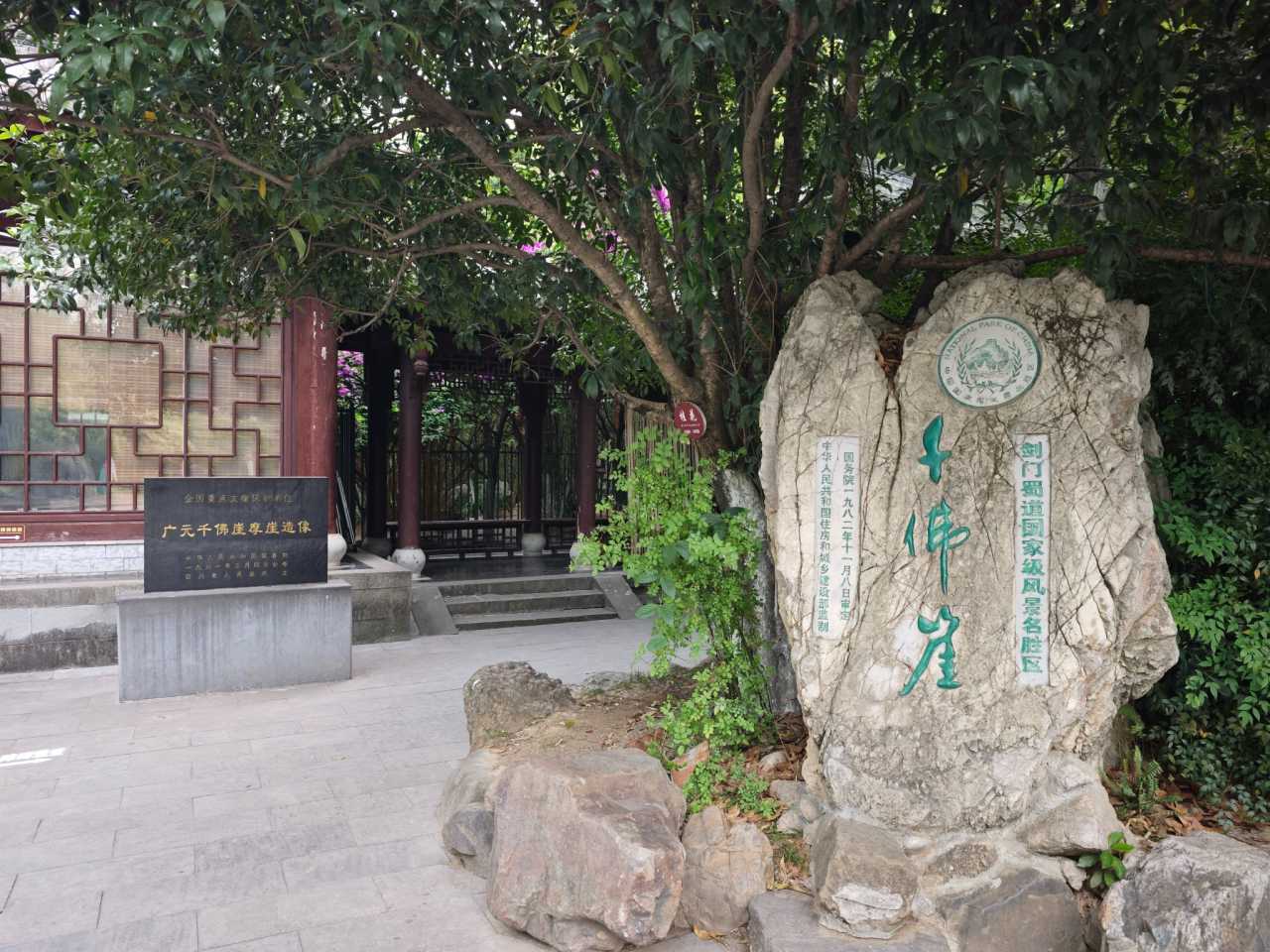
The Thousand Buddha Cliff sits right beside this ancient road, with the Jialing River at its feet. Traveling merchants and officials, before and after braving the treacherous Shu Road, would donate money here to carve caves and statues, praying for safe journeys. In essence, the Thousand Buddha Cliff was a "waystation of faith" built jointly by officials and commoners.
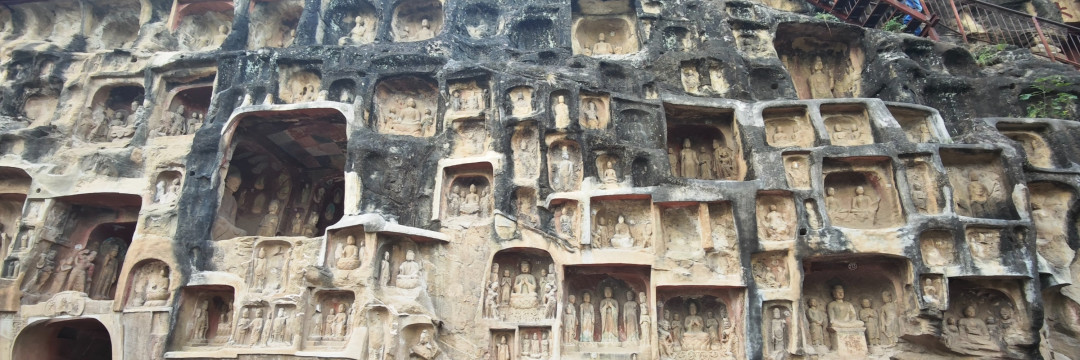
To the left lies the broad Jialing River, with the Xi'an-Chengdu high-speed rail line and expressway on the opposite bank. To the right is the Thousand Buddha Cliff itself — its carvings began during the Northern Wei Dynasty, reached their peak in the Tang Dynasty, and continued to be added to and repaired in subsequent dynasties. In 1935, during the construction of the Sichuan-Shaanxi Highway, more than half of the statues were destroyed by blasting the cliff to clear a path. From the "over 17,000" recorded in the fourth year of the Xianfeng reign (1854), only about 7,000 remain today — a loss of over 10,000 statues. Now, National Highway 108 has been rerouted through a tunnel behind the cliff, finally providing protection for the surviving carvings.
Internal link suggestion: [Link: Ancient Shu Road travel guide]
The Sleeping Buddha Niche: A Masterpiece of High Tang Nirvana Art
The first thing I encountered in the southern section was the Sleeping Buddha Niche (Cave No. 746). This cave was carved during the High Tang period and takes its name from the three characters "睡佛龛" (Sleeping Buddha Niche) inscribed on its lintel in the 19th year of the Daoguang reign (1839).
Stepping inside, the central altar features a pair of sal trees carved all the way to the ceiling — the trees under which, according to legend, Shakyamuni entered Nirvana. The entire group consists of 13 statues, depicting the scene of the Buddha's Nirvana. Shakyamuni lies on his right side on the Nirvana platform, his expression serene. Behind him, his disciples are shown in various states of grief — some beating their chests, some wailing, others sobbing. The Buddha's tranquility contrasts sharply with his disciples' sorrow, creating a deeply moving tableau.
Most remarkable are the relief carvings on the niche walls depicting scenes from the Buddha's life story: "Preaching for His Mother," "Offerings from the Devas," "The People Carrying the Coffin," "The Golden Coffin Self-Incineration," and "Spreading the News Far and Wide." By using scenes from everyday secular life to portray the sacred subject of Nirvana, these carvings are rich with the flavor of daily existence and stand as masterpieces of High Tang Nirvana representation.
Keyword-rich phrase: High Tang Buddhist art in Sichuan
Mouni Pavilion: The Swan Song of Openwork Carving
Next to the Sleeping Buddha Niche, Mouni Pavilion (Cave No. 744) is another treasure of the Thousand Buddha Cliff. This cave, also carved during the High Tang period, employs an extremely rare technique of back-screen openwork carving. Behind the altar, the craftsmen hollowed out the rock face to create a pair of bodhi trees and figures of the Eight Legions of Heavenly Beings (天龙八部, Tianlong Babu) that rise all the way to the cave ceiling.
This design allows light to penetrate, giving the statues a greater sense of three-dimensionality and play of light and shadow. The hard stone takes on the vitality and fluidity of living trees, blending solemnity with splendor. Sadly, the heads of all the statues have been lost. However, based on photographs taken by the renowned architect Liang Sicheng in 1939, the heads were still intact at that time — they were destroyed during the tumultuous period of the 1960s. Seeing these photos evokes both regret and reflection.
Internal link suggestion: [Link: Liang Sicheng's architectural photography in China]
The Great Buddha Niche: A Witness to Buddhism's Entry into Sichuan
The Great Buddha Niche (Cave No. 726) is the oldest cave at the Thousand Buddha Cliff, dating back to the Northern Wei Dynasty (386–534 AD). This niche is particularly significant because it represents one of the earliest examples of Buddhist cave carving in Sichuan, marking the spread of Buddhism from the Central Plains into the southwestern region.
The central figure is a seated Buddha, approximately 5 meters tall, with a serene expression and flowing robes characteristic of Northern Wei artistry. The carving style is more austere and angular compared to the rounded, naturalistic figures of the Tang Dynasty — a clear evolution of Buddhist art over centuries.
Huangze Temple: The Empress's Birthplace and Imperial Legacy
After exploring the Thousand Buddha Cliff, I crossed the Jialing River to visit Huangze Temple, the second of Guangyuan's National Key Cultural Relics Protection Units. This temple is traditionally regarded as the birthplace of Wu Zetian, and its name — "Huangze" meaning "Imperial Grace" — reflects this royal connection.
The temple complex dates back to the late Northern Wei Dynasty, but it was during the Tang Dynasty that it gained prominence. Inside, you'll find a statue of Wu Zetian as a young woman, as well as a stele inscribed with poems and writings about the empress. The temple's architecture blends Buddhist and imperial motifs, creating a unique atmosphere.
Huangze Temple highlights:
- The Empress's birthplace hall
- Tang Dynasty stone inscriptions
- A peaceful garden with views of the Jialing River
- Combo ticket available with Thousand Buddha Cliff
Practical Travel Tips for Visiting Guangyuan
Best Time to Visit
The ideal time to visit Guangyuan is spring (March–May) or autumn (September–November), when temperatures are mild and the Jialing River is at its most picturesque. Summer can be hot and humid, while winter is cold but less crowded.
How to Get There

- By high-speed rail: Direct trains from Chengdu (1.5 hours), Xi'an (1.5 hours), and Chongqing (2 hours)
- By plane: Guangyuan Panlong Airport has flights from major Chinese cities
- By bus: Long-distance buses connect Guangyuan to surrounding cities
Where to Stay
- Budget: Lifeng Hotel (near the train station)
- Mid-range: Hotels along the Jialing River with river views
- Luxury: Boutique hotels in the city center
What to Eat in Guangyuan
- Boboji (钵钵鸡): Sichuan cold skewers in spicy broth
- Bean soup rice (豆汤饭): Comforting rice soup with beans
- Guangyuan-style hotpot: A local twist on Sichuan hotpot
- Jialing River fish: Freshwater fish dishes
Suggested Itinerary
Day 1: Arrive in Guangyuan, explore the city center, enjoy local food
Day 2: Morning at Thousand Buddha Cliff (arrive early), afternoon at Huangze Temple
Day 3: Optional day trip to Jianmen Pass or return home
FAQ: Everything You Need to Know About Guangyuan's Ancient Relics
1. Is the Thousand Buddha Cliff worth visiting compared to the Longmen Grottoes or Dazu Rock Carvings?
Yes, absolutely. While the Thousand Buddha Cliff is smaller than Longmen, it offers a more intimate experience with fewer crowds. The High Tang carvings — especially the Sleeping Buddha Niche and Mouni Pavilion — are world-class. Plus, the connection to Wu Zetian and the Jinniu Ancient Road adds a unique historical layer.
2. How much time should I budget for visiting the Thousand Buddha Cliff?
Plan for at least 2–3 hours to explore the main caves and the Jinniu Ancient Road. If you're a photography enthusiast or history buff, allow 4 hours. Arriving at opening time (8:00 AM) ensures the best light and fewest crowds.
3. Are there English-language guides or signage at the site?
Limited English signage is available, but it's not comprehensive. I recommend downloading a translation app or hiring a local guide. Some tour operators in Chengdu offer day trips to Guangyuan with English-speaking guides.
4. Can I visit both the Thousand Buddha Cliff and Huangze Temple in one day?
Yes, if you start early. The two sites are on opposite sides of the Jialing River, connected by a short taxi or e-scooter ride. The combo ticket (80 yuan) makes it economical. I'd recommend visiting the Thousand Buddha Cliff first (opens at 8:00 AM) and Huangze Temple in the afternoon.
5. What's the best way to get discount tickets?
Show your high-speed rail ticket at the Thousand Buddha Cliff ticket office for a 30% discount. If you arrive by plane, you get 50% off. The discount applies to the single ticket (50 yuan → 35 yuan) and the combo ticket (80 yuan → 56 yuan). Don't forget to bring your travel document!
Conclusion: Walk in the Footsteps of an Empress
Guangyuan may not be on every traveler's radar, but that's precisely its charm. Here, you can stand before a 1,500-year-old Buddha carved into a cliff, walk the same ancient road that merchants and monks once trod, and trace the footsteps of China's only female emperor — all without fighting through crowds of tourists.
The Thousand Buddha Cliff and Huangze Temple are not just relics of the past; they are living testaments to the artistry, faith, and ambition that shaped Chinese civilization. Whether you're a history enthusiast, a Buddhist art lover, or simply a traveler seeking an authentic Sichuan experience, Guangyuan offers a journey through time that you won't soon forget.
Plan your trip today. Book your high-speed rail ticket, pack your walking shoes, and come discover the echoes of a millennium by the Jialing River.
Have you visited Guangyuan or other ancient Buddhist sites in Sichuan? Share your experience in the comments below!
Internal linking suggestions:
[Link: Top 10 Buddhist cave temples in China]
[Link: Complete guide to Wu Zetian's historical sites]
[Link: Sichuan off-the-beaten-path destinations]
[Link: How to save money on China travel tickets]
You may also like


