Early Autumn Journey: A Self-Drive Tour of Northern Sichuan's Aba Ring Road – An Unfinished Autumn Adventure
Meta Description: Discover the ultimate Aba Ring Road self-drive itinerary through Songping Valley, Huanglong, Jiuzhaigou, and Zoige. A solo traveler's 1,840 km journey through northern Sichuan's autumn landscapes in 2014.
Introduction: Why the Aba Ring Road Should Be Your Next Autumn Road Trip
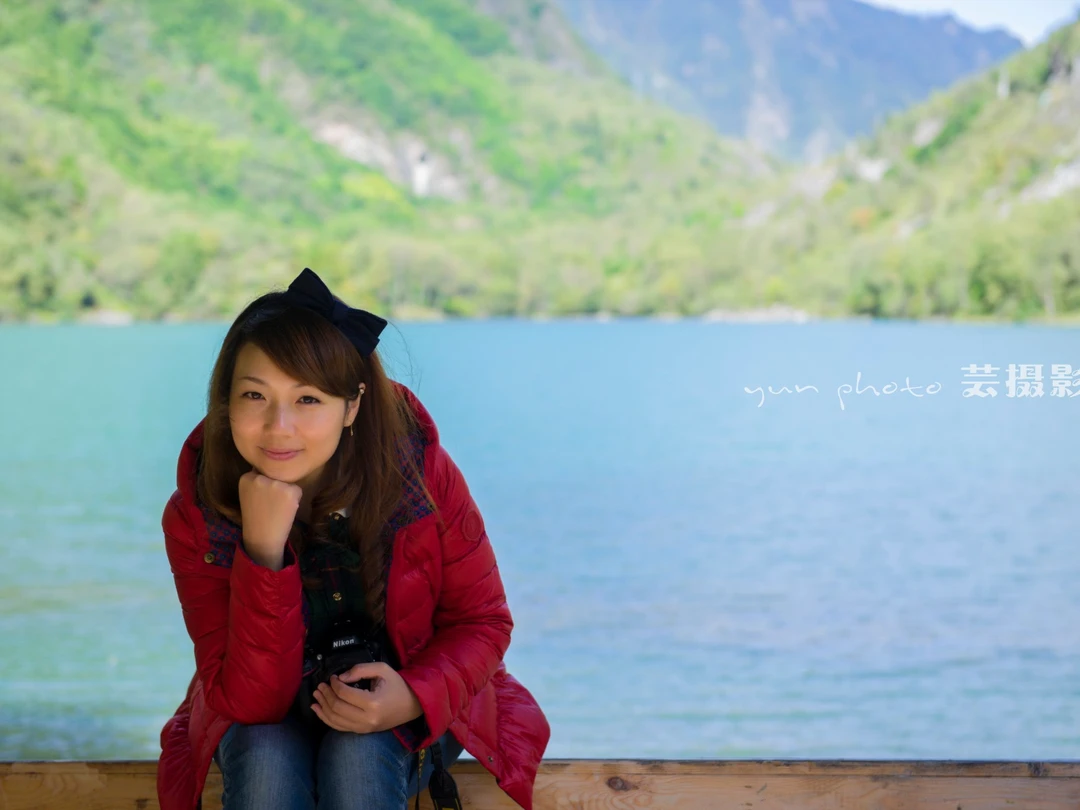
"Stand alone without leaning on others; be independent without fear." This was the mantra I wrote in my notebook before embarking on a six-day, 1,840-kilometer solo self-drive tour of Aba Tibetan and Qiang Autonomous Prefecture in northern Sichuan. One person, one car, one camera—traversing the iconic Aba Ring Road through Songping Valley (Songpinggou), Huanglong (Yellow Dragon), Jiuzhaigou (Nine-Village Valley), Zoige (Ruoergai), Hongyuan, Dagu Glacier (Dagu Bingchuan), and Bipeng Valley (Bipenggou). No detailed itinerary, no fixed plan—just a heart longing for autumn.
On September 26, 2014, I set out from Leshan, heading north. The National Day holiday hadn't yet begun; the roads were sparse with traffic, and the scenic spots had few visitors. Though the leaves hadn't fully turned gold, the feeling of freedom—of driving wherever the road took me—already made this journey worthwhile.
Why Choose Northern Sichuan's Aba Ring Road Over the Sichuan-Tibet Highway?

My original plan was to drive the Sichuan-Tibet Highway (National Highway 318) , entering Tibet from western Sichuan and exiting via the Qinghai-Tibet Highway. I had done extensive research, even studying the ground clearance of my Chevrolet Cruze. But the treacherous road at Tongmai (Tongmai Tianxian) made me give up decisively—it was the last year that Highway 318 would remain in its original state; after that, tunnels would be drilled, and many scenic spots would be forever hidden inside the mountains.
Since Tibet was off the table, northern Sichuan road trips became the obvious choice. As a Sichuan native, I had never even set foot in famous places like Jiuzhaigou or Huanglong. On the day of departure, I made a snap decision: take the Aba Ring Road self-drive itinerary. As it turned out, that decision was absolutely right.
Trip Overview: A Seven-Day Aba Ring Road Itinerary
| Day | Route | Distance |
|---|---|---|
| Day 1 | Leshan → Maoxian (Maoxian County) | 297 km |
| Day 2 | Maoxian → Songping Valley | 66 km |
| Day 3 | Songping Valley → Huanglong | 153 km |
| Day 4 | Chuanzhusi (Chuanzhu Temple) → Jiuzhaigou | 167 km |
| Day 5 | Chuanzhusi → Zoige | 192 km |
| Day 6 | Hongyuan → Dagu Glacier | 139 km |
| Day 7 | Wenchuan → Bipeng Valley → Leshan | 413 km |
Total distance: Approximately 1,840 km
Total cost: 4,912 RMB (including gas, entrance fees, accommodation, meals, and tolls)
Per-person cost (with companion): Around 2,772 RMB
[Link: Best time to visit Aba Ring Road for autumn colors]
First Stop: Songping Valley – A Hidden Gem on the Aba Ring Road
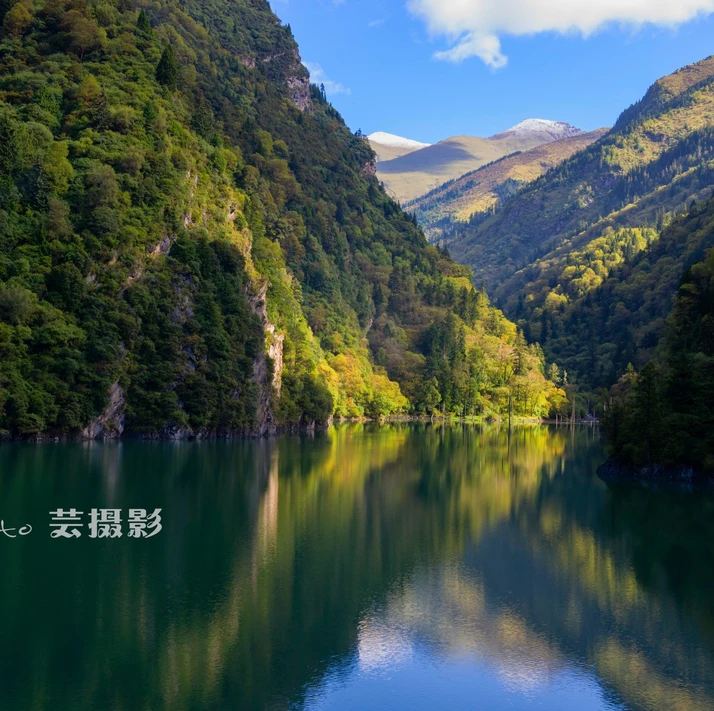
Coming out of Maoxian, a modest roadside sign read "Songping Valley." I've always had a soft spot for place names ending in "Valley" (gou), so without hesitation, I turned in. Little did I know, that turn would make me linger for an entire extra day.
A Lucky Encounter with Local Experts
Just as I entered the valley, I ran into Teacher Zhang—the photography director of Chengdu Kangneng Light and Shadow School and a specially invited lecturer for Canon (China). He was there shooting a promotional video for Songping Valley, accompanied by park staff and Old Pan, the retired director of the Maoxian Tourism Bureau. Old Pan was a down-to-earth, tenacious man. At 55, he had more stamina than any of us younger folks, leading us through the brambles on Mount Leigu (Leigushan), where there wasn't even a proper trail.
Hiking Mount Leigu: A Solo Traveler's Triumph
Five hours of round-trip hiking—no path, just thorns and sea buckthorn. The branches were covered in spikes; we yelped and screamed as we went, encouraging each other every step of the way. Old Pan said I was the first city girl to ever summit Mount Leigu. At the top, he discovered a remarkable rock formation he called "Double Turtles Looking Back"—two massive boulders shaped like turtles craning their necks. To get the best shot, I stood at the edge of a cliff, legs trembling, heart pounding.
The weather that day wasn't great, but just as I aimed at the Double Turtles, a patch of sky suddenly brightened. I pressed the shutter and thought to myself: It was worth it.
White Stone Lake and Qiang Village Hospitality
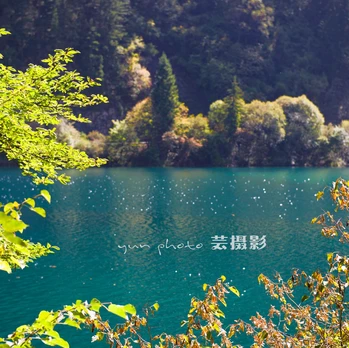
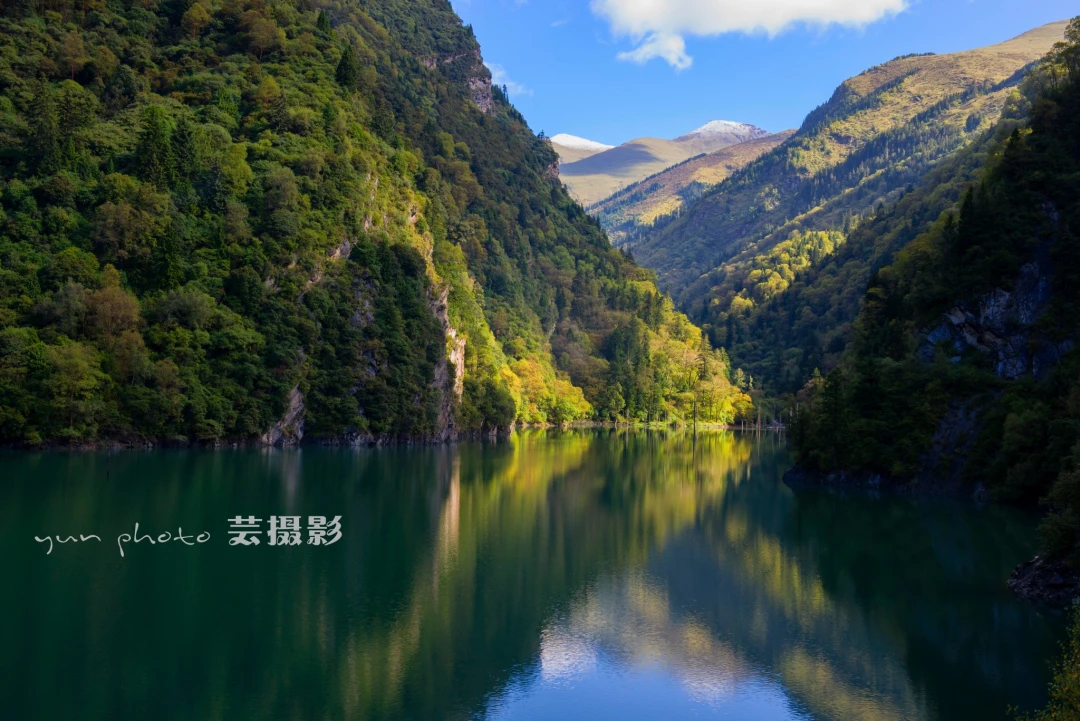
After descending, Old Pan gathered a big bag of wild mushrooms. We gathered around the hearth of a Qiang village, listening to him tell stories about Songping Valley. White Stone Lake (Baishi Hai), Upper White Wax Village Lake (Shang Bailazhai Haizi), Lower White Wax Village Lake (Xia Bailazhai Haizi)—these names sounded similar to those in Jiuzhaigou, but the scenery had its own unique charm. Especially the next morning: after a heavy rain, sunlight spilled across the water, and the lake shimmered in shades of dark green, deep blue, and emerald, like a flowing oil painting.
[Link: Songping Valley travel tips and photography spots]
Second Stop: Huanglong – A Travertine Wonderland Beneath Snow Peak Summit
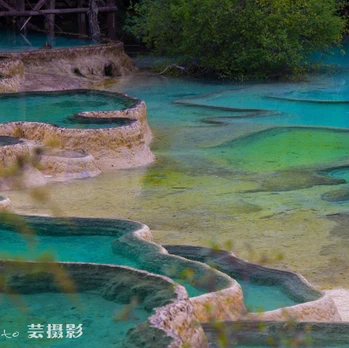
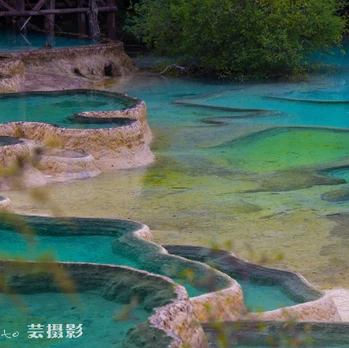
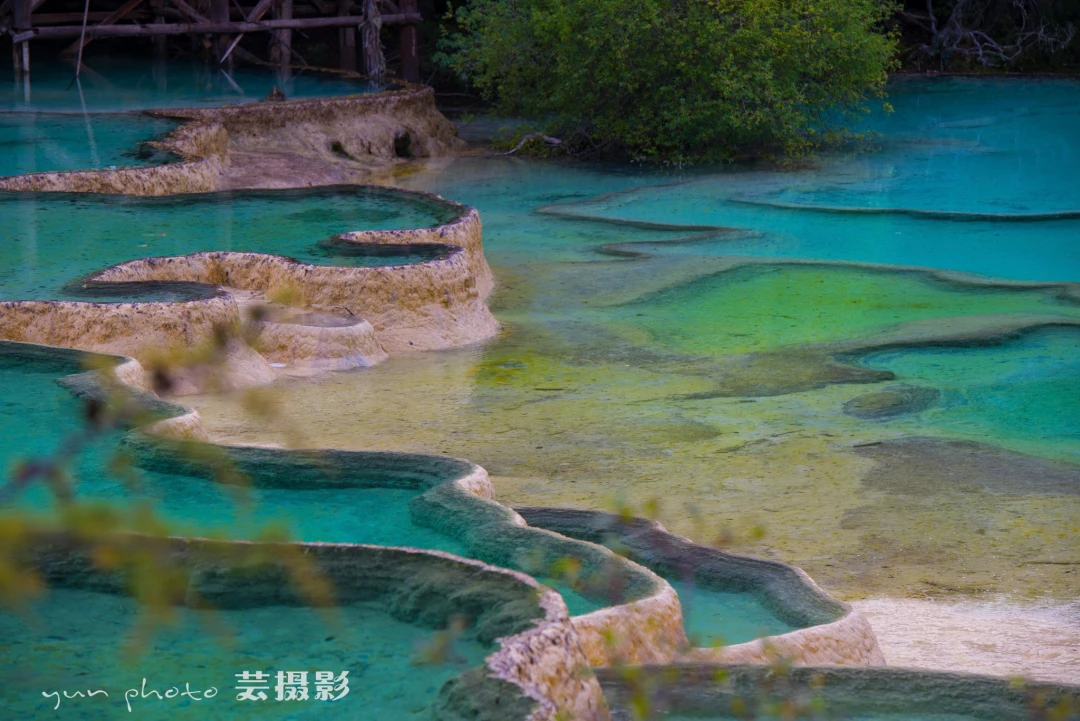
From Songping Valley to Huanglong, 153 km, arriving at 3:30 PM. Entrance fee: 280 RMB (including the cable car). The entire scenic area is explored on foot. Huanglong Scenic Area is a roughly 7-kilometer-long travertine gorge, famed for its "Four Wonders": colorful pools, snow-capped mountains, deep gorges, and ancient forests.
Exploring the Multicolored Travertine Pools
I followed the boardwalk uphill; the multicolored travertine pools sparkled in the sunlight, like gemstones embedded in the mountainside. There were quite a few visitors that day, but it wasn't overcrowded. I wandered through the park until past seven in the evening before reluctantly leaving. Looking back, Snow Peak Summit (Xuebaoding) glowed golden in the sunset, its snowcap like a white crown. Unfortunately, I missed the chance to capture the sunset glow—I could only etch it into memory.
Accommodation in Chuanzhusi
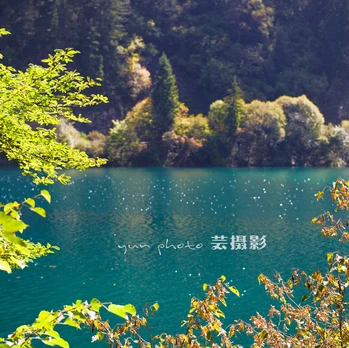
Leaving Huanglong, I drove 44 km to Chuanzhusi and found a simple inn for 120 RMB a night. I'm not in the habit of booking ahead. In western and northern Sichuan, family-run guesthouses are everywhere—clean, reasonably priced, and always available on the spot. That spontaneity is exactly what makes self-driving travel in Sichuan so enjoyable.
[Link: Huanglong vs Jiuzhaigou – which is better for autumn photography]
Third Stop: Jiuzhaigou – Famous Name, Even More Crowds
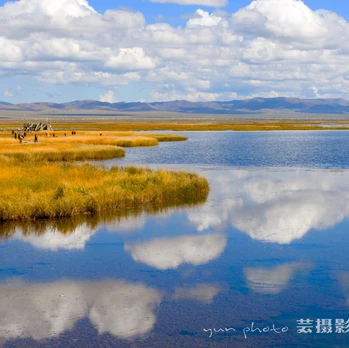
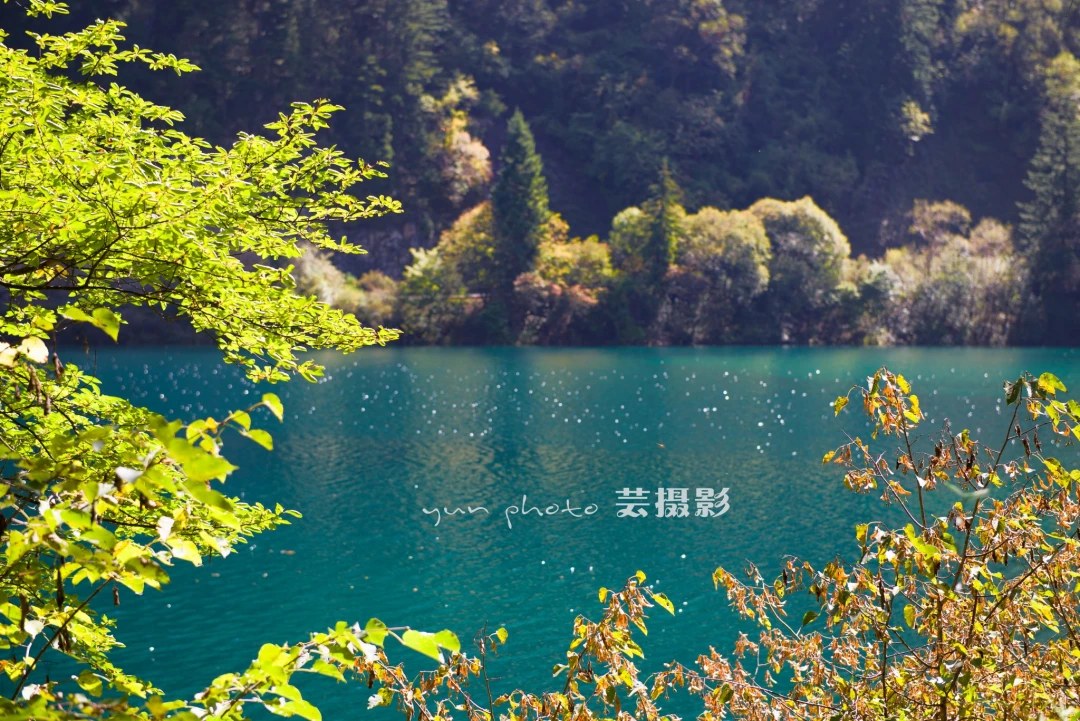
Jiuzhaigou National Park needs no introduction. Entrance fee: 310 RMB, including the sightseeing bus. The park is shaped like a "Y," with lakes, waterfalls, and streams everywhere. Water is the soul of Jiuzhaigou—emerald, sapphire, jade—a feast for the eyes.
Navigating the Crowds: A Different Perspective
But honestly, the crowds were overwhelming. Even before National Day, the boardwalks were packed with tourists. My travel companion and I decided to take the road less traveled—we didn't even visit the famous Nuo Ri Lang Waterfall. Instead, we wandered to quieter spots, capturing the vivid colors of Five Flower Lake (Wuhua Hai) and a peculiar "Flag Tree"—half lush with leaves, half bare, like a flag fluttering in the wind.
The Nine Bends and Ganhai Sunset
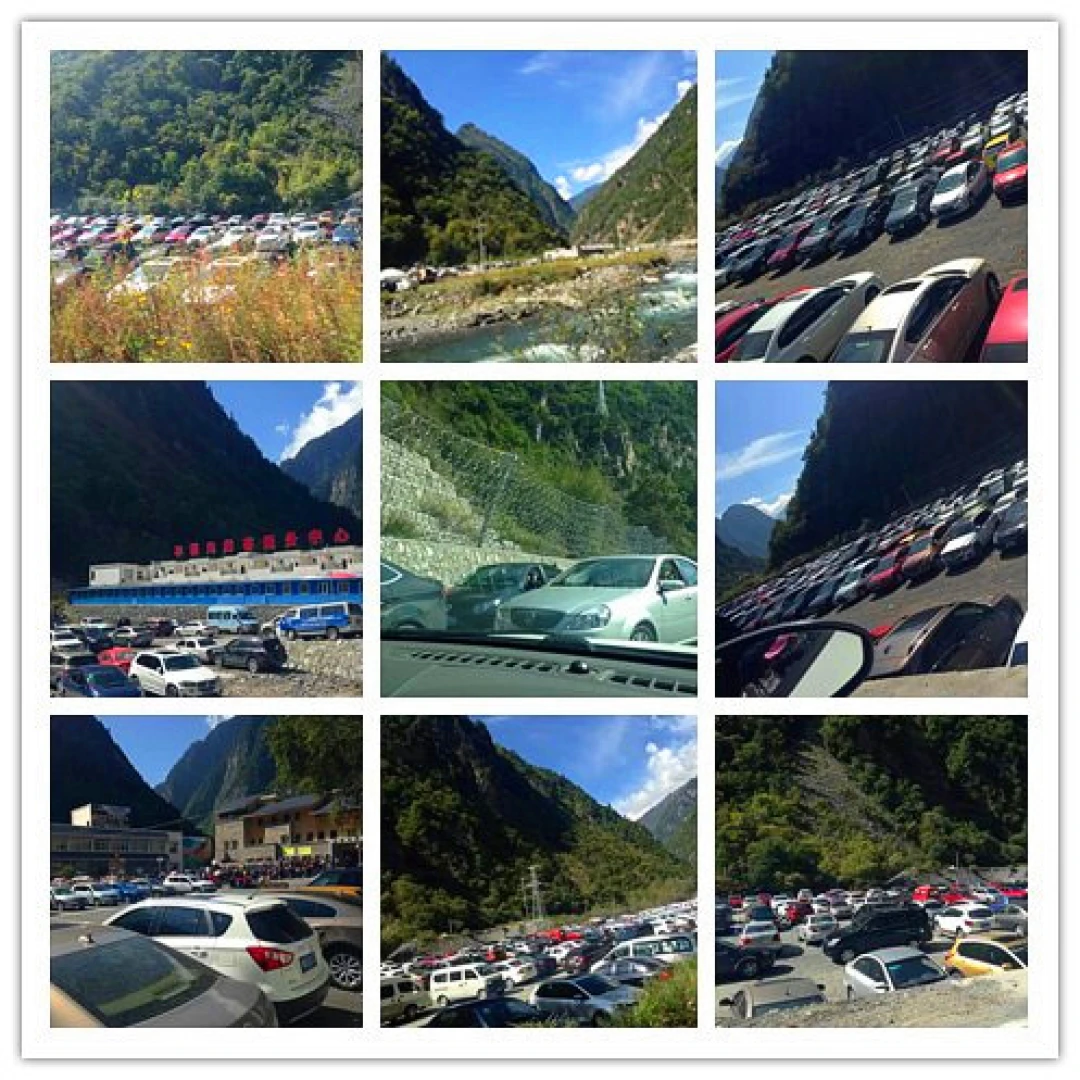
Leaving Jiuzhaigou, we navigated the legendary Nine Bends (Jiudao Guai), a series of sharp curves that would make anyone dizzy before revealing the beauty beyond. At dusk, we passed Ganhai (Ganhaizi), where the last rays of sunlight danced on the water, shimmering in a way that left us speechless.
[Link: Jiuzhaigou off-season travel guide]
Fourth Stop: Zoige – A Sapphire on the Grassland
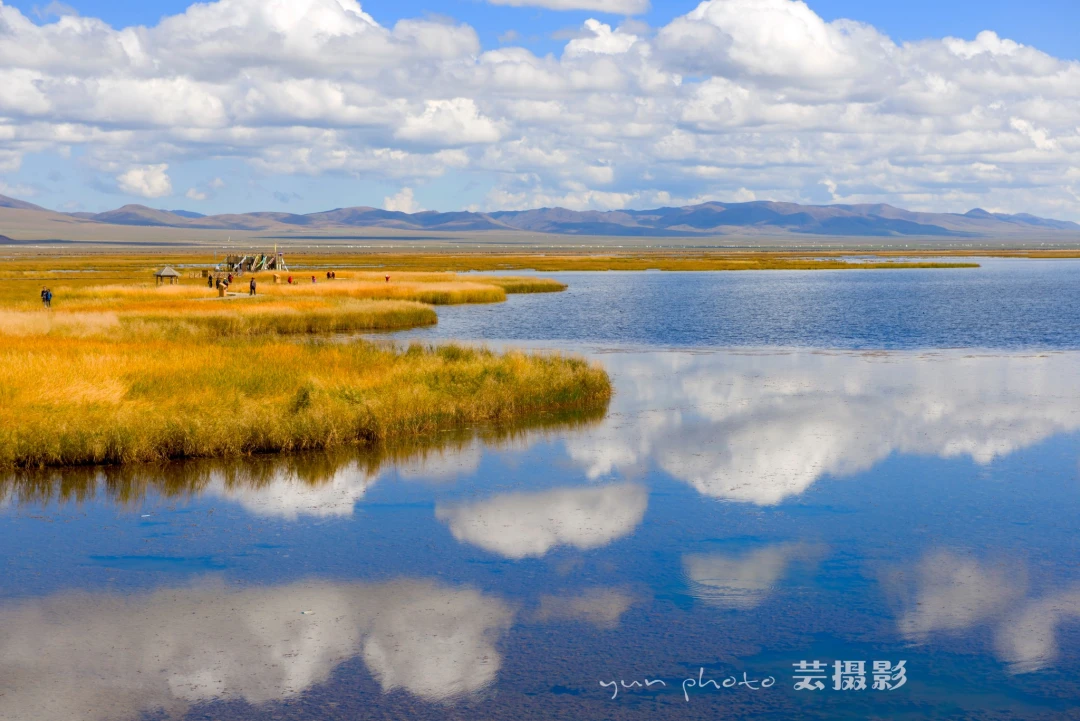
Zoige Grassland is a vast expanse on the northeastern edge of the Qinghai-Tibet Plateau. Flower Lake (Huahu) is its brightest jewel, entrance fee 110 RMB (including the park shuttle). That day, we practically had the entire park to ourselves—you could count the visitors on two hands. The golden grassland wetlands were even more captivating than their summer green; yellow ducks and gulls frolicked on the lake, while black-necked cranes strolled gracefully.
First Bend of the Yellow River: Weather Intervenes
From Flower Lake, I drove toward the First Bend of the Yellow River (Huanghe Jiuqu Diyi Wan). But the weather had other plans—a downpour started just as I arrived. I hesitated, decided not to buy a ticket, and turned around for Hongyuan. After all, it's all winding rivers—Moon Bay (Yueliang Wan) should offer some good photo opportunities too.
[Link: Zoige grassland travel tips and best photo spots]
Fifth Stop: Hongyuan – The Grassland the Red Army Crossed

Hongyuan County was personally named by Premier Zhou Enlai to commemorate the Red Army's Long March. This vast grassland, where the Red Army once struggled through marshes, is now a peaceful expanse of golden autumn colors. The drive through Hongyuan offers sweeping views of the horizon, with yaks dotting the landscape like black pearls.
FAQ: Aba Ring Road Self-Drive Tour
1. What is the best time for an Aba Ring Road autumn self-drive tour?
The ideal time is mid-October to early November when autumn colors peak. My late-September visit encountered "unfinished autumn"—the leaves hadn't fully turned gold. For vibrant reds and yellows, plan your trip for the second half of October.
2. Is the Aba Ring Road suitable for beginner self-drivers?
 Yes, but with caution. The roads are generally well-maintained, but you'll encounter mountain passes, sharp curves (like the Nine Bends), and potential altitude sickness (Zoige sits at 3,400m). A vehicle with good ground clearance is recommended. My Chevrolet Cruze managed fine, but SUVs are more comfortable.
3. How much does a 7-day Aba Ring Road trip cost?
 My total was 4,912 RMB for a solo traveler. With a companion, per-person cost drops to around 2,772 RMB. Major expenses include entrance fees (2,140 RMB), gas (1,000 RMB), and accommodation (850 RMB). Budget travelers can save by staying in family-run guesthouses.
4. Can I visit Jiuzhaigou and Huanglong in the same trip?
Absolutely. They're only 153 km apart and form the core of the Aba Ring Road. I visited Huanglong first, then drove to Chuanzhusi (44 km) before heading to Jiuzhaigou the next day. Both are must-see destinations on any northern Sichuan road trip itinerary.
5. What should I pack for an autumn Aba Ring Road self-drive?
Pack layered clothing—temperatures range from 5°C at night to 20°C during the day. Bring a warm jacket, comfortable hiking shoes, sunscreen, sunglasses, and a camera with a wide-angle lens for landscapes. Snacks and water are essential as dining options can be limited between scenic spots.
Conclusion: Why You Should Embark on Your Own Aba Ring Road Adventure
The Aba Ring Road offers an unparalleled blend of Tibetan culture, alpine lakes, golden grasslands, and travertine wonders. Whether you're a solo traveler seeking solitude or a family looking for an unforgettable road trip, this route delivers. The unfinished autumn I encountered only made me want to return—and I bet you'll feel the same.
Ready to plan your own northern Sichuan self-drive tour? Start by mapping out your route, checking road conditions, and booking accommodation during peak season. The freedom of the open road, the scent of pine forests, and the sight of snow-capped peaks await.
[Link: Complete Aba Ring Road travel guide with maps]
Call to Action: Have you driven the Aba Ring Road? Share your experiences in the comments below! If you're planning a trip, download our free Aba Ring Road checklist to ensure you don't miss a single scenic spot.
You may also like


