Driving the Reverse Li-Xiaolu Road, Sleeping Under Apple Trees | Packing Early Autumn in Western Sichuan into a Tent
Meta Description: Discover the ultimate Western Sichuan road trip guide: driving the reverse Li-Xiaolu Road, camping under apple trees, and experiencing early autumn in a tent. Expert tips, hidden campsites, and family-friendly itinerary.
Introduction: Why Western Sichuan in Early Autumn is a Camper's Paradise
When most travelers think of National Day in Western Sichuan, they imagine crowded scenic spots and endless queues at网红 (internet-famous) check-in points. But for those willing to venture off the beaten path, early autumn in Western Sichuan offers something far more rewarding: the chance to sleep under apple trees, wake to mist-shrouded Tibetan villages, and drive the legendary Li-Xiaolu Road in reverse.
In autumn 2025, we set out from Chongqing with a tent, a pressure cooker, and a simple goal—to pack the essence of early autumn into our camping gear. Over seven days and six nights, we traded crowded viewpoints for wind, rain, starry skies, and an apple tree laden with fruit. Here's how you can do the same.
Day 1 | Cilang Lake Camping: The First Tent on a Rainy Night
Escaping the National Day Traffic Jam
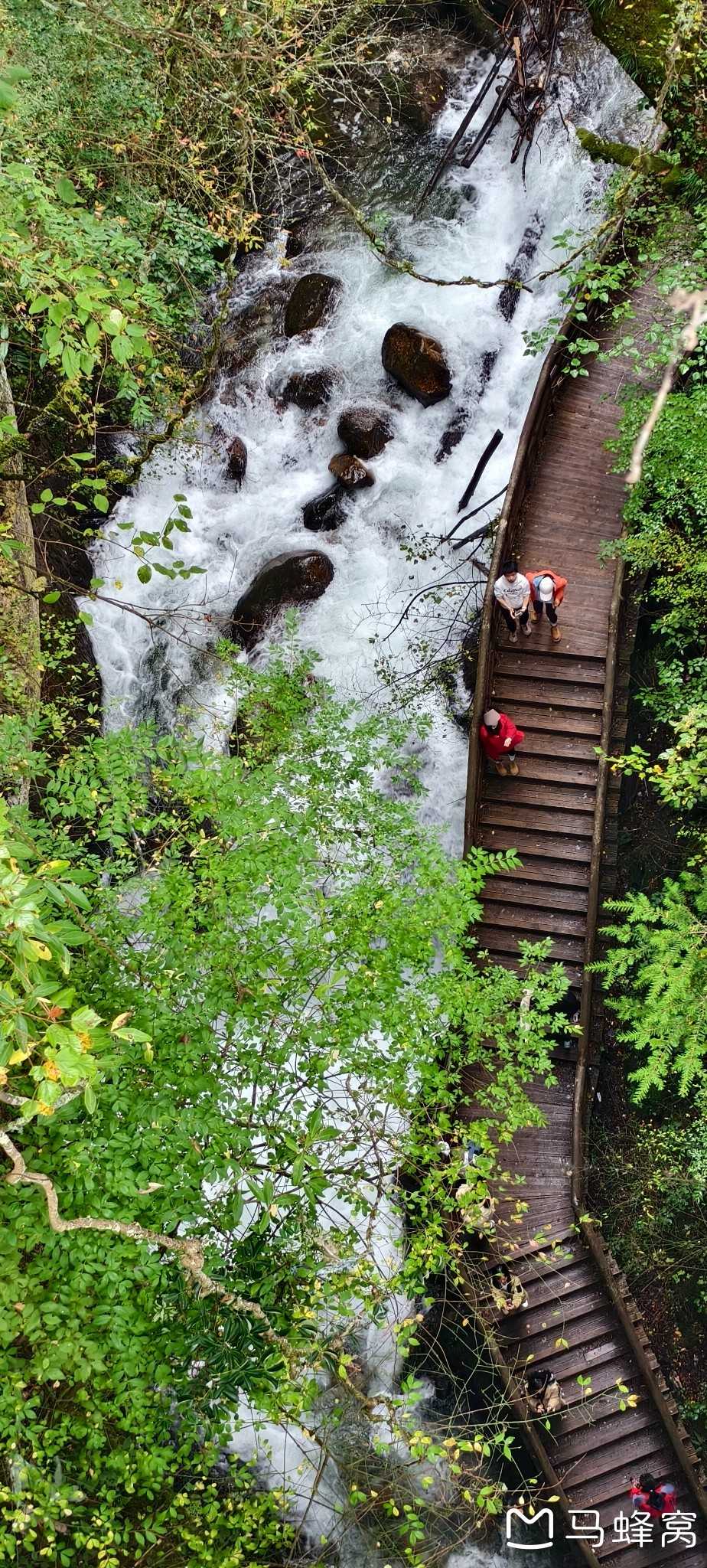
The first day of National Day is notorious for gridlock on roads leaving Chongqing. We delayed our departure until 11 AM, heading west toward Tianquan County. Our original plan was to camp at the five-star Tianquan Service Area, but real-time traffic maps showed solid red—so we pivoted.
Pro tip: When the main routes are jammed, look for satellite-map-verified alternatives. We spotted Cilang Lake Wetland Park on the map—a hidden gem with a parking lot, permeable brick paving perfect for tent pegs, nearby toilets, and water access. Best of all? Almost no crowds.
Setting Up Camp in the Rain
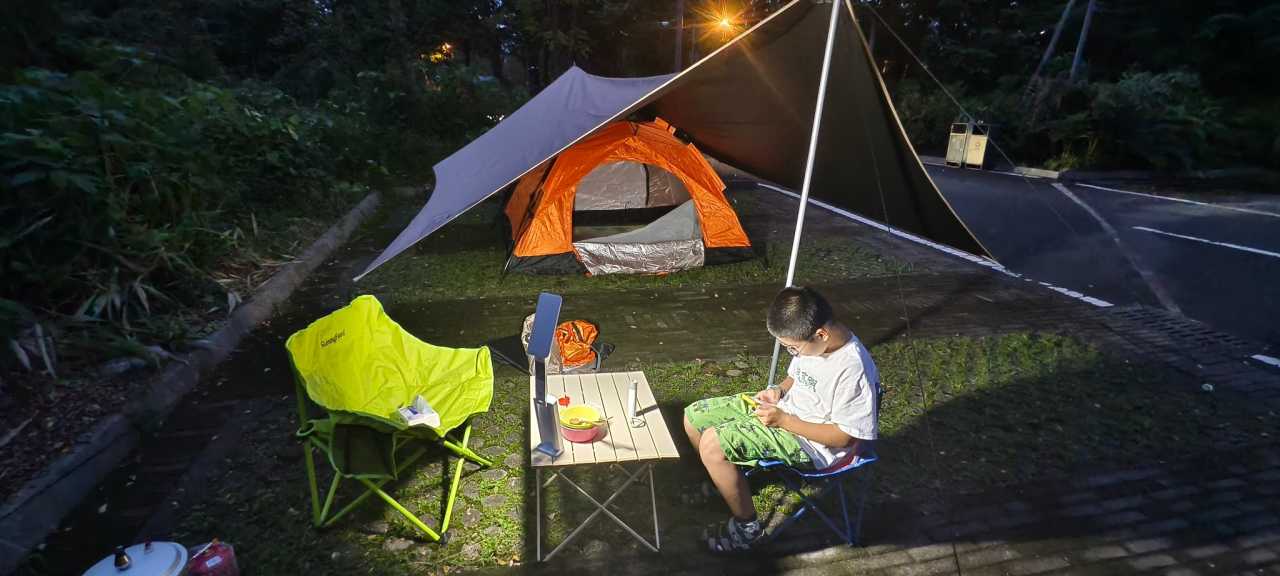
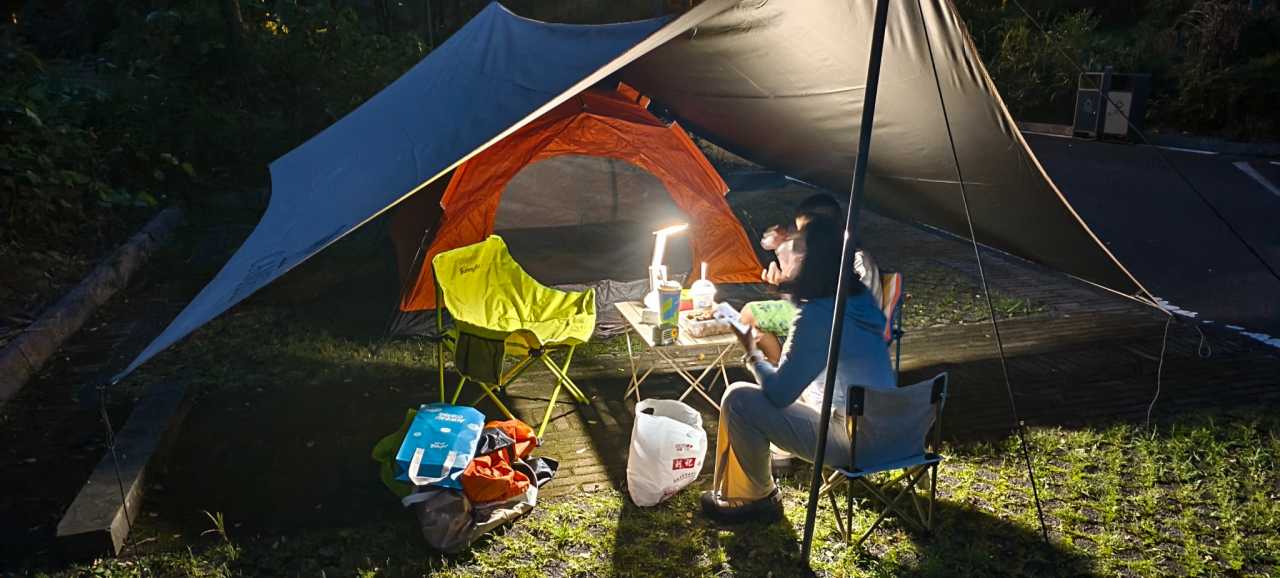
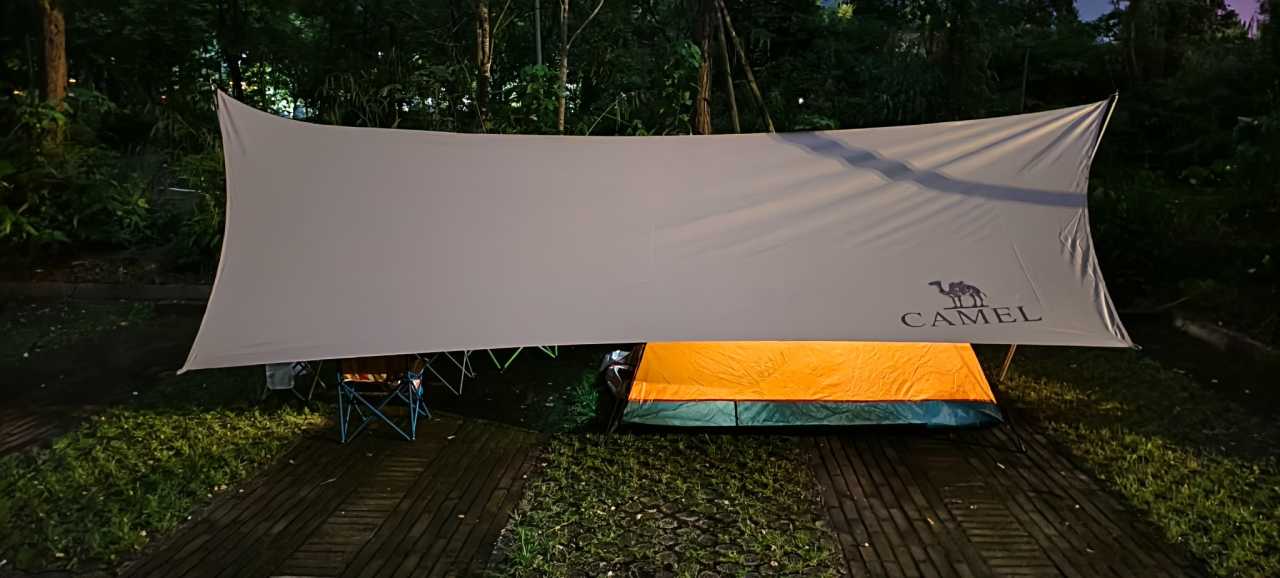
We arrived just as a light rain began. Setting up the tarp became a race against the weather, but the pressure cooker saved dinner—it cooks rice in minutes. Passing through Rongchang at noon, we grabbed a bowl of铺盖面 (wide sheet noodles) and half a braised goose for evening snacks.
After dinner, we walked around the lake. The running track and fitness equipment were nice touches, but the rain returned overnight, tapping against the tent fabric until dawn.
Day 2 | Zhonglu Tibetan Village Camping: A Rainbow Over the Watchtowers
From Cilang Lake to the Dadu River Gorge
Waking to overcast skies, we packed up and bought glutinous rice dumplings (汤圆) for breakfast. Taking a shortcut through the Tianquan Service Area on National Highway 318, we noted the "318 Highway Museum" felt more like a small shopping mall—fine for a normal day, but not worth the National Day crowds.
After refueling, we passed through a series of tunnels to reach Luding. Emerging from the Erlang Mountain Tunnel, the weather transformed—Luding was bathed in bright sunshine. Two massive bridges spanned the Dadu River Gorge: the expressway bridge and the nearly finished Sichuan-Tibet Railway bridge. Their red steel frames looked like two giant dragons.
Finding the Perfect Campsite at Zhonglu Tibetan Village
Heading north along the Dadu River Gorge, we cooked instant noodles by the roadside at noon (the wind nearly blew the pot away). By 4 PM, we reached Danba. Suopo Township's watchtowers were tempting, but we couldn't find a suitable campsite there.
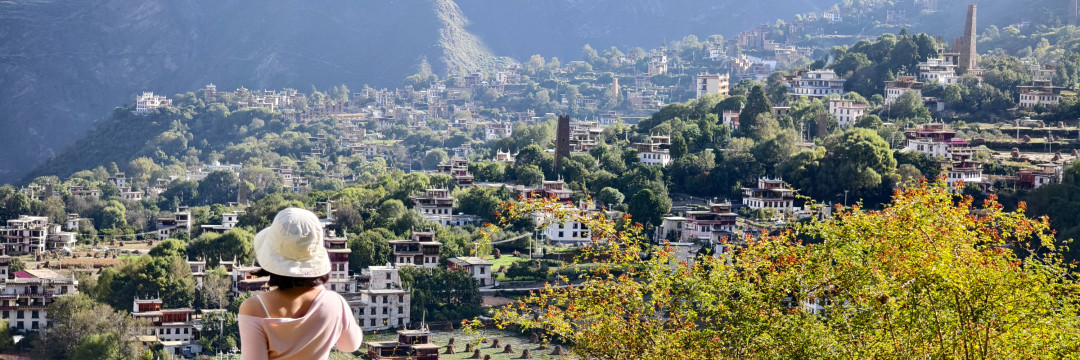
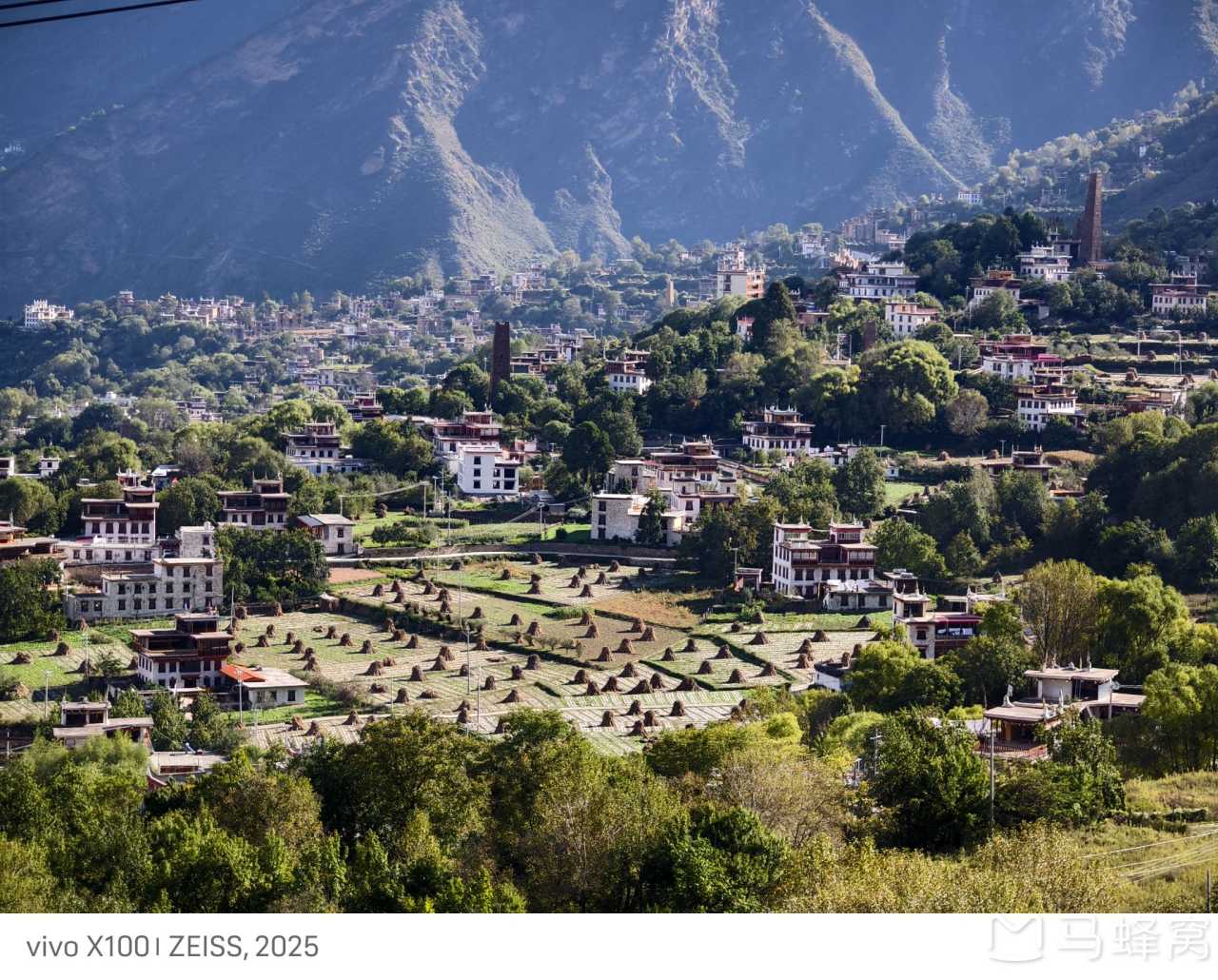
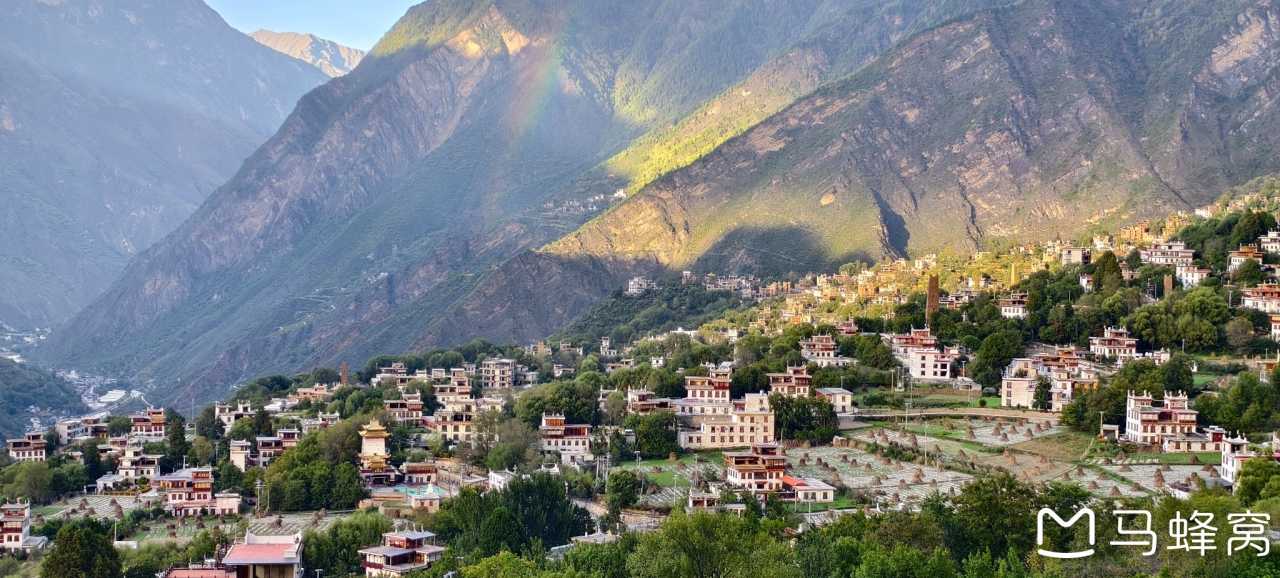
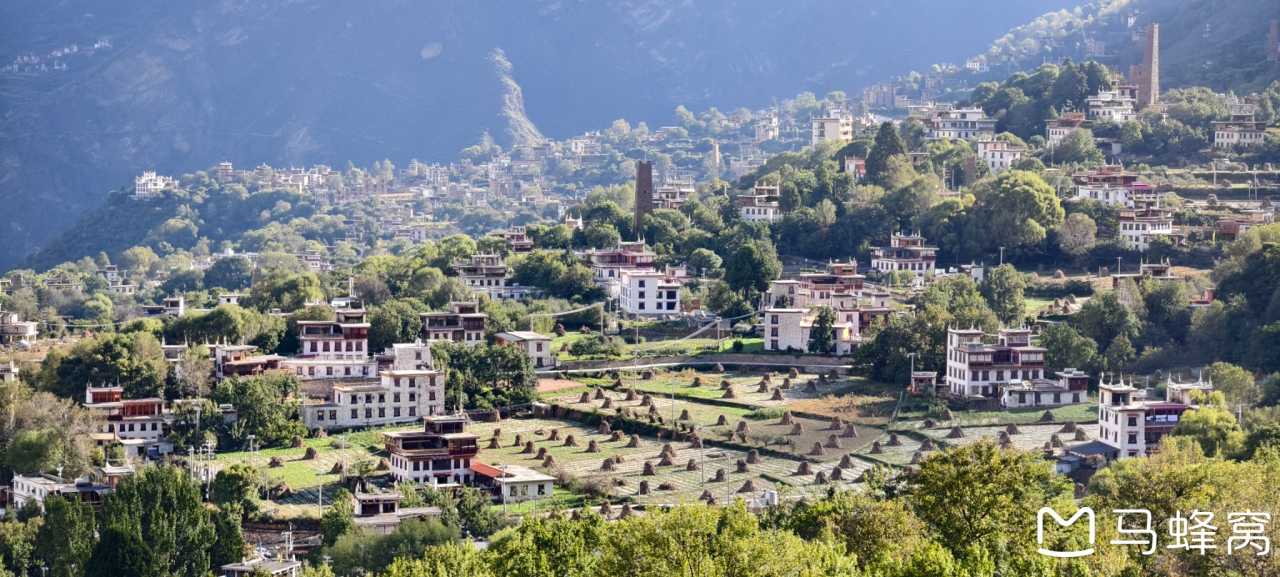
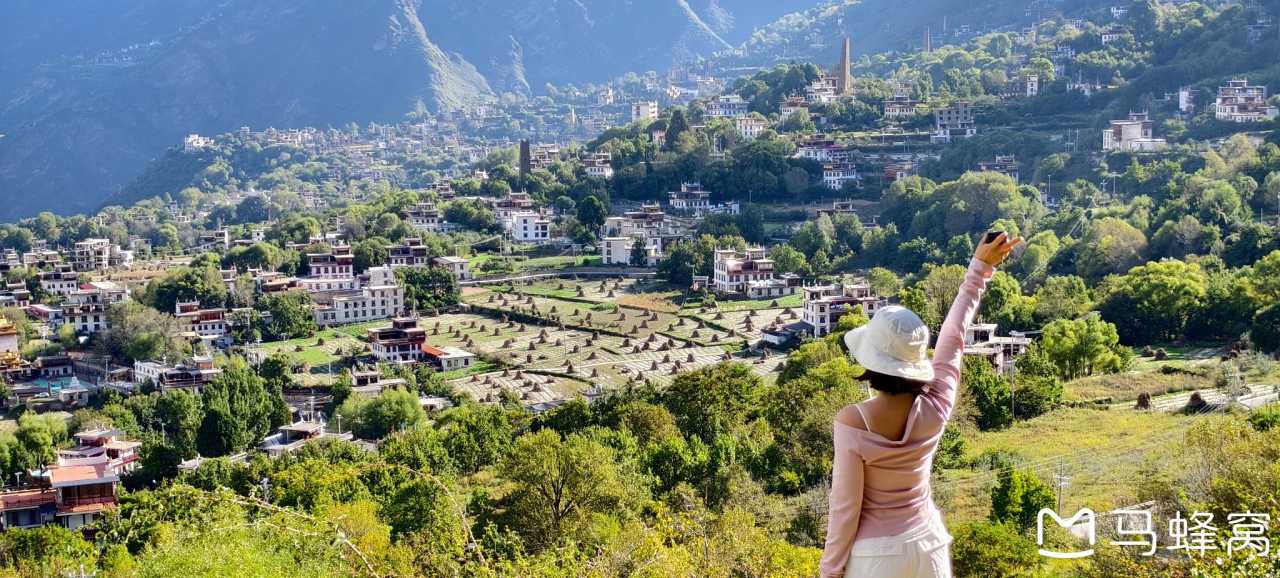
We turned right up a mountain road and after 30 minutes arrived at the Zhonglu Tibetan Village viewing platform. Free entry. Stunning views. And when the rain cleared, a rainbow appeared over the valley—a perfect reward for the detour.
Camping tip: Zhonglu Tibetan Village's viewing platform gets crowded during National Day. We found a spot just as the rain started, but the rainbow made it unforgettable. If you visit in late October, the yellow leaves and cornstalk stacks create peak autumn scenery.
Day 3 | Camping Under Apple Trees: Reaching Out to Touch Autumn

Morning at Zhonglu Tibetan Village

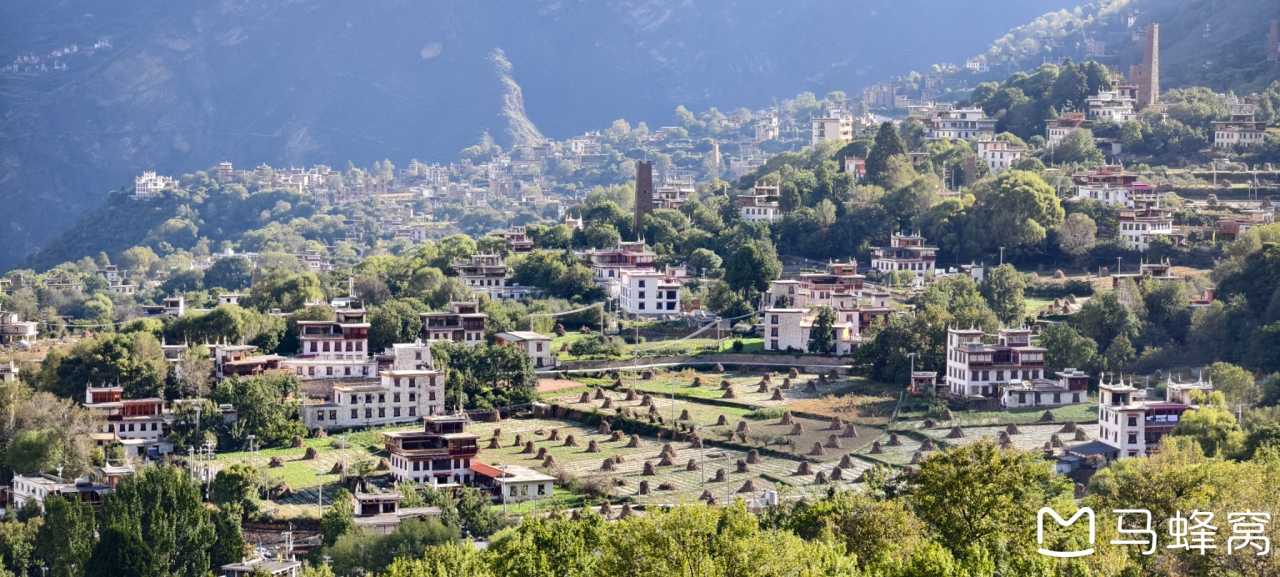
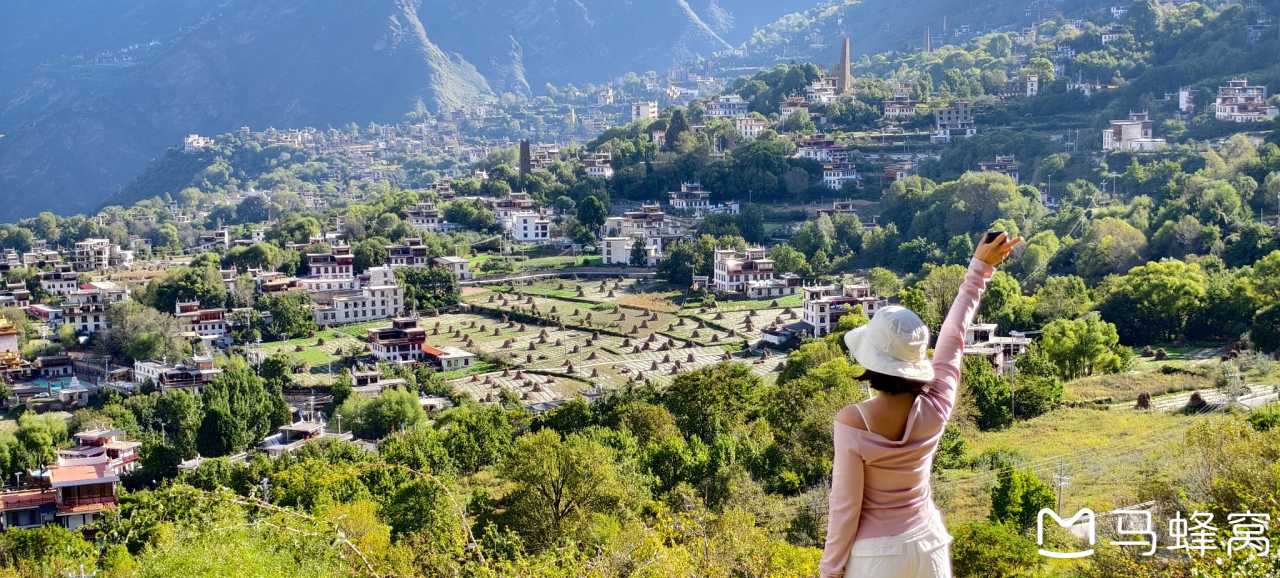
Dawn brought thin mist drifting over mountain peaks. After porridge, we climbed higher for an even more expansive view of the village. The rising sun illuminated the white pagoda (白塔) and traditional watchtowers—most were inside private homes, so we couldn't enter.
Danba lives up to its reputation for beautiful women. Grandmothers, mothers, and older sisters in traditional ethnic costumes were stunning. Old pear trees, decades or even a century old, were laden with fruit.
The Search for a Campsite Under Apple Trees
Just as we prepared to descend, an old grandpa called out. The road ahead had collapsed. We turned back.
We wanted to visit Dangling, but the traffic jam toward Danba was brutal. Instead, we turned right toward Xiaojin. The road was clear except for a one-hour wait at a landslide section with alternating single-lane traffic.
At noon, we arrived in Xiaojin county town. After翘脚牛肉 (cross-legged beef soup) and charging devices at KFC, we searched for a campsite. A satellite map showed a promising viewing platform—but it was another mistake.
The road narrowed to a single lane. We couldn't turn around. It turned out to be a contracted orchard with grapes and apples. Gritting our teeth, we scouted ahead and found a small bay to turn around. Lesson learned: If no one has reviewed a spot on Xiaohongshu (Little Red Book), there's usually a reason.
Why the Reverse Li-Xiaolu Road Route Works for Camping
The reverse Li-Xiaolu Road (理小路反穿) is a lesser-known alternative to the popular Li-Xiaolu route. By driving it in reverse, you:
- Avoid crowds at major scenic spots
- Discover hidden campsites like Cilang Lake and Zhonglu Tibetan Village
- Experience authentic Tibetan culture without the tourist crowds
- Sleep under apple trees in contracted orchards (with permission)
Essential Gear for Western Sichuan Camping
| Item | Why It Matters |
|---|---|
| Pressure cooker | Cooks rice in minutes, even at high altitudes |
| Tarp | Essential for sudden rain showers |
| Satellite map app | Find hidden campsites off the main roads |
| Warm sleeping bag | Night temperatures drop significantly in early autumn |
| Portable stove | Cook meals when campfires aren't allowed |
Frequently Asked Questions
1. Is the reverse Li-Xiaolu Road suitable for beginners?
Yes, but with caveats. The road conditions vary—some sections are narrow single-lane roads with landslides. We recommend a 4WD vehicle and experience with mountain driving.
2. What's the best time for camping in Western Sichuan?
 Early autumn (late September to mid-October) offers mild temperatures, fewer crowds than National Day, and beautiful fall colors. Late October is peak autumn scenery.
3. Do I need permits for camping in Western Sichuan?
 Most campsites mentioned here are free. For contracted orchards or private land, always ask permission. National parks and protected areas may require permits.
4. How do I find hidden campsites?
Use satellite map apps (Google Maps, Gaode) and look for parking lots, viewing platforms, or flat areas near water sources. Check Xiaohongshu for recent reviews.
5. What about altitude sickness?
Western Sichuan's altitude ranges from 1,500m to 4,000m+. Acclimatize gradually, stay hydrated, and carry medication. Our route stayed below 3,500m.

Internal Linking Suggestions
- [Link: Ultimate Western Sichuan Road Trip Guide]
- [Link: Best Camping Spots in Danba County]
- [Link: How to Choose a Pressure Cooker for High-Altitude Camping]
- [Link: National Day Travel Tips for Sichuan Province]
- [Link: Tibetan Village Etiquette and Cultural Tips]
Final Thoughts: Why You Should Pack Early Autumn into a Tent
Western Sichuan's early autumn is a fleeting gift—wind, rain, starry skies, and apple trees heavy with fruit. By driving the reverse Li-Xiaolu Road and camping at hidden spots like Cilang Lake and Zhonglu Tibetan Village, you can experience it without the crowds.
Ready to plan your trip? Start by downloading a satellite map app, packing your pressure cooker, and choosing a route that prioritizes flexibility over fixed plans. The best campsites are the ones you discover along the way.
Share your Western Sichuan camping story in the comments below! Which hidden spot would you add to this itinerary?
Note: This article is based on a real trip in autumn 2025. Road conditions, campsite availability, and seasonal factors may vary. Always check current conditions before traveling.