Dreaming, I Knew Not I Was a Guest — A Fleeting Indulgence in Yunnan and Sichuan: A 25-Day Solo Backpacking Journey
Meta Description: Explore a 25-day solo backpacking adventure through Yunnan and Sichuan, from Chongqing hotpot to the snow mountains of western Sichuan. Discover travel tips, hidden gems, and the philosophy of slow travel in this SEO-optimized travelogue.
Introduction: Why This Journey Matters
There are trips that simply pass through your life, and then there are those that leave a permanent mark on your soul. This 25-day solo backpacking journey through Yunnan and Sichuan was the latter. From the fiery hotpot of Chongqing to the serene snow-capped peaks of western Sichuan, every step felt like a page torn from a dream — a fleeting indulgence where time stood still.

As an SEO content strategist, I've written hundreds of travel guides. But this one is different. This is not just a list of places to visit; it's a personal chronicle of discovery, connection, and the raw beauty of traveling without a rigid plan. Whether you're a seasoned backpacker or someone dreaming of their first solo trip, this guide will inspire you to pack your bags and embrace the unknown.
The Philosophy of Slow Travel: Why Being on the Road Matters More Than the Destination
When the Backpack Becomes a Habit
I can no longer remember exactly when I first hoisted a bag onto my shoulders and set off on a journey alone. All I know is that since then, I've visited some cities, seen some landscapes, and met some people. Without realizing it, backpacking became a part of my life — the way some people need their morning coffee, or others need to read before bed, I need to be on the road.
This trip lasted 25 days — not the longest I've ever taken, but the one that moved me the most. Perhaps it's because northwestern Sichuan in March has a flavor all its own. Many people say autumn is the most beautiful season in western Sichuan, and locals along the way kept telling me: "There's nothing to see this time of year. Why not wait until October during National Day? It's stunning then."
Every time I heard that, I just smiled to myself. The mountains are still there. The roads are still there. Every season has its own unique face — it just takes someone willing to see it.
On the road, of course we hope to see the most beautiful scenery. But more often than not, things don't go exactly as planned. So what matters most isn't what you see — it's that you're on the road.
Gratitude to Those I Met Along the Way
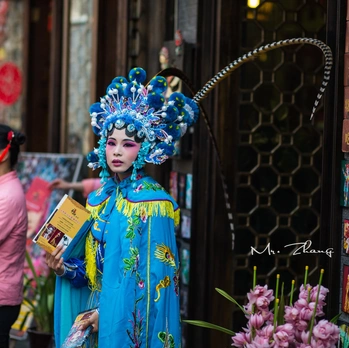
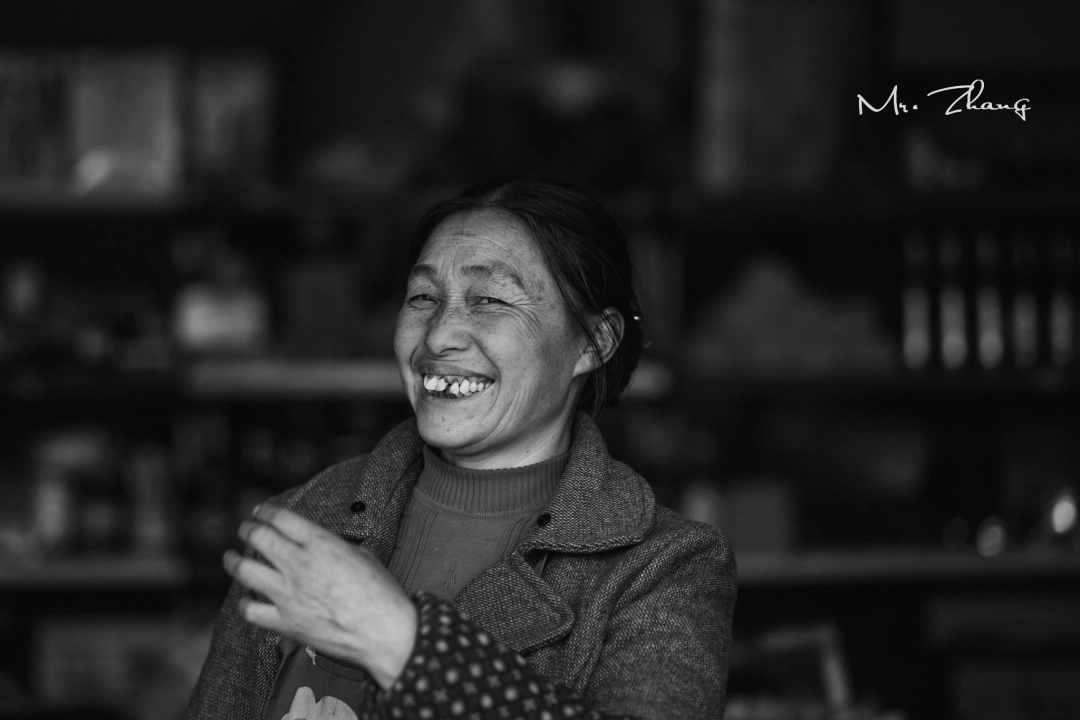
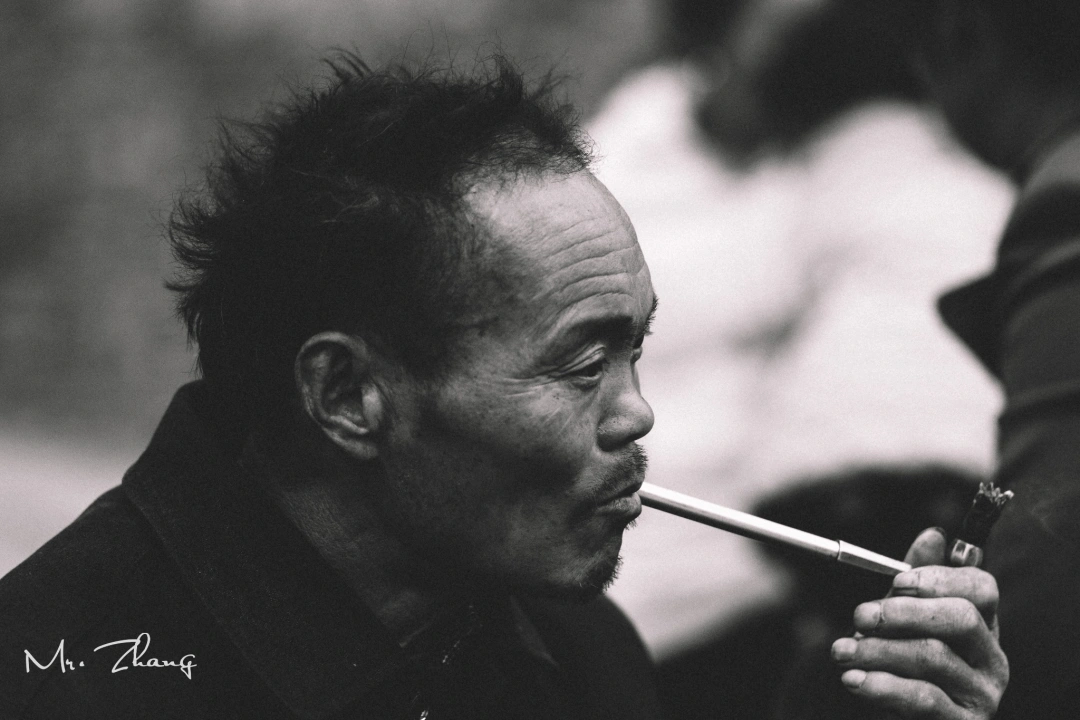
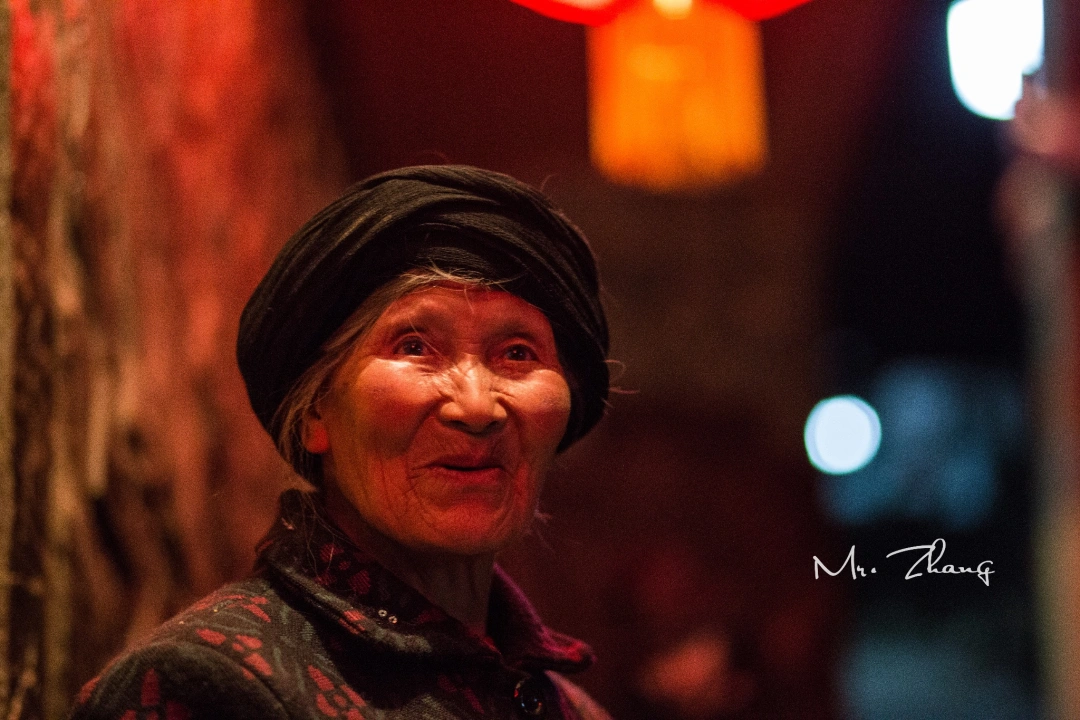
I owe special thanks to several people from this journey. First, to those who volunteered — or were volunteered — to be my models. If you're lucky enough to find this travelogue and spot yourself in a photo, please get in touch. I'll print it out and mail it to you — and of course, if you'd rather I delete it, that's absolutely fine too.
Second, to the travel buddies I met on the road. Special thanks to Brother Sun, whom I met in Sertar (Seda). We traveled together and shared drinks every day. Several of the digital and film photos in this journal are his.
About the Title: Half Sea, Half Flame
My initial impression of this journey was "half sea, half flame." A friend asked why I put it that way. There wasn't any deep reason — mostly it was because the weather was so erratic that I caught a cold within days of landing. Nothing serious — no headache or fever — but I went through plenty of tissues. I joked to a friend that I must have shed a few pounds' worth of snot on this trip. He said I was disgusting. I was just being honest.
Later, when I was discussing possible titles with Brother Sun, he casually tossed out: "Dreaming, I knew not I was a guest — a fleeting indulgence." I thought about it and realized how fitting it was. But such an elegant title demands a certain depth of feeling to match, and my writing skills just aren't up to the task. All I can manage is a simple chronicle. Words can capture maybe a tenth of the stories and emotions from the road; photos can show half. The rest — you'd have to experience it yourself.
How to Prepare for a Solo Backpacking Trip in Yunnan and Sichuan
Travel Light, Bring a Good Mood
Every time I travel, I carry just one medium-sized bag with the essentials. Too much stuff and it stops being a trip and starts being an ordeal. Keep it simple.
This time I was traveling domestically, so language wasn't really an issue. Even though the Mandarin spoken in Tibetan areas was hard to follow, I could usually get the gist. Being able to understand gave me a basic sense of security. Also, keeping your phone charged is important — even though for nearly half this trip, I had absolutely no signal.
But really, none of that matters as much as this: remember to bring a happy heart and eyes that can find joy. I rarely read travel guides before a trip. I just set a general direction and go. As for what happens on the road — we'll figure it out when we get there. Because there's always a surprise waiting.
On Food and Lodging: Not a Guide, Just a Record
This was never meant to be a guidebook. I see it more as a personal log. Everyone has different tastes in food and different standards for accommodation, so you won't find many photos of hotels or meals here. For me, as long as there's wine and meat on the road, and hot water for a shower at the inn — that's enough.
25-Day Yunnan and Sichuan Itinerary: A Step-by-Step Breakdown
Trip Overview: From Chongqing to Kunming
- Day 1: Shanghai → Chongqing (Nanshan One Tree, Hongya Cave)
- Day 2: Chongqing day trip (Eighteen Stairs, Hongya Cave)
- Day 3: Chongqing → Chengdu (Kuanzhai Alley, Jinli Ancient Street)
- Day 4: Chengdu → Luding → Lengqi Town (Luding Bridge)
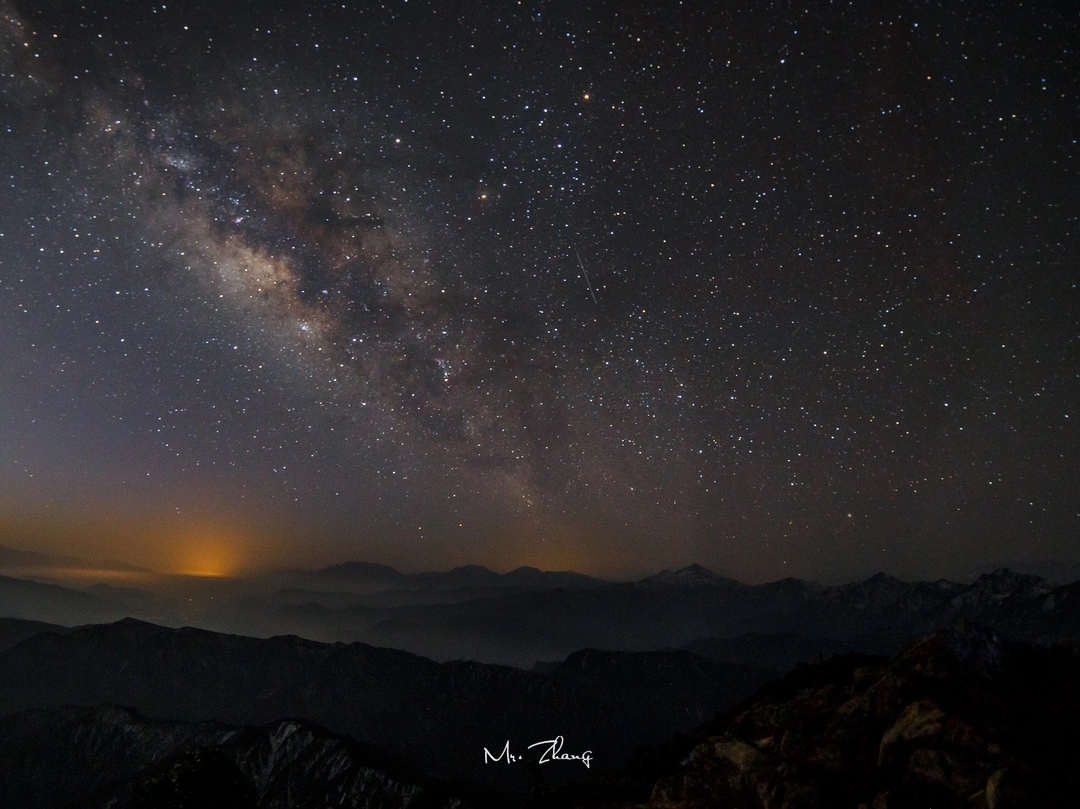
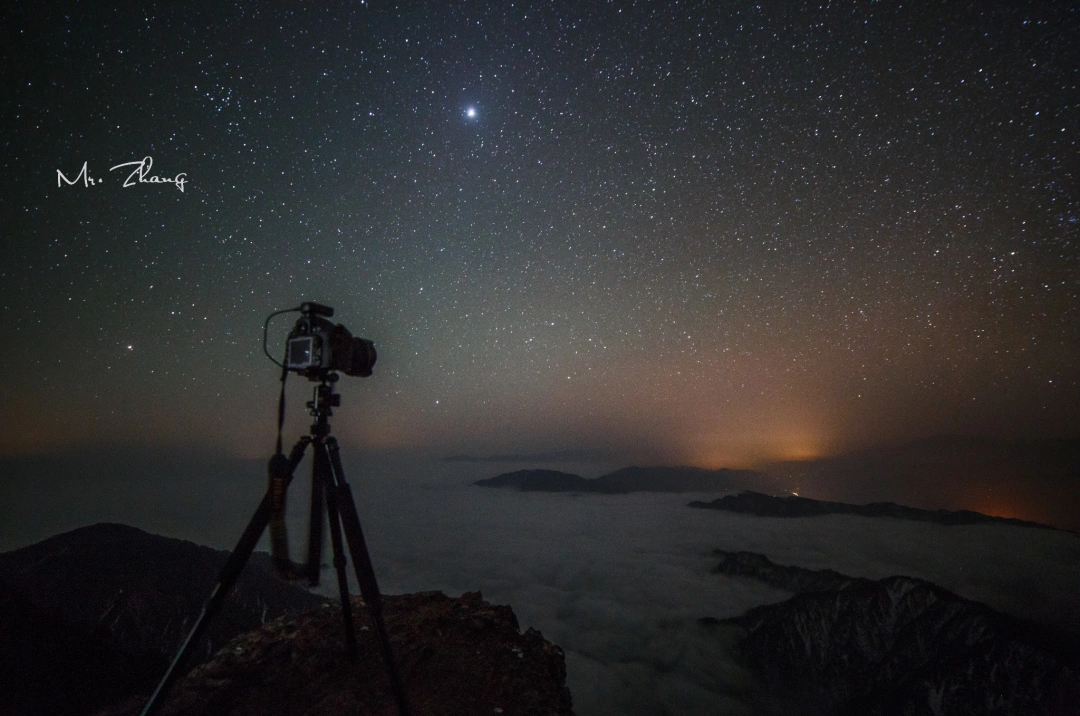
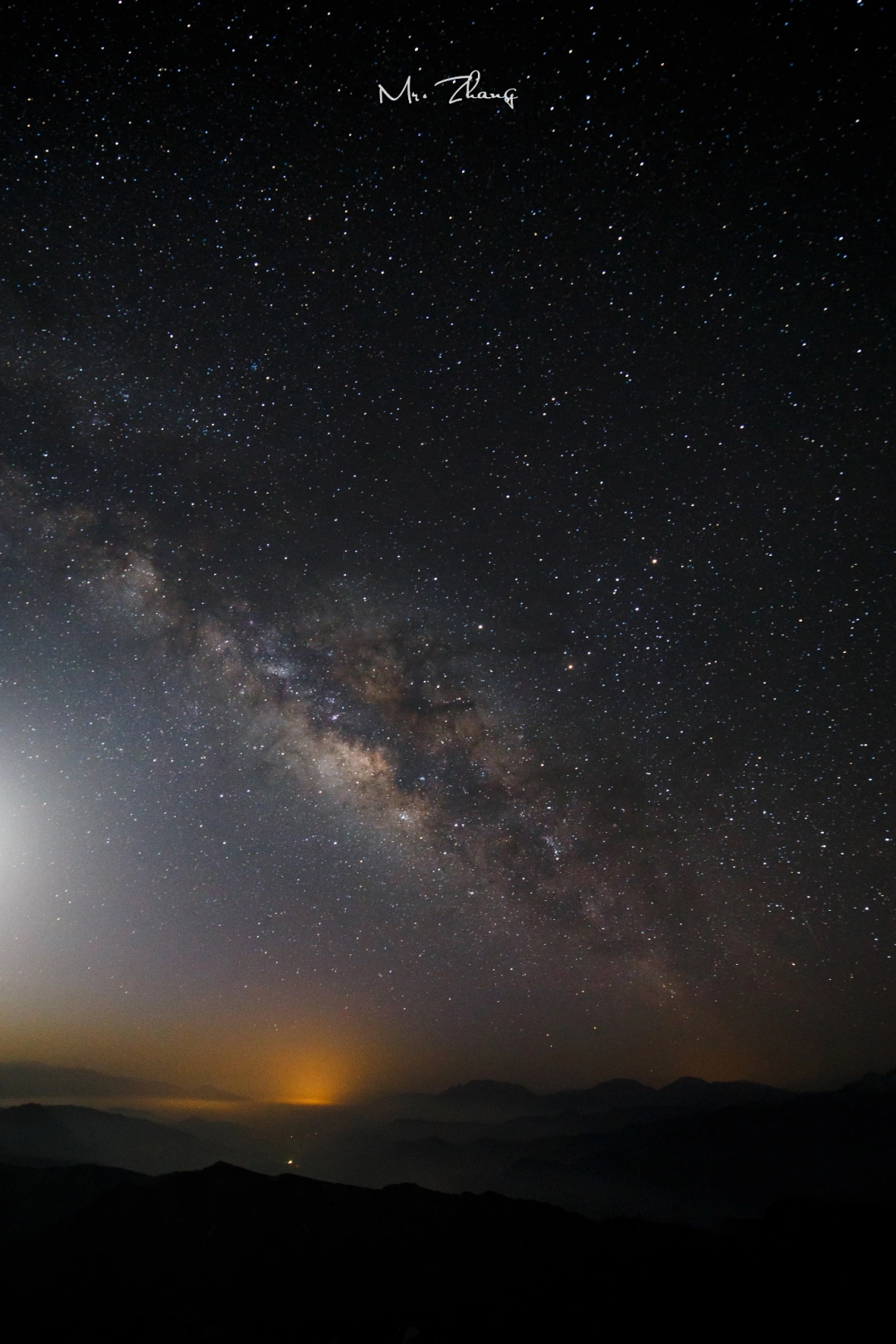
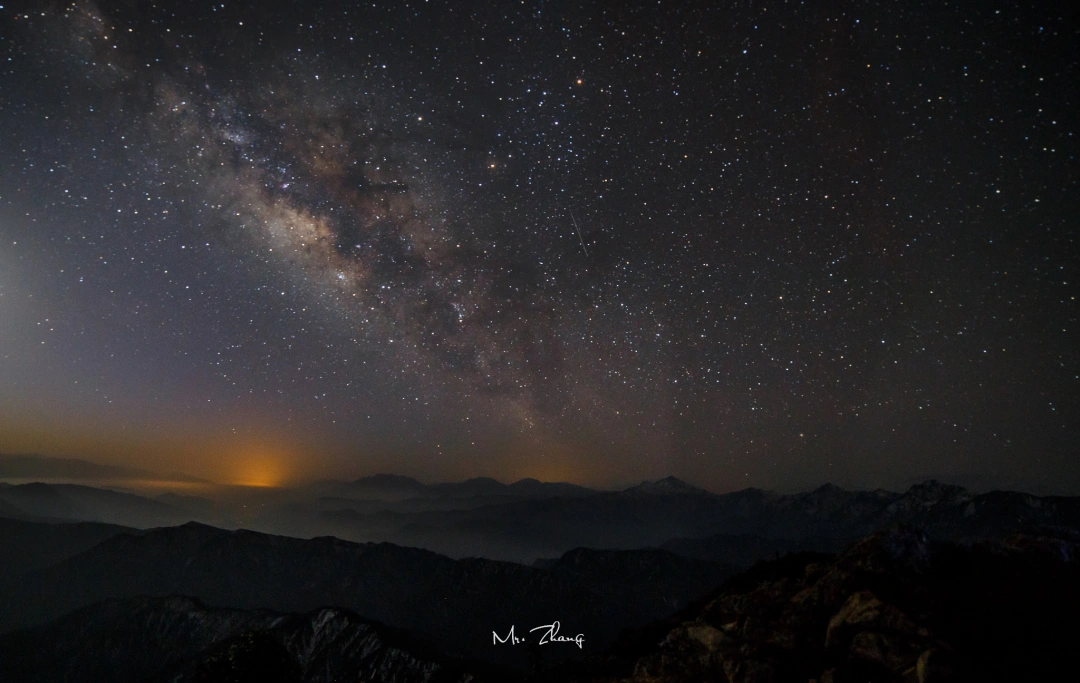
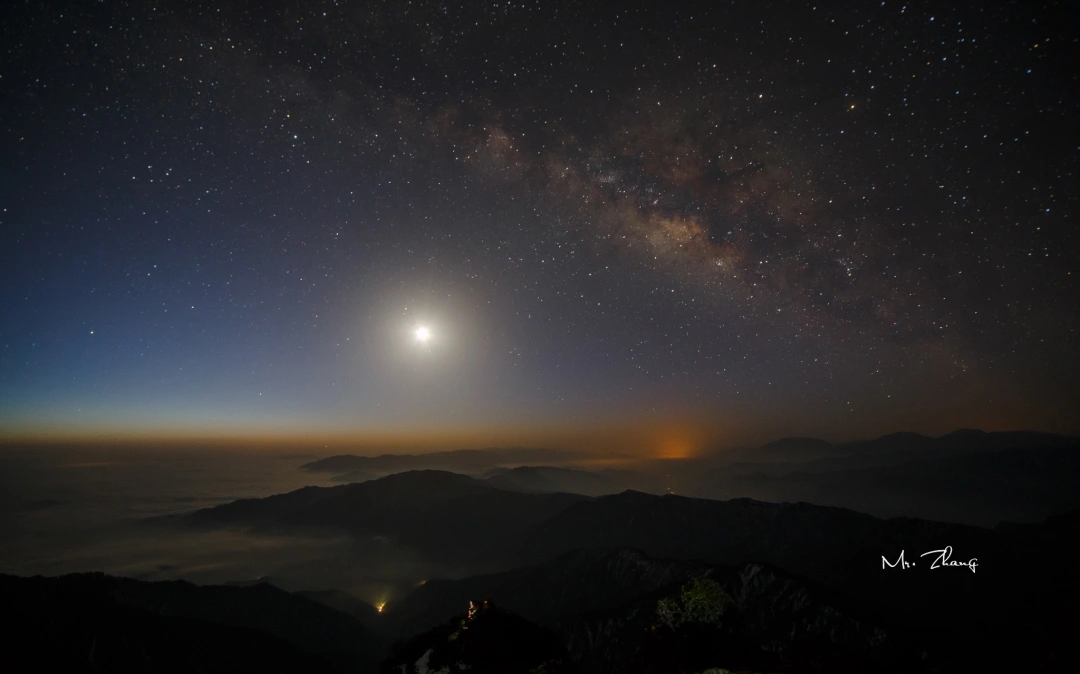
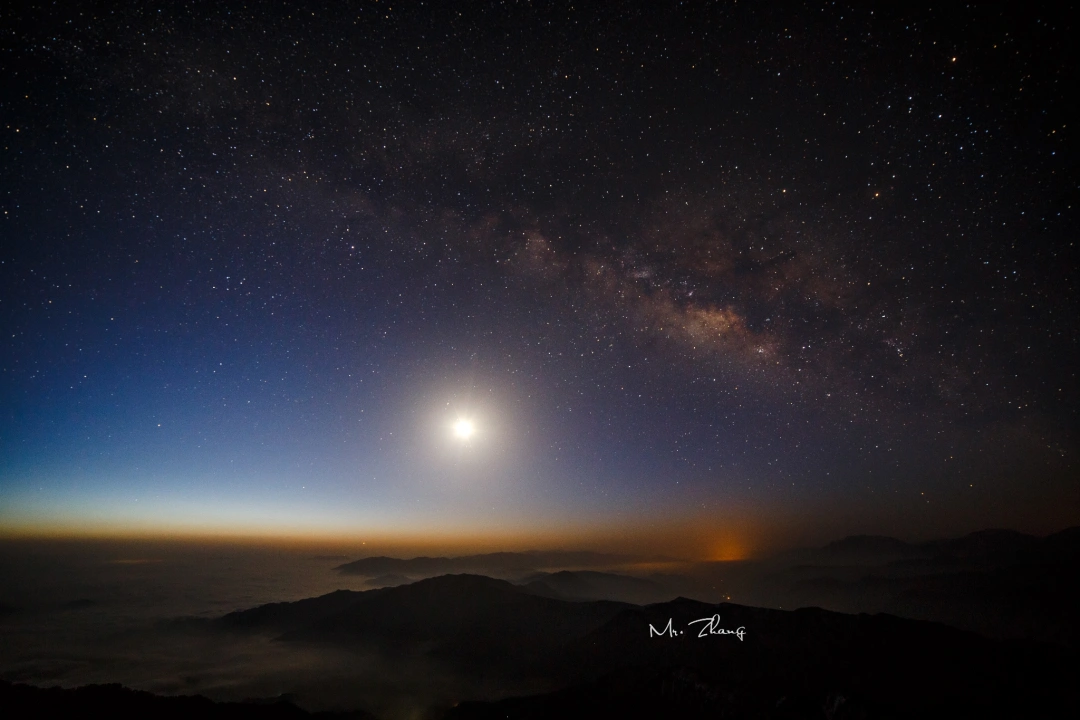
- Day 5: Hiking Niubei Mountain (sunset, starry sky)
- Day 6: Niubei Mountain → Kangding (sunrise)
- Day 7: Kangding → Sertar (Seda) (Buddhist Academy)
- Day 8: Sertar (Sky Burial)
- Day 9: Sertar (small gathering)
- Day 10: Sertar → Luhuo (Sertar in clear weather)
- Day 11: Luhuo → Kangding (Zheduo Mountain)
- Day 12: Kangding → Shade (Zimei Pass)
- Day 13: Kangding (rest day)
- Day 14: Kangding → Daocheng Yading
- Day 15: Hiking Yading → Pearl Sea (Chonggu Temple, Pearl Sea)
- Day 16: Hiking Yading → Five-Color Sea (Milk Sea, Five-Color Sea)
- Day 17: Daocheng → Shangri-La County (Zhagu Temple)
- Day 18: Shangri-La day trip (Old Town, Napahai Lake)
- Day 19: Shangri-La → Tiger Leaping Gorge (hiking views)
- Day 20: Middle Tiger Leaping → Lijiang (Middle Tiger Leaping, Lijiang Old Town)
- Day 21: Lijiang (Dayan Old Town)
- Day 22: Lijiang → Shuanglang (Shuanglang, Erhai Lake)
- Day 23: Shuanglang → Dali Old Town (Erhai Lake → Dali Old Town)
- Day 24: Old Town → West Lakeside Road (Erhai Lake)
- Day 25: Kunming → Shanghai
The Journey: From Chongqing Hotpot to the Snow Mountains of Western Sichuan
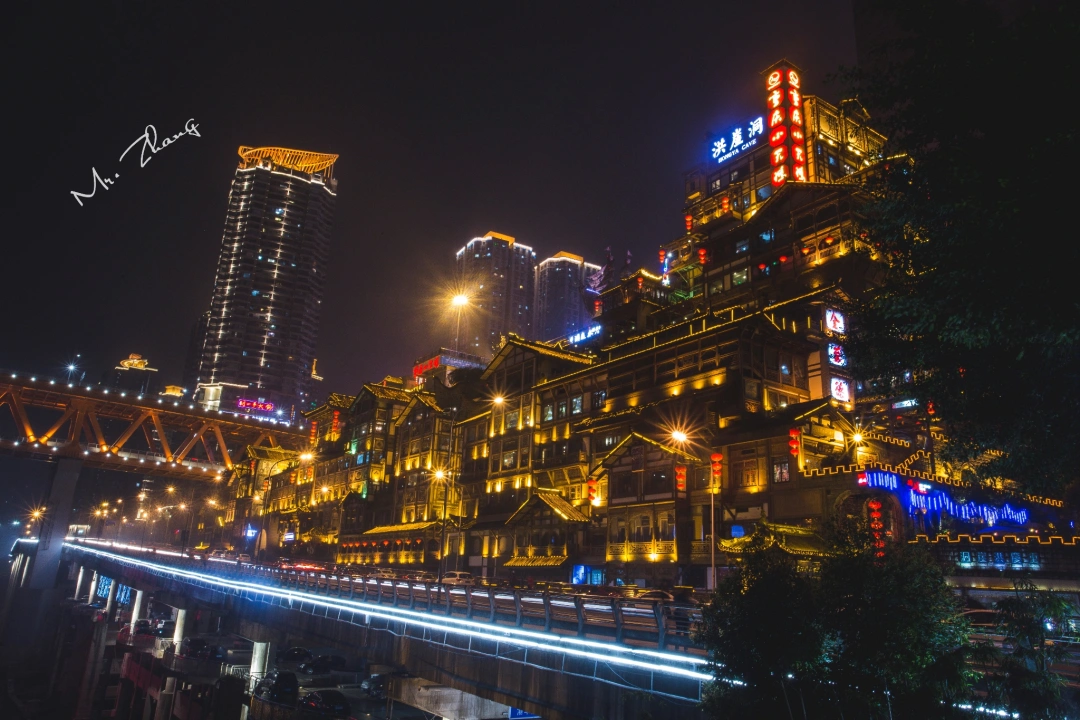
Day One: Shanghai → Chongqing — Half Sea, Half Flame
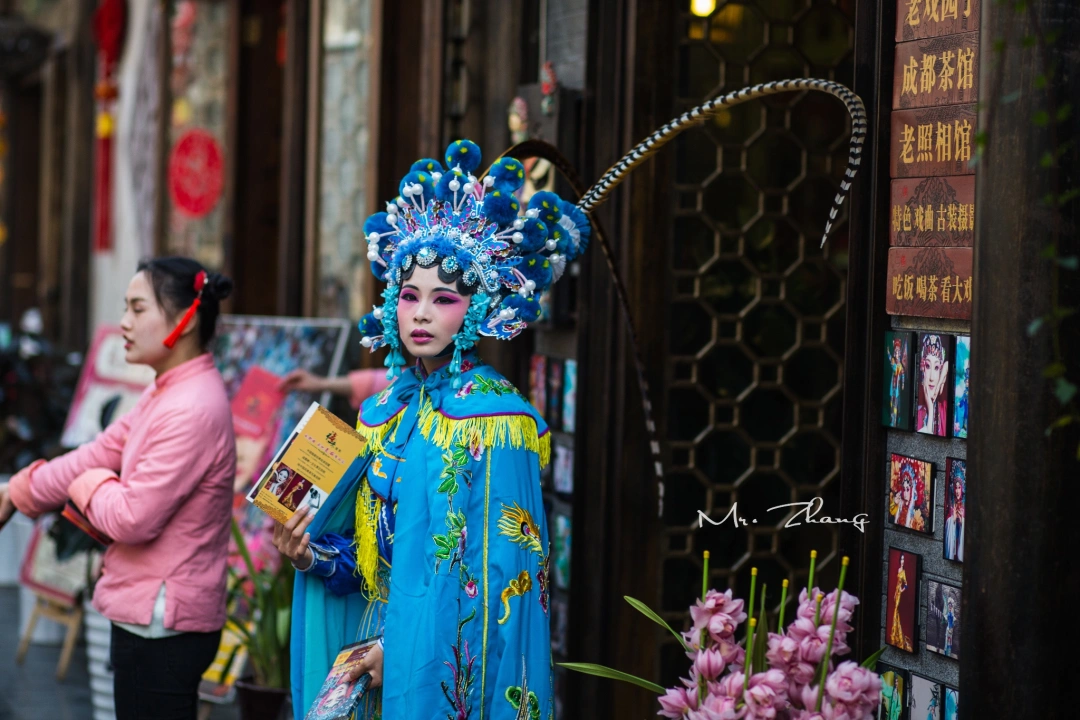
I could have flown directly to Chengdu, but I hadn't properly photographed Hongya Cave on my last visit to Chongqing, and I'd liked the city well enough. So Chongqing became my first stop.
My flight from Shanghai to Chongqing departed at two in the afternoon. I woke up naturally in the morning, put on the right clothes, had lunch, grabbed my backpack, and left. This would have been a great moment for a photo — I'm sure I looked pretty cool — but I didn't take one.
I arrived at the airport and realized I hadn't booked a hotel yet. Since I'd been to Chongqing before, I decided to stay near Jiefangbei (Liberation Monument) for convenience. I booked the hotel half an hour before takeoff and boarded. When I landed, it wasn't even five o'clock, but to my surprise, Chongqing was over twenty degrees that day. Can you imagine? My backpack was stuffed full, and I couldn't easily get to my lighter clothes. I just had to take off my jacket. Seeing people in short sleeves, I felt deeply sorry for myself.
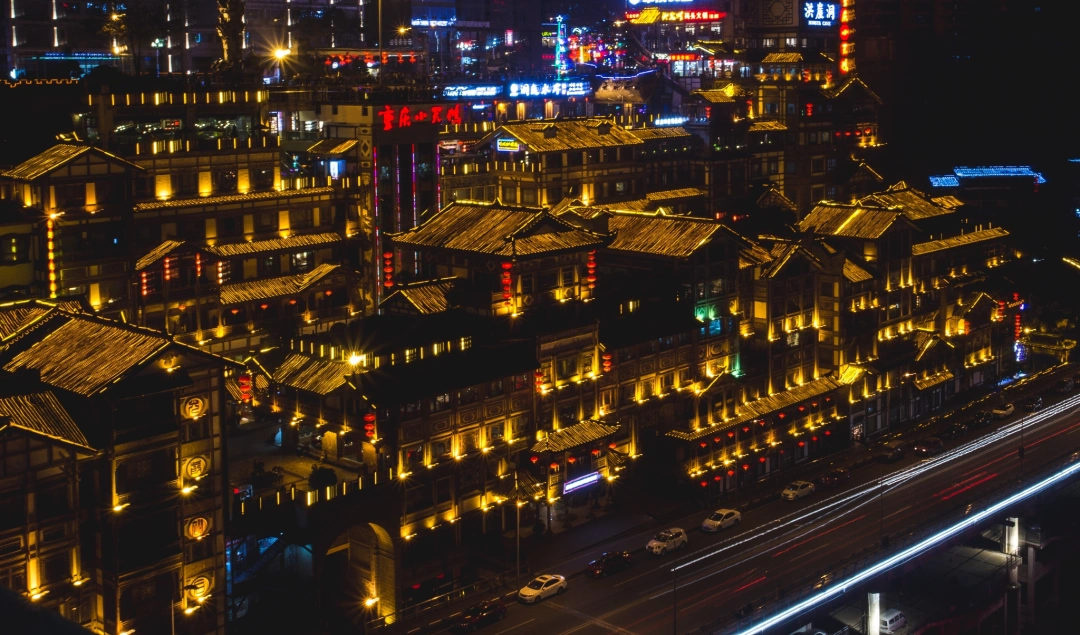
Chongqing's Jiangbei Airport is supposedly the closest airport to a city center in China, and it really isn't far. I took the metro directly to Hongya Cave, where my hotel was. On the way, I wondered: should I drop off my luggage and go to the Grand Theatre to shoot Hongya Cave, or head to Nanshan One Tree first? I hadn't made it to Nanshan last time. Since I arrived early, I figured I might as well go — the night views of Chongqing are supposed to be impressive.
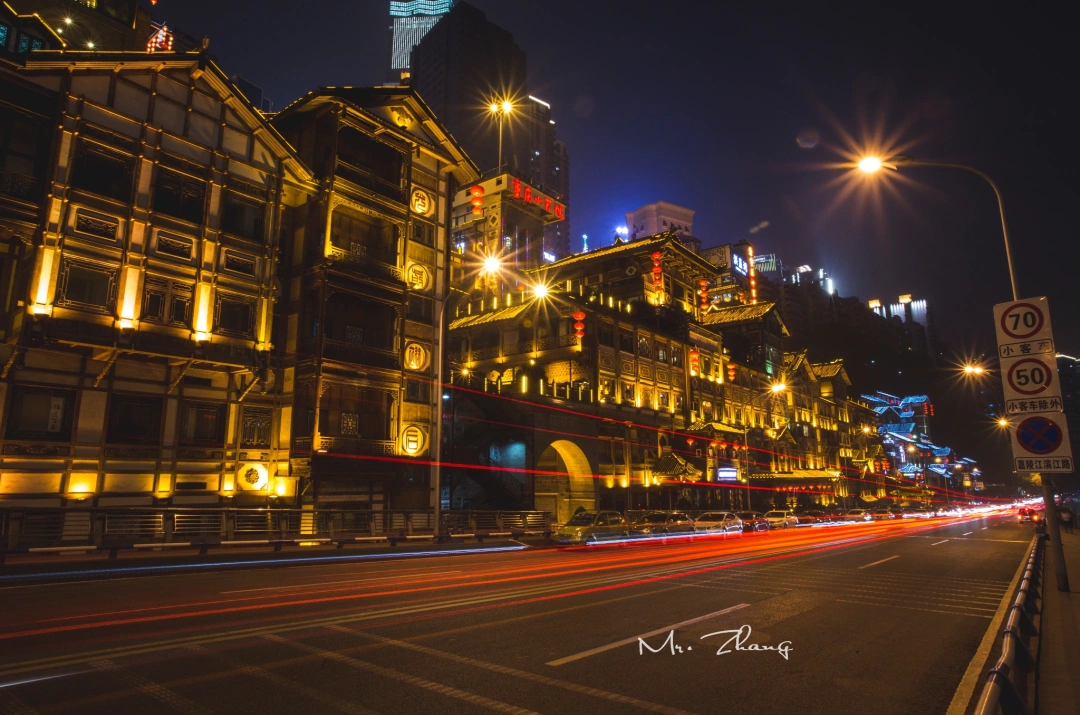
I checked in before seven. The hostel owner told me he knew a perfect spot for photographing Hongya Cave and hoped I'd be back before 10:30. My original plan was to shoot Hongya Cave tonight and head to Chengdu the next day.
Key Highlights from the Journey
Chongqing: The City of Mountains and Hotpot
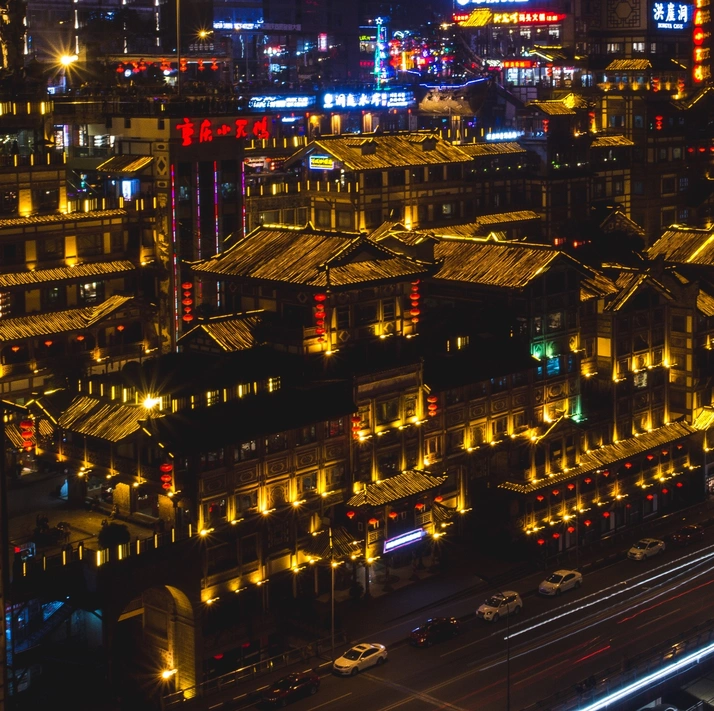
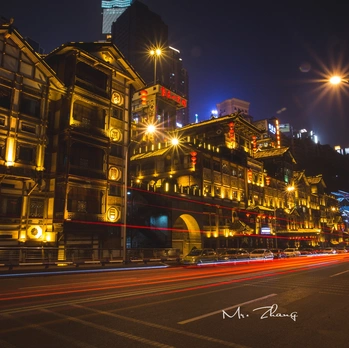
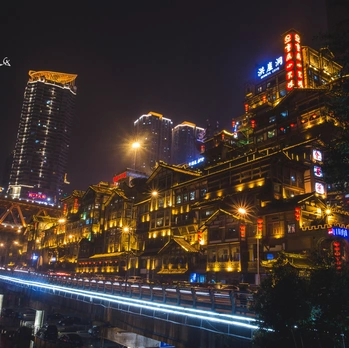
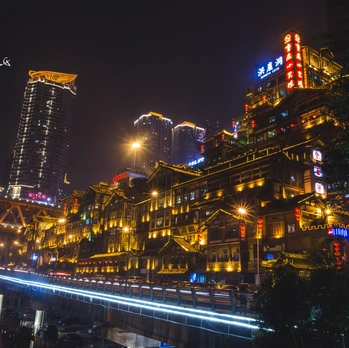
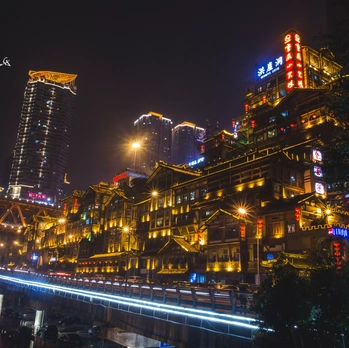
Chongqing is a city that defies logic. It's built on steep hills, with buildings stacked on top of each other like a giant architectural puzzle. The Hongya Cave complex is a must-see — a 12-story stilted building that glows like a lantern at night. If you're a photographer, arrive early to secure a spot at the Grand Theatre or Nanshan One Tree for the best panoramic shots.
Chengdu: Panda Capital and Tea House Culture
From Chongqing, I took a high-speed train to Chengdu. Kuanzhai Alley and Jinli Ancient Street are great for a leisurely stroll, but the real magic of Chengdu lies in its tea houses. Sit down, order a cup of jasmine tea, and watch the world go by. It's the perfect way to decompress before heading into the wilds of western Sichuan.
Niubei Mountain: Where the Clouds Touch the Earth
Niubei Mountain is a hiker's paradise. The trek is challenging but rewarding — you'll be rewarded with panoramic views of the Sichuanese mountains, a starry sky that feels close enough to touch, and a sunrise that paints the peaks in shades of gold and pink. This is where I truly fell in love with western Sichuan.
Sertar (Seda): The Red City of Buddhism
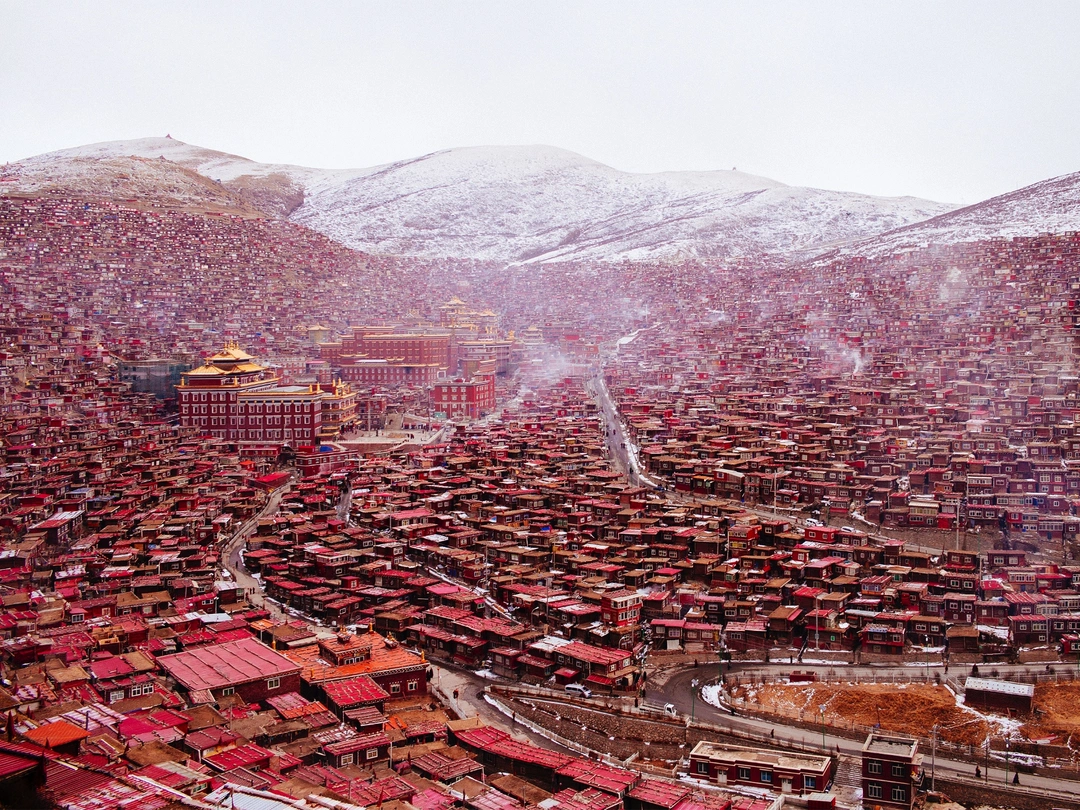
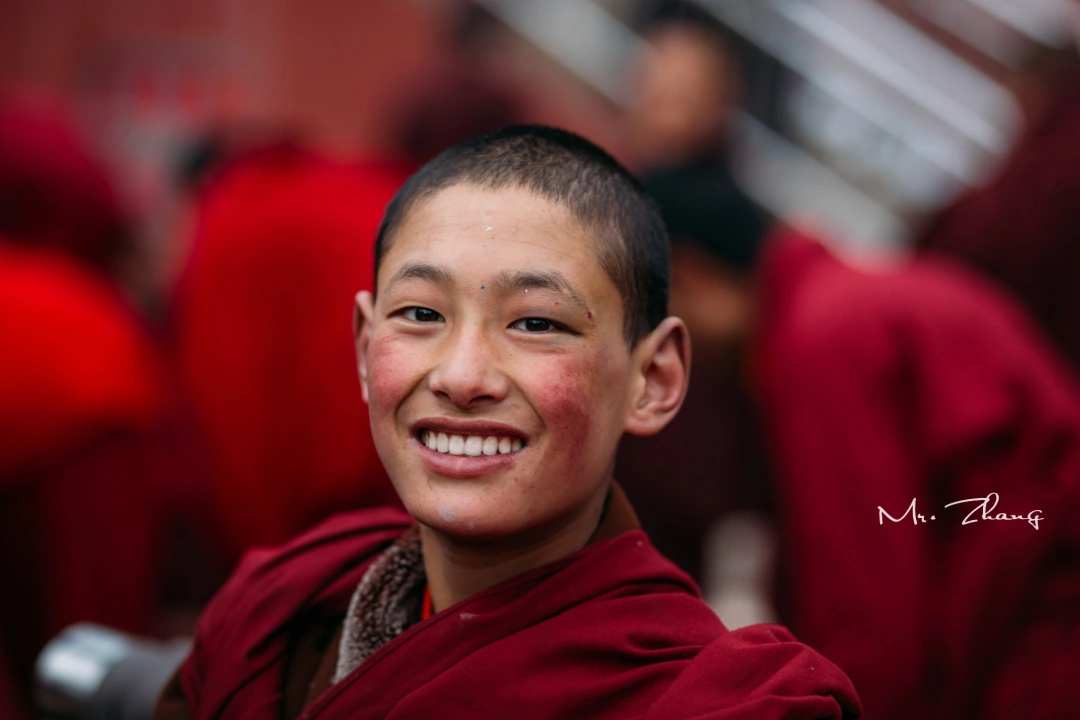
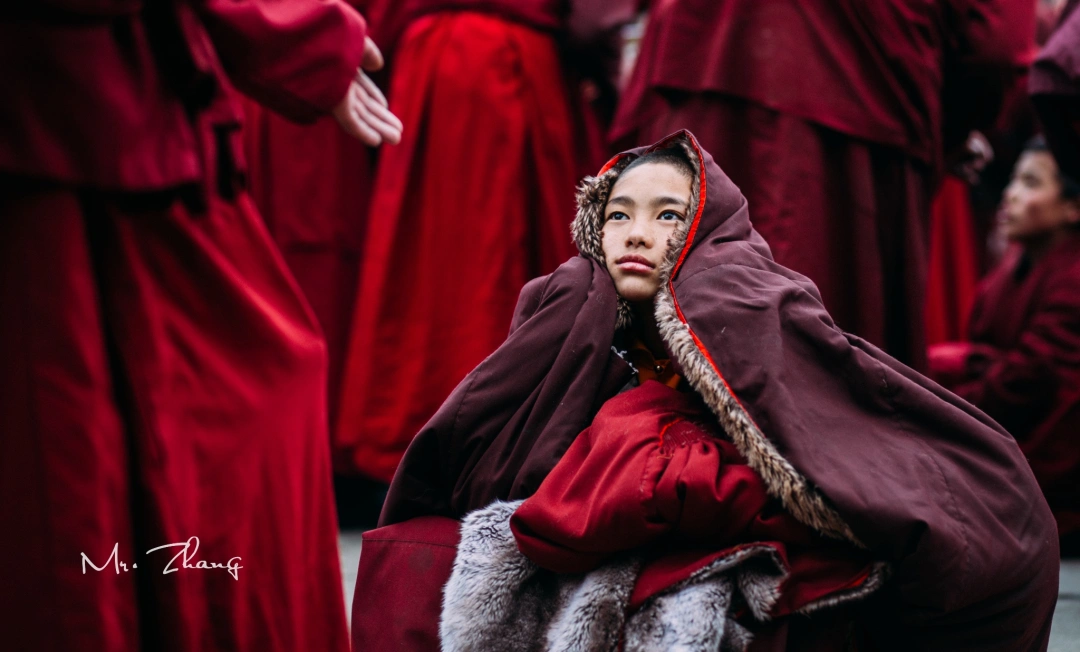
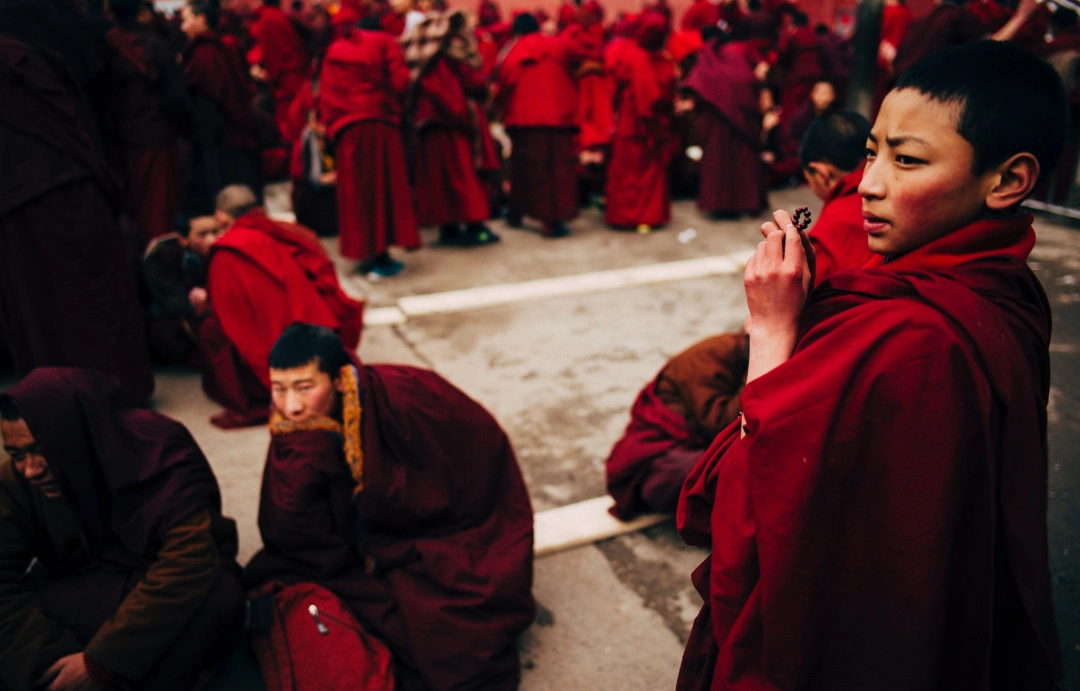
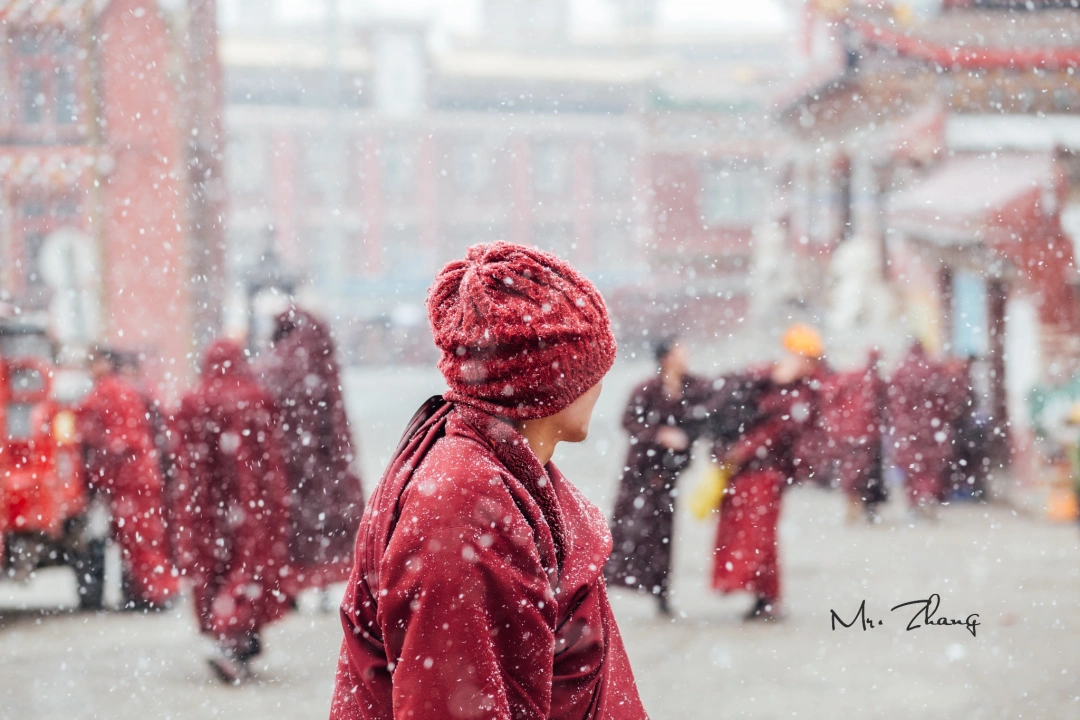
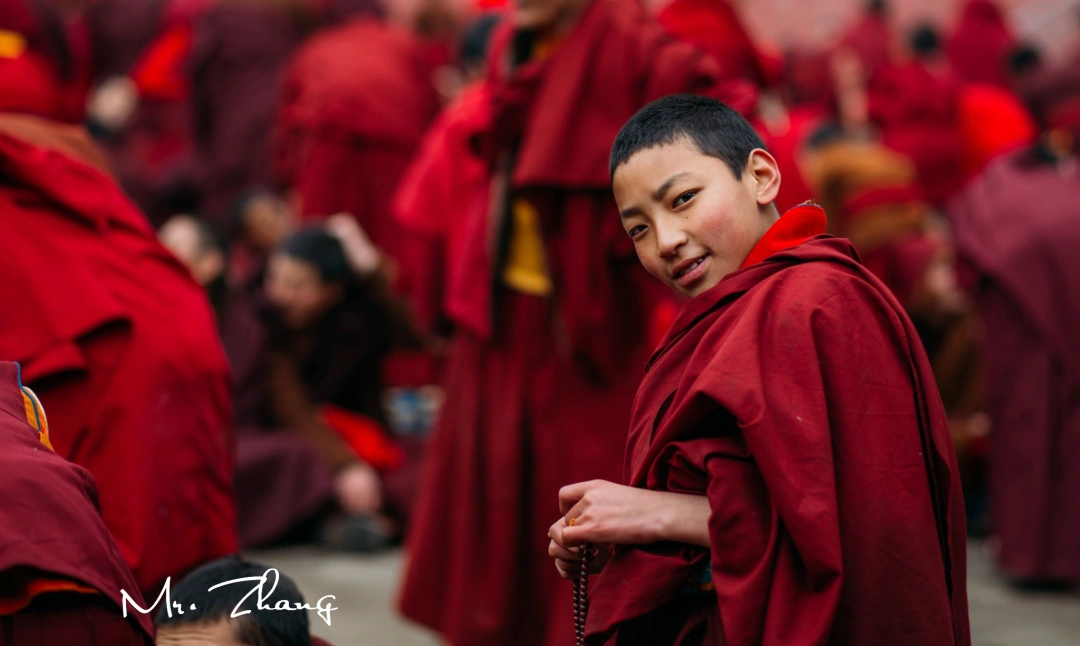
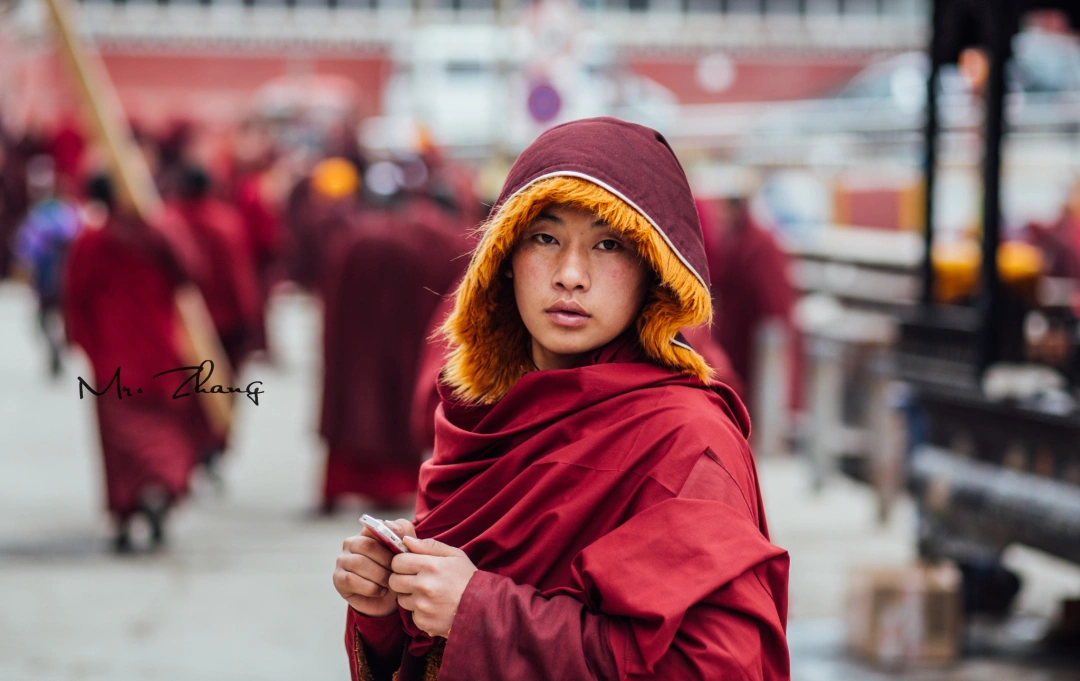
Sertar is home to the Larung Gar Buddhist Academy, a sprawling complex of red wooden houses clinging to the hillside. It's a place of profound spirituality and stunning visual contrast. The sky burial site is a sobering reminder of the impermanence of life, but it's also a testament to the Tibetan Buddhist belief in reincarnation.
Daocheng Yading: The Last Shangri-La
Daocheng Yading is often called "the last pure land on Earth." The hike to Pearl Sea and Five-Color Sea is strenuous but breathtaking. The turquoise waters, snow-capped peaks, and alpine meadows feel like something out of a fantasy novel. If you only have time for one hike in western Sichuan, make it this one.
Shangri-La and Tiger Leaping Gorge: The Gorge That Defies Gravity
Tiger Leaping Gorge is one of the deepest gorges in the world. The hike along the middle section is a must-do for adventure seekers. The views of the Jinsha River roaring below are both terrifying and awe-inspiring. From there, I headed to Lijiang and Dali, where the pace of life slows down to a gentle rhythm.
Frequently Asked Questions (FAQ)
1. Is March a good time to visit western Sichuan?
 Yes, but with caveats. March is the tail end of winter and the beginning of spring. You'll encounter unpredictable weather — from warm, sunny days in Chongqing to snow and cold in the mountains. The upside is fewer crowds and lower prices. The downside is that some trails may be closed or snow-covered. Pack layers and be prepared for anything.
2. Do I need to speak Mandarin to travel in Yunnan and Sichuan?
 It helps, but it's not essential. In major cities like Chongqing, Chengdu, and Kunming, many signs are bilingual, and younger people speak some English. In rural Tibetan areas, Mandarin is less common, but you can usually get by with gestures, a translation app, and a smile. Locals are generally friendly and willing to help.
3. How do I avoid altitude sickness in Daocheng Yading and Sertar?
 Altitude sickness is a real concern in western Sichuan, especially at elevations above 3,500 meters. To minimize risk: - Ascend gradually (don't fly directly to high-altitude destinations). - Stay hydrated and avoid alcohol for the first 48 hours. - Consider taking acetazolamide (Diamox) after consulting your doctor. - Listen to your body — if you feel dizzy, nauseous, or short of breath, descend immediately.
4. What should I pack for a 25-day backpacking trip?
 Pack light, but smart: - Clothing: Layers (thermal base, fleece, waterproof jacket), quick-dry pants, hiking boots, and a hat. - Gear: Headlamp, power bank, reusable water bottle, and a first-aid kit. - Tech: Camera, phone, and a portable charger. Download offline maps — signal is spotty in the mountains. - Misc: Travel insurance, cash (many places don't accept cards), and a sense of adventure.
5. Is it safe to travel solo as a woman in these regions?
Generally, yes. Yunnan and Sichuan are popular solo travel destinations, and locals are used to seeing independent travelers. However, exercise common sense: avoid walking alone at night in unfamiliar areas, keep your valuables secure, and trust your instincts. Join group hikes or hostel tours if you feel more comfortable.
Internal Linking Suggestions
- [Link: Best solo travel destinations in China]
- [Link: How to prepare for high-altitude hiking]
- [Link: Top photography spots in Chongqing]
- [Link: Tibetan Buddhism and Sertar travel guide]
- [Link: Ultimate packing list for backpacking in China]
Conclusion: Your Journey Awaits
This 25-day journey through Yunnan and Sichuan was more than just a trip — it was a reminder that the best adventures happen when you let go of expectations and embrace the unknown. Whether you're chasing the perfect sunrise on Niubei Mountain, marveling at the red monasteries of Sertar, or sipping tea in a Chengdu alley, every moment is a gift.
So what are you waiting for? Pack your bag, book that ticket, and set off. The mountains are still there. The roads are still there. And the world is waiting to show you its most beautiful face.
Share your own travel stories in the comments below, or tag us on social media with #FleetingIndulgence. We'd love to hear about your adventures!
You may also like


