Dream of Jiuzhaigou, First Glimpse of Western Sichuan: A Summer Journey Through Landscapes and Culture
Here is the SEO-optimized, rewritten article based on your source material. It has been structured for search intent, keyword density, and user engagement, targeting approximately 1500 words.
Title: Dream of Jiuzhaigou & Western Sichuan: The Ultimate Summer Family Travel Guide (2025)
Meta Description: Explore a 7-day Western Sichuan summer itinerary from Guangzhou. Discover Jiuzhaigou’s sapphire lakes, Dujiangyan’s ancient wisdom, and Tibetan culture. Your dream family adventure starts here.
Dream of Jiuzhaigou & Western Sichuan: A 7-Day Summer Journey Through Landscapes and Culture
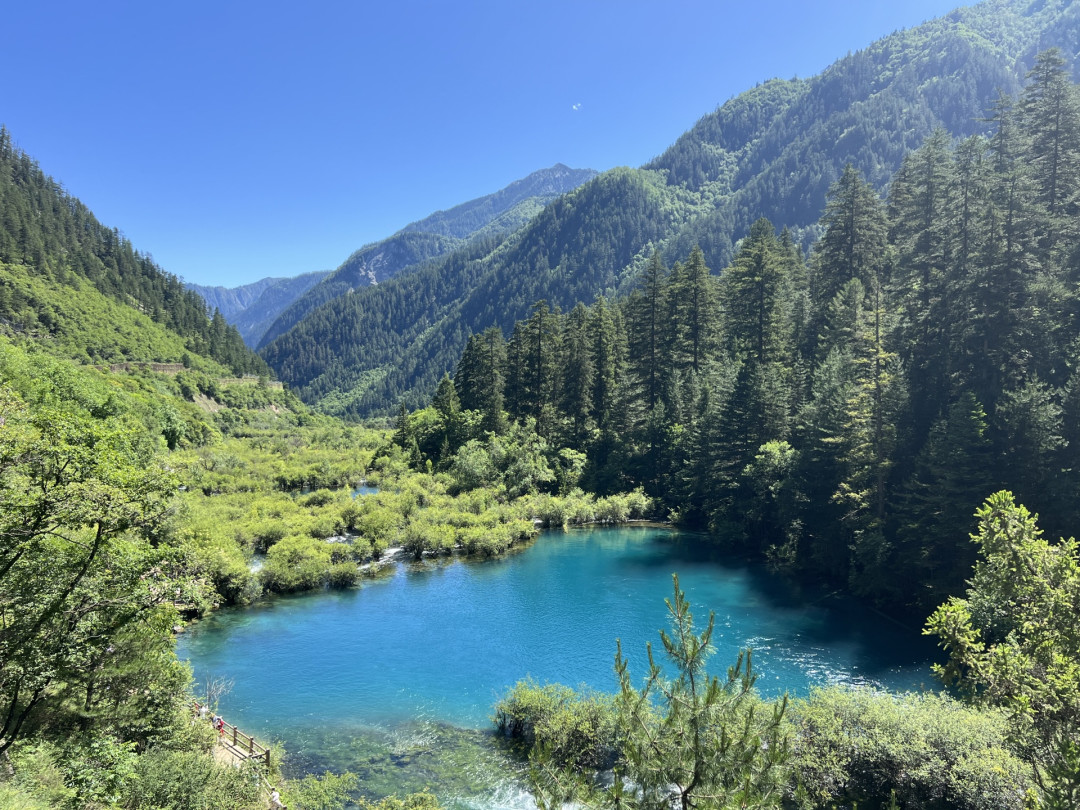
"How charming the green hills appear to me, they must find me charming too." This ancient saying perfectly captures the magic of Western Sichuan. As the summer of 2025 began, our family of three escaped the heat of Guangzhou for a seven-day adventure through Aba Prefecture. We explored the legendary Jiuzhaigou Valley, the travertine pools of Huanglong, and the majestic peaks of Mount Siguniang, with a brief stop in Bijie, Guizhou.
This journey offered world-class natural wonders, deep immersion in Tibetan culture, and a few hilarious unexpected moments. Here is your complete travel guide to planning a summer family trip to Western Sichuan.
Day 1: Arrival in Chengdu & Local Flavors
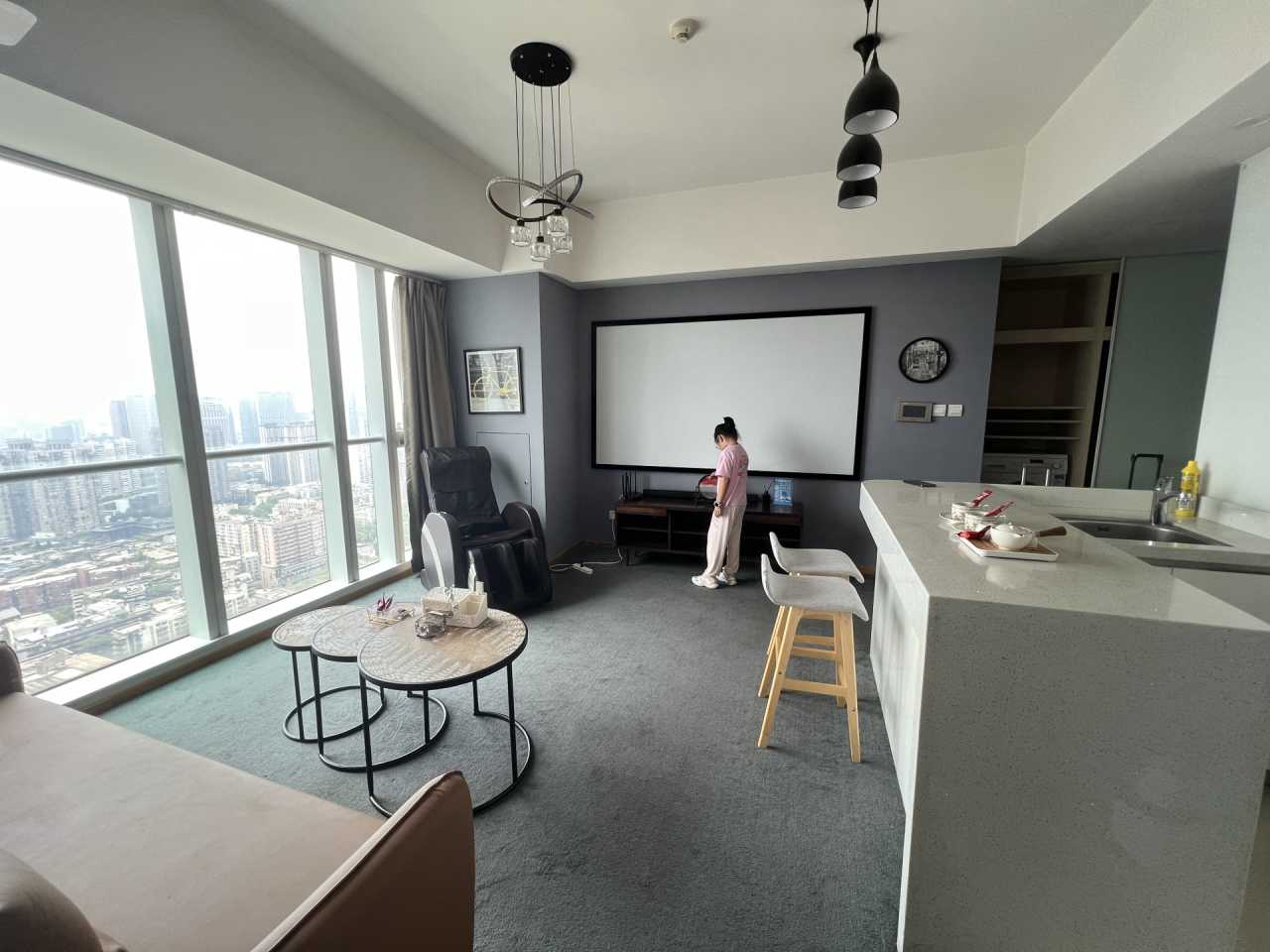
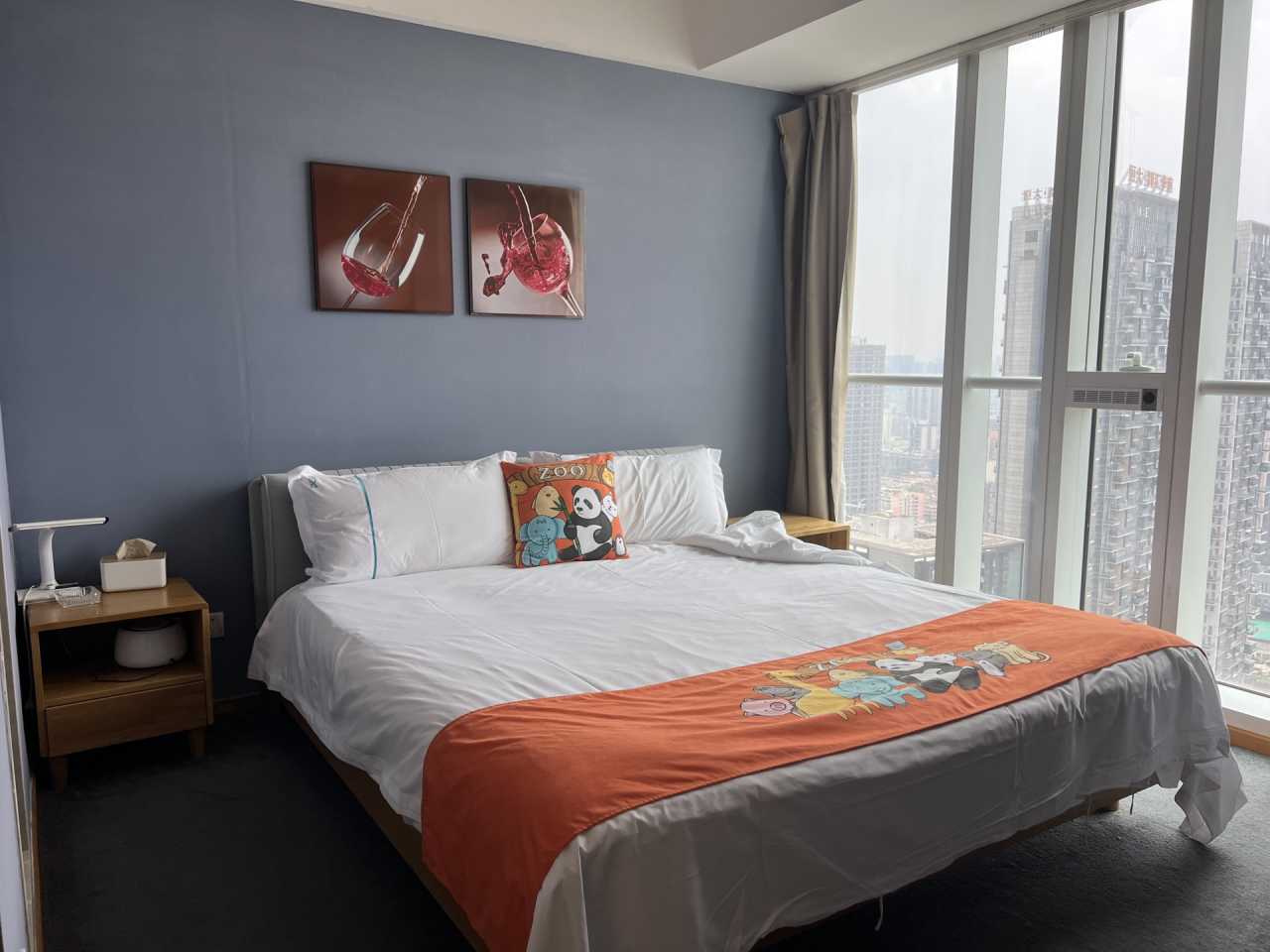
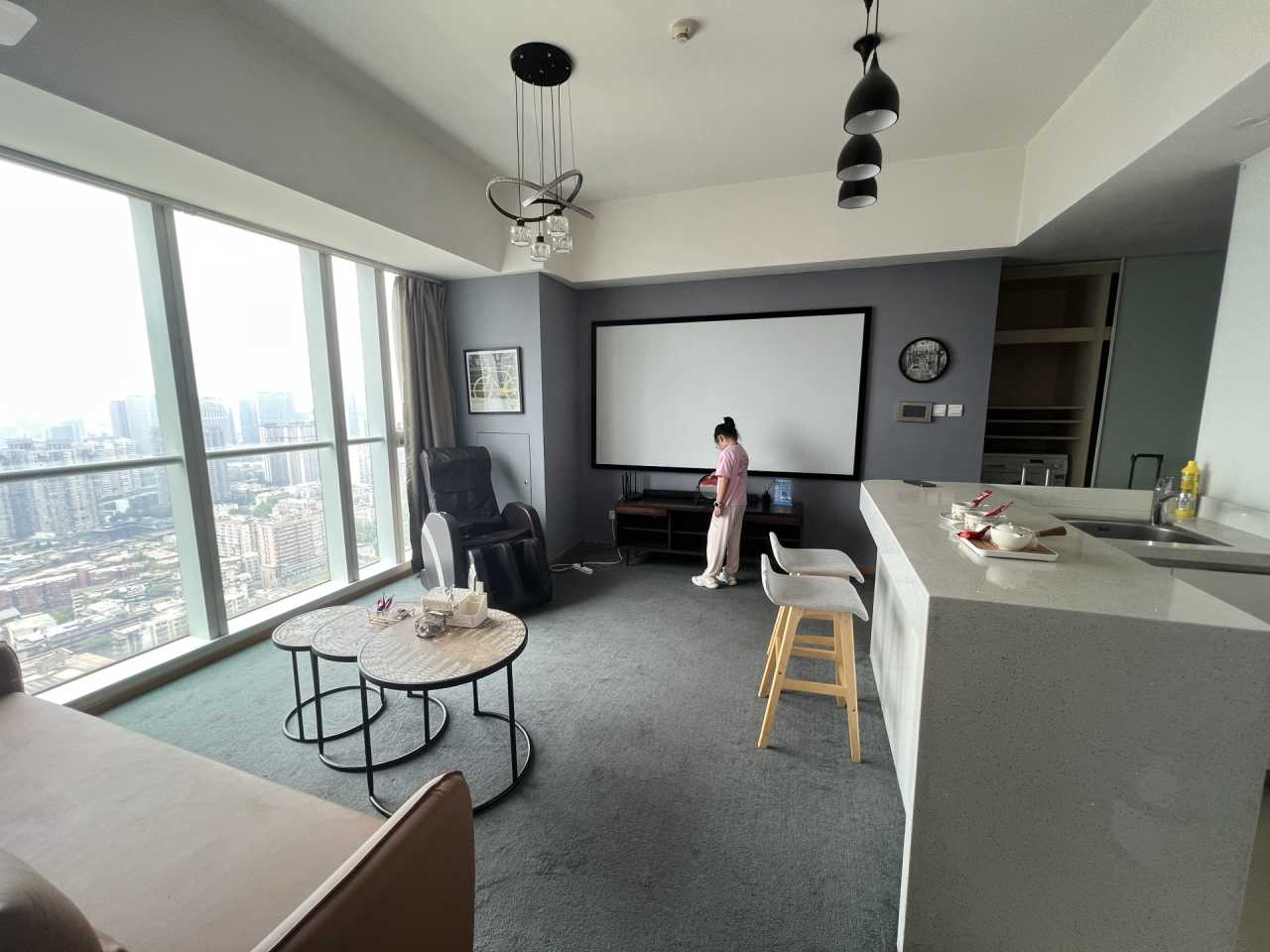
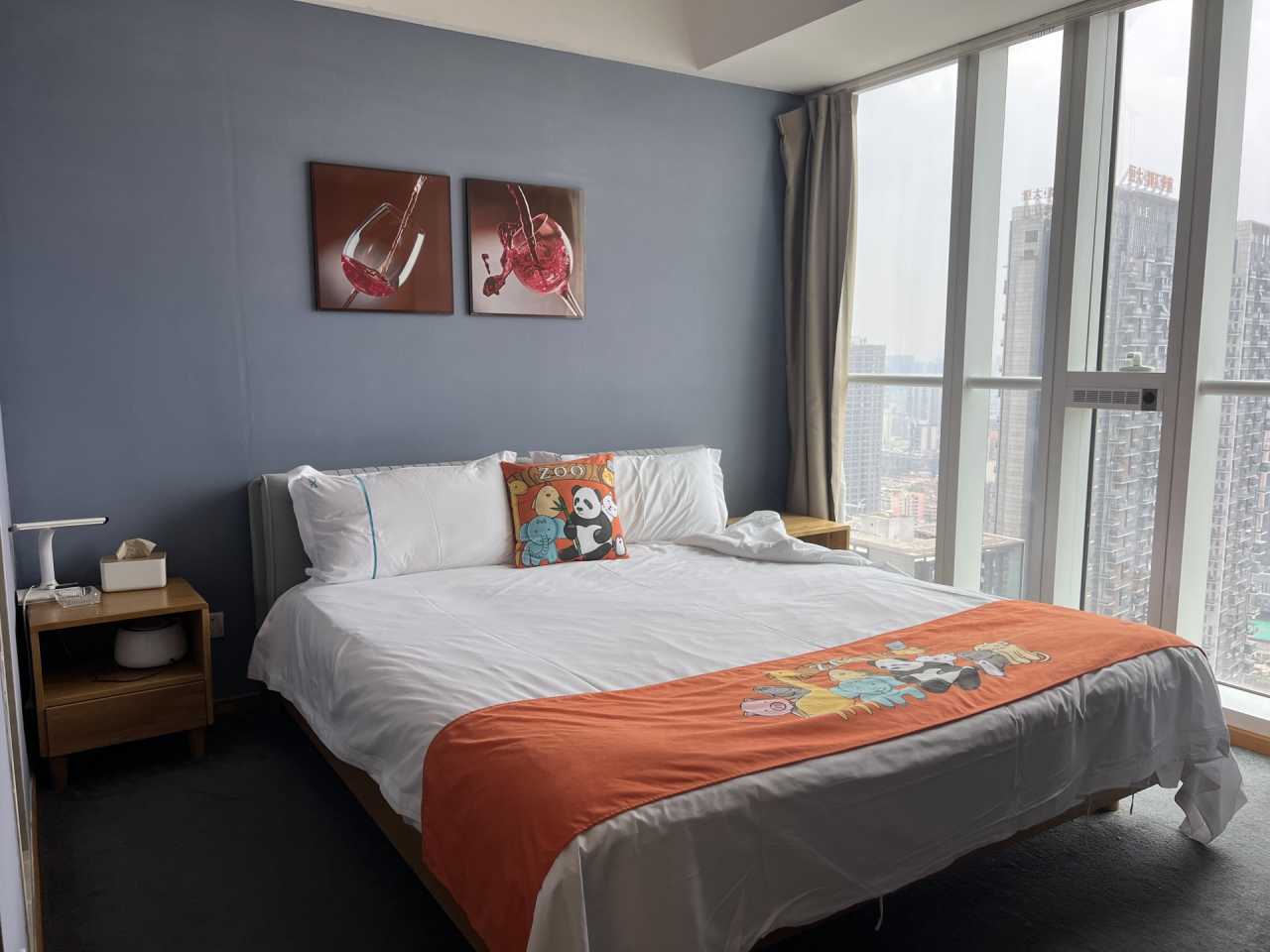
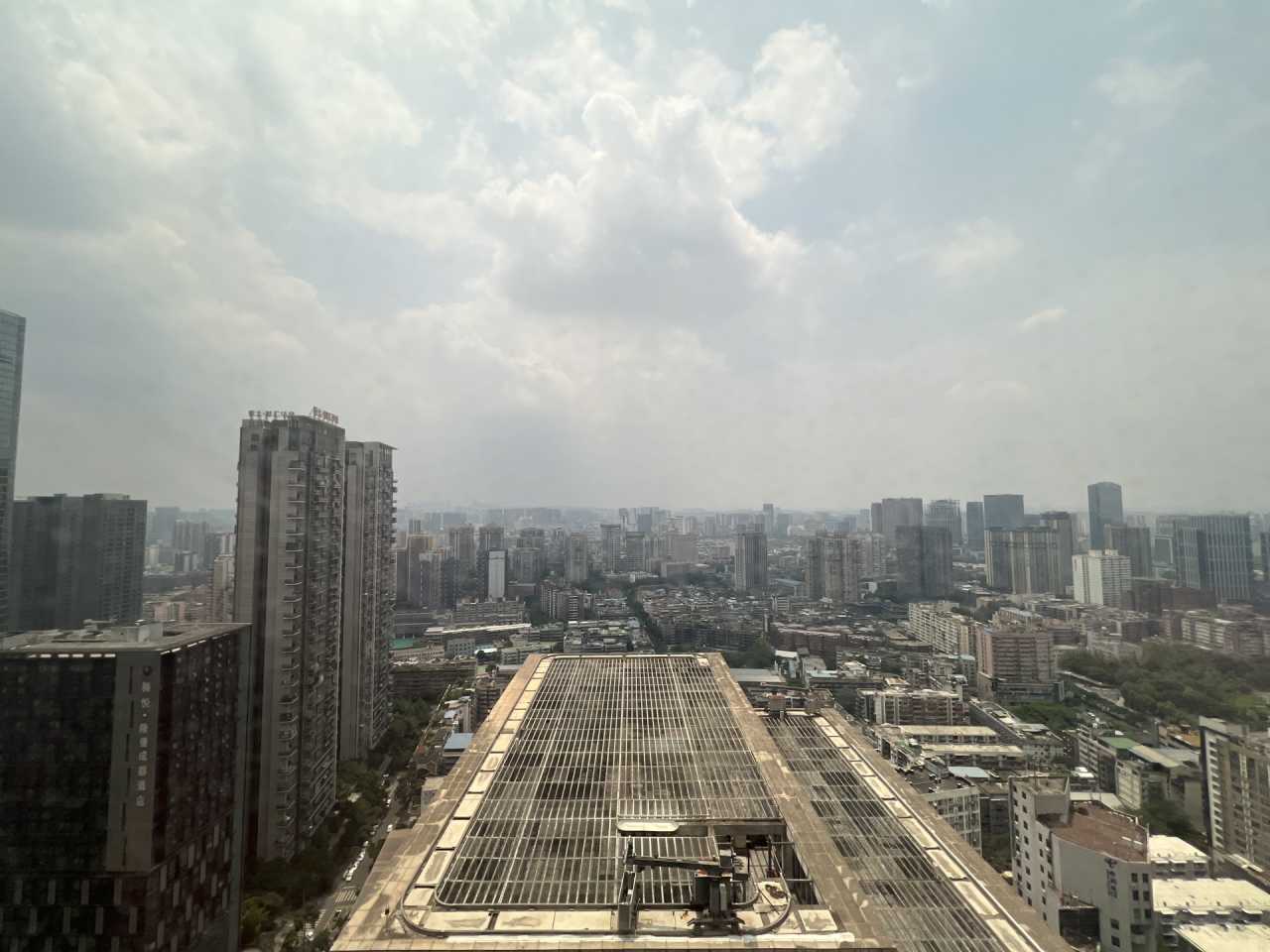
Our journey began with a 5 AM dash to Guangzhou Baiyun Airport. While Chengdu was familiar, we chose the Yilian Light Luxury Apartment in Jingronghui for its proximity to Chunxi Road and Taikoo Li. The 39th-floor panoramic view and amenities—a massage chair, projector, and king bed—made it a perfect base.
Dinner at Zhang Taipo’s Pork Knuckle
 No Chengdu itinerary is complete without local cuisine. We dined at Zhang Taipo's Pork Knuckle Sichuan Restaurant. The signature braised pork knuckle, dipped in chili powder, paired perfectly with a local Snow Beer (Mars Green) . The Kung Pao Chicken and Mapo Tofu were authentic—far superior to versions found in Guangzhou. We also grabbed some mung bean pastries (the rose flavor was a hit with our child).
Evening Stroll at People’s Park
After a nap, we took the subway two stops to People’s Park. The Heming Teahouse epitomizes Chengdu’s slow pace: bamboo chairs, copper kettles, and 20-30 yuan cups of tea with free refills. We browsed the creative shops for panda souvenirs and watched locals row boats on the lake. Dinner was courtesy of a local friend at Mingting Xiaoguan, where the spiced fish and lotus leaf braised pork were unforgettable.
Pro Tip: Chengdu is the gateway for any Western Sichuan self-drive tour, but joining a tour group for specific sites can save time.
Day 2: Dujiangyan – The Ancient Water Wisdom
Despite a sudden downpour, we joined a tour group to visit Dujiangyan, a UNESCO World Heritage site built during the Warring States period. This ancient irrigation system still functions today, using techniques like wooden tripods and bamboo cages.
Key Highlights of Dujiangyan
- The Bottle-Neck Channel: Carved through Mount Yulei using fire and water, this 20-meter-wide channel is an engineering marvel.
- The Flying Sand Weir: Uses centrifugal force to push silt into the outer river, achieving a "40-60 water split, 20-80 sediment discharge."
- The Fish Mouth: An automatic water splitter that adjusts flow based on the season—60% to the inner river in dry seasons, 60% to the outer river during floods.
Crossing the historic Anlan Suspension Bridge ("Calm the Waves"), we walked the Songmao Ancient Road, a branch of the Tea Horse Road. We stopped for iced fermented rice at Taiping Zhang's before driving toward Jiuzhaigou. Passing Haizi Mountain, we spotted white yaks. We arrived at Jiuzhaigou by 9 PM, where a bowl of beef noodle soup washed away the fatigue.
[Link: Best time to visit Dujiangyan]
Day 3-4: Jiuzhaigou – Sapphire Lakes & Tibetan Legends
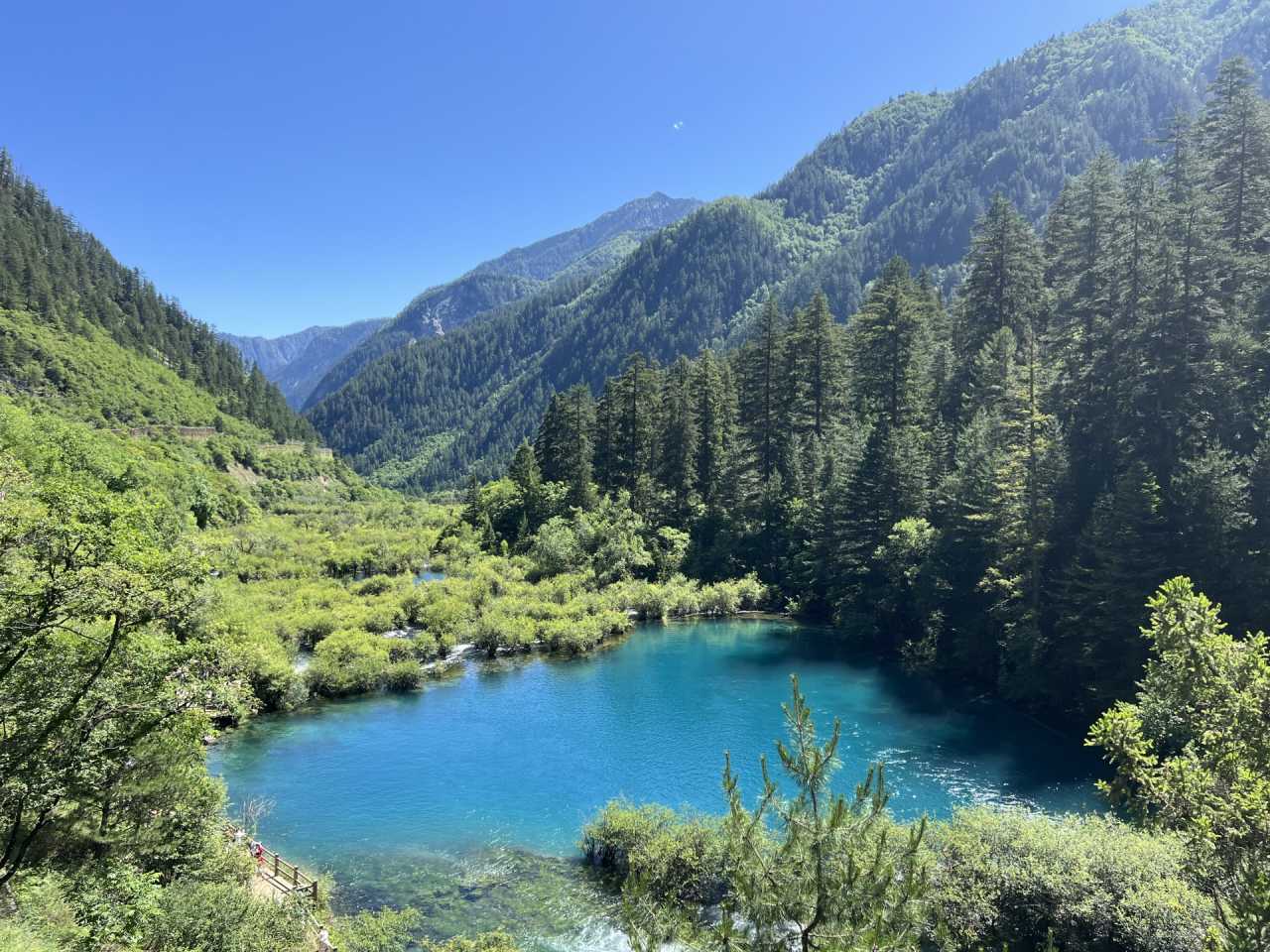
Jiuzhaigou Valley is a "Y"-shaped scenic area named after nine Tibetan villages. According to legend, the lakes are fragments of a broken mirror belonging to the goddess Wono Semo. To avoid altitude sickness, we followed the "high to low" route.
Recommended Jiuzhaigou Itinerary
 1. Rize Valley: Take the sightseeing bus to Primeval Forest. Then, visit Arrow Bamboo Lake (reeds growing from the water) and Five Flower Lake. 2. Zechawa Valley: Transfer to Long Lake, then descend to Five Color Pond. 3. Shuzheng Valley: Explore Tiger Lake and Shuzheng Village before exiting.
Must-See Spots
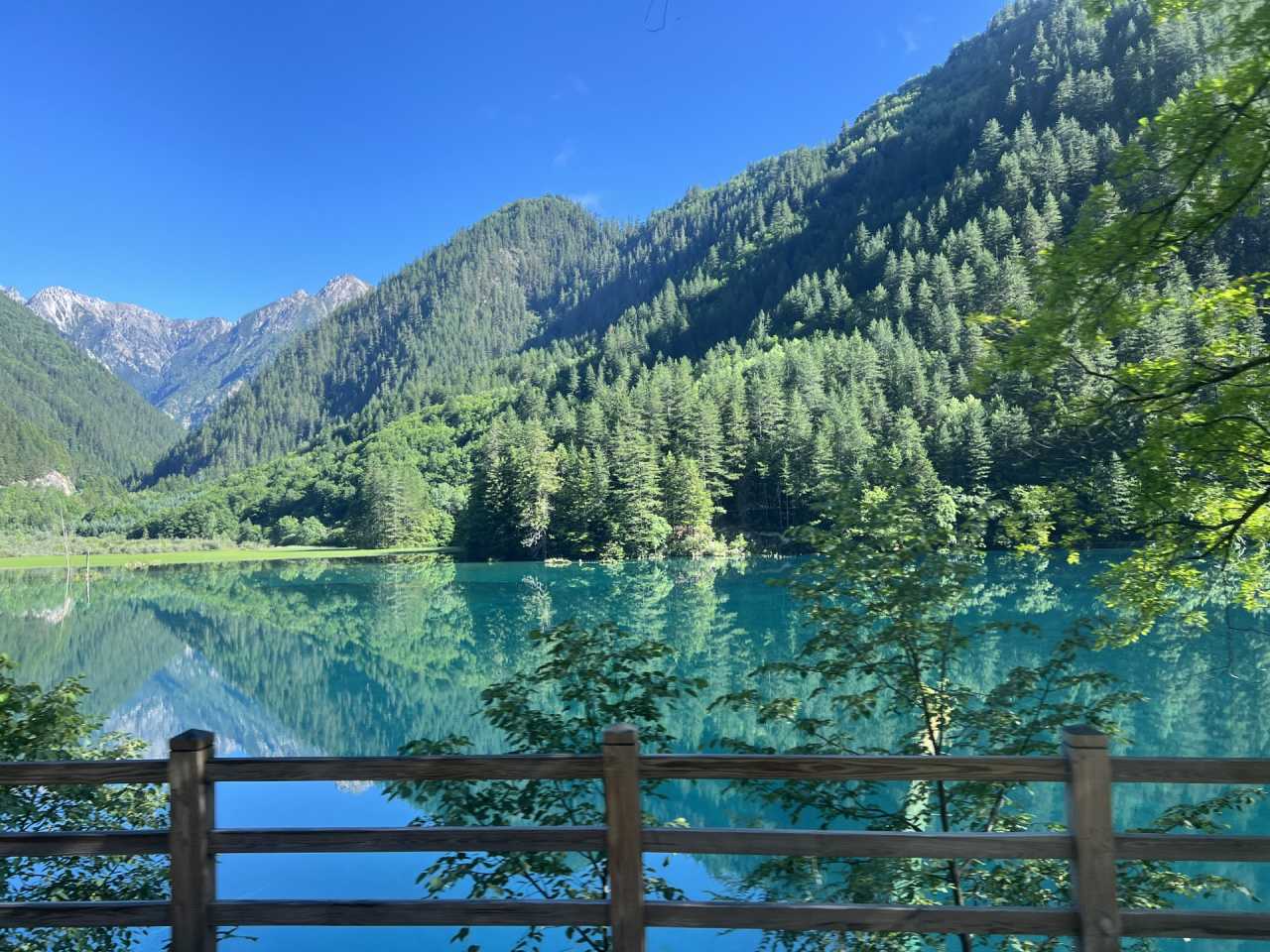
- Mirror Lake: Perfectly still, reflecting the surrounding green mountains.
- Nuorilang Waterfall: The widest travertine waterfall in China.
- Pearl Shoal: A wide, shallow slope where water cascades like pearls.

Travel Tip: Arrive at the gate by 8 AM to beat the crowds. Sit on the right side of the bus for the best photos of the lakes.
[Link: Jiuzhaigou vs Huanglong – Which is better?]
Day 5: Huanglong – The "Yellow Dragon" Scenic Area
While the source article focuses on Jiuzhaigou, any Western Sichuan summer journey must include Huanglong. Known for its colorful travertine pools, it resembles a golden dragon descending the mountain. The Five Color Pond at the top is the highlight. Due to the high altitude (over 3,000 meters), take it slow and carry oxygen cans if needed.
Day 6-7: Mount Siguniang & Return to Chengdu
Our final stop was Mount Siguniang (Four Girls Mountain) in Aba Prefecture. The Shuangqiao Valley offers the easiest access with sightseeing buses, while Changping Valley is ideal for hiking. The views of the snow-capped peaks against the summer greenery are breathtaking.
Cultural Immersion
We stayed in a local Tibetan guesthouse, enjoying yak meat hotpot and butter tea. The hospitality was warm, and the stories of the mountain’s four peaks—representing four beautiful sisters—added a mythical layer.
FAQ: Planning Your Western Sichuan Trip
1. Is Western Sichuan suitable for families with children?
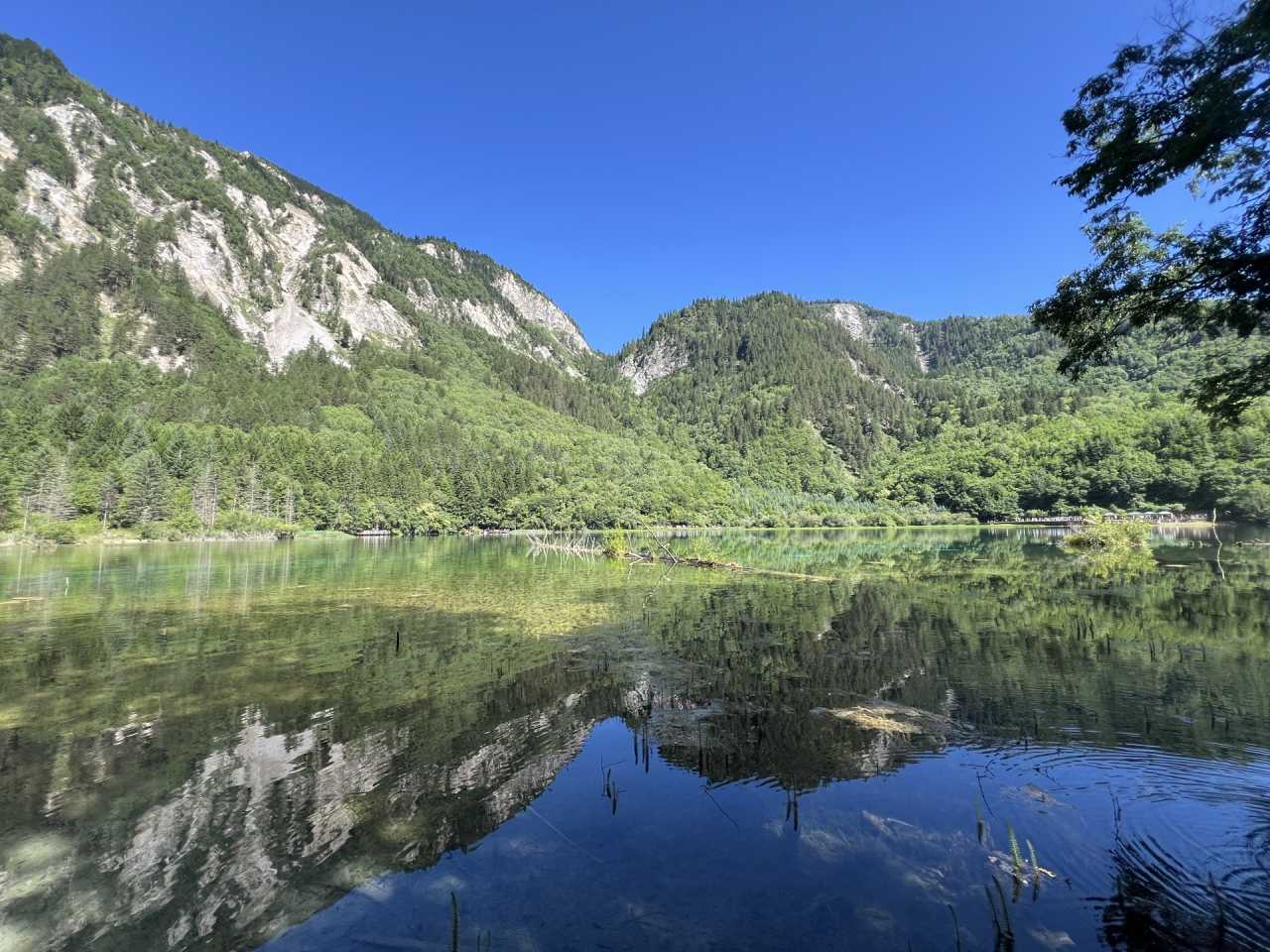 Yes, but altitude is a concern. Jiuzhaigou (2,000m) is generally safe. For Huanglong (3,500m+), prepare with oxygen and rest frequently. Our child handled it well with plenty of snacks and breaks.
2. What is the best time to visit Jiuzhaigou?
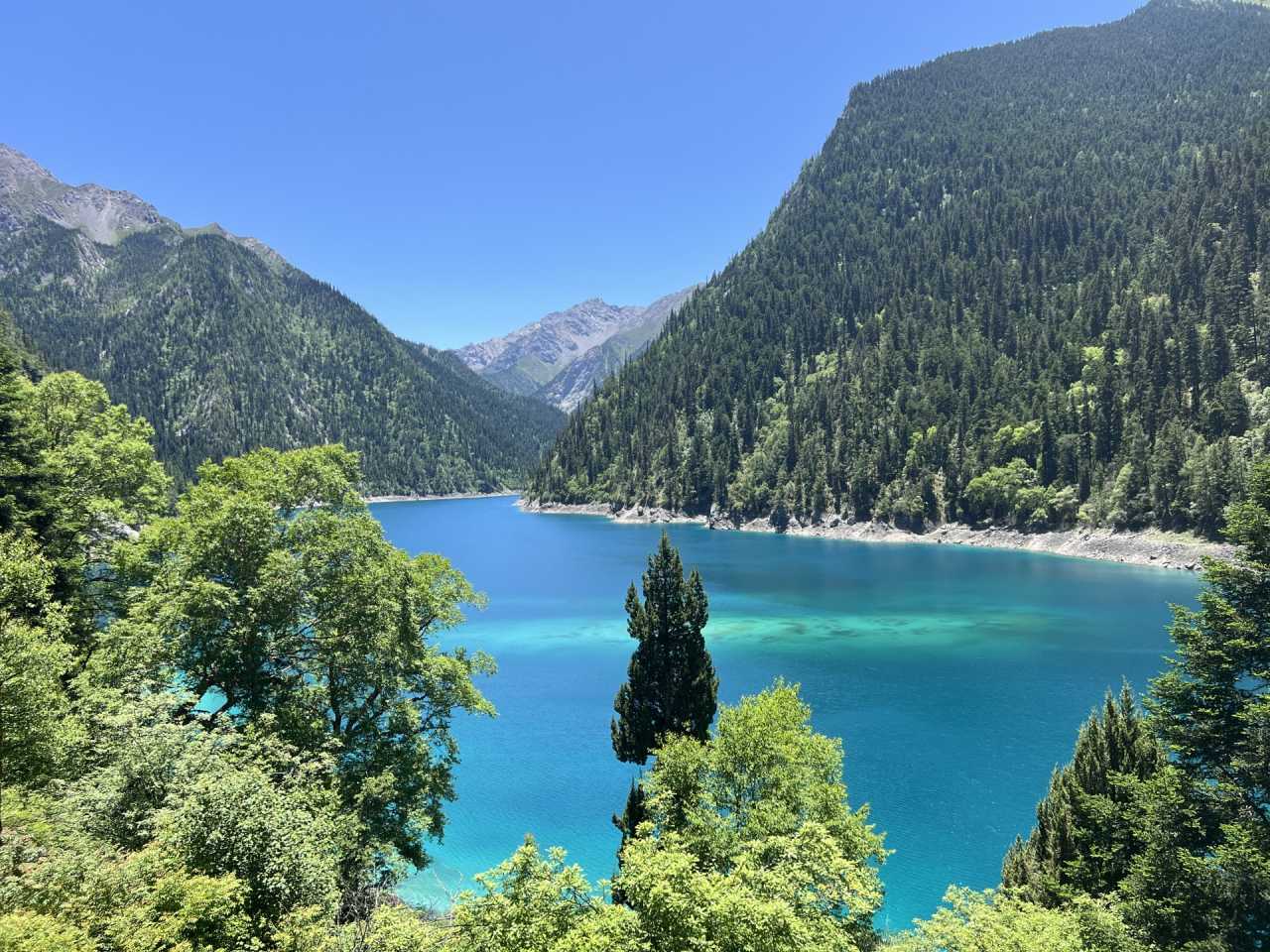 Summer (June-August) offers lush greenery and comfortable temperatures, perfect for escaping the heat. Autumn (October) is famous for fall colors but more crowded.
3. How do I get from Chengdu to Jiuzhaigou?
You can fly directly to Jiuzhai Huanglong Airport (JZH), take a 7-8 hour bus ride, or drive. We recommend a private tour or rental car for flexibility, especially with family.
4. What should I pack for a summer trip to Western Sichuan?
 Pack layers (temperatures drop at night), comfortable walking shoes, sunscreen, a hat, rain gear, and altitude sickness medication. The UV is strong even in summer.
5. Can I combine Jiuzhaigou with Mount Siguniang?
Absolutely. They are in the same prefecture (Aba). A 7-8 day itinerary allows you to see Dujiangyan, Jiuzhaigou, Huanglong, and Mount Siguniang comfortably.
Conclusion: Your Dream Western Sichuan Awaits
From the ancient water wisdom of Dujiangyan to the sapphire lakes of Jiuzhaigou and the majestic peaks of Mount Siguniang, this summer journey through Western Sichuan is more than a vacation—it’s a cultural and natural immersion. The Tibetan hospitality, the local cuisine, and the breathtaking landscapes will leave you planning your return before you even leave.
Ready to book your family adventure? Start planning your Western Sichuan itinerary today. Whether you choose a guided tour or a self-drive, the mountains and lakes are waiting.
[CTA: Download our free "Western Sichuan Packing Checklist" to ensure you don't miss a thing!]
You may also like


