Dining in Chengdu | The Irresistible Charm of the World's Gastronomy Capital – The Ultimate Foodie Guide
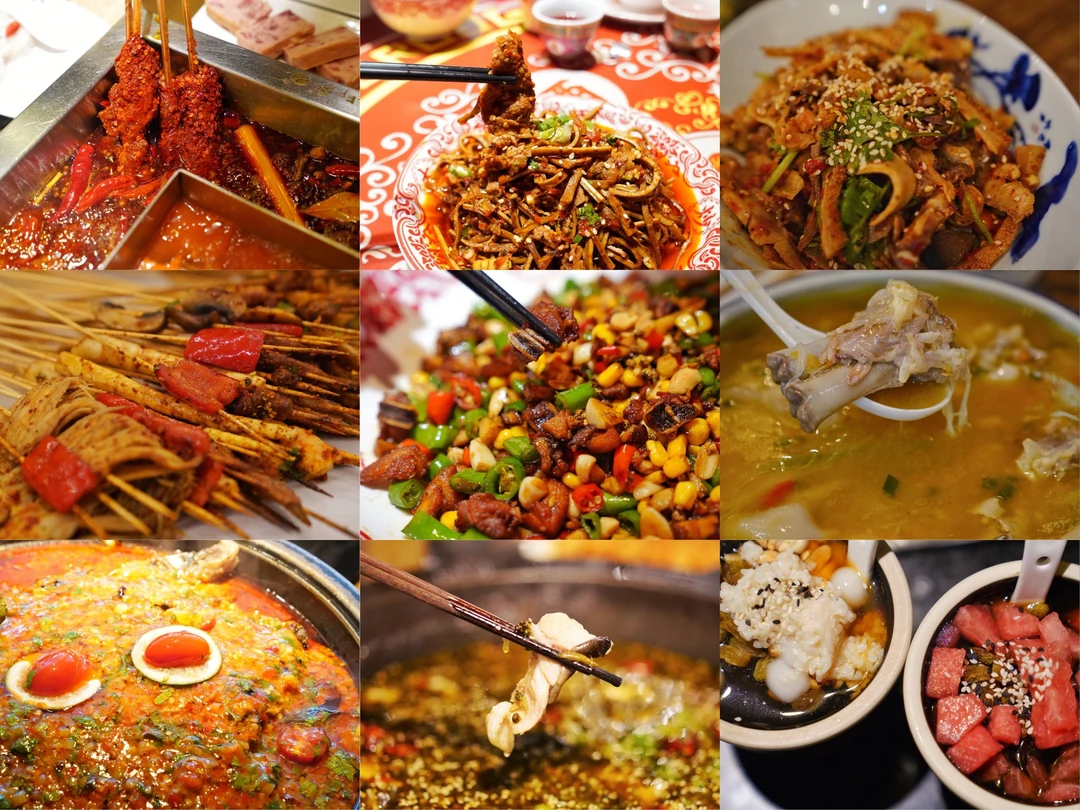
Meta Description: Explore Chengdu, UNESCO's only "World Gastronomy Capital" in China. Discover top restaurants like Chao Zuo Da Shi, Kao Jiang, and Jincheng Impression. Your ultimate guide to authentic Sichuan cuisine awaits.
Introduction: Why Chengdu is the World's Gastronomy Capital
Chengdu isn't just a city—it's a flavor experience. Awarded the prestigious title of "World Gastronomy Capital" by UNESCO, Chengdu stands alone as the only Chinese metropolis to receive this honor. Walk through its streets, and the air thickens with the intoxicating aroma of Sichuan peppercorns and chili peppers. Every unassuming alleyway eatery hides a flavor that can leave even the most seasoned foodie astonished.
The people of Chengdu are born with an obsession for food. They don't just eat—they understand flavor. Whether it's a Tuesday afternoon or a Saturday night, long queues snake outside the city's most popular restaurants. If you visit Chengdu without diving headfirst into "crazy eating mode," your trip will feel incomplete. As a foodie who has explored every corner of this gastronomic paradise, I'm sharing the treasure-worthy flavors that keep me coming back again and again.
[Link: Best time to visit Chengdu for food festivals]
H2: A Perfect Fusion of Chinese Chic and Sichuan Cuisine: Chao Zuo Da Shi
H3: The Ambiance – Where Tradition Meets Trend

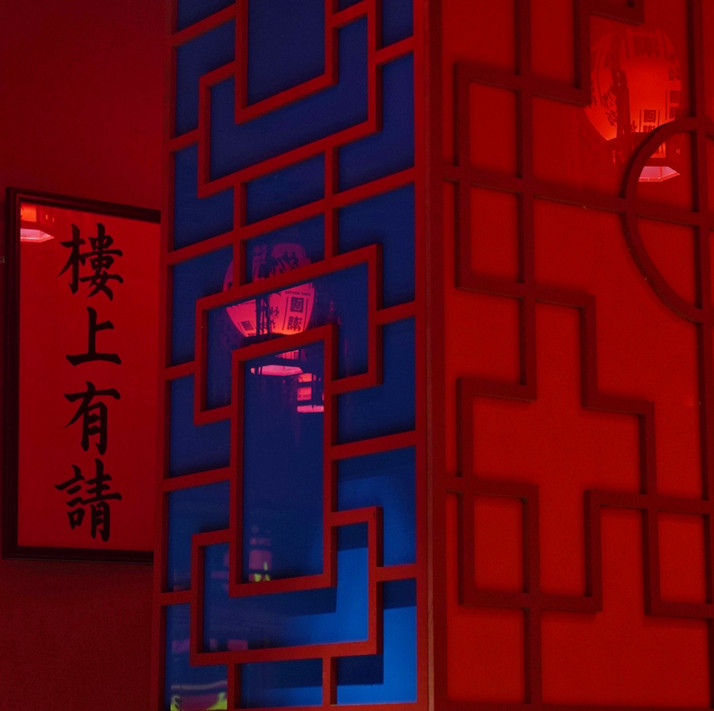
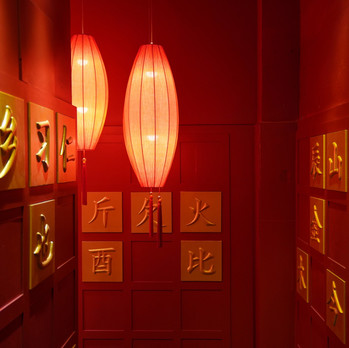
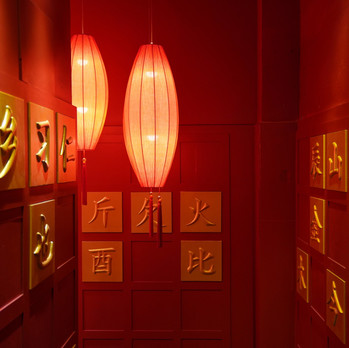
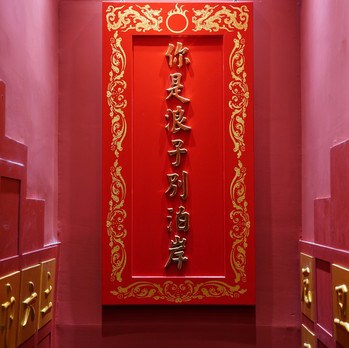
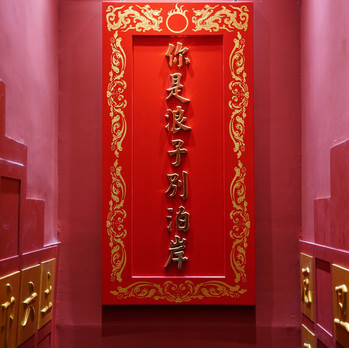
Step into Chao Zuo Da Shi (炒作大师) , and you're instantly enveloped by a wave of traditional Chinese culture. The restaurant is dominated by iconic Chinese red—red lanterns hang overhead, Chinese character motifs adorn the walls, and retro neon signboards glow with nostalgic charm. Every detail tells the story of "guochao" (Chinese chic) .
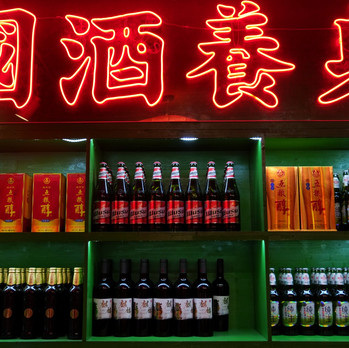
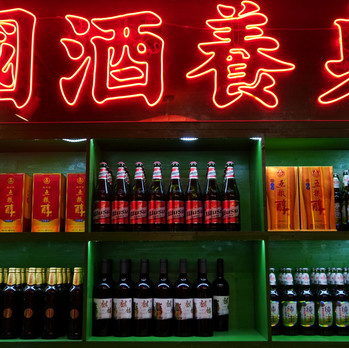
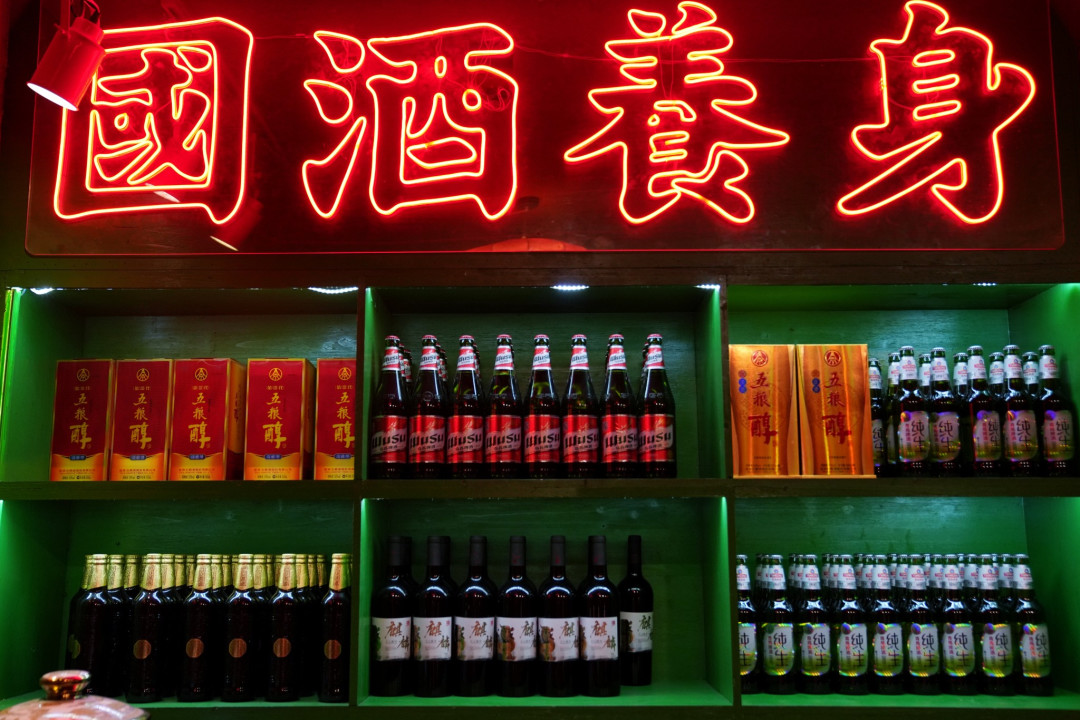
The most eye-catching feature? The "National Liquor Wall." The neon text retains traditional essence while exuding the trendy vibe that young foodies crave. This creative blend of tradition and modern aesthetics makes you marvel: who knew Sichuan cuisine could be this cool?
H3: Must-Try Dishes at Chao Zuo Da Shi
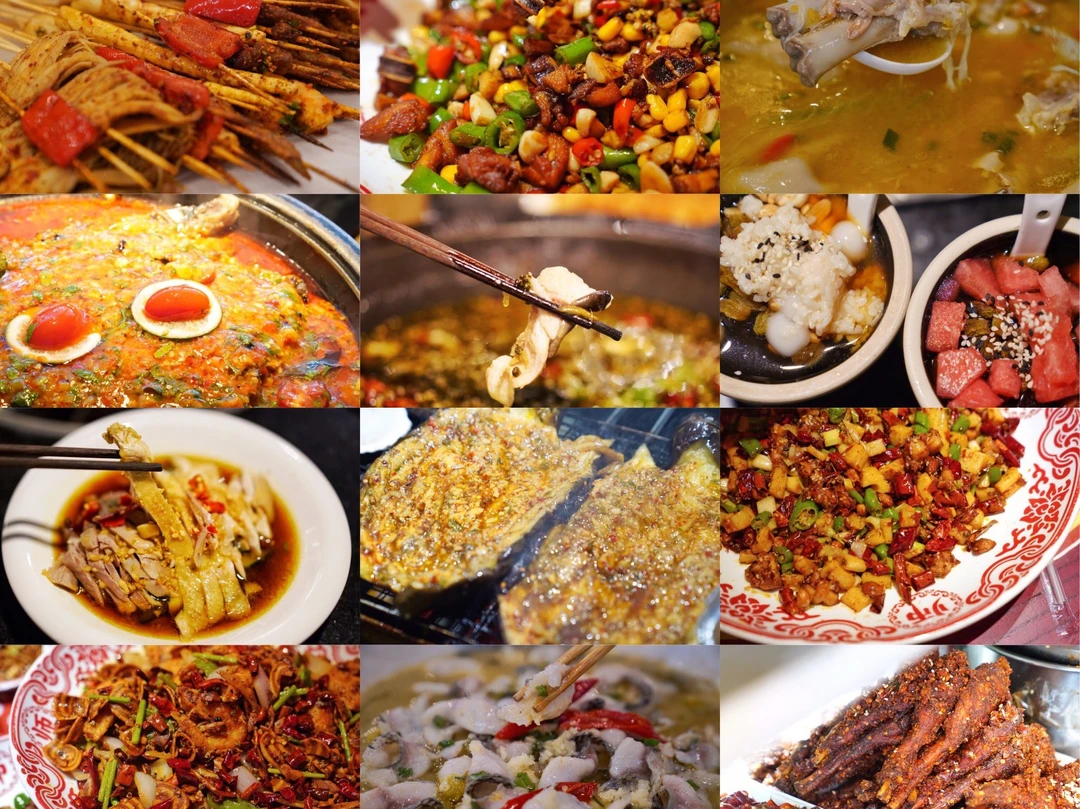
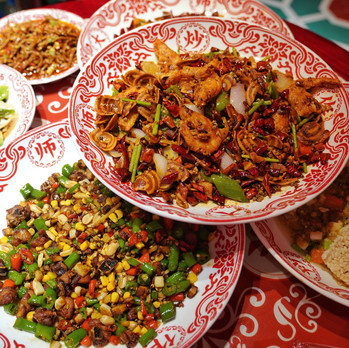
The dishes here preserve the essence of Sichuan's signature mala (numbing and spicy) flavor while undergoing bold, innovative upgrades. Even the names are steeped in Chinese character:
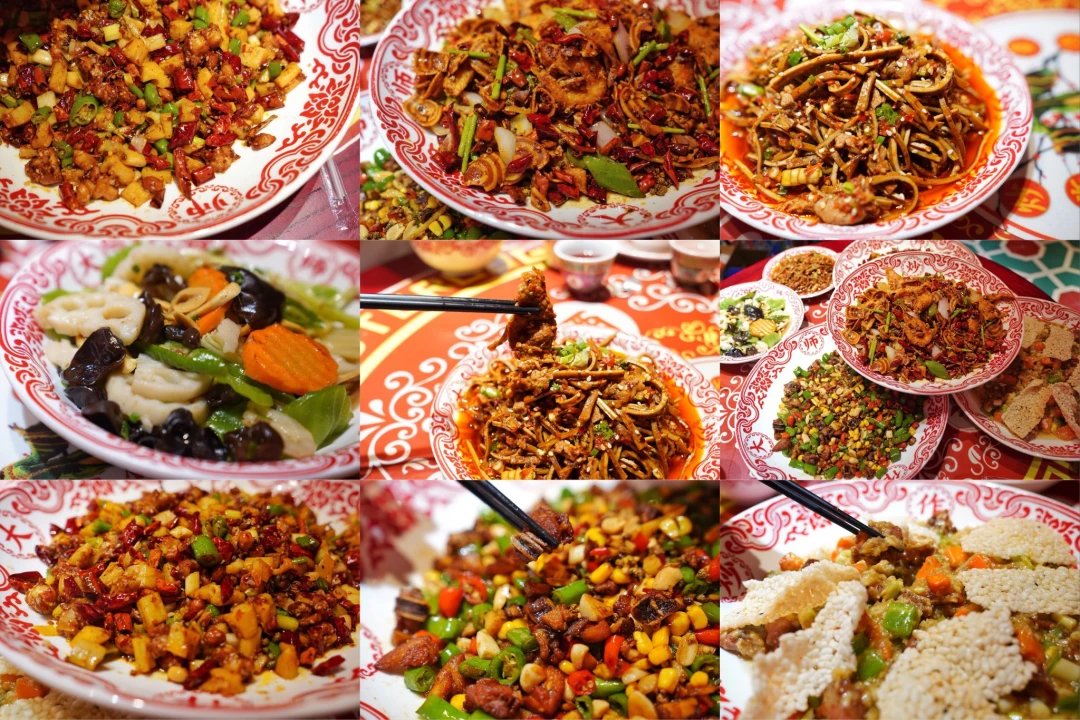
- Auspicious Palm Treasures (吉祥掌中宝) – Chicken tenderloin stir-fried with cucumber, lotus root, and peanuts, loaded with chili peppers, and finished with white sesame seeds. Crispy outside, tender inside—one bite and you know you've arrived in Sichuan.
- Exclusive Eight-Treasure Spicy Chicken (独家八宝辣子鸡) – A unique twist on classic spicy chicken. Green and red fresh chilies blend with dried chilies for layered heat. The chicken is first fried, then stir-fried, paired with corn kernels and mushrooms.
- Dry-Mixed Spicy Beef with Tofu Skin (麻辣烫干拌牛肉) – Large beef slices dry-mixed with tofu skin using a special sauce. The flavor intensifies the more you chew.
- Fortune and Longevity Ribs (福禄寿排骨) – Pre-fried ribs coated in thick sauce, topped with crispy rice crackers. Perfect for those who prefer less spice.
- Imperial Concubine Lychee Shrimp (贵妃荔枝虾仁) – Yuxiang (fish-fragrant) style shrimp with quail eggs shaped like lychees. A delightful surprise.
- Spicy Golden Jade Shrimp (香辣金玉基围虾) – Plump shrimp with hidden "cat ears" snacks—crunchy childhood nostalgia.
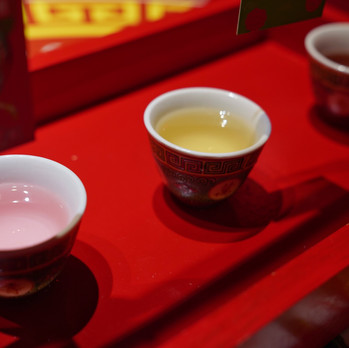
Pro tip: Start with a glass of Seven-Year Plum Wine (柒岁梅子酒) —only 9% alcohol, paired with fruit flavors, served in a traditional patterned glass with a woven basket. It's the perfect palate opener.
[Link: Best Sichuan restaurants in Chengdu for first-time visitors]
H2: The Benchmark of Chengdu's Grilled Fish: Kao Jiang

H3: Why Kao Jiang is the Gold Standard
When Chengdu locals talk about grilled fish, one name dominates: Kao Jiang (烤匠) . Whether in reputation or flavor, it stands as the benchmark of Chengdu's grilled fish scene. I visited the IFS Black Gold branch on the 7th floor, near the rooftop garden where the iconic IFS panda sculpture greets visitors.
H3: Top Grilled Fish Flavors at Kao Jiang
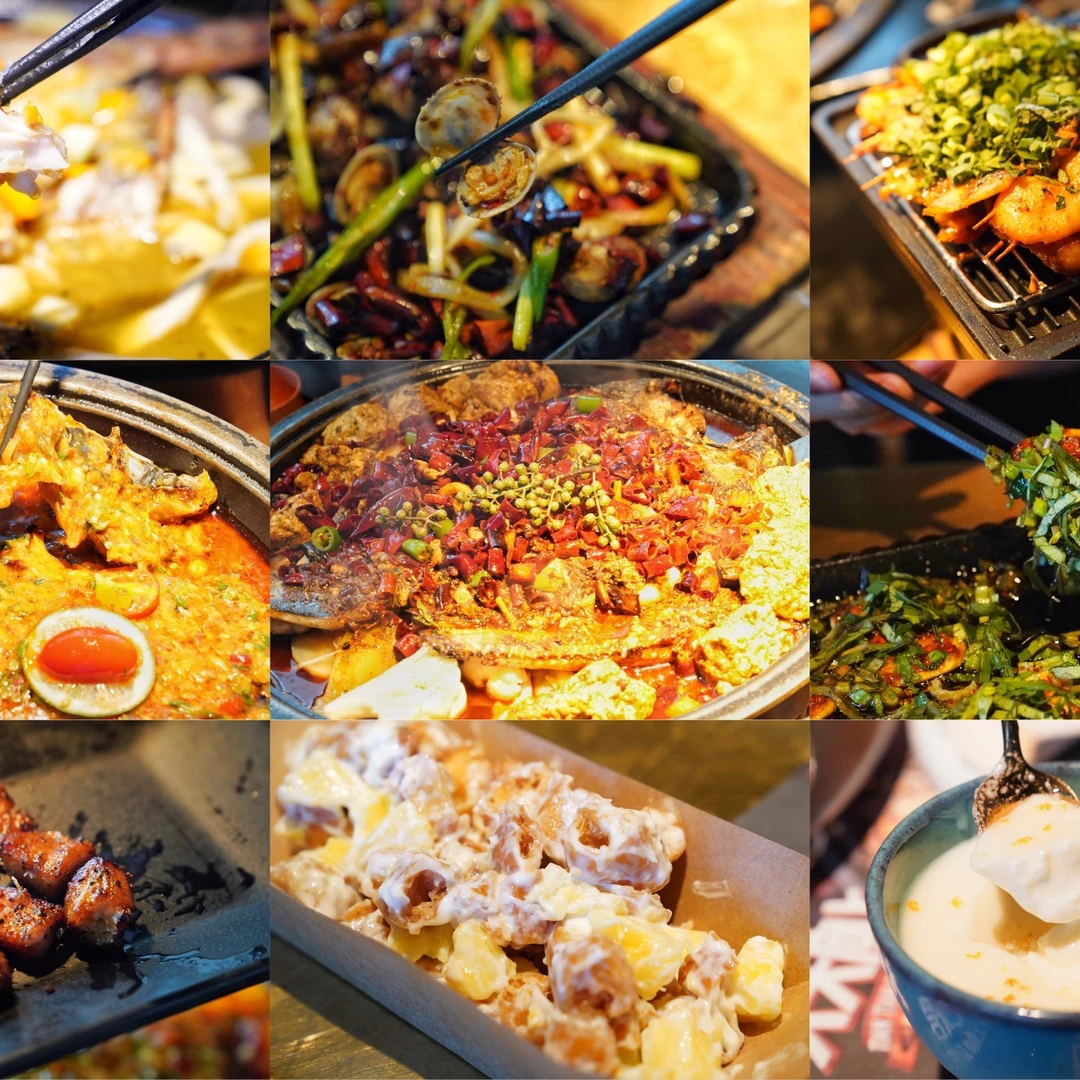
Classic Mala Grilled Fish (经典麻辣烤鱼) – The most iconic dish and the one that best represents Chengdu. Golden-brown fish piled high with red chilies and Sichuan peppercorns. The fish skin is roasted to a crispy char while the flesh remains tender. Dip it in the pot's sauce for maximum flavor. The handmade black tofu (黑豆花) side dish soaks up the spicy broth perfectly.
Lime and Sour-Spicy Grilled Fish (青柠酸辣味烤鱼) – An appetite opener. Topped with a special sour-spicy sauce, the tangy heat instantly stimulates your taste buds.
Golden Sour Grilled Fish (黄金酸味烤鱼) – My personal favorite. Loads of golden pickled peppers infuse the dish with bright acidity. Extra-large konjac pieces soak up the sour broth for an addictive, refreshing tang.
H3: Appetizers and Desserts to Complete Your Meal
- Osmanthus Yogurt (桂花酸奶) – Silky smooth with just the right hint of osmanthus fragrance.
- Stuffed Tofu (包浆豆腐) – Crispy exterior, silky interior, enhanced by sauce brushed on top.
- Spicy Clams (香辣花甲) – Generous portions, large clams, clean and grit-free.
- Black Pepper Pork Collar (黑椒猪颈肉) – Roasted to golden brown, rich with black pepper flavor.
- Pineapple Mini You Tiao (菠萝小油条) – A creative combination of crispy mini fried dough sticks and refreshing pineapple.
[Link: Chengdu food tour recommendations]
H2: The Old-School Charm of Chengdu Hot Pot: Jincheng Impression
H3: Authentic Old-School Chengdu Hot Pot
When hot pot debates arise, some prefer Chongqing's boldness, while others favor Chengdu's delicacy. For authentic old-school Chengdu hot pot, Jincheng Impression (锦城印象) is the ultimate choice.
The restaurant's interior recreates old Chengdu taverns, making you feel as if you've traveled back in time. The hot pot base is true to Chengdu's traditional flavor—a beef tallow broth with rich aroma, spicy and enticing. For those who want to avoid too much heat, I strongly recommend the tomato and beef tallow dual-flavor pot: the beef tallow side delivers classic mala, while the tomato side is tangy and rich, perfect for cutting the grease.
The dipping sauce is classic sesame oil mix—pour in sesame oil, add minced garlic, and scoop in a bit of broth. This is the correct way to enjoy hot pot.
H3: Signature Hot Pot Dishes at Jincheng Impression
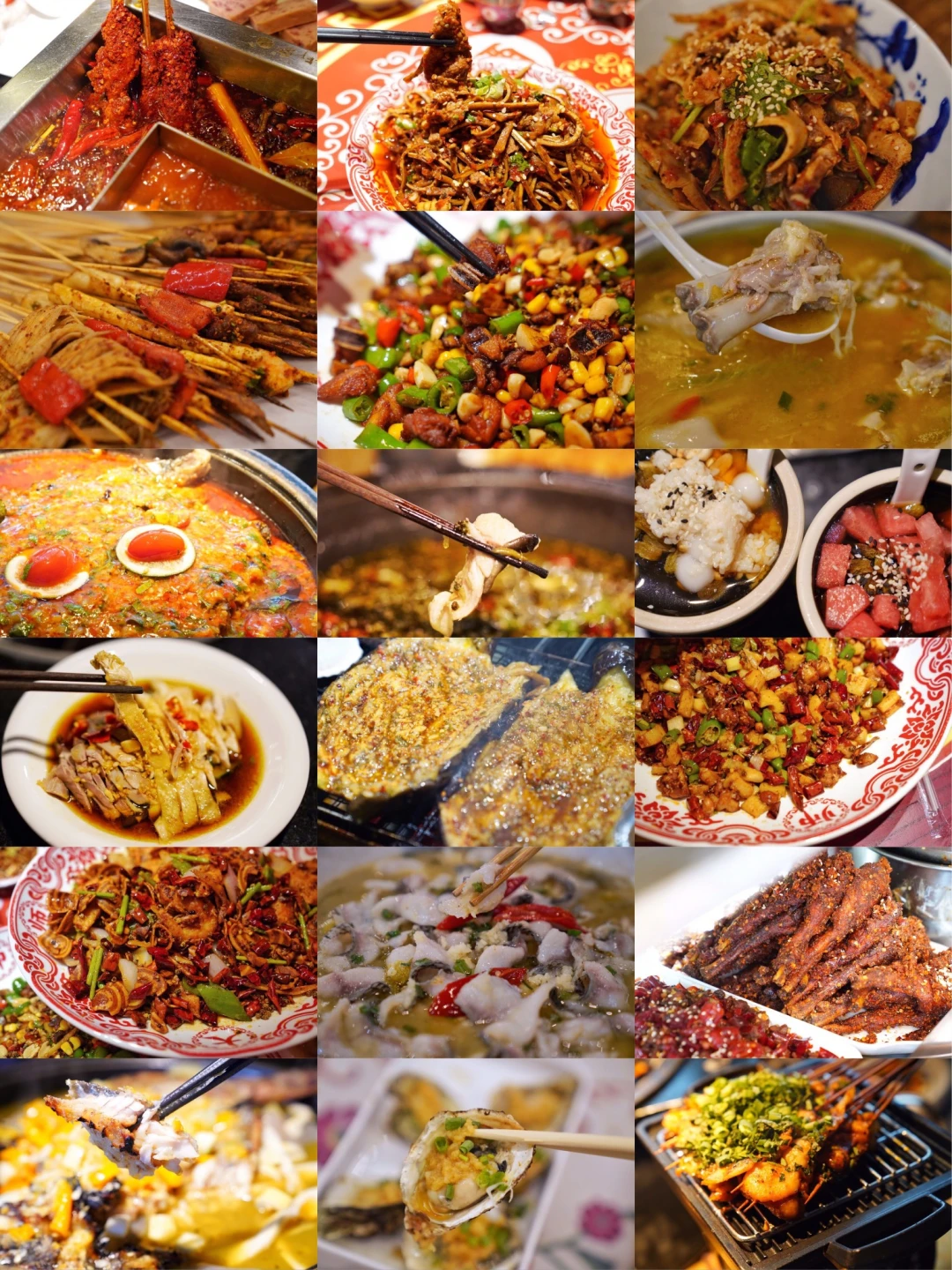
Premium Fresh Tripe (极品鲜毛肚) – The soul of hot pot. The freshness of tripe directly determines a hot pot restaurant's quality. Using the "seven up, eight down" blanching method, the tripe emerges crunchy and tender.
Raw-Cut Premium Young Goose Intestines (生扣极品仔鹅肠) – A specialty here. The waiter brings fresh goose intestines and cuts them on the spot. The intestines are chilled on ice, soft and smooth. Blanch for 30 seconds until they change color, dip in the sauce, and enjoy their silky, crunchy texture with a spicy kick.
Jincheng Lucky Skewers (锦城上上签) – Tender beef pre-coated with spicy seasonings, fully absorbing the flavors before blanching in the spicy beef tallow broth.
[Link: Chengdu hot pot vs Chongqing hot pot – what's the difference]
H2: Frequently Asked Questions About Dining in Chengdu
Q1: What makes Chengdu the "World Gastronomy Capital"?
Chengdu is the only Chinese city awarded the "World Gastronomy Capital" title by UNESCO. This recognition comes from its rich culinary heritage, diverse street food culture, innovative Sichuan cuisine, and the deep-rooted food obsession among locals. The city's food scene balances tradition with modern creativity.
Q2: Is Chengdu food always extremely spicy?
Not necessarily. While Sichuan cuisine is famous for its mala (numbing and spicy) flavor, many dishes offer milder options. Restaurants like Chao Zuo Da Shi have dishes like Fortune and Longevity Ribs, and Jincheng Impression offers dual-flavor hot pot with tomato broth. You can always request "less spicy" (微辣) or "no spice" (不辣).
Q3: What are the must-try dishes for first-time visitors to Chengdu?
For a complete experience, try: - Classic Mala Grilled Fish at Kao Jiang - Auspicious Palm Treasures at Chao Zuo Da Shi - Premium Fresh Tripe at Jincheng Impression - Dan Dan Noodles from street vendors - Mapo Tofu from traditional Sichuan restaurants
Q4: How do I find authentic local restaurants in Chengdu?
Look for restaurants with long queues of locals—this is the best indicator of quality. Explore alleyways (巷子) in areas like Kuanzhai Alley, Jinli, and around universities. Use local food apps like Dianping (大众点评) for reviews, or ask hotel staff for recommendations.
Q5: What is the best time to visit Chengdu for food?
Chengdu's food scene is vibrant year-round, but spring (March-May) and autumn (September-November) offer pleasant weather for exploring street food. Avoid the rainy summer months if you prefer outdoor dining. Major food festivals occur during Chinese New Year and National Day holidays.
[Link: Chengdu food map – best areas for eating]
H2: Conclusion – Your Chengdu Food Adventure Awaits
Chengdu isn't just a city to visit—it's a city to taste. From the Chinese chic ambiance of Chao Zuo Da Shi to the benchmark grilled fish at Kao Jiang and the old-school hot pot charm of Jincheng Impression, every meal tells a story of tradition, innovation, and passion.
Whether you're a first-time visitor or a returning foodie, Chengdu's culinary landscape offers endless discoveries. The key is to dive in without hesitation—join the queues, explore the alleys, and let your taste buds lead the way.
Ready to experience the World's Gastronomy Capital? Start planning your Chengdu food tour today. Bookmark this guide, share it with fellow food lovers, and prepare for a flavor journey you'll never forget.
Your next meal in Chengdu is waiting. Are you hungry enough?
This article is based on firsthand experience from exploring Chengdu's food scene. Restaurant details and menu items are accurate as of the time of writing. Always check current opening hours and availability before visiting.


