Dayi Time: Encountering the Original Home of Life in the Folds of the Western Sichuan Basin
Meta Description: Discover Dayi's hidden gems—from Anren's legendary soy milk and fried dough sticks to century-old mansions and living museums. Explore the original home of life in the Western Sichuan Basin, just an hour from Chengdu.
Introduction: The Quiet Soul of Western Sichuan
An hour west of Chengdu lies a land that time has treated with particular kindness. Here, there is no clamor of Kuanzhai Alley, no commercial bustle of Jinli—only the deep and shallow footprints left on blue-stone paths, the tea fragrance that has lingered for half a century in old teahouses, and century-old stories hidden deep in alleyways, waiting for fateful visitors to knock.
Dayi—a name often skimmed over on tourist maps—is in truth an open book of life in western Sichuan, each page written with the simplest yet most moving tales of everyday烟火人间 (the world of mortal烟火). Whether you're seeking Dayi travel guide insights or a hidden gem near Chengdu, this ancient county offers an authentic slice of Sichuan culture that mainstream tourism has yet to commercialize.
In this comprehensive guide, we'll walk through Dayi's most captivating neighborhoods—Anren and Yuelai—uncovering the culinary secrets, architectural wonders, and living traditions that make this region a true original home of life in the Western Sichuan Basin.
Anren Chapter: Morning Disappointment and Unexpected Surprises
The Morning Philosophy of Chen's Fried Dough Sticks
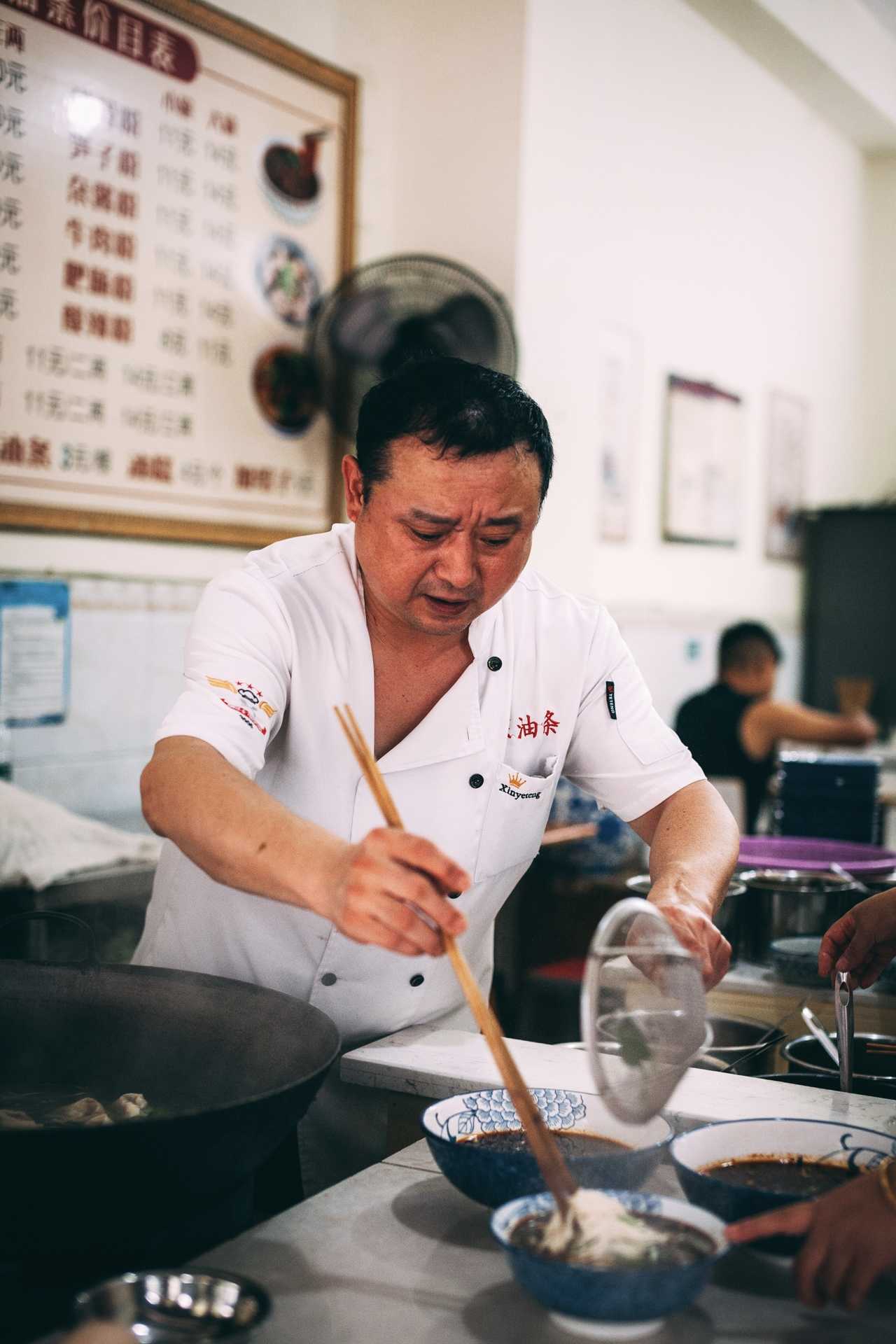
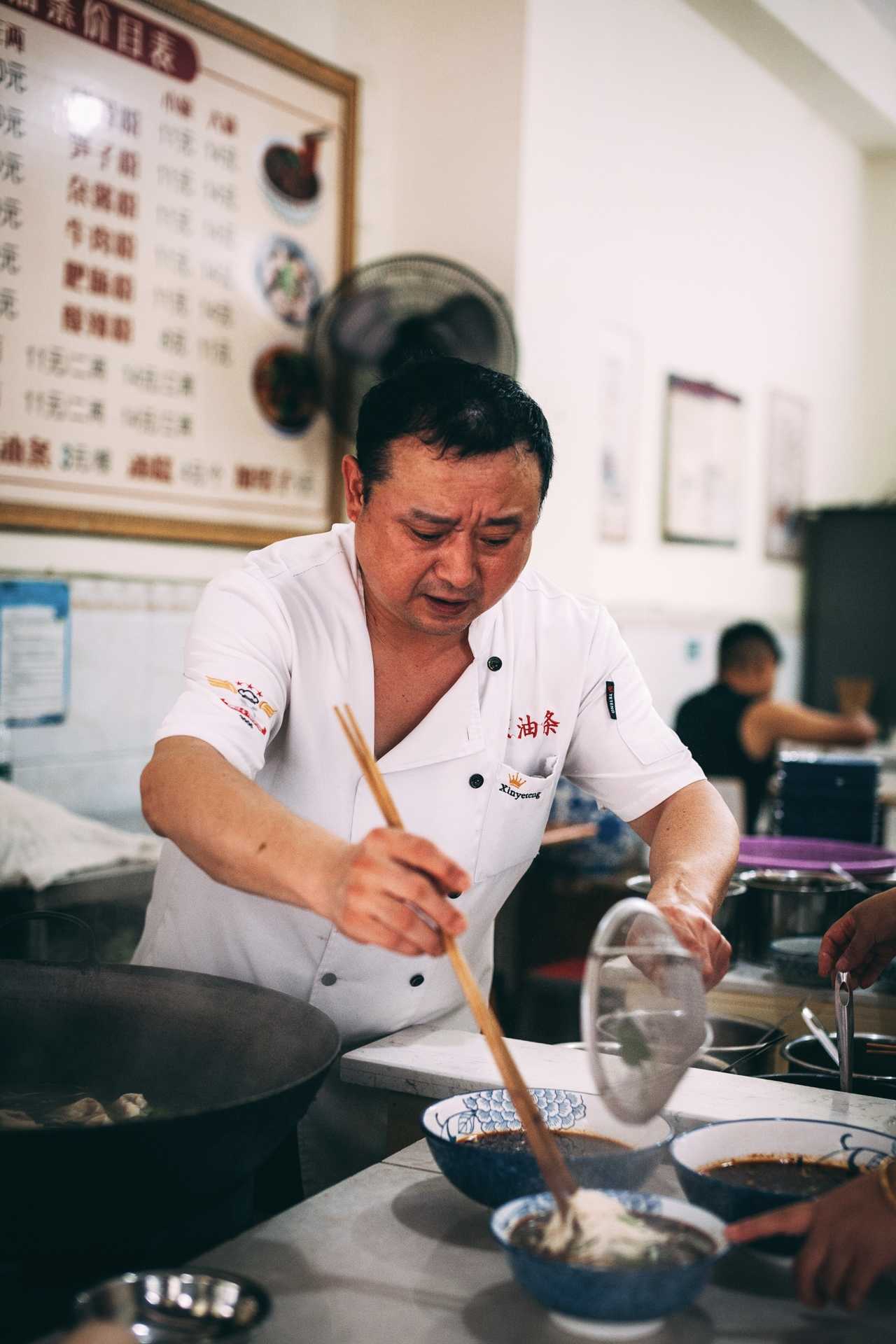
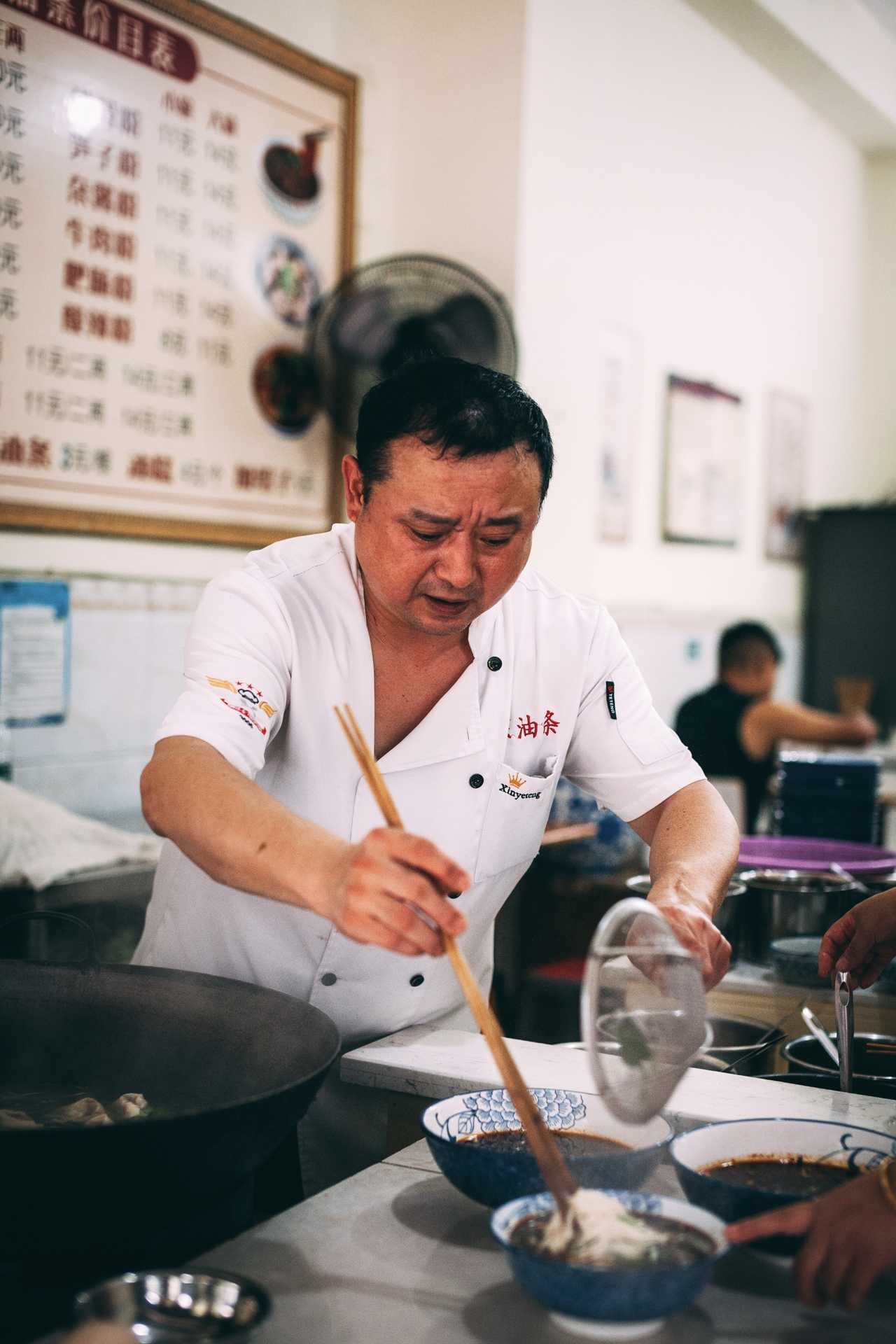
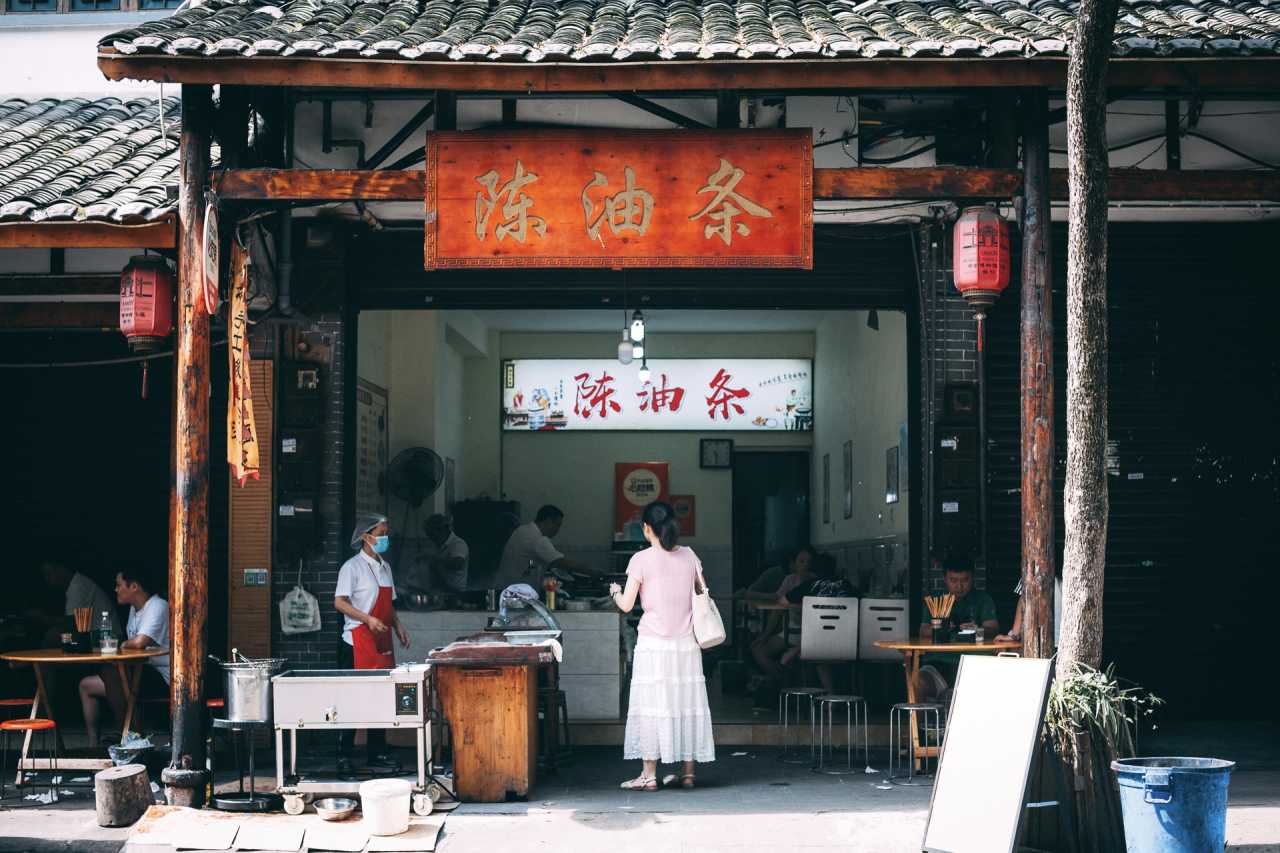
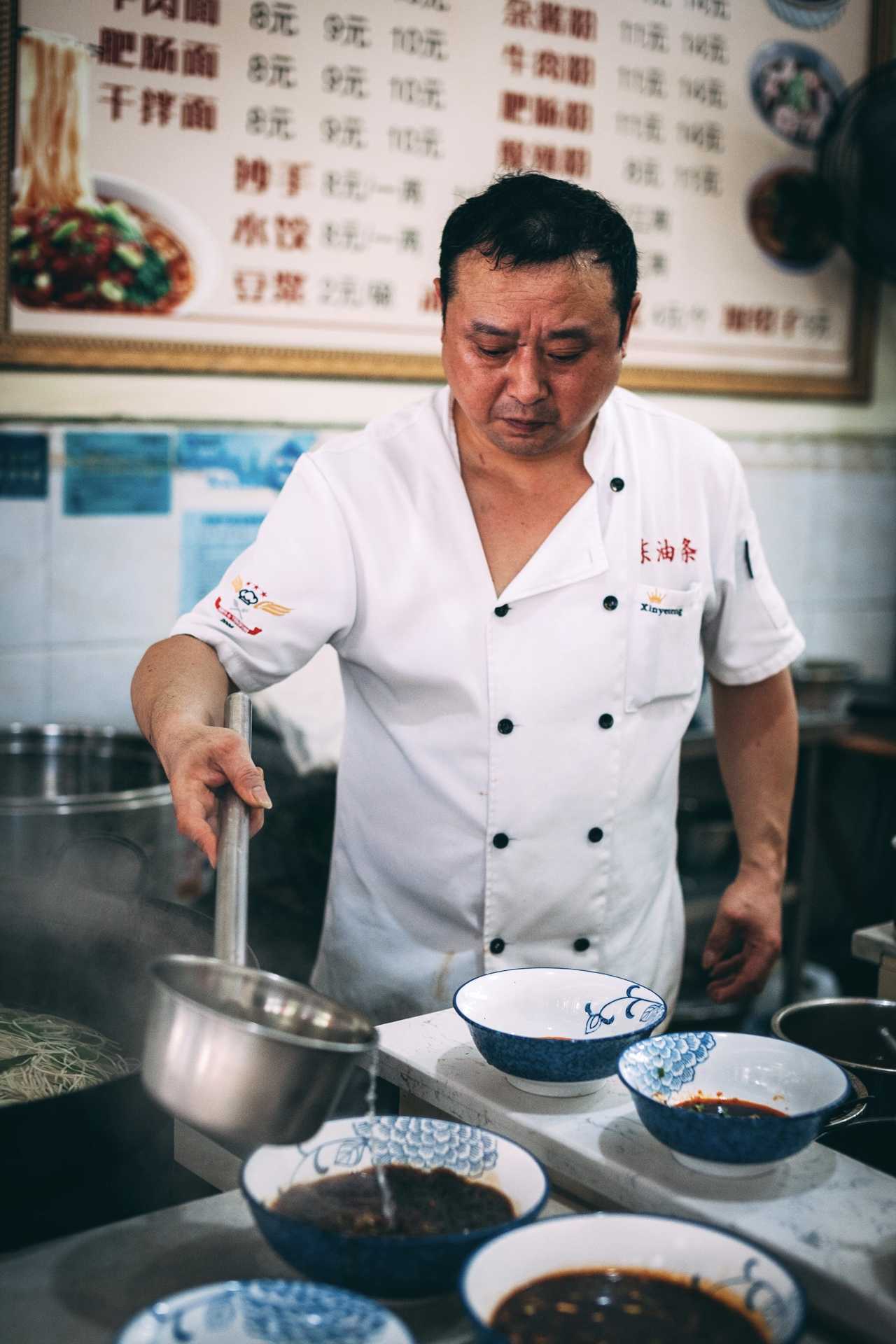
Eight o'clock on a weekend morning—not exactly early, by most standards. I headed straight for Anren, my heart set on the legendary "安逸" (leisurely) soy milk and fried dough sticks. But by the time I reached the stall, the last golden, crispy stick had just been claimed. The oil pot was empty, the soy milk gone. Master Chen's words, "Come back tomorrow," landed like a bucket of cold water.
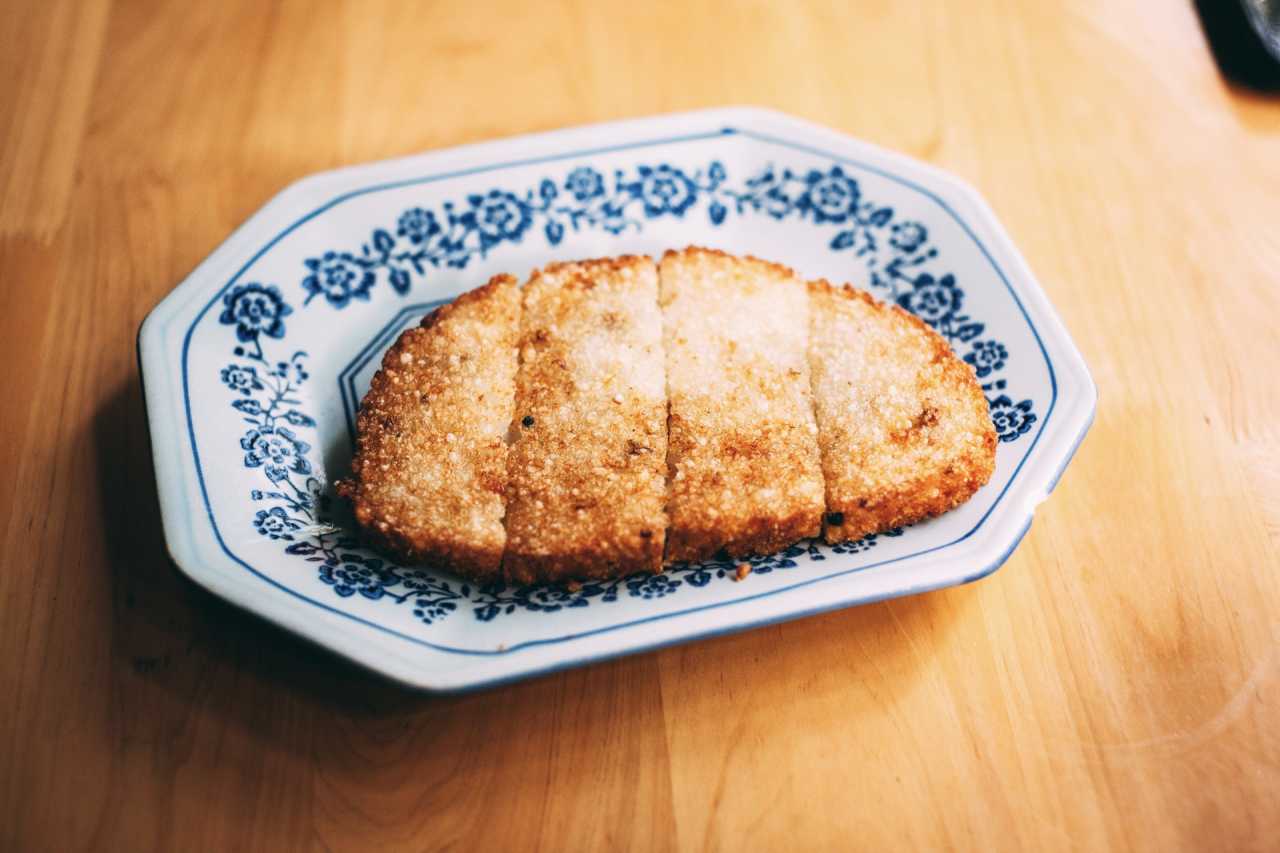
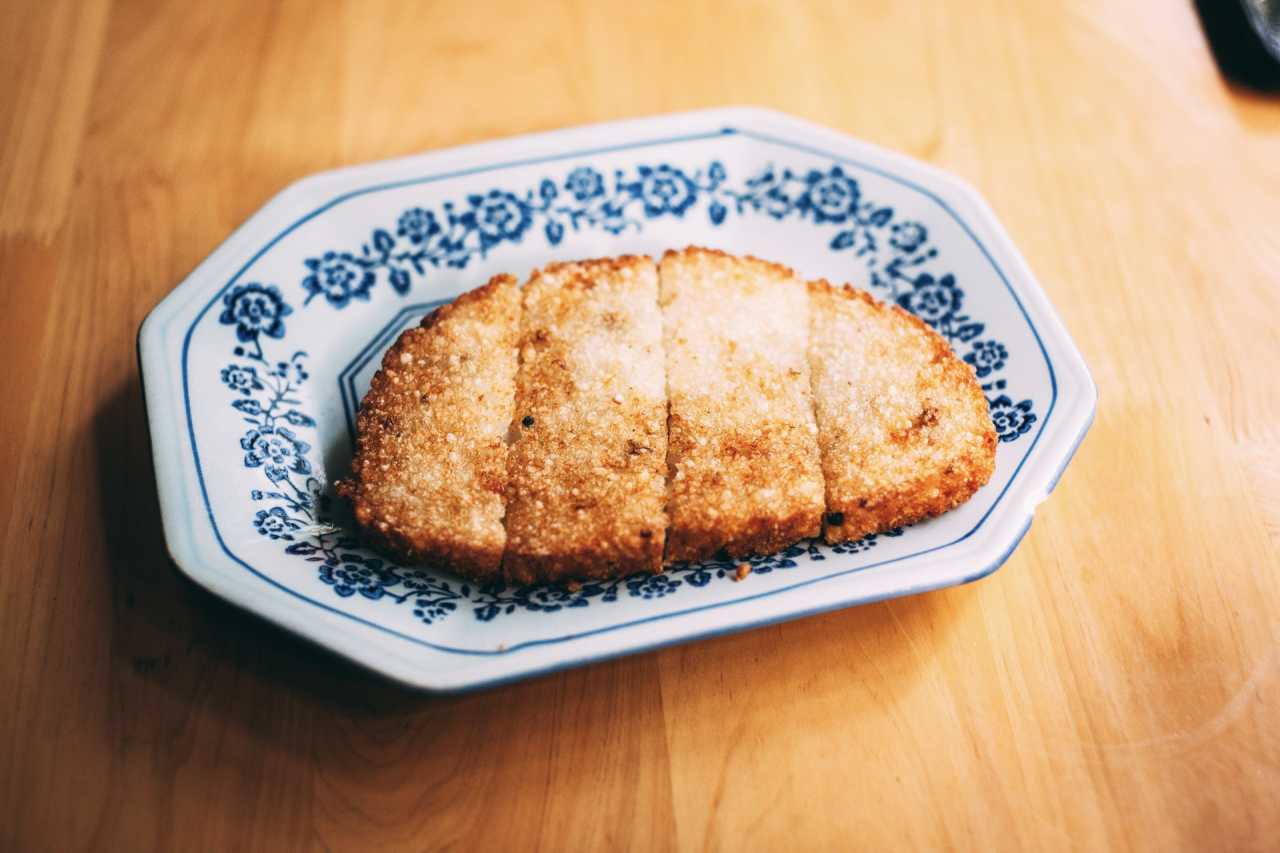
In resignation, I grabbed a freshly fried oil cake as a substitute. One bite—wow! The scalding, crispy shell exploded between my teeth, making me gasp for air, yet I couldn't stop. This substitute turned out to be a dark horse.
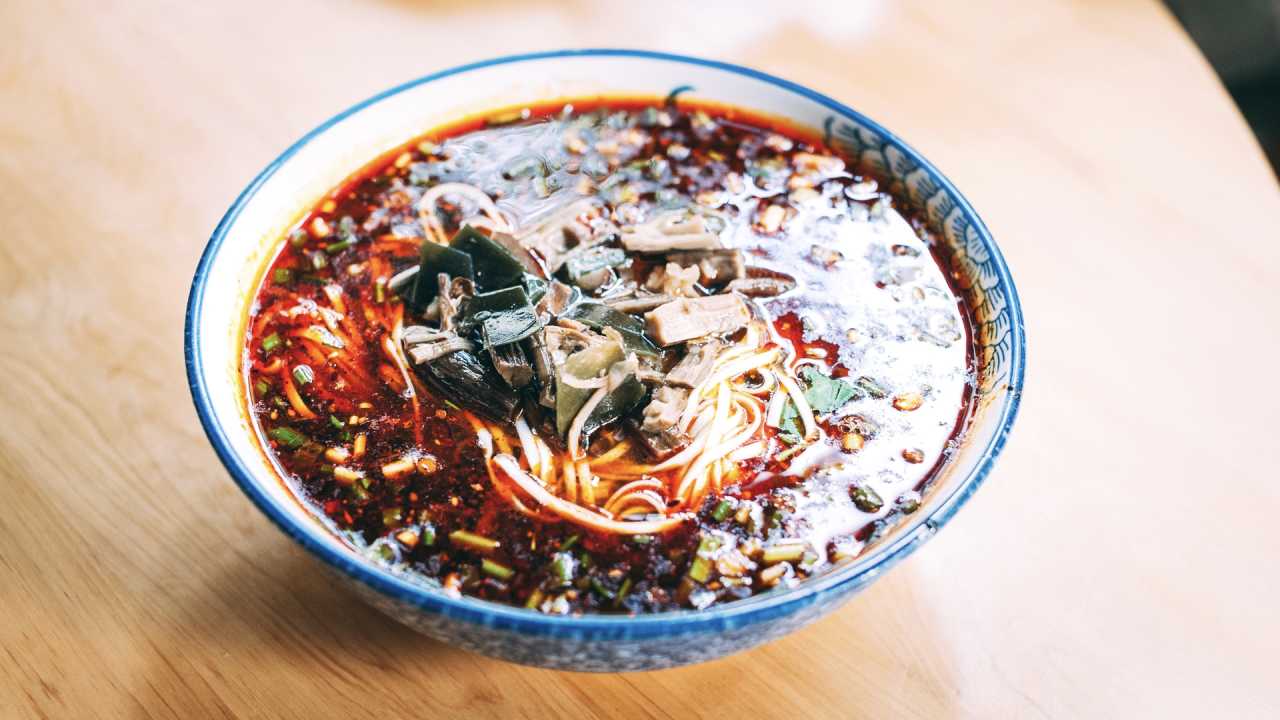
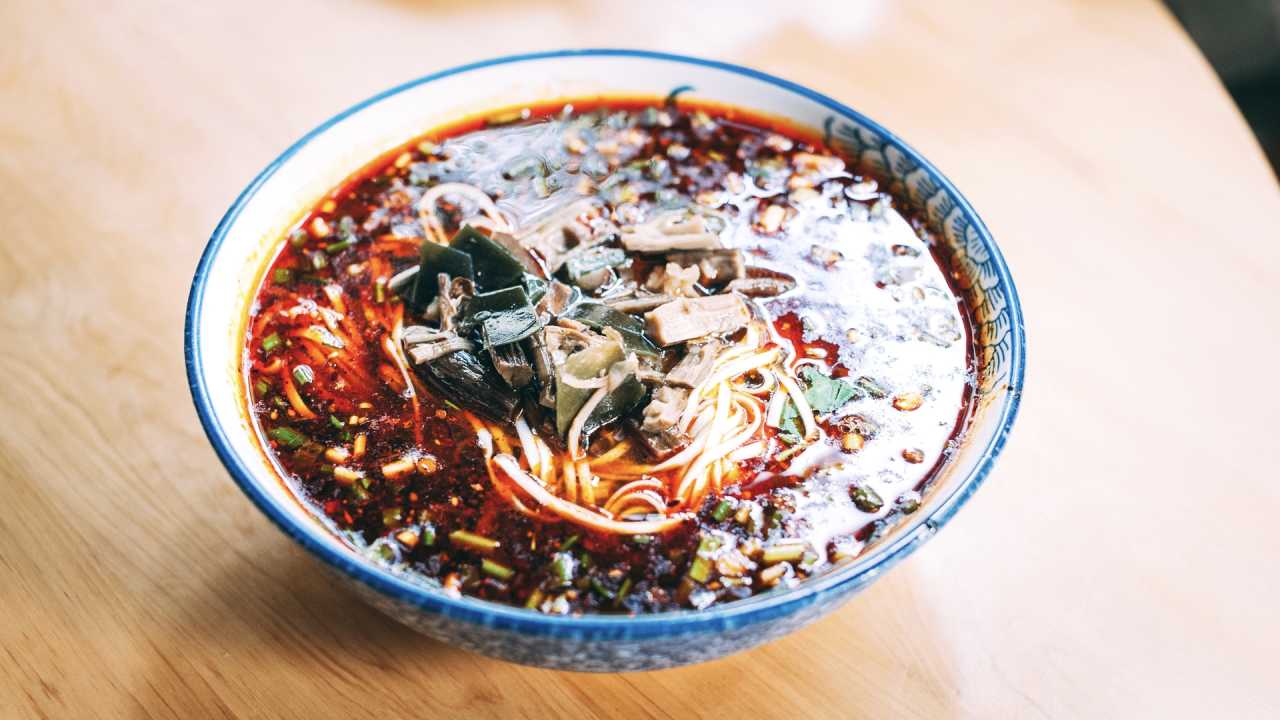
An elderly man nearby was leisurely eating noodles, so I followed suit and ordered a bowl of bamboo shoot noodles and a bowl of pea-and-pork noodles. The bamboo shoot noodles had a clear, clean broth, with smoky bamboo shoots carrying the aroma of lard—each mouthful a gift from the mountains. The pea-and-pork noodles were bold and rich: soft peas melted on the tongue, wrapped in savory minced pork, with chili oil fiercely igniting the taste buds. The regret over the fried dough sticks was thoroughly soothed in that moment.
Pro tip for Dayi food lovers: Arrive before 7:30 AM to secure the full breakfast experience—soy milk, fried dough sticks, oil cake, plus a bowl of those bold noodles. Missing out on Chen's morning is just the prelude; the real satisfaction lies in having it all.
[Link: Best breakfast spots in Sichuan]
Chen Yuesheng's Mansion: A Cool Dream Under the Grapevines
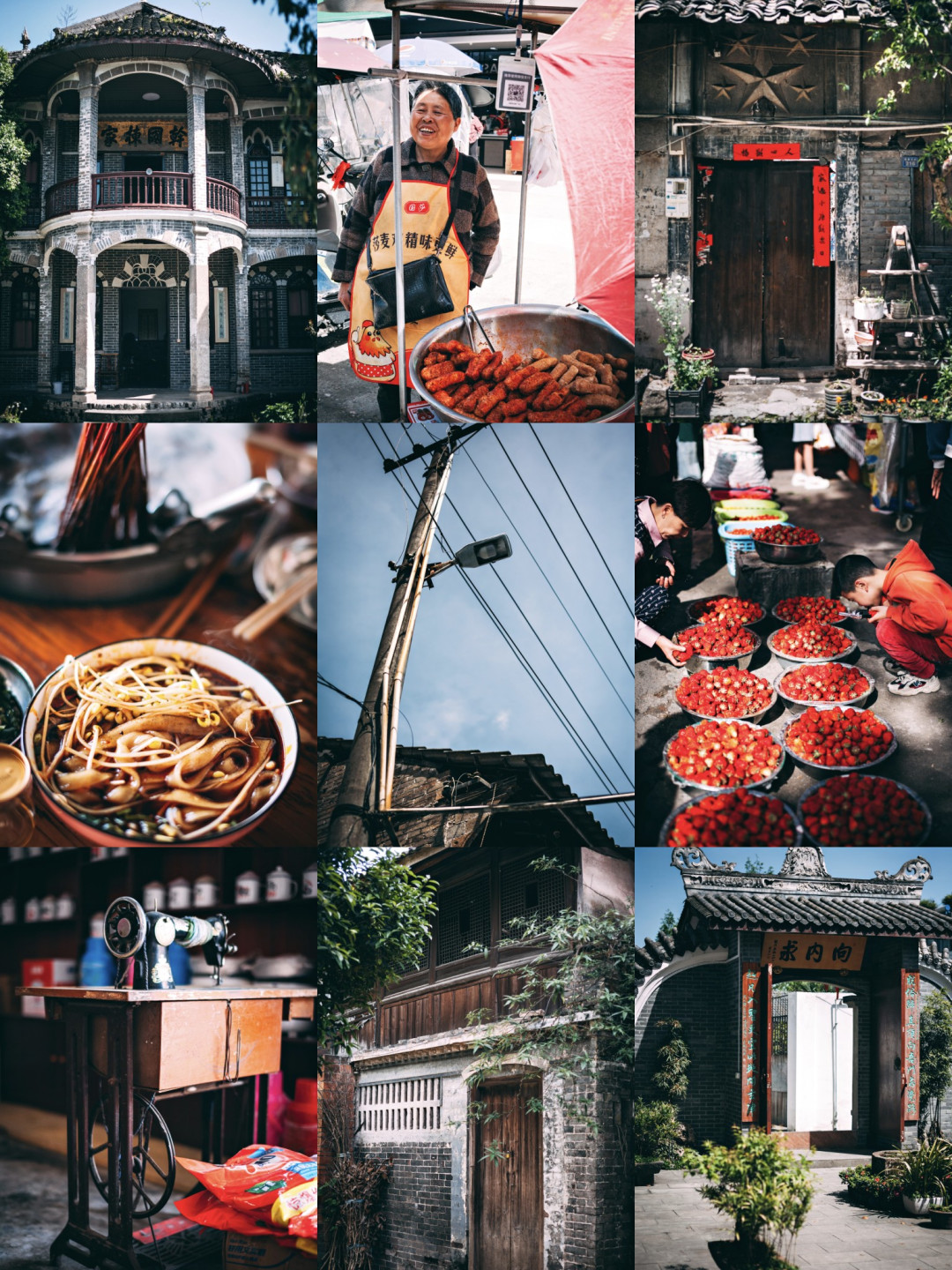
Pushing open the black-lacquered gate and stepping into Chen Yuesheng's Mansion, the summer heat was instantly shut out. The deep courtyard was most striking for its central trellis of lush grapevines, clusters of jade-like fruit hanging heavily, brewing summer sweetness in the shade.
A delicate, elegant fragrance drifted in. Following the scent, I found yellow gardenias quietly blooming by the wall. Pure white as jade, their blossoms exuded a refreshing coolness, as if infusing the entire sweltering mansion with a soul of清凉 (coolness).
This mansion, a blend of Chinese and Western styles, is itself a legend. The original owner, Chen Yuesheng, had planned to build a high tower but, out of deference to a neighbor who was his superior, instead constructed a two-story brick building with small grey tiles—giving birth to a unique "aesthetic of compromise." Wandering through, Roman colonnades intertwined with grey bricks and tiles, freezing in time the former glory and the wear of the years.
Why visit Chen Yuesheng's Mansion? In summer, it offers the perfect escape—shade under the grapevines, the fragrance of gardenias, and a quiet place where history and modernity converse silently within the very fabric of the architecture. It's one of the most underrated historical sites in Dayi County.
[Link: Top historical mansions in Western Sichuan]
Yuelai Chapter: Where Time Took a Nap
Yuelai Main Street: Spring Planted in Broken Clay Pots
This year's heat arrived early; the spring sun already had a fiery temper. The blue-stone slabs were warm to the touch, reflecting the vermilion couplets on each household's doorframe, as if the old street were edged with flowing gold.
On spring days along Yuelai Main Street, every household's small garden revealed the owner's ingenuity. Chipped clay pots, dented enamel basins, even rusted iron buckets—all were filled with soil by the old residents, creating a "wildflower art exhibition." Rusted iron door rings held bluebells; enamel washbasins nurtured pennywort; crooked clay pots by the old wall suddenly burst forth with clusters of roses. Sunflowers blazed vigorously during the day; honeysuckle vines climbed wildly along bamboo fences; purple-pink wood sorrel flowers pushed through broken bricks and tiles, turning the dilapidated old wall into a watercolor painting.
These flowers weren't precious varieties, but they understood the wisdom of coexisting with the old alleyways. Perhaps the true "dream home" is never a meticulously crafted courtyard, but rather this attitude of planting spring in broken pots and blooming new flowers in old time.
Photography tip: Early morning or late afternoon light casts long shadows across the blue-stone slabs, creating perfect conditions for capturing the Yuelai old street charm.
[Link: Best photography spots in Western Sichuan]
Heba Street: A Living Museum Flowing with Warmth
Heba Street, with its grey tiles and wooden doors, wound like a twisting vine, stringing together the old times of the Western Sichuan Basin. The narrow alley barely allowed two people to pass sideways. Under the peeling eaves, bamboo chairs and benches permanently occupied the street. Silver-haired locals guarded their ancestral homes, weaving a vivid tableau of human life amid the fragrance of tea and the sound of cards.
Hidden in the middle of Heba Street was a small Zhang Fuzi Temple. This Qing-dynasty temple, only 20 square meters, served as the spiritual landmark of the neighborhood. Inside were enshrined the statues of Master Zhang and his wife, who resigned from officialdom in the late Qing to do good deeds. Legend has it that when Master Zhang passed through Heba Street and saw the devastation after a fire, he donated silver to help residents rebuild their homes. Grateful, the locals built the temple and worshipped there for generations.
Though small, the temple's wooden structure with its double-eaved, four-cornered pyramidal roof was exquisitely crafted. Incense smoke curled from the burner; during festivals, elderly people would bring fruits to wipe the altar, murmuring in dialect the old tales of "Master Zhang repairing the street."
What makes Heba Street a living museum? The vitality of the old street lies in a bowl of tea for the elderly, the crisp sound of dominoes being slapped down, and most of all, in the incense-shrouded legacy of the temple. The residents coexisting with the old street makes Heba Street not just a scenic spot, but a living museum flowing with warmth.
[Link: Traditional Sichuan street culture]
Leng's Mansion: A Century of Vigilance Inside and Out
Hidden in the midst of bustling streets, Leng's Mansion stood with the timeless grace of a late-Qing Western Sichuan residence, quietly narrating a hundred years. The mansion was the home of Leng Yindong, the last mayor of Chengdu during the Republic of China era, and a city-level protected cultural relic. The building was a brick-and-wood structure blending Chinese and Western styles. The two-story western-style house faced east, its three-meter-high walls providing a sense of complete security.
Above the doorframe, the characters "觉庐" (Awakening Hut) were inscribed in vigorous regular script, a calligraphy piece from a high monk of the Guangxu era. "觉" (awakening) evoked the Buddhist state of enlightenment; "庐" (hut) suggested the elegance of a scholar's retreat. Together, they hinted at the owner's quest for a spiritual haven amid the chaos of the world.
A sign under the moon-shaped gate read "Private Residence, No Entry." Since the descendants lived overseas, the property had changed hands several times and was now under private renovation and management. Ordinary visitors could only glimpse its mysterious silhouette from a distance.
How to visit Leng's Mansion? I was fortunate enough to meet the owner and gain entry—a stroke of fate with this Republican-era relic—and thus caught a glimpse of the time-frozen courtyard. Pushing open that historic gate, the first sight was a courtyard house. The yard was slightly sunken, with wooden-columned corridors on both sides. The western-style building in front was imposing: on the second floor, a semi-circular balcony jutted out from the center.
For most visitors, viewing from outside is the only option—but that glimpse alone is worth the trip. It remains one of the most intriguing cultural relics in Dayi.
[Link: Republican-era architecture in Sichuan]
FAQ: Your Dayi Travel Questions Answered

1. How do I get to Dayi from Chengdu?
Dayi is approximately one hour west of Chengdu by car. You can take a bus from Chengdu's Chadianzi Bus Station or drive via the Chengwenqiong Expressway. The journey is straightforward and well-signposted.
2. What is the best time to visit Dayi?
 Spring (March–May) and autumn (September–November) offer the most pleasant weather. Spring brings blooming flowers along Yuelai Main Street, while autumn provides cool temperatures perfect for exploring the old streets and mansions.
3. Is Dayi suitable for a day trip from Chengdu?
 Absolutely. Dayi's main attractions—Anren and Yuelai—can be comfortably explored in a single day. However, to truly soak in the atmosphere, consider an overnight stay in a local guesthouse.
4. What should I eat in Dayi?
 Don't miss the legendary soy milk and fried dough sticks at Chen's stall (arrive early!), bamboo shoot noodles, and pea-and-pork noodles. Local teahouses also serve traditional Sichuan snacks and tea.
5. Are the historical sites in Dayi free to enter?
Most old streets and public areas are free. Some private mansions like Chen Yuesheng's Mansion may charge a small entrance fee. Leng's Mansion is private property and generally not open to the public, though you can view it from outside.
Conclusion: Your Dayi Adventure Awaits
Dayi is not just a destination—it's an invitation to step back in time and experience the authentic soul of Western Sichuan. From the morning regrets and surprises at Chen's fried dough stick stall to the cool tranquility of Chen Yuesheng's grapevine-filled courtyard, from the wildflower artistry of Yuelai Main Street to the living warmth of Heba Street's Zhang Fuzi Temple, every corner of Dayi tells a story.
Whether you're a food lover chasing the perfect bowl of noodles, a history buff exploring Republican-era architecture, or a traveler seeking the quiet charm of old Sichuan, Dayi offers an experience that no tourist map can fully capture.
Your next step: Plan your visit this weekend. Wake up early, head west from Chengdu, and let Dayi's unhurried rhythm embrace you. The fried dough sticks will be waiting—if you arrive in time.
[Link: Book your Chengdu to Dayi tour] [Link: Find accommodation in Anren old town]
Have you visited Dayi? Share your experience in the comments below, or tag us in your photos using #DayiTime. We'd love to see your journey through the original home of life in the Western Sichuan Basin!
You may also like