Daocheng Yading Travel Guide: A Soul Pilgrimage to "The Last Pure Land on Earth"
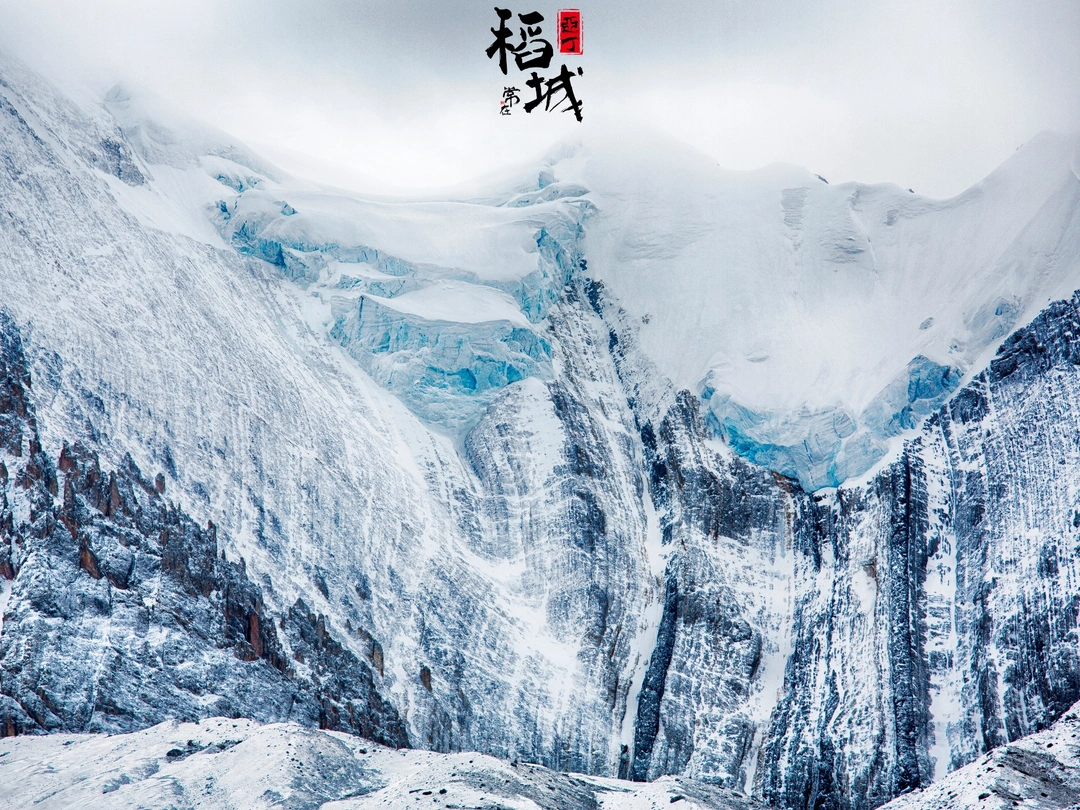
Meta Description: Discover the ultimate Daocheng Yading travel guide for 2024. From altitude sickness prevention to photography tips, learn how to plan an unforgettable pilgrimage to Sichuan's sacred plateau paradise.
Prologue: When Dreams and Reality Meet on the Plateau
I've always believed that deep down, every one of us harbors a restless soul. It stirs awake in the dead of night, whispering in your ear: Go. See the world.
For me, that voice became impossible to ignore in the autumn of 2015. Without meticulous planning, without lengthy preparations—as if pulled by some invisible force—I set out on a journey to Daocheng Yading, the sacred land known as "the last pure place on the blue planet." This pilgrimage became a defining coordinate in my life.
Some say travel is an escape from reality. But to me, travel feels more like a search—a search for the authentic self buried beneath the routines of daily life. When the plane broke through the clouds, when the first ray of plateau sunlight touched my face, I knew: I had found it.
[Link: Best time to visit Daocheng Yading]
Pre-Trip Preparations: The Rationality Behind the "Impulse"

Best Time to Visit Daocheng Yading: Catching the Tail End of Autumn
Recommended Travel Window: October 13–19
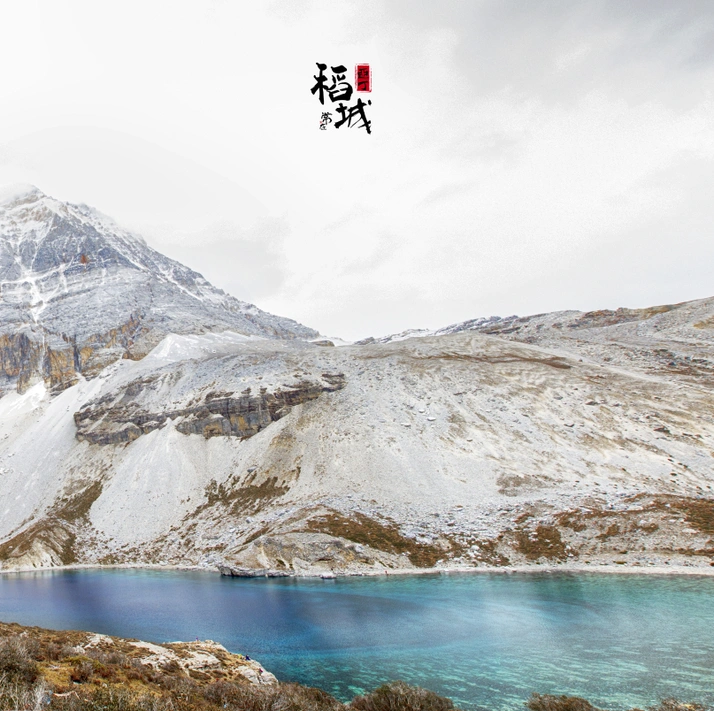
The most beautiful season in Daocheng Yading runs from September to October. The rainy season has just ended, autumn colors are at their peak, and the week after National Day Golden Week is arguably the best viewing window. That said, weather on the plateau is as unpredictable as a child's mood—snowfall is common, so slip-resistant gear is a must. I learned this the hard way: my shoes had zero traction, and I ended up sliding down the mountain practically on all fours.
Pro tip: For photography enthusiasts, late October offers golden grasslands, crimson leaves, and snow-capped peaks—a color palette that no filter can replicate.
[Link: Daocheng Yading autumn photography guide]
How to Get to Daocheng Yading: Transportation Options
Starting from Yichang in Hubei Province, I originally planned a complete "Greater Shangri-La Loop": Yichang → Chengdu (bullet train) → Daocheng (flight) → Shangri-La (bus) → Lijiang (bus) → Yichang (flight). But plans change. Due to various reasons, I adjusted my route on the fly:
Final Route: Yichang → Chengdu (bullet train) → Daocheng (flight) → Luzhou (flight) → Chengdu (bus) → Yichang (bullet train)
Important transportation tips: - Daocheng Airport is the world's highest civilian airport (4,411 meters). Pilots must fly this route regularly to maintain certification. - The bus from Daocheng to Shangri-La in Yunnan runs only once daily, departing at 7:30 AM. The journey takes about 12 hours and costs 124 RMB. Most of the route is winding mountain roads. Buy your ticket a day in advance, and get to the station early to grab a front-row seat—sitting in the back, the bumpy ride will make you question your life choices. - Private car hire: You can book drivers through Taobao or local travel agencies. Expect to pay 500-800 RMB per day for a private car with driver.
[Link: Daocheng Yading transportation guide]
Altitude Sickness in Daocheng: Prevention Without Paranoia
Daocheng sits at an average elevation of 3,750 meters; Shangri-La Town at 2,700 meters; and the Yading scenic area is mostly above 4,200 meters. Although I'd experienced high-altitude travel before, I still took Rhodiola rosea capsules and American ginseng in advance. The result surprised me: not only did I have zero altitude sickness, but I was practically sprinting, even able to enjoy some baijiu (Chinese white liquor).
Altitude sickness prevention checklist: - Start taking Rhodiola rosea 3-5 days before departure - Stay hydrated (drink at least 2 liters of water daily) - Avoid alcohol during the first 48 hours - Move slowly and rest frequently - Carry portable oxygen canisters (available at any pharmacy in Chengdu or Daocheng) - Consider acetazolamide (Diamox) for severe cases—consult your doctor first
Note: Everyone's body is different. My experience of zero altitude sickness doesn't guarantee yours. Always listen to your body and descend if symptoms worsen.
Where to Stay in Daocheng: Accommodation Recommendations
Nights 1 & 2: Ganzi Daocheng Yading Yixin Hotel
Clarification: Daocheng also has a "Shangri-La Town," which is not the same as Shangri-La in Diqing, Yunnan. I chose to stay in Shangri-La Town rather than Yading Village for three reasons:
- Lower elevation (2,700m vs 3,700m) – better for acclimatization
- More affordable – a bowl of rice costs 5 RMB in Yading Village
- Better facilities – private bathrooms, reliable hot water (morning only)
This hotel is about 2 kilometers from the scenic area's reception center. The driver picked me up at the agreed time each morning to take me to the visitor center. Rooms were clean, and breakfast included steamed buns, eggs, and congee.
Warning: Power outages are a fact of life in Daocheng. Although the hotel has a generator, the frequent blackouts make watching TV pointless. If you're lucky, you get 10 minutes; if not, 5 minutes before the power cuts. My advice: go to bed early and shower in the morning (evenings are crowded with unstable water pressure, but morning hot water is surprisingly strong).
Night 3: Ganzi Daocheng Liulian Xiaoyuan
This hotel opened in 2015, and every room has its own character. The only downside: its location is a bit remote, and I wouldn't dare go out alone at night. That said, the hotel offers free pickup and drop-off. At night, the area around the hotel is incredibly quiet—open your window and you can capture the dazzling Milky Way.
Pro tip: For stargazing, bring a tripod and a wide-angle lens (16-35mm or wider). The plateau's clear skies offer some of the best astrophotography in China.
[Link: Daocheng Yading accommodation guide]
Photography Gear for Daocheng Yading: An Amateur's "Professional" Setup
I admit I'm a photography rookie, but facing such breathtaking scenery, I needed equipment that could hold its own. Here's what I brought:
Camera bodies: 2x Canon 5D Mark III Lenses: - 16-35mm F2.8 (landscapes, architecture) - 24-70mm F2.8 (versatile daily use) - 70-200mm F4 (wildlife, compressed landscapes) - 50mm F1.4 (portraits, low light) Storage: 2x CF cards (64GB each)
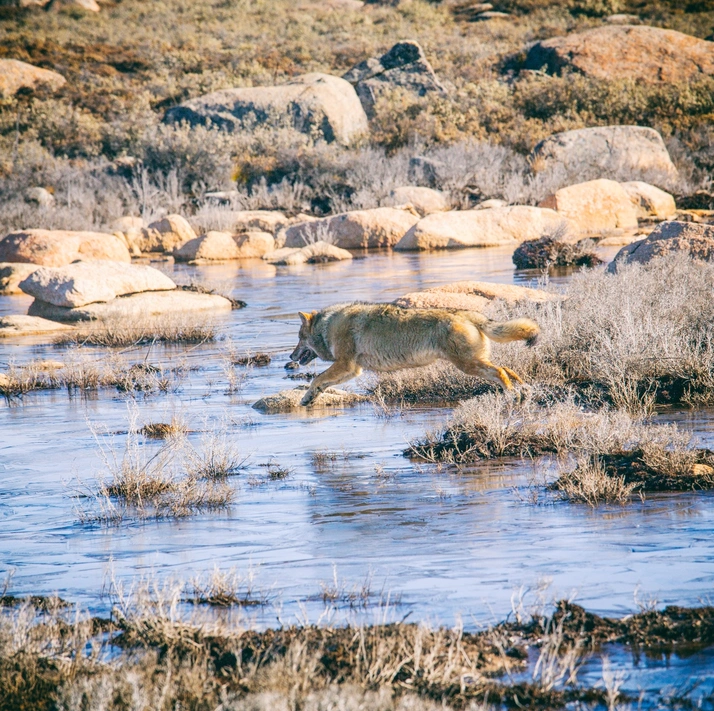
Lens recommendation: Many friends suggested bringing a "Big White" (100-400mm lens), but as it turned out, unless you're photographing people, the Big White is just dead weight on the plateau. A 70-200mm lens handles everything you need—especially for capturing those adorable highland animals like Tibetan foxes, blue sheep, and marmots.
Essential photography accessories for high altitude: - Polarizing filter (cuts glare from snow and water) - Extra batteries (cold drains battery life quickly) - Lens cleaning kit (dust and pollen are common) - Tripod (for sunrise/sunset and astrophotography)
Daocheng Yading Travelogue: Four Days, Three Nights of Highland Adventures
Day 1: Yichang → Chengdu, A Journey Through Darkness
Six and a half hours on the bullet train from Yichang to Chengdu. Outside the window, endless darkness. The train snaked through tunnels, as if the journey would never end. I switched my phone to airplane mode, watched movies, listened to music—anything to kill the monotony.
One thing I noticed: the train attendants leaned against the walls to rest whenever they had a spare moment. Later, I learned they work shifts lasting two days: from Chengdu to Nanjing, rest for six hours, then back from Nanchang to Chengdu the next morning. We arrived in Chengdu at 8:40 PM. With that kind of grueling schedule, no wonder that 20-year-old attendant needed to lean against the wall—it made me think of my own lost youth.
Arriving at Chengdu East Station at 9 PM, I was swarmed by touts ("rabbits," as they're called locally). Ignore them. I chose the Jingguang Express Airport Hotel, the closest to the airport, because my flight was at 6:10 AM the next morning—every extra minute of sleep counted. Chengdu's ring roads are generally traffic-free, and the driver sped along at 80–100 km/h. But all airports here are ridiculously far out—the driver warned me in advance that he'd add a 50% return fee. The final fare: 60 RMB for the trip, plus 30 RMB return fee—reasonable enough.
Day 2: Chengdu → Daocheng → Yading, The First Shock of the Plateau
Chengdu Airport was packed. I barely made it through check-in on time. I changed into my fleece jacket, put on thermal leggings, and geared up for the assault on Daocheng.
After a little over an hour's flight, we landed at the world's highest civilian airport—Daocheng Airport. Seeing the sunrise from the air for the first time was an indescribable thrill. Daocheng Airport is notorious for being difficult to fly into; pilots who don't fly this route for three months lose their certification.
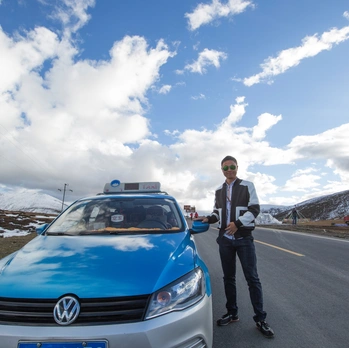
As I walked out of the terminal, the driver I'd booked through Taobao was already waiting for me. This driver, Mr. Ren, lived up to his reputation—so handsome I was green with envy. I had to give him a "bad review" for that!
Mr. Ren loaded my luggage, and we began the first day's itinerary. The truth is, I'd set out on a whim and knew nothing about Daocheng's attractions—everything came from his recommendations. Here's his classic route:
Haizi Mountain: Diamonds Scattered by God
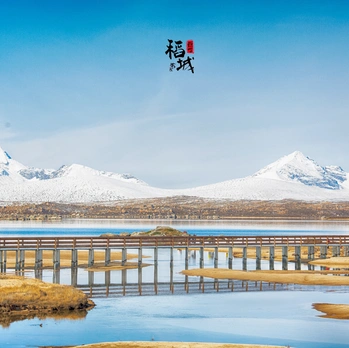
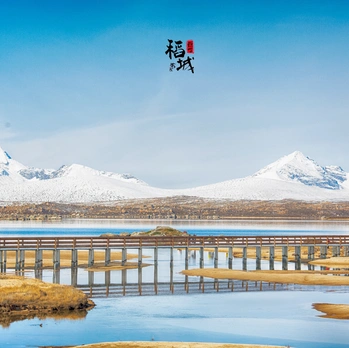
Minutes from the airport, we reached Haizi Mountain. Covering 3,287 square kilometers at an average elevation of 4,300–4,700 meters, it's the largest ancient glacial remnant on the Tibetan Plateau. 1,145 lakes, large and small, like diamonds carelessly dropped by God, are scattered across the mountains—the highest density and scale of such formations in China.
Photography tip: The best time to photograph Haizi Mountain is early morning (7-9 AM) when the light is soft and the lakes reflect the surrounding peaks like mirrors.
Xingyi Lake: A Mirror for the Soul
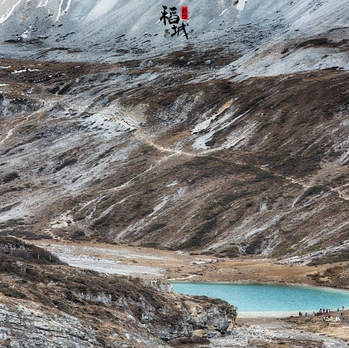
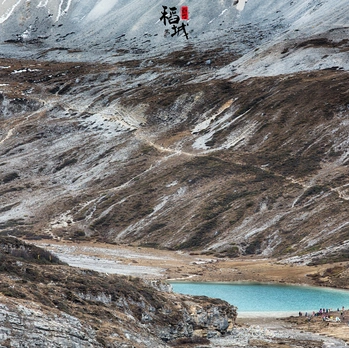
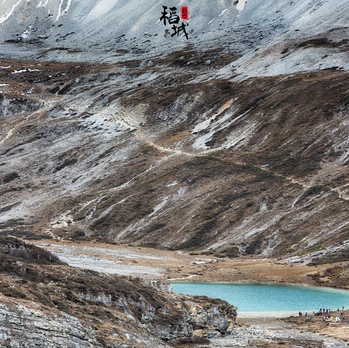
The road to Xingyi Lake was terrible—all gravel, sharp turns, and steep slopes. Local drivers charge at least 500 RMB for this detour, but it's worth every yuan. The lake sits at 4,500 meters, its turquoise water so clear you can see every pebble on the bottom. I spent an hour just sitting on the shore, watching clouds drift across the reflection of sacred peaks.
Important: The road to Xingyi Lake is closed during winter (November-March). Check road conditions before planning this detour.
[Link: Daocheng Yading day-by-day itinerary]
Daocheng Yading FAQ: Everything You Need to Know
1. Is Daocheng Yading safe for solo travelers?
Yes, Daocheng Yading is generally safe for solo travelers, especially if you stay on marked trails and within the scenic area. However, I recommend: - Joining a small group tour or hiring a private driver for remote areas - Carrying a satellite phone or offline maps (cell service is unreliable) - Informing your hotel of your daily itinerary - Avoiding hiking alone after 4 PM (weather changes rapidly)
2. What should I pack for Daocheng Yading in October?
Essential packing list: - Thermal base layers (wool or synthetic) - Fleece jacket or mid-layer - Windproof/waterproof outer shell - Warm hat and gloves (temperatures drop below freezing at night) - Sunscreen (SPF 50+) and lip balm (UV is intense at high altitude) - Sunglasses (snow blindness is real) - Comfortable, waterproof hiking boots with good traction - Portable oxygen canisters (2-3 per person) - High-energy snacks (chocolate, nuts, energy bars) - Reusable water bottle (stay hydrated)
3. How difficult is the hiking in Yading Scenic Area?
The Yading Scenic Area offers trails for all fitness levels: - Easy: Boardwalk around Chonggu Monastery (1-2 hours, flat) - Moderate: Hike to Milk Lake (4-5 hours, some elevation gain) - Challenging: Hike to Five Color Lake (6-7 hours, steep sections at 4,700m) - Expert: Full loop including Pearl Lake and Niunai Lake (8-10 hours)
Important: Even the "easy" trails are demanding at 4,000+ meters. Take breaks every 30 minutes, drink water, and listen to your body. I saw several people being carried down on stretchers due to altitude sickness.
4. Can I visit Daocheng Yading without a tour guide?
Absolutely. The scenic area is well-marked with English and Chinese signs. However, for remote attractions like Xingyi Lake or Haizi Mountain, a private driver who knows the roads is highly recommended. You can book drivers through Taobao, Ctrip, or local travel agencies for 500-800 RMB per day.
5. What is the budget for a 5-day Daocheng Yading trip?
Estimated costs (per person, mid-range): - Flights (round trip from major cities): 2,000-3,000 RMB - Accommodation (4 nights): 800-1,500 RMB - Scenic area entrance fee: 150 RMB (peak season) + 120 RMB (shuttle bus) - Food: 300-500 RMB (5 days) - Private driver (2 days): 1,000-1,600 RMB (shared among group) - Miscellaneous (oxygen, snacks, souvenirs): 300-500 RMB Total: 4,500-7,000 RMB
Final Thoughts: Why Daocheng Yading Should Be on Your Bucket List
Daocheng Yading is not just a destination—it's a pilgrimage for the soul. Standing at 4,700 meters, surrounded by snow-capped peaks that have stood for millennia, you realize how small your problems are. The silence on the plateau is deafening, but in that silence, you find clarity.
Whether you're a photography enthusiast chasing the perfect shot of Milk Lake at sunrise, a hiker testing your limits on the trails to Five Color Lake, or simply a traveler seeking solitude, Daocheng Yading delivers an experience that stays with you forever.
Your next step: Start planning your Daocheng Yading trip today. Book flights to Chengdu, reserve accommodation in Shangri-La Town, and pack your bags for the adventure of a lifetime. The plateau is calling—will you answer?
[Link: Daocheng Yading travel packages] [Link: Tibet travel tips for first-timers]
Have you visited Daocheng Yading? Share your experience in the comments below, or ask questions about planning your trip—I'm happy to help!
You may also like


