Crossing the Millennia-Old Shu Road: A 5-Day Family Journey Through Northern Sichuan’s Three Kingdoms & Ancient Shu Wonders
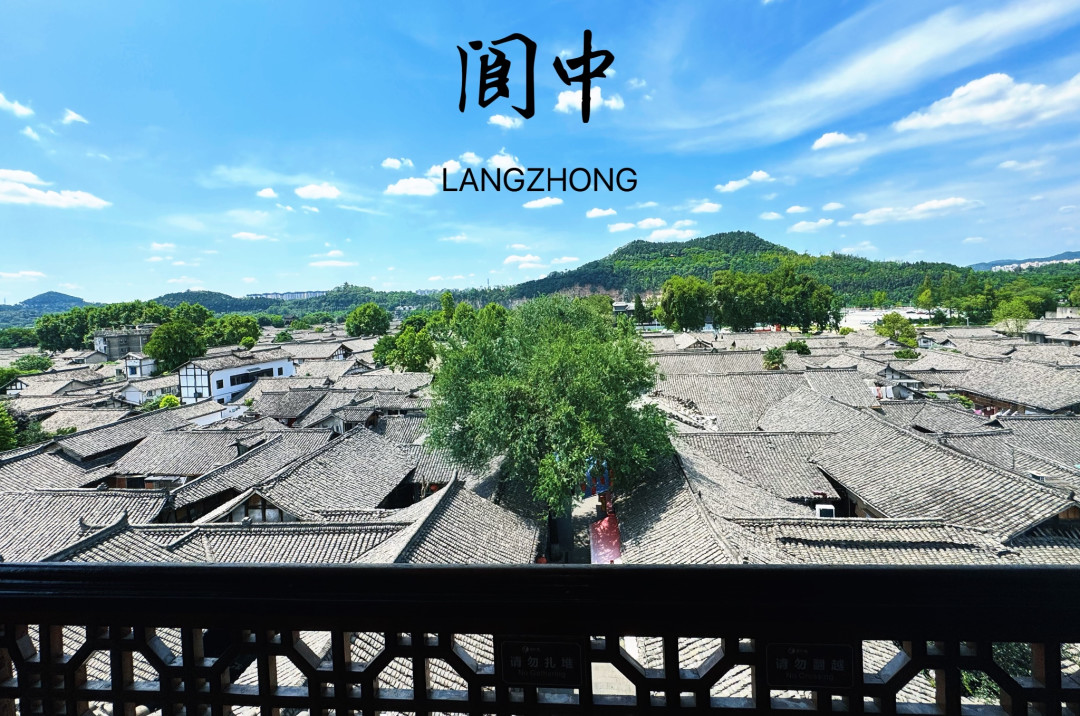
Meta Description: Discover hidden northern Sichuan on a 5-day family itinerary covering Langzhong, Sanxingdui, Wuhou Shrine, and Zhaohua. Expert tips for Three Kingdoms history, ancient Shu mysteries, and stress-free travel with kids and seniors.
Introduction: Why Northern Sichuan Belongs on Your Family Travel Bucket List
The summer vacation bell tolls, and every family faces the same soul-searching question: where to go? It has to be somewhere that avoids crushing crowds while still letting the kids experience true “poetry and distance.” Then one day, that line from TV—“I’m waiting for you in Langzhong”—drilled into my brain like a spell. A place that gathers the turbulent drama of the Three Kingdoms, the mysteries of ancient Shu, a millennia-old water management system, and the perilous Shu Road—it crashed straight onto my travel wishlist.
So began our spontaneous 5-day journey through northern Sichuan. With a private driver as our companion, we set off from Nanjing toward this land steeped in history. Traveling with elderly parents and a child, having a private car solved all the hassles of luggage hauling and transit changes. The driver knew the roads, and we could just relax and enjoy the scenery.
This guide shares our exact route, practical tips, and historical insights—so your family can experience the magic of ancient Shu civilization and Three Kingdoms heritage without the stress.
Day 1: From Jinling to Chengdu – Wuhou Shrine & Jinli Ancient Street
Wuhou Shrine: A Temple of Wisdom That Echoes Through the Universe
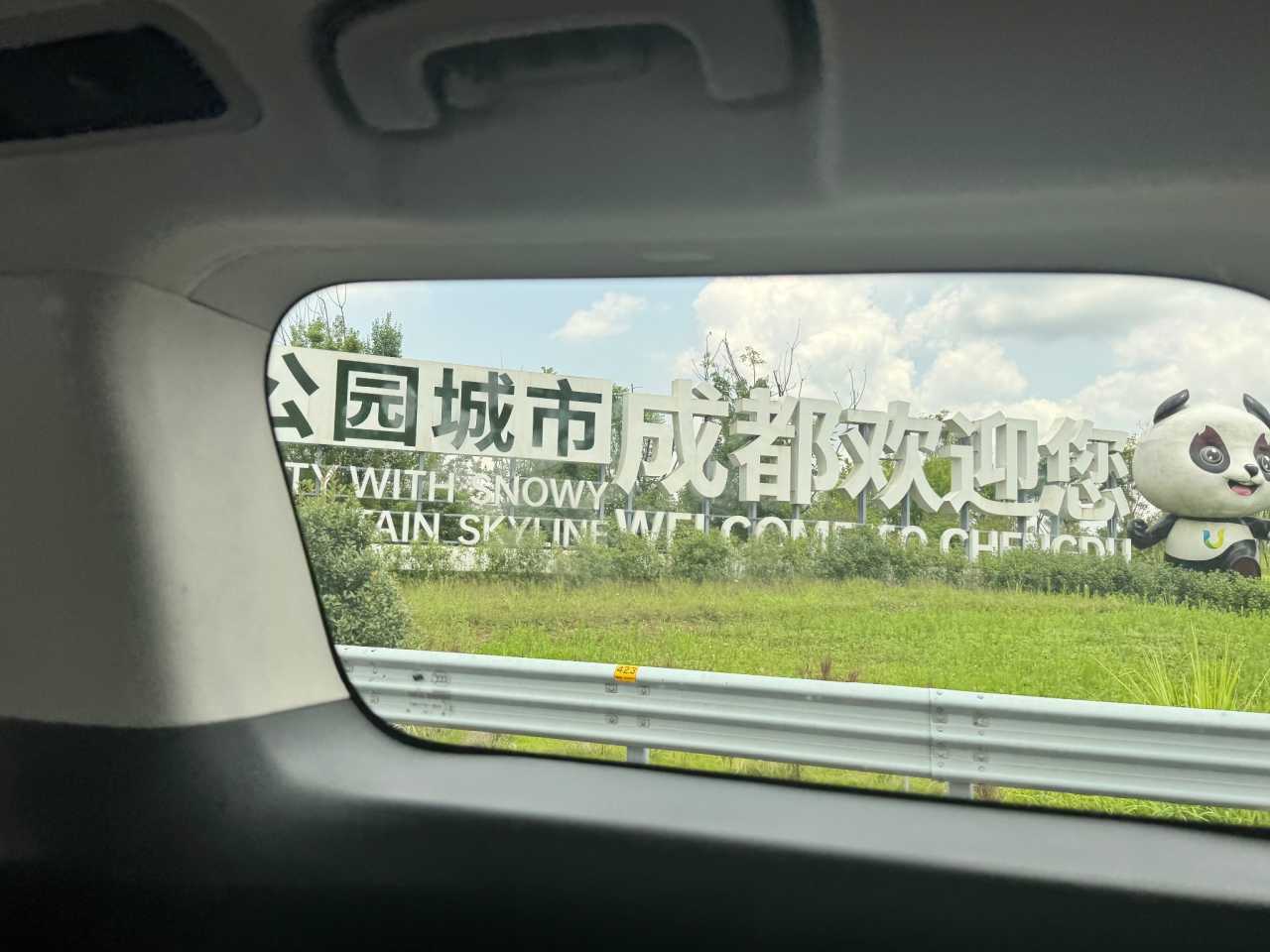
At 9 AM, our plane took off punctually from Nanjing Lukou Airport. By the time we landed at Chengdu Tianfu Airport just after 11, our pre-booked driver was already waiting at the exit with a sign. That sense of security—“someone’s here to pick me up the moment I land”—dissipated most of the travel fatigue instantly.
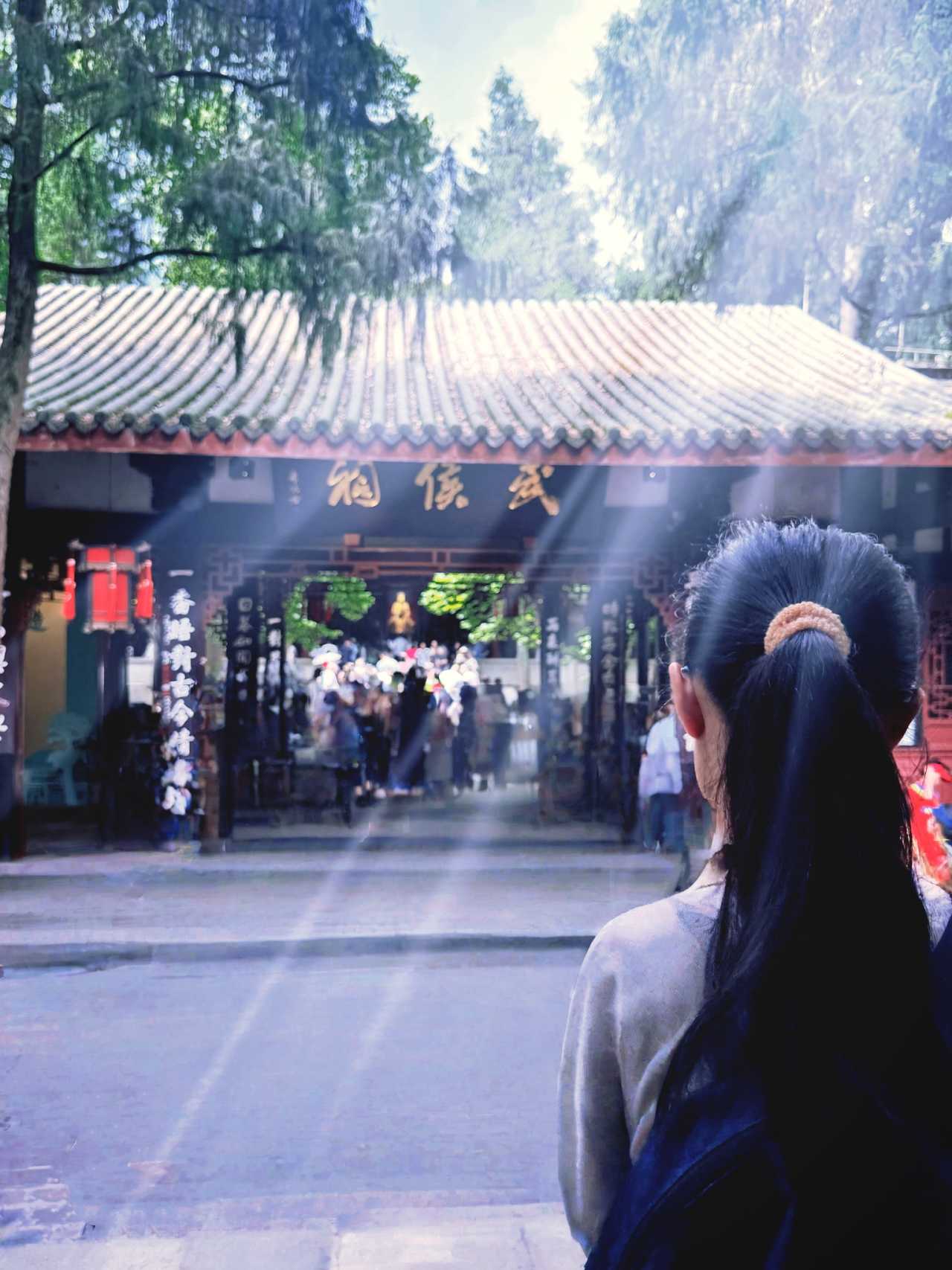
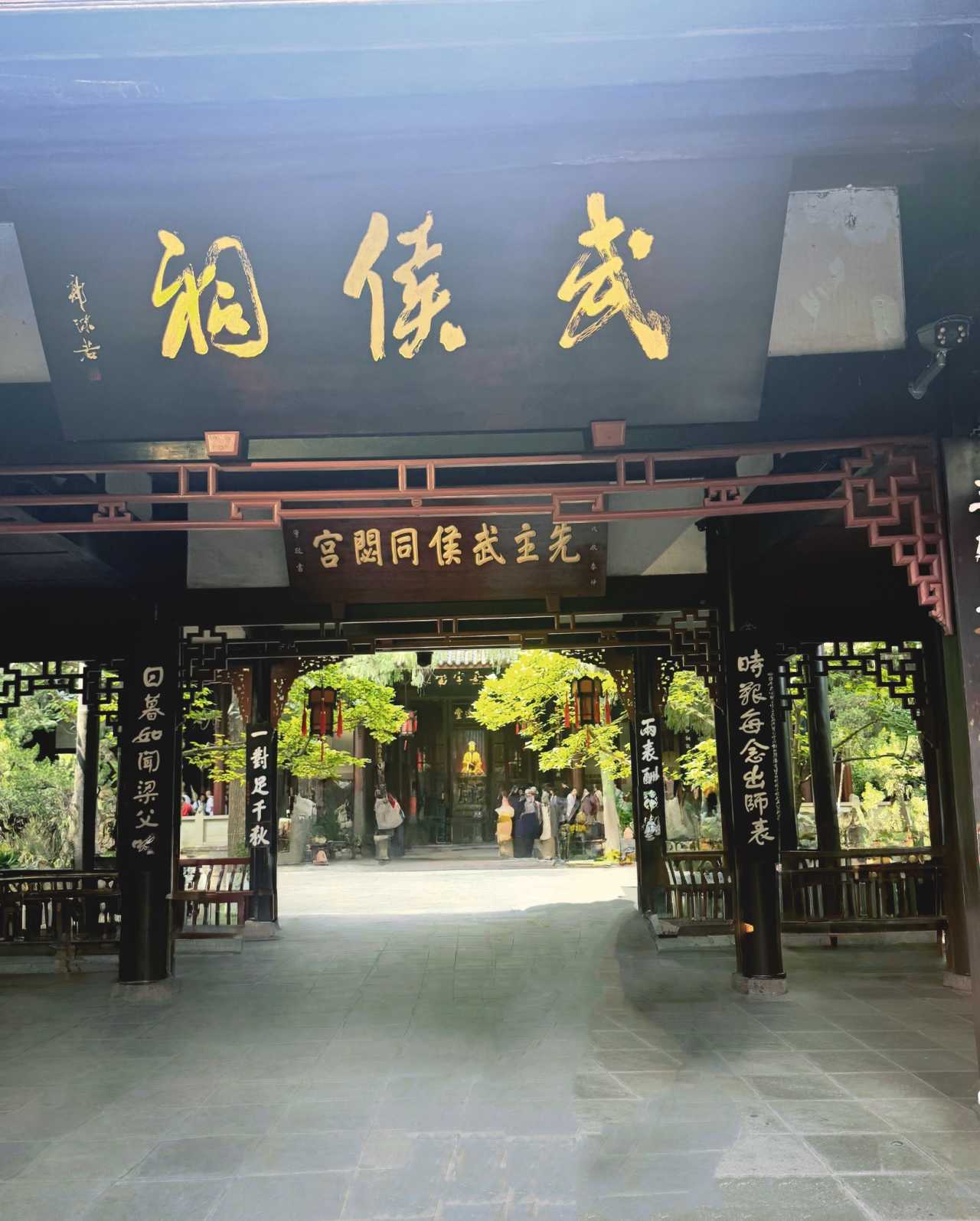
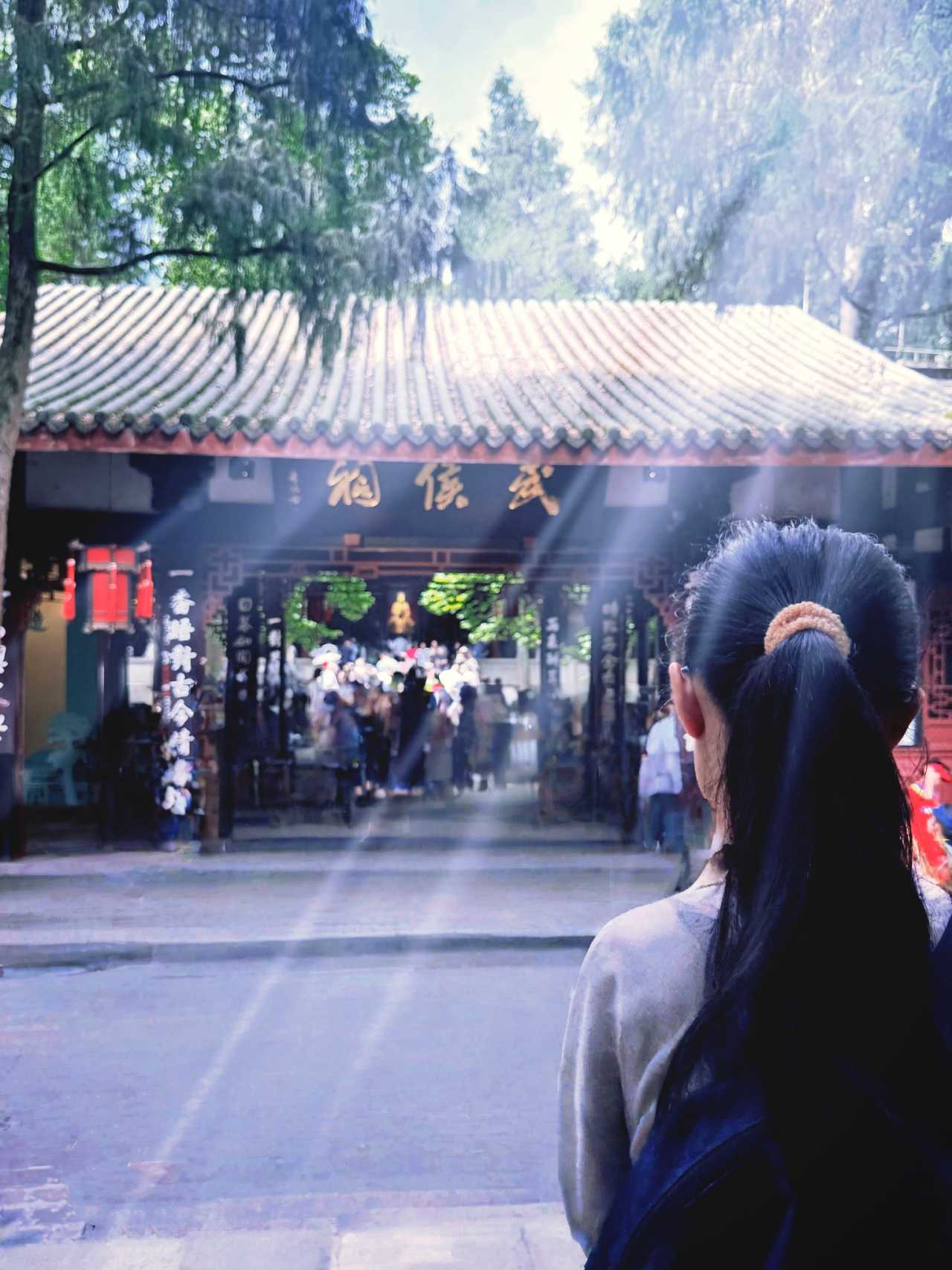
We reached the hotel around 1 PM, settled in quickly, and headed straight for Wuhou Shrine. As a shrine dedicated to Zhuge Liang, this place is practically a cultural landmark for every Chinese person. Even though my child hasn’t systematically studied history yet, she already knew this legendary figure of “miraculous strategy” from various stories.
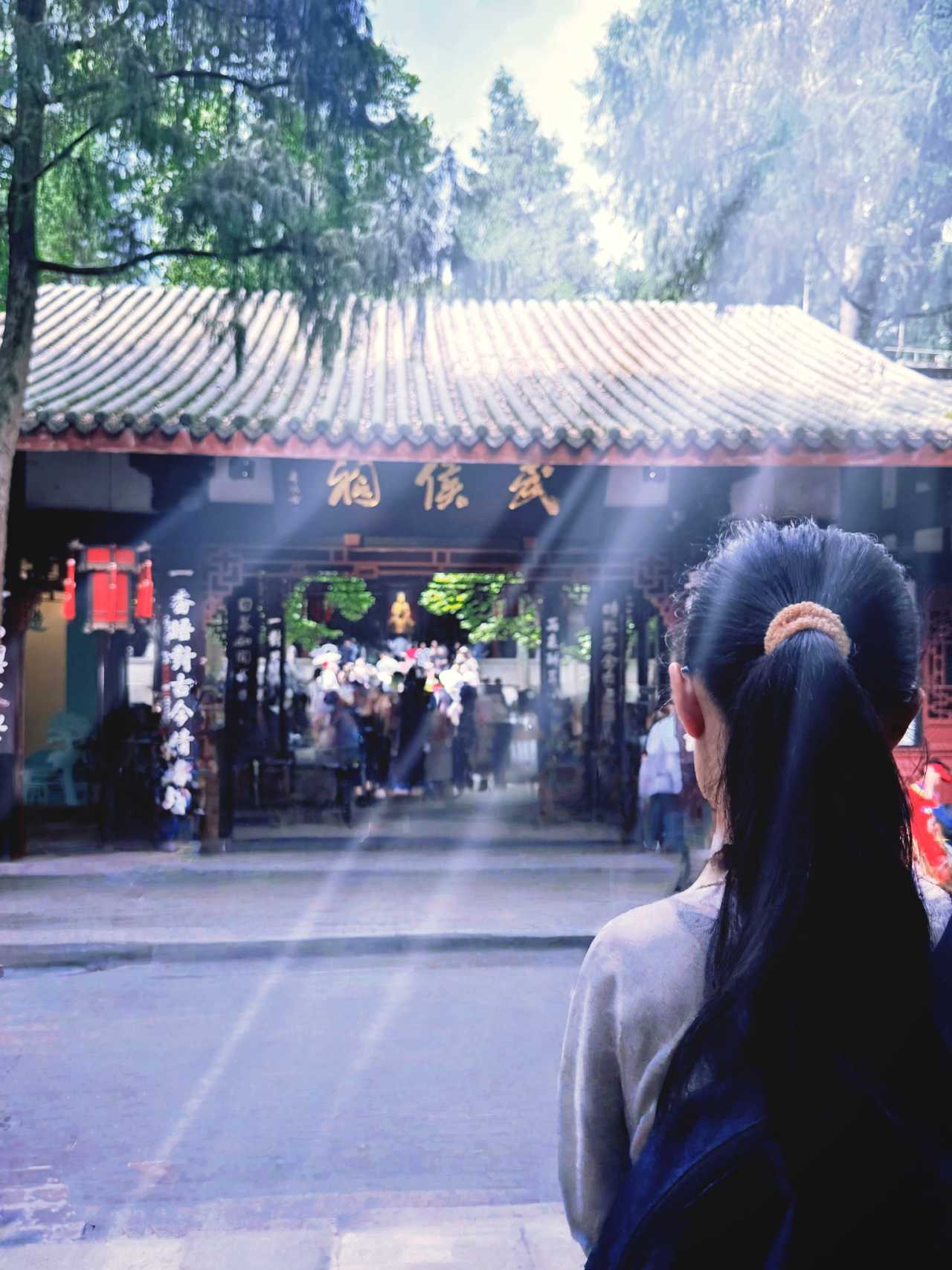
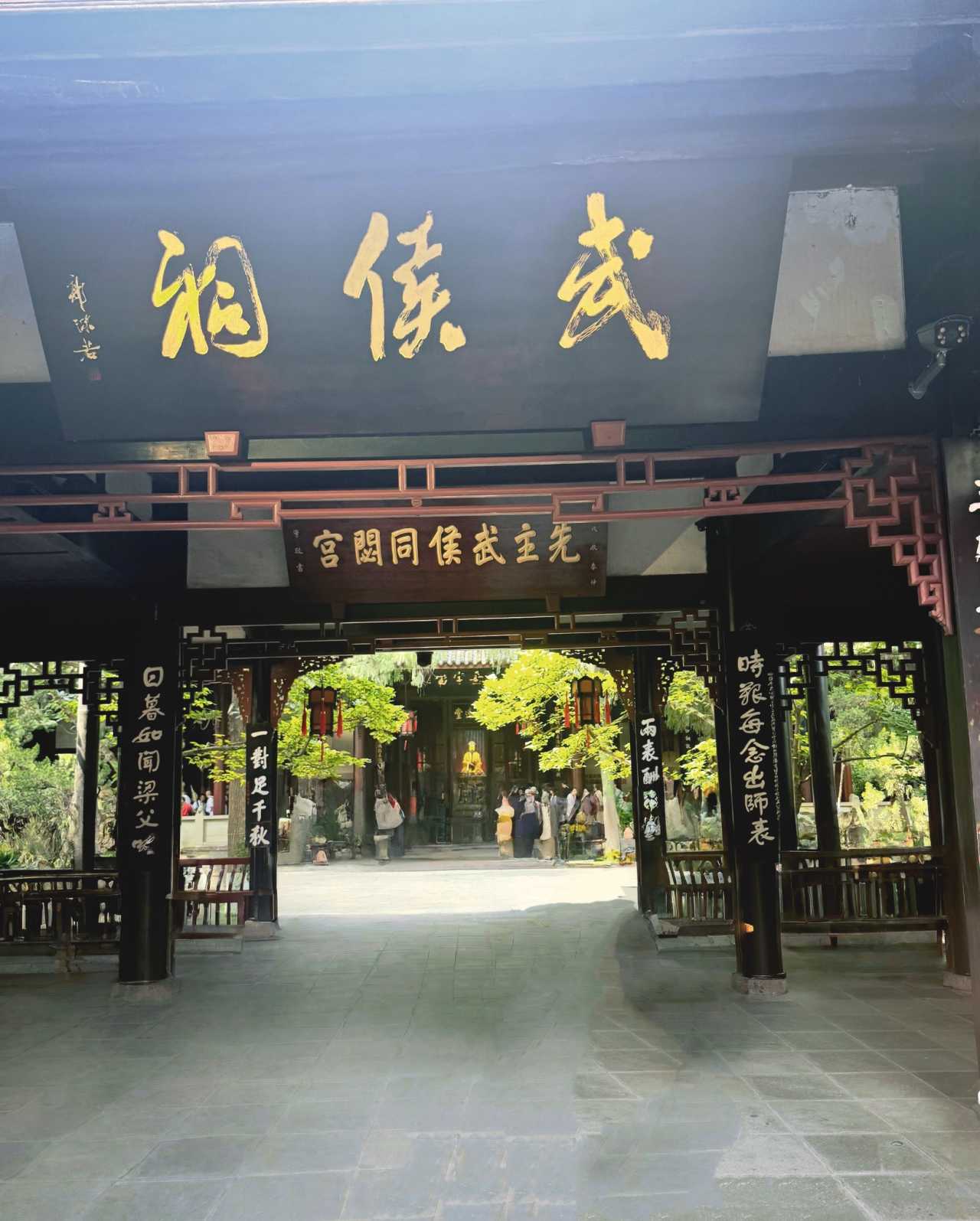
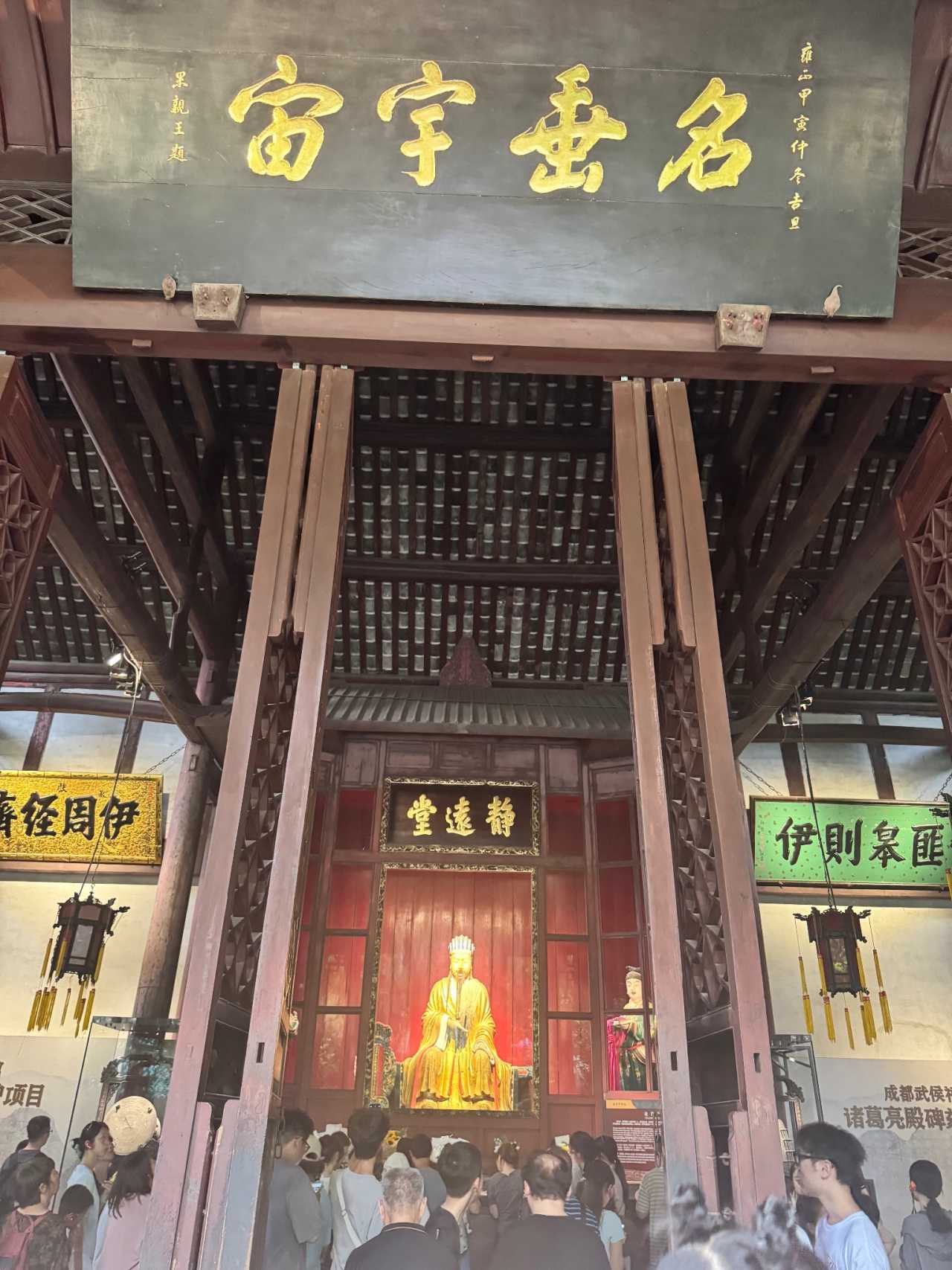
Above the main gate, four large characters stand out: “名垂宇宙” (Name Echoing Through the Universe). They were inscribed by Prince Guo of the Qing Dynasty, the younger brother of Emperor Yongzheng. The ancients said “上下四方为宇,古往今来为宙” (up, down, and the four directions form space; past and present form time)—this plaque praises Zhuge Liang’s influence that transcends both space and time. I quickly explained to my kid, “No, it doesn’t mean Zhuge Liang knew aliens.”
The Hall of Three Righteousness enshrines statues of Liu Bei, Guan Yu, and Zhang Fei—the story of the Peach Garden Oath comes to life here. But the most photogenic spot at Wuhou Shrine is undoubtedly the winding red wall. Vibrant green bamboo contrasts beautifully with the cinnabar-red walls, and many young women in traditional Hanfu were posing for photos. My child looked puzzled: “What’s so great about a wall?”—When she’s older, maybe she’ll understand this kind of “time-traveling” romance.
Wuhou Shrine houses artifacts from various dynasties: Tang Dynasty stone tablets, Song Dynasty stone figures, Qing Dynasty plaques… Each one tells the story of how people from different eras revered this “prime minister for the ages.” The lotus flowers in the pond were in full bloom. Sitting in the pavilion with a cool breeze, I couldn’t help but feel a touch of the sentiment from the famous line: “Before his campaign succeeded, he died—a constant sorrow that makes heroes weep.”
[Link: Chengdu family-friendly attractions]
Jinli Ancient Street: The Lively Heart of Chengdu
Right next to Wuhou Shrine is Jinli. One of the oldest commercial streets in Western Shu history, it was already famous during the Qin and Han dynasties. Today, CNN has named it one of the 21 most beautiful streets in the world. Ming and Qing-style buildings line the street, lanterns hang high—it feels like walking onto the set of a period drama.
Feeling hungry, we found a random restaurant. In Sichuan, as long as you order normal dishes, you basically can’t go wrong. The owner greeted us warmly: “We can make it mild spicy!”—That sentence was incredibly reassuring. The braised pig trotters (老妈蹄花) were tender and fragrant, the potatoes with stewed intestines (土豆炖肥肠) were rich and flavorful, and the spicy diced chicken (辣子鸡丁) was aromatic… A single meal left us utterly satisfied.
On the street, we met an old man selling ponkan oranges. We bought a few, and they were far better than anything from the supermarket in Nanjing—juicy, sweet, and tangy. Of course, you can’t come to Chengdu without buying pandas. The streets were filled with panda plushies that dazzled the eyes. My child immediately fell for “Qizai”—that internet-famous panda with the perpetual expression of “someone’s trying to harm me.” And then there was the souvenir pack labeled “狗屎糖” (Dog Poop Candy)—it made us laugh out loud. Who would actually buy that as a gift?
Back at the hotel that night, we couldn’t resist ordering delivery: sweet noodles (甜水面), Zhong-style dumplings (钟水饺)… When you’re traveling, why would you let your stomach suffer?
Day 2: Mysterious Sanxingdui & the Ancient Charm of Zhaohua

On the second day, our itinerary began pushing toward Langzhong. Our first stop was that mysterious site that makes you wonder if “human history has been rewritten”—Sanxingdui.
Sanxingdui Museum: A Cyberpunk World from Antiquity
In the morning, there were few people. The parking lot was almost empty, and even our driver remarked, “This kind of treatment is rare.” But the moment we stepped into the museum, the shock hit us like a wave.
Those bronze artifacts—when they were first cast, they actually gleamed with gold. Imagine this: countless bizarrely shaped bronze vessels, shining with golden light in ancient sacrificial ceremonies—what a cyberpunk world that must have been! The Bronze Standing Figure has a perfect physique, with exaggerated curves that could make it a gym model today. The pure gold mask still radiates a mysterious luster. The massive Bronze Sacred Tree is believed to be the legendary “Fusang” tree, with divine birds perched on its branches.
The most astonishing pieces are the bronze masks—some larger than a person, others as tiny as a grain of rice. The “Large Bronze Mask with Protruding Eyes” has eyes that stick out like pillars, making you wonder: who were the ancients imitating? Was it a symbol of some belief, or a longing to “see farther”? And then there’s the monster with its tongue sticking out—somehow oddly cute. A kneeling figurine just a few centimeters tall shows incredible craftsmanship. There’s even a bronze net that seems to use welding techniques—modern people have no idea what it was used for.
Walking through the museum, you often hear tour guides explaining, “This represents this, that symbolizes that.” But is that really true? Perhaps it’s just speculation based on limited historical records. As one scholar put it: “Civilization never needs to be fully understood—it only needs to be forever wondered about.” These masks seem to have traveled through time, silently watching us play our game of “Guess Who I Am.”
[Link: Sanxingdui travel tips for families]
Zhaohua Ancient Town: A Three Kingdoms Gem Lost in Time
By the time we left Sanxingdui, it was nearly noon. We grabbed some snacks from a nearby stall to tide us over, then drove to Zhaohua Ancient Town. Known in ancient times as Jiameng, this is the only well-preserved Three Kingdoms-era town in China. It’s often called “the number one county in Bashu, the second capital of Shu”—this is where Liu Bei began his rise.
Compared to Langzhong, Zhaohua felt remarkably quiet. The shops along the street were lazily open, only starting to hawk their wares when they saw us approaching. We bought a piece of walnut cake—packed with walnuts, real and honest ingredients. That evening, we checked into a hotel in Jiange County. The local specialty here is tofu—don’t underestimate this humble ingredient. Jiange tofu, made with local spring water, has a silky texture and rich flavor that rivals any meat dish.
[Link: Jiange County accommodation guide]
Day 3: Jiange Pass & the Perilous Shu Road
Jiange Pass: The Gateway to Shu
The third day dawned clear and bright. We drove to Jiange Pass, the northern gateway of the Shu Road and one of the most strategically important passes in Chinese history. This is where countless armies clashed during the Three Kingdoms period—where Zhuge Liang’s ingenuity and Jiang Wei’s stubborn defense played out.
The pass sits atop a narrow ridge, with cliffs on both sides. Walking through the ancient gate, you can almost hear the echoes of war drums and the clashing of swords. The Sword Pavilion (Jianmen Pass) towers above, its name derived from the two mountain peaks that look like giant swords thrust into the earth.
[Link: Shu Road hiking trails for families]
Day 4: Langzhong Ancient City – A Living Three Kingdoms Museum
Langzhong: Where History Breathes
On the fourth day, we finally reached Langzhong Ancient City, the heart of our journey. This is one of China’s best-preserved ancient cities, with a history spanning more than 2,300 years. During the Three Kingdoms period, it served as the capital of the Kingdom of Shu for a time under Zhang Fei’s governorship.
The city walls stretch for kilometers, enclosing a maze of narrow alleyways, traditional courtyard homes, and bustling markets. We spent the morning exploring Zhang Fei’s Temple, where the fierce general is enshrined. The temple features a massive statue of Zhang Fei, his eyes wide and beard bristling—exactly as the legends describe.
Family-Friendly Activities in Langzhong
Langzhong offers plenty for families: - Boat rides on the Jialing River – A peaceful way to view the city from the water - Traditional puppet shows – Local performances that entertain both kids and adults - Street food sampling – Try the famous Langzhong vinegar and sesame seed cakes - Night market strolls – The city comes alive after dark with lanterns and street performers
[Link: Langzhong family itinerary]
Day 5: Return to Chengdu & Final Reflections
On our final day, we drove back to Chengdu, stopping at Dujiangyan—the ancient irrigation system that has tamed the Min River for over 2,000 years. This UNESCO World Heritage site is a testament to ancient Chinese engineering, still functioning today without any modern modifications.
Standing at Fish Mouth Levee (Yuzui), watching the river split into inner and outer channels, I marveled at how Li Bing and his son designed this system without computers or modern tools. It’s a humbling reminder of human ingenuity.
Back in Chengdu, we spent our last evening at Kuanzhai Alley (Wide and Narrow Alleys) , soaking in the relaxed atmosphere. The kids played with traditional toys, and we enjoyed one last Sichuan hotpot—a fitting end to our journey.
FAQ: Planning Your Northern Sichuan Family Trip
1. Is northern Sichuan suitable for families with young children and elderly members?
Absolutely. The itinerary we followed—with a private driver and carefully chosen destinations—is ideal for multi-generational travel. Most sites have flat walking paths, and the private car eliminates the need for public transportation. Just pack comfortable shoes and plan for rest breaks.
2. When is the best time to visit northern Sichuan?
Spring (March-May) and autumn (September-November) offer the most pleasant weather. Summer can be hot and humid, but the crowds are thinner than in other Chinese tourist destinations. Winter is cold but offers a unique atmosphere, especially in Langzhong.
3. How much time should I allocate for Sanxingdui?
Plan at least 3-4 hours for the main museum. The exhibits are extensive, and you’ll want time to absorb the incredible artifacts. Arrive early (before 9 AM) to avoid the midday crowds.
4. Is it necessary to hire a private driver for this trip?
Yes, especially if traveling with family. Public transportation between these sites is limited and time-consuming. A private driver gives you flexibility to adjust the schedule, stop for photo opportunities, and avoid the hassle of luggage handling.
5. What local foods should I try in northern Sichuan?
Don’t miss: Jiange tofu, Langzhong vinegar, sweet noodles (甜水面), Zhong-style dumplings (钟水饺), braised pig trotters (老妈蹄花), and of course, authentic Sichuan hotpot. Most restaurants can adjust spice levels for children.
Conclusion: Your Northern Sichuan Adventure Awaits
From the mysterious bronze masks of Sanxingdui to the living history of Langzhong Ancient City, from the strategic heights of Jiange Pass to the engineering marvel of Dujiangyan—northern Sichuan offers a journey through time that captivates every generation.
This 5-day itinerary proves that family travel doesn’t have to be stressful. With a private driver, a flexible schedule, and a sense of adventure, you can explore the Three Kingdoms heritage and ancient Shu civilization without the crowds.
Ready to plan your own family journey through northern Sichuan? Start by booking your flights to Chengdu and securing a private driver. The Shu Road has been waiting for you for two millennia—it’s time to answer its call.
[Link: Book your northern Sichuan private tour] [Link: Langzhong family accommodation deals] [Link: Chengdu to Jiange driving route guide]
Have you explored northern Sichuan with your family? Share your experiences in the comments below!
You may also like


