Crossing the Hengduan Mountains: Your Ultimate 8-Day Western Sichuan Travel Guide
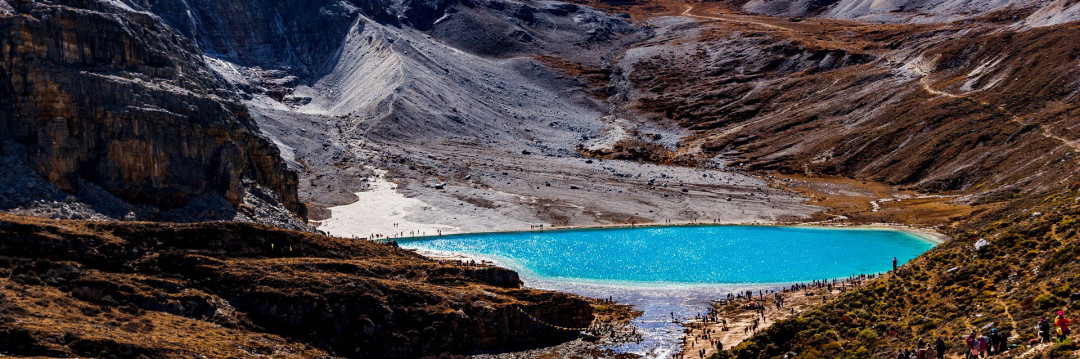
Meta Description: Discover the raw beauty of Western Sichuan on an 8-day pilgrimage through the Hengduan Mountains. From sacred lakes to alpine meadows, this itinerary covers altitude sickness tips, hidden gems, and practical advice for your journey.
Introduction: Why Western Sichuan Belongs on Your Bucket List
More than a decade ago, Chinese National Geography declared: "The Hengduan Mountains, lingering near the 30th parallel north, are the most beautiful place in China." And Western Sichuan—the brightest jewel of this mysterious land—proves that statement true.
This isn't Tibet, yet it boasts sacred mountains and holy lakes rivaling the snowy plateau. It's not Yunnan, yet its skies outshine Dali and Lijiang. It's far from Xinjiang, yet it condenses the rich, exotic cultures of both northern and southern Xinjiang. Western Sichuan makes Sichuan's wonders transcend geographical boundaries.
Last year, I traveled solo to Tibet under the banner of "courage." This year, I chose "freedom" for an eight-day, seven-night pilgrimage through Western Sichuan. If the first trip was an adventure, this one was a pilgrimage of the heart.
Whether you're a seasoned plateau traveler or a first-timer seeking the wild, this Western Sichuan travel guide will help you navigate the Hengduan Mountains safely and memorably.
Pre-Trip Preparation: Essential Planning for Your Western Sichuan Adventure
Booking Your Western Sichuan Tour
- Flights: Round-trip from Guangzhou to Chengdu—book early for better prices.
- Tour Type: I opted for a semi-independent tour with private transport and accommodation included. Meals were self-arranged, offering flexibility.
Packing for the Plateau
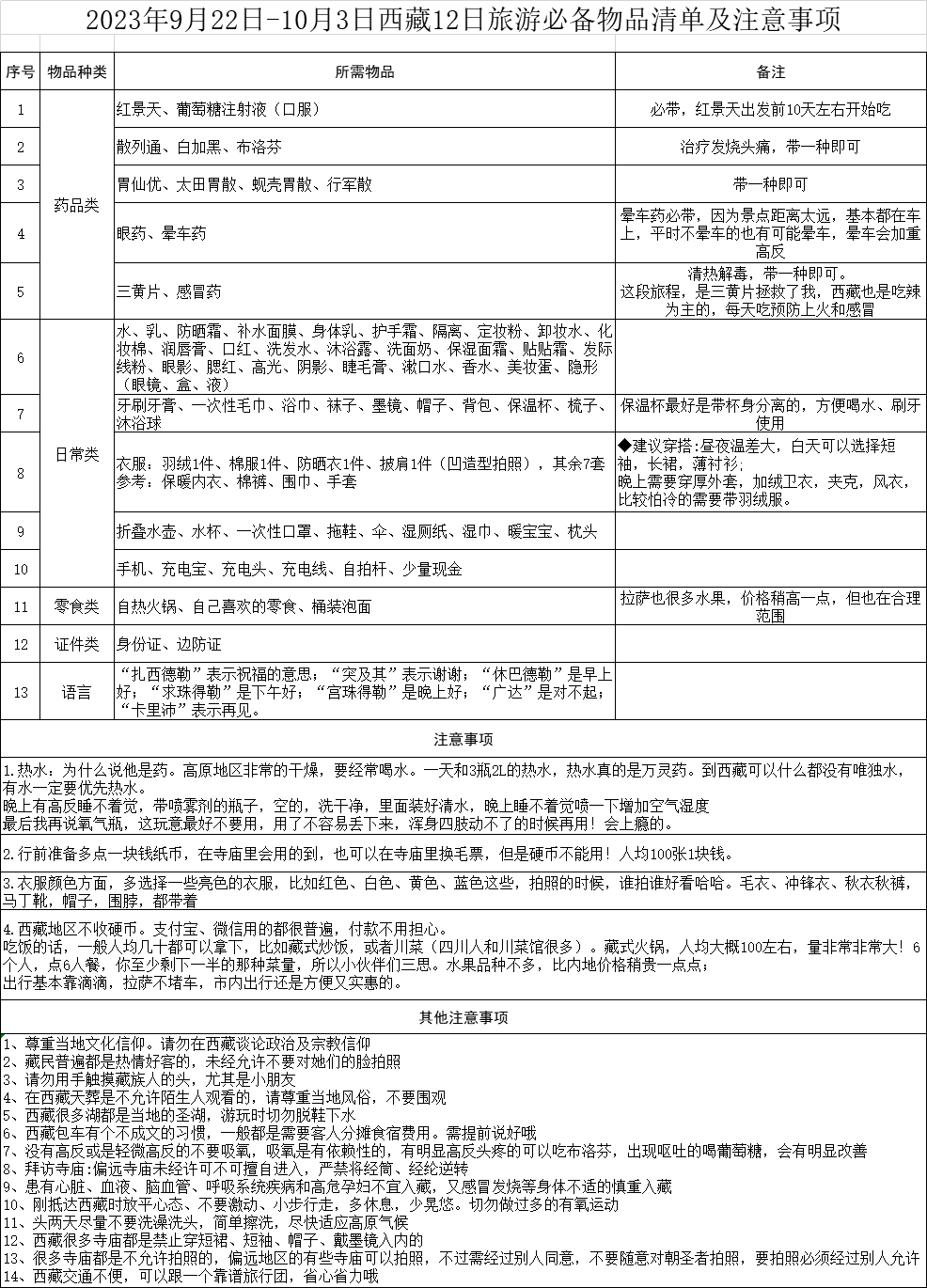
Based on last year's Tibet gear, focus on: - Warm clothing (layers are essential) - Sun protection (sunglasses, SPF 50+ sunscreen, lip balm) - Common medications (pain relievers, anti-nausea, cold medicine) - Oxygen canisters - Thermos for hot water - Power bank
Pro tip: On the plateau, a windproof jacket is more useful than any trendy item.
Altitude Sickness Preparation
Western Sichuan's average elevation exceeds 3,500 meters. Acclimatize in Chengdu (500 meters) for at least a day. Consider taking acetazolamide (Diamox) after consulting your doctor. Know your limits—altitude sickness is no joke, especially for women travelers.
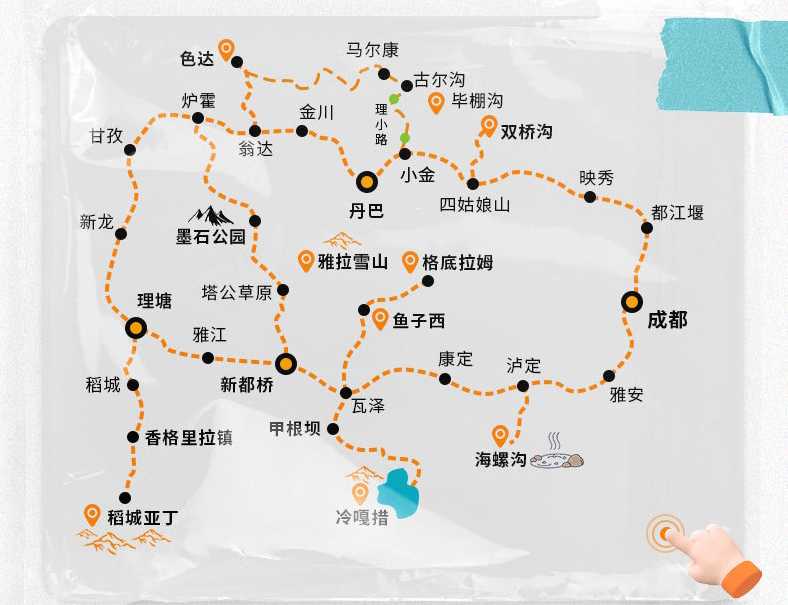
Suggested Western Sichuan Itinerary (8-10 Days)
- Day 1: Guangzhou → Chengdu
- Day 2: Chengdu → Kangding → Red Lake → Gedilamu → Xinduqiao
- Day 3: Xinduqiao → Jiagenba → Moon Lake → Lenggacuo → Xinduqiao
- Day 4: Xinduqiao → Heavenly Road Eighteen Bends → Litang → Rabbit Hill → Shangri-La Town
- Day 5: Full-day Daocheng Yading exploration
- Day 6: Daocheng White Pagoda → Haizi Mountain → Thousand-Year Tibetan Village → Ganzi County
- Day 7: Ganzi County → Dongga Monastery → Golden Horse Grassland → Seda (Sertar)
- Day 8: Seda → Guanyinqiao → Xisuo Folk Houses → Guergou
- Day 9: Guergou → Lixiaolu Road → Siguniang Mountain Shuangqiao Valley → Cat's Nose Ridge → Chengdu
- Day 10: Chengdu → Guangzhou
[Link: Best time to visit Western Sichuan]
Day 1: Chengdu – Where the Journey Begins with Hotpot
Landing in Chengdu at 5:30 PM, I checked into a hotel near Jianshe Road by 7:00 PM. On my second visit to this "city you never want to leave," the first order of business was hotpot.
Jianshe Road is Chengdu's second-largest commercial district—a former industrial area transformed into a food paradise. In the hotpot restaurant, tripe, goose intestines, and yellow throat cartilage tumbled in bubbling red oil. The owner thoughtfully served bingfen (ice jelly), a perfect complement to the fiery spice. A promoter for Meijian (plum wine) poured small cups—its mildly sweet aroma cut through the grease perfectly.
After dinner, I strolled along Jianshe Road. Enamel bowls at the bench noodle shop evoked nostalgia. Panda-shaped glutinous rice cakes were too cute to eat. A long line snaked outside Ghost Baozi—it reportedly opens at 6:00 AM, perfect for tomorrow's breakfast. I couldn't resist ordering iced tangyuan (glutinous rice balls). At 19 yuan, it was pricey, but the soft, chewy texture made it worthwhile.
Key takeaway: Chengdu is your gateway to Western Sichuan. Spend at least one night here to acclimatize and enjoy the city's legendary food scene.
Day 2: From Downpour to Clear Skies – The Plateau's Mood Swings
We were supposed to depart at 7:30 AM, but a torrential downpour delayed us until after 8:00. Traffic jams made us miss Moshihui (Moso Stone Forest), but we unexpectedly discovered Kangding's "Liuliu" Town.
Kangding "Liuliu" Town: The Gentle Embrace of a Love Song
Kangding, capital of Garzê Tibetan Autonomous Prefecture, is famous for the folk song "Kangding Love Song." The town's blue skies and white clouds mirrored in the clear river, while Tibetan architecture intertwined with red culture. We happened upon a send-off ceremony for new army recruits—the slogan "Serving in the Military is Most Glorious" inspired respect. I ordered wontons in Liuliu Town; tasty, but I was more looking forward to the moonlight—they say it makes you forget all your worries.
Red Lake: A Mirror of the Sky in the Wind
Red Lake (Jiacuo), a high-altitude lake at 4,200 meters, is called a "Mirror of the Sky." The moment I stepped out of the car, fierce wind nearly knocked me over. The lake water was deep, mirror-like blue, with distant snow-capped mountains faintly visible. But altitude sickness made every step a struggle. Prayer flags flapped loudly in the wind—great for photos, but we beat a hasty retreat after 15 minutes.
Sidincuo: Enough to Admire From Afar

At 4,260 meters, Sidincuo is near Kangding Airport and offers an excellent vantage point for viewing Mount Gongga. Altitude sickness allowed me only a distant glance—the lake was deep blue, like an emerald set into the plateau. My teammates said it's breathtaking at sunset, but I chose to skip it.
Gedilamu: Sky City, Also Altitude Sickness City
"Gedilamu" means "mountain god relied upon by many goddesses" in Tibetan. At 4,200 meters, the entrance fee was 30 yuan plus a 20 yuan cleaning fee (half price for teachers and nurses). The muddy uphill road was bone-jarring, and the wind at the summit was so strong I could barely stand.
This was where altitude sickness hit me hardest—splitting headaches, constant vomiting. A long line snaked around the distant lighthouse, but I didn't even have strength to take a photo. Lying in my hotel bed, head throbbing, I went to the clinic for oxygen. After an hour, no relief—it was worse than my Tibet trip last year.
Warning for women travelers: Know your limits. Altitude sickness is no joke.
[Link: Altitude sickness prevention and treatment]
Day 3: Moon Lake and Lenggacuo – A Song of Ice and Fire
Last night's altitude sickness was so severe I considered canceling today's itinerary. But I felt better after waking up—"since you're already here" are the four most powerful words for any traveler.
Jiagenba: An Oil Painting Outside the Window
Jiagenba, at 3,200 meters, is a peaceful town along the Liqiu River. In September, the meadows were neither yellow nor green, but the climate was pleasant. I picked wild fruits by the roadside—sour and astringent, but a uniquely high-altitude experience.
Moon Lake: A Paradise on Earth
Moon Lake, at 3,500 meters, is part of the Lotus Sea National Forest Park. The water was crystal clear, shimmering with colors like an uncut sapphire. Cows and horses grazed leisurely on the grass—a stark contrast to our "cow and horse" office worker lives (Chinese slang for overworked employees hitting KPIs and buying their own coffee).
Photo tip: A white dress would be perfect here—but thanks to altitude sickness, I was wearing thermal underwear.
The farmhouse meal at the forest station was the trip's biggest surprise: homegrown chives scrambled with eggs (tender and sweet), wild mushrooms stir-fried with cured pork (so fragrant I wanted to lick the plate). Under 50 yuan per person—this meal left a lasting impression.
Lenggacuo: The Eye of Mount Gongga
Lenggacuo, at 4,540 meters, is the closest alpine lake to Mount Gongga, known as the "Frozen Tear." Route A involves horse riding one-way for 200 yuan plus a 30 yuan cleaning fee. [Link: Horse riding safety tips]
Day 4-5: Crossing the Heavenly Road to Daocheng Yading
Heavenly Road Eighteen Bends
This winding mountain road connects Xinduqiao to Litang—a photographer's dream with dramatic switchbacks against snow-capped peaks. Altitude ranges from 3,500 to 4,700 meters.
Daocheng Yading: The Last Shangri-La
A full-day in-depth tour of Daocheng Yading is essential. This UNESCO World Heritage site features three sacred mountains (Chenresig, Chanadorje, and Jambeyang) and stunning alpine lakes. [Link: Daocheng Yading hiking guide]
Day 6-8: Monasteries, Grasslands, and Tibetan Culture
Daocheng White Pagoda
A serene stop for photos and reflection. The white stupa against blue sky creates iconic Western Sichuan imagery.
Seda (Sertar) Buddhist Academy
Thousands of red wooden huts cling to the hillside—one of the world's largest Buddhist academies. Respect photography restrictions and maintain quiet reverence.
Dongga Monastery and Golden Horse Grassland
Ancient Tibetan architecture meets vast grasslands. Perfect for cultural immersion and landscape photography.
FAQ: Your Western Sichuan Questions Answered
Q: When is the best time to visit Western Sichuan?
A: May to October offers the best weather. September-October features golden grasslands and clear skies. July-August is peak rainy season. November-April sees heavy snow and road closures.
Q: How do I prevent altitude sickness?

A: Acclimatize in Chengdu (1-2 days), ascend gradually, stay hydrated, avoid alcohol, and consider medication (consult your doctor). Carry oxygen canisters as backup.
Q: Is Western Sichuan safe for solo female travelers?
A: Generally yes, but take precautions: join group tours or hire private drivers, avoid hiking alone after dark, and inform someone of your itinerary. Altitude sickness is the biggest risk.
Q: What should I pack for a Western Sichuan trip?
A: Windproof jacket, thermal layers, sun protection (SPF 50+, sunglasses, lip balm), comfortable hiking shoes, medications, thermos, power bank, and snacks.
Q: How much does a Western Sichuan tour cost?
A: Semi-independent tours range from 3,000-6,000 yuan (8-10 days) excluding flights. Budget for meals (50-100 yuan/day), entrance fees (150-300 yuan total), and oxygen canisters (20-50 yuan each).
Final Thoughts: Your Western Sichuan Pilgrimage Awaits
Crossing the Hengduan Mountains isn't just a trip—it's a transformation. The wind whipping across Red Lake, the silence of Lenggacuo, the warmth of Tibetan hospitality—these moments stay with you forever.
Your action plan: 1. Book flights to Chengdu (early booking saves money) 2. Choose a semi-independent tour for flexibility 3. Pack smart—windproof jacket is non-negotiable 4. Prepare for altitude—know your limits 5. Embrace the unexpected—downpours lead to discoveries
Ready to chase the wind of the wild? Start planning your Western Sichuan pilgrimage today. The Hengduan Mountains are calling—answer with courage and freedom.
[Link: Book your Western Sichuan tour] [Link: Essential gear checklist for plateau travel]
Have you traveled to Western Sichuan? Share your experience in the comments below!
You may also like


