Crossing the Heavenly Road: The Ultimate 15-Day Sichuan-Tibet Self-Drive Guide (2025 Edition)
Meta Description: Dreaming of a Tibet road trip? Our complete 15-day Sichuan-Tibet self-drive guide covers altitude sickness tips, car rental costs, detailed itinerary, and hidden dangers. Start your G318 pilgrimage today.
Why the Sichuan-Tibet Highway Belongs on Every Traveler's Bucket List
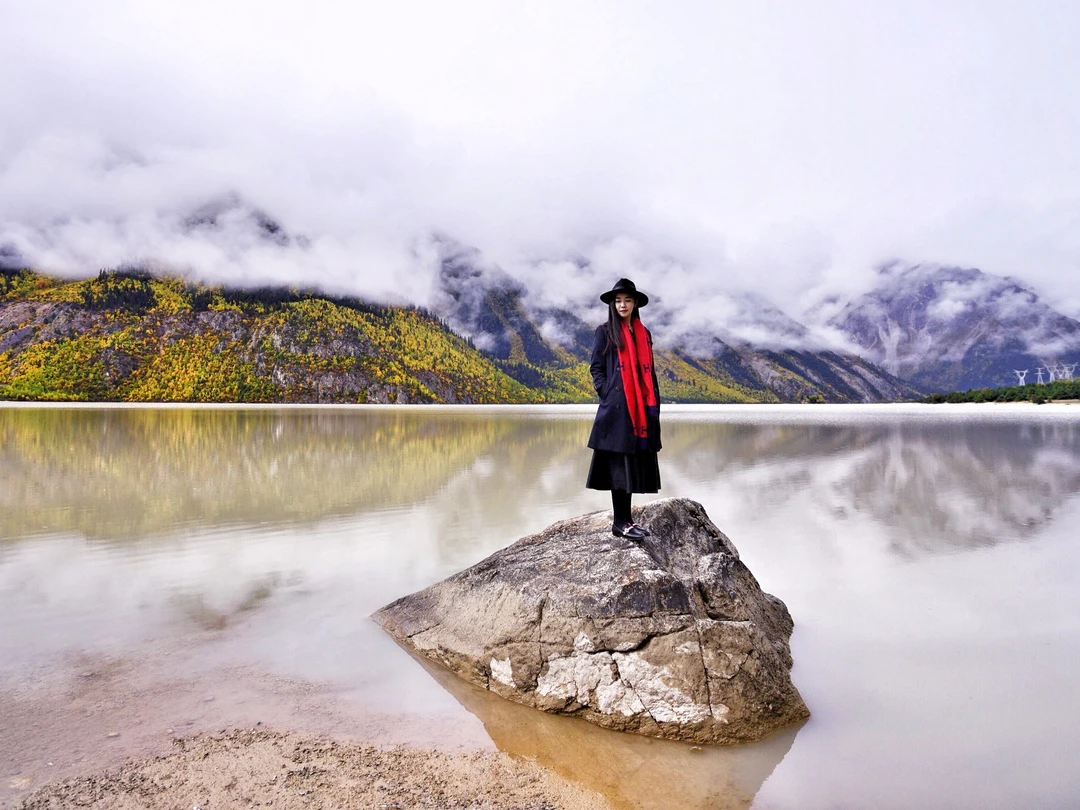
Some call Tibet an addiction—once you've been, you're never truly cured. Others call it a mirror, reflecting the heavens and the earth, and yourself. For me, the Sichuan-Tibet self-drive tour along the legendary G318 highway was a 15-day pilgrimage from the plains to the snow-covered highlands, and it changed how I see the world.
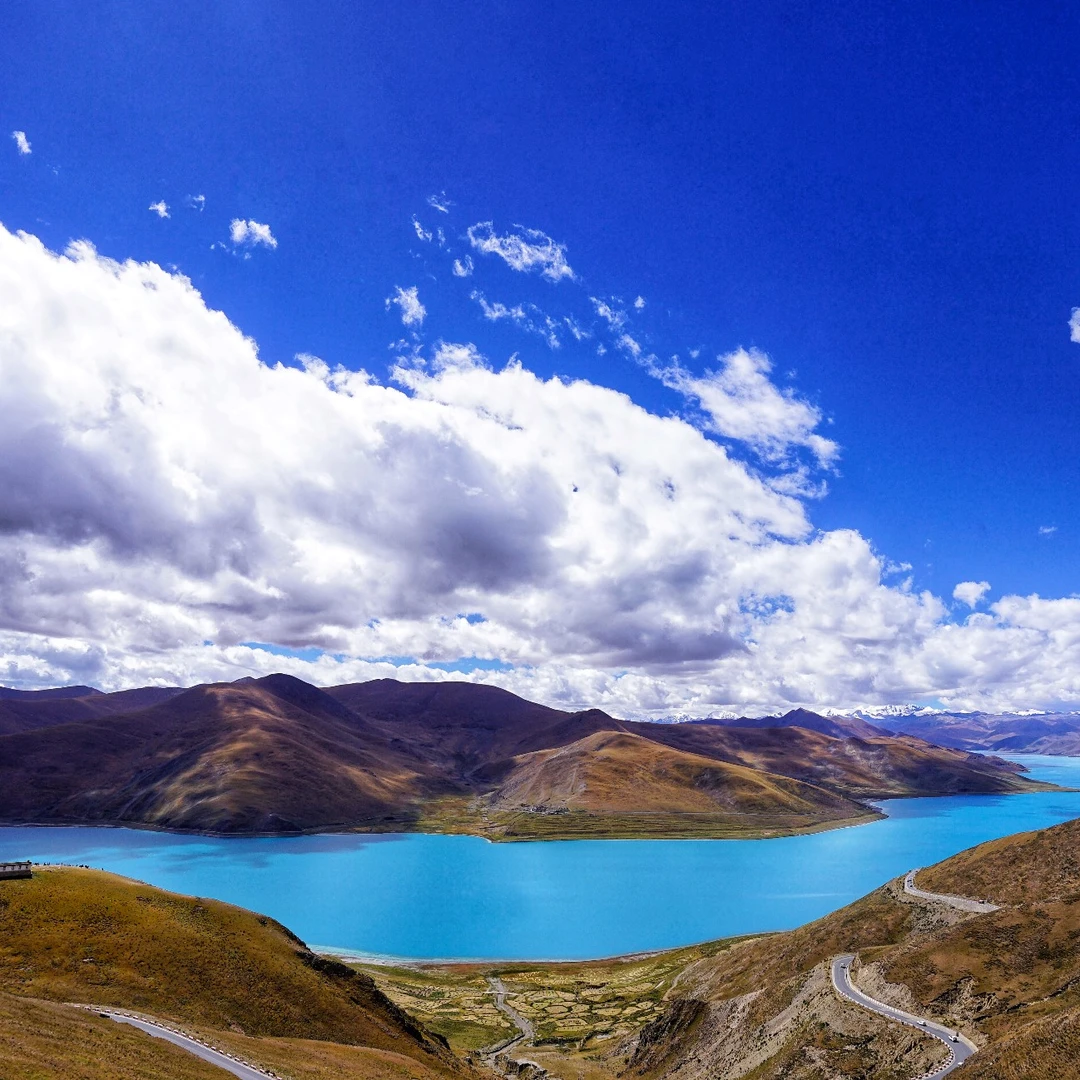
In September 2017, three friends and I left Hangzhou, drove the Heavenly Road through Chengdu, Hailuogou, Xinduqiao, Daocheng, Yading, Batang, Zuogong, Rawu, Nyingchi, and finally Lhasa—with side trips to Lake Yamdrok and Lake Namtso. We endured altitude sickness, witnessed Mount Gongga emerge from clouds, shivered at sunrise on Lake Namtso, and stood speechless before the impossible blue of Lake Yamdrok.
This complete Tibet self-drive guide shares the real experiences, practical tips, and those details that "only those who've traveled the road know." Whether you're planning your first Tibet road trip or your fifth, this guide will help you cross the Heavenly Road safely and memorably.
[Link: Best time to drive Sichuan-Tibet highway]
Before You Go: Debunking the "Legends" of Tibet Travel
Before my Tibet self-drive tour, I heard countless warnings:
- Altitude sickness is terrifying
- A cold can lead to pulmonary edema
- Never use oxygen—you'll become dependent
- Roads collapse and mountains slide
- Toilets are filthy
- Hitting a yak costs a fortune
- Photographing livestock invites extortion
After completing the trip, my honest verdict: Most of it is true, but it's not as scary as it sounds.
Altitude Sickness: The Truth
Regardless of fitness, expect headaches, dizziness, and difficulty breathing. All four of us showed symptoms from day two. I had the worst—headaches, breathing trouble, severe limb aches, motion sickness, and stomach issues. The bumpy mountain roads made me vomit until I couldn't keep water down. A six-hour hike in Yading then triggered a fever.
It took about five days to truly adapt. Locals say healthier people suffer more—thinking that way, I felt reassured.
Oxygen: Friend or Foe?

If you only have mild headaches, tough it out. But if you're suffering, use oxygen. I don't believe it creates dependence; instead, it helps your body adjust to high altitude. Pack a few cans for emergencies.
Road Conditions: Expect the Unexpected
As soon as you enter Tibet, roads "misbehave." Collapses, falling rocks, and muddy sections are everywhere. High ground clearance is the #1 rule for self-driving the Sichuan-Tibet route. We rented a Highlander 3.5L, but its clearance was still low—it scraped bottom on rough sections. Rent a vehicle with even higher clearance.
[Link: Best vehicles for Tibet self-drive]
Accommodation & Toilets
Apart from basic board houses at Lake Namtso, other places have hotels or guesthouses. Lake Namtso only has public toilets (some charge ¥1). A sleeping bag isn't necessary—if it's too dirty, sleep in your clothes; if cold, pile on blankets.
Extortion & Livestock: Real Risks
We didn't encounter children begging, but we were charged for photographing yaks at Lake Namtso. Two Tibetan men on motorcycles demanded ¥100; we bargained to ¥50. As for hitting livestock—we heard a story where someone hit a small sheep, and the entire village blocked the road. They paid ¥50,000. Never drive fast—yaks, sheep, and horses wander freely.
Pre-Trip Preparation: Hotels, Flights, Car Rental
Hotel Booking Strategy
We booked most flights and hotels on Qunar. Traveling during National Day peak season, we worried about room availability, so we booked in advance with "free cancellation" or "pay at hotel" options.
Pro tip: Purchase hotel vouchers on Taobao, or buy points from luxury hotel memberships to redeem rooms. Spending ¥500 can get you a room worth over ¥1,000.
Another tip: If not traveling during peak holidays, find hotels when you arrive. Many small-town hotels aren't on booking platforms, and on-site prices can be cheaper than online.
Flights: Avoid Night Driving
Flight delays are common—book morning flights. Our itinerary was reasonable, and we generally avoided night driving. The only exception was day one: a flight delay meant we didn't finish renting the car, inspecting it, and refueling until evening, forcing us to rush to Hailuogou in the dark. Night driving is very dangerous—avoid it whenever possible.
Car Rental: Your Second Home
When self-driving the Sichuan-Tibet route, your car is your second home. You'll spend most of the day in it, so comfort is crucial. I recommend four people per car for optimal space.
The core rule: High ground clearance! High ground clearance! High ground clearance!
We rented a new 5-seat Highlander 3.5L. The trunk fit two 30-inch suitcases, two 26-inch suitcases, plus a jug of water and several backpacks. Rental period: 12 days. Costs:
- Rental fee: ¥700/day × 12 days = ¥8,400
- Basic insurance: ¥100/day × 12 days = ¥1,200
- Lhasa one-way drop-off fee: ¥2,800 towing + ¥700/day × 4 days = ¥5,600
- Total: ¥15,200 per car
Deposit: ¥15,000 (including prepaid rental fee), paid when picking up in Chengdu (credit card incurs extra fee). Returning in Lhasa, aside from a ¥3,000 traffic violation deposit held for one month, the remaining ¥12,000 was refunded same day or next.
Friendly reminder: Inspect the car carefully when picking up, and photograph every scratch. Due to high-altitude air pressure, check tire pressure after arriving and release some air if necessary to avoid blowouts.
[Link: Tibet self-drive car rental comparison]
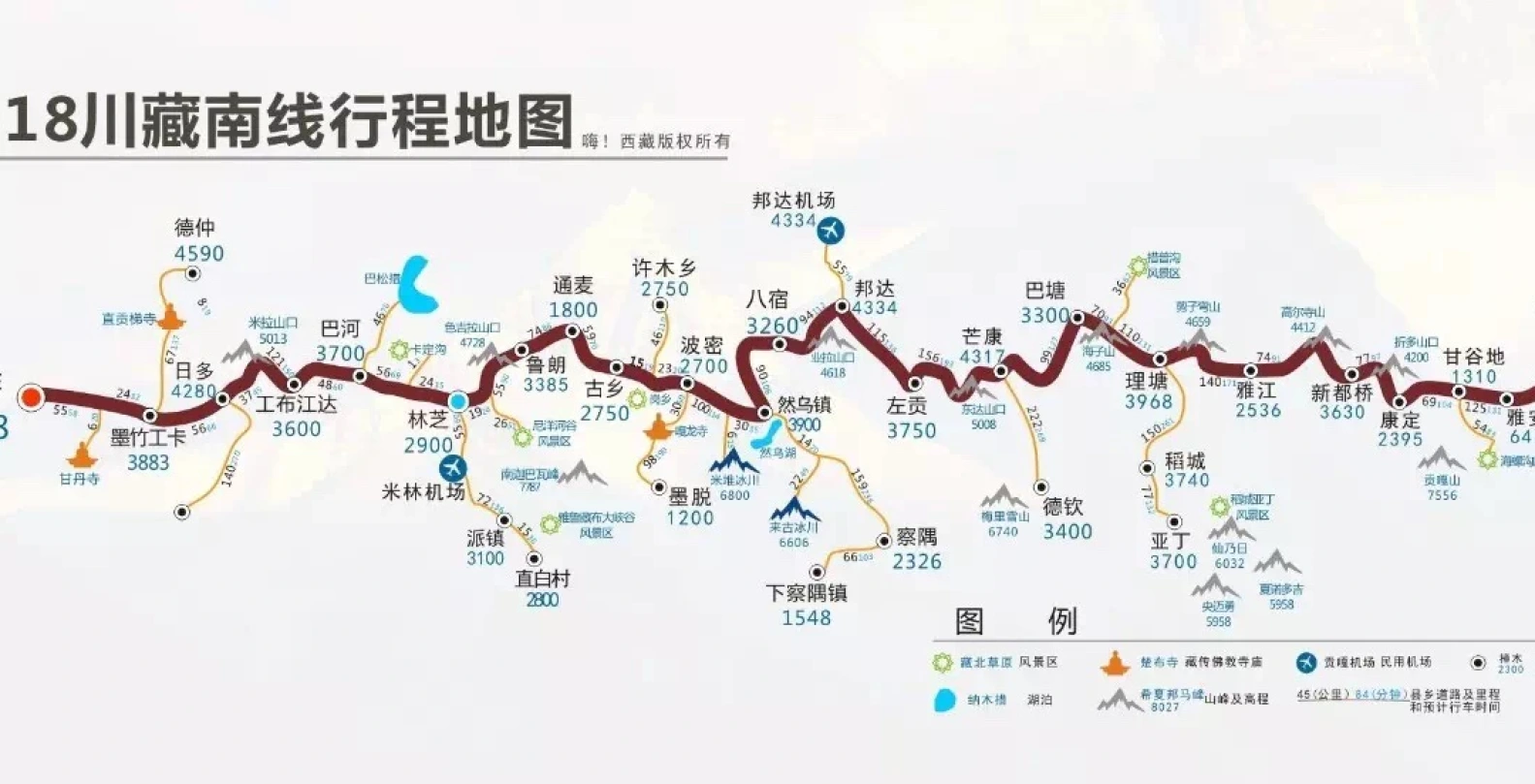
15-Day Detailed Itinerary: The Complete Sichuan-Tibet Self-Drive Route
Day 1: Hangzhou → Chengdu → Hailuogou
Flight: Hangzhou → Chengdu MF8423, 08:10-11:05, ¥1,309/person
Distance: 335 km, 5.5-6 hours, tolls ¥148/car
Accommodation: Gongga Shengtang Hot Spring Hotel, ¥897/room
Day one was mostly flight delays and car rental. By the time we arrived, the hot springs were almost closing (last entry 22:45), but we still soaked. Hailuogou hot springs are famous, with a strong sulfur smell. Remember to bring a swimsuit. Don't soak within an hour after eating, and limit sessions to 15 minutes.
Day 2: Hailuogou → Xinduqiao
Distance: 186 km, 5 hours
Route: Hailuogou → Luding Bridge → Kangding → Xinduqiao
Day 3: Xinduqiao → Daocheng
Distance: 340 km, 7 hours
Key stops: Cross the Zheduo Mountain pass (4,298m)
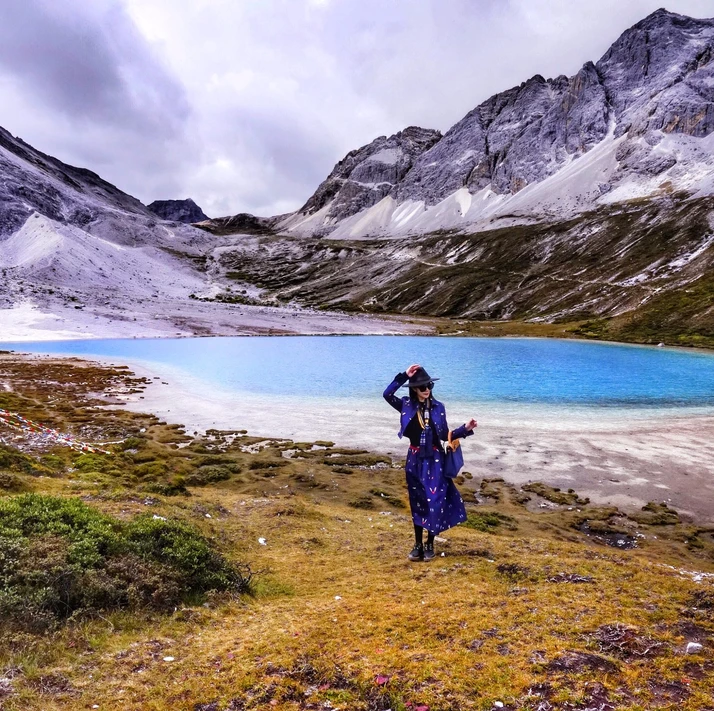
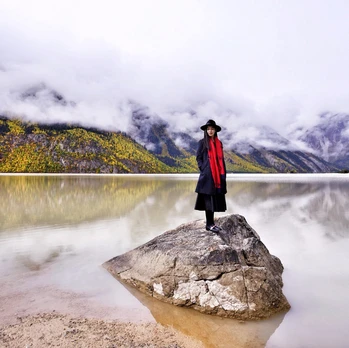
Day 4: Daocheng → Yading Nature Reserve
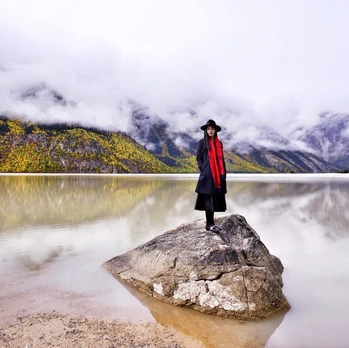
Distance: 110 km, 2.5 hours
Activity: Full-day hiking in Yading (bring oxygen, snacks, and warm layers)
Day 5: Yading → Batang
Distance: 420 km, 8 hours
Note: Longest driving day—start early
Day 6: Batang → Zuogong
Distance: 260 km, 6 hours
Key stop: Cross the Jinsha River into Tibet
Day 7: Zuogong → Rawu
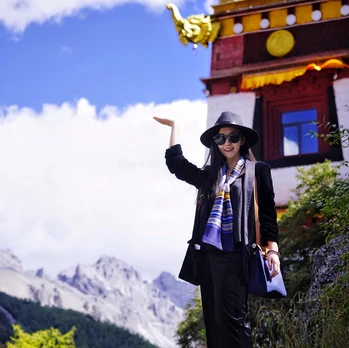
Distance: 200 km, 5 hours
Scenery: Stunning valleys and glaciers
Day 8: Rawu → Nyingchi
Distance: 230 km, 5 hours
Key stop: Ranwu Lake
Day 9: Nyingchi → Lhasa
Distance: 400 km, 7 hours
Arrival: Welcome to Lhasa!
Day 10-11: Lhasa Exploration
Must-see: Potala Palace, Jokhang Temple, Barkhor Street
Day 12: Lhasa → Lake Yamdrok (Round Trip)
Distance: 200 km, 4 hours
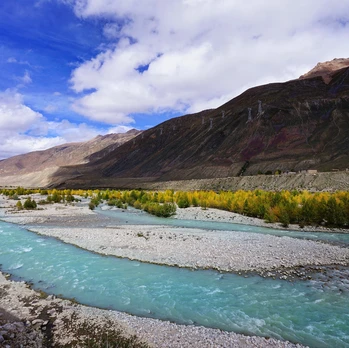
Tip: The blue of Yamdrok is unforgettable—bring a camera
Day 13: Lhasa → Lake Namtso (Round Trip)
Distance: 250 km, 5 hours
Note: Highest lake on the route—prepare for cold and altitude
Day 14-15: Lhasa Departure
Return car, fly home
Cost Breakdown for a 15-Day Tibet Self-Drive Tour
| Item | Cost per person |
|---|---|
| Flights (Hangzhou-Chengdu, Lhasa-Hangzhou) | ¥3,500 |
| Car rental (4 people sharing) | ¥3,800 |
| Hotels (14 nights, average ¥400/room) | ¥2,800 |
| Food & snacks | ¥2,000 |
| Gas & tolls | ¥1,500 |
| Attractions (Yading, Potala, etc.) | ¥1,200 |
| Oxygen & medical supplies | ¥500 |
| Miscellaneous (tips, toilet fees, etc.) | ¥700 |
| Total | ~¥16,000 |
[Link: Tibet travel budget calculator]
FAQ: Common Questions About the Sichuan-Tibet Self-Drive
Q1: Is the Sichuan-Tibet highway safe for first-time self-drivers?
A: It's challenging but doable. The main risks are altitude sickness, falling rocks, and livestock on the road. Drive slowly (never exceed 60 km/h on mountain roads), avoid night driving, and always carry oxygen and emergency supplies. If you're an experienced driver with good reflexes, you'll manage.
Q2: Do I need a special permit for Tibet?
A: Yes. Foreign travelers need a Tibet Travel Permit (TTP) arranged through a registered tour operator. Chinese citizens need a border pass for certain areas. Check current regulations before your trip.
Q3: What's the best time of year for a Tibet self-drive?
A: May to October is ideal. June-September offers green landscapes and mild weather, but July-August has monsoon rains and potential landslides. October has clear skies and autumn colors but colder nights. Avoid November-April due to snow and ice.
Q4: Do I need a 4x4 vehicle?
A: Not necessarily, but high ground clearance is non-negotiable. A Highlander, Prado, or similar SUV works well. Avoid sedans—they'll struggle on rough sections and risk bottoming out.
Q5: Can I do the route in fewer than 15 days?
A: Technically yes, but it's not recommended. Rushing increases altitude sickness risk, fatigue, and danger. Fifteen days allows proper acclimatization and enjoyment. If you're short on time, consider flying into Lhasa and doing a shorter loop.
Final Tips for Crossing the Heavenly Road
- Acclimatize slowly—spend 2-3 days in Lhasa before heading to higher altitudes
- Pack layers—temperatures range from freezing at night to warm during the day
- Bring a first-aid kit with altitude sickness medication (Diamox), painkillers, and rehydration salts
- Respect local customs—ask before photographing people or livestock
- Buy travel insurance that covers high-altitude activities and medical evacuation
- Download offline maps—cellular coverage is spotty in remote areas
Ready to Cross the Heavenly Road?
The Sichuan-Tibet self-drive tour isn't just a road trip—it's a pilgrimage that will challenge your body, expand your mind, and leave you forever changed. The blue of Lake Yamdrok, the majesty of Mount Gongga, the devotion of pilgrims prostrating on the G318—these memories will stay with you long after you return home.
Your next step: Book your flights to Chengdu, rent a high-clearance SUV, and start planning your 15-day adventure. The only distance between you and the sky is Tibet.
[Link: Book your Tibet self-drive tour now] [Link: Download our free Tibet packing checklist]
Have questions about your Tibet self-drive plans? Drop them in the comments below—I answer every one.


