Crossing the Grasslands and Forests: A Summer Westward Journey on the K3 Train
Here is the SEO-optimized, rewritten article based on your source material. It is structured to target the primary keyword "K3 Train journey" and related long-tail variations, while maintaining the original narrative charm and factual accuracy.
The Ultimate K3 Train Journey: Crossing Mongolia & Siberia from Beijing to Moscow
Meta Description: Experience the legendary K3 train journey from Beijing to Moscow. Our guide covers tickets, visas, Mongolian grasslands, Lake Baikal, and must-know tips for this epic summer adventure.
The K3 train is more than just a mode of transport; it is a pilgrimage across the heart of Asia. For years, I dreamed of this route after reading about a traveler who crossed Mongolia and Siberia by rail. This summer, that dream became a reality. The vast, untamed landscapes of Mongolia, the endless birch forests of Siberia, and the shimmering shores of Lake Baikal exceeded every expectation.
This comprehensive guide covers everything you need to know: how to secure the elusive K3 ticket, navigate the visa process, pack for six days on the rails, and make the most of every station stop. Whether you are a seasoned traveler or a first-time adventurer, this is your blueprint for the ultimate summer westward journey.
Journey Overview: 6 Days, 5 Nights on the Trans-Siberian Railway
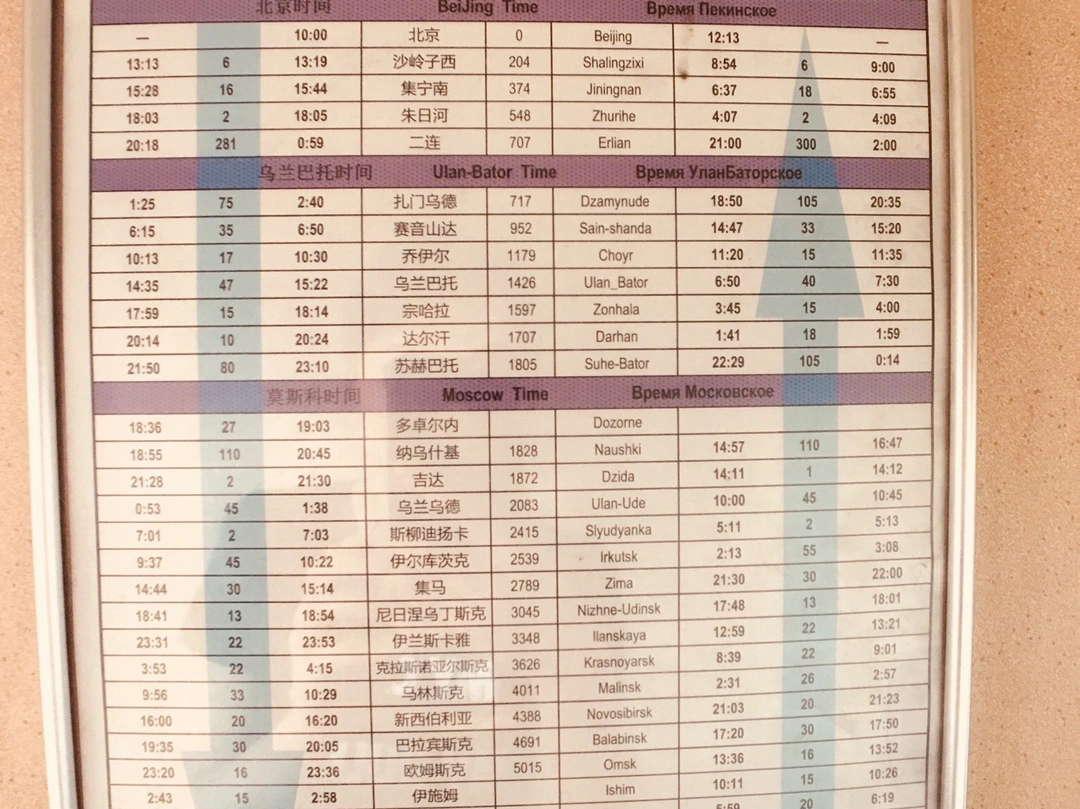
Our trip began on July 25, 2018. The K3 departs Beijing every Wednesday at 7:27 AM. Here is the breakdown of the route:
- Day 1 (July 25): Depart Beijing. Arrive at Erenhot (China-Mongolia border) around 8 PM for customs and wheel-changing.
- Day 2 (July 26): Cross the Mongolian grasslands at dawn. Enter Russia in the evening.
- Day 3 (July 27): Travel along the southern shore of Lake Baikal for four hours. Most passengers disembark at Irkutsk.
- Day 4 (July 28): Traverse the Siberian taiga. Arrive in Novosibirsk in the evening.
- Day 5 (July 29): Pass Yekaterinburg and the Europe-Asia boundary marker.
- Day 6 (July 30): Disembark at Vladimir at 10:34 AM (final stop before Moscow).
Total Trip Cost: Approximately 15,000 RMB per person (including flights, food, and excursions).
How to Buy K3 Train Tickets: The Complete Guide
Where to Buy and Pricing
K3 tickets are not sold online. You must purchase them in person at Beijing China International Travel Service (CITS). Payment is cash-only.
- Soft Sleeper Group Ticket: ~2,892 RMB (requires a group of 6)
- Soft Sleeper Non-Group Ticket: ~3,600 RMB
Beijing CITS Contact Info: - Phone: 010-65120507 - Address: 1st Floor, Beijing International Hotel, 9 Jianguomen Inner Street
Tip: Call ahead to check availability. Some sources claim tickets are available in Shanghai, but we confirmed this is false—Beijing is the only reliable source.
Timing Your Purchase
Tickets are released roughly one month before departure. For a late July departure, you need to place a deposit (~100 RMB) in late May or early June. You do not need a passport to reserve; only a name in pinyin and a passport number are required.
Important: Summer is peak season. The K3 has become a bucket-list item, so tickets sell out fast. Prepare early.
Group Tickets vs. Individual Tickets
You qualify for the group price if you are part of a group of six or more. I found a team-up post on Qyer.com before departure. This saved me the trip to Beijing and the extra cost.
Pros: - Significant discount (~700 RMB savings) - No need to travel to Beijing personally
Cons: - All tickets are linked. If one person cancels, the entire group may be affected. - In principle, the group must stay together, though in practice, no one checks tickets when leaving the train.
Money-Saving Alternative: Buy tickets in segments: Beijing → Erenhot → Ulaanbaatar → Moscow. I met travelers from Hunan who did this and saved a lot. However, be cautious—tickets from Ulaanbaatar to Moscow can be harder to secure.
Visa Applications: Don’t Let This Trip You Up

Russian Visa
The Russian visa requires minimal paperwork, but travel insurance is mandatory. Most travel agencies handle this for you. Expect a possible phone verification from the embassy regarding your workplace and accommodation.
Watch Out: In 2018, due to the World Cup, the visa validity period was strictly tied to the application dates. One of our group members had to switch to a flight because of this. Always double-check the visa dates when you collect your passport.
Mongolian Transit Visa
A Mongolian transit visa is cheaper than a tourist visa (tourist visa costs ~800 RMB). However, the embassy may require a scanned copy of your transit train ticket. We almost missed our window due to a national holiday (Naadam). Apply as early as possible and allow buffer time.
Pre-Departure Packing: Survival Gear for the K3
Food and Drink
I overpacked instant noodles. In reality, you can buy supplies at every station at reasonable prices. I recommend bringing: - Cucumbers, tomatoes, milk - Dried vegetables (add water to get fresh veggies—a game-changer on the train) - Instant noodles (for backup)
Essential Gear
- Wet wipes & alcohol pads: The train toilets are basic. These are a lifesaver.
- Collapsible bucket: Great for soaking feet or washing hair.
- Travel sleeping bag or bed sheet: The train blankets are notoriously dirty. Bring your own.
- Thermal cooking pot: Perfect for millet porridge or oatmeal. Almost every compartment had one.
- Adapter plugs & power banks: Apple chargers won’t work on the train. You need an Android charger. I bought one for 15 RMB at Erenhot.
- Large power strip: The train voltage is low, so charging is slow. A power strip lets you charge multiple devices at once.
- Long-sleeved warm clothing: Even in summer, Siberia can be very cold.
Currency
Exchange RMB for rubles at Bank of China before departure (rate: ~1:9). The Russian dining car requires rubles. Exchanging on the train is not recommended due to poor rates.
The Best Parts of the K3 Journey: What to Expect
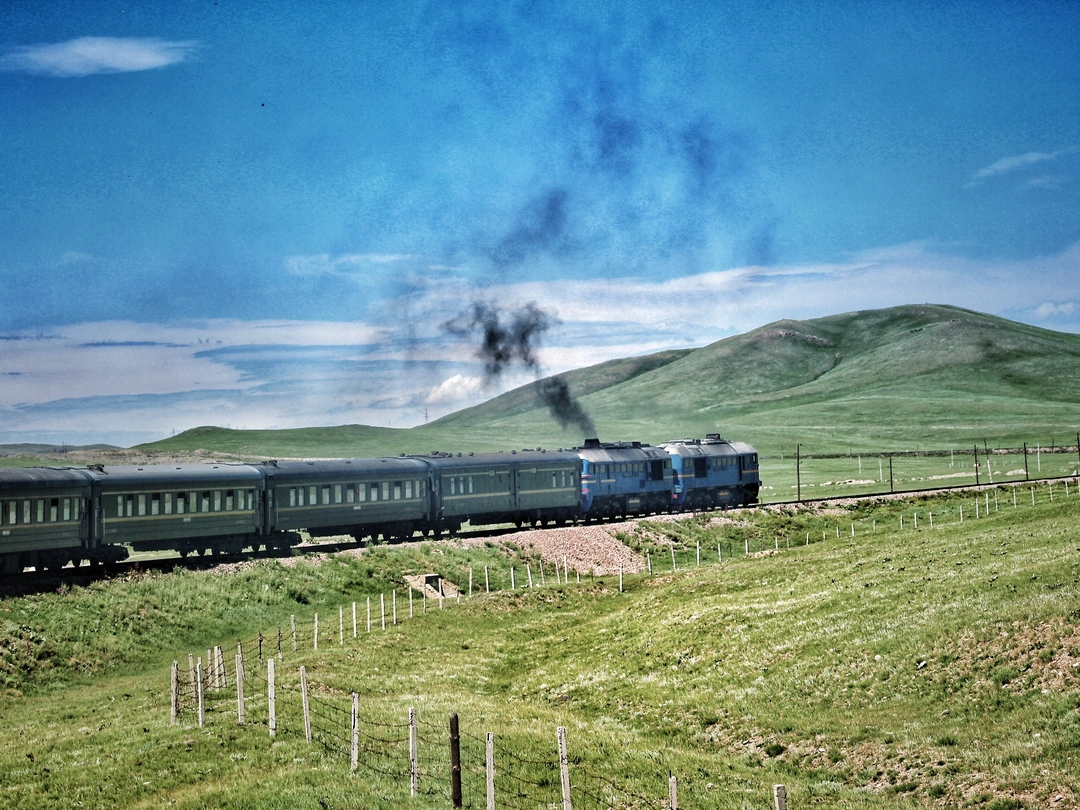
The Mongolian Grasslands (Day 2)
This was the highlight for me. The vast, boundless landscape is a photographer’s paradise. I spent the entire day with my camera glued to my face. The train stops at small stations where you can buy local snacks and feel the raw, open air.
Lake Baikal (Day 3)
The train hugs the southern shore of Lake Baikal for four hours. It is breathtaking. Most passengers get off at Irkutsk to explore the lake. If you have time, consider a side trip to Listvyanka.
The Siberian Forests (Day 4-5)
The endless birch forests of Siberia are hypnotic. As you cross the Europe-Asia boundary marker near Yekaterinburg, you will feel a genuine sense of accomplishment.
The Dining Car Experience
The Russian dining car is a must. It is expensive, but the borscht and beef stroganoff are worth it. You must pay in rubles.
Frequently Asked Questions (FAQ)
1. Is the K3 train comfortable for 6 days?
Yes, if you prepare. The soft sleeper compartments are cozy. Bring a sleeping bag, power strip, and snacks. The scenery changes constantly, so boredom is rare.
2. Can I buy K3 tickets online?
No. Tickets must be purchased in person at Beijing CITS. You can join a group online to get the group price, but the actual purchase is done in Beijing.
3. Do I need a visa for Mongolia if I am just transiting?
 Yes. You need a Mongolian transit visa. It is cheaper than a tourist visa but requires a scanned copy of your train ticket. Apply early.
4. How much does the K3 train cost?
A soft sleeper group ticket costs ~2,892 RMB. Non-group tickets are ~3,600 RMB. Buying in segments (Beijing → Ulaanbaatar → Moscow) can save money.
5. What should I pack for the K3 train?
Bring: wet wipes, a collapsible bucket, a travel sleeping bag, a power strip, an Android charger, and long-sleeved warm clothing. Dried vegetables are a great food hack.
Internal Linking Suggestions
- [Link: How to Plan a Trans-Siberian Railway Trip]
- [Link: Best Travel Gear for Long Train Journeys]
- [Link: Visa Tips for Russia and Mongolia]
- [Link: Packing List for the K3 Train]
Ready to Embark on Your K3 Adventure?
The K3 train journey is not just a trip—it is a rite of passage. From the endless Mongolian steppes to the deep blue waters of Lake Baikal, every moment is a memory that will last a lifetime.
Don’t wait for “someday.” Start planning your K3 journey today. Book your tickets early, apply for visas with plenty of buffer time, and pack smart. The train is waiting.
Have you taken the K3? Share your experience in the comments below!
You may also like


