Conquering the Snowy Peaks: A Six-Day Trekking Adventure in Siguniangshan
Here is the SEO-optimized, rewritten article based on your source material. It is structured for readability, keyword density, and user engagement, targeting approximately 1500 words.
Meta Description:
Plan the ultimate Siguniangshan trekking adventure. Our 6-day guide covers valleys, permits, altitude tips, and hidden homestays. Conquer the Four Sisters today.
Siguniangshan Trekking: A Complete 6-Day Guide to the Four Sisters Mountains
There is something magnetic about mountains that calls to the restless soul. When the daily grind becomes a blur of notifications and deadlines, the wild places whisper your name. For me, that whisper became a roar when I packed my bag and headed for Siguniangshan—the Four Sisters Mountains in China’s Sichuan province. What followed was six days of mud, muscle aches, and moments so breathtaking they felt stolen from a dream.
If you have ever wondered what it is like to trade city streets for alpine trails, this is your sign. In this Siguniangshan trekking guide, I will walk you through the peaks, the paths, and the plates of steaming noodles that kept me going.
The Four Sisters: A Quick Introduction to Siguniangshan
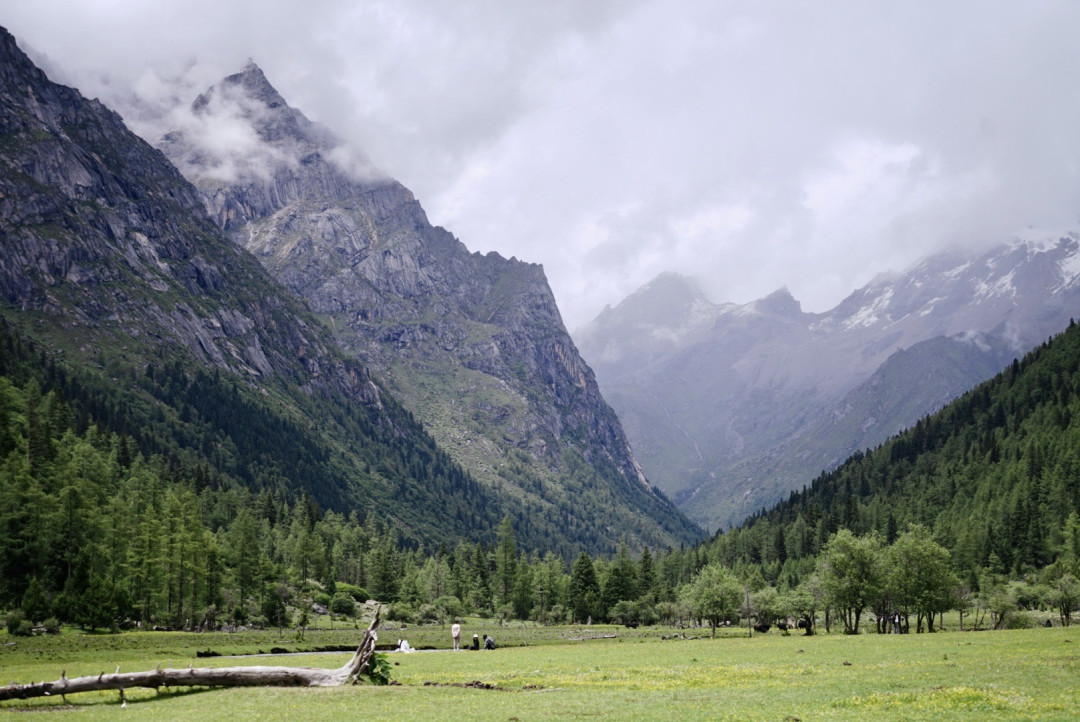
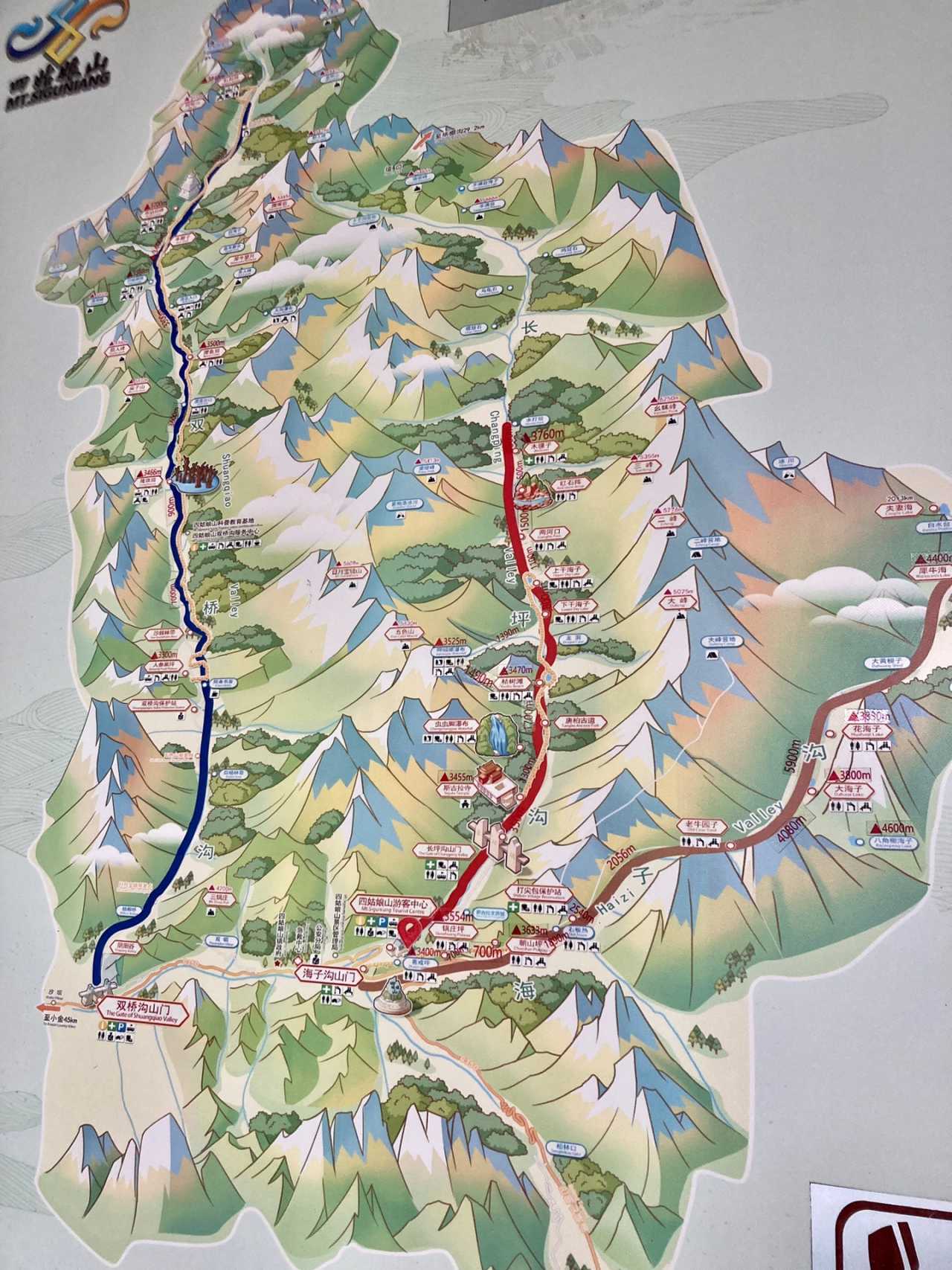
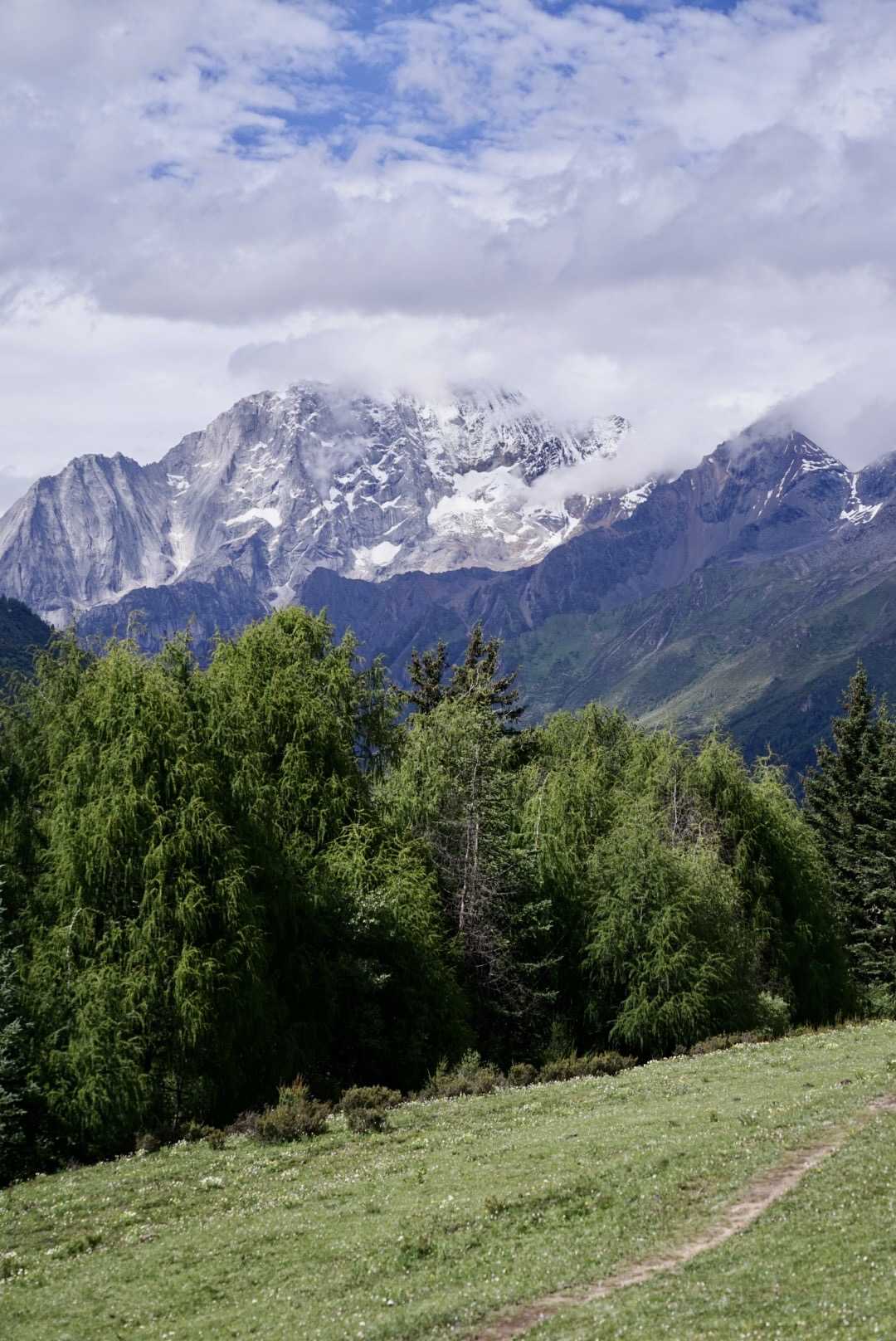
Siguniangshan is not just one mountain—it is a family of four jagged peaks. The tallest, Yaomei Feng (the "Elder Sister Peak"), stands proud at 6,250 meters, flanked by the Third, Second, and First Sisters. However, most tourists do not actually climb these peaks. Instead, they explore three scenic valleys—Shuangqiao Valley, Changping Valley, and Haizi Valley.
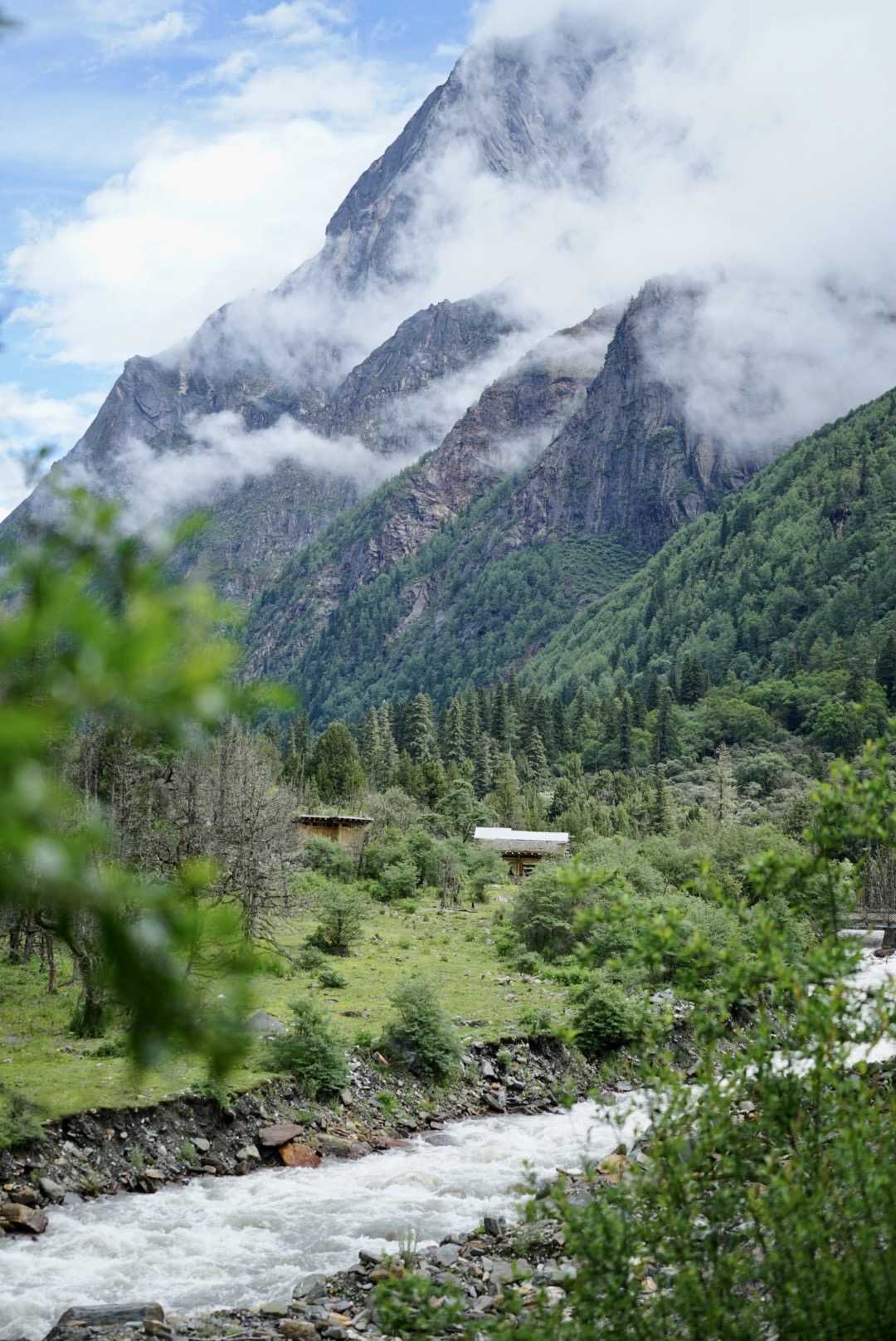
- Changping Valley and Haizi Valley offer direct views of the Four Sisters.
- Shuangqiao Valley, despite being the most developed, shows other snow-capped giants instead.
For the adventurous few, there is the option to summit the First or Second Sister peaks, or embark on a three-day through-hike to Bipeng Valley. Camping in Haizi or Changping is also a popular choice. But for the average traveler, a single day in any of the valleys delivers plenty of beauty without the need for technical climbing.
I spent six days and five nights in the area, tackling Changping Valley and Haizi Valley, plus the Changqing Stockaded Village. I skipped Shuangqiao due to its higher entrance fee and overly paved walkways. Based on my experience and chats with fellow travelers, here is everything you need to know for your Siguniangshan hiking itinerary.
Which Valley Suits You? A Detailed Breakdown
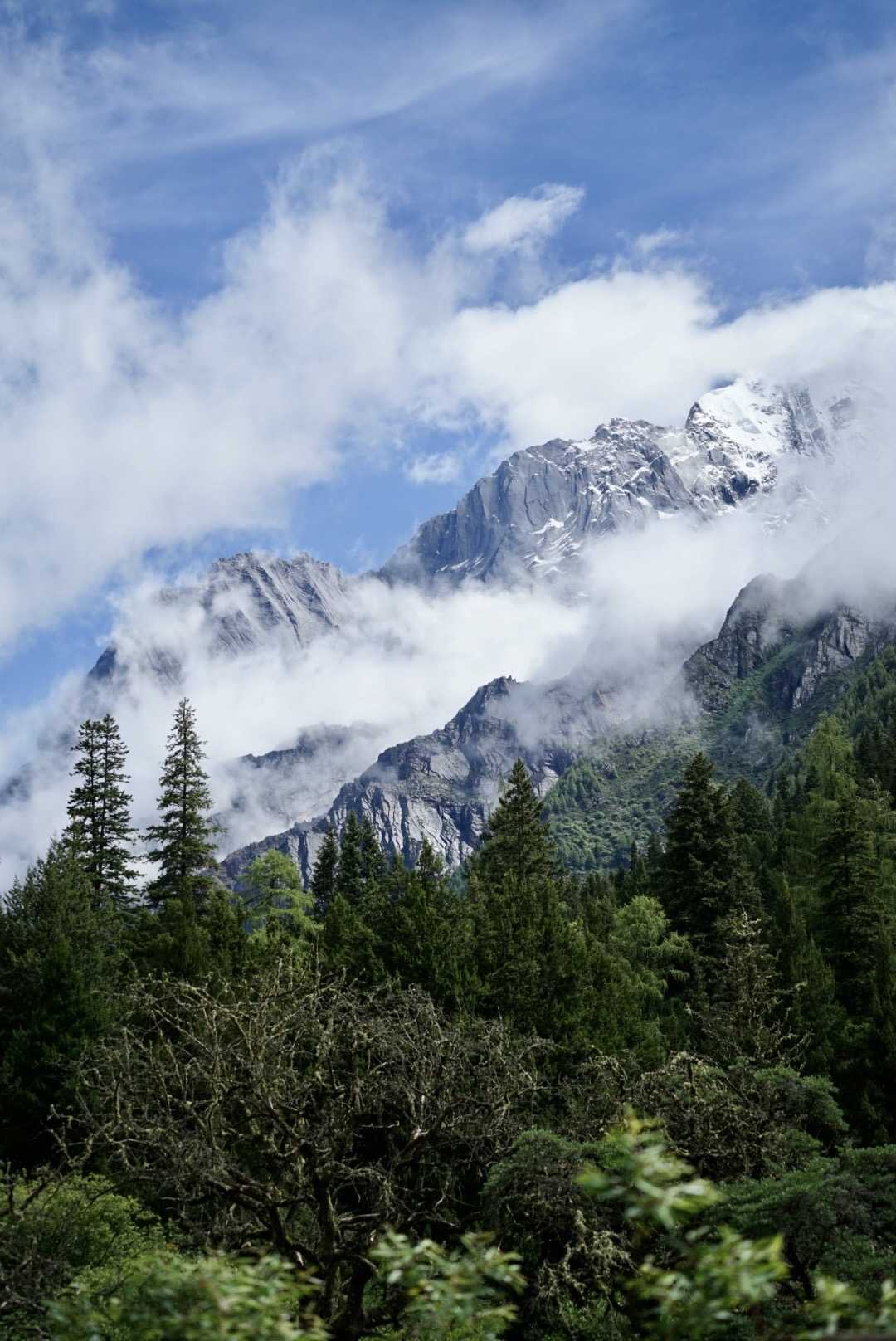
Changping Valley: The Hiker’s Sweet Spot
Difficulty: 3 out of 5
Distance: ~22 km round trip
Cost: ¥70 entry + ¥20 mandatory shuttle bus
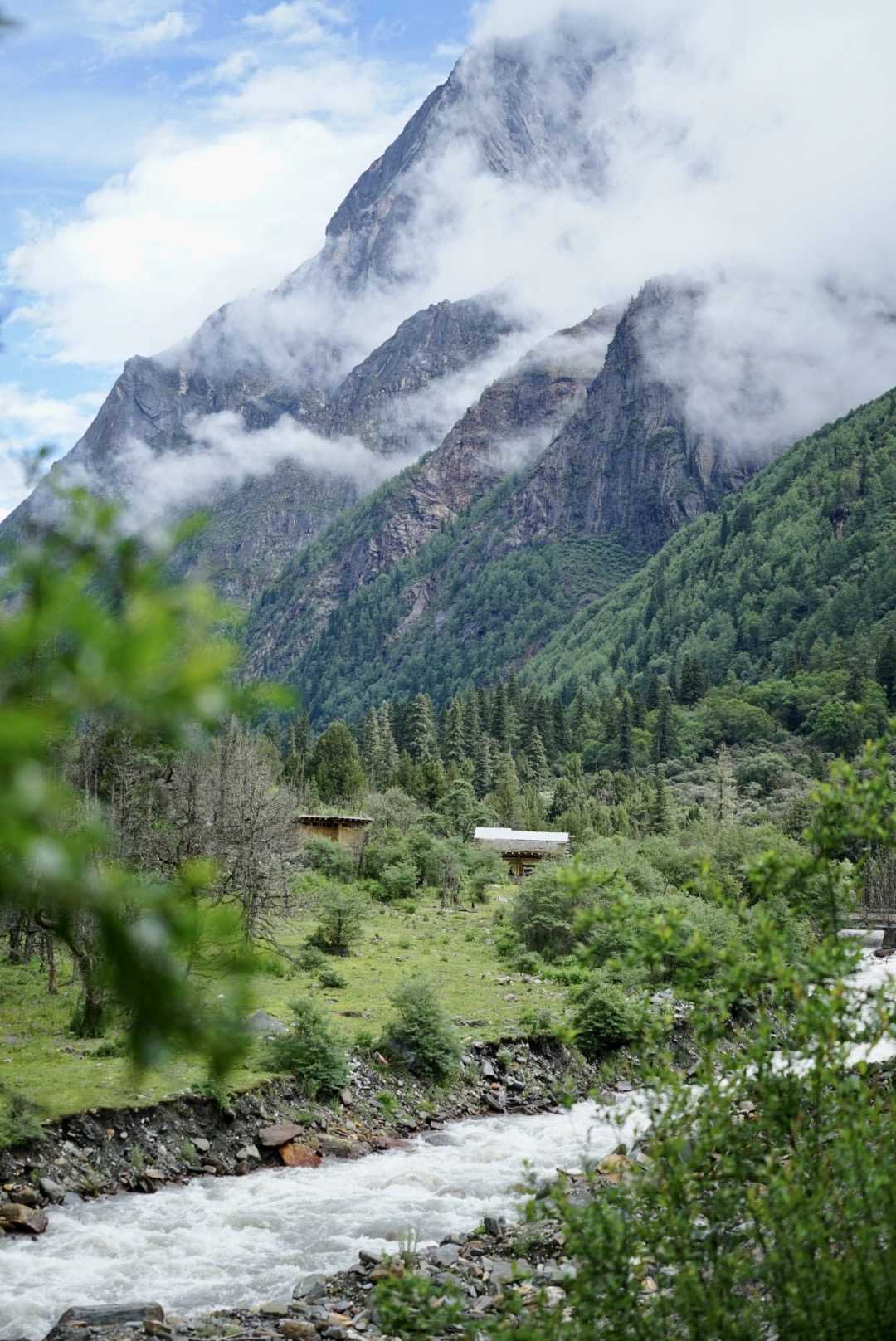
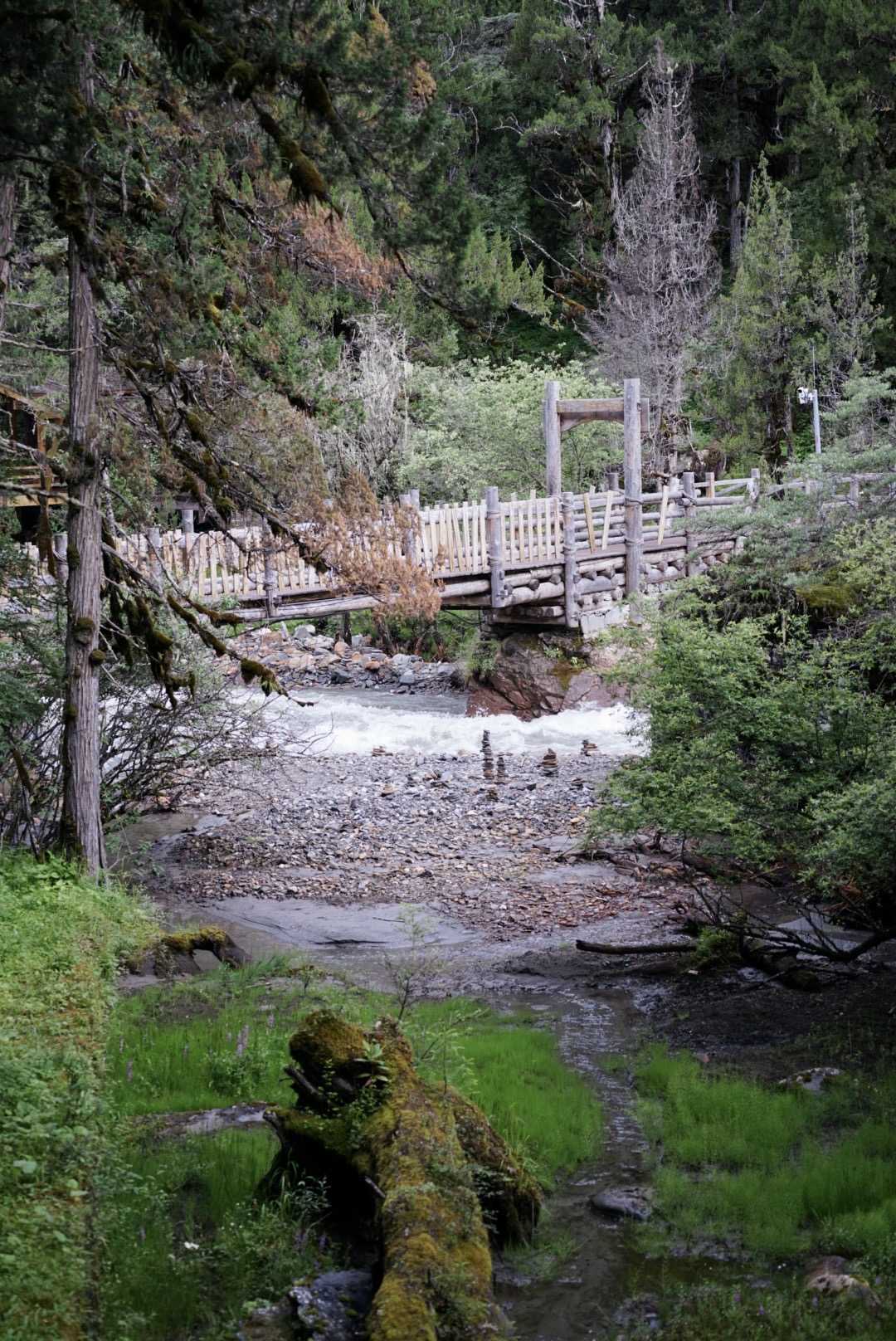
Changping is the main valley of Siguniangshan and offers a perfect middle ground. It is about 50% developed—paved boardwalks for the first half, rugged mountain trails for the second. The route takes you from the visitor center through a shuttle ride to the mountain gate, then past Sigu Temple, Chongchongjiao Waterfall, Withered Tree Beach, Upper and Lower Ganhaizi (the "Dry Sea" areas), Lianghekou (the "Two Rivers Mouth"), Red Rock Array, Muluozi, and finally Shuidaiba (the "Water Dam").
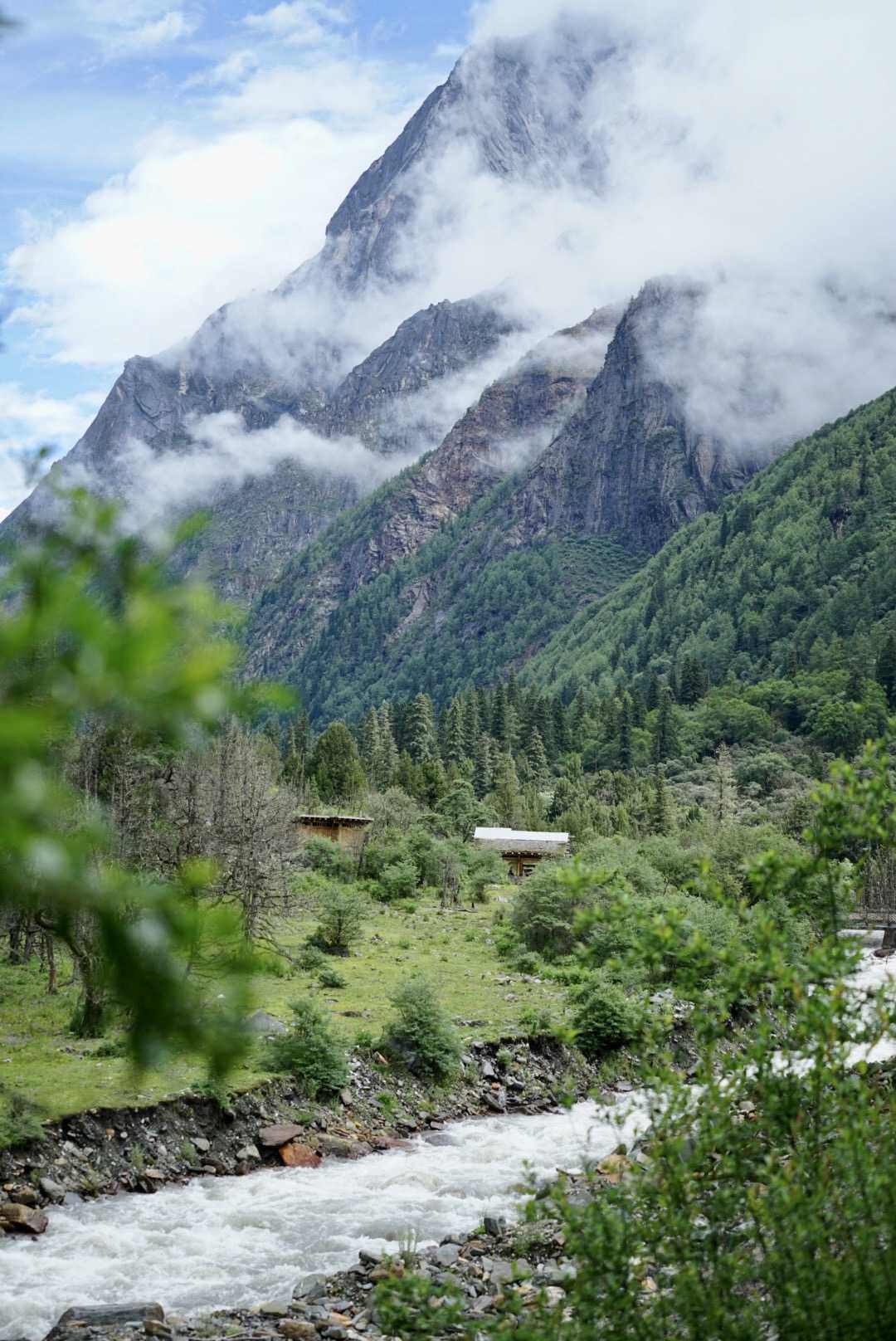
Pro Tip: The first 7 kilometers to Withered Tree Beach are easy boardwalk, suitable for families. After that, the trail turns into muddy forest paths. Waterproof hiking boots and a rain jacket are non-negotiable. The ground gets slippery, and the mountain weather is unpredictable.
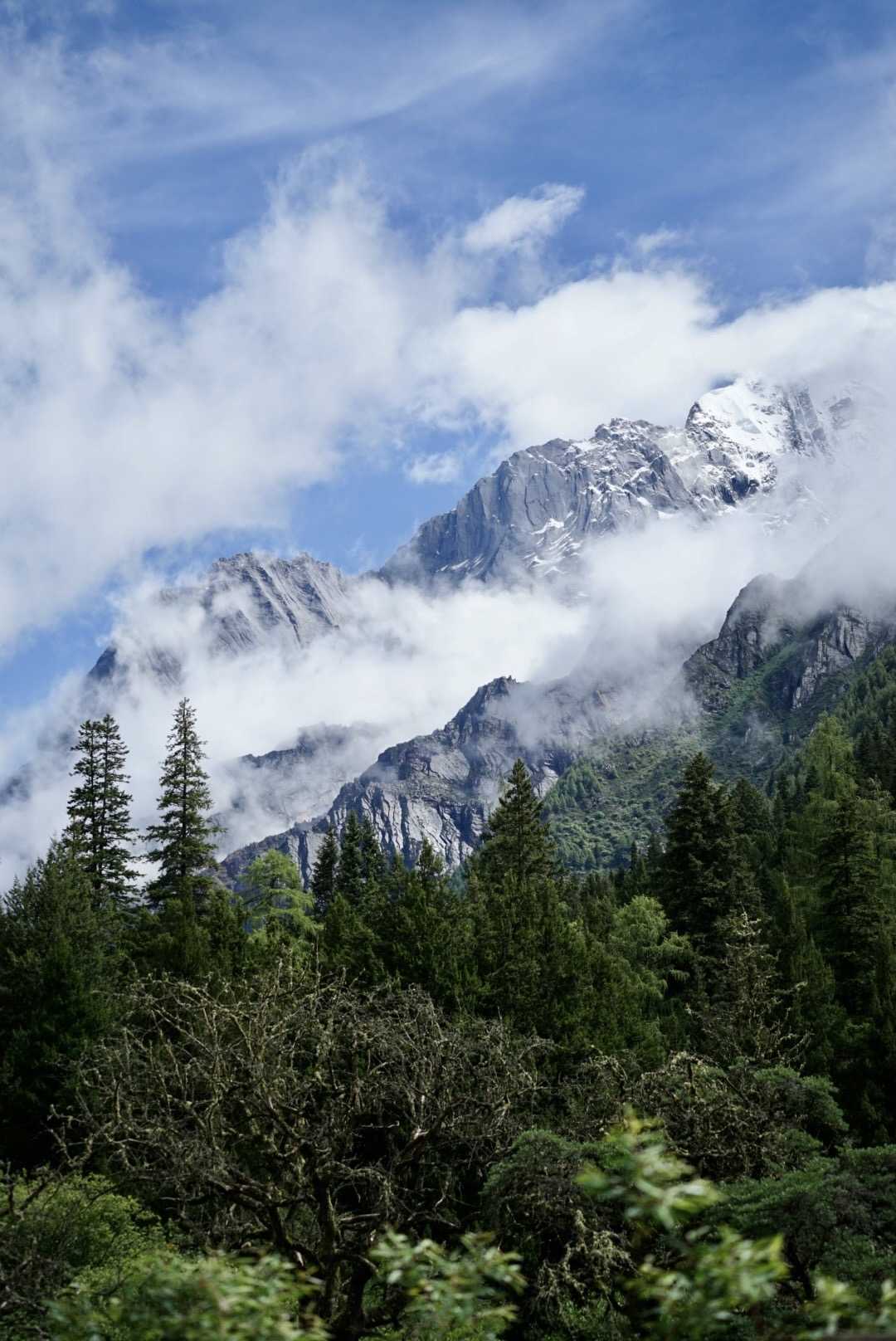
Scenery Highlights: Tibetan Buddhist temple, waterfall, river beaches, snow mountains, alpine meadows.
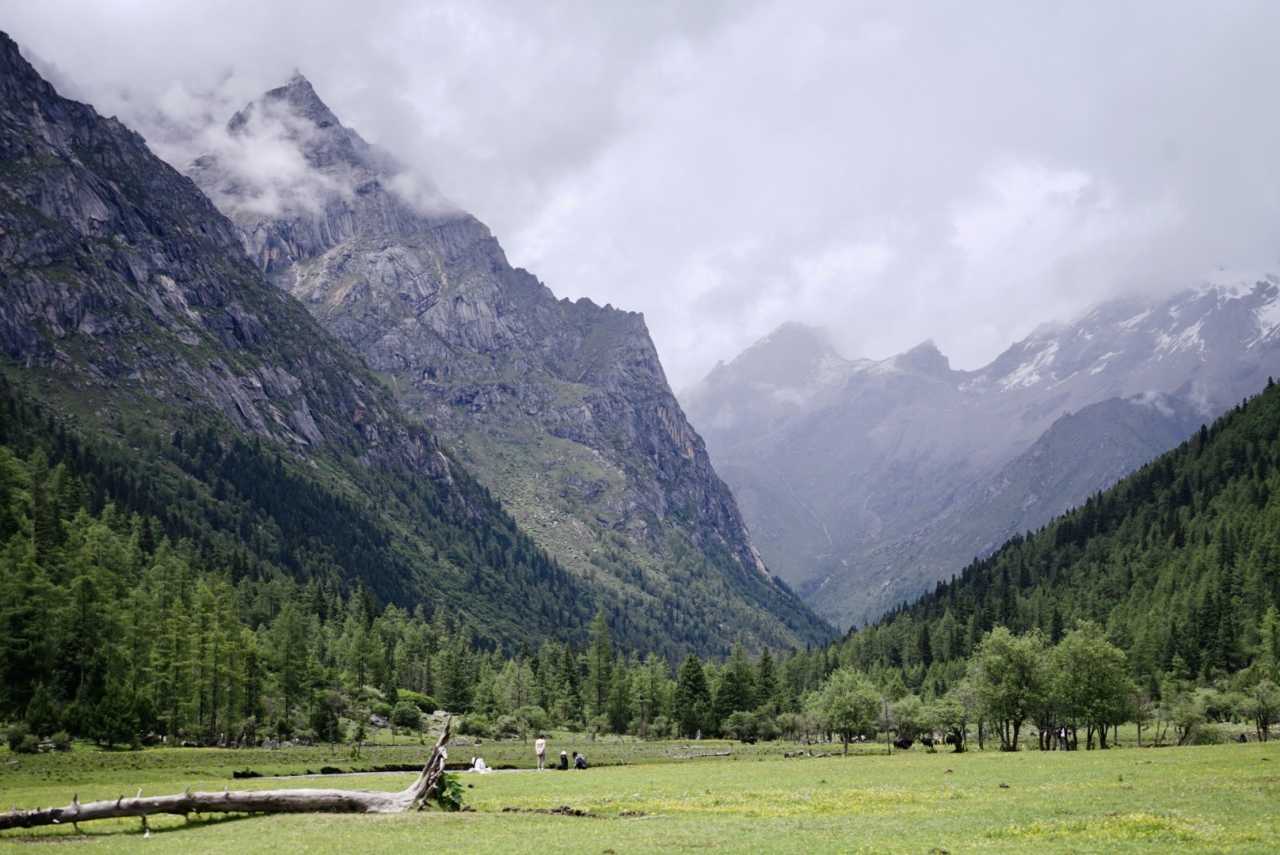
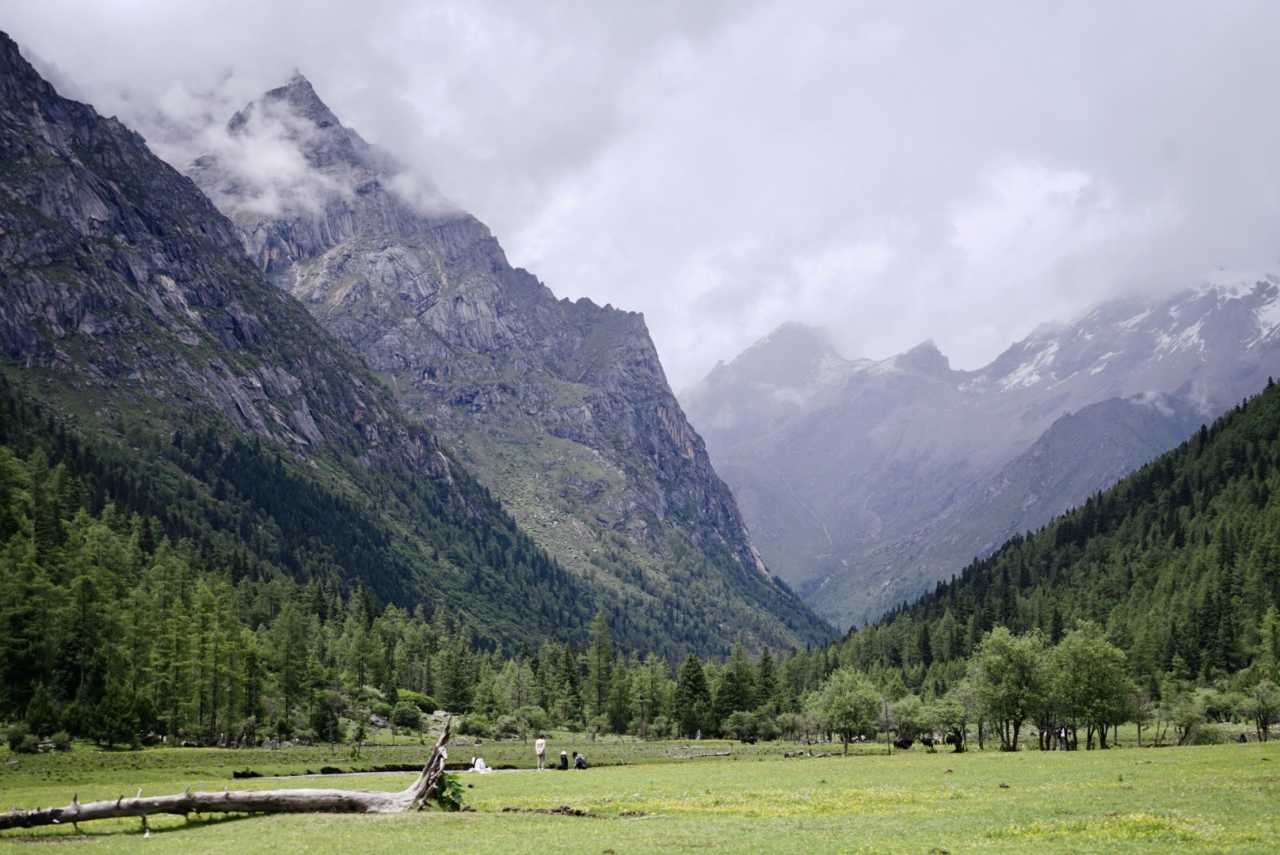
Best Viewpoint: Muluozi is surrounded by snow-capped peaks on all sides. It feels like standing inside a postcard. Walk the boardwalk on the way in and return via the horse trail for a different perspective—just be ready for more mud.
Logistics: The last shuttle bus is officially at 5:30 PM, but drivers wait until all passengers are down.
Haizi Valley: For the Tough and Tenacious
Difficulty: 4 out of 5
Distance: Variable (can be 20+ km to the lakes)
Cost: ¥60 (we got lucky—landslides in Shuangqiao meant free entry that day)
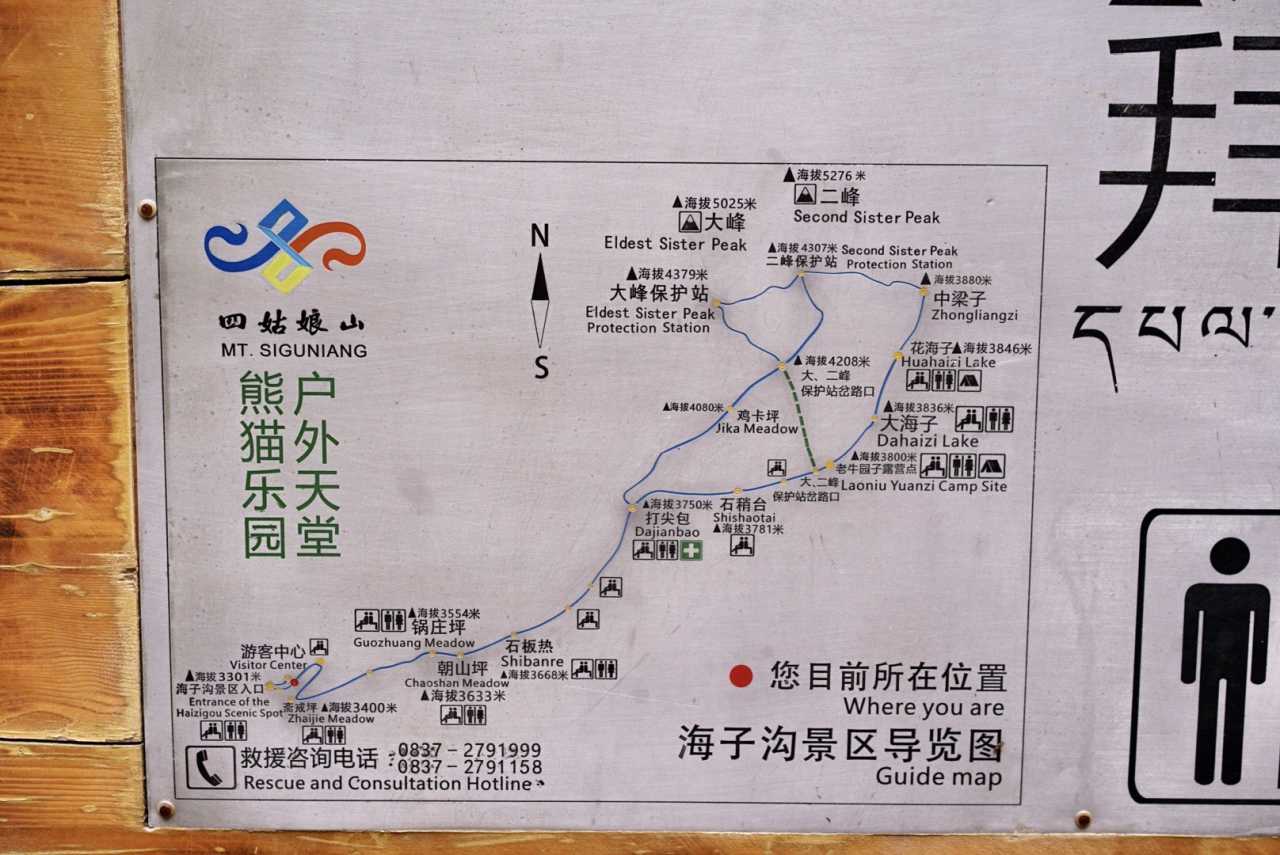
Haizi is the oldest and most undeveloped of the three valleys. It starts with a punishing climb—literally from the entrance—and offers two main forks: 1. First and Second Sister Peaks: For summit attempts. 2. Great Lake and Flower Lake: For camping.
Important: There is no shuttle bus here. You walk or you ride a horse. The first section to Chaoshanping (the "Tidal Flat") has some boardwalk, but it is mostly uphill and exposed to the sun. Watch your breathing—altitude sickness is real. After Chaoshanping, the trail turns into muddy, steep paths that demand proper footwear.
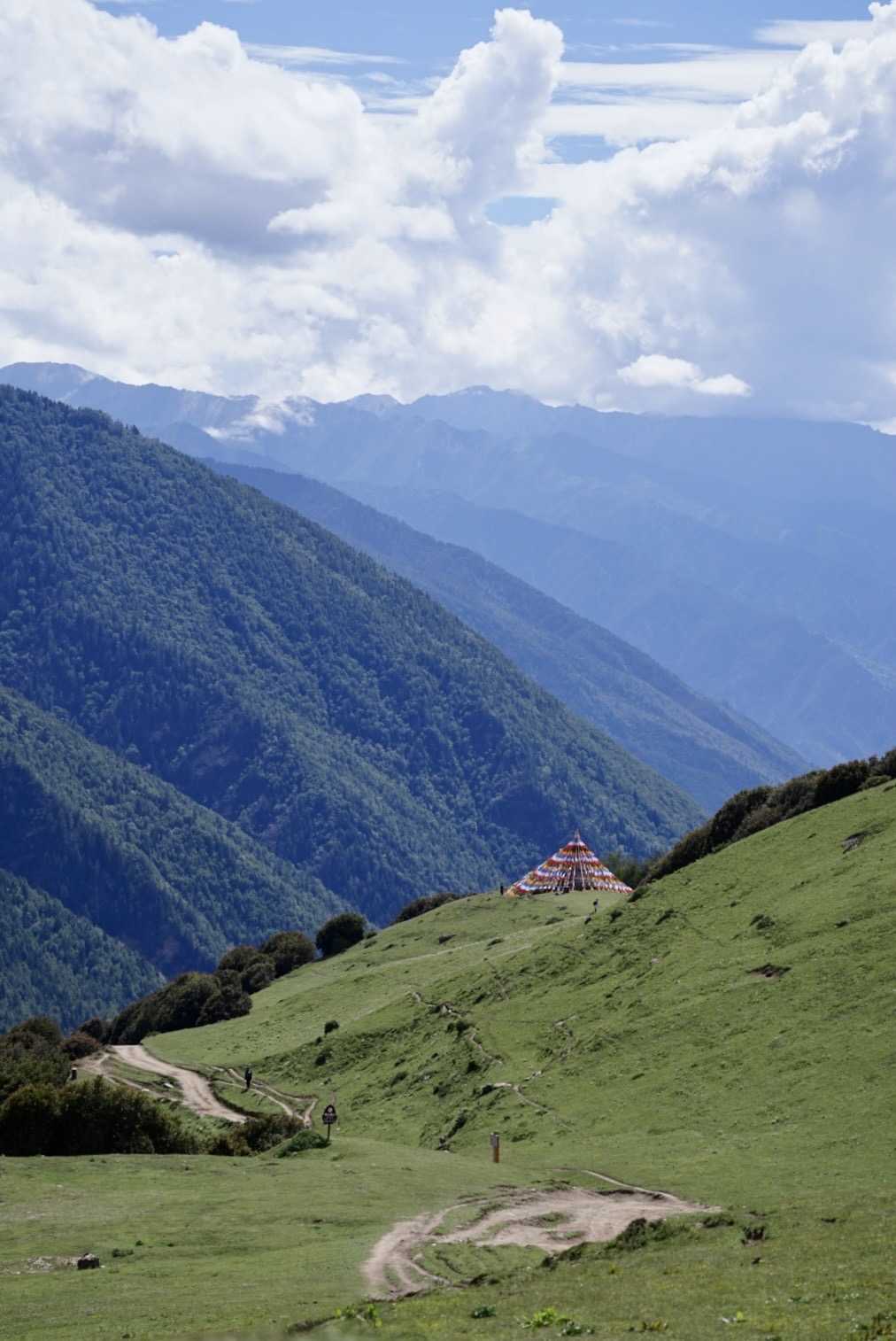
Honest Review: The scenery is underwhelming until you reach the Great Lake. However, Chaoshanping is where the magic happens—a 270-degree panorama of grassy meadows and distant snowy peaks.
My Experience: I started hiking at 10 AM and reached Dajianbao (the "Big Fortress") by 1:30 PM. Realizing I could not make it to the lake and back, I turned around—and was rewarded with an empty meadow bathed in golden afternoon light.
Scenery Highlights: Ridge trails, alpine meadows, wildflowers, snow mountains, wildlife sightings.
Shuangqiao Valley: The Family-Friendly Option
Difficulty: 2 out of 5
Cost: ¥80 entry + ¥70 shuttle bus
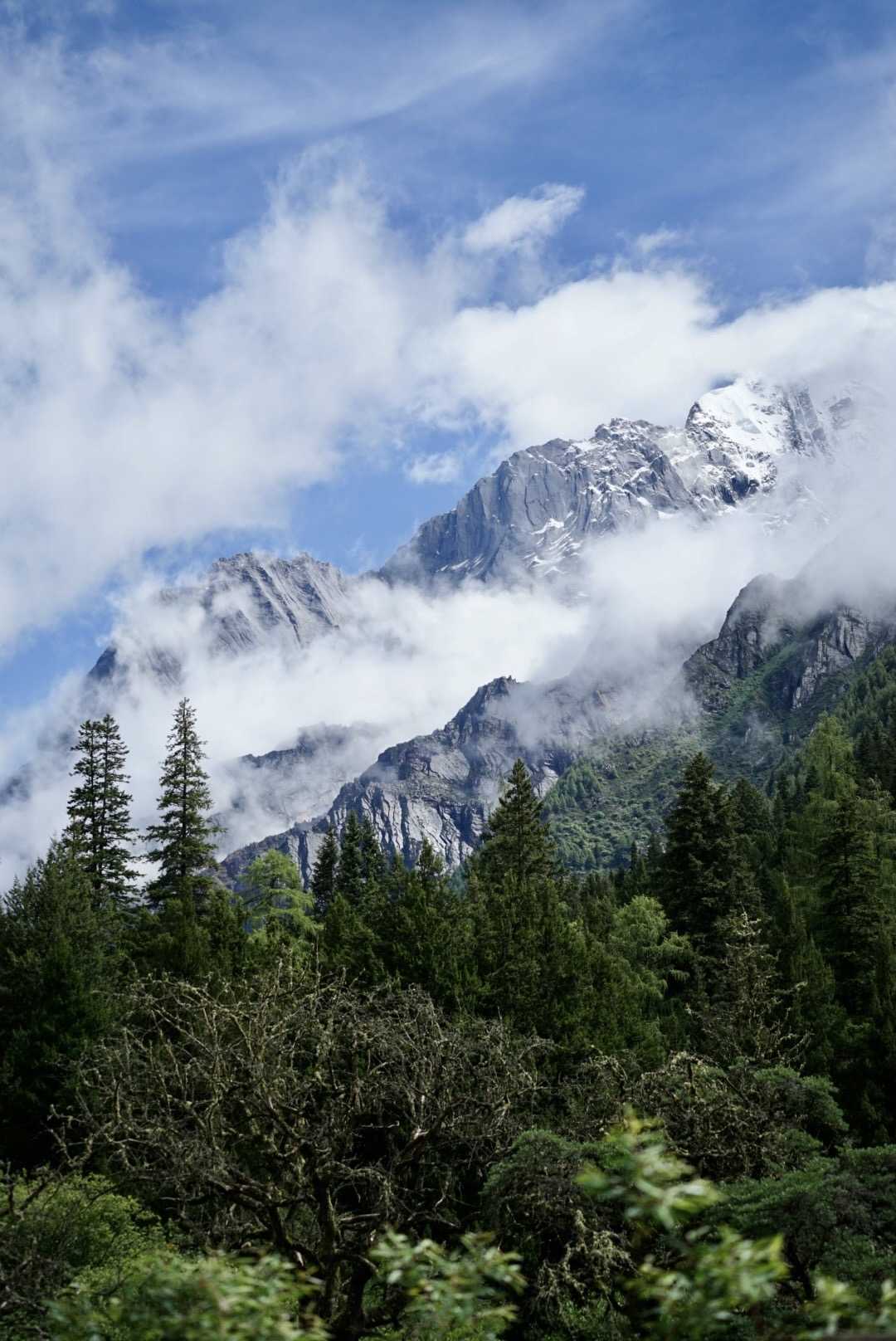
Shuangqiao is the most developed valley, with 20+ kilometers of paved boardwalks and a shuttle bus system. It is the busiest, but also the most accessible. You ride the bus to the final stop at Hongshanlin (the "Red Forest"), then walk or hop back on at any station. The valley features lakes, grasslands, and snow mountains—just not the Four Sisters themselves.
Who Should Choose It? If you are traveling with kids or prefer a relaxed day out, this is your pick.
Scenery Highlights: Lakes, snow mountains, grasslands, paved roads.
Beyond the Valleys: Other Viewpoints for Your Siguniangshan Trekking Adventure
- Changqingzhai Viewing Platform: Perfect for seeing all four peaks with a village in the foreground.
- Zhangmu Village: Offers views of Haizi Valley’s ridges. Morning clouds and evening light make it a photographer’s dream.
- Balang Mountain: Requires a car, but rewards you with grasslands and sunset views.
- Mao Biliang: The classic spot for a panoramic shot of the Four Sisters.
Where to Stay: From Hostels to Homestays
Accommodation clusters around Changping Village and the visitor center. Here is a breakdown of the main areas for your Siguniangshan trip planning:

- Jinzi Street: Closest to the visitor center and valley entrances. Lots of restaurants and shops, but prices are higher and the vibe is commercial.
- Siguniang Town: More dining options, but a 10-15 minute drive from the trailheads. Not ideal for non-drivers.
- Zhangmu Village: Cheap, scenic homestays run by locals. No restaurants and inconvenient transport—great for self-drivers only.
- Inside the Valleys: Stay here for a deeper experience and a free day of admission, but expect limited food and transport.
My Recommendations:
- Xidu Youth Hostel: ¥50 for a bunk bed in June (prices rise in July). Located near Jinzi Street, close to Changping entrance. Rooftop views of the mountains. Downsides: no locker, no door lock on the room.
- Siguniang Mountain Village Homestay: Booked via Meituan (a Chinese booking app). Perched halfway up a mountain in a Tibetan village. Ten-minute drive up a winding road, 20-minute walk downhill to Jinzi Street. No restaurants nearby. The owner works in the valleys during the day. Stunning views, but only for those with a car.
Eating Your Way Through the Mountains
Food here is a mix of Tibetan and Sichuan cuisine. Think yak hotpot, stir-fries, and hearty noodles. It is not Chengdu-level refined, but it fills the belly. Expect ¥50-60 per person for a meal, ¥15-20 for breakfast.
Top Spots:
- Lotus Kitchen: A Jinzi Street gem. The owner cooked for us before opening hours. The 水煮牛肉 (boiled beef slices in chili oil) is massive—tender meat, plenty of veggies, though I wished for more salt and spice. The tomato scrambled eggs surprised me with their rich, farm-fresh flavor.
- Lin Meimei Hotpot: A 30-minute walk from the visitor center in town. The clear-broth yak hotpot is the star—drinkable soup, tender meat, and free veggie refills. A small pot serves 2-3 people. The 青稞饼 (highland barley cake) is a must-try.
Frequently Asked Questions (FAQ)
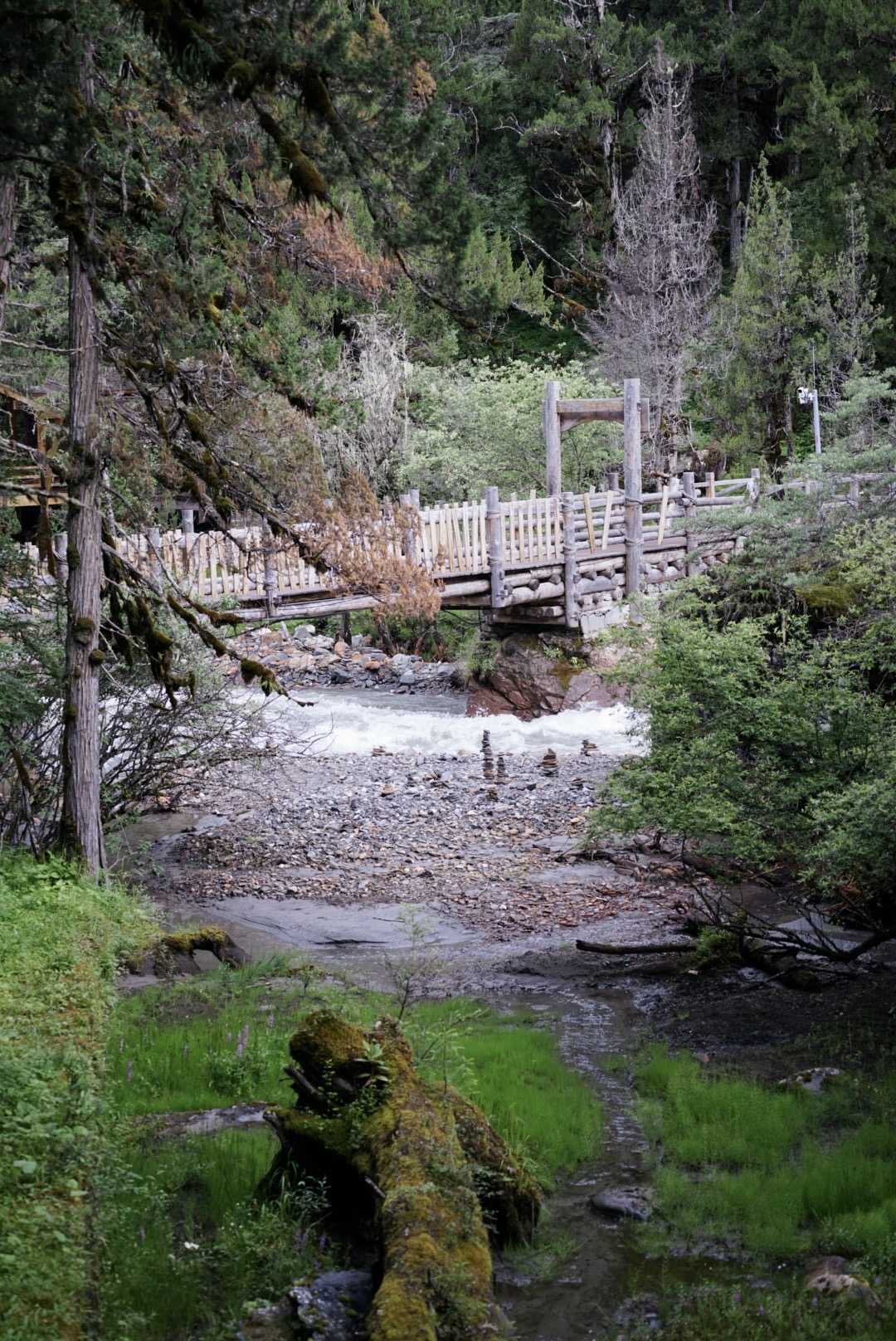
1. Do I need to be a technical climber to visit Siguniangshan?
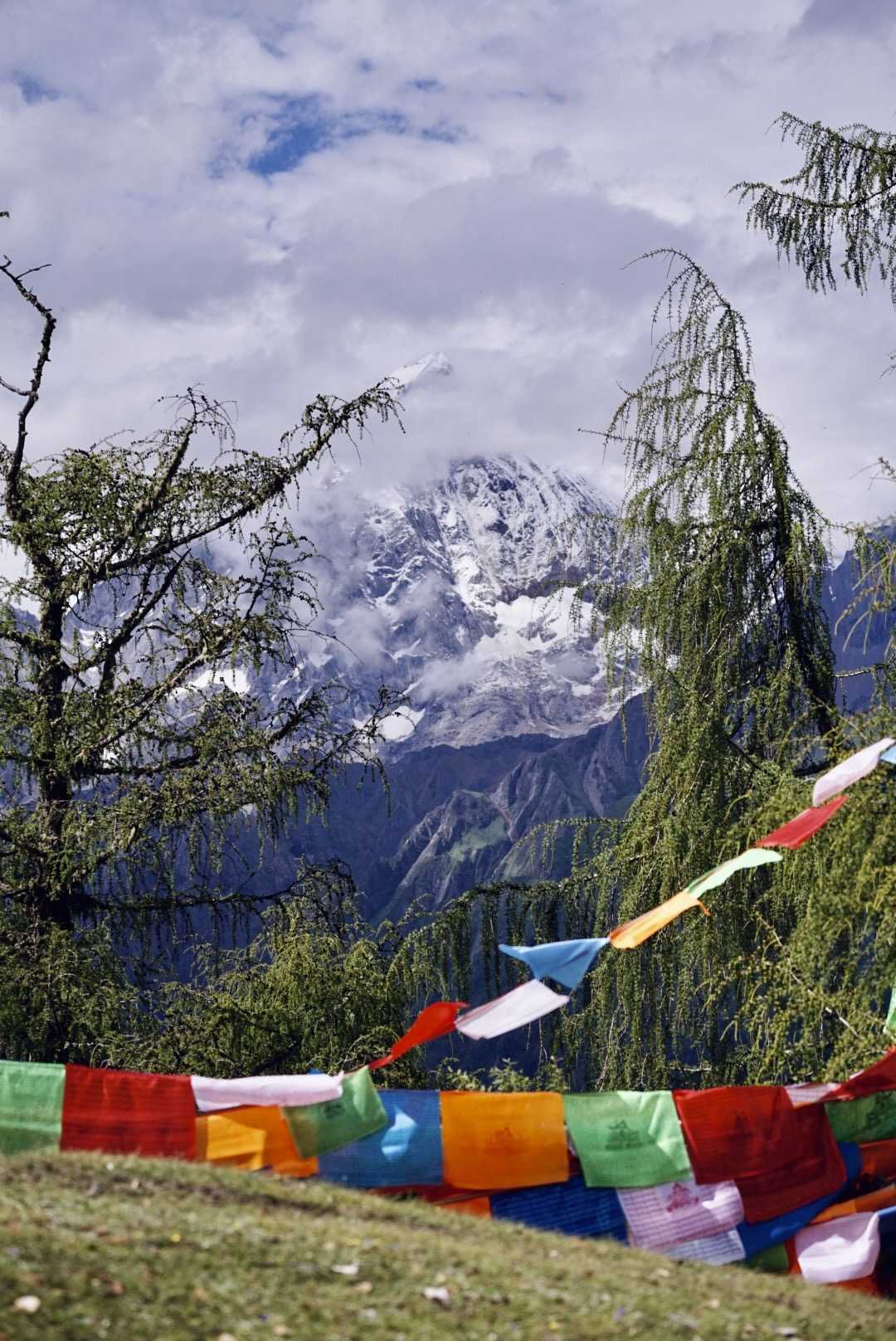 No. Most visitors explore the valleys (Changping, Haizi, Shuangqiao) via hiking or horse riding. Technical climbing is only required for the summit of the First or Second Sister peaks.
2. How do I get to Siguniangshan from Chengdu?
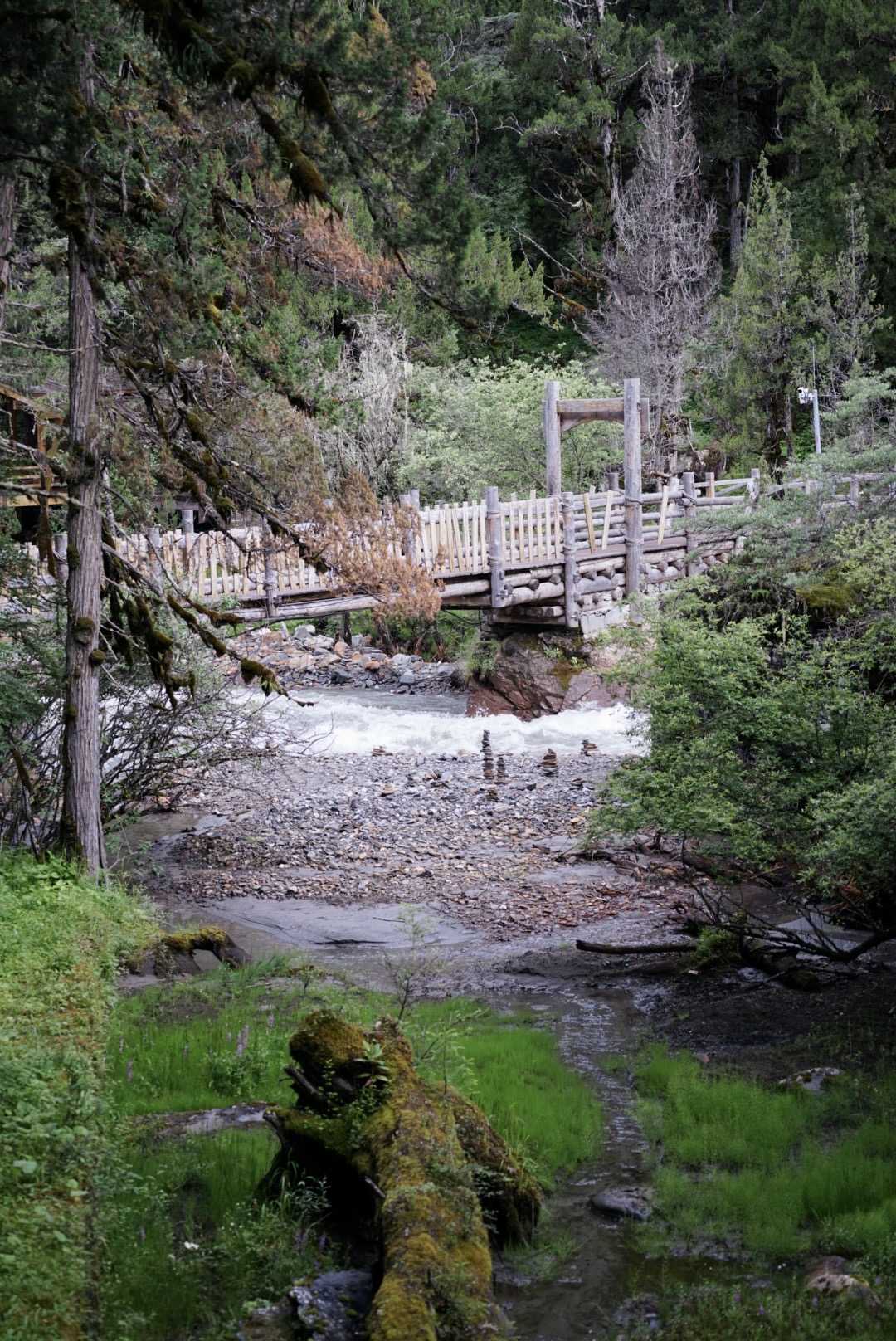 Take a bus from Chengdu’s Chadianzi Bus Station to Xiaojin County. The journey takes about 4-5 hours. Alternatively, drive via the Dujiangyan-Wenchuan Highway and then the Balang Mountain Pass.
3. What is the best time for Siguniangshan trekking?
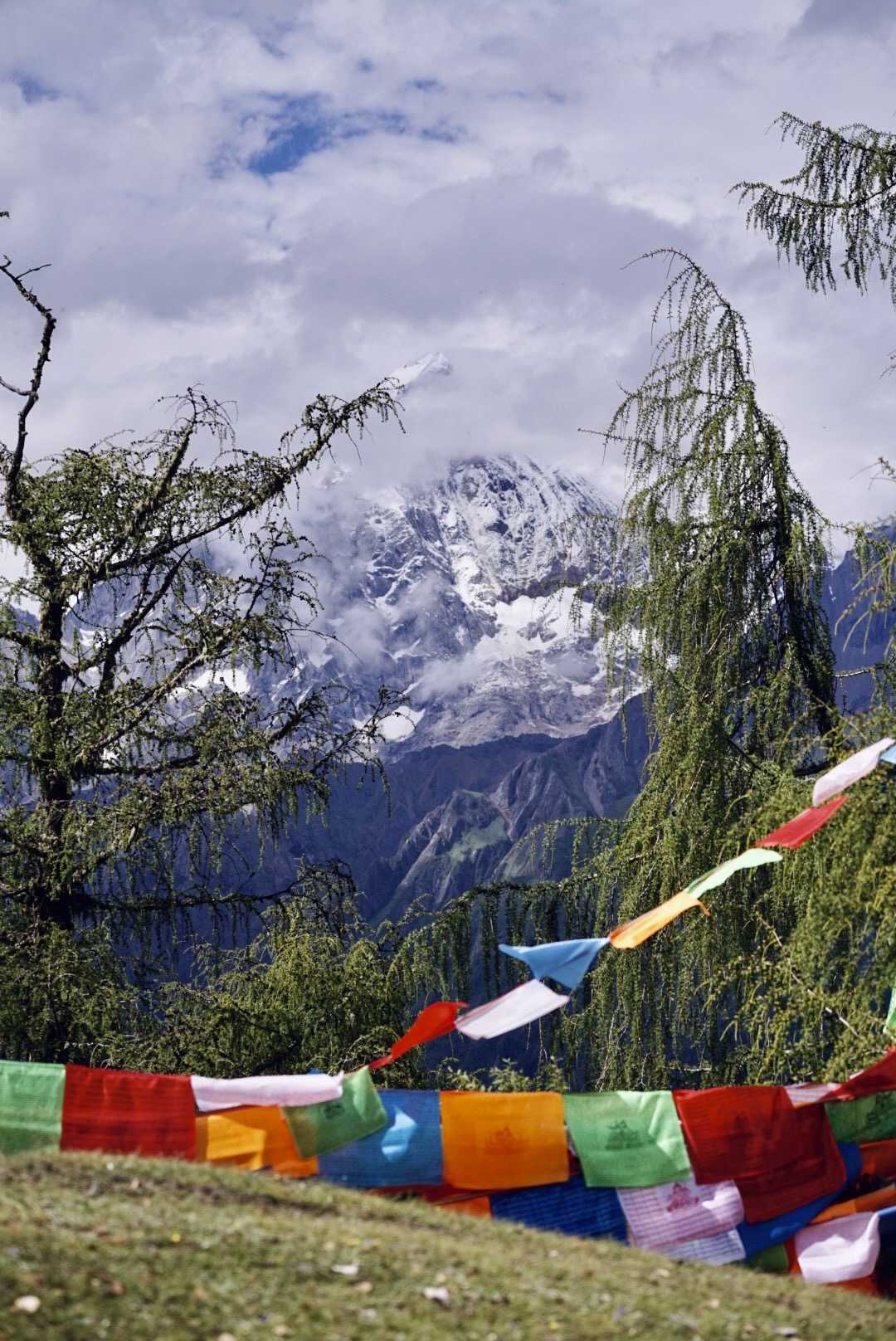 The best months are June to October. June offers wildflowers, while September and October provide clear skies and golden autumn colors. Winter is extremely cold and requires specialized gear.
4. How do I prevent altitude sickness?
 Acclimatize in Chengdu (500m) or Rilong Town (3,200m) for a day before starting. Drink plenty of water, avoid alcohol, and consider taking Diamox (consult a doctor). Ascend slowly—especially in Haizi Valley.
5. Can I camp inside the valleys?
 Yes. Camping is allowed in Haizi Valley and Changping Valley. You need a permit (available at the visitor center) and must bring your own tent and food. It is a great way to enjoy a free day of admission.
Internal Linking Suggestions
- [Link: Best Altitude Sickness Prevention Tips for High-Altitude Trekking]
- [Link: Sichuan Travel Guide – Top Destinations Beyond Chengdu]
- [Link: How to Plan a 10-Day Sichuan Itinerary]
- [Link: Tibetan Homestay Experience – What to Expect]
Ready to Conquer the Snowy Peaks?
The Siguniangshan trekking adventure is not for the faint of heart—but that is exactly why it is worth it. From the muddy trails of Changping Valley to the golden meadows of Haizi, every step brings you closer to the raw beauty of the Four Sisters.
Your next step? Start packing. Book your homestay. Download the maps. The mountains are waiting.
Have you trekked in Siguniangshan? Share your experience in the comments below!