Chongqing-Chengdu Five-Day Trip: An Unplanned Journey of Surprises (SEO-Optimized Guide)
Meta Description: Discover the magic of a spontaneous Chongqing-Chengdu trip! From Hongya Cave's neon glow to Jinli's artisan charm, this 5-day itinerary proves that unplanned travel creates the best memories.
Introduction: When Travel Plans Collapse, Adventure Begins
Have you ever meticulously planned a trip, only to have it fall apart before you even leave? My original eight-day Chongqing-Chengdu-Sertar itinerary was exactly that—a beautifully crafted plan that crumbled in hours. My travel companion had a last-minute emergency, Niubei Mountain was closed for the season, and every travel agency only offered Friday departures. Eight days of vacation shrunk to five.

But here's the truth: sometimes the best travel stories come from broken plans. This isn't a polished travelogue—it's a real, raw account of navigating Chongqing's maze-like streets, losing my camera battery at the worst possible moment, and discovering that getting lost in this mountain city is the best way to find yourself. If you're planning a Chongqing-Chengdu five-day trip, let my mistakes be your guide.
Day 1: Chongqing's Midnight Magic – A First Encounter with the Mountain City
From Xinzheng to Chongqing: A Spontaneous Flight
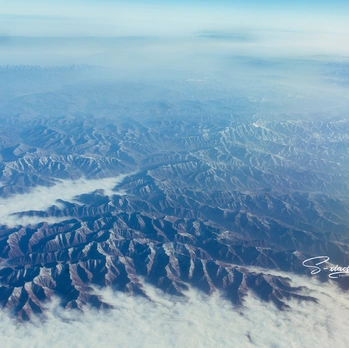
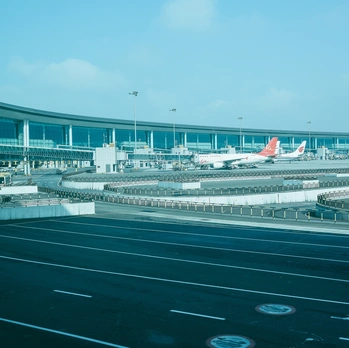
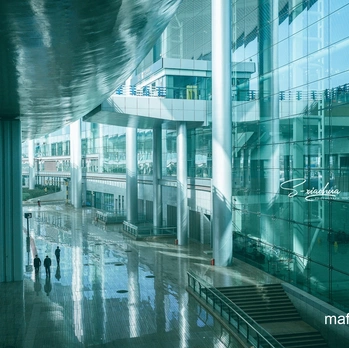
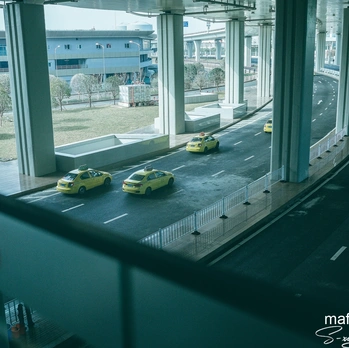
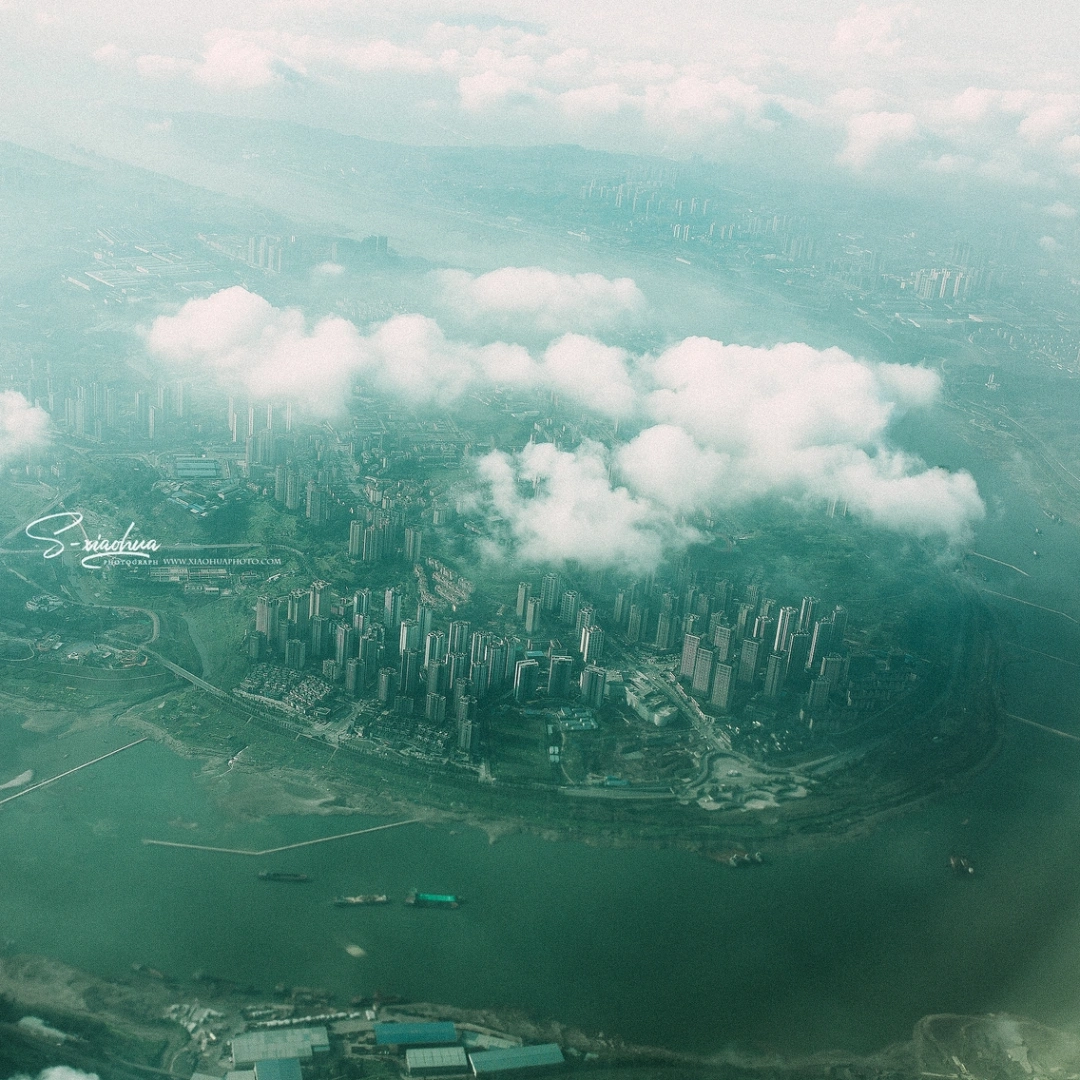
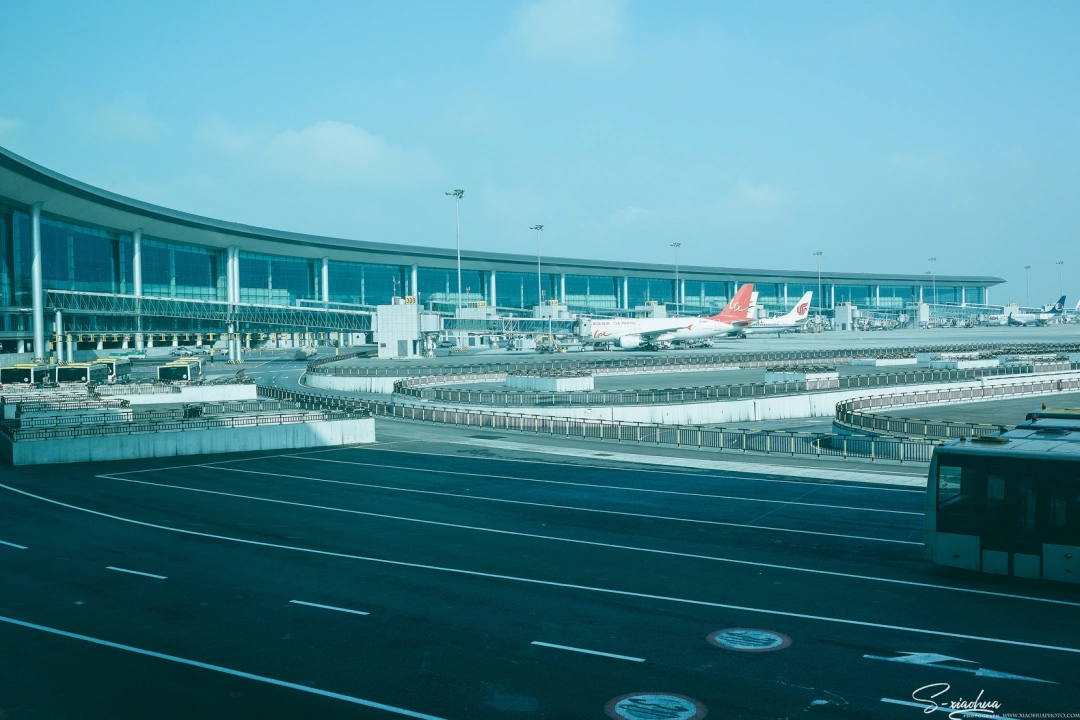
March 8, 2018. My plane touched down at Chongqing Jiangbei Airport just after 10 PM. The moment I stepped out, the humid air hit me—that unmistakable essence of a city built on hills and rivers. No fog, no rain, just perfect weather for a midnight adventure.

Chongqing's light rail was my first revelation. It doesn't crawl underground like a subway; it zips between skyscrapers like a roller coaster. Sitting inside, watching neon-lit nightscapes blur past, I felt like I was flying through a living, breathing city. That "soaring and diving" sensation? Pure magic.
Yikeshu Observation Deck: The Perfect Nightscape View
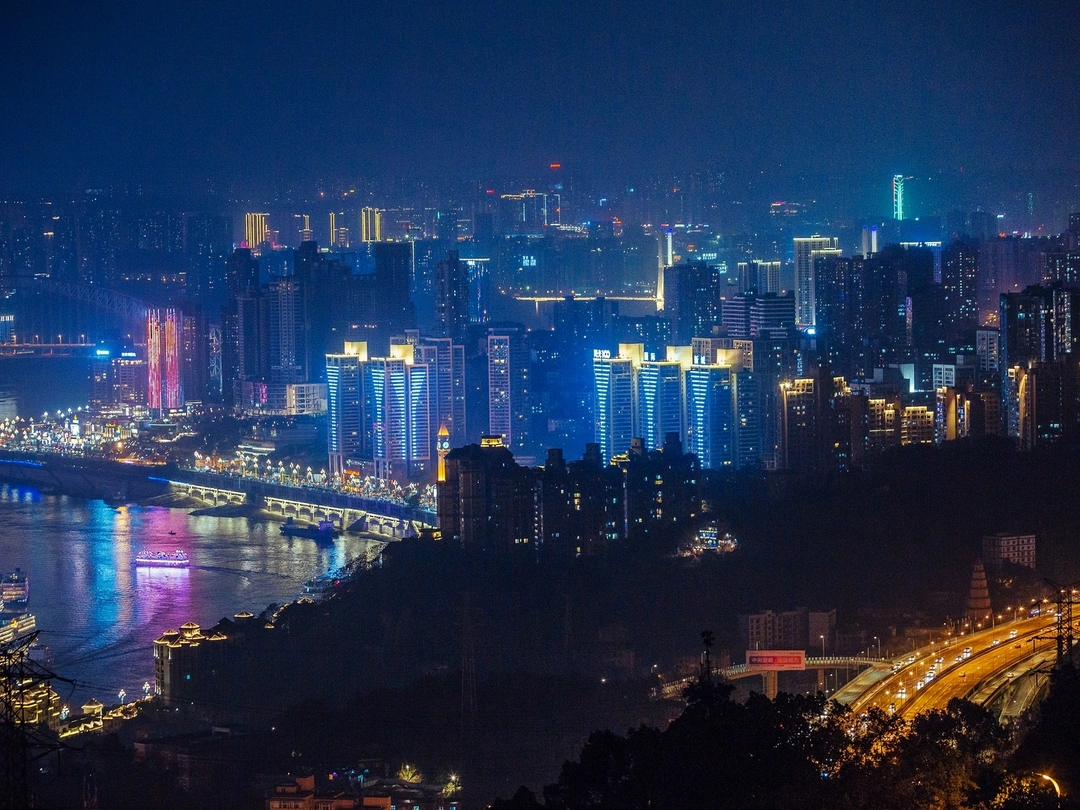
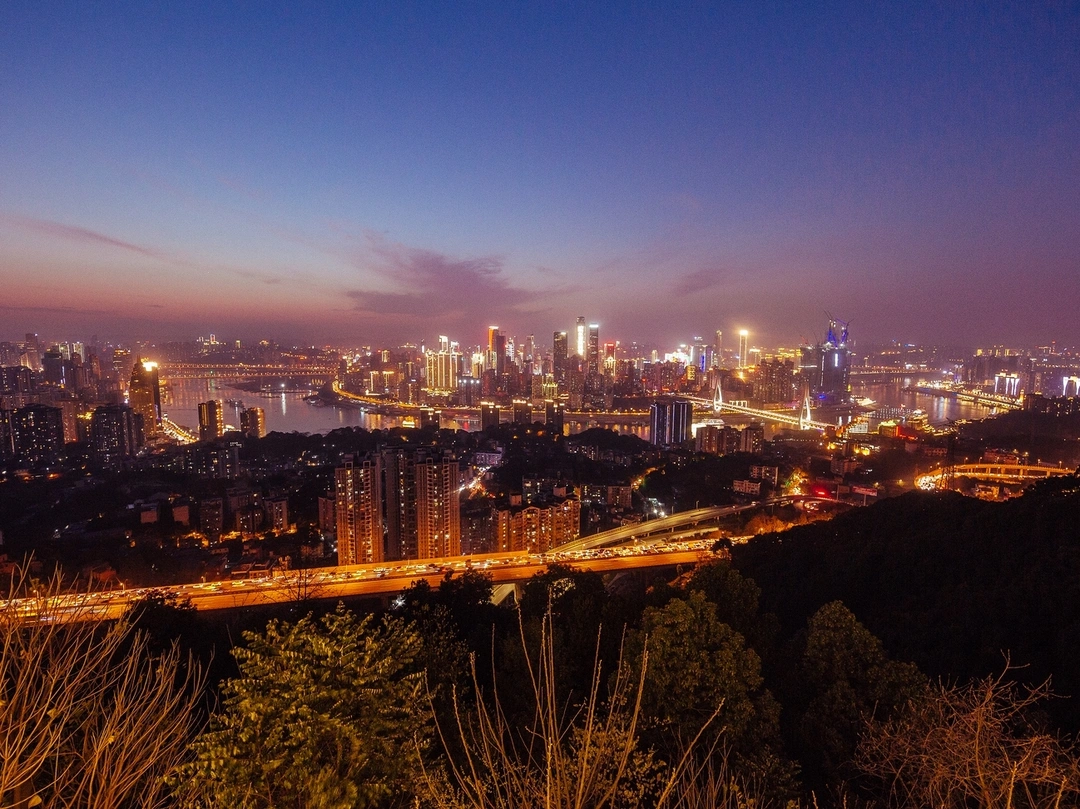
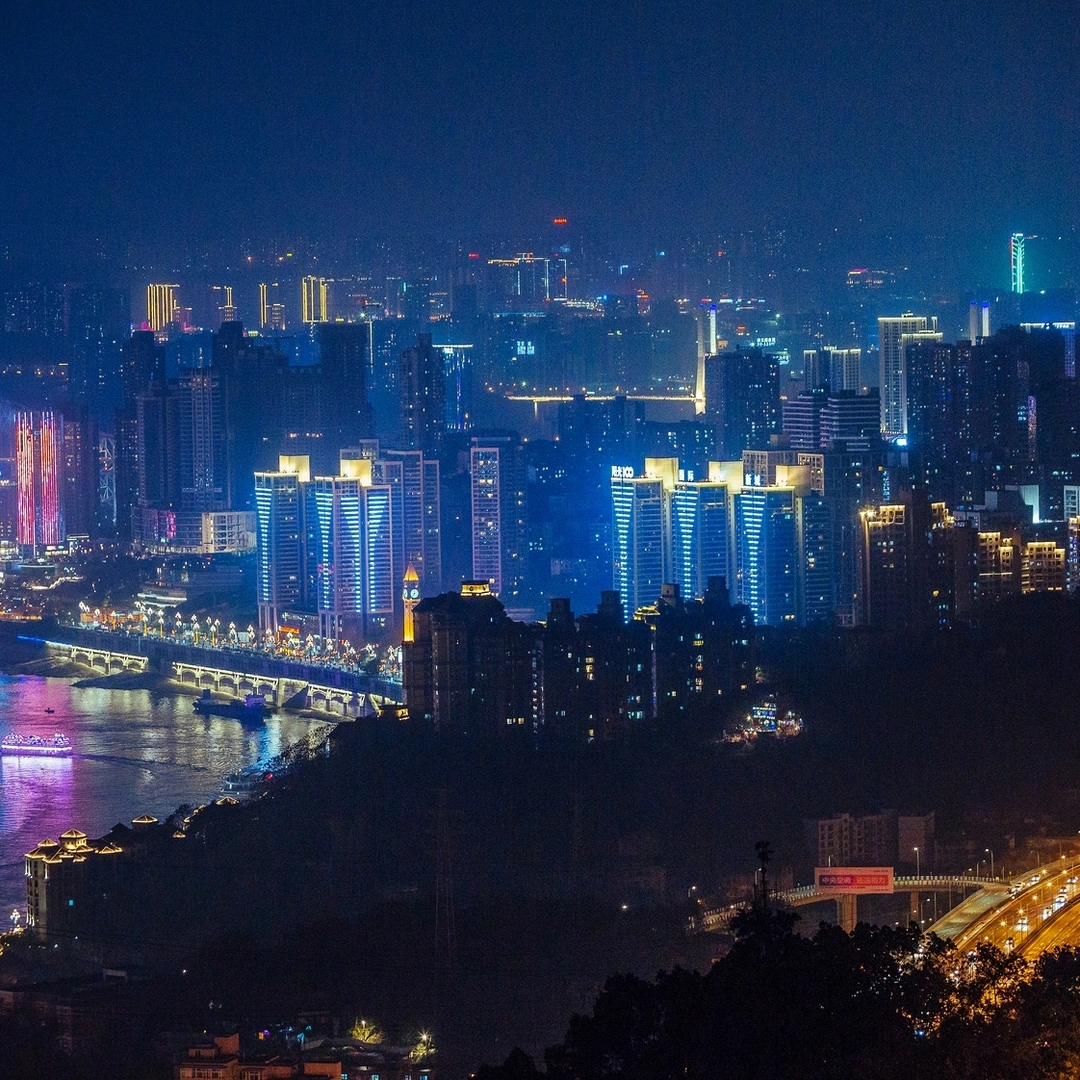
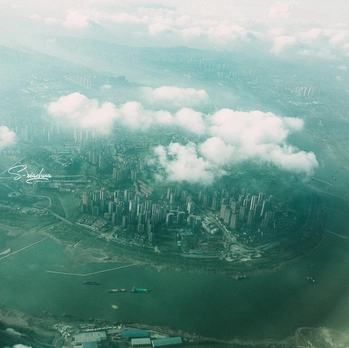
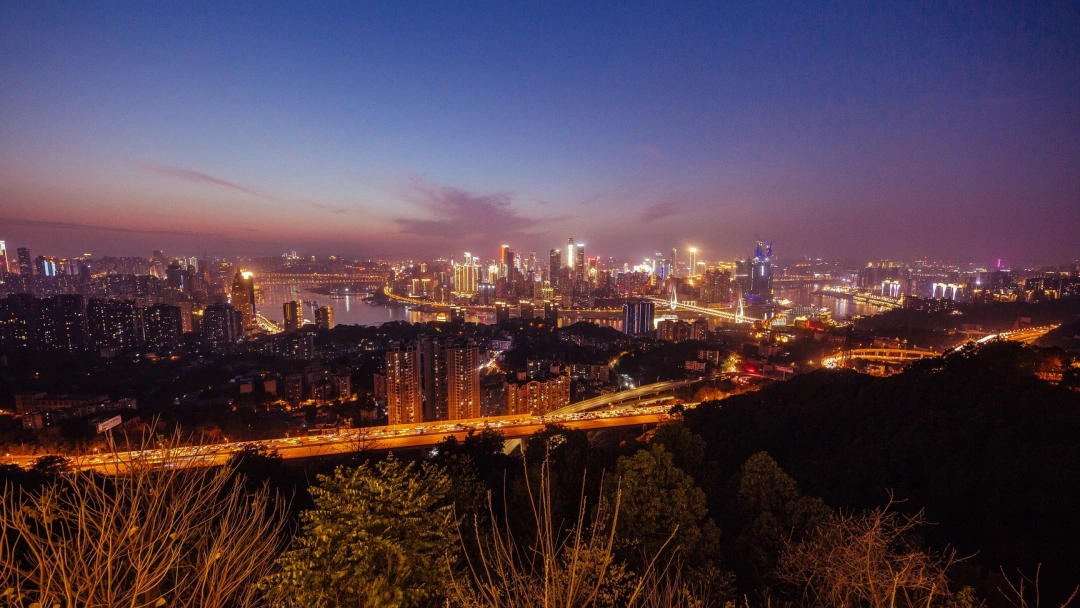
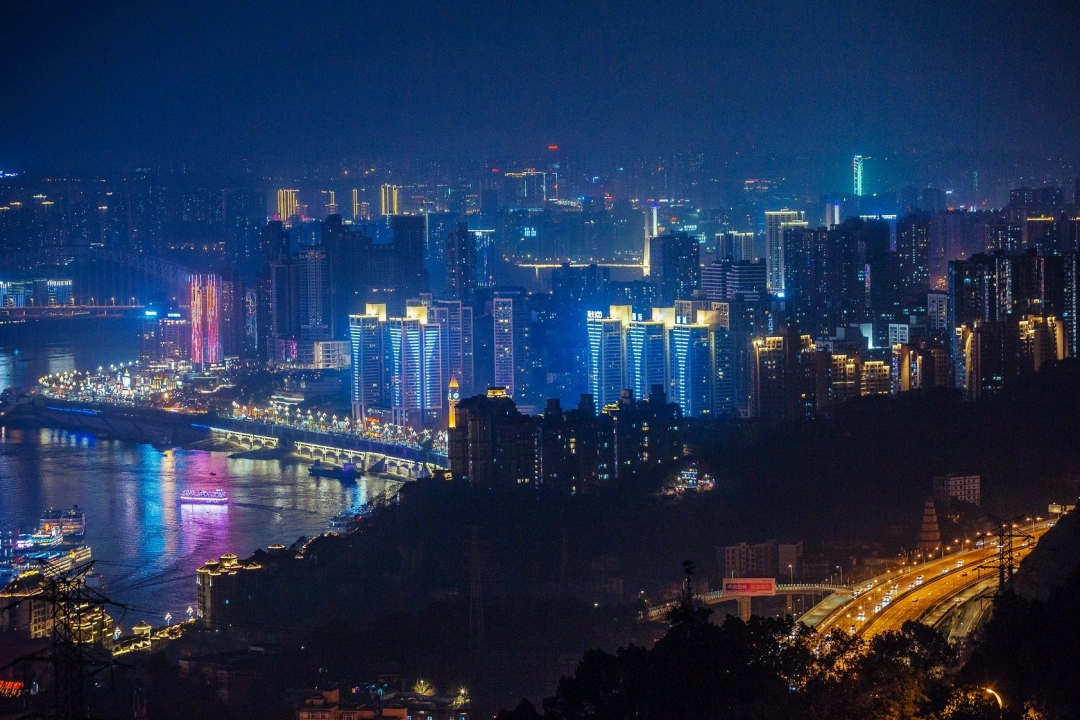
At 3 PM, I headed to Yikeshu (One Tree) Observation Deck—the classic spot for Chongqing night views. As I climbed the mountain path, the panorama unfolded. When darkness fell and thousands of lights flickered to life, the city transformed into a flowing painting. The Yangtze and Jialing Rivers converged below, their waters reflecting the glow of Qiansimen Bridge and Dongshuimen Bridge. In the distance, Jiefangbei and Hongya Cave sparkled like diamonds scattered across velvet.
I descended at 8 PM and took the Yangtze River Cableway back to Hongya Cave. The cable car glided slowly over the river—surging waters below, dazzling city ahead. In that moment, all my worries dissolved.
Hongya Cave: A Serendipitous Surprise
Back near my hotel, I discovered Hongya Cave was right next door. This cluster of stilted buildings, built into the mountainside, looked like the bathhouse from Spirited Away in the night. Standing on Qiansimen Bridge, watching Hongya Cave's lights reflect in the river, the dreamlike quality was almost disorienting.
Then my camera died. I'd lost my spare battery. This was probably the most "Chongqing" moment of the entire trip: getting lost, losing things, and finally, with the help of a kind local, climbing out of a绿化带 (green belt) to find my hotel. That's the thing about Chongqing travel—it's messy, beautiful, and unforgettable.
Day 2: Lost in Chongqing's Magical Map – Finding Hidden Gems
Stumbling into an Old Street: The Joy of Failed Navigation
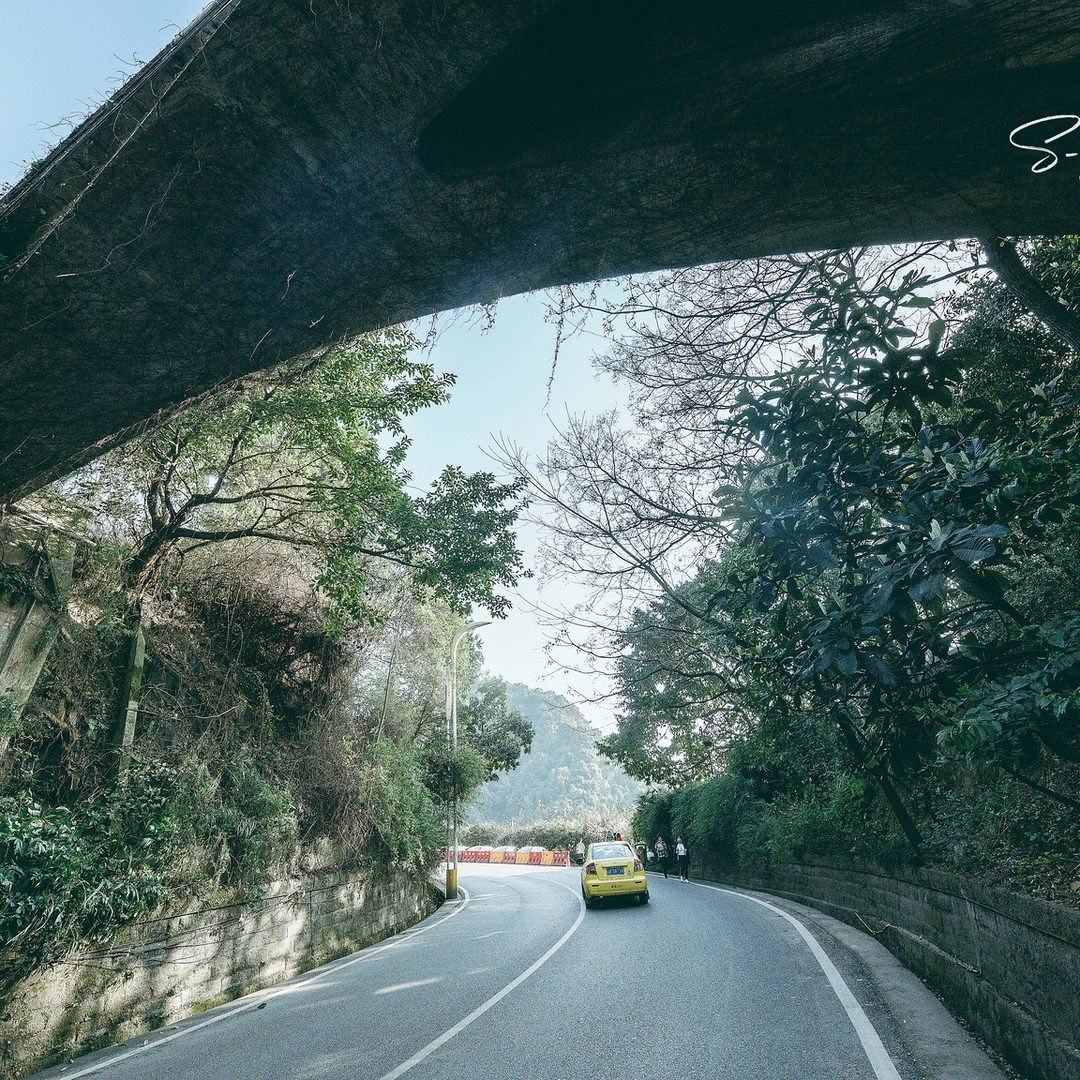
March 9. I followed my GPS to find the Third Stairway (Disanbudao) . The navigation said 500 meters. After half an hour of walking, I still hadn't found it. For someone with no sense of direction, Chongqing is a "maze city"—don't worry about north, south, east, or west; just follow your gut, because navigation here is basically useless.
A warm-hearted Chongqing grandpa personally led me to the entrance. In his thick dialect, he told me the history of the Third Stairway. That's when I realized: Chongqing's people aren't indifferent passersby—they're the living maps of this city.
The Third Stairway: A Living Fossil of Mountain City Memories
The Third Stairway is an old neighborhood built along the mountain slope, lined with aging houses of gray bricks and tiles. Walking on the stone-paved path, I smelled the aromas of hotpot and glutinous rice cakes. A small stall sold 糍粑 (sticky rice cakes) for 5 yuan—soft, sweet, and far better than the 10-yuan version at Ciqikou. Sister Zhao's spicy fish was 15 yuan per serving—tender fish slathered in a fiery sauce that left my lips numb but kept me reaching for more.
This is the kind of authentic Chongqing experience you won't find in guidebooks.
Ciqikou: A Symphony of Chili and Craftsmanship
Leaving the Third Stairway, I stumbled upon Tongyuanmen, an ancient city gate that has witnessed a century of Chongqing's history. Standing atop the wall, I finally found my sense of direction—turns out, this city does have cardinal points after all.
In the afternoon, I visited Ciqikou, Chongqing's "food paradise." Chilies everywhere—red, green, dried, fresh—and the air thick with spicy mala fragrance. Chen's sesame cakes, maoxuewang (blood curd and tripe in chili broth), sour-spicy noodles, sticky rice cakes... everything worth trying. I noticed long queues outside many small shops. Turns out I'd entered through the exit—that's just the "magical" nature of Chongqing.
Pro tip for your Chongqing itinerary: Always check the entrance and exit locations. You'll thank me later.
Day 3: A Wasted Day? Or a Lesson in Letting Go
March 10. I was supposed to head to Sertar or Niubei Mountain. Reality had other plans. I spent the entire day contacting travel agencies and fellow travelers on Mafengwo, hoping to form a group. The result? Either the timing didn't match, or there weren't enough people.
I spent most of that day in my Chongqing hotel room, staring at high-rises outside the window. Disappointment washed over me—but so did acceptance. Travel is like that: plans change, but those changes are part of the journey. Sometimes, the best Chengdu travel tips come from learning what not to do.
Lesson learned: Before you set out, map out your entire route. Don't waste time contacting agencies or searching for travel buddies after you've arrived. Book your Chongqing-Chengdu tour in advance if you have specific destinations in mind.
Day 4: Chengdu – The Beginning of Slow Living
Jinli: Craftsmanship and Everyday Vibrancy
March 11. I took the high-speed train to Chengdu. My first impression? This city is "slow"—even the air carries a lazy, unhurried feel.
Jinli is an old street in Chengdu, with bluestone-paved paths flanked by antique-style shops. The merchants here have a certain "artisan spirit." The auntie selling thousand-layer flatbread kneads her dough while humming Sichuan opera; the uncle making sugar paintings scoops up syrup, flicks his wrist, and a butterfly appears on the paper. They're not just selling goods—they're showcasing a way of life.
Jinli is also a perfect spot for costume photography and cosplay. On an old stage, performers in opera costumes put on a face-changing show; in the alleys, young women in traditional Hanfu hold round fans and strike elegant poses for the camera. This blend of classical and modern gives Jinli a unique charm.
Yulin West Road: The Little Bar and Nine-Eye Bridge
In the afternoon, I went to Yulin West Road, where a famous little bar had a queue stretching dozens of meters. The entrance was crowded with influencers and live-streamers, holding up their phones and shouting, "Family, we're checking in!" Standing in line, listening to the noise, I suddenly felt bored—this was no longer the "little bar" from Zhao Lei's song.
So I headed to Jiuyanqiao (Nine-Eye Bridge) . This is Chengdu's bar street, with a diverse mix of venues: folk music bars, jazz bars, rock bars. I chose a folk bar and ordered a 35-yuan beer. The singer strummed a guitar and performed an unknown folk song, his voice raspy and soulful. In that moment, I understood Chengdu's charm—it's not about the famous spots; it's about finding your own corner.
Day 5: Final Reflections – What This Unplanned Journey Taught Me
My Chongqing-Chengdu five-day trip ended not with a bang, but with a quiet acceptance. I didn't see Sertar or Niubei Mountain. I lost my camera battery, got hopelessly lost, and spent an entire day in a hotel room. But I also discovered Hongya Cave's dreamlike beauty, tasted the best sticky rice cakes of my life, and learned that the best travel stories come from broken plans.
Key takeaways for your own trip: - Book key attractions in advance – especially if you want to visit remote destinations like Sertar or Niubei Mountain. - Embrace getting lost – Chongqing's "maze" nature is part of its magic. - Pack spare batteries – and keep them in a secure place. - Talk to locals – they're your best guides.
Frequently Asked Questions About Chongqing-Chengdu Travel
Q1: Is 5 days enough for a Chongqing-Chengdu trip?
 A: Absolutely! While you won't see everything, a 5-day Chongqing-Chengdu itinerary is perfect for hitting the highlights: Hongya Cave, Ciqikou, Jinli, and Jiuyanqiao. If you want to include remote destinations like Sertar or Niubei Mountain, add at least 2-3 more days.
Q2: What's the best time to visit Chongqing and Chengdu?
 A: Spring (March-May) and autumn (September-November) offer the best weather. Avoid summer (June-August) when temperatures can soar above 35°C (95°F) with high humidity. Winter is mild but can be foggy.
Q3: How do I get from Chongqing to Chengdu?
 A: The high-speed train is the best option. The journey takes about 1.5 hours, with frequent departures from Chongqing North or West stations to Chengdu East. Book tickets in advance during peak seasons.
Q4: Is it easy to navigate Chongqing without a guide?
 A: It can be challenging! Chongqing's multi-level streets and confusing navigation make it a "maze city." Download offline maps, ask locals for directions, and embrace getting lost—it's part of the experience.
Q5: What should I eat in Chongqing and Chengdu?
A: In Chongqing, don't miss hotpot, maoxuewang, and sticky rice cakes. In Chengdu, try mapo tofu, dan dan noodles, and Sichuan-style dumplings. Both cities are food paradises!
Internal Linking Suggestions
- [Link: Best time to visit Chongqing]
- [Link: Chongqing vs Chengdu – which city to visit first]
- [Link: Top 10 Chongqing street food dishes]
- [Link: How to plan a Sichuan travel itinerary]
- [Link: Hongya Cave vs Jinli – which is better for night photography]
Call to Action: Plan Your Own Unplanned Adventure
Ready to create your own Chongqing-Chengdu trip? Start by booking your high-speed train tickets and packing your sense of adventure. Remember: the best journeys aren't the ones you plan perfectly—they're the ones that surprise you.
Share your own travel story in the comments below! Have you ever had a trip that went completely off-script? What did you learn? Let's inspire each other to embrace the unexpected.
Safe travels, and may your unplanned moments become your most cherished memories.
You may also like


