Chola Mountain: Encountering Life's Truest Form at 6,000 Meters – A Complete Climbing Guide
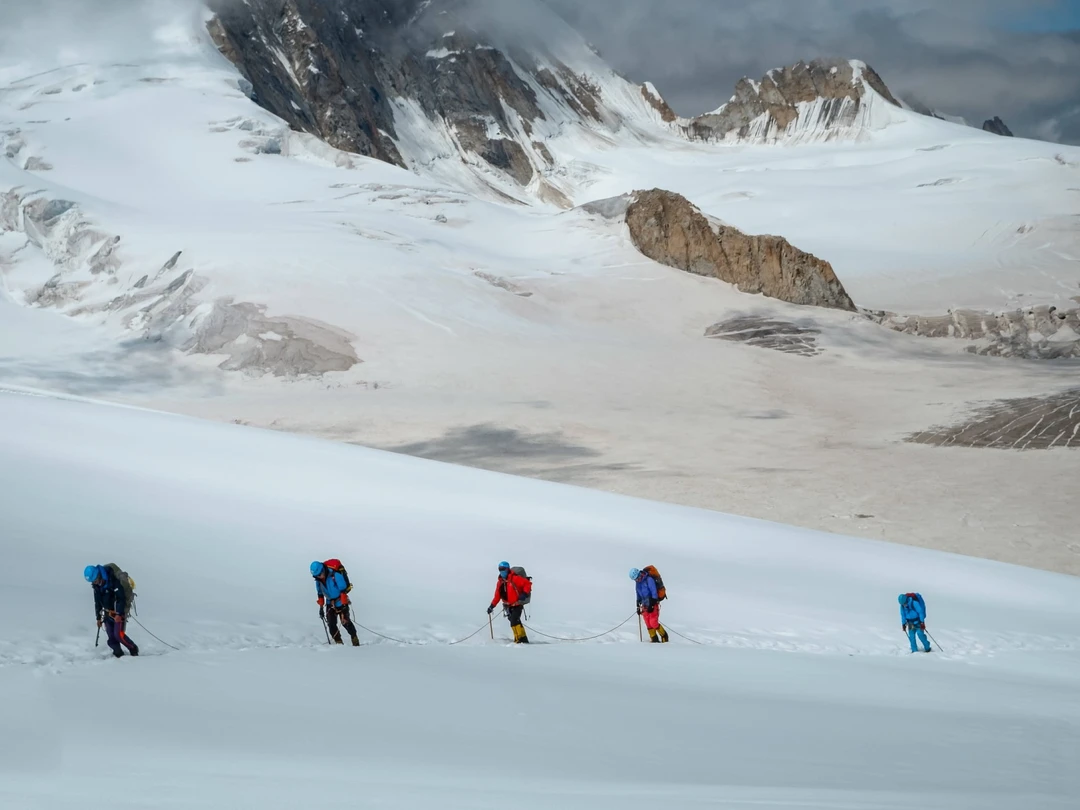
Meta Description: Discover the ultimate Chola Mountain climbing experience at 6,168 meters. From base camp acclimation to technical snow peak challenges, learn what it takes to conquer Que'er Shan and find freedom at altitude.
Introduction: Why Chola Mountain Demands More Than Just Physical Strength
For outdoor enthusiasts, the journey to Chola Mountain (also known as Que'er Shan) represents far more than a simple climbing expedition. Standing at 6,168 meters in the Garzê Tibetan Autonomous Prefecture of Sichuan, this technical snow peak challenges both body and spirit in ways that transform how we understand life itself.
When you've tasted extreme hunger at high altitude, you learn to cherish every meal. When you don't want to burden your teammates on a 6,000-meter climb, you train harder. And when you finally stand above the clouds, gazing down at the world below, you understand why freedom becomes addictive.
This Chola Mountain climbing guide shares one climber's transformative journey—from hesitation and self-doubt to the triumphant moment of standing at the summit. Whether you're planning your own Que'er Shan expedition or simply dreaming of high-altitude adventure, this story will prepare you for what lies ahead.
From Hesitation to Departure: Making the Decision to Climb Chola Mountain
The Phone Call That Changed Everything
"Want to go to Chola Mountain? We need one more person."
When my friend Datou sent that message, my heart raced with excitement—then immediately sank under a wave of self-doubt. Was my technique good enough? Was my fitness adequate? Could my budget handle the Que'er Shan climbing cost? Would my old knee injury become a problem?
That night, I couldn't sleep. I devoured every piece of Chola Mountain information I could find—climbing reports, documentaries, technical guides. The more I read about this 6,168-meter technical snow peak, the more I knew I couldn't miss this opportunity.
The next day, I consulted experienced outdoor veterans. Some advised caution; others encouraged me to go. Finally, I called my mother, voice trembling: "Mom, some friends invited me to climb a mountain. I really want to go, but I'm a bit short on money..."
Her response stunned me: "If you've really thought it through, I'll cover the cost."
In that moment, I realized she had seen how outdoor sports had transformed my life. My social media posts were no longer filled with complaints—they celebrated every sunrise, every mountain vista, every person I met along the way.
Pre-Departure Chaos: When Nothing Goes According to Plan

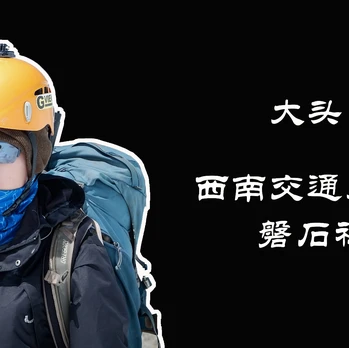
After agreeing to join the Chola Mountain expedition, I discovered I'd been tricked. Before I committed, Datou answered every question. After I agreed, he admitted he'd forgotten all the technical training and needed to rewatch tutorial videos.
The departure day was even more absurd. Chengdu was drowning in rain. Mudslides had blocked roads near Wenchuan. We squeezed into a Didi ride with massive packs, and the driver muttered, "This trip's a bit of a loss..."
At the station, disaster struck: I forgot my ID and couldn't pick up my ticket. My friend Yifan lost his phone permanently. Sitting on the bus, watching raindrops streak down the window, I felt like I was in a movie—but there was no turning back.
A Heart-Stopping Moment on the Mountain Road
Passing through Ya'an during market day, we watched Tibetan locals with bamboo baskets heading home from remote villages. Their simple lives stirred childhood memories.
Then came the terrifying moment. Traffic jams made our driver frantic. He honked endlessly at the car ahead until a passenger finally spoke up: "Do you think honking will make them go faster?"
The driver exploded. He slammed the brakes, jumped from his seat, eyes bloodshot, and hurled his wallet at the passenger, demanding he leave the bus. It took everyone pleading to calm him down. In the back seats, our hearts pounded.
At 2 PM, we stopped for a 30-yuan boxed lunch. The taste was mediocre, but at this altitude, having meat and vegetables felt like a blessing.
Once we entered Garzê Prefecture, the sun finally broke through. Clean streets, improving lives—the small town showed us a different Tibet. After fifteen hours of driving, we checked into the Xin Hai Lu Hotel (180 yuan per night for a standard room) and devoured a 100-yuan maocai feast.
Base Camp Life: Acclimation and Anticipation at Chola Mountain
Meeting the "Barefoot Immortal" and Other Base Camp Encounters
The next day's Chola Mountain base camp preparations involved buying supplies and hiking three hours to our campsite. We loaded up on bok choy, eggs, red bell peppers, tomatoes, cold dishes, cured sausage, ham, roast duck, flatbread, instant noodles, and pickled vegetables—our provisions for the coming days.
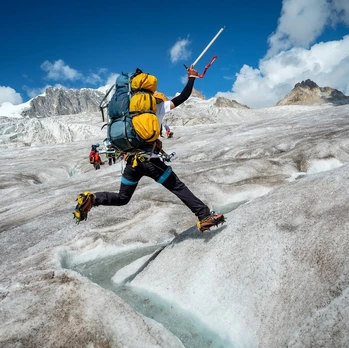
The park requires all climbers' gear to be carried by horse from the entrance to base camp (200 yuan per horse), then from base camp to C1 by local porters (300 yuan up, 300 yuan down). While this rule has sparked conflicts, it has boosted the local economy and made Tibetan villagers more welcoming to climbers.
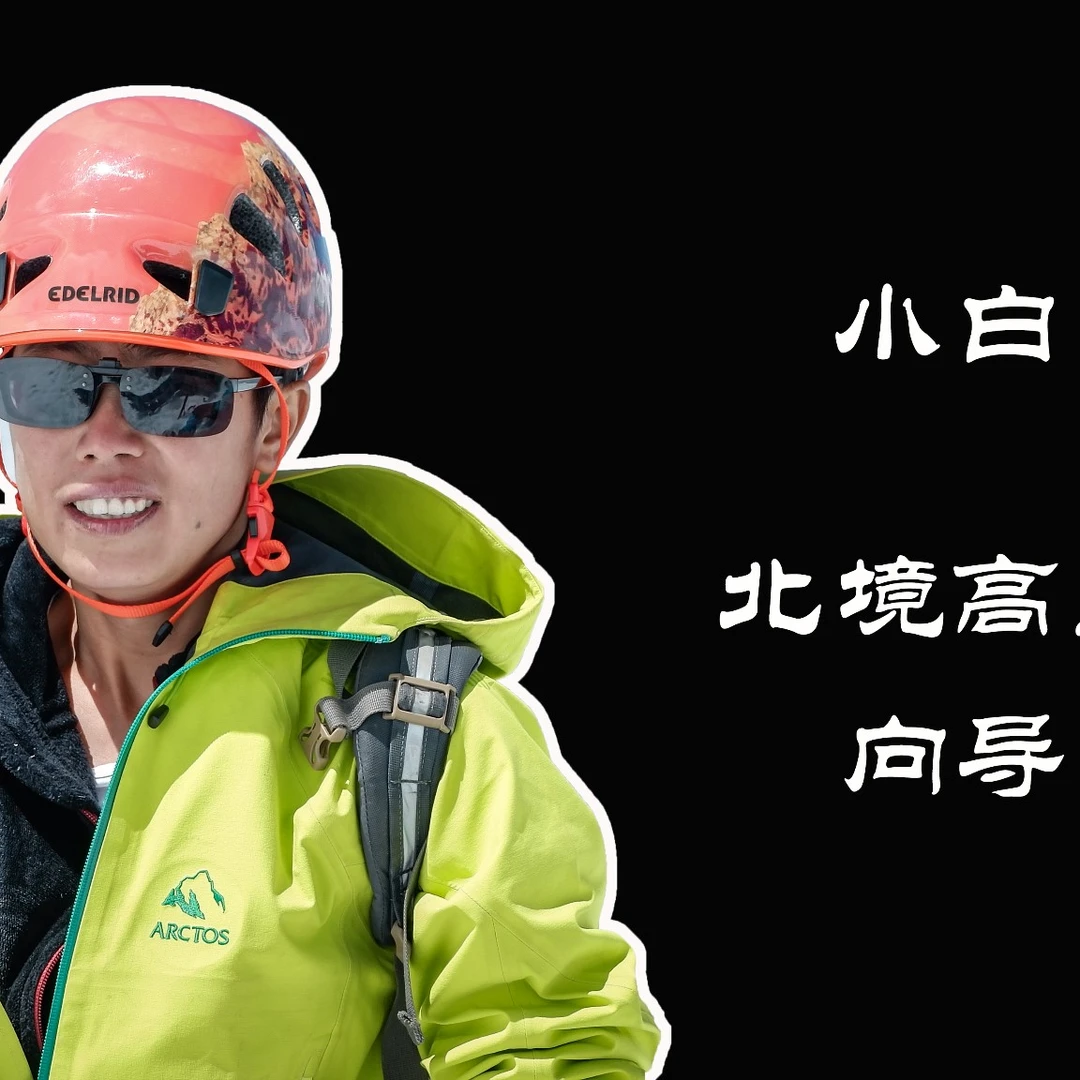
We loaded our big packs onto horses and started hiking in light gear. Our guide, Yezi, walked ahead, pausing to wait for us—a small gesture that showed his responsibility.
Suddenly, someone shouted, "The Barefoot Immortal is coming!" An old man in a Tibetan red robe, hair disheveled, walked slowly toward us, supported by a young Tibetan woman. His face was kind, and he spoke words of blessing. Legend says he walks barefoot year-round, even crossing frozen lakes in winter. His feet were slightly larger and thicker than average—it seemed unbelievable.
We skirted a large lake and entered a meadow. As the afternoon sun melted the glacier, the river overflowed its banks. We wobbled across a single-log bridge, trembling with each step. Thrilling. And oddly fun.
Soaking Feet Under the Milky Way
We stopped at the camp of Xu Laoyao Outdoor Company. Guides started showing off with backflips. Longxing, the only woman on our team, flipped cleanly in one go and even scored some cola and watermelon.
After pitching our tents, guides from Kailas invited us for dinner. Nothing beats scoring a hot rice meal in the mountains. We helped wash and chop vegetables, then happily ate our first proper meal since entering the mountains.
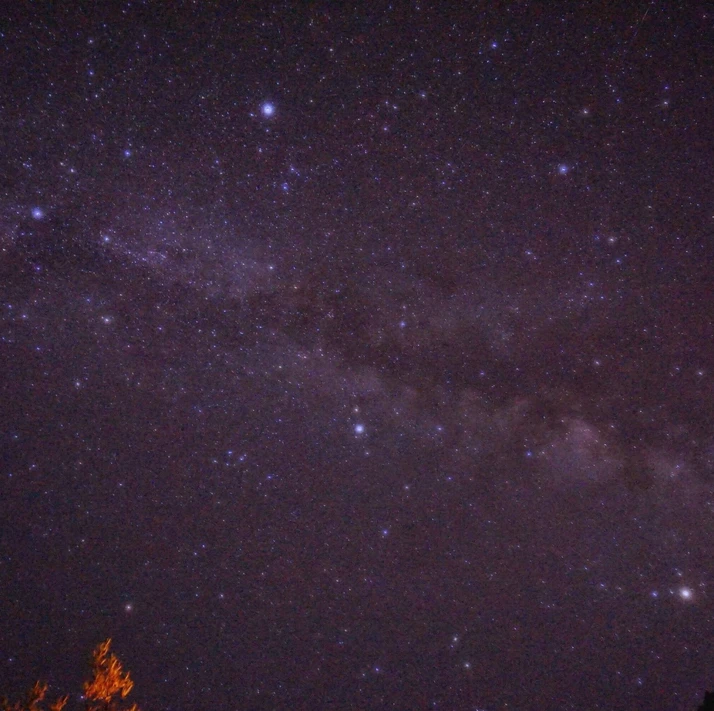
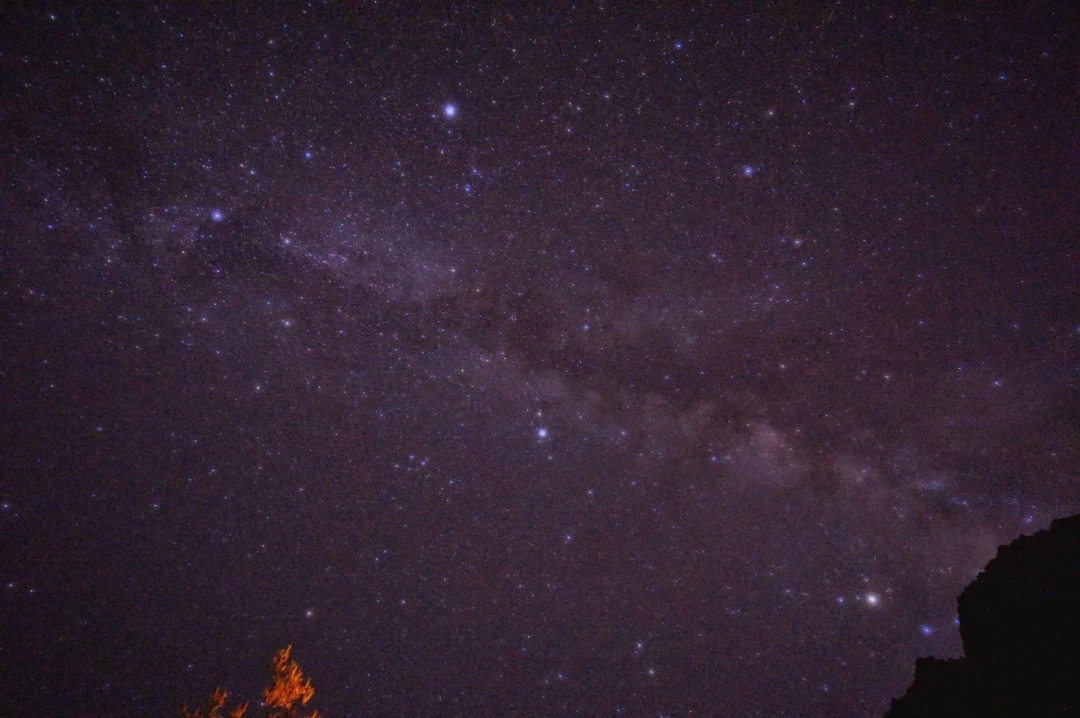
That night, when I went to the toilet, I heard there were bears nearby. I nervously glanced around, terrified one might appear. But when I looked up, I froze—a massive arch of the Milky Way stretched across the sky, all the way to the opposite ridge. It was the first time I'd seen it so clearly, so perfectly arched. I sprinted back to grab my camera, fumbled for ages, but got terrible results. The tears of a rookie photographer.
Technical Climbing at 6,000 Meters: What It Really Takes
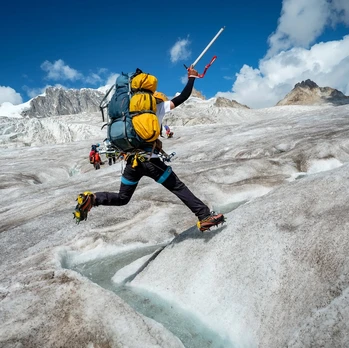
Physical Preparation for Que'er Shan
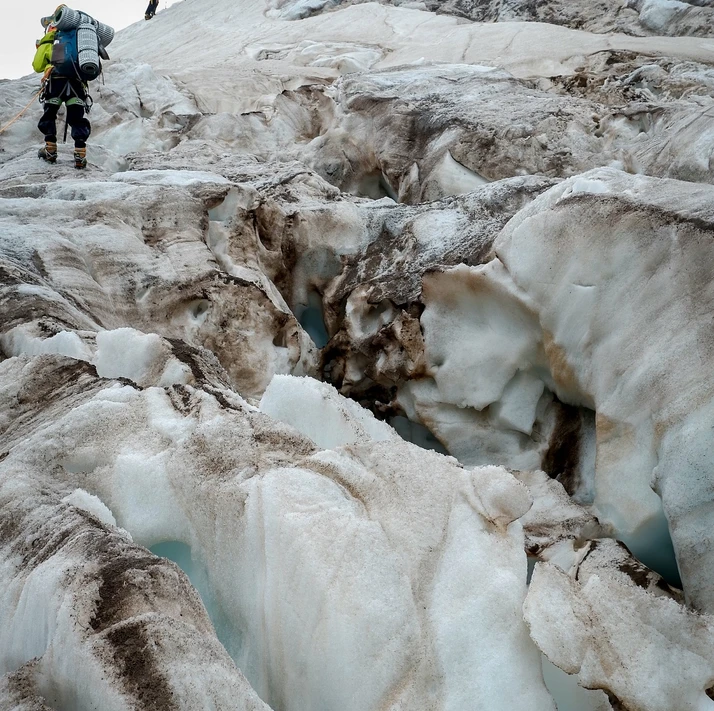
Climbing Chola Mountain requires more than just determination. This technical snow peak demands:
- Cardiovascular endurance for sustained high-altitude effort
- Strength training for carrying gear and technical climbing
- Technical rope skills for glacier travel and crevasse rescue
- Acclimatization strategy to prevent altitude sickness
[Link: High-altitude training programs for 6000m peaks]
The Mental Game at 6,168 Meters
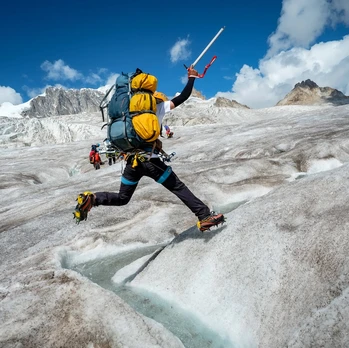
What I learned on Chola Mountain is that the mind gives up long before the body. At 6,000 meters, every step becomes a negotiation with yourself. The air is thin. The cold bites. The summit seems impossibly far.
But this is exactly where transformation happens. When you push through the doubt, when you take one more step despite every instinct screaming to stop, you discover something essential about who you are.
Chola Mountain Climbing FAQ
Q: What is the best time to climb Chola Mountain?
 A: The optimal climbing season for Que'er Shan is typically August through October, when weather conditions are most stable and the risk of avalanches is lower.
Q: How difficult is the Chola Mountain technical climb?
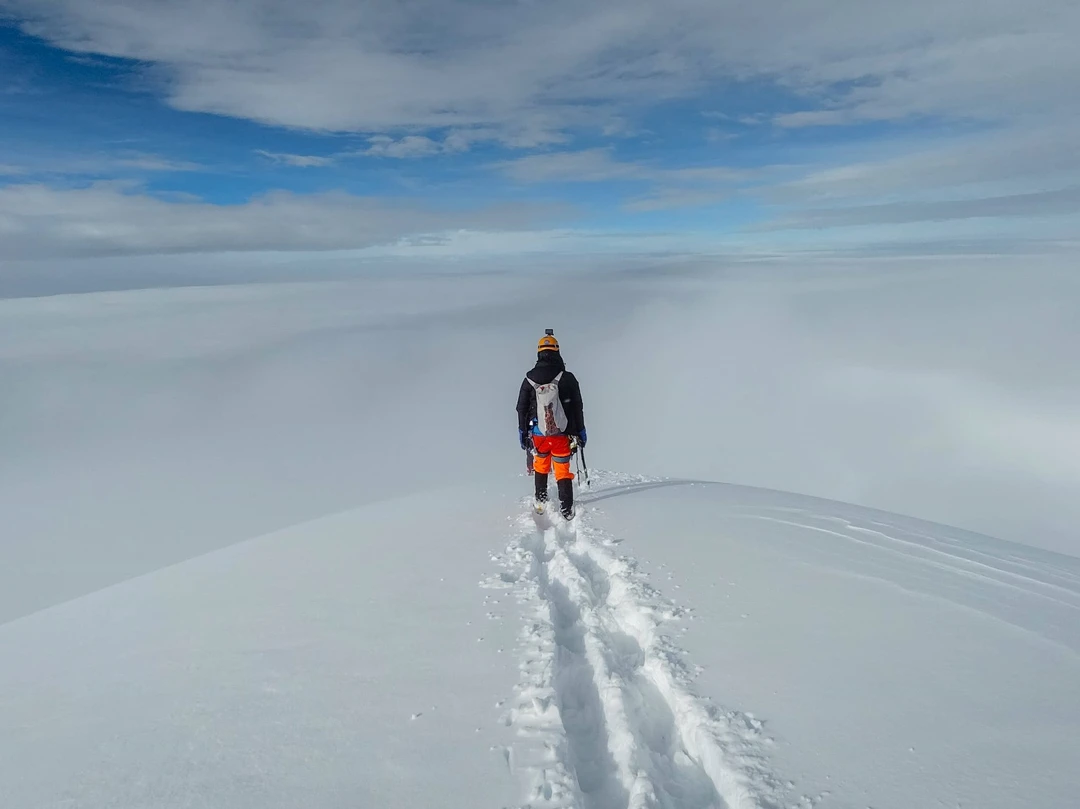 A: Chola Mountain is classified as a technical snow peak requiring prior experience with crampons, ice axes, and rope techniques. Previous experience on 5,000-meter peaks is strongly recommended.
Q: What is the approximate Chola Mountain climbing cost?
 A: Expect to spend 3,000-6,000 yuan for a guided expedition, plus gear rental, transportation from Chengdu, and permits. Independent climbs may cost less but require more experience.
Q: Do I need a guide for Chola Mountain?
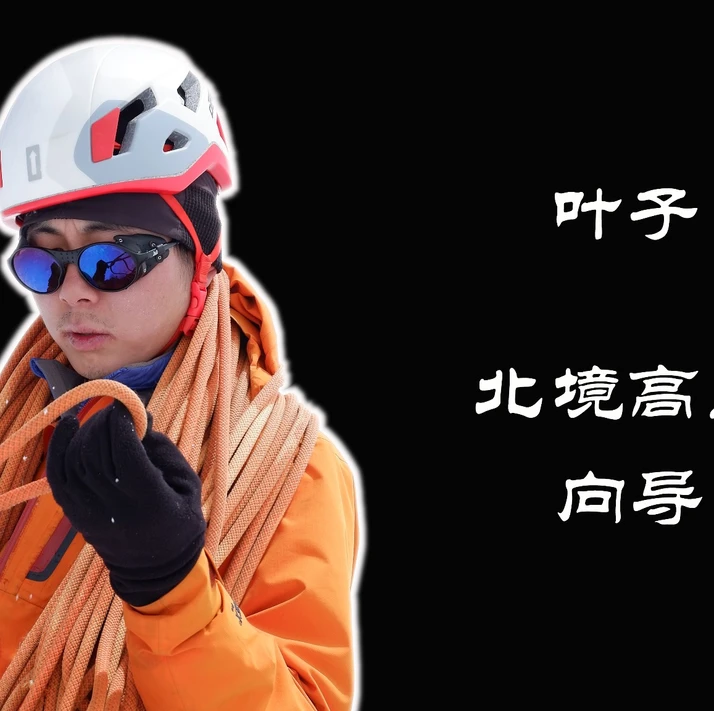 A: Yes. Local regulations require climbers to use registered guides or outfitters. This ensures safety and supports the local economy.
Q: What gear is essential for a 6,000-meter climb?
A: Essential gear includes: mountaineering boots, crampons, ice axe, harness, helmet, down suit, sleeping bag rated to -20°C, and a high-altitude tent. [Link: Complete 6000m peak gear checklist]
Conclusion: Your Chola Mountain Adventure Awaits
Standing at 6,168 meters, looking down at the sea of clouds, I understood something profound: freedom is addictive. But it's also earned—through preparation, through sacrifice, through the willingness to face your fears and take that first step.
The Chola Mountain climbing experience changed me. It taught me that the truest form of life isn't found in comfort or security, but in the moments when you push beyond what you thought possible.
Ready to begin your own high-altitude journey?
Start planning your Chola Mountain expedition today. Research guides, train your body, prepare your gear, and take that first step toward the summit. The mountains are calling—and at 6,000 meters, you'll find not just a peak, but a version of yourself you never knew existed.
[Link: Best mountaineering courses for beginners] [Link: High-altitude acclimatization guide] [Link: Tibetan travel permits and regulations]
Have you climbed Chola Mountain or another 6,000-meter peak? Share your experience in the comments below—your story could inspire the next climber to take that first step.
You may also like


