Chengdu Travel Guide 2025: A Different Kind of May Day – Finding the Hidden Poetry of Shu Beyond the Crowds
Meta Description: Escape the May Day crowds in Chengdu! Discover hidden gems like Puzhao Temple, Wangjiang Tower, and Yulin Road. This off-the-beaten-path itinerary reveals the real Chengdu—where ancient temples, bamboo groves, and local hotpot tell the true story of Shu. Plan your slow travel adventure now.
Introduction: Why Choose a Different Chengdu This May Day?
When the May Day mini-break sweeps across China, most travelers flood to popular attractions—squeezing through crowds at Kuanzhai Alley, snapping quick photos at Jinli, and checking in at the Giant Panda Base. But what if there's a better way to experience Chengdu?
I chose a completely different route this year: avoiding the throngs and venturing deep into the heart of Chengdu to explore those quiet corners buried beneath the noise. This wasn't a whirlwind sightseeing trip. It was a slow journey of conversation with the city, with history, and with myself.
From a thousand-year-old temple at the foot of Mount Qingcheng to the smoky alleyways of Yulin Road, from the awe of Sanxingdui to the leisurely pace of ancient towns, this trip taught me something essential: the real Chengdu isn't found in the sea of people at Kuanzhai Alley. It lives in the everyday scenes that locals take for granted—yet never fail to astonish an outsider.
If you're planning a Chengdu May Day itinerary or simply want to experience Chengdu like a local, this guide will show you the hidden poetry of Shu.
H2: The Outer Reaches of Qingcheng – A "Spiritual Sanctuary" Guarded by Mysticism and Ancient Trees
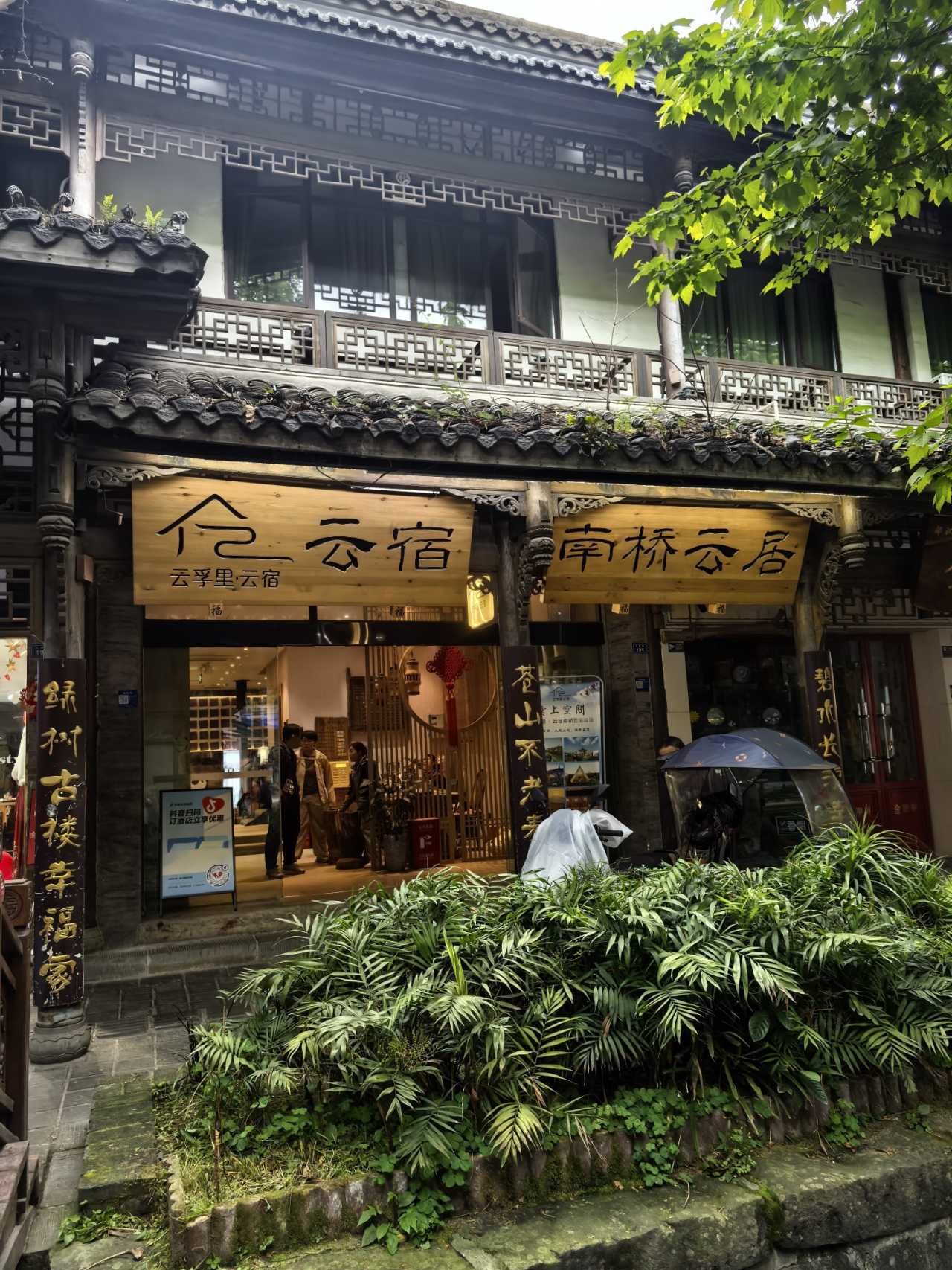
Before setting out, we made a decision that seemed almost "wasteful"—we gave up tickets for the front mountain of Qingcheng and headed straight for Puzhao Temple in the outer reaches instead.
As it turned out, this choice brought us an unexpected gift.
H3: Why Puzhao Temple is the Best Alternative to Crowded Qingcheng
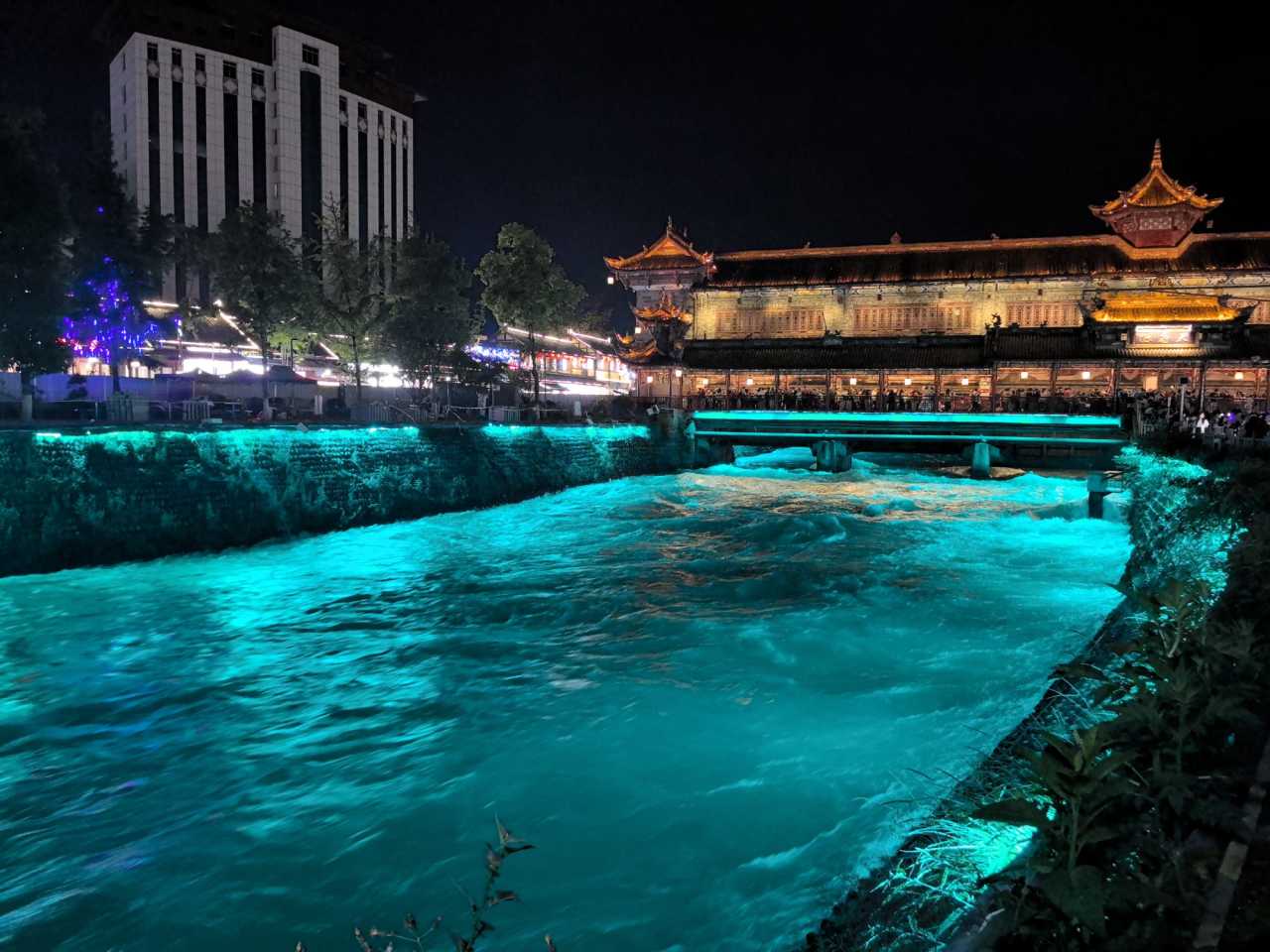
Puzhao Temple is one of the four great ancient temples in western Sichuan, hidden deep in the outer Qingcheng mountains. Surrounded by tens of thousands of bamboo stalks and towering old trees, it offers a completely different experience from the clamor of the front mountain. Here, there was only the sound of cicadas, birdsong, and the rustle of wind through leaves—as if we had stepped into another world entirely.
Walking through the temple gate, the first thing that caught our eye was a 1,200-year-old Zhennan tree standing beside the Mahavira Hall. Its trunk was so thick it would take several people to encircle it, its branches dense and lush, like a silent guardian. This tree had once been named one of "Chengdu's Top Ten Millennium Trees." Standing before it, you instinctively soften your footsteps, afraid to disturb this thousand-year-old peace.
The incense burned strong within the temple, but there were few tourists—mostly locals. Some sat idly at tea tables, others prayed devoutly before the Buddha statues, their faces carrying a calm, unhurried composure.
H3: What Makes Puzhao Temple Special – Mystical Legends and Ming-Qing Charm
What makes Puzhao Temple unique is its seamless blend of mystical legends, Ming and Qing dynasty charm, and mountain tranquility. It is said that this was once a secret "blessed land" visited by many celebrities and wealthy businessmen, giving it an air of mystery. But for me, its true appeal lay in that isolated stillness.
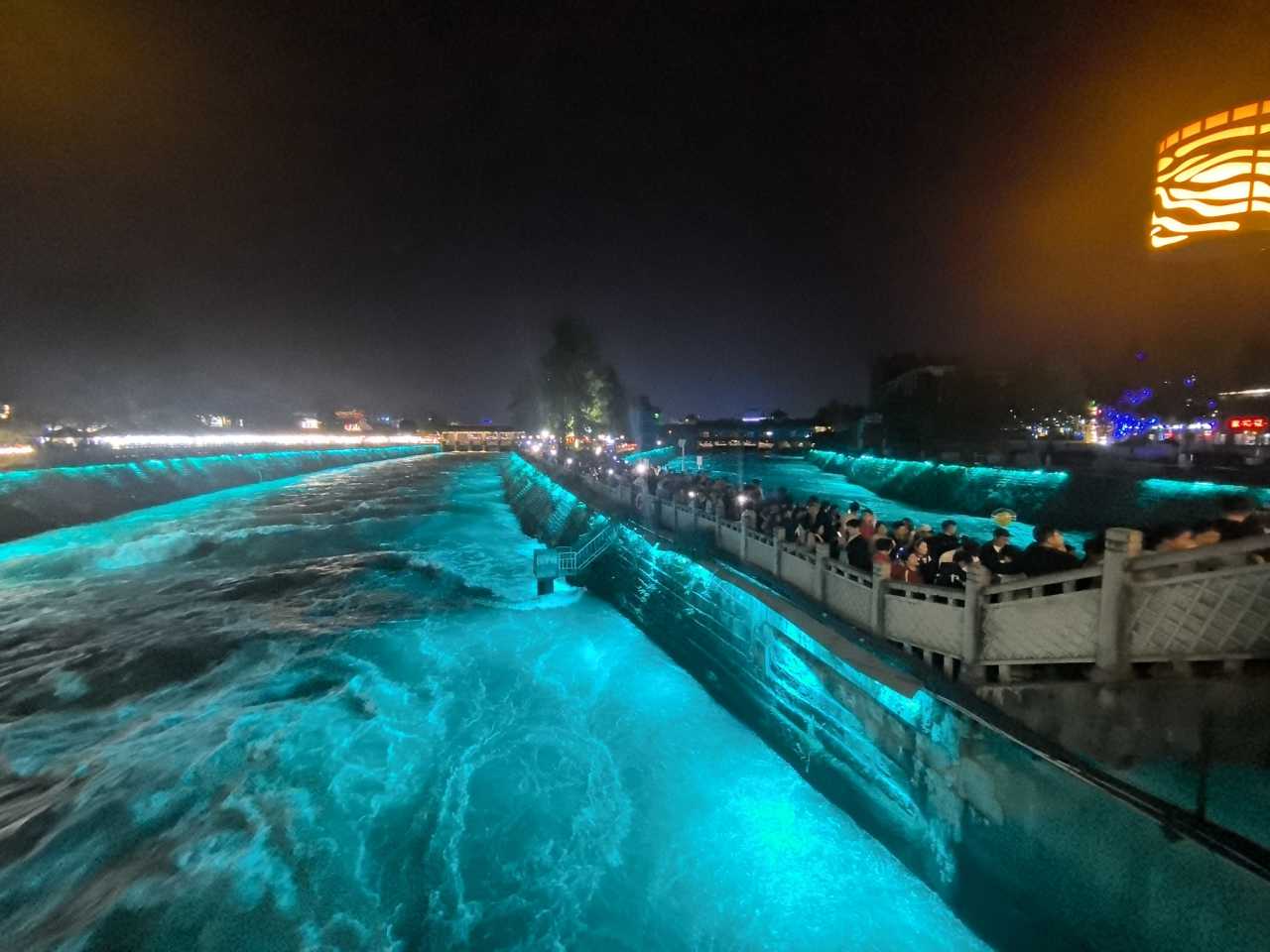
Walking up the mountain path, we passed scattered tea stalls and coffee shops where locals sat in small groups, drinking tea, chatting, and dozing. We found a spot, ordered two cups of green tea, and let the wind and birdsong wash over us—time itself seemed to slow down.
Practical Tips: - Location: About an hour's drive from downtown Chengdu - Transportation: Self-driving is recommended - Admission: Free (incense donations are voluntary) - Best Time to Visit: Early morning or late afternoon to avoid crowds - Pro Tip: Bring a light jacket—the mountain air can be cool even in May
[Link: Best day trips from Chengdu for nature lovers]
H2: Kuanzhai Alley and Global Center – Switching Between Bustle and Modernity
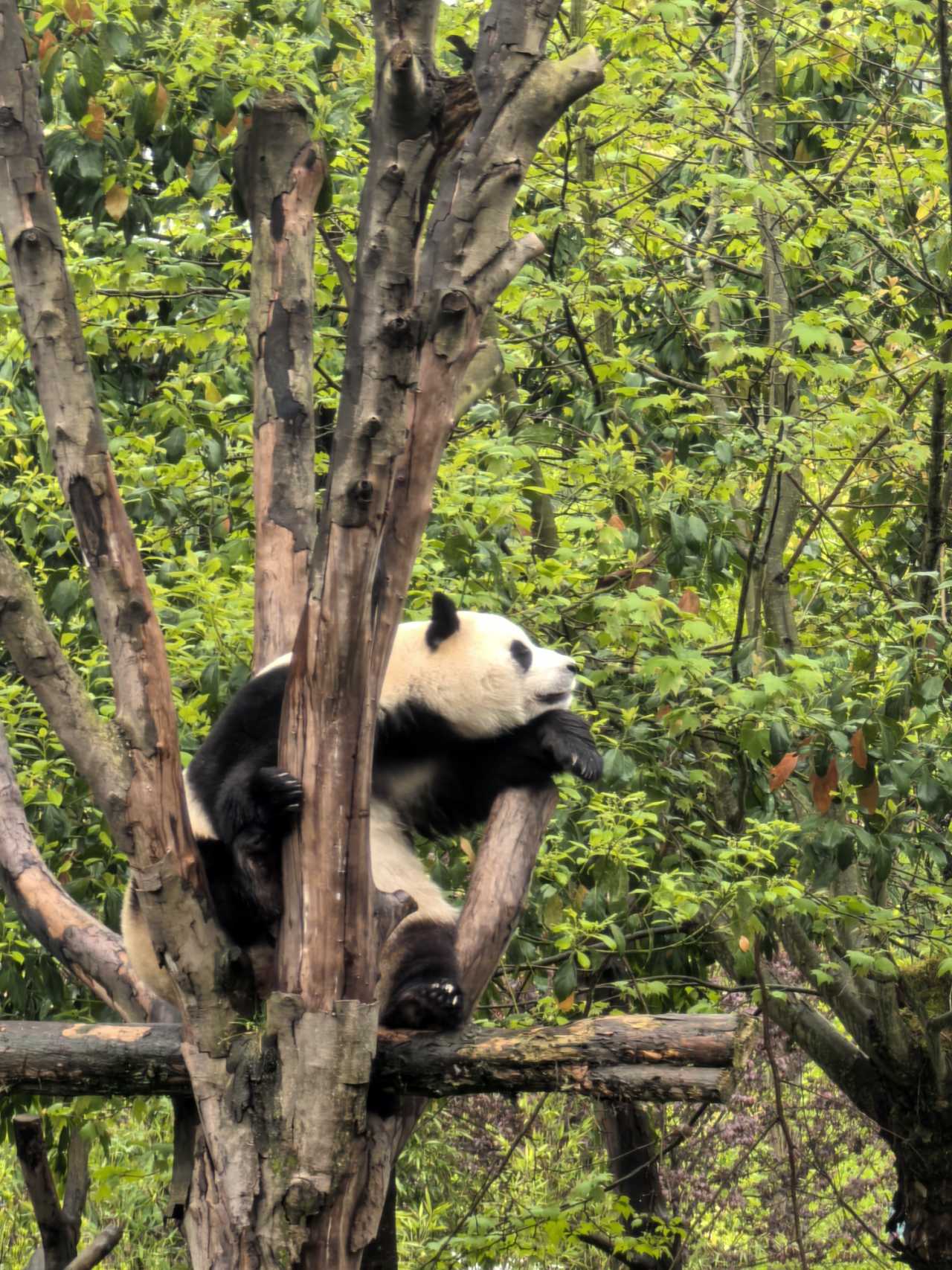
Returning from Puzhao Temple to downtown Chengdu, we stayed at a hotel between Kuixing Tower Street and Kuanzhai Alley. After a good rest, we walked over to Kuanzhai Alley.
H3: How to Experience Kuanzhai Alley Without Feeling Overwhelmed
The May Day holiday atmosphere was on full display—shoulder-to-shoulder crowds, vendors shouting from all sides, long queues outside every trendy shop. We chatted as we strolled through the crowd, commenting on the decor, merchandise, and prices of various stores, like both observers and participants in the scene.
Interestingly, unlike most tourists who squeezed into every shop, we only went into one: the Wuliangye Museum. Inside, bottles of Wuliangye baijiu from various vintages were displayed, from classic editions to limited releases, the aroma of spirits filling the air. We marveled as we walked through, realizing how much history lies behind a single bottle.
H3: Global Center – Chengdu's New CBD and the "Pillars of Life" Night Scene
After leaving Kuanzhai Alley, we planned to take a taxi to Global Center but accidentally stumbled upon a subway entrance. We decided to give Chengdu's metro a try—40 minutes later, we arrived at Global Center, and this new CBD of Chengdu was indeed impressive.
Around Global Center, there were plenty of highly-rated Sichuan restaurants. We searched around and finally picked one. My travel companion, Gougou, said he wanted 毛血旺 (maoxuewang) , so we ordered that, along with stir-fried beef brisket and fennel-flavored broad beans. When the food arrived, we discovered the maoxuewang actually contained beef heart—this "heart and chest combo" tasted surprisingly good.

The main reason we came to Global Center was to see the "Pillars of Life" night scene. Six enormous bamboo-shaped pillars sprayed mist, their lights shifting colors—a truly unique sight.
Practical Tips: - Kuanzhai Alley: Visit in the evening to enjoy both the daytime bustle and the night scenery - Global Center "Pillars of Life": Light show every night; best viewing time is around 8 PM - Getting There: Metro Line 1 goes directly to Global Center—very convenient
[Link: Top 10 things to do in Chengdu at night]
H2: Wangjiang Tower and Yulin Road – Wandering Between Poetry and Everyday Life
On May 3rd, we decided to slow things down. We ordered breakfast via delivery—a habit we'd picked up from the National Day holiday last year. By the time we finished washing up, the food had arrived.
H3: Wangjiang Tower Park – A Poetess's Legacy in Bamboo Groves
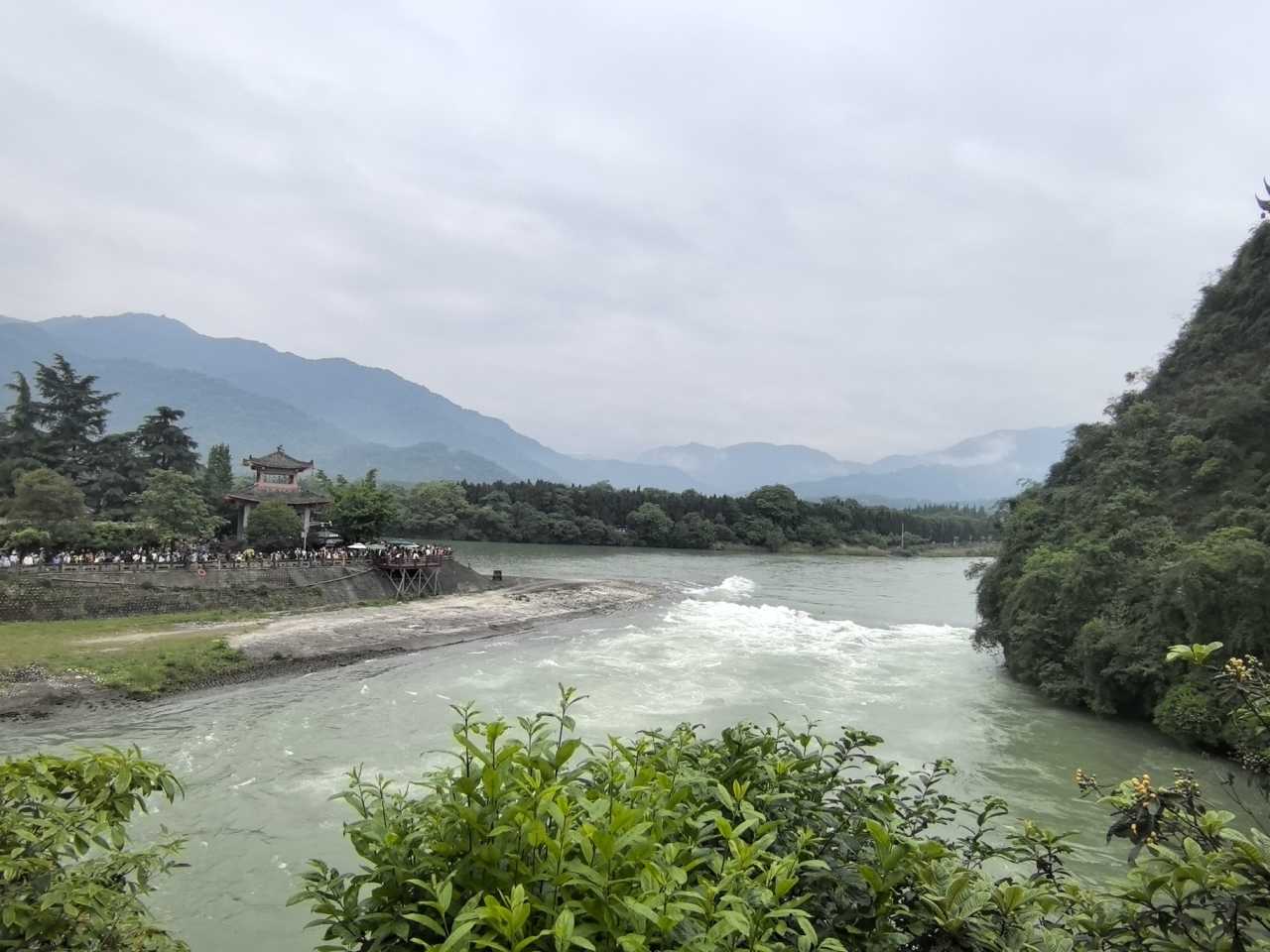
We had originally planned to visit People's Park or Wenshu Monastery, but after some hesitation, we chose Wangjiang Tower Park instead.
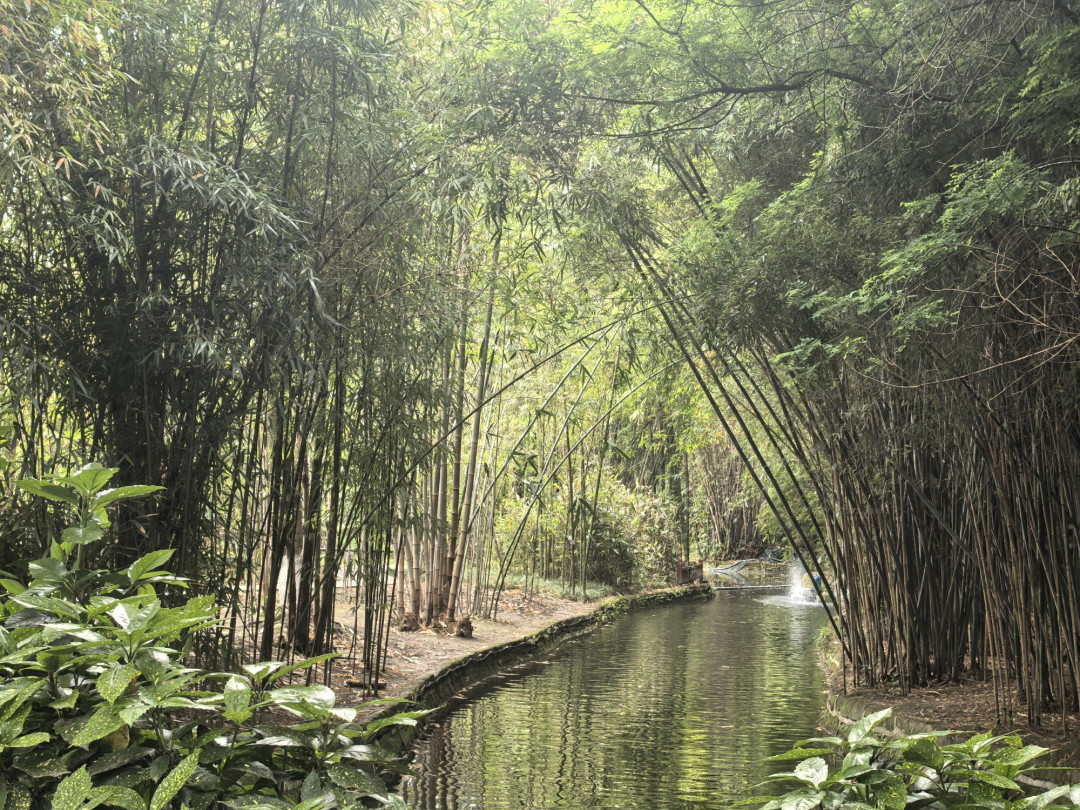
Located along the Jin River, the park is famous for its connection to the Tang Dynasty poetess Xue Tao. Dozens of bamboo varieties grow here, creating a sea of green. Inside, the park was almost entirely filled with elderly locals—exercising, practicing calligraphy, meeting for tea, completely at ease.
We found a century-old tea stall by the river, ordered a cup of 飘雪 (piaoxue, jasmine silver needle tea) and a cup of 竹叶青 (zhuyeqing, a green tea) , cracked sunflower seeds, and watched the Jin River flow slowly by. In that moment, I think I understood why Chengdu people love life so much—because in this city, slowness is an innate ability.
H3: Yulin Road – Where Smoky Alleyways Meet Indie Culture
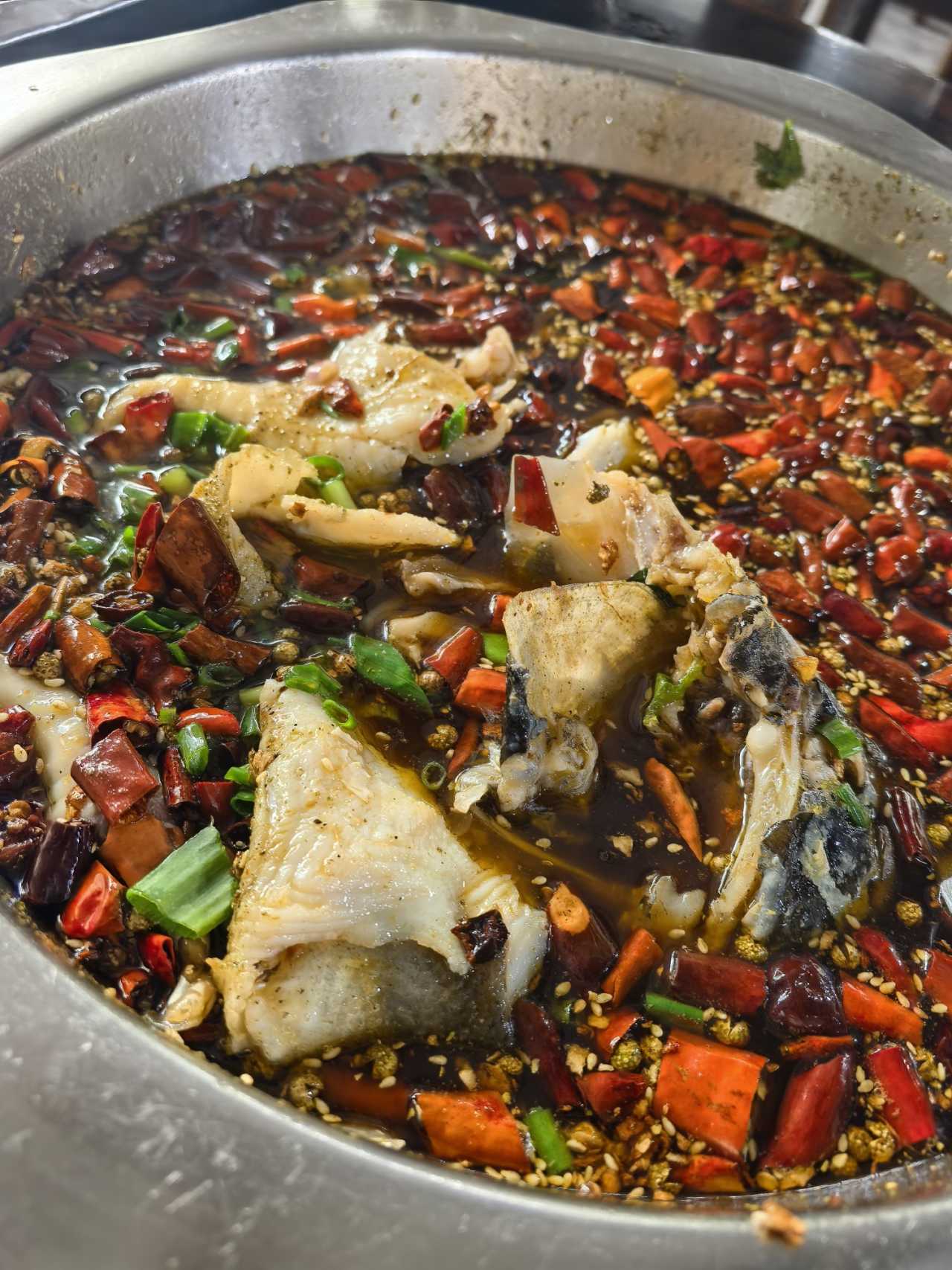
At noon, we met up with a friend at Hongshe Community Hotpot. We ordered the mild spicy level, and the auntie (嬢嬢) scooped out some of the base seasoning from the pot, laughing, "You call this eating spicy? This is eating water." We washed down the heat with bottles of Shancheng Beer, chatting and eating, feeling like this was the real taste of Chengdu.
By 2 PM, we were wandering Yulin Road for a city walk. The Yulin Road of the song lyrics is a neighborhood where smoky everyday life meets a touch of indie culture. We browsed various little shops and shared half a 糍粑 (ciba, glutinous rice cake) , nearly bursting our stomachs.
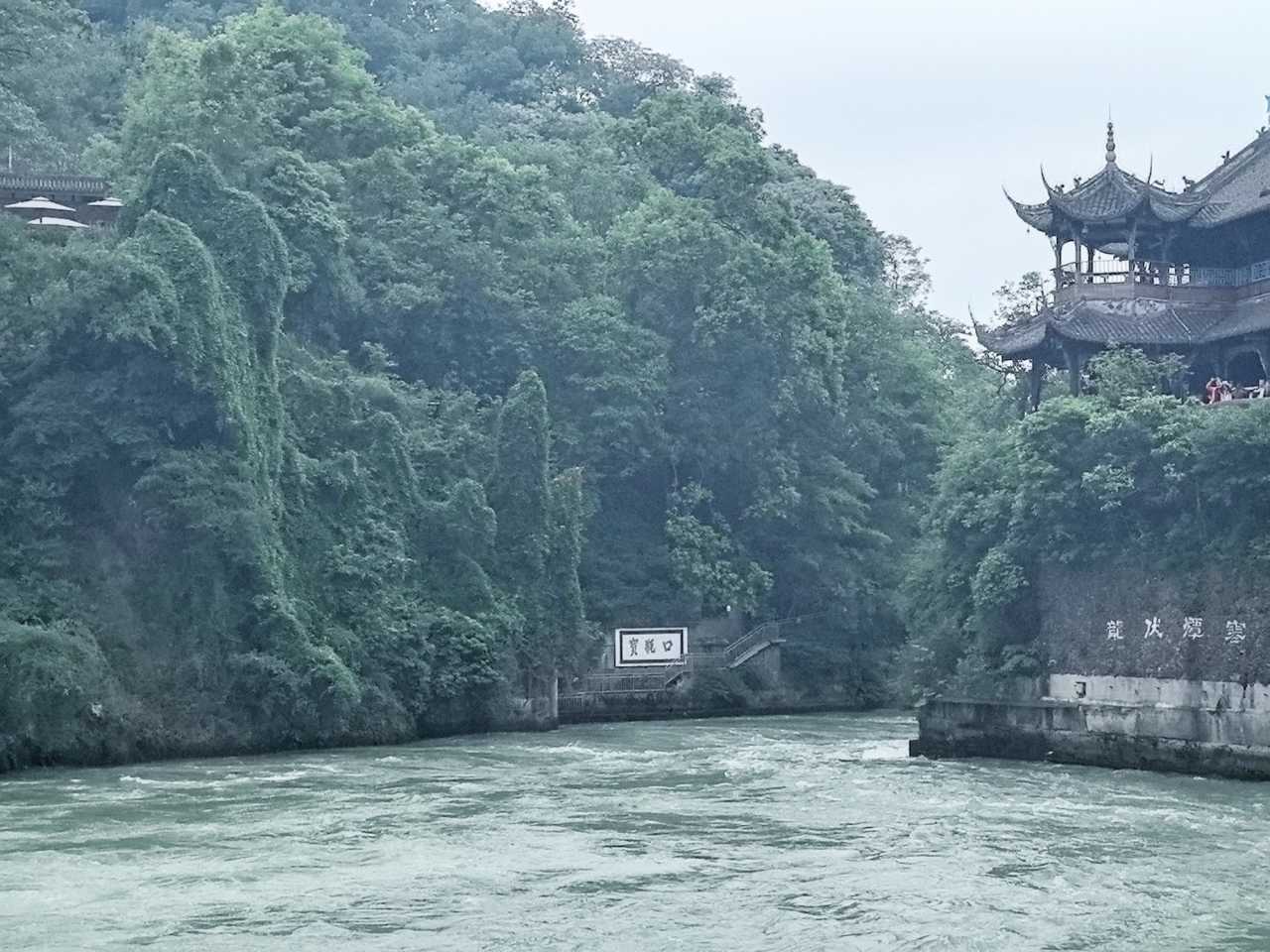
Yulin Road wasn't too crowded; the streets were full of young, fair-skinned, long-legged people, radiating energy.
Practical Tips: - Wangjiang Tower Park: Free entry. Go early in the morning for fewer people and more peace - Yulin Road: Best explored in the afternoon; at night, there are many small bars and cafes - Hotpot Tip: Order mild spicy if you're not used to heat, and tell the staff in advance
[Link: Where to eat authentic Sichuan hotpot in Chengdu]
H2: FAQ – Your Questions About a Crowd-Free Chengdu Trip Answered
Q1: Is May Day a good time to visit Chengdu?
Yes, but with planning. May Day is a national holiday in China, so major attractions will be crowded. However, by choosing off-the-beaten-path destinations like Puzhao Temple, Wangjiang Tower Park, and Yulin Road, you can enjoy a peaceful experience. The weather in early May is pleasant—warm but not too hot.
Q2: How do I avoid crowds at popular Chengdu attractions?
- Visit early (before 9 AM) or late (after 4 PM)
- Skip the front mountain of Qingcheng and go to Puzhao Temple instead
- Choose weekday visits if possible
- Use public transport—Chengdu's metro is efficient and less stressful than driving in holiday traffic
Q3: What are the best hidden gems in Chengdu for first-time visitors?
- Puzhao Temple – A thousand-year-old temple with ancient trees and few tourists
- Wangjiang Tower Park – Bamboo groves and poetry history
- Yulin Road – Local food, indie shops, and a relaxed vibe
- Hongshe Community Hotpot – Authentic Sichuan hotpot experience away from tourist traps
Q4: How many days do I need to explore Chengdu's hidden side?
A 3-4 day itinerary is ideal. Spend Day 1 on the outer reaches of Qingcheng (Puzhao Temple), Day 2 exploring Kuanzhai Alley and Global Center, and Day 3 enjoying Wangjiang Tower and Yulin Road. Add a fourth day for Sanxingdui or a nearby ancient town.
Q5: What should I eat in Chengdu beyond hotpot?
- Maoxuewang (spicy blood curd and tripe stew)
- Ciba (glutinous rice cake)
- Dan dan noodles
- Mapo tofu
- Tea – try piaoxue (jasmine silver needle) or zhuyeqing (green tea)
[Link: Complete Chengdu food guide for travelers]
H2: Conclusion – Discover the Real Chengdu, One Quiet Moment at a Time
This May Day trip taught me something invaluable: the best travel experiences aren't about checking off attractions—they're about finding moments that feel like yours alone.
Whether it was standing before a 1,200-year-old tree at Puzhao Temple, sipping tea by the Jin River at Wangjiang Tower, or sharing a laugh over spicy hotpot on Yulin Road, every moment felt authentic. The real Chengdu isn't in the guidebooks or the Instagram posts. It's in the everyday scenes that locals take for granted—the elderly practicing calligraphy in the park, the auntie teasing you about your spice tolerance, the wind rustling through bamboo groves.
Ready to experience Chengdu differently?
Start planning your off-the-beaten-path adventure today. Skip the crowds, embrace the slow pace, and discover the hidden poetry of Shu.
Book your Chengdu trip now and let the city reveal its secrets to you—one quiet corner at a time.
[Link: Chengdu travel packages and guided tours]


