Chengdu to Chongqing 7-Day Itinerary: Ultimate Bashu Twin Cities Travel Guide
Meta Description: Plan the perfect Chengdu Chongqing trip with our 7-day in-depth guide. From panda base visits to Chongqing night views, discover spicy Sichuan travel tips, hotel recommendations, and must-try dishes.
Introduction: Why a Chengdu Chongqing Trip Should Be Your Next Adventure
Chengdu and Chongqing—the twin cities of the Bashu region—offer travelers two completely different personalities packed into one unforgettable journey. Chengdu whispers with its laid-back tea houses, ear-cleaning street vendors, and panda sanctuaries. Chongqing roars with its futuristic skyline, endless staircases, and fiery hotpot culture.
Having just traveled this exact route with my parents from Dalian (April 2nd–8th), I'm sharing our firsthand experience to help you avoid common pitfalls and maximize every moment. Whether you're a first-time visitor or returning for deeper exploration, this 7-day Chengdu Chongqing travel guide covers flights, accommodation, must-see attractions, and insider tips.
Pre-Trip Planning: Flights, Hotels, and Mindset
Why Evening Flights Work Best for Long-Haul Travel
We booked flight CZ6435 from Dalian Zhoushuizi Airport (16:45–20:05) arriving at Chengdu Shuangliu Airport Terminal 2. Many travelers ask: why not a morning flight to maximize sightseeing time?
The answer: For flights exceeding three hours, evening departures make sense. You arrive, check into your hotel, sleep well, and wake up refreshed. No wasted half-day feeling jet-lagged.
Best Hotels Near People's Park, Chengdu
Chengdu Meizhixing Business Hotel - Address: No. 5 Jiangjun Street, Qingyang District (intersection with Dongchenggen Shang Street) - Phone: 028-86693399 - Price: Family room (one king bed + one single bed) – 168 RMB/night - Breakfast: Included for three people (7:00–9:00 AM)
Pros: Excellent value, 10-minute walk to Kuanzhai Alley, close to People's Park, Jinli Ancient Street, and Chunxi Road.
Cons: Bathroom slightly dated. If that matters, consider nearby chains like Home Inn or Hanting.
Pro tip: Choose accommodation around People's Park—it's Chengdu's transportation hub, making every attraction easily accessible.
[Link: Best budget hotels in Chengdu near metro stations]
Day 1: Arrival in Chengdu – Settle In and Rest
We landed at 8 PM, grabbed a taxi immediately (the queue is outside Terminal 2, clearly marked), and reached our hotel by 10 PM. Quick freshen-up, straight to bed.
Practical reminder: Taxis are readily available even late evening at Chengdu Shuangliu Airport.
Day 2: Kuanzhai Alley → Panda Base → Jinli Night Tour
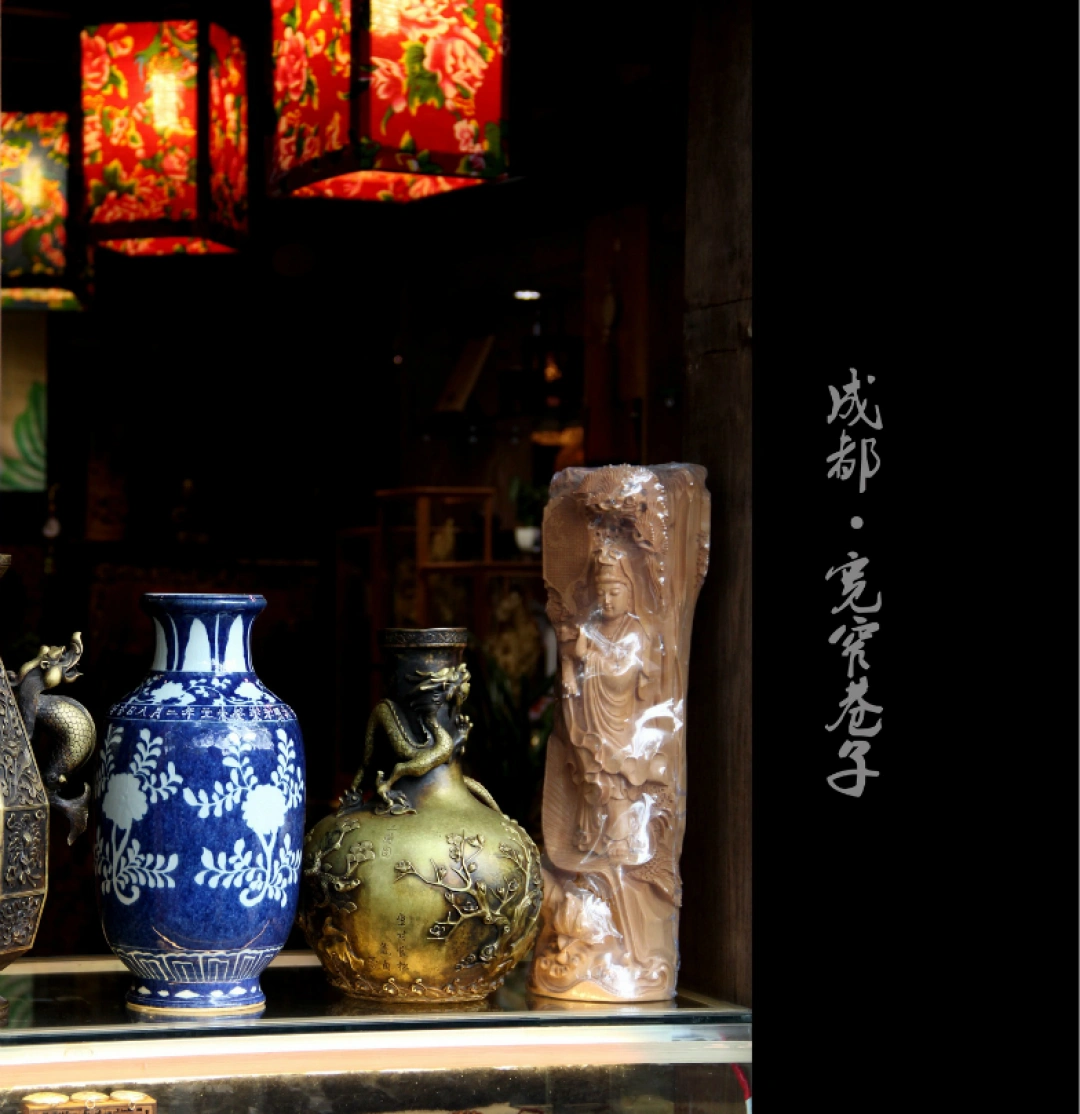
Morning: Kuanzhai Alley – Where Art Meets Everyday Life
After a hearty hotel breakfast (don't miss the broad beans!), we walked 10 minutes to Kuanzhai Alley at 10 AM.
This historic area comprises Wide Alley, Narrow Alley, and Well Alley. It's perfect for a leisurely stroll—but honestly, it's smaller than expected. Even at a deliberately slow pace, we finished exploring in under two hours. My parents preferred sightseeing over sitting in tea houses, so we skipped afternoon tea.
Shopping tip: Nearby wholesale shops sell panda plush toys—great souvenirs for friends back home.
Midday: Scenic Area Shuttle Buses – Hassle-Free Transportation
At Kuanzhai Alley, we found a travel agency offering combo tickets for Chengdu attractions (entrance fee + round-trip bus + guided tour). We booked Panda Base tickets for 88 RMB per person. The bus departed from Wuhou Temple at 1:30 PM, with a free shuttle from Kuanzhai Alley to Wuhou Temple at 1:00 PM.
Lunch recommendation: "Liang Ji" at Kuanzhai Alley entrance. Their scallion flatbread is delicious. We ordered dan dan noodles with "mild spice"—still sweating buckets. Little did we know, this was just the beginning.
Afternoon: Chengdu Panda Base – National Treasures Up Close
The 40-minute drive brought us to the panda base. Take the electric cart (10 RMB round trip—keep your stub for return). Our guide showed us giant pandas lazily lounging—adorably unbothered. Red pandas love climbing trees; some even walk on paths, completely unafraid of humans.
Key reminder: Stick with the guide for the 1-hour tour, then enjoy free time. Be back at the parking lot by 4:20 PM sharp. Extra time? Visit Swan Lake for black swans.
Evening: Jinli Ancient Street Night Tour – Food Paradise Under Red Lanterns
We got off at Wuhou Temple, right next to Jinli Ancient Street. Must-know: Jinli comes alive at night! Chengdu sun sets late; red lanterns fully illuminate around 8 PM. The atmosphere is magical.

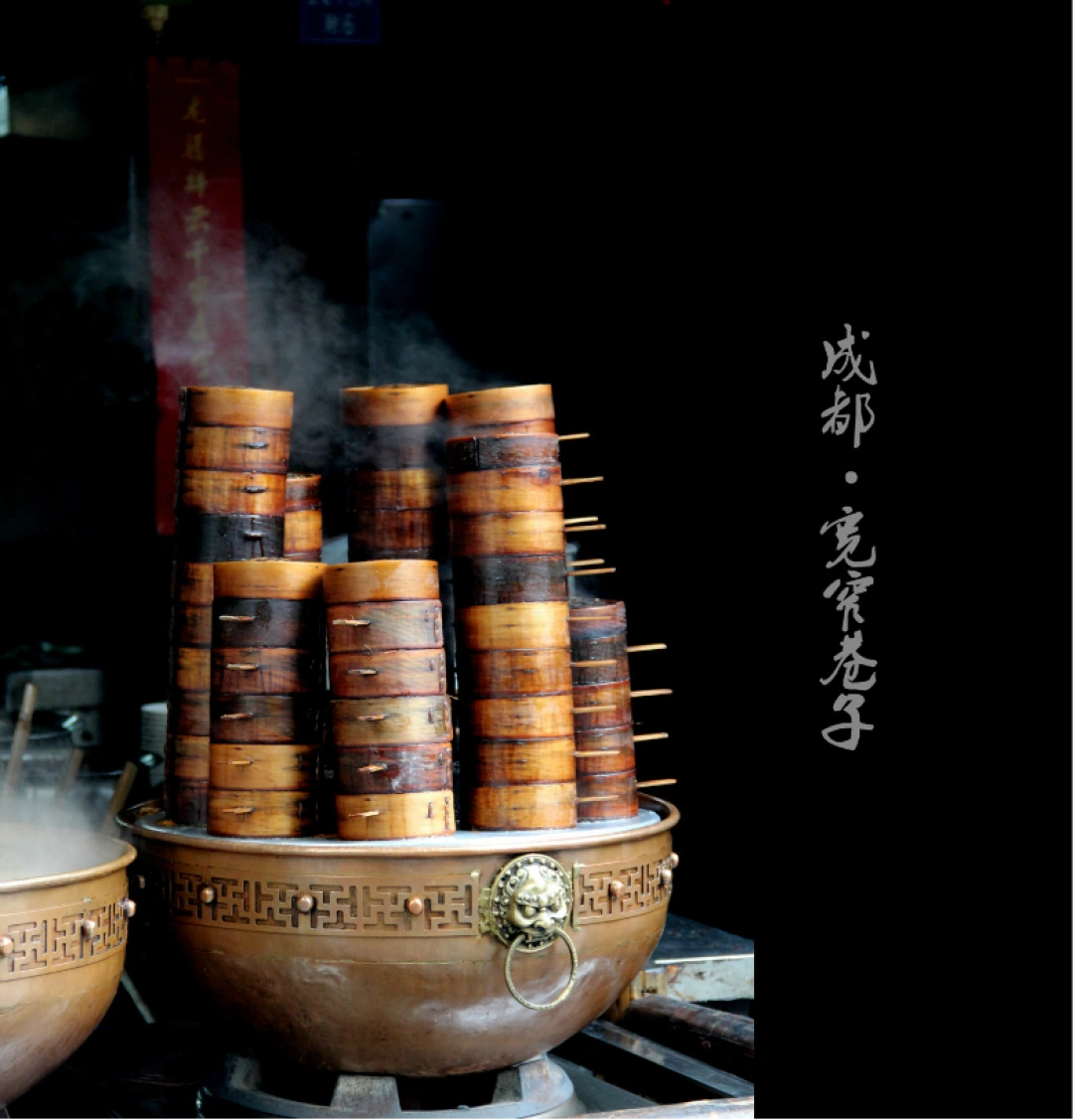
Dinner must-try: Fresh meat guokui (baked flatbread filled with meat)—I ate two. Also try the two types of tofu-based snacks.
Practical reminder: Taking a photo with a giant panda costs 2,000 RMB. National treasure treatment indeed.
[Link: Jinli Ancient Street food guide – what to eat and avoid]
Day 3: People's Park → Dujiangyan → Chen Mapo Tofu
Morning: People's Park – Snapshot of Chengdu's Slow Life
During breakfast, our innkeeper insisted on frying us eggs despite our polite refusals due to bird flu concerns. Afterward, we strolled to People's Park. It was Qingming Festival (Tomb Sweeping Day), and the park buzzed with life—elderly exercising, calligraphy artists, tea drinkers, ear-cleaning vendors.
Strong suggestion: Find a quiet tea house in People's Park. Sit down, order a cup, and chat. Life instantly slows down.
Afternoon: Dujiangyan Irrigation System – Ancient Engineering Marvel
We booked another combo ticket: 128 RMB per person (round-trip bus + entrance fee + guided tour). Bus departed from Wuhou Temple at 12:30 PM; ride took nearly 2 hours. Sleep recommendation: There's nothing scenic along the way. I forced myself to stay awake just to confirm—yes, nap safely.
Dujiangyan had just finished its Qingming Water Release Festival, so it was packed. Inside, take another electric cart (15 RMB round trip). Honest opinion: If the sluice gates aren't open for water release, you miss the legendary spectacle. Skip if you're not interested in hydraulic engineering.
Evening: Chen Mapo Tofu – Iconic Chengdu Dining
Back in the city, we headed to Chen Mapo Tofu for dinner. This legendary restaurant serves authentic Sichuan cuisine. Their mapo tofu is numbing, spicy, and utterly addictive. Order mild if you're spice-sensitive—but where's the fun in that?
[Link: Best Sichuan restaurants in Chengdu for first-timers]
Day 4: Chengdu to Chongqing High-Speed Train
Morning: Last Chengdu Breakfast
Enjoy one final Chengdu breakfast—try the local noodles or dumplings. Pack light; you'll be walking plenty in Chongqing.
Midday: High-Speed Train Experience
Book the Chengdu to Chongqing high-speed train (approximately 1.5 hours). Trains run frequently from Chengdu East Station. Tickets cost around 150–200 RMB for second class.
Pro tip: Book tickets 2–3 days in advance, especially during holidays. Use China's official railway website or apps like Trip.com.
Afternoon: Arrival in Chongqing – The Mountain City
Chongqing hits you immediately—staircases everywhere, buildings stacked on hills, and a raw, earthy energy. Check into your hotel near Jiefangbei or Hongya Cave for easy access to attractions.
Accommodation suggestion: Look for hotels near Line 1 or Line 6 metro stations. Chongqing's metro system is efficient and covers major sights.
[Link: Chongqing hotel guide – best areas for tourists]
Day 5: Hongya Cave → Yangtze River Cableway → Night Views
Morning: Hongya Cave – Futuristic Fairy Tale Architecture
Hongya Cave is a must-see—a 11-story stilted building complex that looks like it belongs in a sci-fi film. During the day, it's a shopping and dining hub. But the real magic happens at night.
Tip: Visit early to avoid crowds. Explore the various levels—each floor offers different shops, restaurants, and viewpoints.
Afternoon: Yangtze River Cableway – Flying Over Two Rivers
The Yangtze River Cableway connects both sides of the river. It's a short ride (about 4 minutes) but offers spectacular views of the city skyline and converging rivers.
Cost: 20 RMB one way, 30 RMB round trip. Go one way and explore the other side before returning.
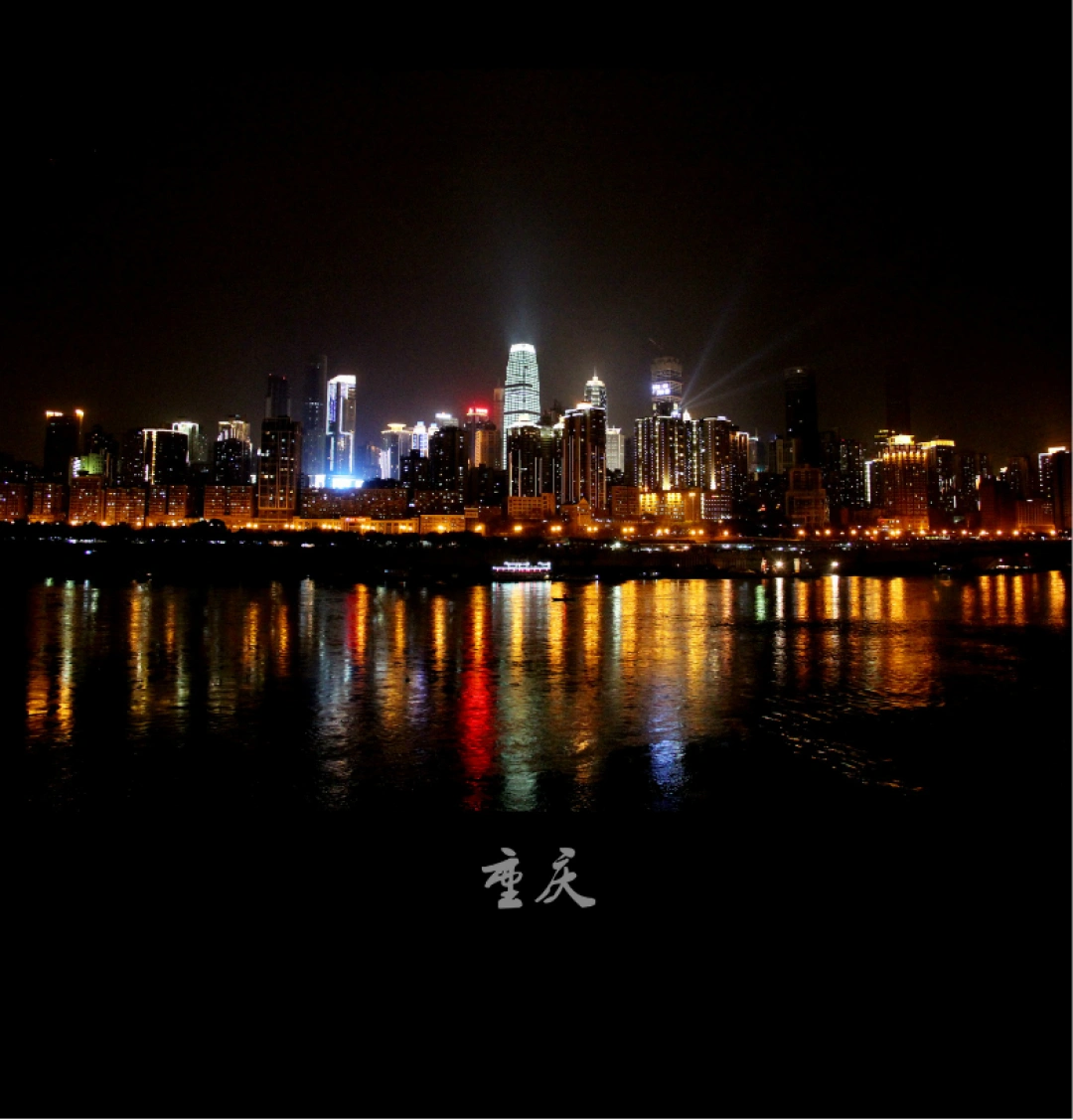
Evening: Chongqing Night Views – Best Viewpoints
Chongqing's nightscape is legendary. Top spots include: - Nanshan One Tree Viewing Platform – panoramic city views - WFC Observatory – 360-degree views from 590 meters - Hongya Cave at night – the building itself is the view
Pro tip: Arrive at viewpoints around 7:30 PM when the city lights fully activate.
[Link: Best Chongqing night view spots – ranked by experience]
Day 6: Ciqikou Ancient Town → Hotpot Dinner
Morning: Ciqikou Ancient Town – Porcelain Heritage
Ciqikou (Porcelain Port) is a preserved Ming and Qing dynasty town. It's touristy but charming—narrow alleys, traditional architecture, and street food galore.
Must-try snacks: Chen Mahua (fried dough twists), spicy tofu skewers, and handmade noodles.
Afternoon: Free Exploration
Spend the afternoon exploring Chongqing's unique topography. Walk through Shapingba district, visit Luohan Temple, or simply ride the metro to see buildings that seem to defy gravity.
Evening: Authentic Chongqing Hotpot
You cannot leave Chongqing without hotpot. The city's signature dish features a bubbling pot of chili oil, numb peppercorns, and raw ingredients you cook yourself.
Recommended hotpot restaurants: - Haidilao – famous chain with excellent service - Local ma la tang shops – more authentic, less polished
Ordering tips: Choose "medium spice" unless you're a chili veteran. Order tripe, beef, tofu skin, and vegetables. Dip in sesame oil with garlic and vinegar.
[Link: Chongqing hotpot guide – what to order and how to eat]
Day 7: Last Morning in Chongqing → Departure
Morning: Final Breakfast and Souvenirs
Enjoy one last Chongqing breakfast—try xiaomian (small noodles) or chongqing noodles with spicy sauce. Buy local specialties like hotpot base paste, Sichuan peppercorns, or dried tofu.
Travel to Airport/Station
Chongqing Jiangbei International Airport is connected by metro (Line 3 and Line 10). Allow 1 hour from city center to airport.
Departure tip: If flying, arrive 2 hours early for domestic flights. Chongqing airport can get busy.
FAQ: Chengdu Chongqing Travel Questions Answered
Q1: How many days do I need for Chengdu and Chongqing?
Seven days is ideal—4 days in Chengdu, 3 days in Chongqing. This allows time for major attractions without rushing.
Q2: What's the best time to visit Chengdu and Chongqing?
Spring (March–April) and autumn (September–November) offer pleasant weather. Summer is hot and humid; winter is chilly but less crowded.
Q3: Is it easy to travel between Chengdu and Chongqing?
Yes! High-speed trains run frequently (1.5 hours). Flights are also available (1 hour) but require airport transfers.
Q4: Can I handle the spice if I'm not used to Sichuan food?
Start with "mild spice" options. Drink milk or yogurt to cool down—water doesn't help. Most restaurants offer non-spicy dishes too.
Q5: Are Chengdu and Chongqing safe for solo travelers?
Absolutely. Both cities are safe, with good public transportation and English signage at major attractions. Petty theft exists in crowded areas—keep valuables secure.
Final Tips for Your Bashu Twin Cities Adventure
- Pack comfortable walking shoes – Chongqing is all stairs and slopes
- Learn basic Chinese phrases – English isn't widely spoken outside tourist areas
- Download offline maps – Google Maps works poorly; use Baidu Maps or Amap
- Carry cash – WeChat Pay and Alipay are common, but smaller vendors prefer cash
- Stay hydrated – Spicy food + walking = dehydration
[Link: Essential Chinese travel phrases for Sichuan]
Ready to Book Your Chengdu Chongqing Trip?
This 7-day itinerary covers the best of both cities—from panda cuddles to hotpot feasts, ancient irrigation systems to futuristic nightscapes. Whether you're traveling with family, friends, or solo, the Bashu twin cities promise an unforgettable spicy encounter.
Start planning today: Book your flights, reserve your hotels, and prepare your taste buds for an adventure unlike any other.
Have questions about this itinerary? Drop them in the comments below—I personally answer every query.
Last updated: April 2024 | Travel dates: April 2–8, 2024 | Route: Dalian → Chengdu → Chongqing


