Chengdu Food Guide: Why This City is Built on the Word "Stuffed"
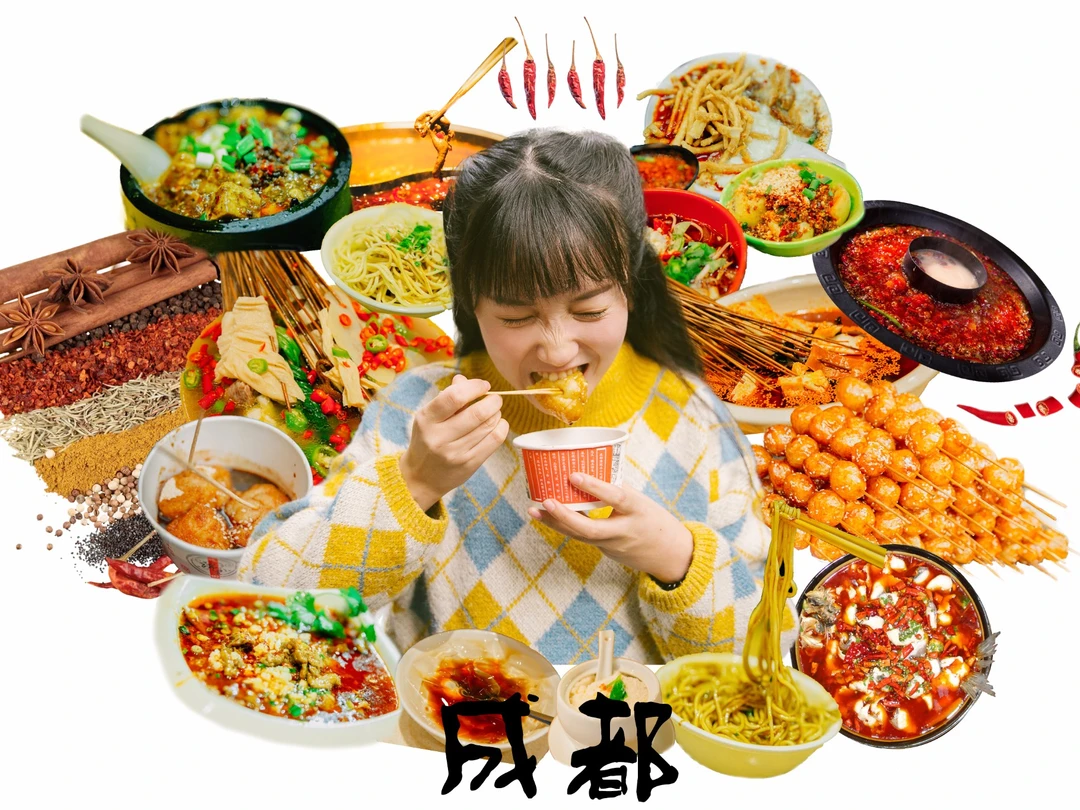
Meta Description: Discover why Chengdu is China's ultimate food city. From Chen Mapo Tofu to chuan chuan and sweet water noodles, this Chengdu food guide reveals the dishes that keep travelers coming back for more.
Introduction: A Food Lover's Pilgrimage to Chengdu
If you ask me which city in China can make a food lover start salivating before the plane even touches down, I'll answer without hesitation: Chengdu. This isn't my first time in Chengdu, and it won't be my last. As someone with an almost obsessive passion for food, I've always believed—there's nothing a good meal can't solve. If there is, then have two. And Chengdu is the kind of place that makes you willingly eat one meal after another until you're staggering out the door, holding the wall for support.
When I set off from Shenyang, the dry, bitter cold of the north was cutting straight to the bone. My travel companion and I almost said "Chengdu" in unison. Great minds think alike, and a foodie's instincts never lie. So, two people driven mad by the northeastern wind, with empty stomachs and hearts full of anticipation, flew toward this city steeped in culinary magic.
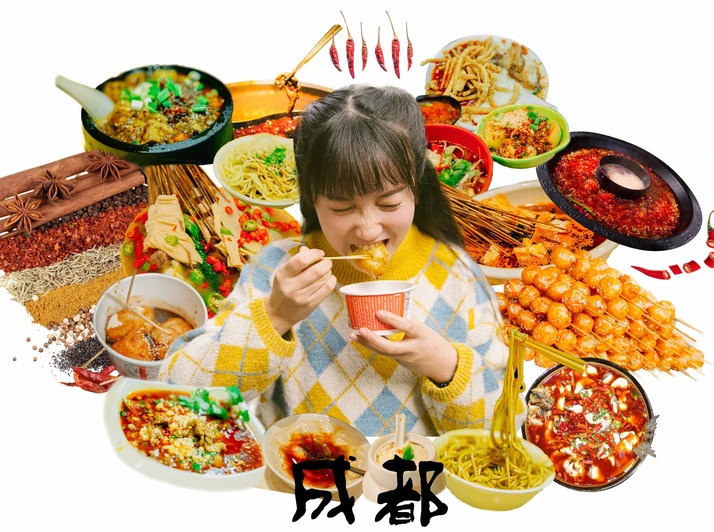
This Chengdu food guide will take you through the must-try dishes, hidden gems, and the stories behind the city's most iconic flavors. Whether you're a first-time visitor or a returning foodie, Chengdu's culinary scene will leave you stuffed—in the best possible way.
Chen Mapo Tofu: The Dish That Defines Chengdu Cuisine

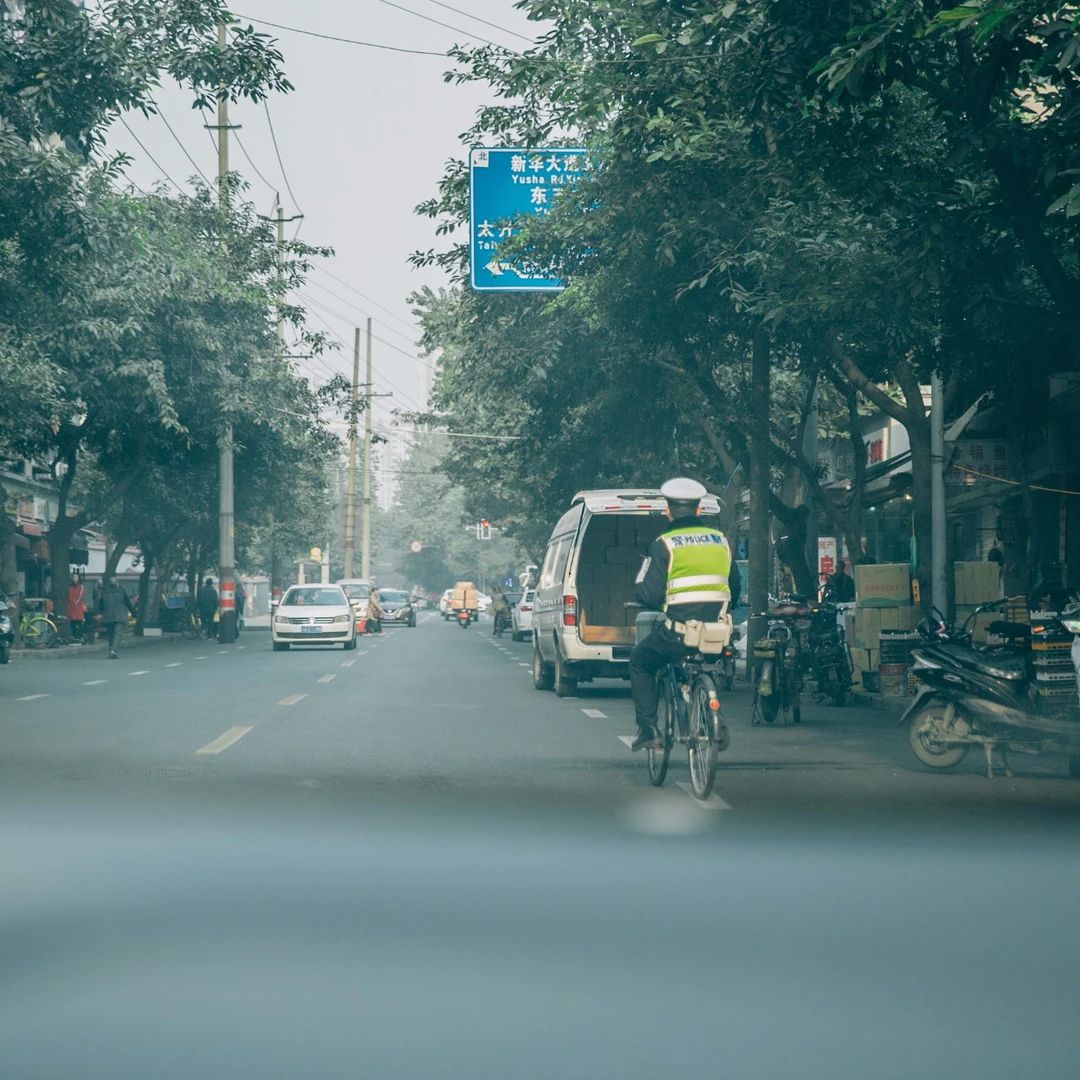
After getting off the plane and renting a car, the first thing we did wasn't to drop our luggage at the hotel—it was to head straight to a restaurant. Autumn in Chengdu hadn't fully faded yet. A traffic policeman on a bicycle was leisurely patrolling the streets—a scene unimaginable in the northeast, where riding a bike in that kind of weather would leave you frozen stiff or flat on the ground.
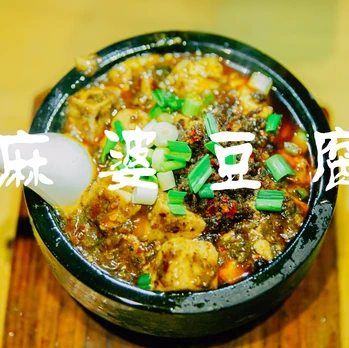
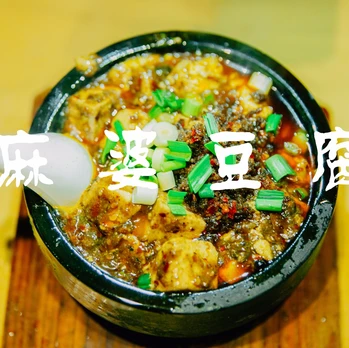
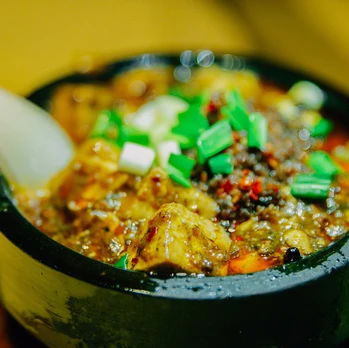
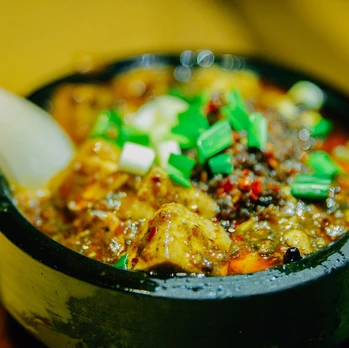
As a "seasoned foodie" visiting Chengdu for the third time, I have a private must-eat list. And the number one spot always belongs to Chen Mapo Tofu (陈麻婆豆腐) .
The History Behind Chengdu's Most Famous Tofu Dish
The history of this dish dates back to the Tongzhi era of the Qing Dynasty. Back then, at Wanfu Bridge on the northern outskirts of Chengdu, there was a small eatery called "Chen Xingsheng Rice Shop." The owner's wife, Chen Liushi, had freckles on her face and was nicknamed "Chen Mapo" (Pockmarked Chen). The braised tofu she invented later became known as "Chen Mapo Tofu." Over a hundred years later, this dish remains the "top influencer" of Sichuan cuisine.
What Makes Mapo Tofu So Irresistible?
Mapo Tofu is about so much more than just the tofu. The tofu should be as silky and tender as a baby's skin, and the sauce should be so rich and flavorful that every bite makes you want to lick the spoon clean. The two complement each other perfectly, leaving your mouth full of lingering fragrance. You could easily polish off three bowls of rice without breaking a sweat.
Other Must-Order Dishes at Chen Mapo Tofu
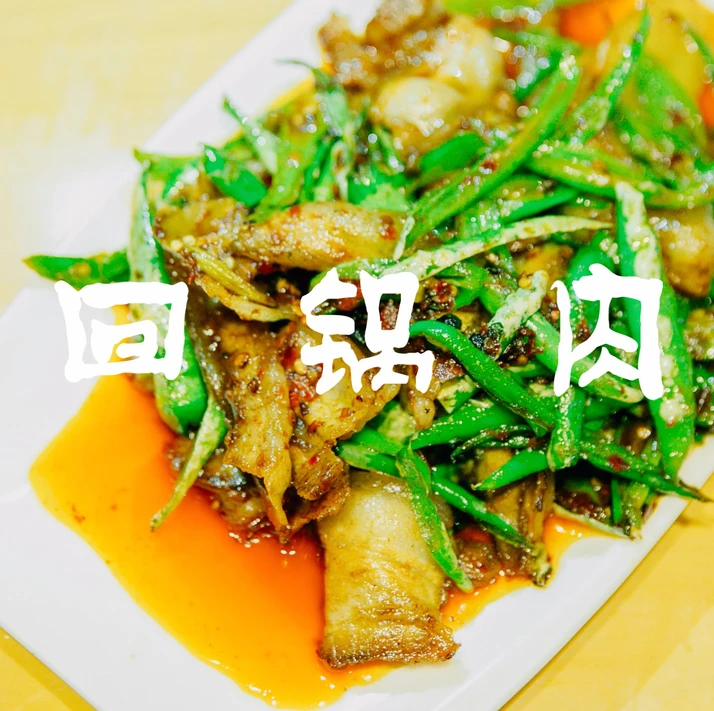
Twice-Cooked Pork (回锅肉) , often considered the "king of Sichuan dishes" and frequently used in professional cooking exams, is also a must-order for me. The key is the stir-frying technique—get it wrong, and the lean meat becomes dry and tough; overcook it, and the fatty parts tremble apart at the touch of chopsticks, killing your appetite instantly. I usually avoid fatty meat, but Chengdu's twice-cooked pork is glossy, bright, and rich without being greasy—the only place where I'll willingly reach for it.
What makes Boiled Sliced Beef in Chili Sauce (水煮肉片) so stunning, aside from the tender, perfectly sliced meat, is that every piece is coated in a generous layer of sauce and chilies. The numbing spiciness of Sichuan pepper makes it an undeniable "rice killer."
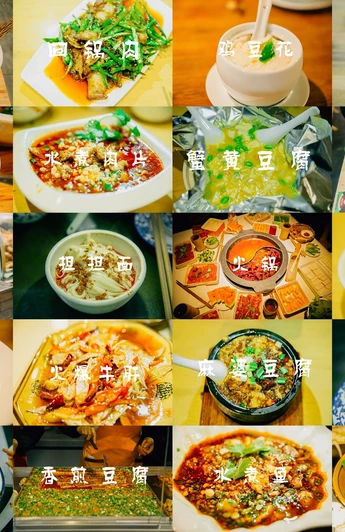
As for Cold Noodles with Shredded Chicken (鸡丝凉面) , they're nothing like the sesame-paste version in Shenyang. Chengdu's cold noodles have a layered sauce that's refreshing and clean, with springy, chewy noodles. Even in autumn and winter, they taste great—imagine how satisfying they'd be in summer!
However, the Crab Roe Tofu (蟹黄豆腐) was a bit underwhelming. The tofu was still silky, but the savory, briny flavor of the crab roe fell a little flat. I'm not sure why we ordered crab roe tofu on top of mapo tofu—probably because "we were eating too happily and our brains short-circuited."
[Link: Best Sichuan restaurants in Chengdu]
Chuan Chuan: Chengdu's Iconic Skewer Culture
After eating, we strolled around to digest. Bashi (comfortable, nice). As we walked, my companion suddenly shouted, "Look, look! We're here!"
What is Chuan Chuan and Why is it So Popular?
"Bobo" (钵钵) actually means an earthenware pot. Using reduplicated syllables to name a dish makes it feel both unique and endearing. Originally, Bobo Ji (钵钵鸡) focused on chicken slices, but now it includes a wide variety of meats and vegetables. I first tried it in Leshan, and I was completely hooked from the first bite. Luckily, Chengdu has opened branches, giving me a chance to relive that memory.
In Leshan, you order the broth directly—one bowl of Sichuan pepper broth, one of red chili oil. You eat as much as you want, and they count the skewers to settle the bill. In Chengdu, the shops let you pick your own skewers, which is even better—you can choose what you like and control the portion.
Sichuan Pepper vs. Red Chili Oil: Which Broth Wins?

Sichuan Pepper Broth (藤椒汤底) is numbing, savory, and mildly spicy. It might taste a bit bland at first, but let it soak a little longer, and the flavor really seeps in. Red Chili Oil Broth (红油汤底) is my absolute favorite. The sesame seeds and red oil blend together, releasing an irresistible aroma. It looks like it's swimming in oil, but it's not greasy at all. Before leaving Chengdu, we went back for another round and even discussed whether we could recreate it at home—because cravings can't always be solved by booking a flight.
The Perfect Pairing: Minced Pork Fried Rice
Minced Pork Fried Rice (臊子蛋炒饭) is essentially fried rice with minced meat. Every grain of rice is coated in egg, the minced pork is fine and evenly distributed, and the seasoning is just right. My only small complaint is that the rice was a bit too firm, but that didn't stop me from finishing the entire plate. Every time I eat fried rice, I think of the dish "Golden Jade Fulfills a Beautiful Union" from My Own Swordsman and the movie The God of Cookery—this is probably the second dish I ever learned to cook, after scrambled eggs with tomatoes. A little tip: mix the rice with raw egg yolk before frying to ensure every grain is coated.
[Link: Best chuan chuan restaurants in Chengdu]
Sweet Water Noodles and Ice Jelly: The "Drama Queens" of Chengdu Snacks
No Chengdu food guide would be complete without mentioning the city's incredible snack culture. These are the dishes that keep you coming back for more—literally, with every meal.
Why Ice Jelly is a Chengdu Essential
I absolutely love Ice Jelly (冰粉) . I have to eat it every time I come to Chengdu, and I have to eat it with every meal. It's cool, sweet, silky, and refreshing—completely different from eating jelly. The texture is bouncy and springy. After eating all kinds of spicy food, a bowl of ice jelly cools you down and soothes the fire. It's like a firefighter for your taste buds. Legend has it that ice jelly originated in the late Ming and early Qing dynasties, created by a beauty named Wang. The original process was extremely complicated. Nowadays, you can just mix ice jelly powder with water—I'm already itching to try making it myself.
White Jelly vs. Yellow Jelly: The Clear Winner
Compared to Yellow Jelly (黄凉粉) , I prefer White Jelly (白凉粉) . It doesn't have that astringent taste, and the texture is smoother, cooler, and melts in your mouth. Every time I visit the Sichuan-Chongqing region, I find myself wondering what I was eating back home when I had "liangfen" or "liangpi"—the names are similar, but the textures are worlds apart.
Sweet Water Noodles: A Flavor Rollercoaster
Sweet Water Noodles (甜水面) are also a must-eat in Chengdu. The first time I heard the name, I thought it was a soup noodle, and I imagined it would be cloyingly sweet. But when I actually saw the noodles, I realized I was completely wrong—they're as thick as a little finger, incredibly chewy. The first taste is a hint of sweetness, followed by an unexpected kick of spice, and then a return to sweetness. It's exhilarating! The flavor progression from start to finish makes it the ultimate "drama queen" of snacks.
[Link: Best Chengdu street food stalls]
Jinli Ancient Street: A Food Lover's Paradise
Since it wasn't peak tourist season, Jinli wasn't too crowded. I originally planned to just enjoy the warm weather and soak in the atmosphere, but of course, we ended up eating our way through the street. Rows of bright red lanterns created a lively, festive vibe.
Shenyang has a similar snack called Thousand-Layer Pancake (万丝饼) , but in Chengdu, they come with fillings. I bought one to try, and it was a delightful surprise—crispy on the outside, soft on the inside, with a savory filling that complemented the flaky texture perfectly.
[Link: Jinli Ancient Street food guide]
FAQ: Your Chengdu Food Questions Answered
1. What is the most famous dish in Chengdu?
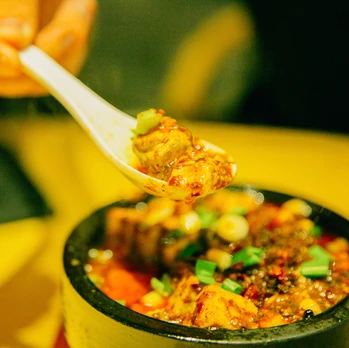
The most famous dish in Chengdu is Mapo Tofu, specifically the version served at Chen Mapo Tofu restaurant. This dish has a history spanning over 100 years and is considered the "top influencer" of Sichuan cuisine.
2. Is Chengdu food very spicy?
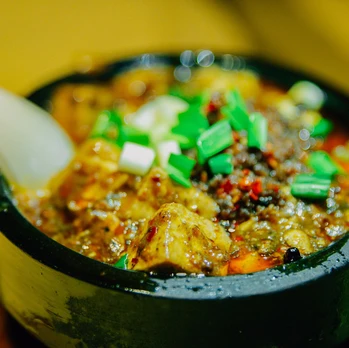
Yes, Chengdu food is known for its bold use of Sichuan peppercorns and chili peppers, creating a unique numbing-and-spicy sensation called málà. However, not all dishes are intensely spicy. Options like sweet water noodles and ice jelly offer milder flavors.
3. What is the difference between chuan chuan and hot pot?
Chuan chuan (bobo ji) is a cold or room-temperature skewer dish served in a flavored broth, while hot pot involves cooking raw ingredients in a boiling pot of broth at the table. Chuan chuan is typically served already cooked and ready to eat.
4. Where should I eat in Chengdu for the first time?
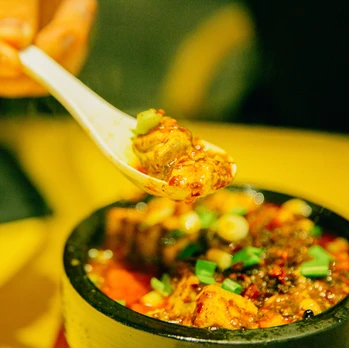
For first-time visitors, start with Chen Mapo Tofu for classic Sichuan dishes, then explore Jinli Ancient Street for street food, and visit a chuan chuan restaurant for the skewer experience. Don't forget to try ice jelly and sweet water noodles at any local snack shop.
5. What is the best time to visit Chengdu for food?
While Chengdu's food scene is fantastic year-round, autumn and spring offer the most pleasant weather for walking around and eating at outdoor stalls. Avoid the summer rainy season and the winter cold if possible.
[Link: Chengdu travel tips for foodies]
Conclusion: Your Chengdu Food Adventure Awaits
Chengdu is more than just a city—it's a culinary experience that stays with you long after you leave. From the legendary Chen Mapo Tofu to the addictive chuan chuan skewers, and the surprising sweet water noodles, every dish tells a story of tradition, innovation, and pure love for food.
Whether you're a seasoned foodie or a curious traveler, Chengdu's food scene will leave you stuffed—in the best possible way. So pack your bags, bring your appetite, and get ready to explore a city where every meal is an adventure.
Ready to book your Chengdu food tour? Start planning your trip today and discover why this city is built on the word "stuffed." Don't forget to share your favorite Chengdu dishes in the comments below—we'd love to hear what you discover!
Have you visited Chengdu? What was your favorite dish? Let us know in the comments!
You may also like


