Chengdu & Chongqing: A Tale of Two Cities – The Ultimate Sichuan Culinary Journey
Meta Description: Discover the best of Sichuan cuisine on a foodie's journey through Chengdu and Chongqing. From sizzling hotpot to street skewers, explore the flavors, culture, and hidden gems of China's twin culinary capitals.
Introduction: Why Chengdu and Chongqing Are Every Food Lover's Dream
If you've ever dreamed of a culinary pilgrimage that combines fiery spice, ancient culture, and modern urban energy, look no further than Chengdu and Chongqing. These twin cities in Sichuan province are not just geographical neighbors—they are the beating heart of one of China's most iconic cuisines. Whether you're a seasoned spice enthusiast or a cautious first-timer, this guide will take you through the must-visit spots, hidden gems, and unforgettable flavors that define the region.
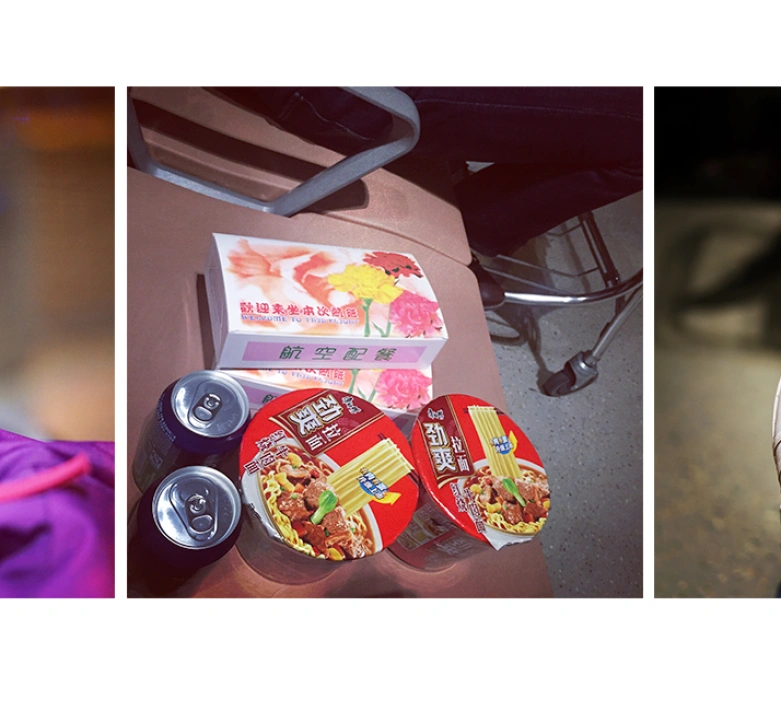
Our journey began on a whim—a last-minute flight from Nanjing, a shared love for adventure, and a hunger for authenticity. What followed was a week of steaming bowls, sizzling woks, and the kind of street-side meals that linger in memory long after the taste fades. Let's dive in.
Chapter 1: Chengdu – The Slow-Burning Hearth of Everyday Life
Late-Night Arrival: First Impressions of Chengdu's Charm

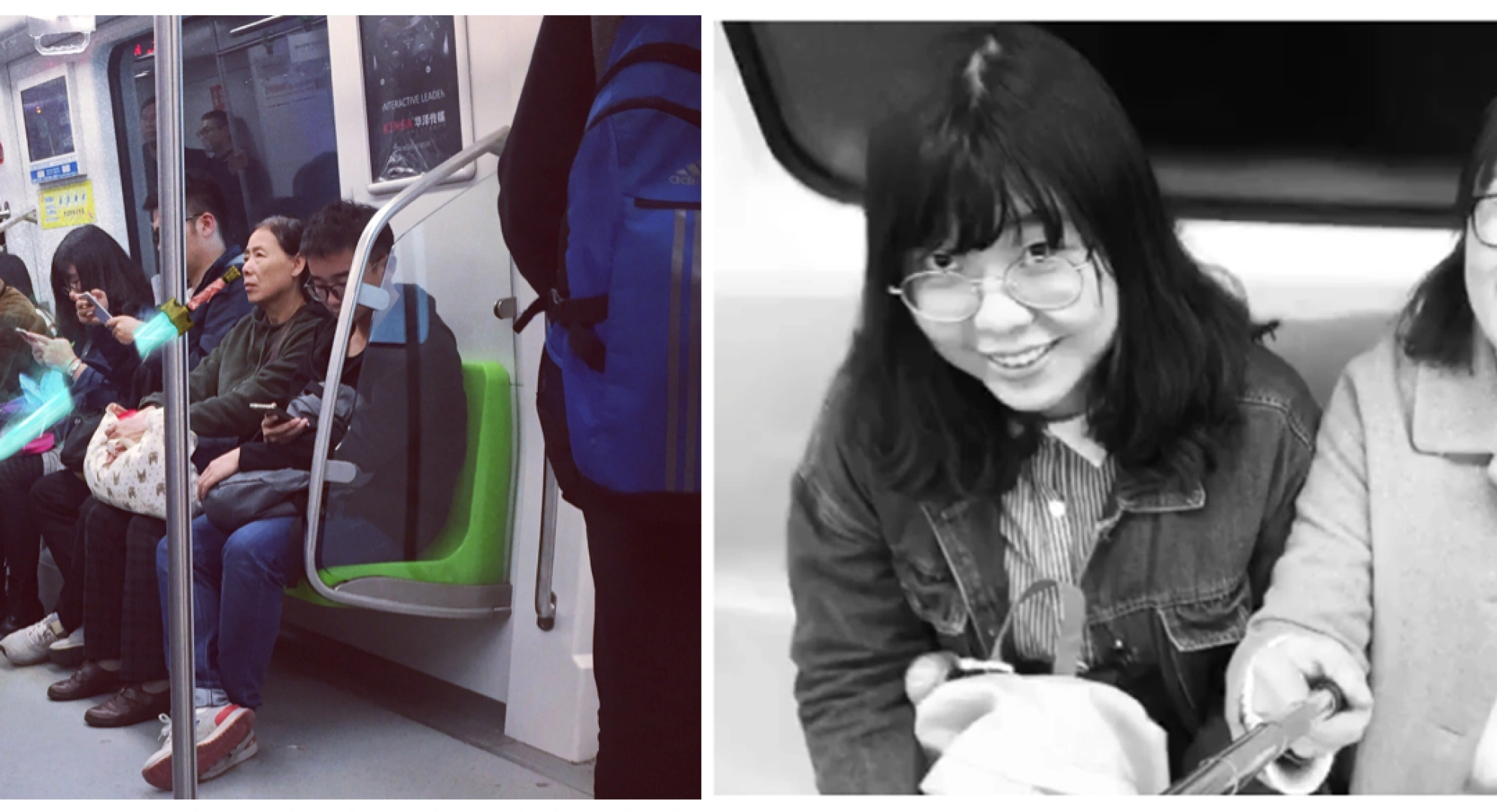
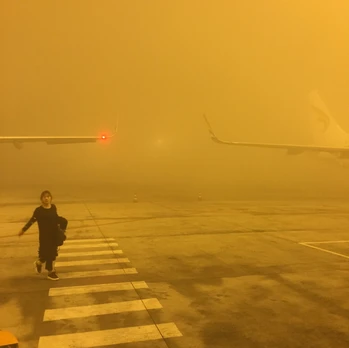
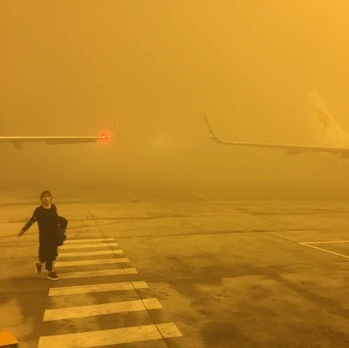
We landed at Chengdu Shuangliu Airport after a four-hour delay—a common story for domestic travelers in China. But the moment we heard the shuttle bus driver shout in authentic Chengdu dialect, "The door's about to close!" we knew we were somewhere special. The city's warmth, even at 4 AM, was palpable.
Our guesthouse near Kuanzhai Alley (Wide and Narrow Alley) was a bohemian dream: twinkling star lights, artistic décor, and a balcony that felt like a secret hideaway. After a quick unpack, we were ready to explore.
Morning Fuel: Burning Noodles and Pig Intestine Vermicelli
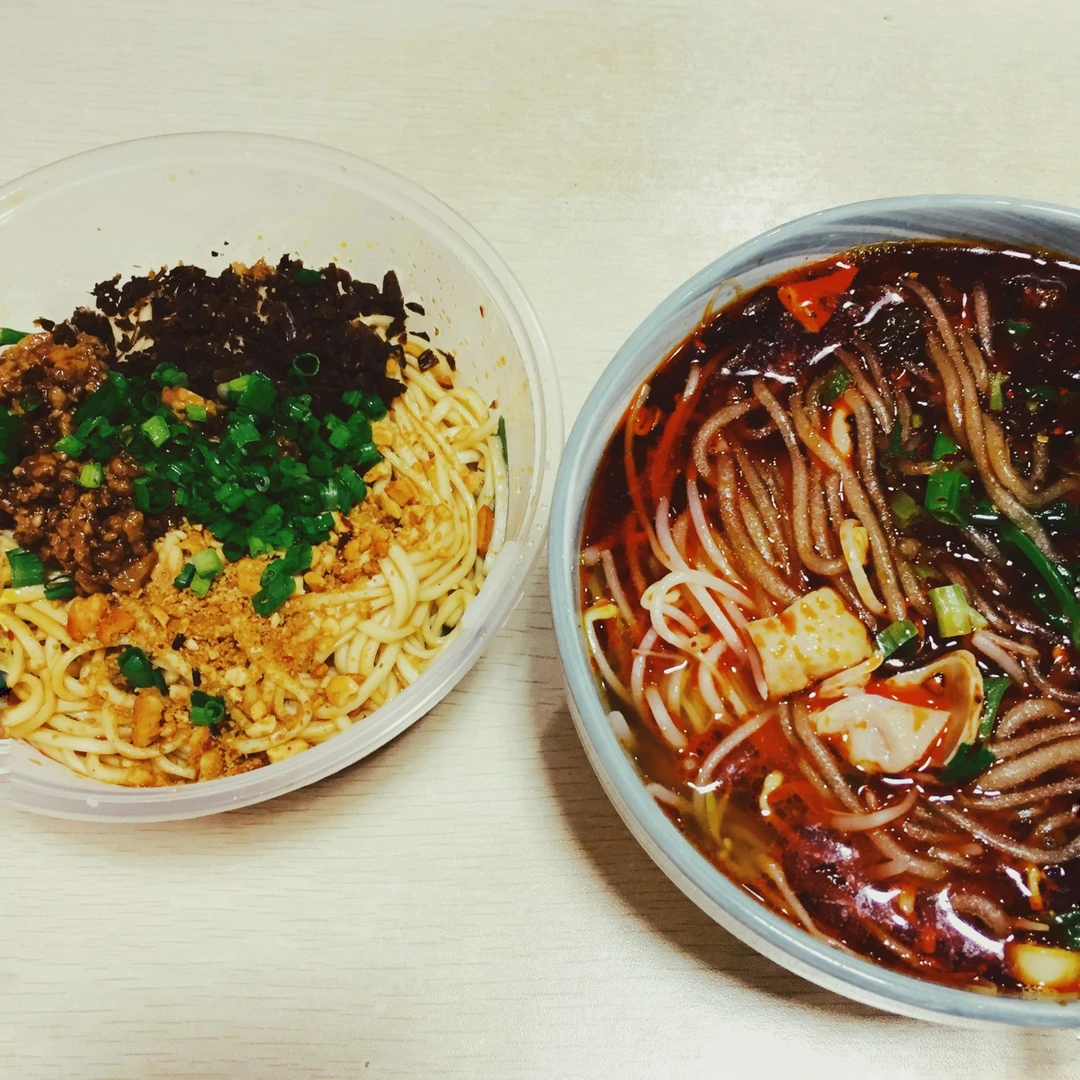
Chengdu's breakfast scene is a revelation. We followed our host's WeChat directions to a nearby snack street, where we ordered two bowls of burning noodles (燃面) and pig intestine vermicelli (肥肠粉). The Jiangnan girl in me feared the spice, but the flavor was so addictive that I couldn't stop. My Hunanese friend, Yoho, became our self-appointed "spice guardian," while I cautiously tested the city's boundaries.
Pro tip: If you're sensitive to spice, ask for wei la (微辣, mild spice) and keep a bottle of cold soy milk handy.
Jinli Ancient Street: Where Culture Meets Chaos
Jinli is a must-visit for any Chengdu itinerary. Nestled beside the Wuhou Shrine (Temple of Marquis Wu), this ancient street is a sensory overload of souvenirs, street food, and local life. We quickly learned the famous Chengdu joke about confusing "four" (sì) and "ten" (shí)—a vendor held up four fingers and said "ten yuan," leaving us baffled until we realized it was a local quirk.
Under a big tree at the exit, we sat and people-watched, debating lunch plans. In Chengdu, eating is never a trivial matter.
Hotpot and Face-Changing: A Taste of Bashu Grandeur
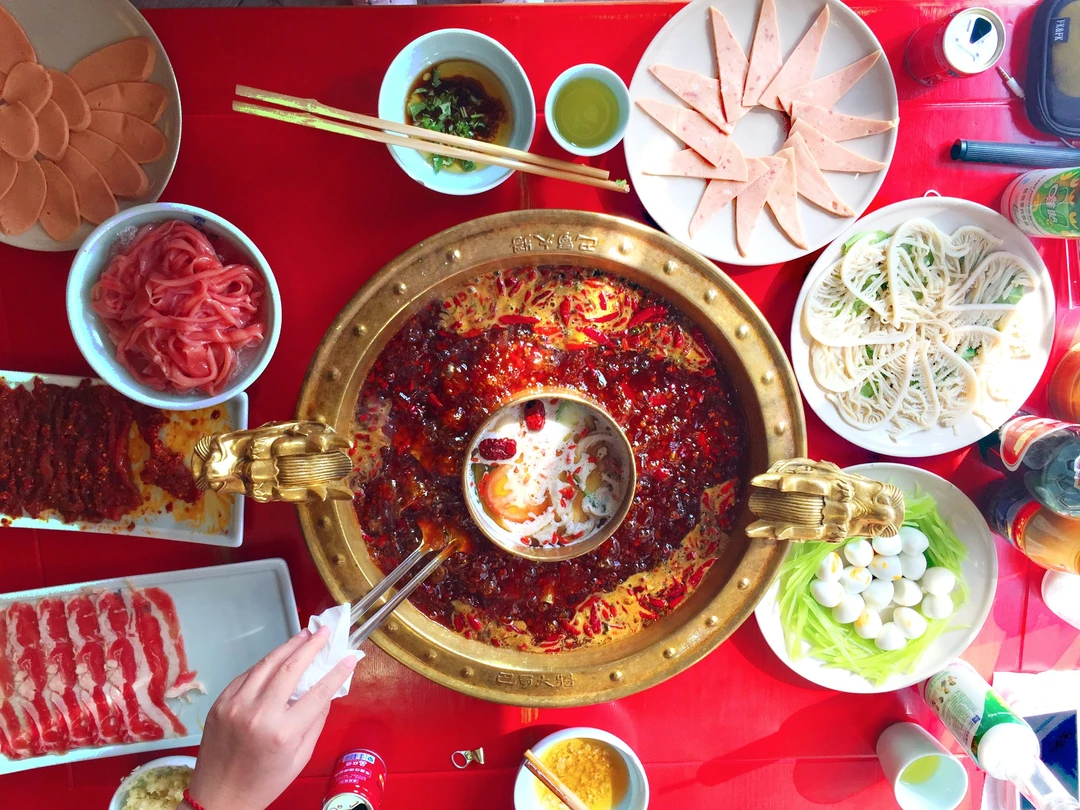
For dinner, we settled on Bashu Dajiang Hotpot in Taikoo Li. The traditional copper pot and oil dip sealed in little cans felt like a ceremony. The ingredients were fresh, the spice level mild (a compromise for my stomach), and the Sichuan opera face-changing performance—complete with a Doraemon mask—was a delightful surprise.
What to order: Fresh beef, tripe, and lotus root slices. Dip in sesame oil with garlic and cilantro for the full experience.
Du Fu Thatched Cottage: Bamboo Shadows and Poetic Serenity
Du Fu Thatched Cottage is a serene escape from the city. The bamboo groves are stunning, and the grounds are perfect for a quiet stroll. We regretted not downloading the audio guide—next time, I'll bring a Hanfu dress for photos.
Tip: Book tickets online in advance to save time. The audio guide app is a small fee but well worth it.
Night Skewers: The Heart of Chengdu Street Food
We met up with a local friend, Shoushou, who took us to Lao Qianqian on Zhimin Road—a skewer shop with a legendary queue. His advice: "Grab a handful of sticks at once. Dry dip is the only way. Cook meat first, then veggies." We corrected him playfully, but the meal was the liveliest of the trip.
What to try: Beef skewers, chicken heart, and tofu skin. Dip in dry chili powder and Sichuan peppercorn.
Kuanzhai Alley at Night: Starlight and Song
After dinner, we wandered through Kuanzhai Alley as shops closed and a quiet alley emerged. Music drifted from a bar—a perfect spot for a nightcap if we'd had more time. Under the stars, our first day in Chengdu ended.
Chapter 2: Pandas and Chongqing – An Unexpected Encounter
Panda Base: An Overwhelmingly Cute "Hit-and-Run" Scene
Warning: Wake up early! We slept in and arrived at 9 AM, only to find adult pandas napping and cubs sound asleep. Still, their lazy poses were irresistibly cute. Later, I found official videos of a cub that "faded" as it grew—a reminder that cuteness is timeless.
Best time to visit: 7:30–8:30 AM for active pandas. Avoid weekends and holidays.
Taolin Restaurant: The Right Way to Eat Sichuan Food
For lunch, we chose Taolin, a highly-rated Sichuan restaurant. Their signature fish was phenomenal—we finished everything in minutes. A foreign crew was filming a documentary, adding to the buzz.
Must-order: Boiled fish (水煮鱼), mapo tofu, and twice-cooked pork.
Chongqing: The Spicy Twin with a Mountainous Soul
Arrival: First Impressions of Chongqing's Vertical City
Chongqing is a city that defies logic—skyscrapers rise from mountains, and streets seem to fold into themselves. The air smells of chili and oil, and the energy is electric.
Hotpot in Chongqing: The Original and the Best
Chongqing hotpot is a different beast. The broth is darker, oilier, and fiercer. We found a local spot in Jiefangbei, where the queue stretched around the block. The secret? Fresh beef tripe and duck blood, dipped in a mixture of sesame oil and garlic.
Tip: Don't drink cold water during hotpot—it makes the spice hit harder. Stick to warm tea or soy milk.
Night View from Nanshan: A City of Lights
The best view of Chongqing is from Nanshan (South Mountain). The city lights stretch like a galaxy, and the Yangtze River glimmers below. It's a moment of pure magic.
FAQ: Your Questions About Chengdu and Chongqing Answered
1. What is the best time to visit Chengdu and Chongqing?
Spring (March–May) and autumn (September–November) offer mild weather and fewer crowds. Avoid summer (June–August) when temperatures soar and humidity is high.
2. How spicy is Sichuan food, really?
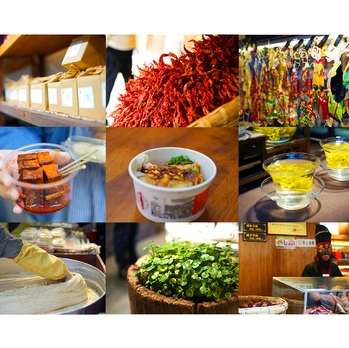 It varies. Chengdu food is often milder and more balanced, while Chongqing is fiercer. If you're sensitive, start with wei la (mild spice) and always have a cold drink handy.
3. Can I visit both cities in one trip?
Absolutely! They're only about 1.5 hours apart by high-speed train. A 5–7 day itinerary is ideal for both.
4. What are the must-try dishes in Chengdu?
Don't miss: hotpot, dan dan noodles, mapo tofu, kung pao chicken, and street skewers.
5. Is Chongqing safe for solo travelers?
Yes, Chongqing is very safe. The locals are friendly, and the public transport is excellent. Just watch your step on the steep stairs!
Internal Linking Suggestions
- [Link: Best Sichuan hotpot restaurants in Chengdu]
- [Link: Chongqing vs. Chengdu hotpot: What's the difference?]
- [Link: How to survive Sichuan spice as a beginner]
- [Link: Top 10 street foods in Chengdu you must try]
- [Link: A complete guide to visiting Chengdu Panda Base]
Conclusion: Your Culinary Adventure Awaits
Chengdu and Chongqing are more than just cities—they are living, breathing cookbooks filled with stories, flavors, and memories. Whether you're slurping noodles at 4 AM, watching pandas nap in the morning sun, or sharing skewers under the stars, every moment is a feast for the senses.
Ready to plan your trip? Start by booking your high-speed train ticket between the two cities, and don't forget to pack stretchy pants. Your taste buds will thank you.
Have questions or tips of your own? Drop a comment below or share your favorite Sichuan dish with us on social media. Let's keep the conversation spicy!
Travel tip: Download Dianping (大众点评) for real-time restaurant reviews and queue times. It's a lifesaver in both cities.
You may also like


