Chengdu: A Dialogue Across Three Millennia — A Journey Through Time at Jinsha and Yongling
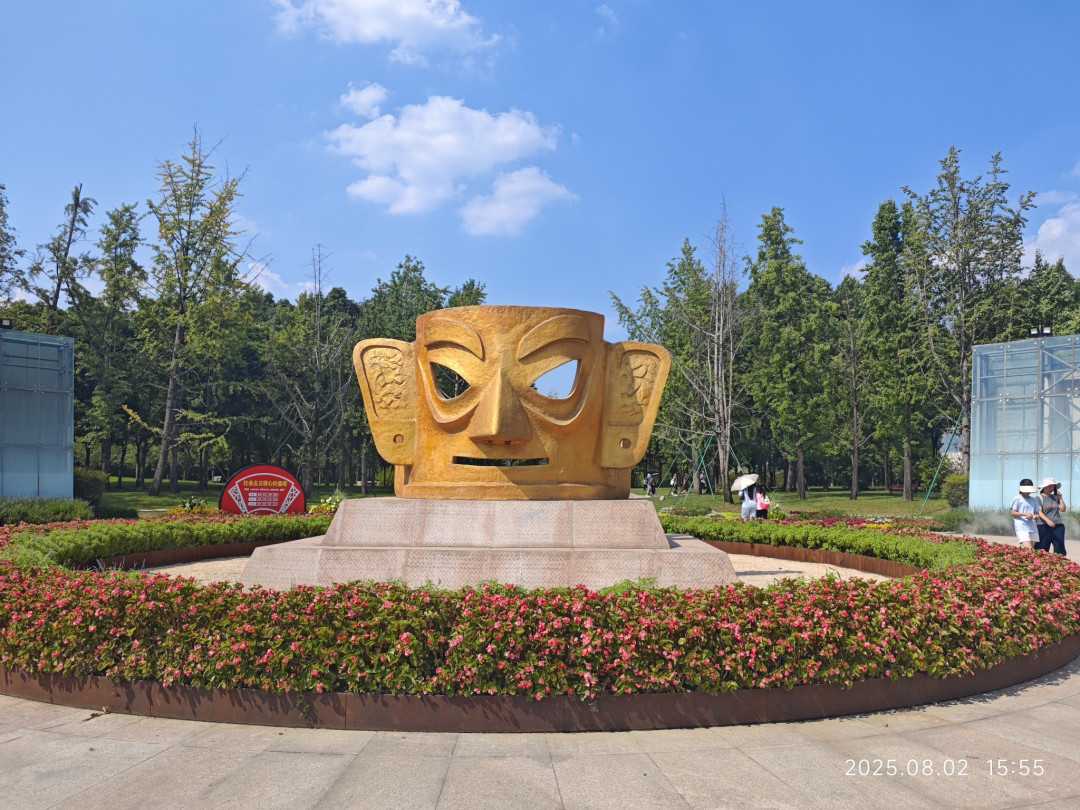
Meta Description: Explore Chengdu's ancient Shu civilization at Jinsha Site Museum and Yongling Museum. A detailed travel guide covering artifacts, history, and practical tips for your 2025 trip.
In the summer of 2025, I boarded a high-speed train in Chongqing heading west. In just an hour and a half, I traded the three-dimensional fantasy of the mountain city for the gentle embrace of the basin. Chengdu—a city whose name has remained unchanged for three thousand years—greeted me like a serene elder waiting by the Jin River, ready to keep an appointment with the ancient Shu civilization and the legacy of the Five Dynasties.
My itinerary was tight and focused: Day one, the Jinsha Site Museum and the Yongling Museum; Day two, the Ming Shu King Mausoleum and the Chengdu Museum; Day three, the Sanxingdui Museum and Kuanzhai Alley. But what stirred my heart most was the first day—a leap across two thousand years, from the mysteries of Shang and Zhou bronze to the splendor of Five Dynasties stone carvings.
Getting to Chengdu: Chongqing to Chengdu High-Speed Train
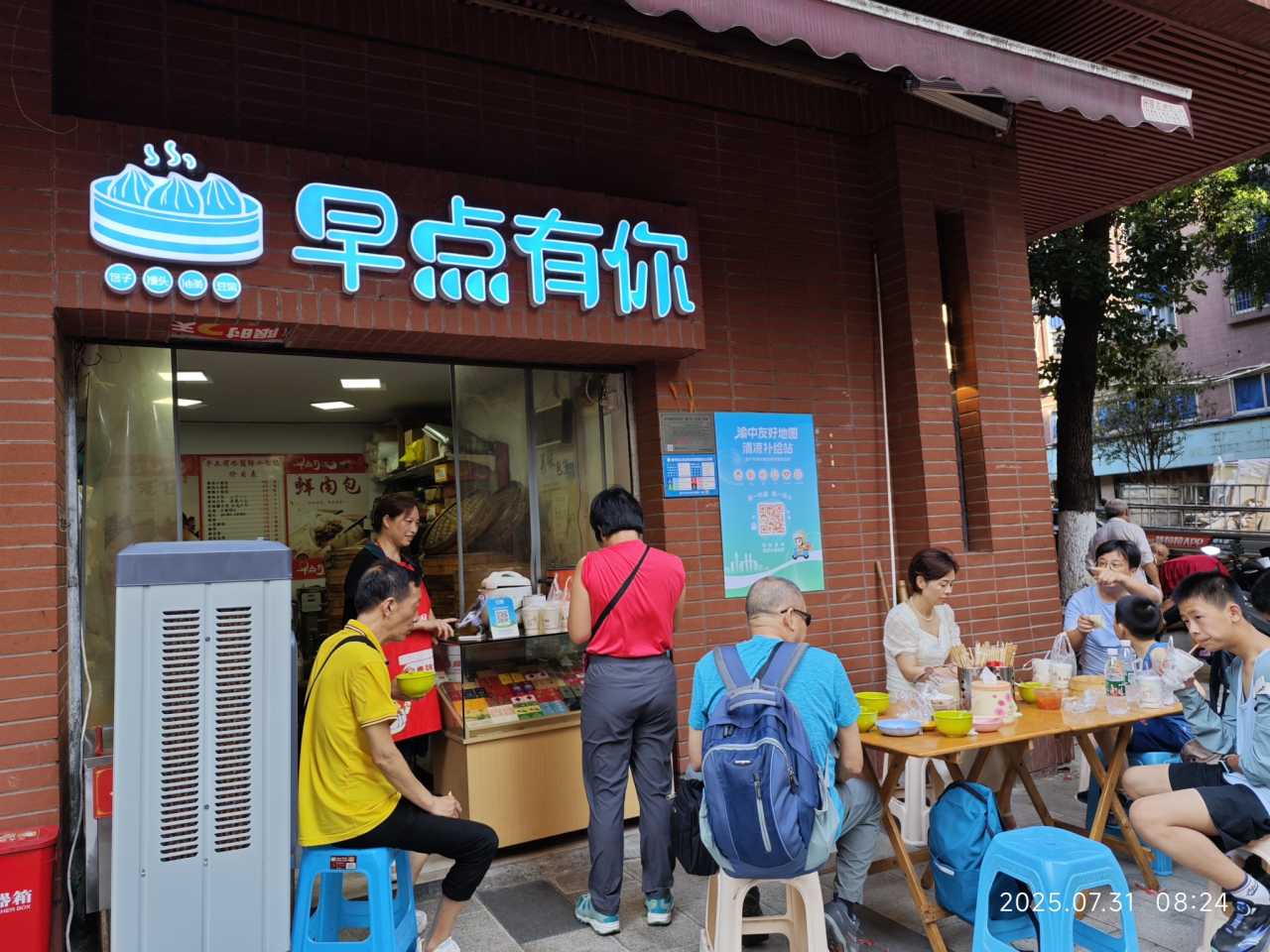
At half past six in the morning, I walked as usual into the small breakfast shop downstairs, "Morning Treats with You." Steamed pork buns with rice porridge—a simple comfort on the road. After a few days, the owner had come to recognize me. "Leaving today?" she asked with a smile. I nodded, feeling a faint tug of reluctance. The soul of Chongqing, I realized, was hidden in that bowl of hot porridge.
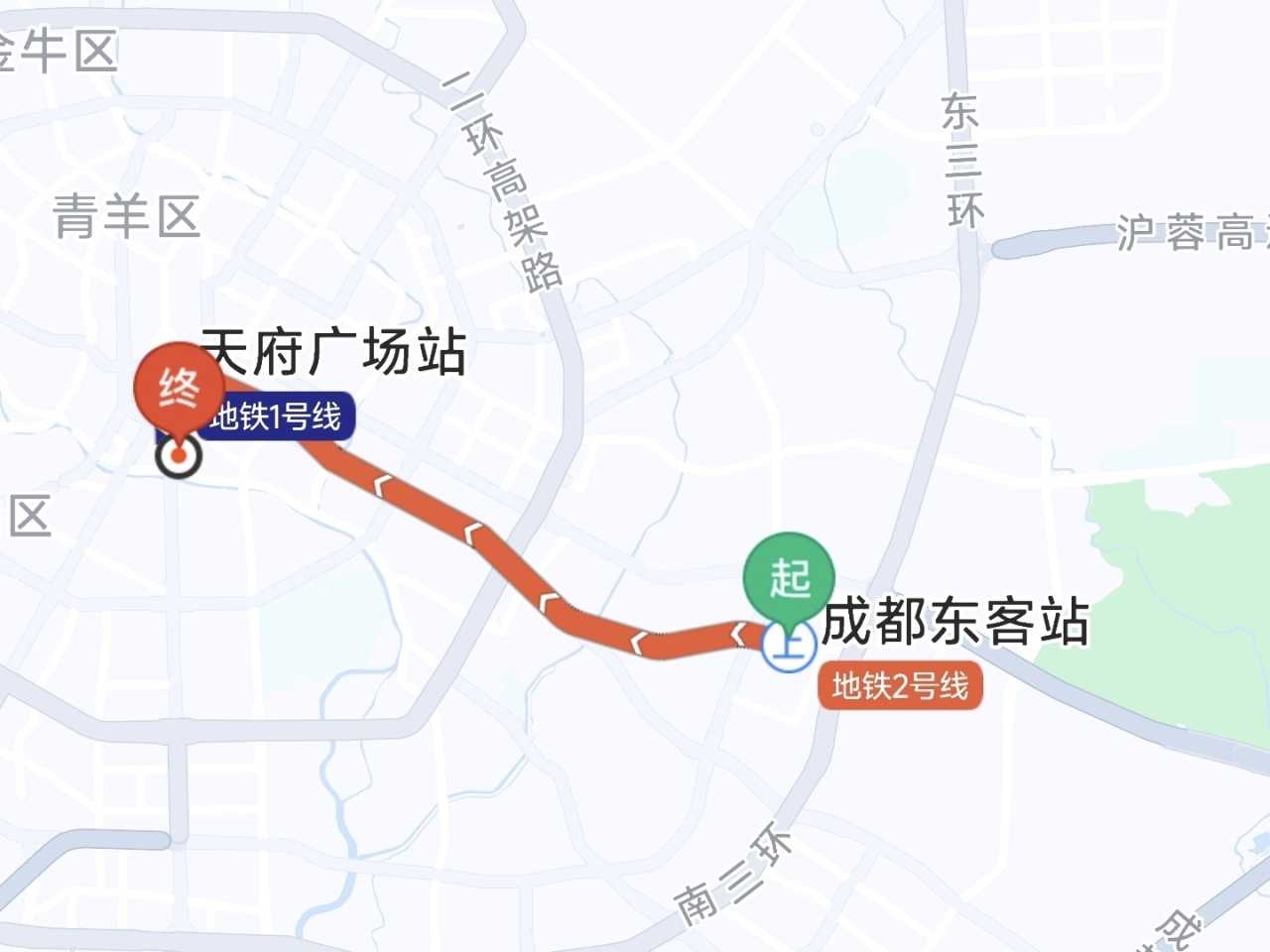
At 9:33 AM, the G8610 high-speed train departed Chongqing North Station on time. Ticket price: 161 yuan (approximately $22 USD). Travel time: 1 hour and 25 minutes. Outside the window, the layered towers of the mountain city gradually receded, replaced by the flat, open fields of the Chengdu Plain. At 10:58 AM, the train pulled smoothly into Chengdu East Station.
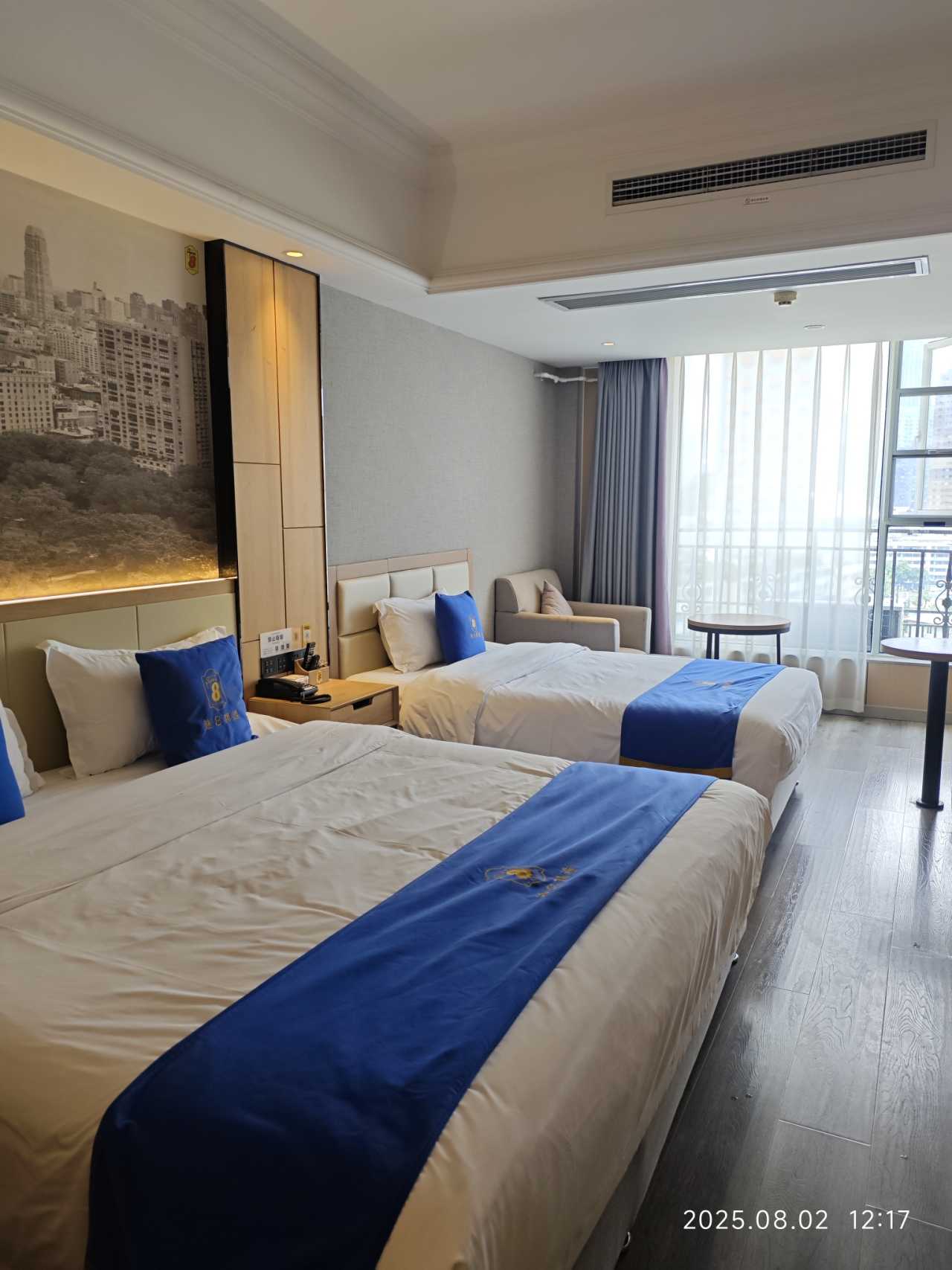
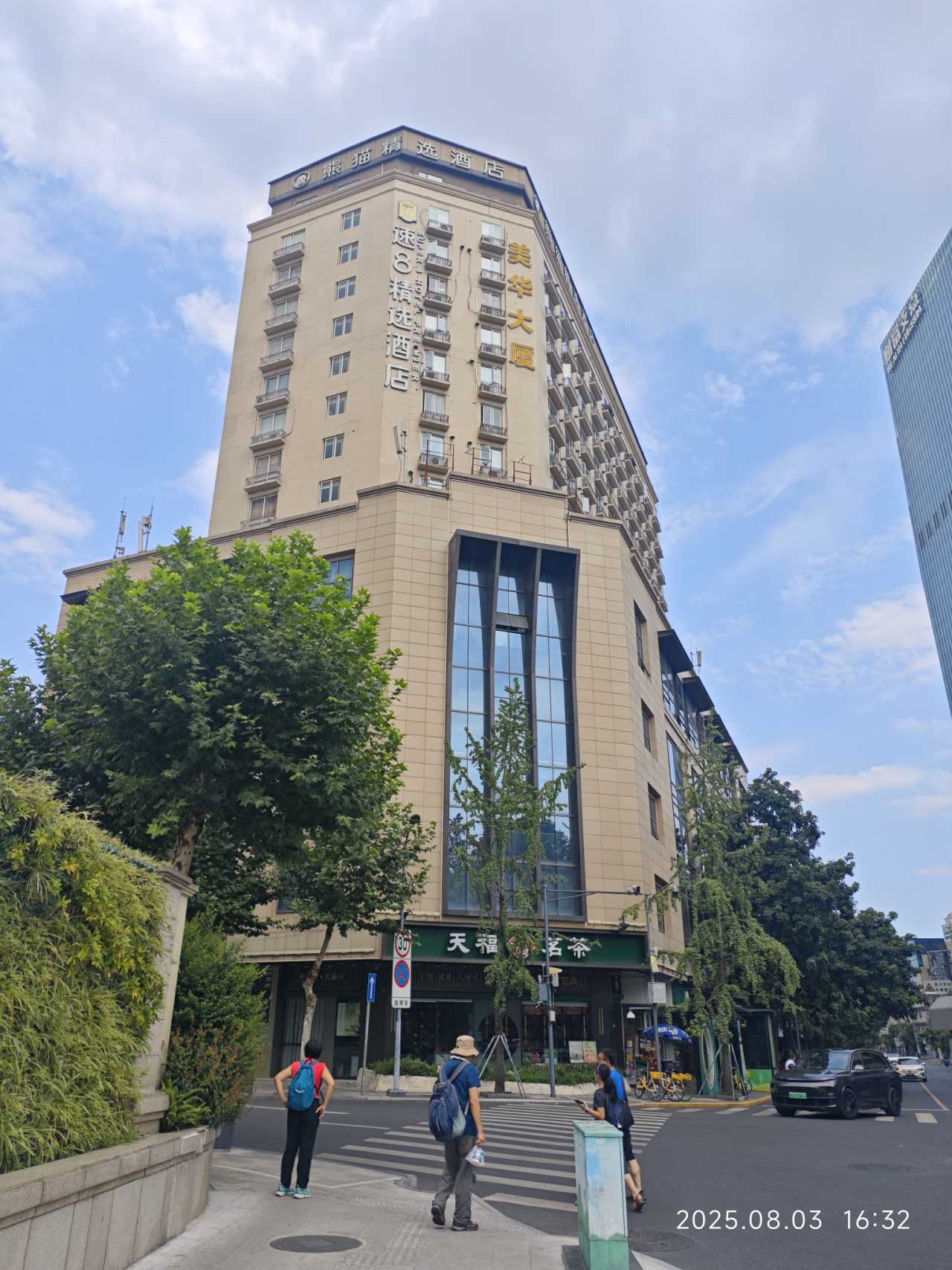
I had booked three nights at the Super 8 Hotel near Tianfu Square and Chunxi Road, for a total of 960 yuan (about $132 USD). I chose this location not only because it was in the city center with easy metro transfers, but more importantly—Chunxi Road is the boarding point for the direct bus to the Sanxingdui Museum. Tickets for Sanxingdui sell out online in seconds, and the bus certainly couldn't be missed. Staying right at the starting point gave me peace of mind.
[Link: Best hotels near Jinsha Site Museum for budget travelers]
Jinsha Site Museum: The Millennial Echo of the Sunbird
First Encounter with Jinsha
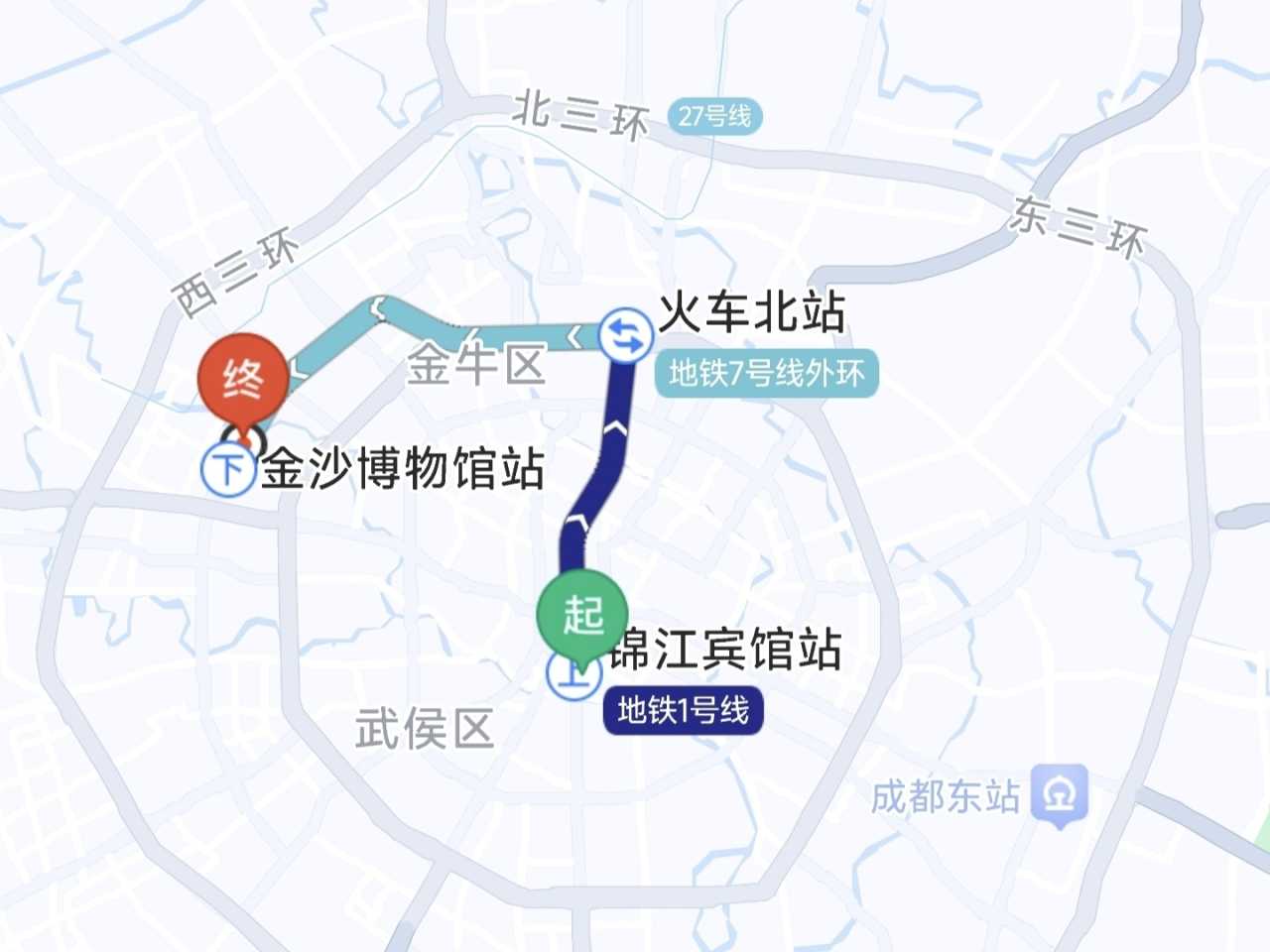
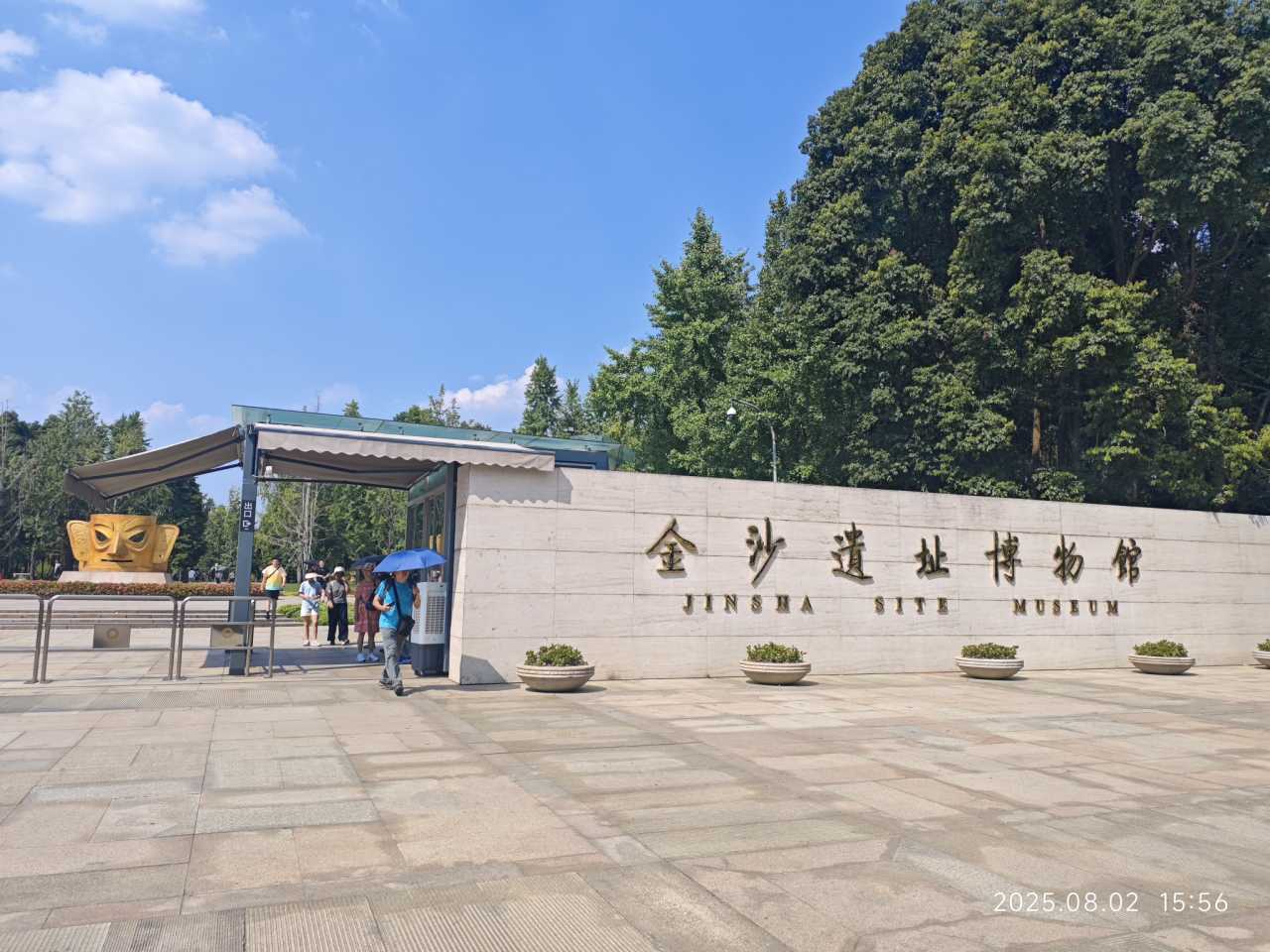
At two in the afternoon, I took Metro Line 1, then transferred to Line 7, arriving at No. 2 Jinsha Site Road in Qingyang District. Admission: 70 yuan (about $10 USD). Visitors aged 60 and above enter free (reservation required). Closed on Mondays. Opening hours: 9:00 AM to 6:00 PM, last entry at 5:00 PM.
The Jinsha Site Museum covers 300,000 square meters, with a building area of approximately 40,000 square meters. It opened in April 2007 and is a national first-class museum. The collection holds over three thousand artifacts, and the museum's crown jewel—the "Sun and Immortal Birds" gold foil—is the symbol of China's cultural heritage.
The museum consists of two main exhibition halls: the Relics Hall and the Exhibition Hall.
The Relics Hall: Standing at a Three-Thousand-Year-Old Sacrificial Site
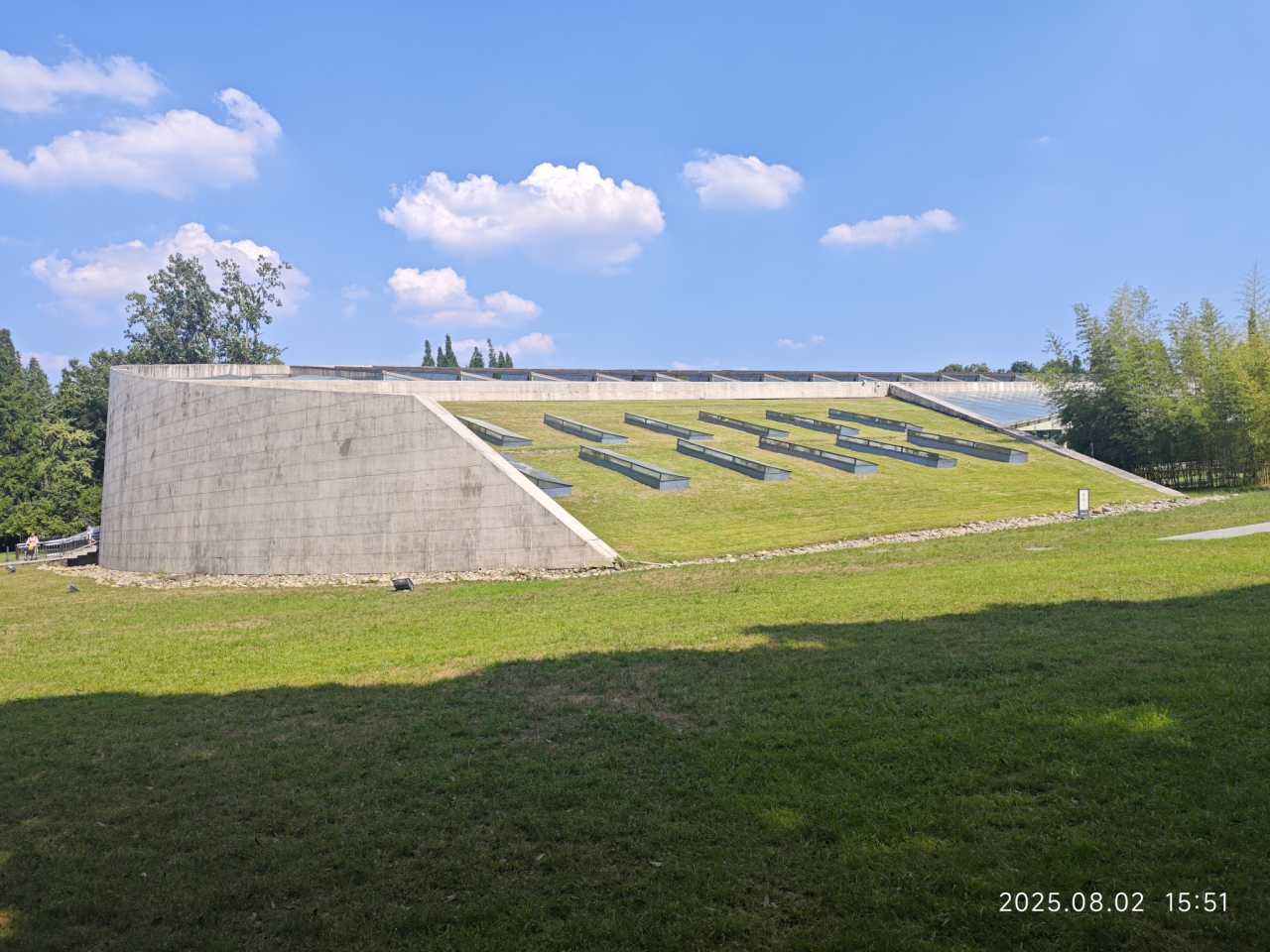
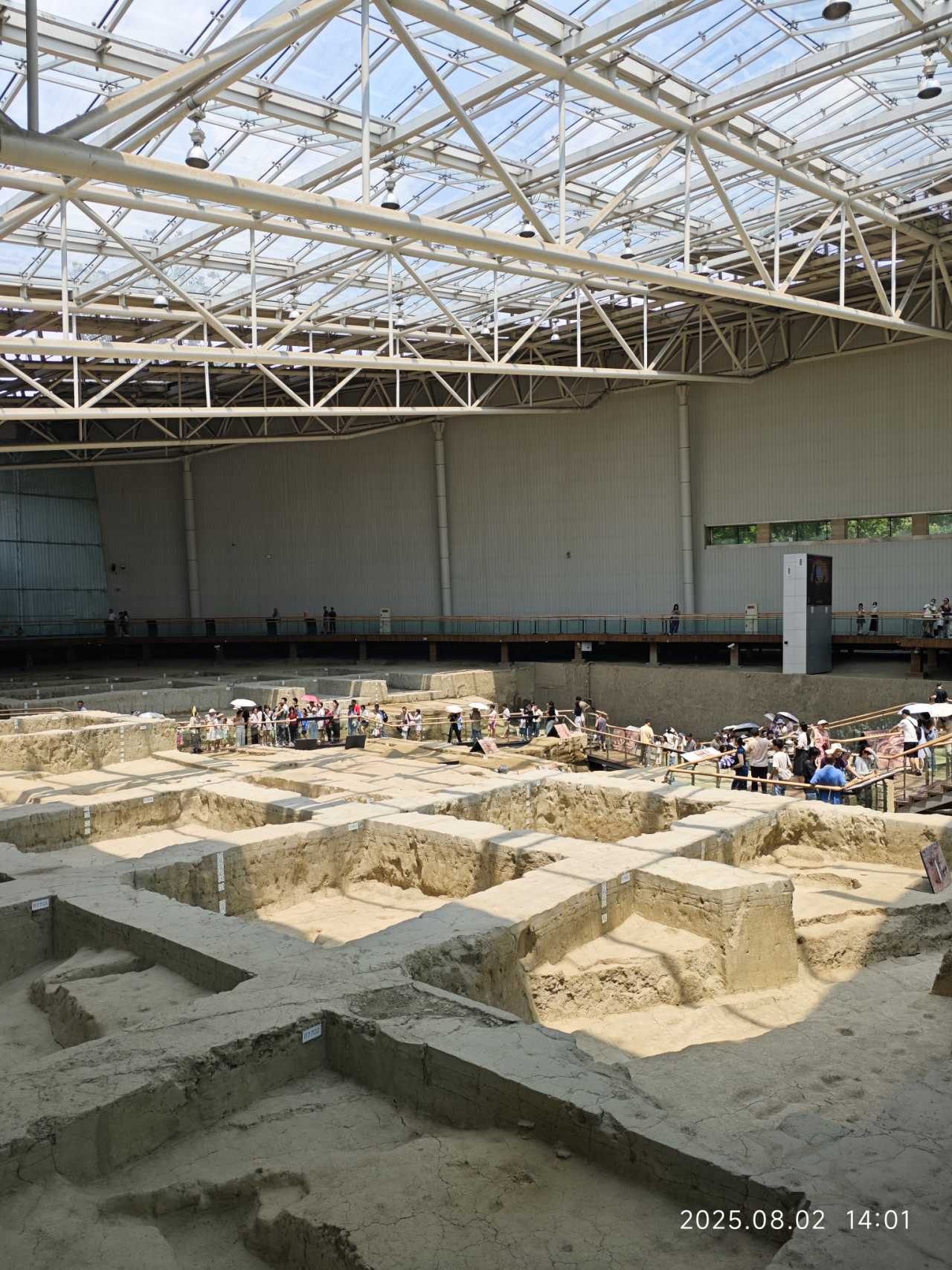
Entering the Relics Hall, a semi-circular all-steel structure covers the site like a giant shell. This building, 19 meters high with a 63-meter span, is supported by 15 steel columns, creating a column-free interior space. Its sloping design symbolizes the "tip of the iceberg" of the site, blending seamlessly with the earth.
On the afternoon of February 8, 2001, right here on this land, workers were excavating for construction in Jinsha Village when they accidentally uncovered a buried treasure trove that had lain sealed for over three thousand years. Large building foundations, sacrificial activity areas, residential sites, burial grounds—tens of thousands of gold, jade, bronze, pottery, lacquer, stone, bone, and ivory artifacts emerged from the earth. Archaeologists named this site "Jinsha" and speculated that it was very likely the political, economic, and cultural center that rose on the Chengdu Plain after the decline of the Sanxingdui civilization—another capital of the ancient Shu kingdom from the late Shang Dynasty to the Western Zhou period.
The Relics Hall is built directly on the original sacrificial area, dating from approximately 1300 BCE to 650 BCE, spanning over 500 years. This is the longest continuously used and best-preserved ancient sacrificial site ever discovered in China. The sacrificial activities unfolded in three phases: the early phase featured ivory and stone tools; the middle phase saw extensive use of jade, bronze, and gold; and the late phase was dominated by wild boar tusks and deer antlers.
That day was scorching hot. The sun baked the roof, turning the interior into a stifling steam bath. I walked along the perimeter boardwalk for one circuit and was drenched in sweat. The yellow earth still held many unexcavated treasures—archaeological work is far from complete, and Jinsha promises more surprises to come.
What struck me most was the three-thousand-year-old tree root remnant along the ancient riverbank, spanning over 100 square meters. It was identified as a Bischofia javanica (bishop wood). In China, this tree prefers moist conditions and is mainly found in Shaanxi, Jiangsu, Fujian, Sichuan, and Yunnan. Its discovery reflects the warm, humid climate of the Chengdu Plain at that time.
After fifteen minutes, I fled the Relics Hall and headed for the Exhibition Hall.
[Link: How to visit Sanxingdui and Jinsha in one day]
The Exhibition Hall: A Brilliant Treasury of Ancient Shu Civilization
The Exhibition Hall covers 16,000 square meters and houses five main galleries: "Ancient Homeland," "Capital City Silhouette," "Heaven and Earth Unceasing," "Millennial Treasures," and "Deciphering Jinsha." Stepping into the lobby, a massive screen plays historical narratives as a scroll of images unfolds.
The Capital City Silhouette gallery told me that the Jinsha site spans over five square kilometers, with more than two thousand tombs discovered. These tombs are neatly arranged, all oriented northwest-southeast, and predominantly feature supine straight-limb burials and secondary reburials. Single burials are most common, with a few joint husband-wife tombs. Burial goods mainly consist of pottery and stone tools, with occasional jade and bronze items; some tombs have no grave goods at all—reflecting clear social stratification and wealth disparity in that society.
Taking the elevator to the second floor, the open atrium above features a "Sun and Immortal Birds" motif transformed into a beautiful dome, as if guiding me toward the most precious exhibits.
Ivory: Jinsha yielded tons of ivory, with the longest pieces reaching nearly 1.85 meters. In sacrificial pit No. 1, eight layers of ivory were placed in parallel rows with remarkable regularity—a truly spectacular sight.
Gold Artifacts: Jinsha produced over two hundred exquisite gold objects, the largest quantity, variety, and highest craftsmanship of any contemporary site in China. Round gold foils, fish-shaped gold foils, sword-shaped gold foils, face-shaped gold foils... gold bands, box-shaped gold vessels, gold human face masks, eye-shaped gold ornaments—each piece shines with the wisdom of ancient Shu artisans.
Bronze Standing Figure: Standing 19.6 centimeters tall, this figure wears a long robe, carries a short staff at the waist, and dons a sun-shaped crown. Its arms are encircled in front, its expression solemn and majestic. The crown features thirteen curved tooth-like ornaments, the earlobes are pierced, and a braid hangs down the back. The hands are clasped together and raised before the chest as if holding something, standing on a plug base. Small yet exquisite, it bears a strong resemblance to the large bronze standing figure from Sanxingdui, reflecting the shamanistic culture of ancient Shu.
Kneeling Stone Figure: Measuring 8.2 cm long, 9.41 cm wide, and 23 cm high, this figure is in a kneeling position with hands bound behind the back. It is one of the earliest known stone human figures in Chinese archaeology.
[Link: Top 10 must-see artifacts at Jinsha Site Museum]
Yongling Museum: The Splendor of Five Dynasties Stone Carvings
Journey to Yongling
From Jinsha, I took a short taxi ride to Yongling Museum, located at No. 10 Yongling Road, Jinniu District. Admission: 20 yuan (about $3 USD). Opening hours: 8:30 AM to 6:00 PM, last entry at 5:30 PM. Closed on Mondays.
Yongling is the mausoleum of Wang Jian, the founding emperor of the Former Shu Kingdom during the Five Dynasties period (907–925 AD). Unlike the sprawling Jinsha site, Yongling is compact but exquisitely preserved—a true gem of medieval Chinese funerary architecture.
The Underground Palace
Descending into the underground palace, I was immediately struck by the cool, still air. The tomb chamber is divided into three sections: the front chamber, the middle chamber, and the rear chamber. The entire structure is built from massive stone blocks, with a vaulted ceiling that has remained intact for over a thousand years.
The centerpiece of Yongling is the stone coffin bed, carved with twenty-four musicians and dancers in high relief. These figures represent one of the earliest and most complete depictions of court music and dance from the Five Dynasties period. Each musician plays a different instrument—pipa, flute, sheng, drum—while dancers sway in flowing robes. The level of detail is breathtaking: you can see the folds of their garments, the expressions on their faces, even the strings of the instruments.
The rear chamber contains a stone statue of Wang Jian himself, seated on a throne. The statue is remarkably lifelike, with a broad face, a prominent nose, and a dignified expression. It is one of the few surviving portrait sculptures of a Chinese emperor from this period.
The Exhibition Hall
The museum's exhibition hall displays artifacts recovered from the tomb, including ceramic figurines, bronze mirrors, and silver vessels. Particularly notable are the twelve guardian figures carved in stone, each standing about 1.5 meters tall. These figures, dressed in armor and holding weapons, were meant to protect the emperor in the afterlife.
What struck me most was the calligraphy stele in the front chamber, inscribed with Wang Jian's biography. The characters are carved in the regular script style, elegant and precise. Standing before it, I felt a direct connection to a thousand years of Chinese history.
[Link: Yongling vs. other Five Dynasties mausoleums]
Practical Tips for Visiting Jinsha and Yongling
Best Time to Visit

The best time to visit both museums is spring (March–May) and autumn (September–November), when the weather is mild. Summer can be extremely hot and humid, especially in the Relics Hall at Jinsha, which has limited air circulation.
How to Get There
- Jinsha Site Museum: Metro Line 1 to Tianfu Square, transfer to Line 7 to Jinsha Site Museum Station. Exit B.
- Yongling Museum: From Jinsha, take a taxi (about 15 minutes, 20 yuan) or bus route 83.
Tickets and Reservations
- Jinsha Site Museum: 70 yuan. Book online at least 3 days in advance during peak season.
- Yongling Museum: 20 yuan. Walk-in tickets usually available.
What to Bring
- Comfortable walking shoes (both museums involve significant walking)
- Water bottle (especially for Jinsha's Relics Hall)
- Camera (photography allowed in most areas, no flash)
- Sunscreen and hat for outdoor sections
[Link: Chengdu museum pass – save money on multiple attractions]
FAQ: Your Questions About Jinsha and Yongling Answered
1. What is the difference between Jinsha and Sanxingdui?
Jinsha (1200–650 BCE) is a later capital of the ancient Shu kingdom, while Sanxingdui (1600–1200 BCE) is an earlier site. Both belong to the same civilization, but Jinsha is more focused on jade and gold artifacts, whereas Sanxingdui is famous for its massive bronze masks and figures. [Link: Sanxingdui vs. Jinsha – which to visit first]
2. How much time should I allocate for Jinsha Site Museum?
Plan for 3–4 hours minimum. The Relics Hall takes about 30–45 minutes, the Exhibition Hall requires 1.5–2 hours, and the outdoor areas (including the forest and riverbank) add another 30 minutes.
3. Is Yongling Museum suitable for children?
Yes, but younger children may find the underground palace dark and confined. The stone carvings and figurines are visually engaging. The museum is small enough (1–1.5 hours) to hold a child's attention.
4. Can I visit both Jinsha and Yongling in one day?
Absolutely. Start with Jinsha in the morning (opens at 9 AM), have lunch nearby, then take a taxi to Yongling in the afternoon. Both are in Qingyang and Jinniu districts, about 15 minutes apart.
5. Are there English audio guides available?
Yes, both museums offer English audio guides (rental fee 20–30 yuan). The Jinsha audio guide is particularly detailed, with commentary on all major artifacts.
Conclusion: A Journey Through Three Millennia
As I left Yongling Museum in the late afternoon, the sun cast long shadows across the ancient stones. In one day, I had traveled from the Shang Dynasty (Jinsha) to the Five Dynasties (Yongling)—a span of over two thousand years. Yet the thread connecting them was unmistakable: the enduring spirit of Chengdu, a city that has preserved its cultural heritage across millennia.
The Sun and Immortal Birds gold foil at Jinsha, the stone musicians at Yongling—these are not just artifacts in a museum. They are voices from the past, speaking to us across time. And in Chengdu, those voices are still clear, still vibrant, still waiting to be heard.
Ready to plan your own journey through Chengdu's ancient history? Book your high-speed train tickets, reserve your museum slots, and prepare for an unforgettable dialogue with three thousand years of civilization. The ancient Shu kingdom is waiting.
[Link: Book Chengdu museum tickets online] [Link: Chengdu 3-day itinerary for history lovers]
You may also like


