Chasing the Most Beautiful Autumn Colors: A Photography Journey Through Jiuzhaigou, Huanglong, and Bipenggou in Sichuan
Meta Description: Discover the ultimate Sichuan autumn photography itinerary covering Jiuzhaigou, Huanglong, and Bipenggou. Expert tips on capturing peak fall colors, transportation, and multi-day passes.
Why Sichuan is China's Ultimate Autumn Photography Destination
The pandemic may have closed international borders, but it opened our eyes to the breathtaking beauty within China. Among all provinces, Sichuan autumn photography stands unmatched—especially in the western corridor where nature paints its most vivid masterpiece.
I originally planned a Xinjiang trip, but a sudden COVID outbreak forced a pivot. So I saved my annual leave for Sichuan's most spectacular season—autumn. And what a decision that turned out to be.
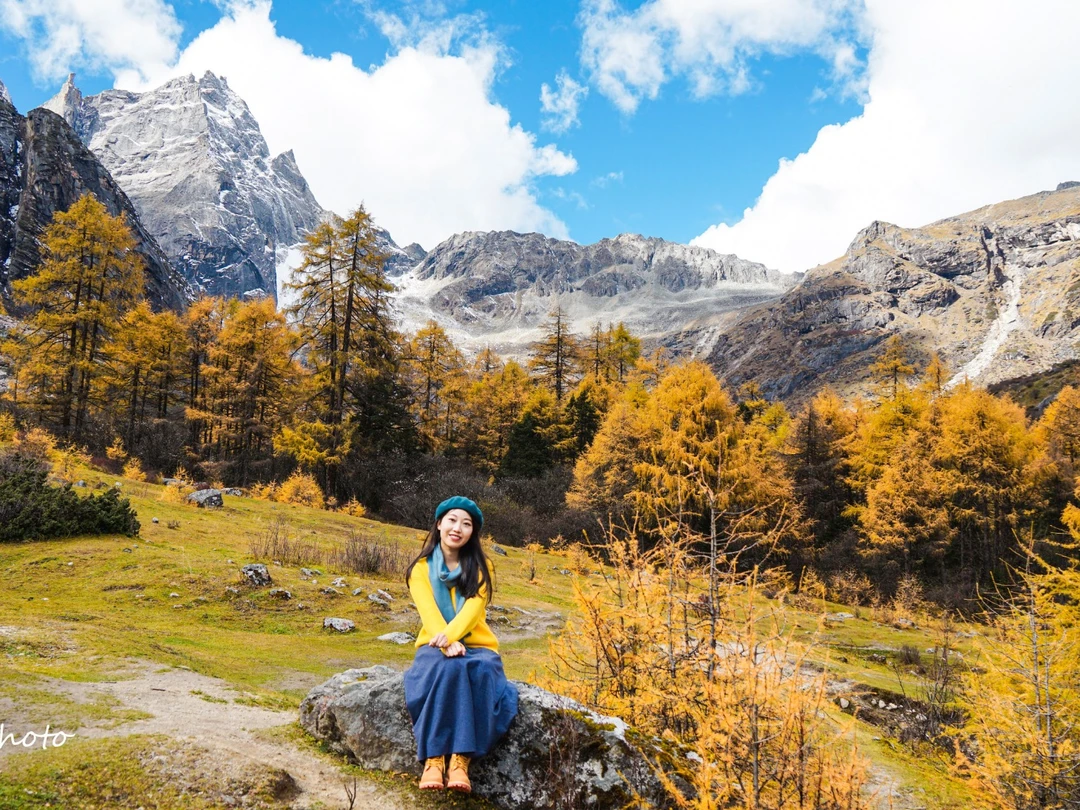
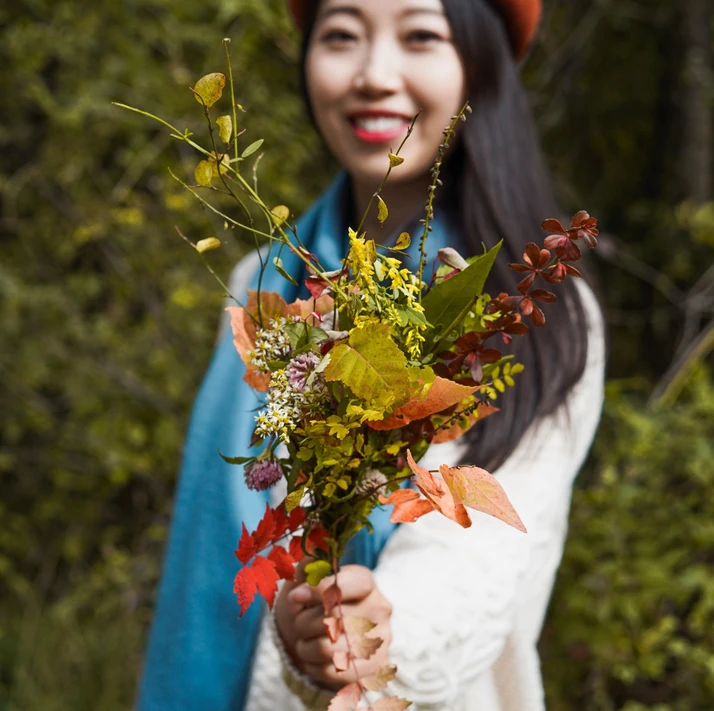
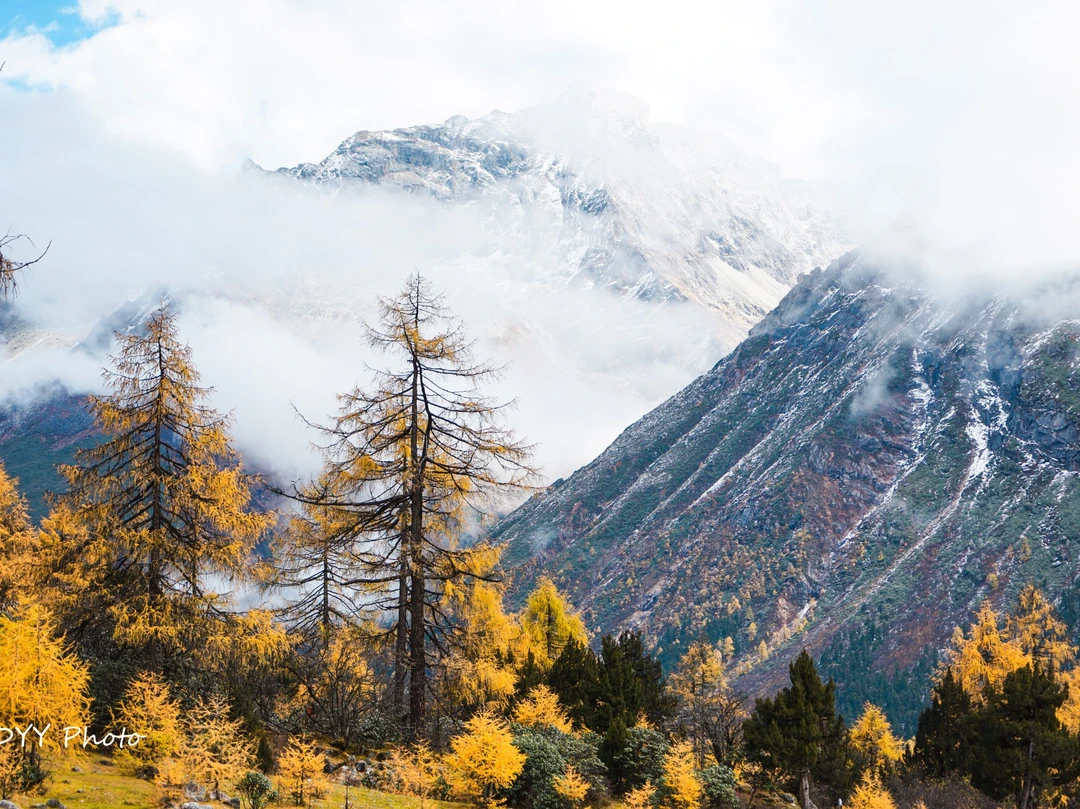
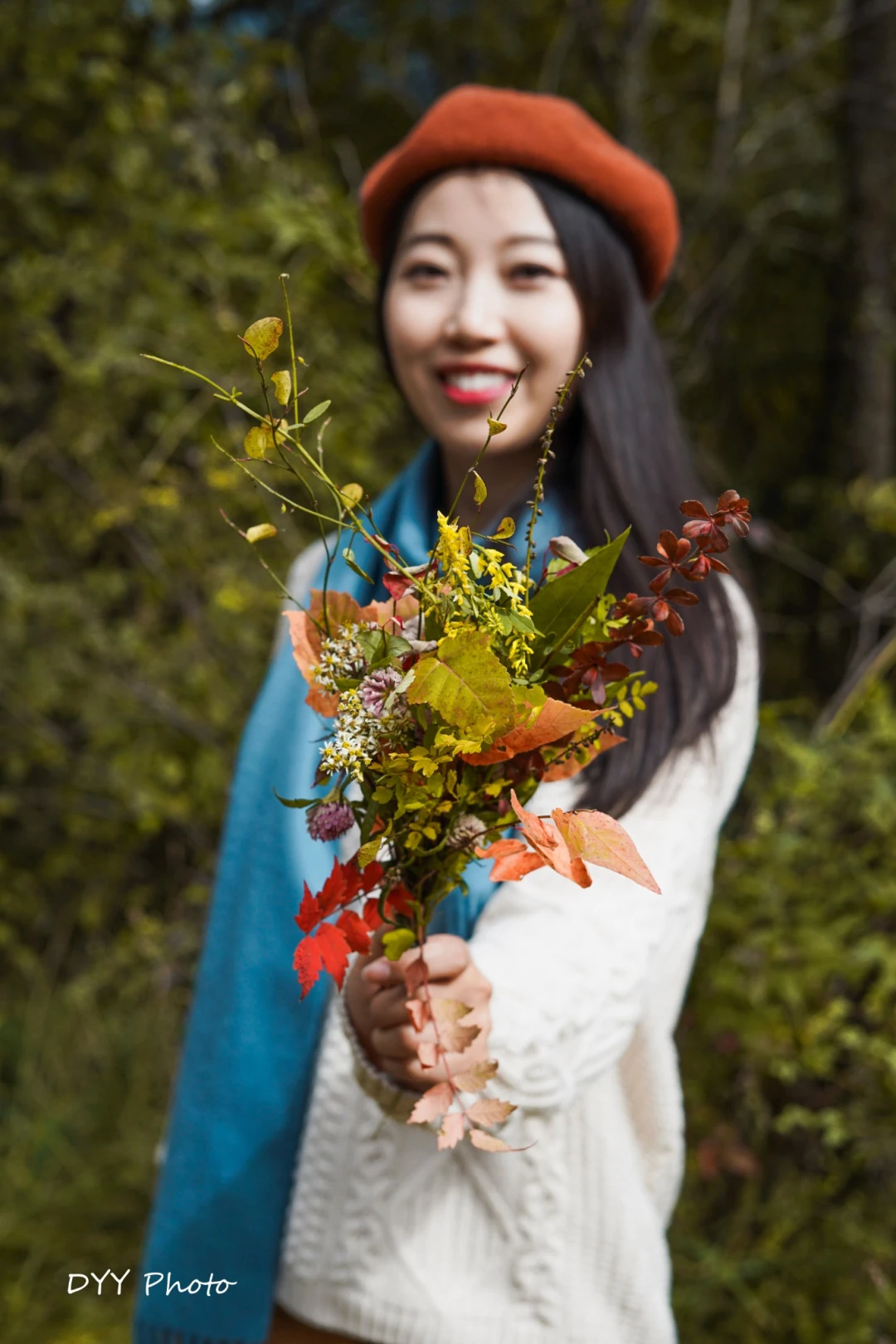
Western Sichuan in autumn is like nature knocking over a paintbox. Golden larch forests, turquoise lakes, and snow-capped peaks create a photographer's paradise. A bunch of wildflowers picked by the roadside, casually snapped with a camera, becomes a tender portrait of the season.
Planning Your Sichuan Autumn Photography Itinerary

Best Time for Sichuan Fall Colors
Based on extensive research, the prime viewing period for Jiuzhaigou autumn colors is late October. We scheduled our trip for the last week of October—perfect timing to catch peak foliage.
How to Link Jiuzhaigou, Huanglong, and Bipenggou
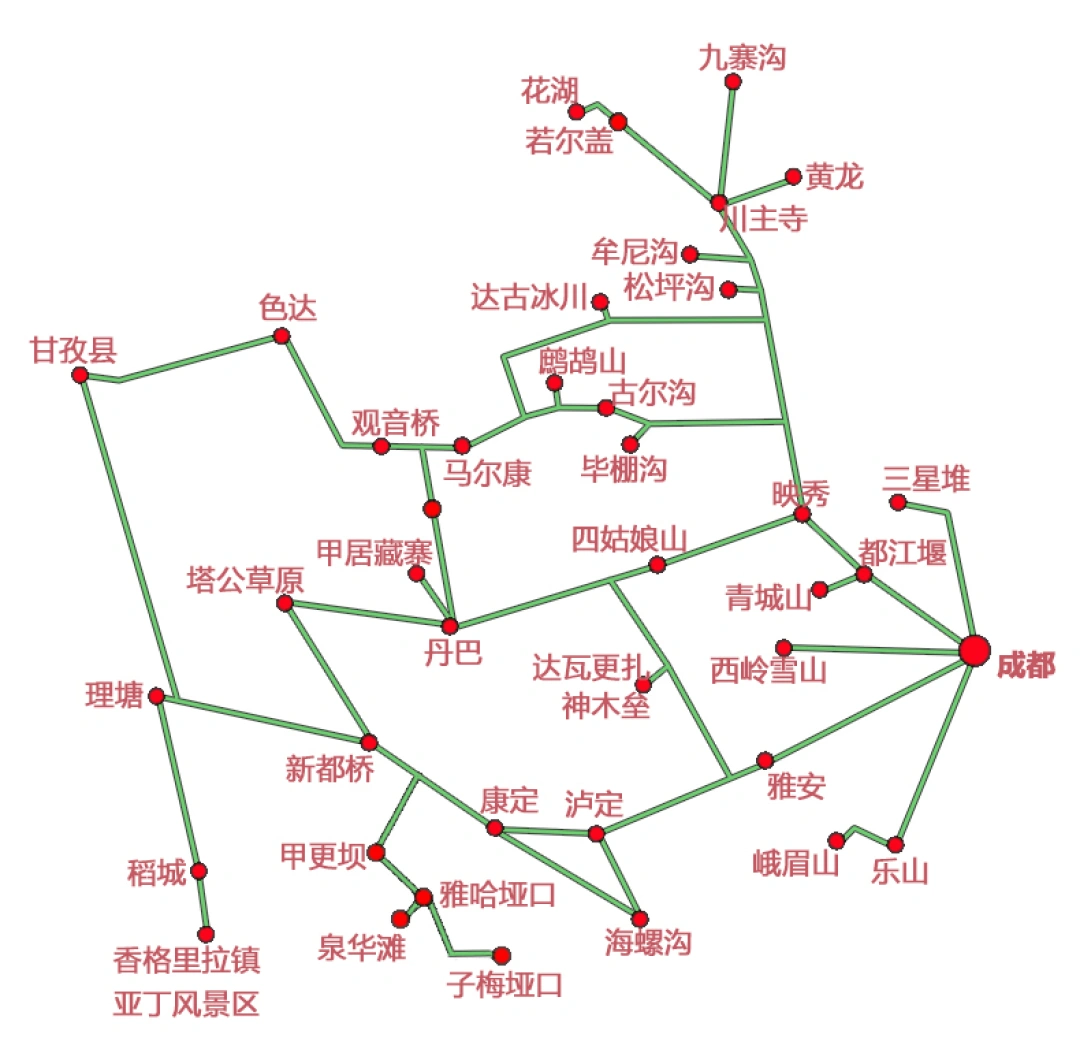
Sichuan is enormous. Trying to hit everything in one trip is unrealistic. My advice: plan your Sichuan autumn road trip around attractions along the same corridor. Jiuzhaigou, Huanglong, and Bipenggou all lie in western Sichuan and can easily be linked together in a 5-7 day itinerary.
Transportation Tips for Jiuzhaigou Photography
The distance from Chengdu to Jiuzhaigou surprises most travelers—eight to nine hours by car including breaks. For office workers with limited annual leave, flying to Jiuzhai Huanglong Airport is the smart move.
We flew from Shanghai via Lanzhou. The moment our plane descended through snowy peaks, we knew it was worth every penny. Locals joke that "nine out of ten flights turn yellow" (a pun on the airport's name), but we had clear skies and a smooth landing.
Day 1: Shanghai to Jiuzhaigou – A Full Day of Travel
We left home at 4 a.m. and didn't land until 5 p.m. The flight itself was unforgettable—the plane wove between snow-capped mountains, with peaks at eye level on both sides. The sheer scale made me understand why pilots treat this route with caution.
Altitude sickness tip: Both my friend Alan and I experienced mild symptoms. I'd taken Rhodiola rosea supplements for a week beforehand, so my symptoms were lighter—mostly a bloated head and shortness of breath. Jiuzhaigou's elevation is lower than the airport's, so symptoms disappear once you descend to the valley entrance.
That night, we stayed in a guesthouse about a kilometer from the park entrance. Basic but convenient.
Day 2: Jiuzhaigou Photography Guide – Two Days Beat One
Most visitors give Jiuzhaigou National Park just one day. That's a shame. The valley is massive. With only one day, you end up skimming the surface, hopping on and off shuttle buses. We allocated two days, which allowed us to stroll along boardwalks at a leisurely pace and soak in the scenery up close.
Later, we met photography enthusiasts who had spent five days here—proof of just how captivating Jiuzhaigou can be.
Jiuzhaigou Valley Map and Strategy
Jiuzhaigou is shaped like a "Y," formed by three valleys: - Shuzheng Valley – Best for waterfalls and cluster lakes - Rize Valley – Home to the iconic Five Flower Lake - Zechawa Valley – Features the stunning Five-Color Pond
They converge at Nuorilang Transfer Station, the only place in the park with a restaurant.
Booking tip: Reserve tickets a day in advance. During peak season, single-day tickets are valid for only one day.
Strategy: Save the park map on your phone, enter early, follow shuttle bus routing, and explore each valley one by one. Shuttle buses connect every scenic stop, and you can walk between nearby ones.
Top Jiuzhaigou Photography Spots
| Valley | Must-See Spots |
|---|---|
| Rize Valley | Five Flower Lake (crown jewel), Pearl Shoal Waterfall |
| Shuzheng Valley | Shuzheng Cluster Lakes, Nuorilang Waterfall, Shuanglonghai, Reed Lake |
| Zechawa Valley | Five-Color Pond |
Shuzheng Cluster Lakes – A Layered Blue Dream
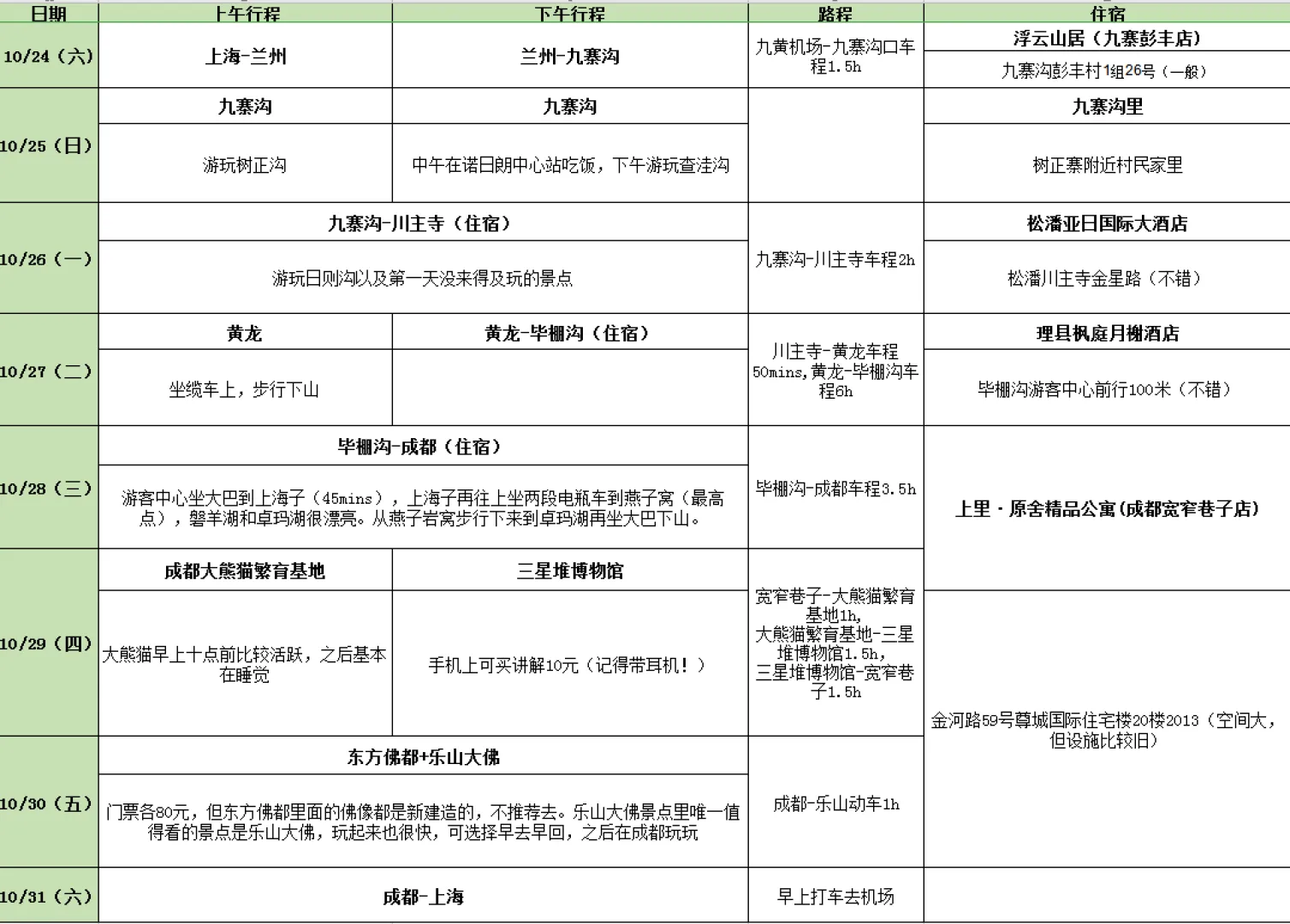
The shuttle dropped us at Shuzheng Village. Shuzheng Cluster Lakes are among Jiuzhaigou's most beautiful sights. Layer upon layer of turquoise lakes, separated by trees in shades of yellow and green, looked like an oil painting come to life.
Most tourists followed the wide boardwalk. Alan and I chose the smaller forest path by the lakeside instead. Walking along the forest trail, golden and orange-red leaves framed the scattered lakes in a perfect color palette. We barely saw other tourists—pure photography bliss.
Wolonghai and Shuanglonghai – "Dragons" Formed by Travertine Deposits
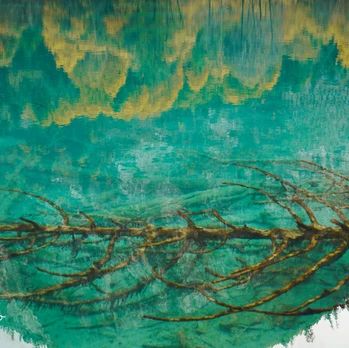
These lakes get their names from travertine deposits on the lakebed that resemble long dragons. At Wolonghai (Crouching Dragon Lake) , I even spotted a submerged tree root that looked like a dragon's horn—remarkably lifelike.
Reed Lake – My Favorite Corner
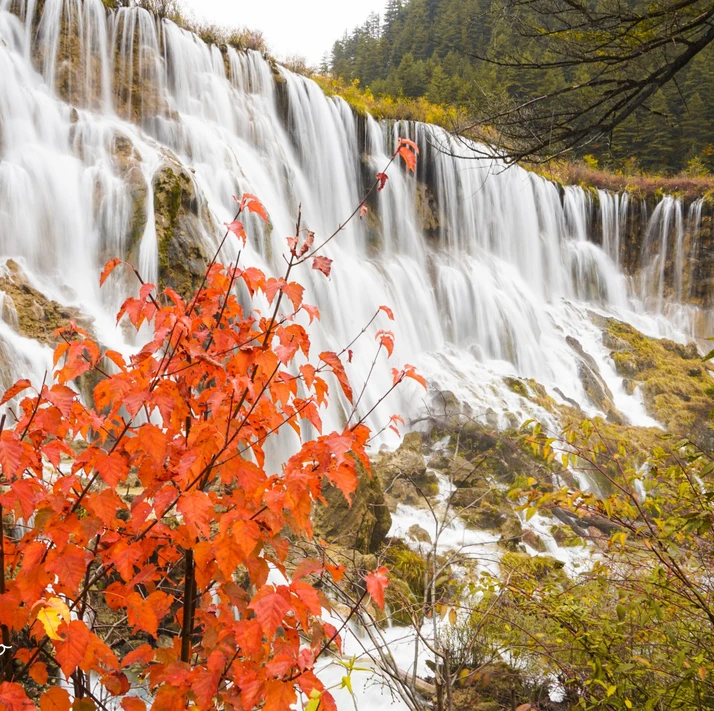
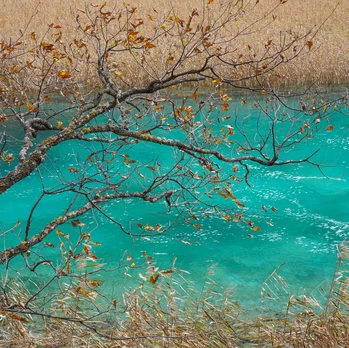
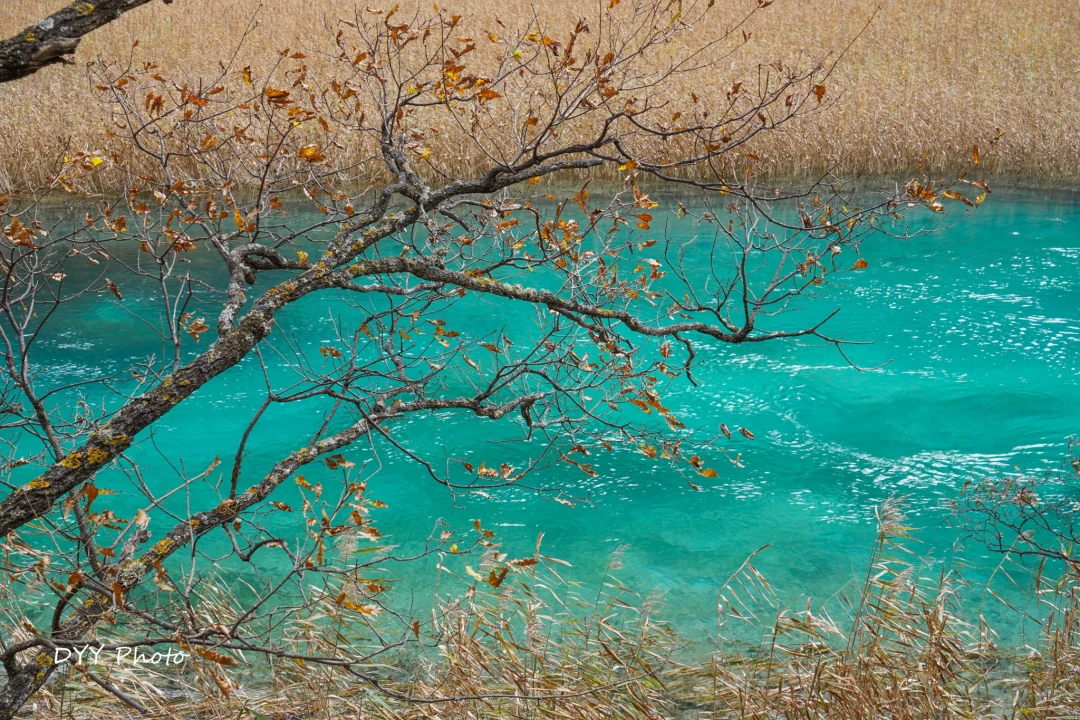
Here, the water slows to a gentle flow, taking on the clarity of transparent sapphire. Tall reeds swayed in the breeze, rustling softly. Very few visitors—sitting on the viewing platform to rest felt incredibly peaceful.
Someone had placed a bouquet of flowers on a bench. I snapped a quick shot, and it turned into a fresh, minimalist image.
Five Flower Lake – Jiuzhaigou's Crown Jewel
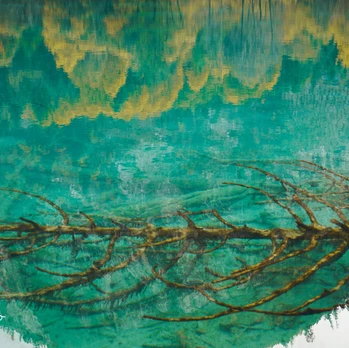
From Nuorilang Transfer Station, take the shuttle to Rize Valley. Sit on the right side for better views. The bus drops you at Five Flower Lake (Wuhua Hai) , and its beauty is so arresting you won't want to move.
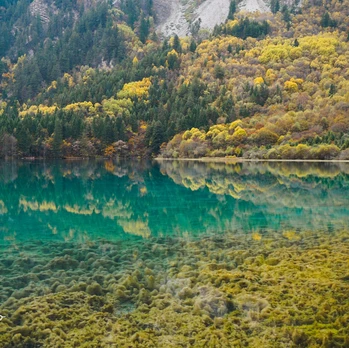
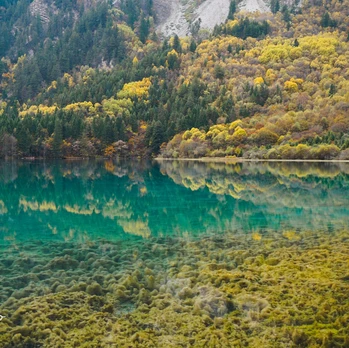
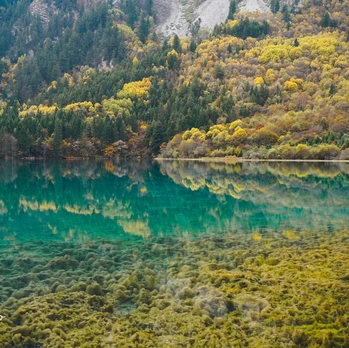
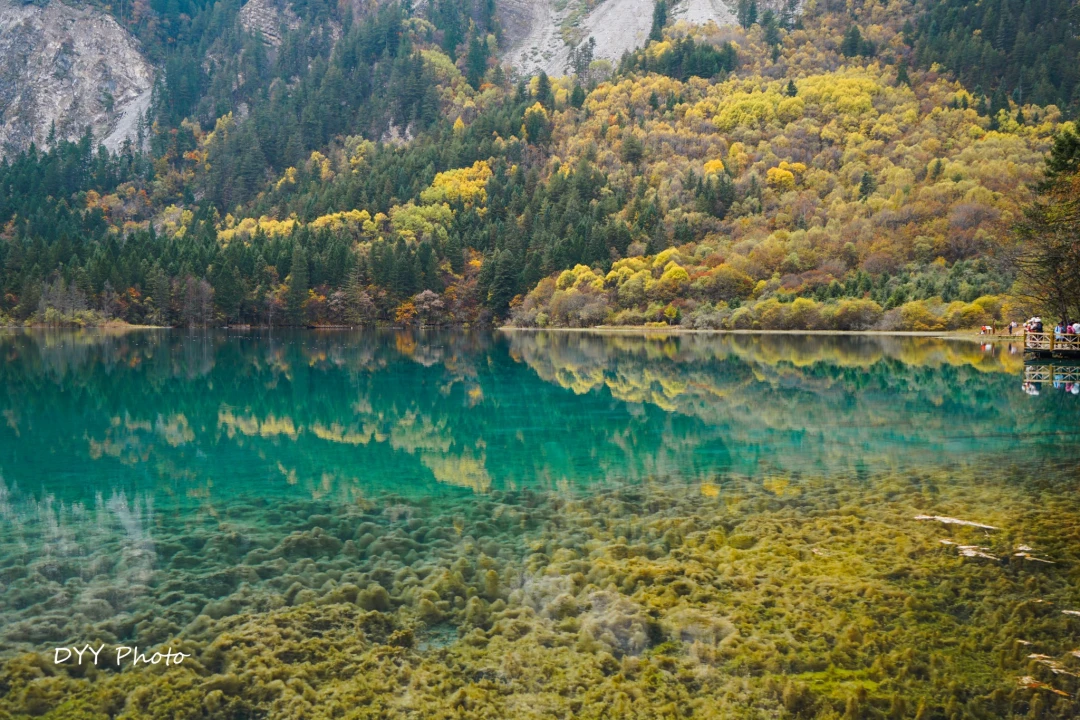
The boardwalk on the right covers a smaller area, but the foliage there is more colorful. Beneath the water, fallen trees lay covered in travertine deposits. The lake on the left is larger, with water in a blue-green hue so clear you can see algae and submerged wood at the bottom. Overlapping forests of yellow and green, paired with snowy peaks, created a picture-perfect scene.
Submerged tree trunks were coated in calcium deposits underwater, while parts above water had sprouted new vegetation. That resilience was awe-inspiring.
Nuorilang Waterfall – An Iconic Landscape
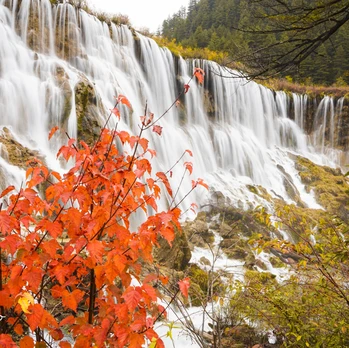
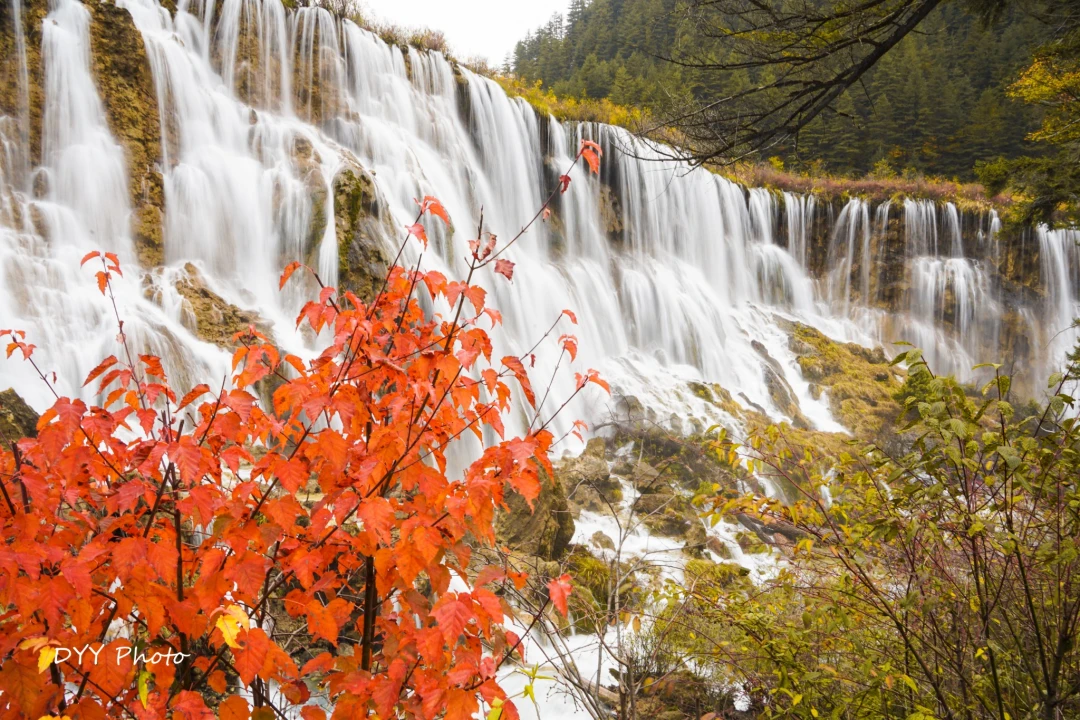
Nuorilang Waterfall is exceptionally wide, and with red leaves in the foreground, it's especially beautiful. One tip: the path from Nuorilang Transfer Station to the waterfall goes through an underground passage that's easy to miss. We spent about fifteen minutes circling before finding the way.
Staying Inside Jiuzhaigou – Unique Experience
In 2020, Jiuzhaigou only sold single-day tickets. I arranged through our guesthouse to stay with a local family in Shuzheng Village. One night plus two meals cost 50 yuan per person. Conditions were decent with electric blankets.
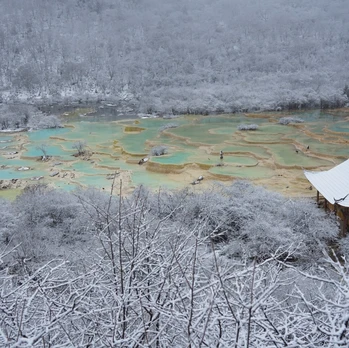
However, park rangers sometimes check for tickets, so staying inside can be a hassle. Since 2021, Jiuzhaigou multi-day passes have been introduced: - Two-day ticket: 434 yuan - Three-day ticket: 580 yuan
I'd recommend buying a multi-day pass directly—it saves time and hassle.
[Link: Best time to visit Jiuzhaigou for autumn colors] [Link: Huanglong vs Jiuzhaigou comparison] [Link: Bipenggou photography tips]
Frequently Asked Questions About Sichuan Autumn Photography
Q1: When is the best time to see autumn colors in Jiuzhaigou?
The prime viewing period is late October, typically from October 20-30. Peak foliage varies slightly year to year depending on weather conditions. For the most reliable experience, plan around the last week of October.
Q2: How many days should I spend in Jiuzhaigou for photography?
Minimum two days is recommended for photography enthusiasts. One day forces you to rush between shuttle stops. Two days allows leisurely walks along boardwalks and time to capture different lighting conditions. Serious photographers often spend 3-5 days.
Q3: Can I visit Jiuzhaigou, Huanglong, and Bipenggou in one trip?
Yes! These three attractions lie along the same corridor in western Sichuan. A 5-7 day itinerary works well: 2 days at Jiuzhaigou, 1 day at Huanglong, and 1-2 days at Bipenggou, plus travel time.
Q4: What should I pack for autumn photography in Sichuan?
- Warm layers (temperatures range from 5-15°C / 41-59°F)
- Waterproof jacket and shoes
- Altitude sickness medication (Rhodiola rosea recommended)
- Camera with wide-angle and telephoto lenses
- Tripod for waterfall shots
- Polarizing filter for lake reflections
Q5: Is altitude sickness a concern at Jiuzhaigou?
Yes, especially at Jiuzhai Huanglong Airport (elevation 3,448m / 11,312ft). Symptoms are usually mild—headache and shortness of breath. Jiuzhaigou valley itself is lower (2,000-3,100m / 6,562-10,171ft), so symptoms often disappear after descending. Prepare with altitude sickness medication and stay hydrated.
Your Sichuan Autumn Photography Adventure Awaits
Sichuan's autumn colors are a once-in-a-lifetime experience. From the turquoise lakes of Jiuzhaigou to the travertine pools of Huanglong and the golden forests of Bipenggou, this region delivers photography opportunities you'll treasure forever.
Ready to chase the most beautiful autumn colors?
Start planning your Sichuan autumn photography tour today. Book your flights to Jiuzhai Huanglong Airport, reserve multi-day Jiuzhaigou passes, and pack your camera gear. The paintbox of western Sichuan is waiting.
Share your favorite Sichuan autumn photos with us in the comments below!
You may also like


