Boiling Red Oil, Silent Snow-Capped Peaks: A Winter Journey of Taste and Sight in Chengdu and Jiuzhaigou
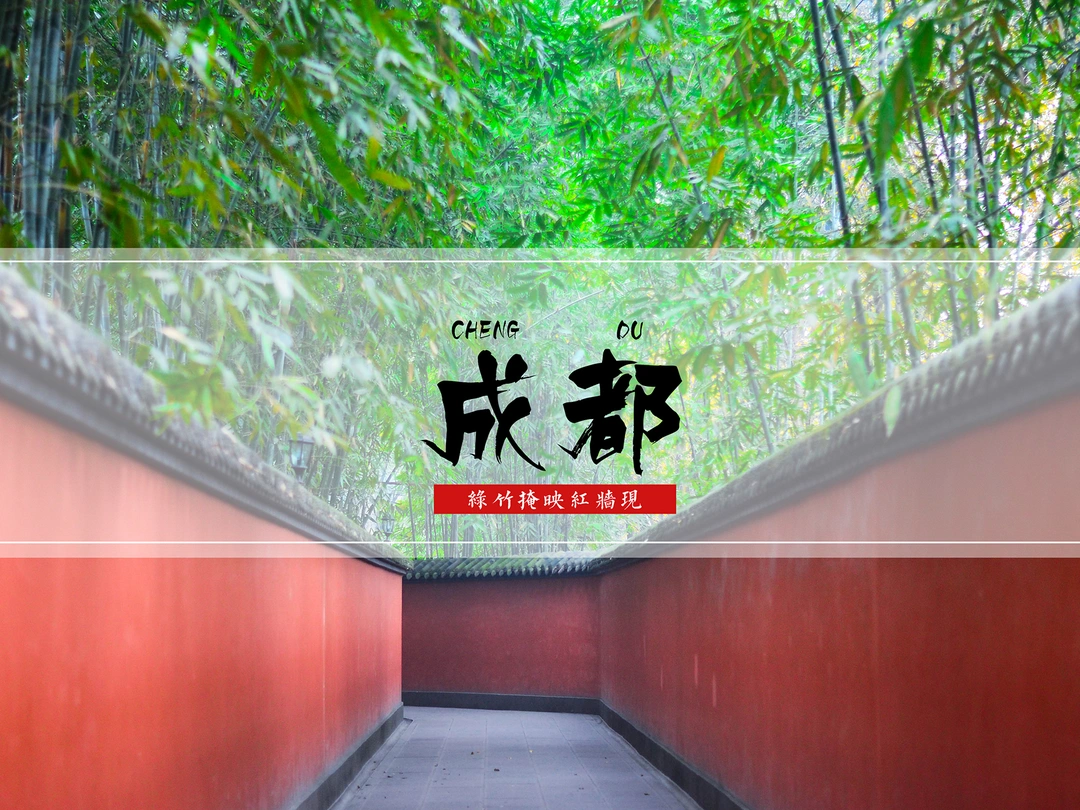
Meta Description: Discover the ultimate winter itinerary for Chengdu and Jiuzhaigou. From spicy hot pot and panda encounters to snow-dusted alpine lakes, this 1500-word guide covers must-visit spots, local eats, and travel tips for an unforgettable Sichuan winter trip.
Introduction: Why Winter is the Best Time to Visit Chengdu and Jiuzhaigou
Some places sit on your travel bucket list for years, always pushed to "next time." For me, Chengdu and Jiuzhaigou were exactly that—until a spontaneous winter trip in early 2016 finally brought them to life. What I discovered was a perfect blend of fiery flavors and frozen landscapes: boiling red oil hot pots in Chengdu's narrow alleys, and silent, snow-capped peaks in Jiuzhaigou's winter wonderland.
Winter transforms both destinations. Chengdu's famous "slow life" becomes even more intimate as locals huddle over steaming bowls of noodles. Jiuzhaigou, meanwhile, sheds its summer crowds to reveal a pristine, icy paradise. This guide covers everything you need to know for a winter journey through two of Sichuan's most iconic destinations.
Chengdu Winter Travel: Where to Eat, Explore, and Unwind

Golden Ginkgo Leaves on Xiaotong Alley and Sister Xiong's Big Bowl Noodles
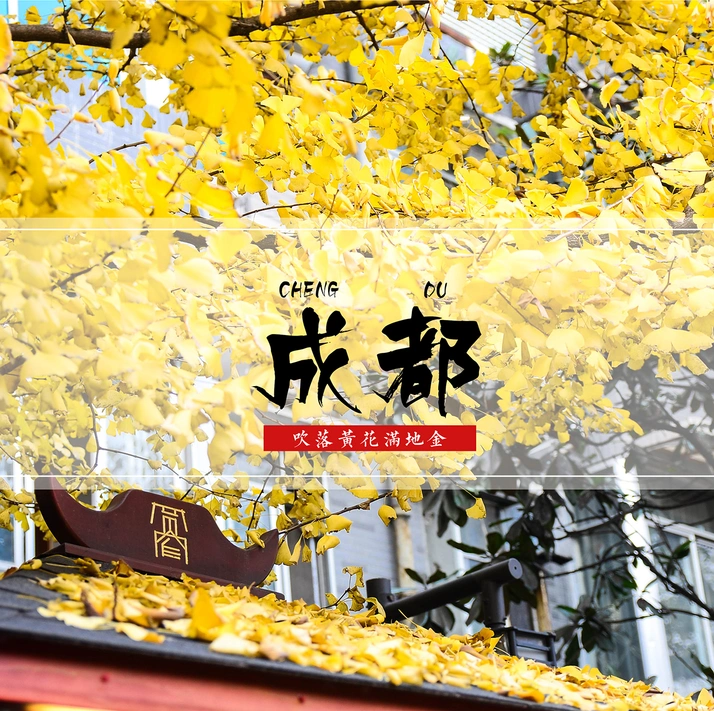
We arrived in Chengdu late at night, and the faint, lingering scent of Sichuan pepper and chili in the air instantly revived us from travel fatigue. The next morning, pushing open the inn's door, we discovered that our street, Xiaotong Alley, was itself a hidden gem.
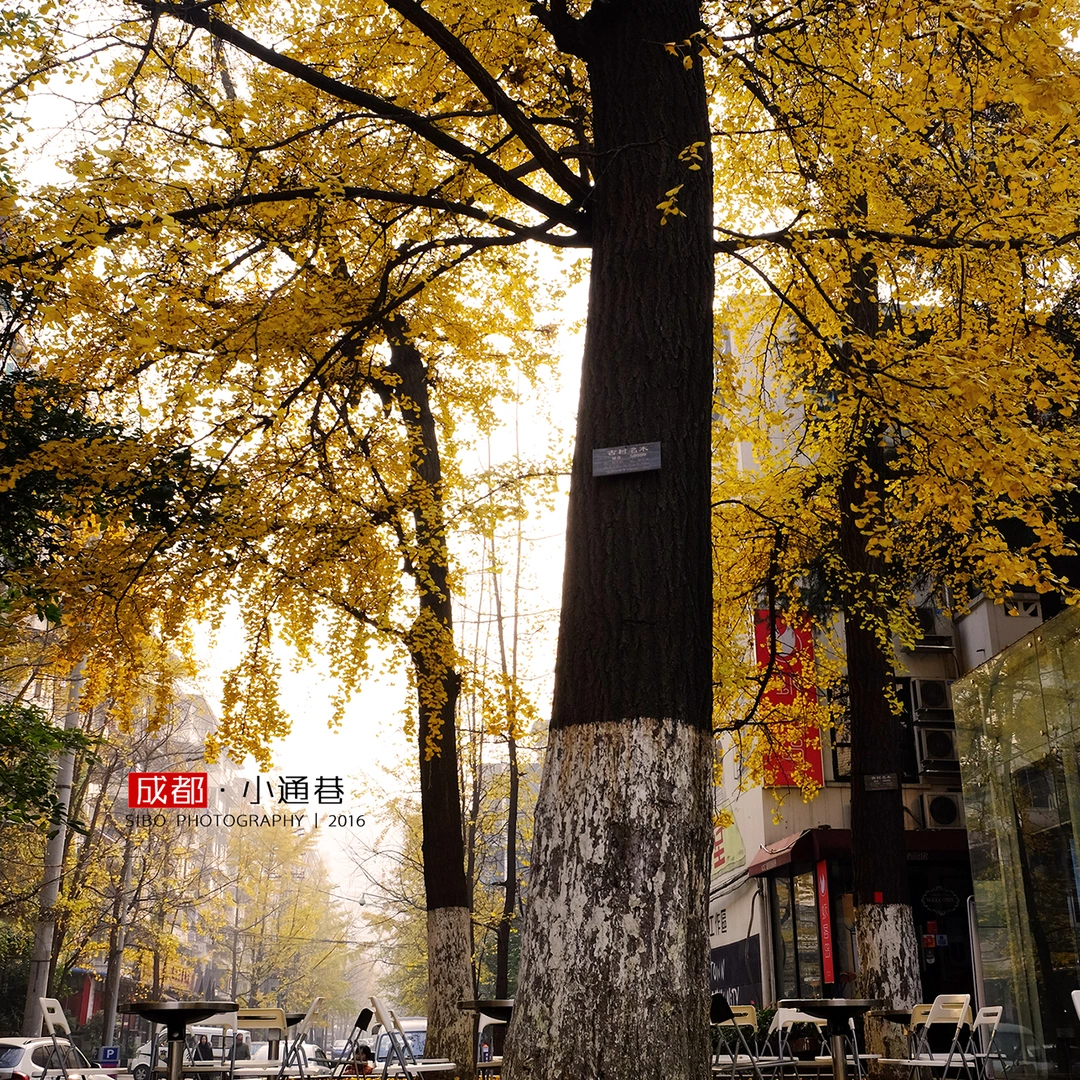
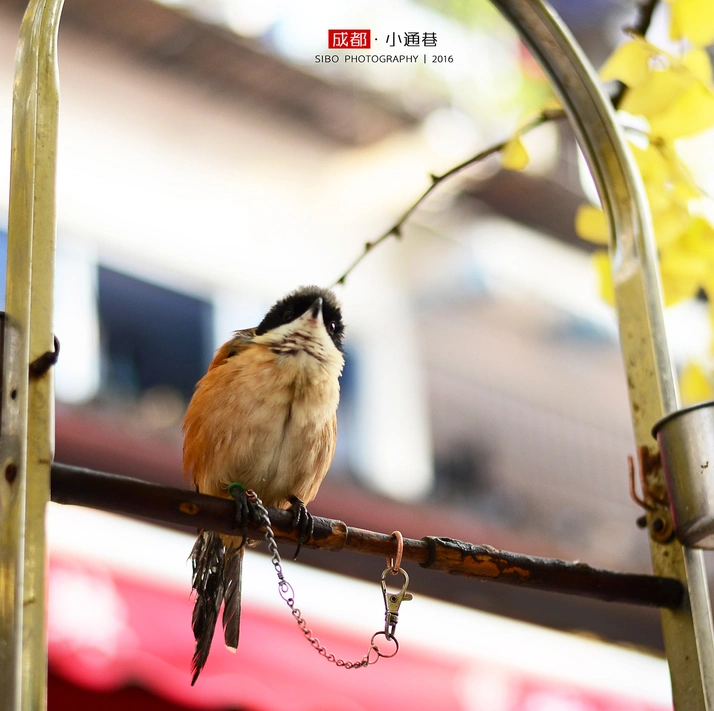
Golden ginkgo leaves carpeted both sides of the road. Winter sunlight filtered through the branches, casting a warm, gentle glow. A birdcage hung outside someone's door; the owners were still asleep, but the birds had already begun chattering, greeting the new day.
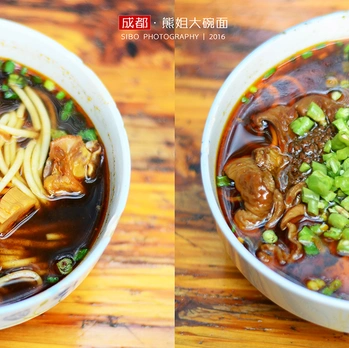
Xiaotong Alley is short—you can walk it in ten minutes. Around the corner lies Kuixinglou Street, Chengdu's hottest food street. There, you'll find "Sister Xiong's Big Bowl Noodles," mentioned in almost every travel blog. We ordered the signature "Luxury Noodles"—12 yuan a bowl, piled high with green beans, pork intestines, bamboo shoots, shiitake mushrooms, chunks of meat, and spare ribs. Incredible value. The taste was good, but for a stomach just waking up, the oily, spicy assault was a bit much. If you prefer something milder, the stewed chicken noodles next door might suit you better.
Kuanzhai Alley: Old Chengdu Wrapped in Commercial Gloss
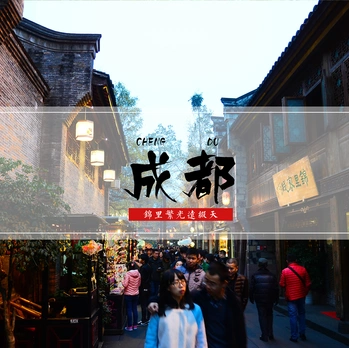
A ten-minute walk from Kuixinglou Street brings you to Kuanzhai Alley. Three parallel lanes—Kuan Alley (Wide Alley), Zhai Alley (Narrow Alley), and Jing Alley (Well Alley)—are locally nicknamed "Leisurely Life," "Slow Life," and "New Life," respectively.
To be honest, it's now a standard tourist commercial street. But even so, first-time visitors to Chengdu should still take a stroll. Between the green tiles and gray walls, ginkgo leaves drifted in the wind, and the air hummed with the subtle fragrance of chili. Boboji (skewers in chili broth), sweet-skin duck, dandan noodles… a dizzying array of snacks.
What struck me was how friendly most shopkeepers were. Even if you didn't buy anything, they didn't mind you taking photos. Grilled pig brains sat on display—a bit too intense-looking for us to try. But Juntun Guokui (savory flatbread) was a hit: flaky, crispy, and filling. And then there was the rhythmic "gong, gong, gong" of bronze drums—that was Sandapao (three-bump rice balls), sticky rice dumplings soaked in brown sugar water, 10 yuan for three. Fun to watch, but a bit too sweet for my taste.
Inside the alley, there's a Panda Post Office selling panda-themed postcards—3 yuan each—with special panda stamps and postmarks. Sending them to friends felt more meaningful than ordinary souvenirs.
What surprised me most were the three-dimensional murals embedded in the walls: scenes of old Chengdu life, with parts protruding from the surface, blending seamlessly with the surroundings. So lifelike, they seemed to resurrect the old alleyways.
Wenshu Temple: Temple-Side Street Food
From Kuanzhai Alley, a taxi to Wenshu Temple took less than 15 minutes and cost 11 yuan. This famous Buddhist temple in western Sichuan is free to enter. Winter sunlight bathed the flying eaves, making everything feel peaceful and warm.
But our main reason for coming was the street food around the temple. First stop: the legendary "Dongzikou Zhang Erliang Liangfen" (bean jelly shop). Their signature Tianshui Mian (sweet-water noodles) cost 7 yuan a serving. The noodles were thick, chewy, and coated in a sauce that was spicy, numbing, and slightly sweet—a strange combination that somehow worked perfectly. This, I thought, is the taste of Chengdu.
Nearby were Chen Mapo Tofu and Zhong Dumplings. The Mapo Tofu came in a small bowl—salty, spicy, and sweet—good, but not the jaw-dropping numbing sensation I'd heard about. The Zhong Dumplings had thick wrappers and thin fillings, with average sauce. One word: ordinary.
People's Park: A Cup of Covered-Bowl Tea, an Entire Afternoon
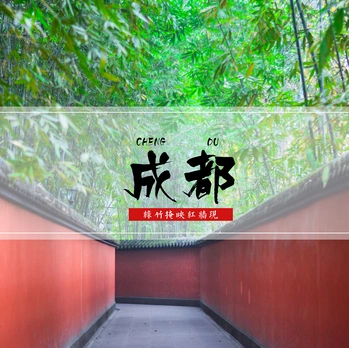
"They say if you don't go to People's Park, you won't understand Chengdu's slow life." Cliché, but true.
The park is a ten-minute walk from Kuanzhai Alley. It was lively, with elderly people making up most of the crowd—sipping tea, singing, dancing, playing chess. Everything felt harmonious. The Heming Tea House, the only original teahouse still operating in the park, has a history of over 90 years. Chinese bamboo chairs, blue-and-white porcelain covered-bowl teacups—every detail oozed old Chengdu character.
We ordered the Heming handmade Maofeng tea, 15 yuan a cup. Sitting by the lake, leaning back in the bamboo chair, one hand holding the saucer, the other using the lid to brush aside floating leaves, the faint fragrance of tea filled the air. The hot drink warmed us from the inside out. Two words: pure bliss.
A Fiery Night: Maojiao Huola and Erniang Chicken Claws
We stayed at People's Park until nearly dusk, then hurried back to Kuixinglou Street. Our target: the cold-pot skewer shop that every guidebook called "a must-eat," "incredibly delicious," "you'll regret not going"—Maojiao Huola.
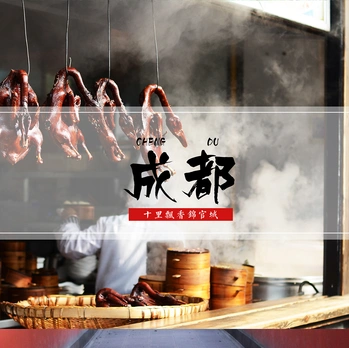
We arrived at 5:30 PM. The queue number at the door had already reached over 140. The sidewalk outside was packed with waiting customers, and even the other side of the street was full—turns out that was their second location. If this weren't a side street, the whole road would be gridlocked.
Defeated, we wandered into nearby shops. That's when we stumbled upon another gem: Erniang Chicken Claws. Each claw cost 3.5 yuan, braised until incredibly tender, spicy yet fragrant, melting in the mouth. If I hadn't been saving room for Maojiao Huola, I could have easily eaten another five, six, seven, or eight.
After nearly half an hour, we finally got our meal. But the first bite made the name instantly clear: "Maojiao Huola" means "mouth on fire." My lips tingled, my pores seemed to open, like an allergic reaction. All I tasted was heat—nothing else. We managed four or five skewers before begging the staff for plain water to rinse them. They said no. We surrendered.
The cold tripe with chili arrived—more chilies than tripe. Accidentally biting into a Sichuan pepper made my face turn red. For anyone who can't handle spice, this place is like an extreme challenge.
Panda Base: The Daily Life of National Treasures
The next morning, we headed to the Chengdu Research Base of Giant Panda Breeding, on the outskirts of the city. Admission was 58 yuan, plus 10 yuan for a sightseeing tram. The park is huge—walking the entire loop reportedly takes three hours. The tram, which you can hop on and off, was very convenient.
We went straight to the farthest reaches: the Sun and Moon Nurseries, the only places to see baby pandas. In the Moon Nursery, cubs around three to four months old were either scratching themselves, rolling over, or lying motionless, fast asleep. Their round bodies sat on bamboo, munching happily, looking too fat to stand.
Adult pandas had yellowish, dirty-looking fur, but that didn't diminish their cuteness. They ate lying down, lying on their stomachs, using both paws—truly the regal laziness of a national treasure. Some even wedged their hefty bodies into tree forks to sleep. Clearly, Kung Fu Panda had some basis in reality.
The park also had red pandas, often mistaken for raccoons. They were more active, climbing trees and chasing each other. [Link: Chengdu Panda Base visiting tips]
Jiuzhaigou in Winter: Snow, Silence, and Spectacular Scenery
Why Jiuzhaigou in Winter is a Must-See
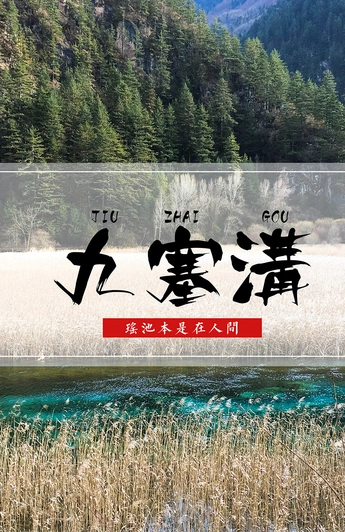
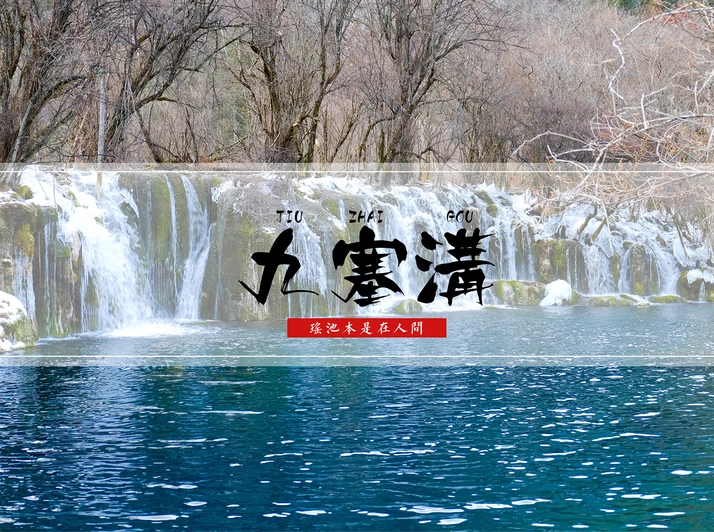
Many travelers skip Jiuzhaigou in winter, fearing cold temperatures and icy roads. But those who brave the journey are rewarded with a landscape few ever see: frozen waterfalls, snow-dusted forests, and turquoise lakes that seem to glow beneath a blanket of white. The crowds vanish, ticket prices drop, and the silence is almost sacred.
Top Winter Attractions in Jiuzhaigou
- Nuorilang Waterfall: Partially frozen, this 275-meter-wide cascade creates a stunning ice sculpture.
- Five Flower Lake: Even in winter, its crystal-clear waters reveal submerged tree trunks in vivid blues and greens.
- Long Lake: Surrounded by snow-capped peaks, this is the highest and largest lake in the valley.
- Primitive Forest Trail: A gentle walk through snow-covered pines, perfect for photography.
Practical Winter Travel Tips for Jiuzhaigou
- Weather: Temperatures range from -5°C to 5°C (23°F to 41°F). Pack thermal layers, waterproof boots, and gloves.
- Transportation: Buses run from Chengdu to Jiuzhaigou (8-10 hours). Consider flying into Jiuhuang Airport for a shorter journey.
- Accommodation: Stay in Zhangzha Town, just outside the park entrance, for easy access.
- Tickets: Winter tickets (November 16–March 31) are about 80 yuan, compared to 169 yuan in peak season. [Link: Jiuzhaigou winter travel guide]
FAQ: Winter Travel in Chengdu and Jiuzhaigou
1. Is Jiuzhaigou open in winter? Yes, Jiuzhaigou is open year-round. Winter hours are typically 8:30 AM to 5:00 PM, with last entry at 2:00 PM. Some high-altitude trails may close due to snow, but the main scenic spots remain accessible.
2. How many days do I need for Chengdu and Jiuzhaigou? A minimum of 5 days is recommended: 2 full days in Chengdu (Panda Base, Kuanzhai Alley, People's Park, food tour) and 3 days for Jiuzhaigou (including travel time and one full day in the park).
3. What should I eat in Chengdu in winter? Don't miss hot pot (especially Maojiao Huola), dandan noodles, mapo tofu, Zhong dumplings, and Erniang Chicken Claws. For a milder option, try stewed chicken noodles or Juntun Guokui.
4. Can I handle the spice if I'm not used to Sichuan food? Start with milder dishes like Tianshui Mian (sweet-water noodles) or Juntun Guokui. Avoid Maojiao Huola unless you're a spice veteran. Always carry milk or yogurt to soothe your mouth—water won't help.
5. What's the best way to get from Chengdu to Jiuzhaigou? The most popular option is a direct bus from Chengdu's Chadianzi Bus Station (about 8-10 hours). Alternatively, fly from Chengdu Shuangliu Airport to Jiuhuang Airport (1 hour), then take a shuttle to the park (2 hours).
Conclusion: Your Winter Journey Awaits
Chengdu and Jiuzhaigou in winter offer a rare combination: the sizzle of red oil hot pots and the silence of snow-capped peaks. Whether you're slurping noodles in a hidden alley, watching pandas nap in the sun, or standing before a frozen waterfall, every moment feels like a gift.
Don't let this trip stay on your "next time" list any longer. Book your flights, pack your thermals, and prepare for a journey that will warm your soul and chill your senses—in the best possible way.
Ready to plan your winter escape? Start by checking flight deals to Chengdu, then book your Jiuzhaigou tickets online to secure winter discounts. Share your own tips and photos in the comments below—we'd love to hear about your Sichuan adventure!
[Link: Best time to visit Jiuzhaigou] [Link: Chengdu food tour guide] [Link: China winter travel destinations]


