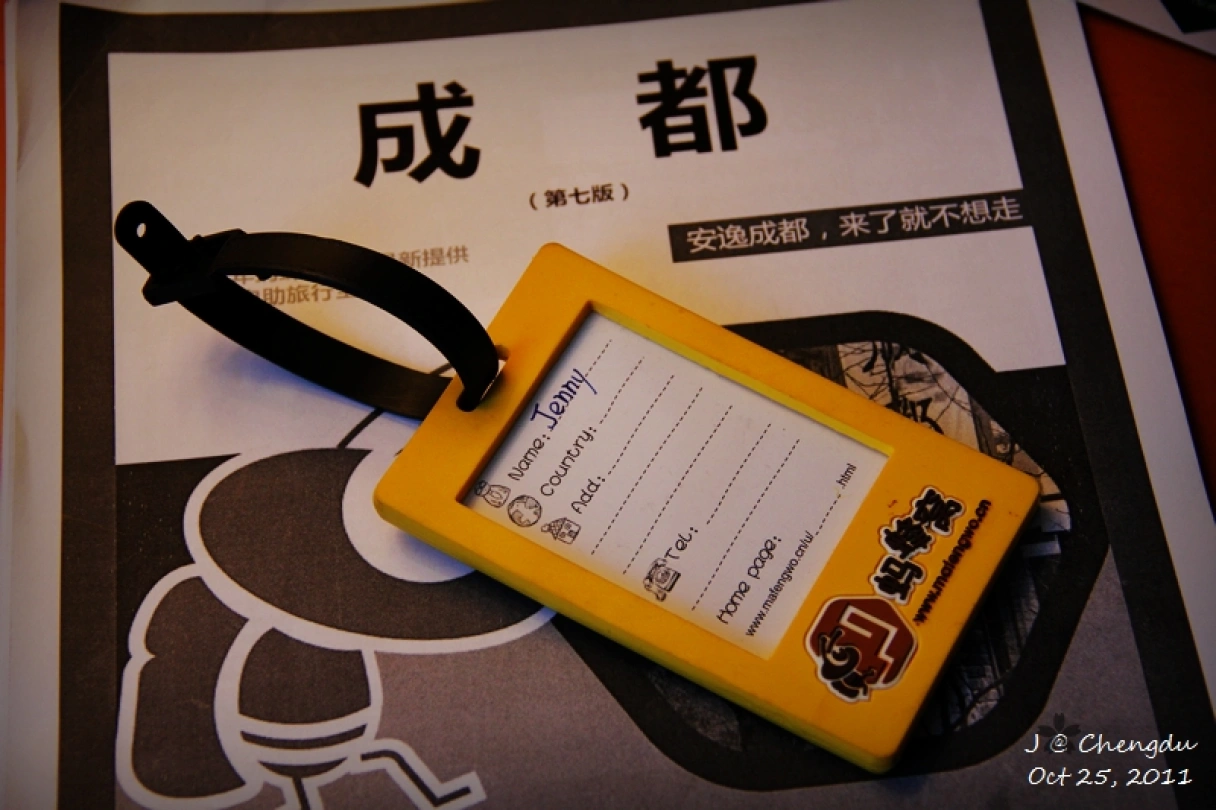
Beyond the Postcard: A Self-Guided Odyssey Through Sichuan’s Sacred Landscapes
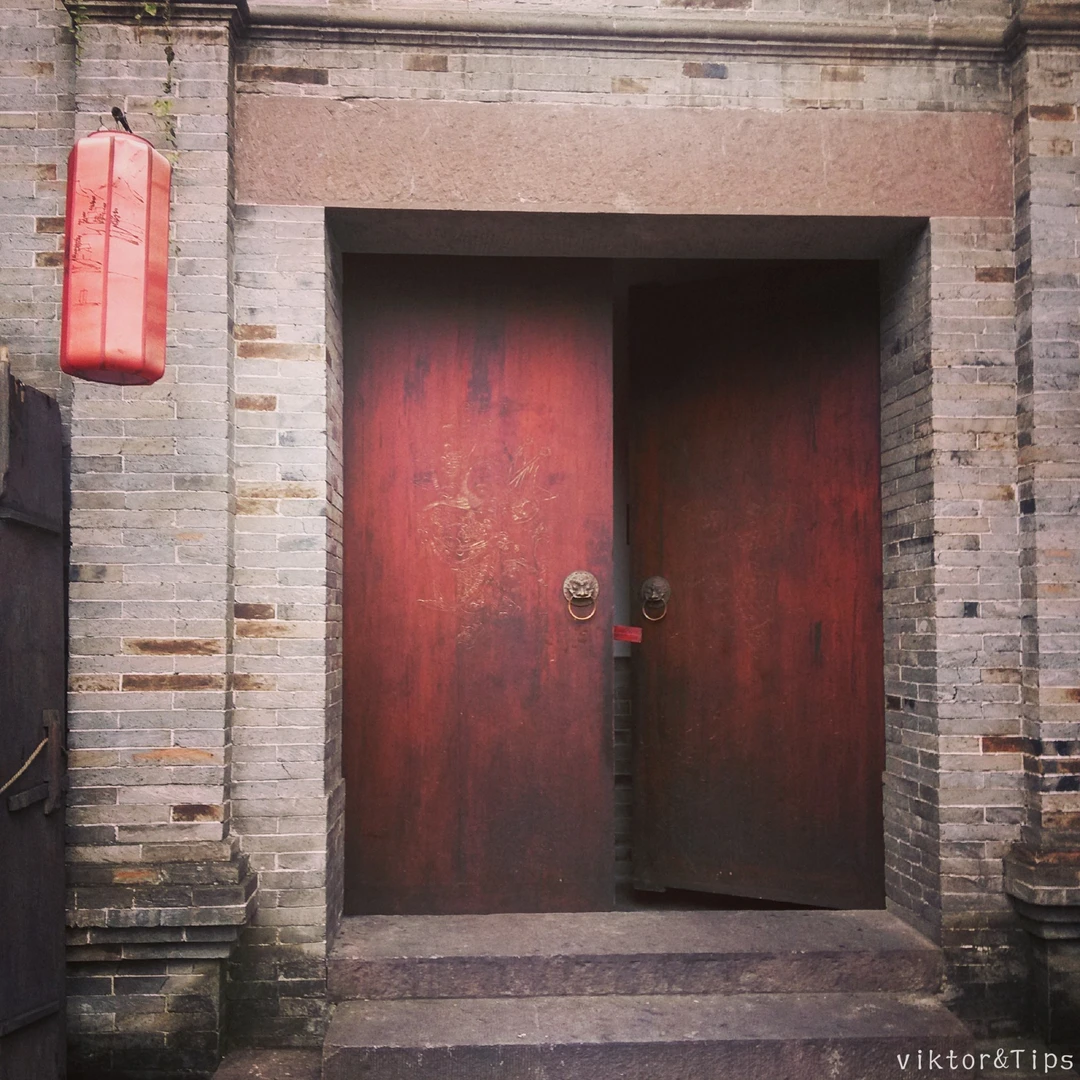
Meta Description: Discover Sichuan's hidden gems beyond the tourist trail. This self-guided odyssey covers Jiuzhaigou, Huanglong, Chengdu & more. Insider tips on budget travel, off-season stays & avoiding crowds.
Introduction: Why Sichuan Deserves More Than a Postcard
There’s a peculiar irony in planning a trip to the world’s most photographed places: you’ve already seen them a thousand times before you arrive. The danger isn’t getting lost—it’s losing the capacity for surprise. When I set out with my family in late October 2013, I decided to fight that fate with every fiber of my being. Nine days, six destinations, and countless detours later, I returned home not with a checklist of sights, but with a collection of moments that felt entirely my own.
This is not a guide to ticking boxes. This is a story about how to travel smart, eat well, sleep cheap, and still feel the goosebumps when the snow starts falling over a turquoise lake. If you're planning a Sichuan self-guided tour, this itinerary will help you navigate the sacred landscapes of Jiuzhaigou, Huanglong, and beyond—without the crowds or the cookie-cutter experience.
The Art of Not Overplanning (But Still Planning)
Before we dive into the nitty-gritty, let me confess something: I read too many travel blogs before this trip. And it almost ruined the magic. Every waterfall, every alpine lake, every colorful pool arrived with a mental label—“yes, that’s the one from Photo #47.” The thrill of discovery was replaced by the dull satisfaction of verification.
So here’s my first piece of advice: read this guide for logistics, not for expectations. Let the landscapes hit you raw. You can thank me later.
Your 9-Day Sichuan Itinerary at a Glance
- Oct 24: Depart Hunan (5 PM)
- Oct 25: Arrive Chengdu (11 AM) → Jinli & Kuanzhai Alleys
- Oct 26: Bus to Jiuzhaigou
- Oct 27–28: Deep exploration inside Jiuzhaigou Valley
- Oct 29: Huanglong
- Oct 30: Dujiangyan
- Oct 31: Qingcheng Mountain
- Nov 1: Leshan Giant Buddha
- Nov 2: Guanghan Civil Aviation Flight Academy & Sanxingdui
- Nov 3: Return to Hunan
[Link: Best time to visit Sichuan for fall foliage]
Chengdu: A City That Rewards the Unhurried

Where to Stay: The Metro Advantage
We landed at Chengdu around noon and made a beeline for Chadianzi Bus Station to secure tickets for the next day’s Jiuzhaigou bus. Why Chadianzi over Xin’nanmen? Simple: Xin’nanmen’s morning buses can spend an hour crawling through city traffic. Chadianzi is cleaner, faster, and—bonus—just one metro stop from our hotel.
We booked the Xuan Cai Holiday Inn near Yipin Tianxia metro station for 128 RMB via a group-buying deal. It came with two breakfast vouchers, but the front desk didn’t blink when we asked if three people could share the room. This turned out to be a pattern across Sichuan: hotels rarely enforce strict occupancy limits. We ate breakfast like royalty—no vouchers needed.
Jinli & Kuanzhai Alleys: Pretty, but Pricey
By 4:30 PM, we made it to Jinli. It’s lovely—lantern-lit alleyways, traditional architecture, the scent of street food. But it’s also a tourist trap in disguise. A bowl of cold noodles and three spring rolls at Kuanzhai Alley cost 18 RMB. Ouch.
We skipped the overpriced restaurants and used free Wi-Fi to hunt down Laoma Pig Trotter Soup near People’s Park. The verdict? Decent, but not worth the detour. Sometimes the best meals in Chengdu are the ones you stumble into at random noodle shops.
Pro tip: Don’t overplan your Chengdu meals. The city’s culinary soul lives in unnamed hole-in-the-wall joints, not in guidebook-recommended chains.
[Link: Budget-friendly Chengdu food guide]
The Long Road to Jiuzhaigou: Survival on a Bus
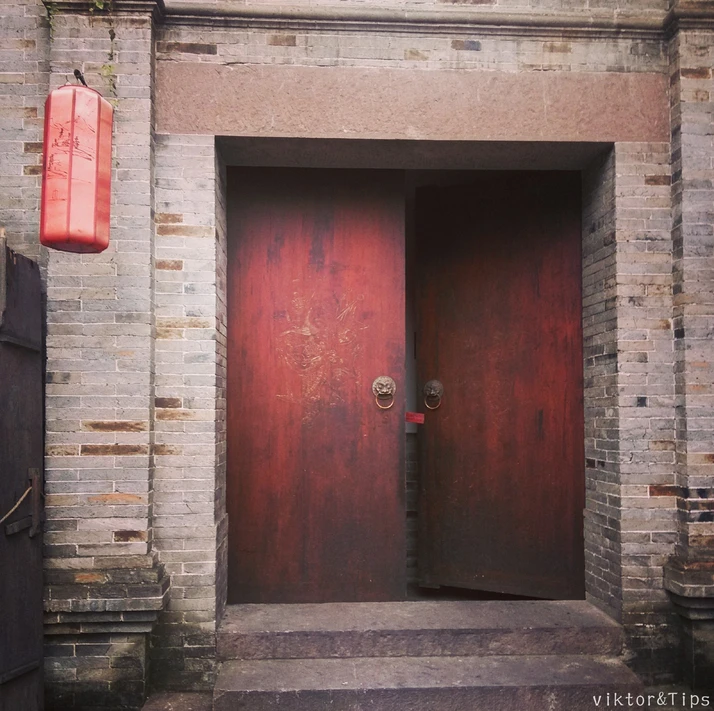
The 12-Hour Odyssey
We boarded the 8:20 AM bus from Chadianzi. By 7 PM, we were still on the road. Traffic jammed up right after Dujiangyan, and for three hours, we barely moved. Flying would have been faster, but October is notorious for flight delays—locals call it “nine flights, ten delays.”
What to pack for the bus ride: - Coins: Every toilet stop costs 1 RMB. You’ll need at least five. - Snacks: The bus stops for lunch around 2 PM, but the “buffet” (25 RMB) is mediocre. Bring fruit, bread, and patience. - Patience: Lots of it.
The Left Seat vs. Right Seat Debate
Some guides obsess over which side of the bus offers better views. Here’s the truth: for most of the journey, the left side wins. But as you approach Jiuzhaigou and the snow-capped peaks appear, the right side takes over. Since tickets are assigned by order of purchase, don’t stress it. You’ll see plenty either way.
Arrival: Don’t Book Ahead
We had reserved the Zhaxidele Hotel in Longkang Village. It was fine—clean, with Wi-Fi and a friendly owner who picked us up from the bus stop. But in hindsight, booking ahead was unnecessary. Off-season, you can walk into any guesthouse, inspect the room, and negotiate a better price than anything online. The only catch: hot water stops at night.
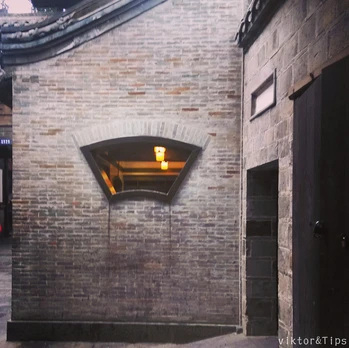
Dinner that evening? A bowl of noodles for 15 RMB, sweet fermented rice for 5 RMB, and a quiet realization that everything in a tourist town costs double.
[Link: Jiuzhaigou accommodation tips for budget travelers]
Jiuzhaigou: Two Days, One Valley, Infinite Beauty
Day 1: The Art of Going Against the Crowd
Ticket details: 220 RMB (peak season) + 90 RMB for the shuttle. Students pay 110 RMB for entry (shuttle is full price). They’ll try to add 10 RMB insurance—you can decline.
Shuttle seating strategy: - Valley entrance to Nuorilang Center: Sit left - Nuorilang to Rize Valley: Sit right - Nuorilang to Zechawa Valley: Sit left
Our plan was simple: hit Mirror Lake first, then drop our bags at a homestay in Zechawa Valley. But the bus driver initially refused to stop at Mirror Lake—he was headed straight for Primeval Forest. I insisted. He relented. We were the only ones who got off.
Mirror Lake at 8 AM: No mirror-like reflection. The wind was gentle, but the surface shimmered instead of stilling. Still, the solitude was worth it. We had the place to ourselves.
Sleeping Inside the Park: The Hidden Gem
Most tourists don’t know you can stay overnight inside Jiuzhaigou. It’s technically forbidden, but quietly tolerated. There are three main villages where locals rent rooms: Shuzheng (most popular, but heavily patrolled), Zechawa (quieter), and Heye.
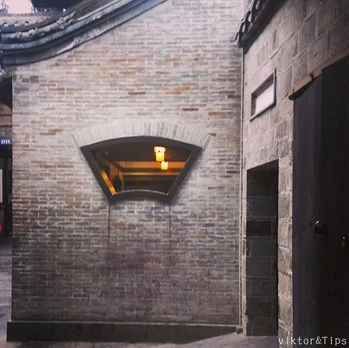
We accidentally got off the shuttle at the wrong stop in Zechawa. A local woman came out and asked if we needed lodging. We followed her to Anduo Tibetan Homestay—the last house at the top of the village. The owner, an elderly Tibetan couple, couldn’t speak much Mandarin, but their hospitality was overwhelming.
Cost: 150 RMB per person, including dinner and breakfast. No need to book in advance during off-season.
Warning: If you stay inside, you must return to your homestay by 4:30 PM. After that, park staff start sweeping for overnight guests. The walk from Nuorilang Center to Zechawa takes 20–30 minutes at a brisk pace—on a high-altitude path with no shelter. We made it back at 5 PM, panting and paranoid.
The Reverse Route That Saved Us
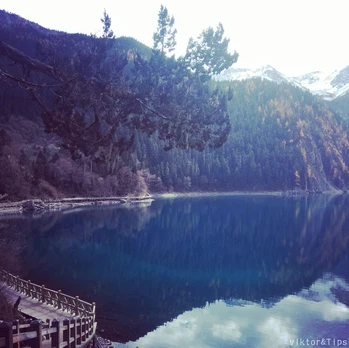
Most tourists start at Long Lake (the highest point in Zechawa), then walk down to Five-Color Pond. We did the opposite. Why? Because everyone else goes down, leaving the upper trail empty.
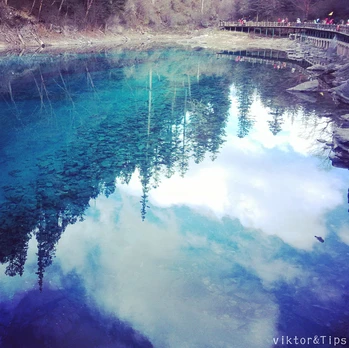
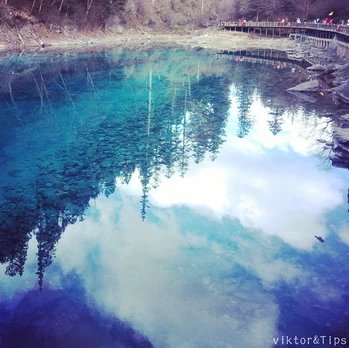
We descended to Five-Color Pond first. It was stunning—a jewel-blue pool that looked like the Heart of the Ocean from Titanic. Then we climbed back up to Long Lake. The climb was brutal (high altitude + steep path), but when we reached the top, we had the entire lake to ourselves. No crowds. No noise. Just the wind and the water.
Pro tip: This strategy requires decent fitness. If you’re not comfortable with altitude, stick to the conventional route.
Afternoon: Rize Valley, the Crowd-Free Way
By 1 PM, we headed to Primeval Forest. Most tour groups had already left, so we had the boardwalk to ourselves. From there, we worked our way down: Arrow Bamboo Lake (where Hero was filmed), Panda Lake, and then Five-Flower Lake—the crown jewel of Jiuzhaigou.
Five-Flower Lake is impossibly colorful. Turquoise, emerald, sapphire, all swirling together. We climbed to the panoramic viewing platform (a short but steep 200-meter trail) and saw the lake transform into a peacock shape, complete with head and tail feathers. Worth every step.
We ended the day at Pearl Shoal Waterfall—a wide, cascading curtain of water that looked like a scene from a fantasy film. By 4 PM, we were racing back to Zechawa to avoid the sweep.
[Link: Jiuzhaigou off-season travel tips]
Day 2: Huanglong – The Golden Dragon’s Travertine Pools
Huanglong is often paired with Jiuzhaigou, but it deserves its own day. The park is famous for its travertine pools—layer upon layer of golden, turquoise, and emerald terraces that look like a dragon’s scales.
Ticket details: 200 RMB (peak season) + 80 RMB for the cable car. We took the cable car up to save energy, then walked down through the main trail. The descent takes about 2–3 hours, depending on your pace and photo stops.
Pro tip: Bring water and snacks. The food at the top is overpriced and underwhelming. Also, altitude sickness is real here—the highest point is over 3,500 meters. Take it slow.
[Link: Huanglong vs Jiuzhaigou: which is better?]
Dujiangyan & Qingcheng Mountain: Ancient Engineering & Taoist Serenity
Dujiangyan: The Irrigation System That Changed History
Dujiangyan is not a scenic spot in the traditional sense—it’s an ancient irrigation system built over 2,200 years ago. But standing at Anlan Suspension Bridge, watching the Min River split into two channels, you feel the weight of history. This is the reason Chengdu became the “Land of Abundance.”
Entry fee: 90 RMB. Allow 2–3 hours.
Qingcheng Mountain: The Taoist Retreat
Qingcheng Mountain is one of the birthplaces of Taoism. We took the cable car up (60 RMB round trip) and spent the afternoon exploring the Tianshi Cave and Shangqing Palace. The air is thick with incense and the sound of chanting. It’s a peaceful counterpoint to the crowds of Jiuzhaigou.
Pro tip: Wear comfortable shoes. The stairs are steep and uneven.
[Link: Taoist temples in Sichuan]
Leshan Giant Buddha: The World’s Largest Stone Buddha
The Leshan Giant Buddha is exactly what you expect—massive, ancient, and awe-inspiring. Carved into a cliff face, it stands 71 meters tall. We arrived early (8 AM) to avoid the worst of the crowds.
Entry fee: 90 RMB. Allow 2–3 hours.
Pro tip: Take the boat tour (70 RMB) for the best photo angle. From the ground, you can only see the Buddha’s feet.
[Link: Leshan Giant Buddha travel guide]
Sanxingdui & Guanghan: The Lost Civilization
Our final day was a deep dive into ancient history. Sanxingdui Museum houses artifacts from a Bronze Age civilization that mysteriously disappeared over 3,000 years ago. The bronze masks with oversized eyes and elongated faces are unlike anything else in Chinese archaeology.
Entry fee: 80 RMB. Allow 2–3 hours.
Bonus stop: Guanghan Civil Aviation Flight Academy—not a typical tourist attraction, but fascinating if you’re into aviation. We watched student pilots practice takeoffs and landings from a nearby field.
[Link: Sanxingdui artifacts explained]
FAQ: Your Sichuan Travel Questions Answered
1. Is it safe to stay overnight inside Jiuzhaigou National Park?
Yes, but it’s technically not allowed. Many travelers do it successfully by returning to their homestay before 4:30 PM to avoid park staff sweeps. The experience is worth the risk—you get the park to yourself in the early morning and late afternoon.
2. What’s the best time to visit Jiuzhaigou for fall colors?
Late October (around Oct 20–Nov 5) is peak autumn foliage season. The trees turn gold, red, and orange, and the lakes reflect the colors beautifully. Winter (Nov–Mar) is less crowded but colder, with some trails closed.
3. How do I get from Chengdu to Jiuzhaigou on a budget?
 The bus from Chadianzi Bus Station costs about 150 RMB and takes 10–12 hours. Flying is faster (1 hour) but costs 800–1200 RMB and is prone to delays in October. The bus is the budget-friendly choice, but pack snacks and patience.
4. Do I need to speak Mandarin to travel independently in Sichuan?
Basic Mandarin phrases (hello, thank you, how much) are helpful, but not essential. Many hotels, bus stations, and tourist attractions have English signage. However, in remote areas like Jiuzhaigou villages, you may need to rely on gestures or a translation app.
5. What’s the total budget for a 9-day Sichuan self-guided tour?
For a budget traveler, expect to spend around 3,000–4,000 RMB per person (excluding flights to/from Sichuan). This includes accommodation (100–200 RMB/night), meals (30–50 RMB/day), entry fees, and local transport. Off-season discounts can reduce costs further.
Your Sichuan Odyssey Awaits
Sichuan is not a place to be conquered—it’s a place to be absorbed. The sacred landscapes of Jiuzhaigou, the ancient wisdom of Qingcheng Mountain, the silent majesty of the Leshan Giant Buddha—they don’t demand your attention. They simply exist, waiting for you to notice.
So pack light, leave your expectations at home, and let the mountains speak for themselves. The postcard is just the beginning.
Ready to plan your own Sichuan adventure? Start with our [Sichuan itinerary planner] or download our [free packing checklist] for high-altitude travel. Share your journey with us using #SichuanOdyssey—we’d love to see your moments beyond the postcard.