Balangshengdu in Western Sichuan: The Ultimate Guide to Starry Skies and Snowy Peaks
Meta Description: Discover Balangshengdu, Western Sichuan's hidden gem for stargazing and mountain views. Our complete travel guide covers costs, accommodation, photography tips, and the best time to visit Gongga's backyard.
Introduction: Why Balangshengdu Deserves a Spot on Your Bucket List
Every spring, the call of the wild beckons travelers to Western Sichuan—a region that boasts China's highest concentration of breathtaking landscapes. While iconic destinations like Mount Gongga, the Four Sisters Mountains, and Daocheng Yading dominate travel itineraries, a lesser-known paradise has been quietly gaining attention: Balangshengdu Village and its legendary Starry Sky Campground.
Perched in the backyard of Mount Gongga—the mythical "King of Sichuan Mountains"—Balangshengdu offers what few places can: front-row seats to both snow-capped peaks and a celestial canopy. Whether you're a seasoned astrophotographer or a first-time solo traveler seeking solace, this guide will walk you through everything you need to plan your romantic encounter with Western Sichuan's wild heart.
Planning Your Balangshengdu Adventure: Costs, Gear, and Logistics
Budget Breakdown for Two Travelers (April 2024)
A well-planned trip doesn't have to break the bank. Here's what we spent during a 3-day Qingming holiday excursion:
| Category | Cost (RMB) |
|---|---|
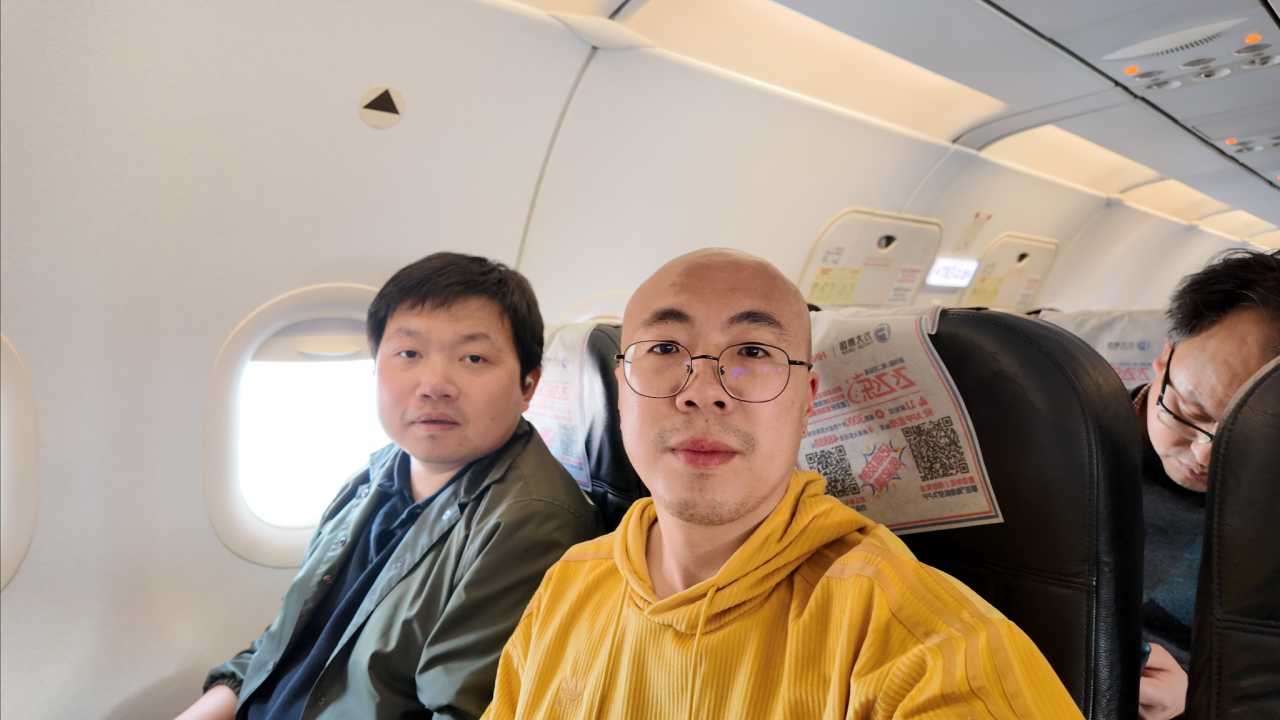
| Flights (round-trip to Chengdu) | 2,615 |
| Accommodation (3 nights) | 1,703 |
| Car rental (Ehi, 3 days) | 1,210 |
| Gas | 661 |
| Meals | 1,150 |
| Shopping & souvenirs | 958 |
| Entry fees (Gedilamu Sky City) | 60 |
| Parking | 22 |
| Total | 8,380 |
Pro tip: The biggest variable is accommodation. Off-season rates (before May Day) are significantly lower, and booking directly with the campground can save you 15-20%.
Essential Gear for Star Chasing
What to pack for a Western Sichuan stargazing trip:
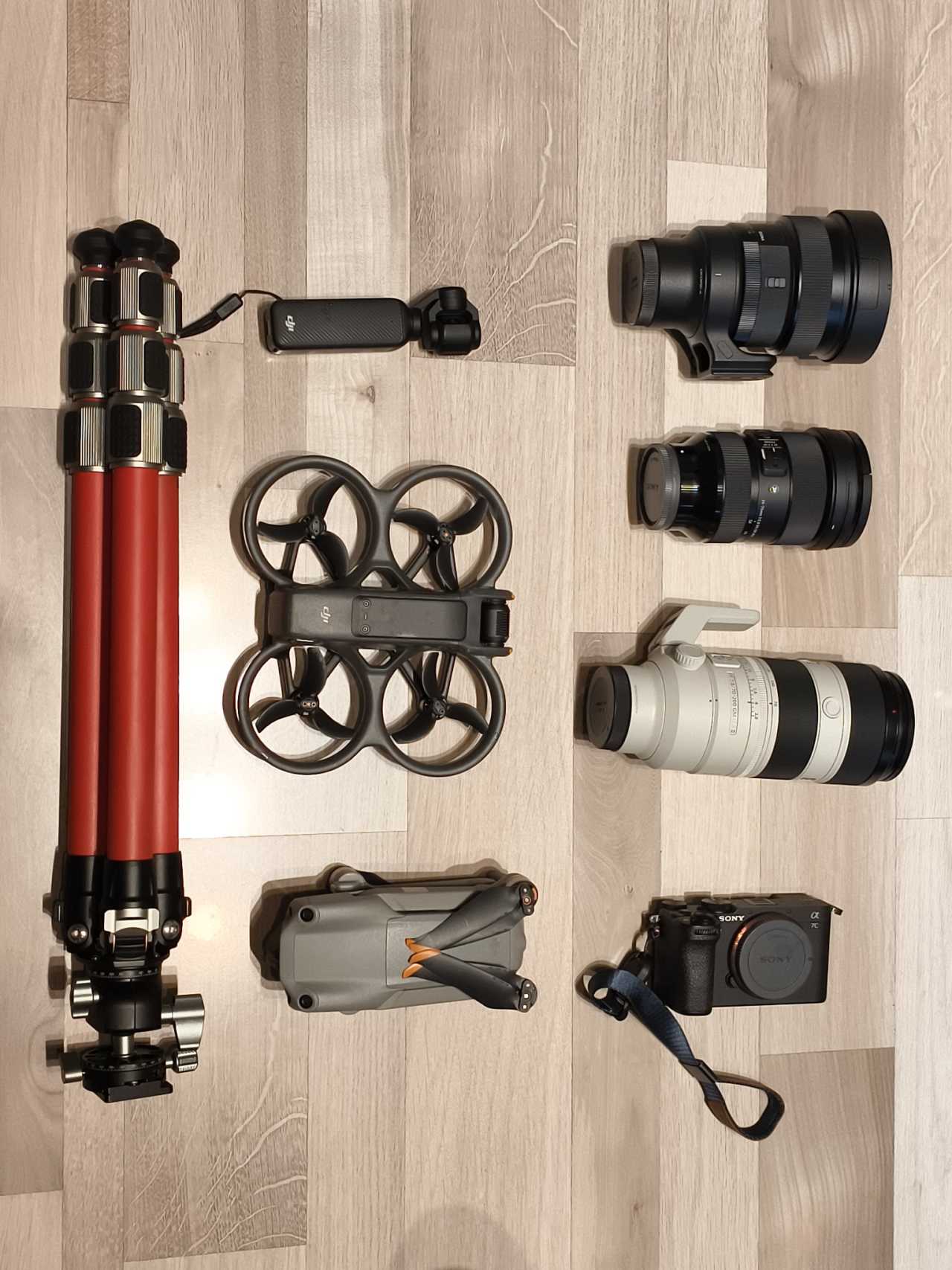
- Camera gear: A DSLR or mirrorless camera with a wide-angle lens (14-24mm recommended). The DJI Pocket 3 proved invaluable—compact, long battery life, and perfect for casual video and photos. Consider renting before buying.
- Tripod: Non-negotiable for star photography. A red tripod stands out in snow—helpful for safety.
- Drone caution: High winds at altitude can ground drones. Check weather forecasts and carry a backup plan.
- Power bank: Outlets are plentiful in modern rooms, but extra power never hurts at 3,700m elevation.
- Warm layers: Even in April, temperatures drop below freezing after sunset. Thermal base layers, a down jacket, and windproof outer shell are mandatory.
When to Visit Balangshengdu
- Best for stars: October to April (clear winter skies, minimal moonlight interference)
- Best for snow peaks: November to May (fresh snow on Gongga and Yala)
- Avoid: July-August (monsoon clouds block views) and Chinese national holidays (crowds spike)
- Off-season advantage: Qingming and Labor Day shoulder periods offer reasonable weather without peak crowds
[Link: Western Sichuan travel seasons guide]
Day 1: The Night Drive to Kangding
From Chengdu to the Roof of the World
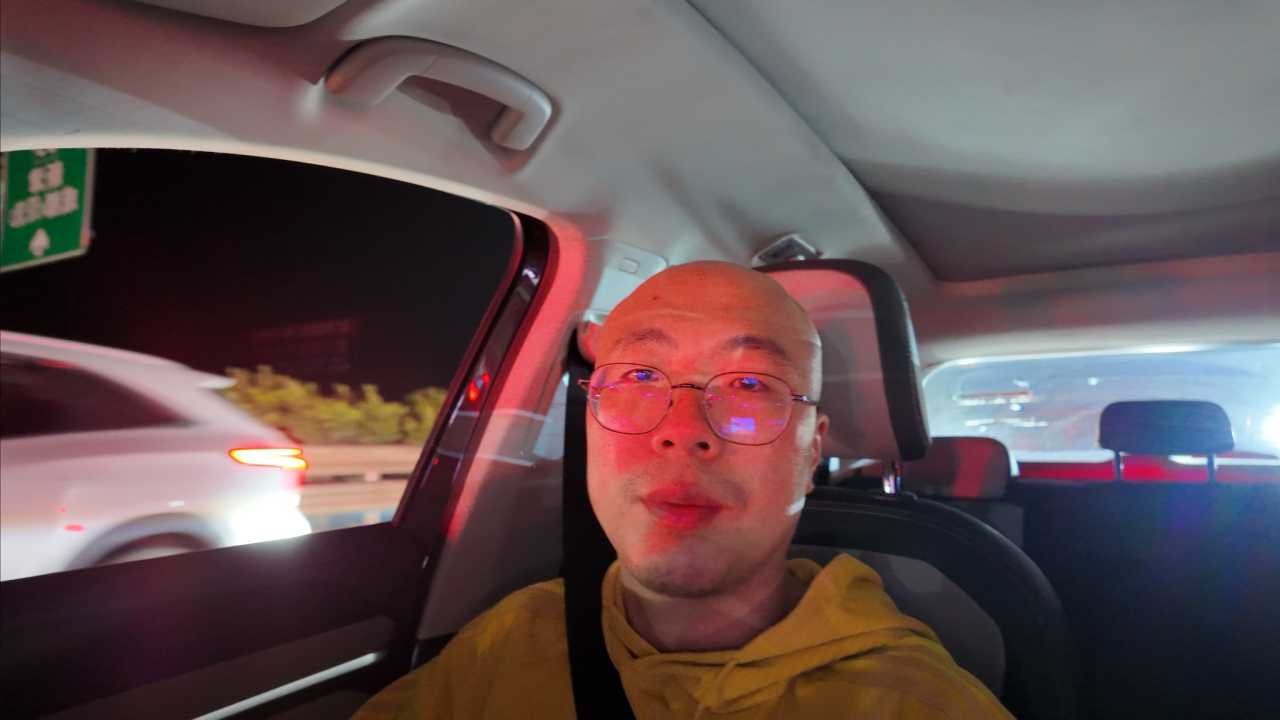
Our journey began at Chengdu Tianfu Airport. After picking up a rental car from Ehi, we set course for Kangding—the gateway to Western Sichuan. The original plan was to push through to Balangshengdu overnight, but expressway traffic jams and fatigue forced a strategic stop.
Kangding at 1 AM: The city that never sleeps in the Tibetan plateau. We pulled into downtown Kangding, where a serendipitous encounter unfolded: the same Toyota RAV4 that cut us off earlier followed us for 20 minutes before parking next to our hotel. Four young travelers emerged—a reminder that the road brings strangers together.
Survival tip: Too much Red Bull kept me awake until 3 AM. For altitude acclimatization, avoid heavy caffeine and aim for 7-8 hours of sleep before ascending higher.
Crossing Zheduo Mountain

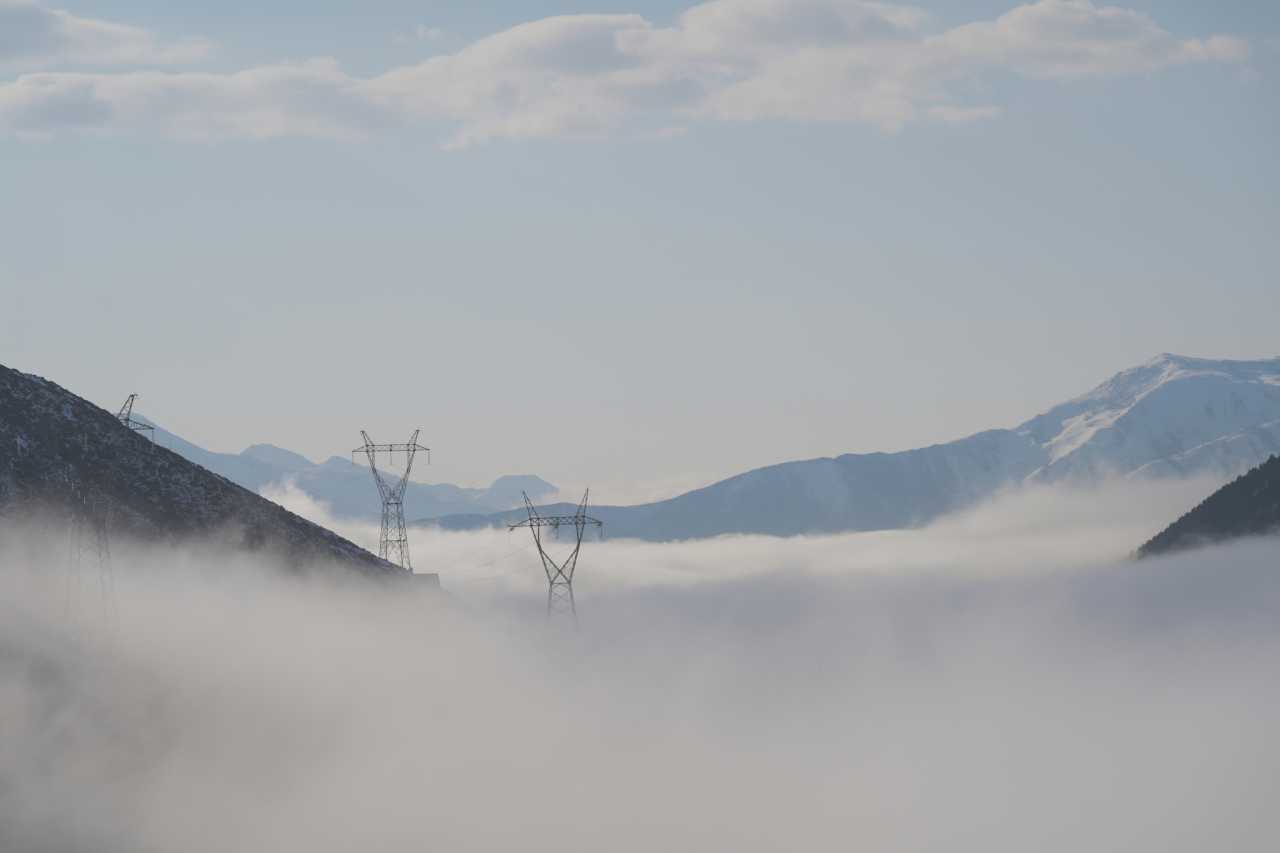
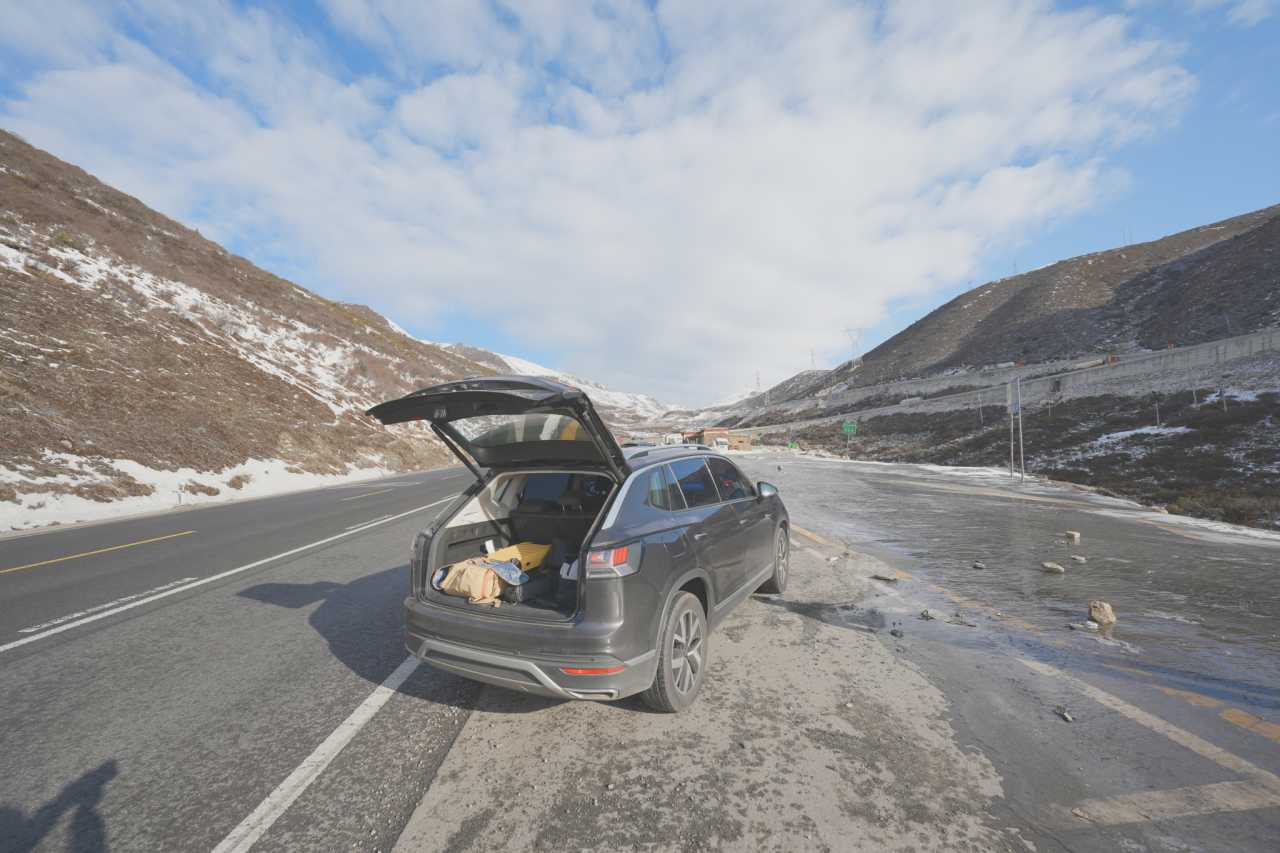
The next morning, we drove toward Balangshengdu. At the first mountain pass, clouds parted to reveal snowy peaks—a moment that justifies every kilometer of driving. The viewing platform at Zheduo Mountain looked unchanged from five years ago, though the access road was now covered in snow and ice. Parking cost 10 RMB, and the photo opportunities were priceless.
Photography tip: Shoot early morning (7-9 AM) for golden hour light on the peaks. Use a polarizing filter to cut through haze and enhance snow texture.
Day 2: Arriving at Balangshengdu Starry Sky Campground
First Impressions of the Campground
Balangshengdu Village lies just a few dozen kilometers past Xinduqiao—the "photographer's paradise" on National Highway 318. While Xinduqiao has modernized (now featuring a Ji Hotel and Luckin Coffee), Balangshengdu retains its raw, unpolished charm.
Check-in experience: At 10 AM, we were greeted by a young staff member who guided us through the campground's stamp-collecting activity. Each location—Thangka painting hall, souvenir shop, horse ranch, café, and restaurant—offered stamps. Collect six red stamps (earned through purchases) for a one-year cultural immersion pass.
Accommodation: Where Modern Comfort Meets Mountain Views
The Starry Sky Campground is divided into two zones:
- Starry Sky Campground (lower elevation): Stone Tibetan-style buildings, closed until after May Day.
- Snow Mountain Campground (summit viewpoint): 10 prefabricated modular rooms with floor-to-ceiling windows. Each room features:
- Hot water, heating, and oxygen supply (a testament to China's industrial capabilities)
- Comfortable bedding (soft yet warm—I woke up too hot!)
- Plentiful power outlets (no need for extension cords)
- Views of Mount Gongga (Room 4) and Mount Yala (side window)
Room recommendation: Book Room 4 for direct Gongga views. Rooms 2-5 offer the best balance of peak visibility and privacy.
Dining at Altitude: Affordable Tibetan Cuisine
The campground restaurant exceeded expectations:
- Lunch: Two vegetable dishes + one meat dish = 86 RMB for two people
- Dinner: Yak meat hot pot buffet = 108 RMB per person
- Café: Yak milk (the only caffeine-free option) at prices comparable to Starbucks
The menu features local specialties: shredded potatoes, eggplant, cauliflower, and yak meat prepared multiple ways. The hot pot buffet operates like mala tang—pick ingredients from the freezer and cook at your table.
Altitude eating tip: Load up on carbohydrates for energy. I ate two bowls of rice before napping—a wise decision that fueled my evening photography session.
Afternoon: The First Sighting of Mount Yala
After a much-needed nap (I'd barely slept the night before), I woke at 5 PM to snow and wind. Visibility was terrible. Undeterred, I grabbed my tripod and walked to the viewing platform. For an hour, only a gray expanse greeted me.
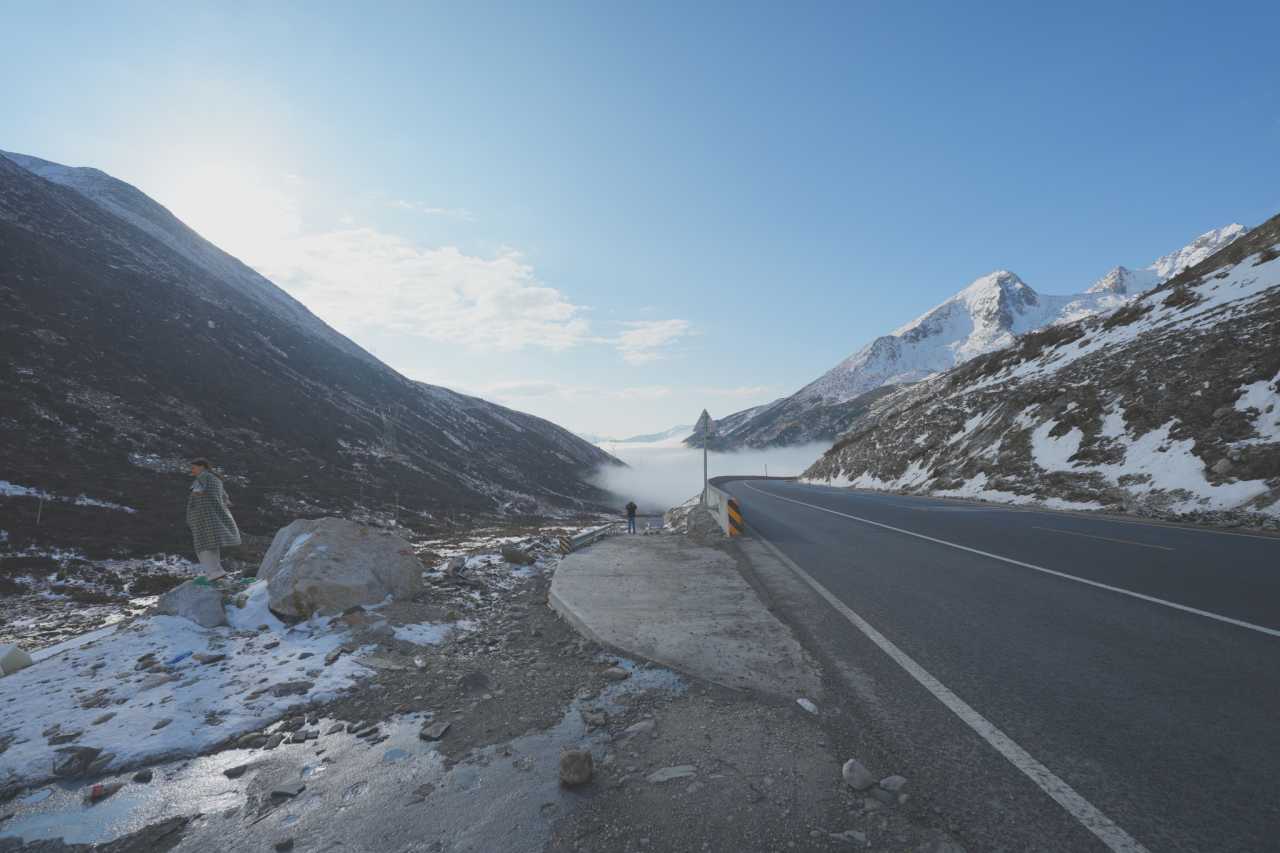
Then, at 6 PM, the clouds parted over Mount Yala. The peak stood close enough to touch—far clearer than from the Yunyao Yala viewing platform. I captured the moment, snow still dusting my camera, and felt the magic that draws photographers to this place.
Photography tip: Mount Yala is best photographed during the "blue hour" (30 minutes after sunset). Use a 2-3 second exposure to blur any remaining clouds while keeping the peak sharp.
FAQ: Everything You Need to Know About Balangshengdu
1. Is Balangshengdu suitable for beginners?
Absolutely. The Snow Mountain Campground offers modern amenities (heating, oxygen, hot water) that make high-altitude stays comfortable. The viewing platform is a short walk from rooms, and the staff is helpful for first-time visitors. However, the unpaved access road requires careful driving in winter.
2. What's the best time for stargazing?
October through April offers the clearest skies. Avoid full moon periods (check lunar calendar). The campground's name isn't accidental—on moonless nights, the Milky Way arches directly over Mount Gongga.
3. How do I get there without a car?
Public buses run from Chengdu to Kangding (4-5 hours). From Kangding, hire a private driver (800-1,200 RMB round trip) or join a small group tour. The last 20 km to the campground is unpaved—4WD recommended.
4. What should I pack for altitude?
- Acetazolamide (Diamox) for altitude sickness prevention
- SPF 50+ sunscreen (UV is intense at 3,700m)
- Lip balm with SPF
- Hand warmers for night photography
- Thermal underwear and windproof jacket
5. Can I visit year-round?
The campground operates April to October. Winter (November-March) sees heavy snow—the road may close temporarily. Check weather forecasts and call ahead before visiting in deep winter.
[Link: High-altitude travel safety checklist]
Photography Tips for Balangshengdu
Capturing the Snow Peaks
- Mount Gongga: Best shot from Room 4's window or the viewing platform at sunrise (7:15-7:45 AM in April).
- Mount Yala: Photograph from the western edge of the platform during golden hour (5:30-6:30 PM).
- Composite shots: Use a tripod and blend multiple exposures for dynamic range (snow peaks are 2-3 stops brighter than shadows).
Star Photography Settings
- ISO: 1600-3200 (higher for Milky Way)
- Aperture: f/2.8 or wider
- Shutter speed: 15-25 seconds (use the 500 rule: 500 / focal length = max seconds)
- Focus: Manual, set to infinity (use live view and zoom in on a bright star)
Pro tip: The DJI Pocket 3's low-light mode is surprisingly capable for casual night shots. For serious astrophotography, bring a full-frame camera.
Conclusion: Your Romantic Encounter Awaits
Balangshengdu isn't just a destination—it's a reminder that the best adventures happen when you least expect them. From the serendipitous encounter with fellow travelers in Kangding to the moment Mount Yala emerged from the clouds, every step of this journey felt like a gift.
The Starry Sky Campground has transformed high-altitude travel. Five years ago, mountaintop accommodations meant basic dormitories. Today, you can enjoy hot water, heating, and oxygen while watching the Milky Way rise over Gongga's eternal snows. It's a testament to how far Western Sichuan tourism has come—and how much further it can go.
Ready to plan your trip? Book your room at Balangshengdu's Snow Mountain Campground early—especially for spring and autumn star-gazing seasons. Pack your warmest layers, charge your camera batteries, and prepare for a romantic encounter with snowy peaks and starry skies that will stay with you long after you've returned to sea level.
Don't wait for "someday." The stars are calling. Answer them.
Have you visited Balangshengdu or other Western Sichuan stargazing spots? Share your experience in the comments below—your tips could help another traveler find their perfect night under the stars.
You may also like


