Autumn Zen: A Pilgrimage to Mianyang's Shengshui Temple – A Journey Through a Thousand Years of Art and Faith
Meta Description: Discover Mianyang's Shengshui Temple, a hidden gem of Buddhist sculpture art in Sichuan. Explore the viral Arhat Corridor, ancient history, and modern aesthetics in this 1,000-year-old monastery. Plan your pilgrimage today.
Introduction: The Unexpected Treasure on the Road to Jiuzhaigou
In the autumn of 2025, a road trip from Nanchong to Jiuzhaigou became an unforgettable detour into one of Sichuan's most extraordinary spiritual destinations. While the newly opened Mianyang-to-Jiuzhaigou expressway promised vibrant autumn foliage, the true revelation came when we stepped into Shengshui Temple (Holy Water Temple) in Mianyang's Fucheng District. This ancient monastery is not merely a place of worship—it is a sanctuary of sculptural art, a dramatic collision between Buddhist tradition and contemporary aesthetics that has captivated pilgrims and art lovers alike.
Shengshui Temple: A Thousand-Year-Old Monastery Living in Stone

History and Origins
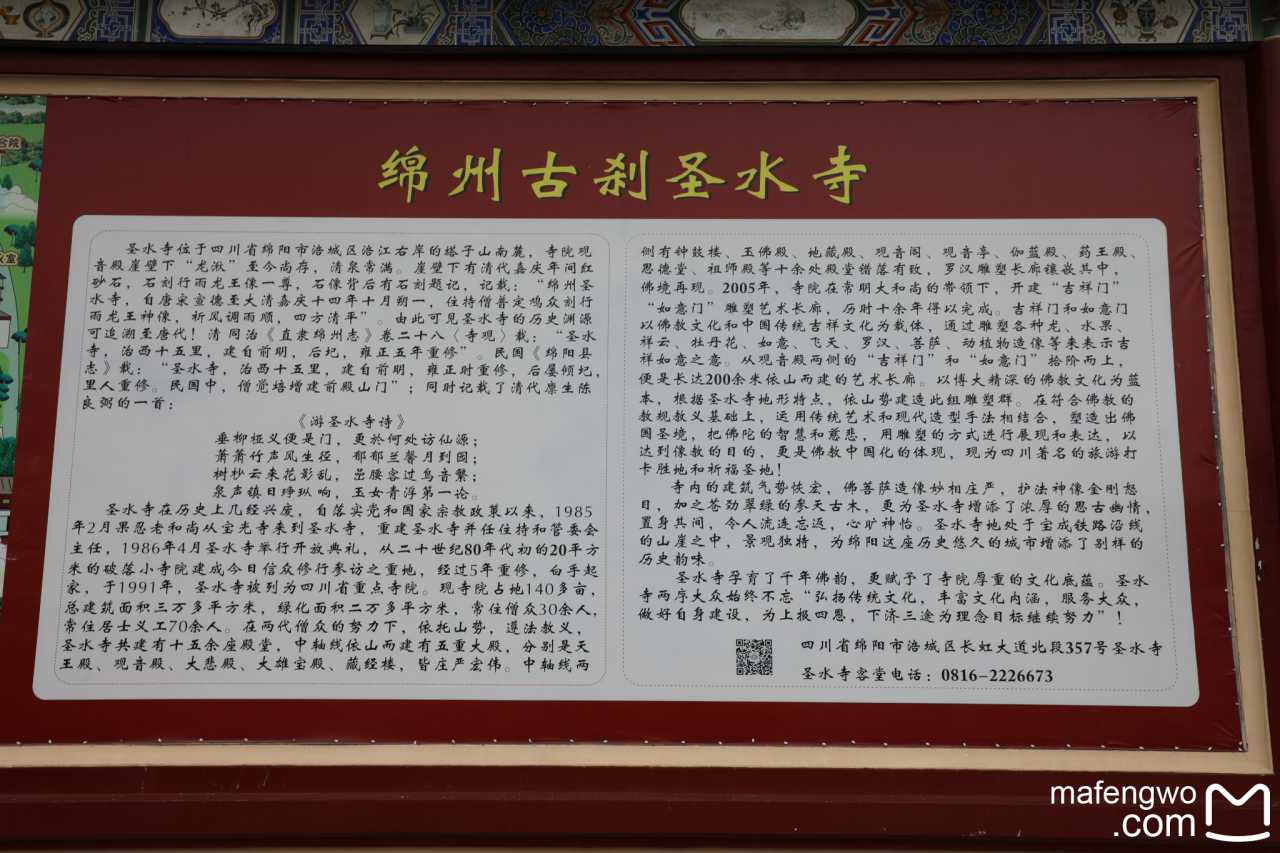
Shengshui Temple's name derives from a never-drying spring known as "Holy Water" that still flows within its grounds. According to the Zhili Mianzhou Gazetteer from the Qing Dynasty, the temple was originally built during the Ming Dynasty, later fell into ruin, and was rebuilt in 1727 during the Yongzheng reign. The Mianyang County Gazetteer adds that local villagers repeatedly rebuilt it after subsequent collapses.
Beneath the temple's cliff face, a red sandstone statue of the Rain Dragon King from the Jiaqing reign (1796–1820) remains preserved, with a stone inscription referencing the temple's existence "from the Tang and Song dynasties through the Xuande reign." These faded characters serve as a key, unlocking a history that spans over a millennium.
Modern Revival and Layout
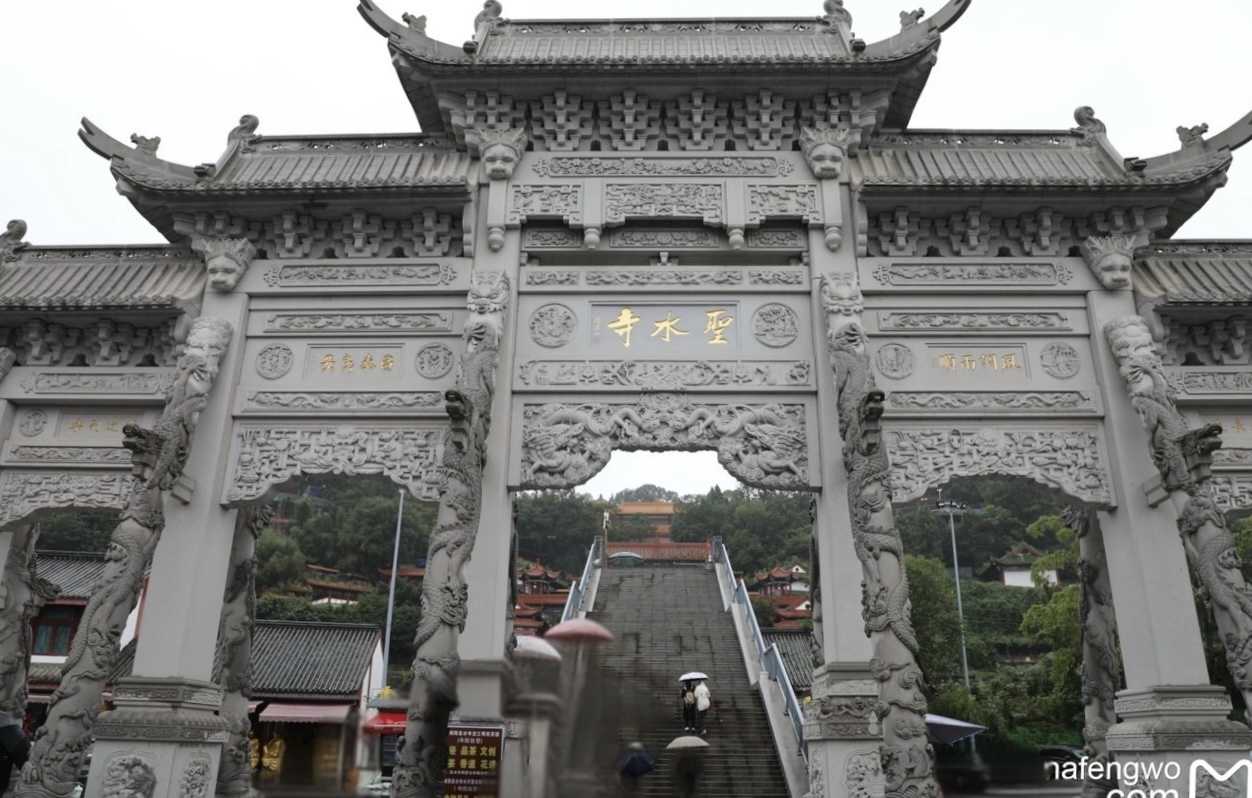
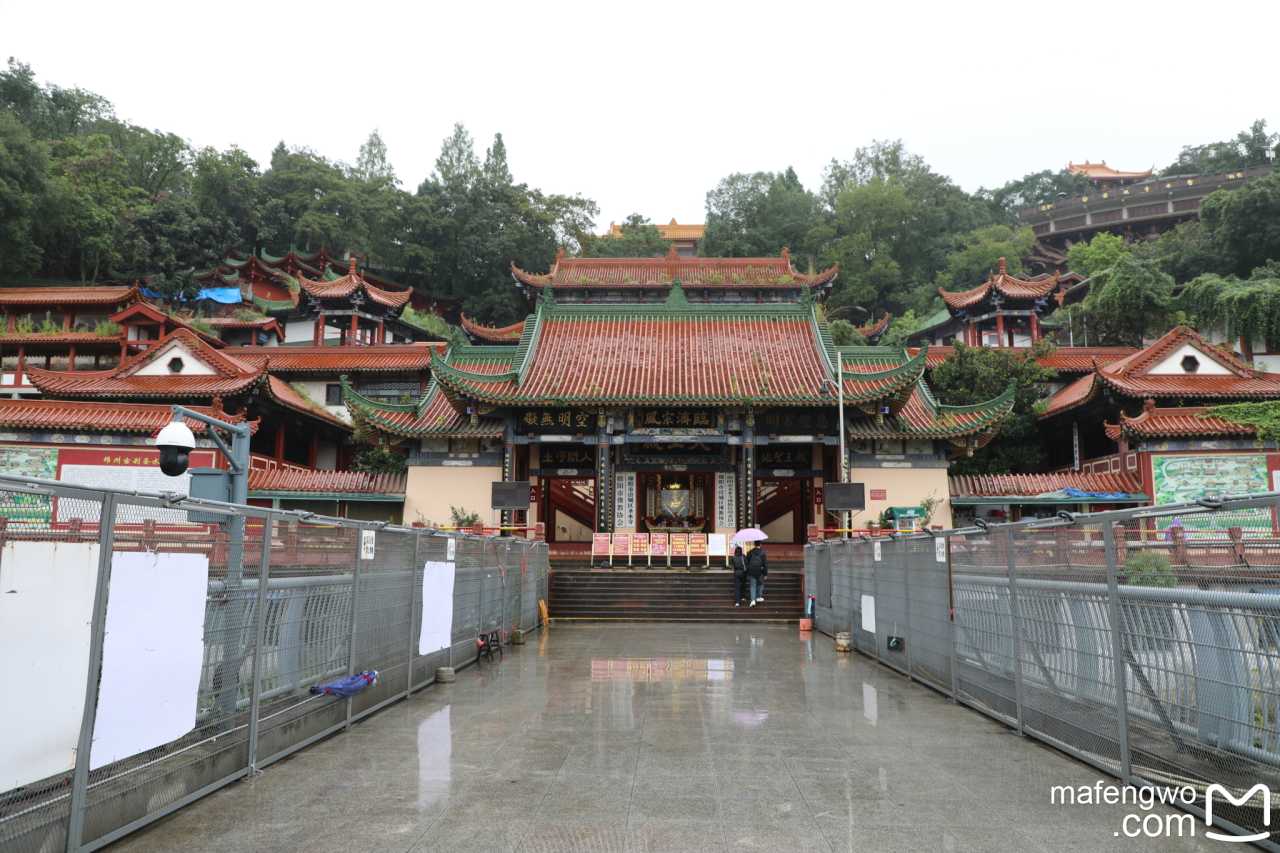
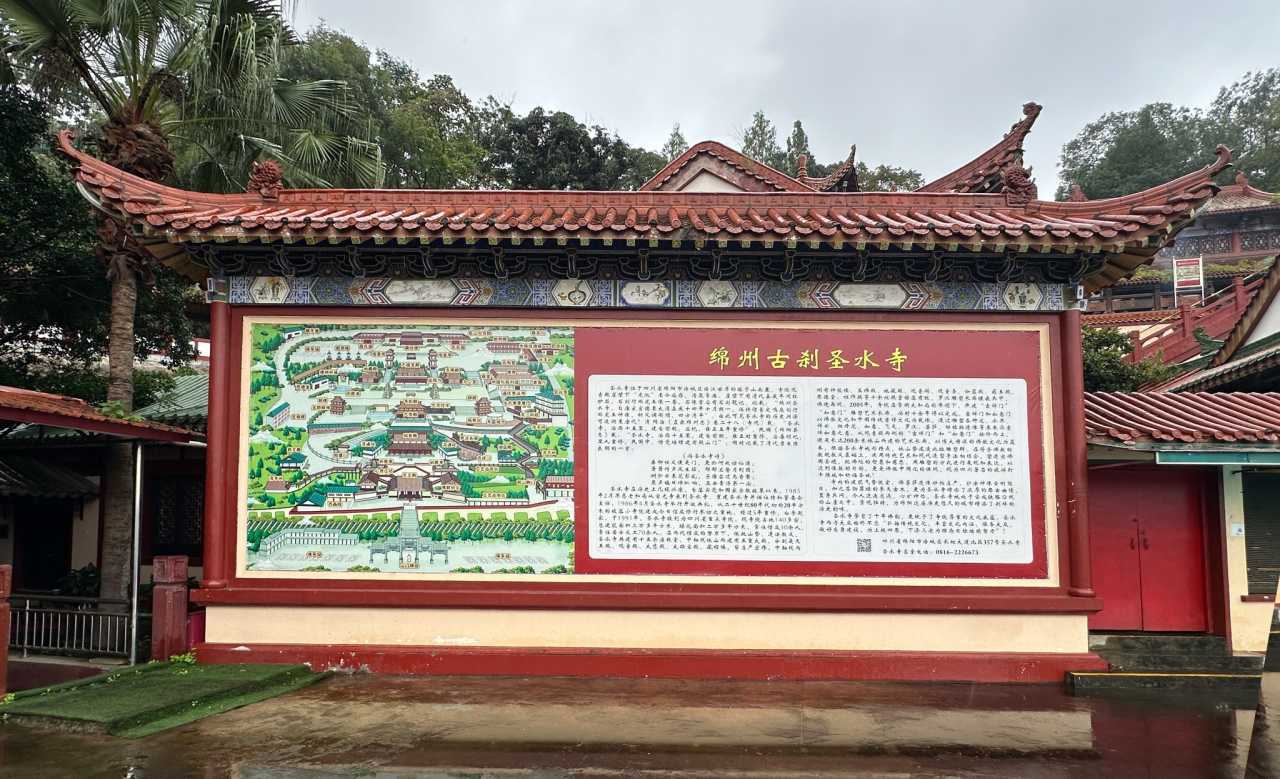
Today, Shengshui Temple covers over 140 mu (approximately 23 acres), with a building area exceeding 30,000 square meters and green spaces of over 20,000 square meters. It houses more than 30 resident monks and approximately 70 volunteers. In 1985, the venerable monk Guo Ren arrived from Baoguang Temple and spent five years rebuilding the temple from scratch. By 1991, it was designated as a key provincial Buddhist temple in Sichuan.
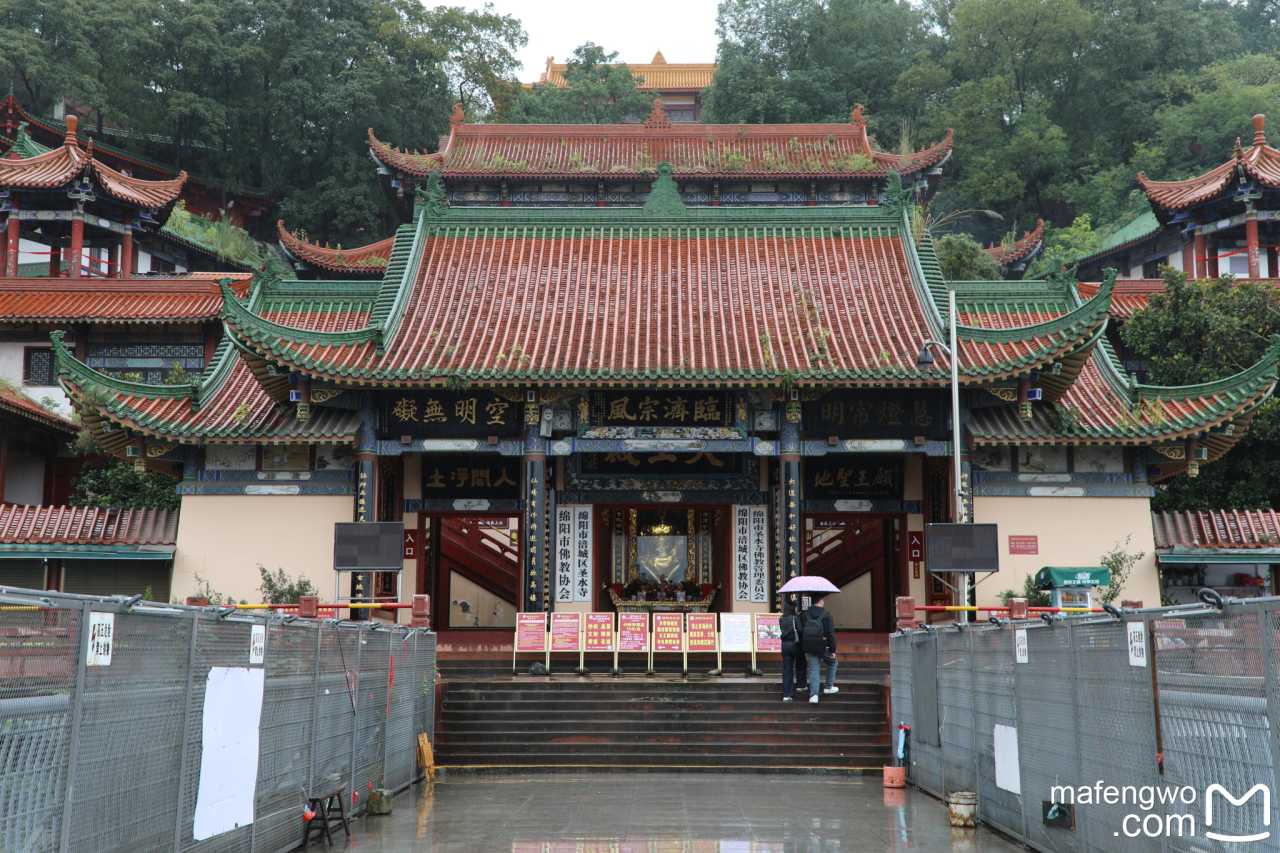
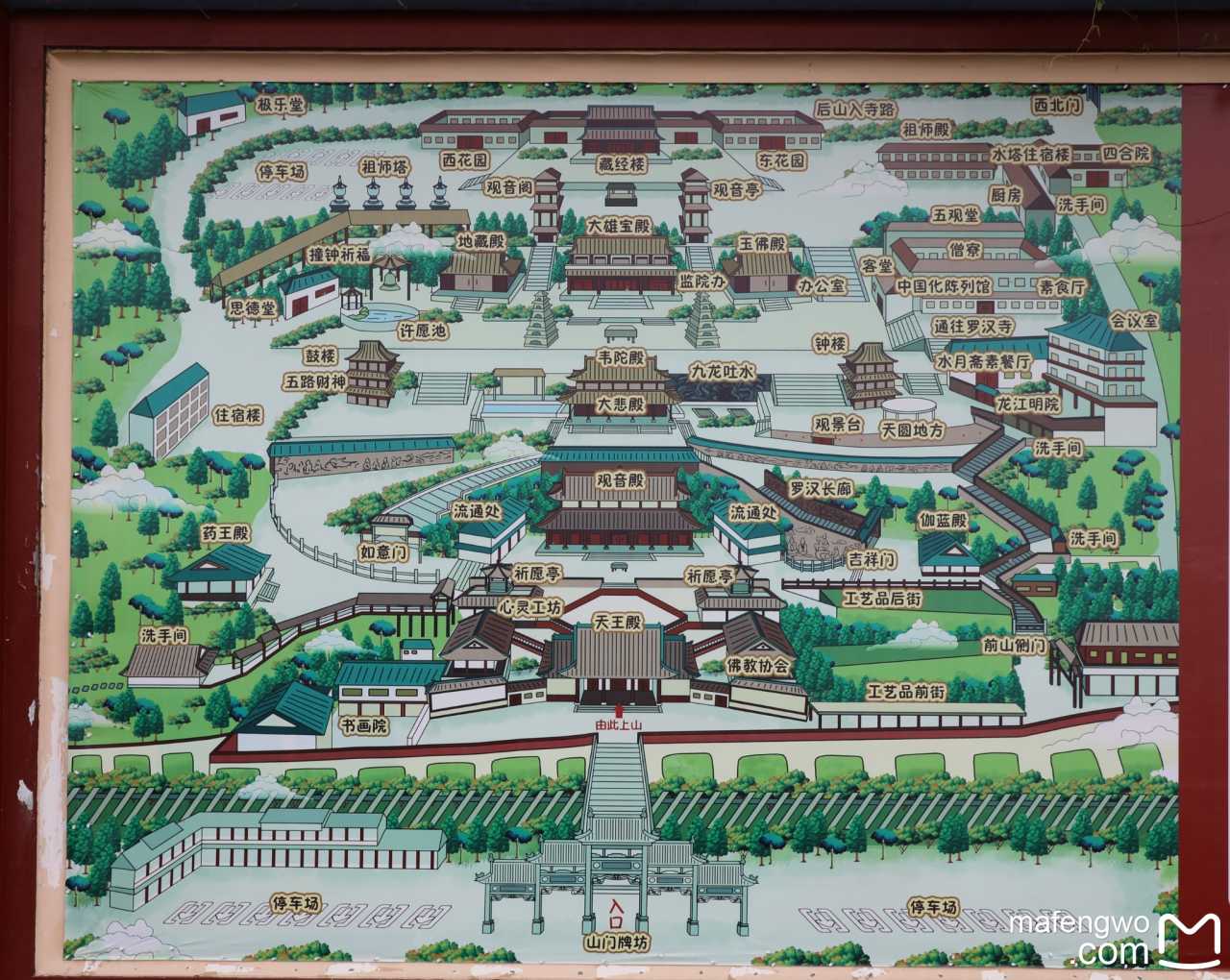
The central axis features five main halls—the Heavenly King Hall, Guanyin Hall, Great Compassion Hall, Grand Hall, and Sutra Library—ascending the mountain in succession. Flanking them are over a dozen halls and pavilions, including the Bell and Drum Towers, Jade Buddha Hall, Ksitigarbha Hall, and Guanyin Pavilion. But the most unforgettable feature is the sculptural art corridor stretching over 200 meters: the "Auspicious Gate" and the "Wish-Fulfilling Gate."
The Auspicious Gate: A "Viral Arhat Corridor" That Defies Imagination
A Rhapsody in Stone
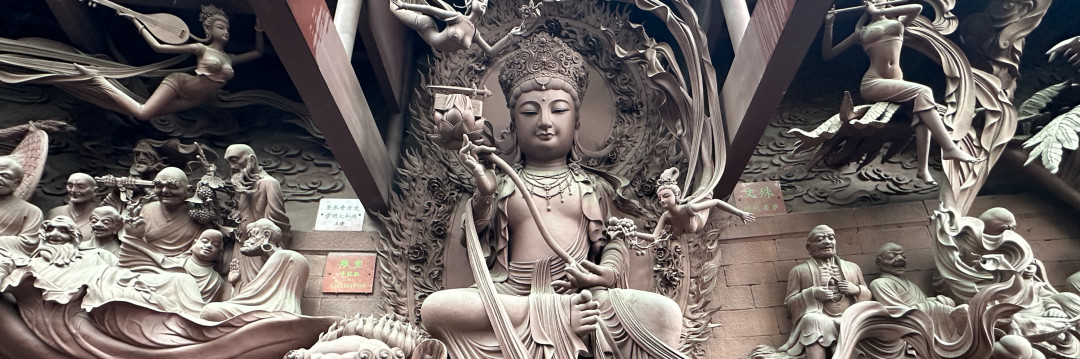
If traditional temple statues are solemn classical music, then Shengshui Temple's Arhat Corridor is a wild rhapsody. Created by folk sculptor Li Nengsheng and his team over more than a decade, this corridor shatters every stereotype of Buddhist statuary.
The arhats here are not the standard serene figures seated on lotus thrones with downcast eyes. Instead, you'll encounter: - Wide-eyed, muscular figures that seem ready to leap from the stone walls - Kind-faced, smiling arhats as approachable as a neighborly elder - Humorous, grotesque expressions that provoke laughter and wonder
Every statue bursts with dynamic energy—robes flutter, auspicious clouds surge, and ritual implements tremble. The bold, intense colors create a resplendent, gold-and-brilliance spectacle. Walking through this corridor feels like stepping into a fantastical Buddhist realm.
The Sinicization of Buddhism in Art
This "unbridled imagination" preserves the core teachings of Buddhist culture while incorporating modern sculptural techniques—a vivid example of the Sinicization of Buddhism. The corridor has become a paradise for photography enthusiasts, with every corner offering a perfect photo opportunity. Online, Shengshui Temple's Arhat Corridor has long "gone viral," hailed as a "shrine of sculptural art."
[Link: Buddhist sculpture art in Sichuan temples]
From the Heavenly King Hall to the Sutra Library: A Dialogue Between Architecture and Faith
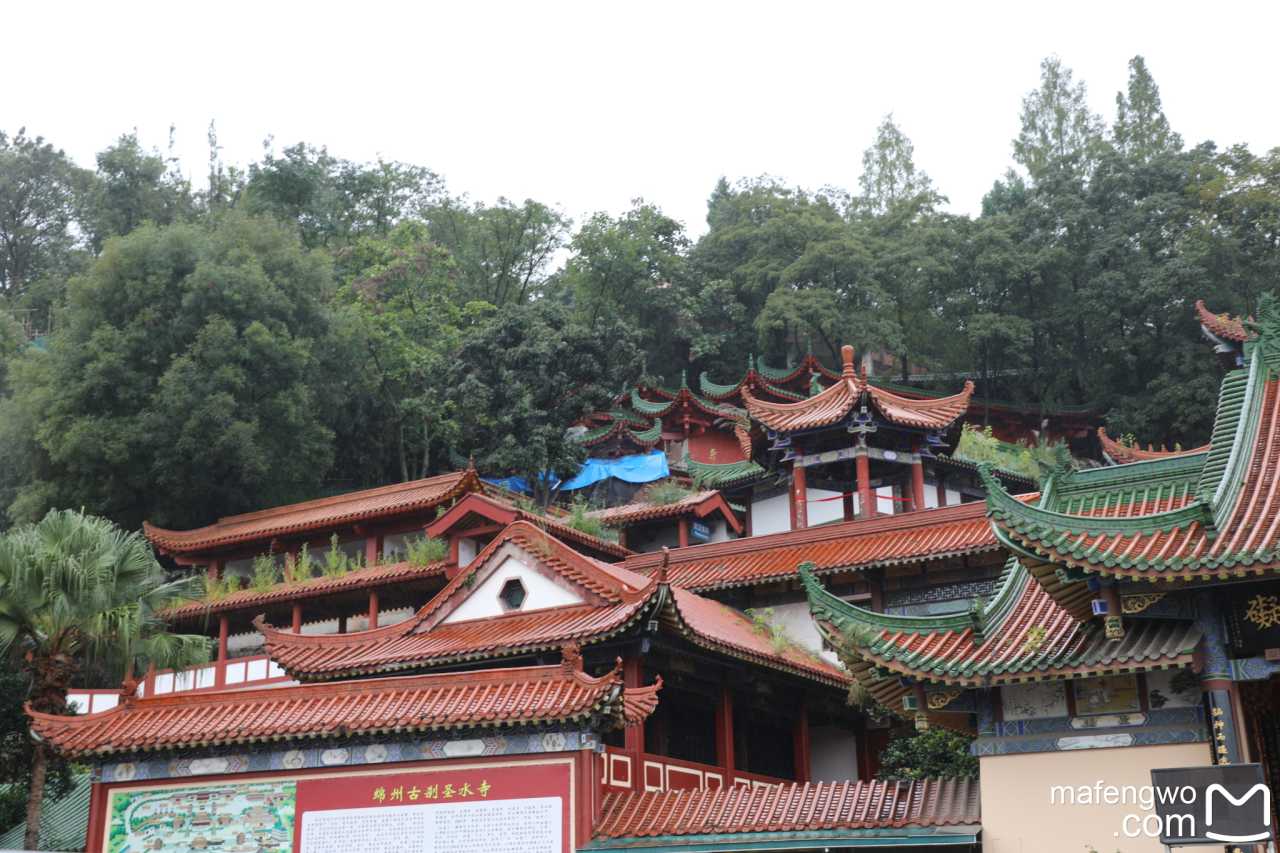
Passing through the Auspicious Gate and climbing the stone steps, you enter the temple's core area. The architectural style here is completely different—ancient, solemn, and serene, as if stepping from a carnival into a tranquil Zen realm.
The Heavenly King Hall: Joy at the Entrance
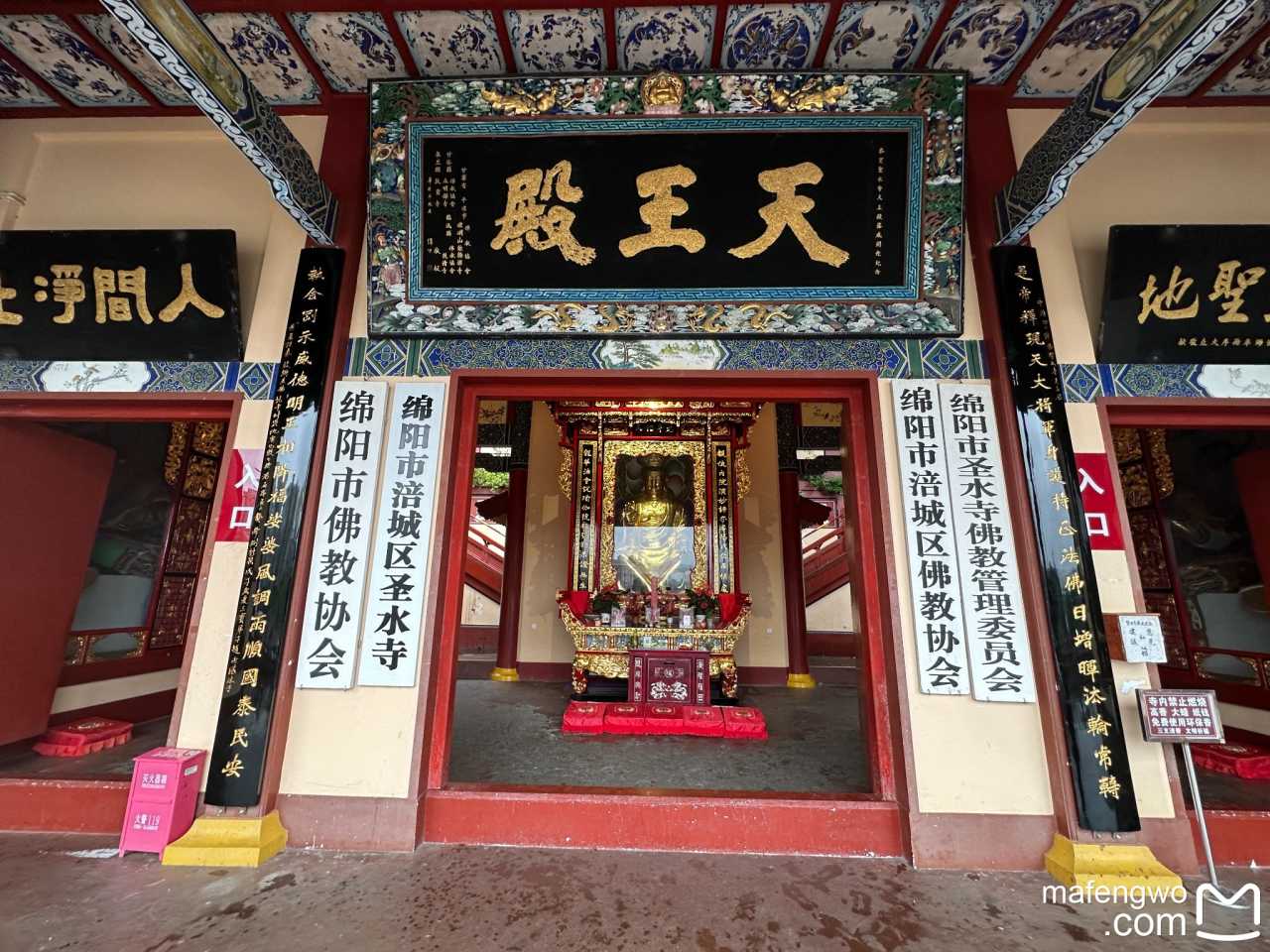
The Heavenly King Hall is the first structure visitors encounter. In the center sits the Maitreya Buddha, with a large belly and perpetual smile. The couplet on the pillars reads: "A big belly can hold all the hard-to-bear things in the world; an open mouth laughs at all the laughable people in the world."
On either side stand the Four Heavenly Kings: - Eastern King Dhritarashtra holds a pipa, symbolizing "harmony" - Southern King Virudhaka wields a sword, representing "the sword of wisdom to cut away afflictions" - Western King Virupaksha has a dragon coiled around his arm, signifying "observation" - Northern King Vaisravana raises an umbrella, meaning "protection"
Together, their ritual implements spell out "feng tiao yu shun" (favorable weather for crops)—the simplest wish of the Chinese people.
Behind Maitreya stands Skanda (Weituo), the guardian deity. At Shengshui Temple, Skanda's vajra scepter is carried on his shoulder, indicating this is a "ten-direction monastery" that can receive wandering monks for three days of free food and lodging.
Guanyin Hall and the Great Compassion Hall: A Thousand Hands and Eyes
The Guanyin Hall houses a giant wooden carving of the Thousand-Hand, Thousand-Eye Guanyin (Avalokitesvara), crafted from precious timber. The bodhisattva's face is kind and dignified, with "thousand hands" spreading like a fan, each palm bearing an eye—symbolizing Guanyin's ability to observe all beings and deliver them from suffering.
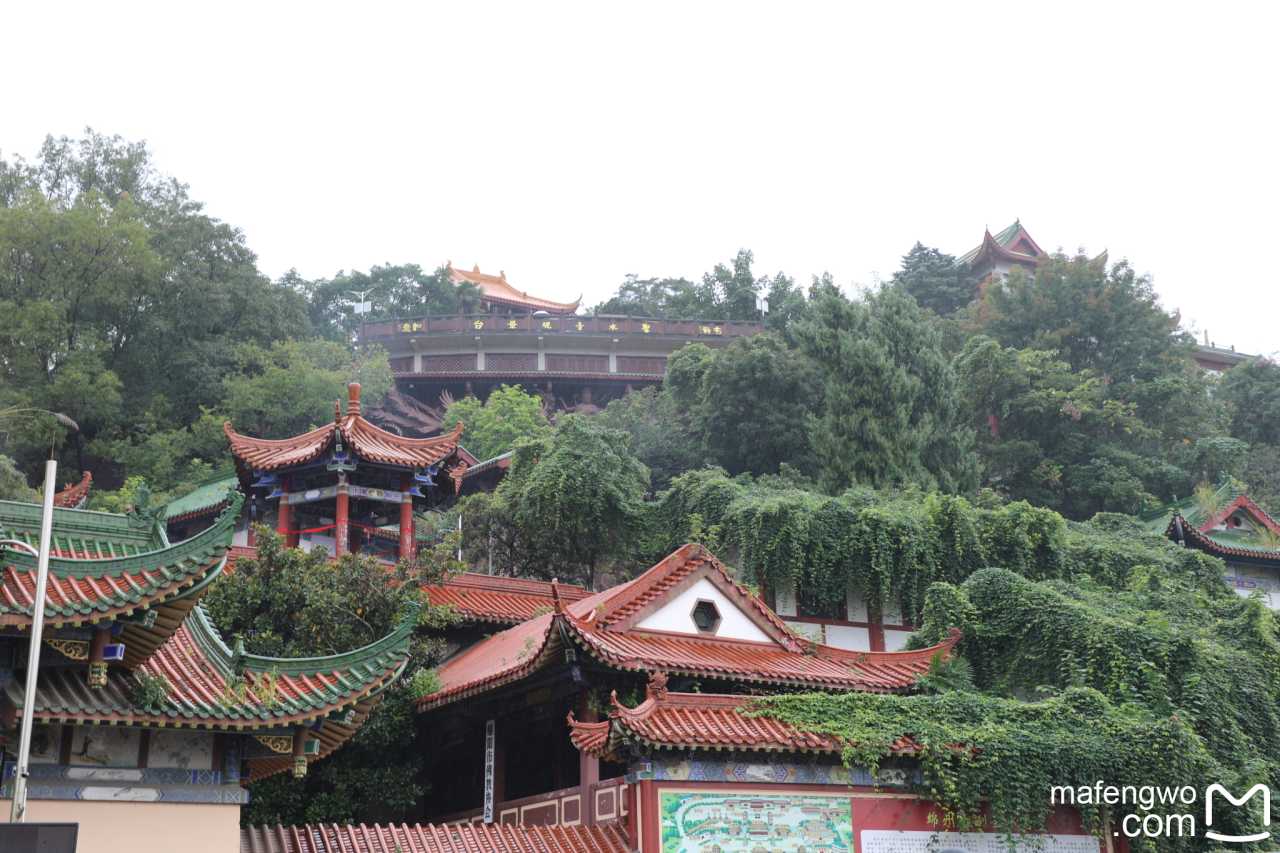
The Great Compassion Hall shares the same lineage, its name derived from Guanyin's "great compassion and great mercy." It also enshrines a Thousand-Hand, Thousand-Eye Guanyin, but the atmosphere is even more solemn. This is the main site for devout worshippers, where incense smoke rises thickly and the sound of Buddhist chanting fills the air. The Great Compassion Mantra (Dabei Zhou), often recited here, has a deep connection with Guanyin.
[Link: Must-see Buddhist temples in Mianyang]
The Holy Water Spring: A Living Connection to the Past
The temple's namesake spring still flows today, its water clear, cool, and sweet. Devotees often make special trips to collect it, as if that handful of water still carries echoes from the Tang and Song dynasties. This living connection to history adds a profound layer to the pilgrimage experience.
FAQ: Your Guide to Visiting Shengshui Temple
1. What is the best time to visit Shengshui Temple?
 Autumn (September to November) offers the most vibrant scenery, with colorful foliage complementing the temple's golden statues. Spring is also pleasant, with mild temperatures and blooming flowers.
2. How do I get to Shengshui Temple from Mianyang city center?
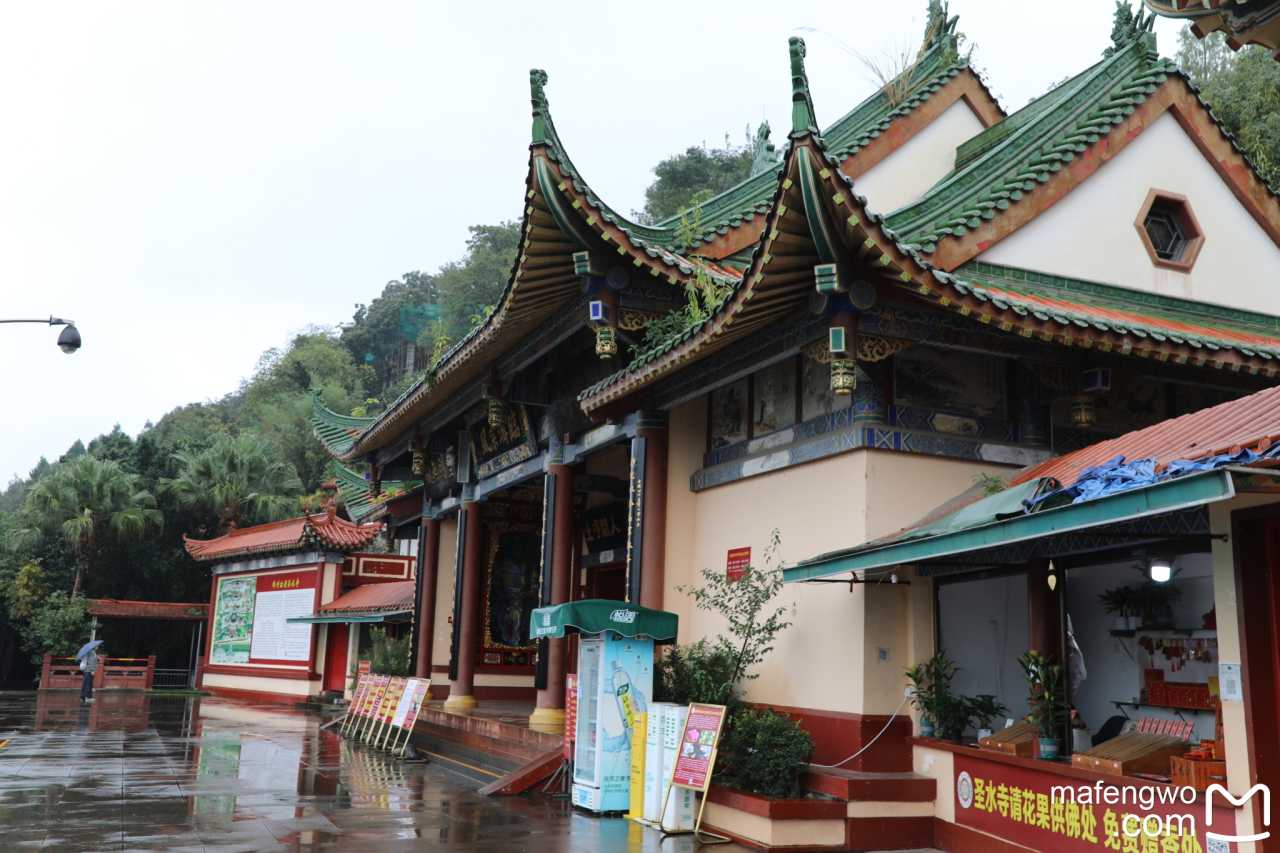 The temple is located in Fucheng District, about 15 li (7.5 km) west of Mianyang city. You can take a taxi or local bus from Mianyang Railway Station. The newly opened expressway to Jiuzhaigou makes it convenient for road trips.
3. Is there an entrance fee?
As a key provincial Buddhist temple, Shengshui Temple typically has a modest entrance fee. Check the latest information before your visit, as fees may vary for special exhibitions or events.
4. Can I take photographs inside the temple?
 Photography is generally allowed in the outdoor areas and the Arhat Corridor. However, some indoor halls may restrict photography out of respect for worshippers. Always check signage and ask permission from monks or volunteers.
5. What should I wear when visiting a Buddhist temple?
Dress modestly—cover shoulders and knees. Remove hats before entering halls. Avoid loud behavior and maintain a respectful demeanor, especially during prayer times.
Conclusion: A Pilgrimage Worth Taking
Shengshui Temple is more than a tourist attraction—it is a living testament to the enduring power of faith and art. From the viral Arhat Corridor that challenges conventional Buddhist sculpture to the serene halls where devotion still echoes, this hidden gem in Mianyang offers a journey through a thousand years of Chinese Buddhist culture.
Whether you're a photography enthusiast, a spiritual seeker, or simply a traveler looking for unexpected beauty, Shengshui Temple promises an experience that will linger long after you leave.
Plan your visit today. Combine it with a trip to Jiuzhaigou or explore other treasures in Mianyang. The Holy Water awaits.
[Link: Sichuan road trip itineraries] [Link: Jiuzhaigou travel guide]
Have you visited Shengshui Temple? Share your experience in the comments below or tag us in your photos. For more travel inspiration, subscribe to our newsletter.
You may also like


