Autumn Whispers: A Solo Pilgrimage Through Western Sichuan – The Ultimate Travel Guide
Meta Description: Discover the magic of Western Sichuan in autumn with this solo travel guide. From Daocheng Yading to Mount Siguniang, explore golden meadows, sacred snow peaks, and Tibetan culture in this 8-day itinerary.
Introduction: Why Western Sichuan Should Be Your Next Autumn Destination
"There is a place called Daocheng, and I want to go there with the person I love most—to see the white snow-capped mountains and witness an autumn fairytale."

These words from Zhang Jiajia's novel I Belonged to You planted a seed in countless hearts. In September 2012, when I first glimpsed photos of Daocheng Yading on social media—the piercing blue sky, white snow peaks, and golden meadows—I knew I had to experience it firsthand. Five years later, in October 2017, that dream became reality.
This guide isn't just a travelogue—it's your blueprint for planning an unforgettable solo pilgrimage through Western Sichuan. Whether you're a seasoned trekker or a first-time visitor to the Tibetan Plateau, this article covers everything from itinerary planning to altitude sickness management.
[Link: Best time to visit Western Sichuan]
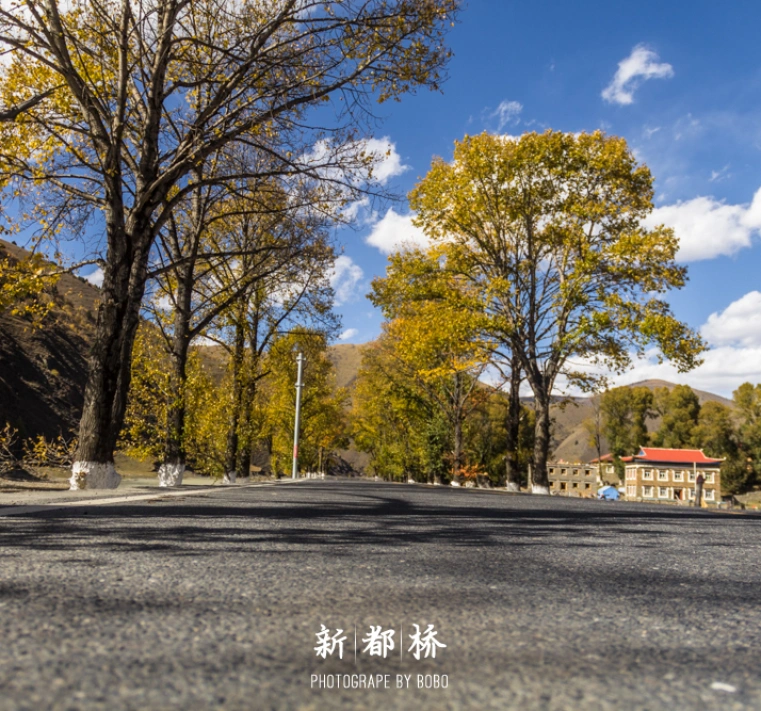
Itinerary Overview: 8 Days, 7 Nights Across the Highland Canvas
| Day | Route | Highlights |
|---|---|---|
| 0 | Liuzhou → Chengdu | Arrival and acclimatization |
| 1 | Chengdu → Mount Siguniang → Jiaju Tibetan Village → Danba County | Alpine scenery, Tibetan architecture |
| 2 | Danba → Yala Snow Mountain → Xiede Township → Bamei Stone Forest → Tagong Grassland → Xinduqiao | Sacred mountains, stone forests, grasslands |
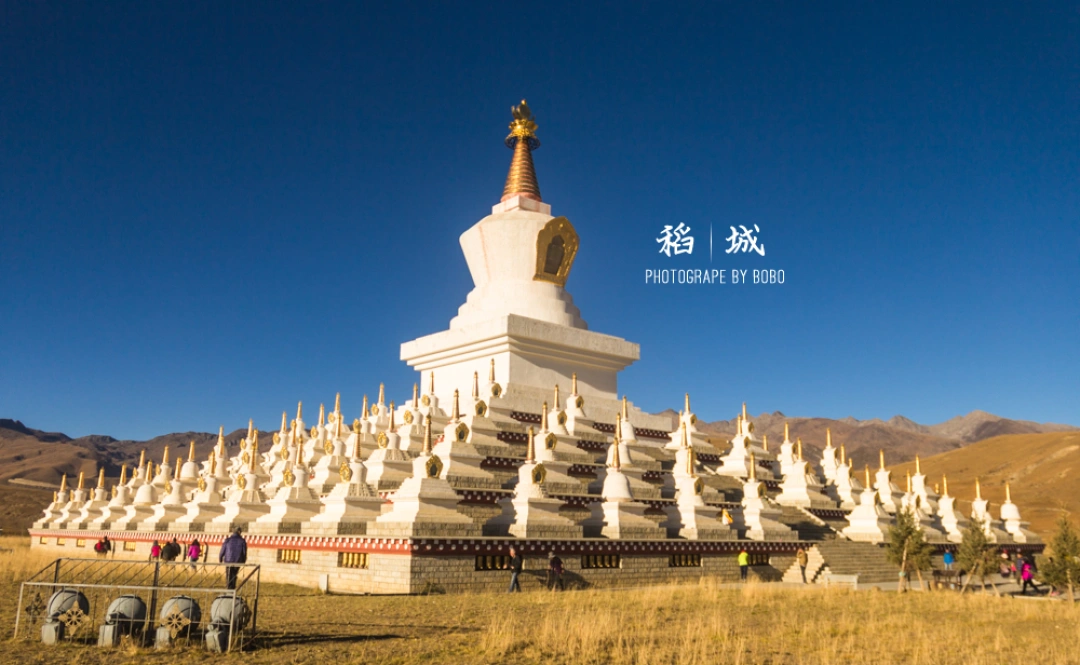
| 3 | Xinduqiao → Xiongzongka → Kazila Mountain → Rabbit Mountain → Haizi Mountain → Daocheng White Pagoda → Shangri-La Town | Sky road, high-altitude passes |
| 4 | Shangri-La Town → Yading Village → Yading Scenic Area | Daocheng Yading exploration |
| 5 | Yading Village → Yading Scenic Area → Daocheng County | Deeper Yading experience |
| 6 | Daocheng County → Xinduqiao | Return journey |
| 7 | Xinduqiao → Zheduo Mountain → Lugou Bridge → Chengdu | Cultural landmarks |
| 8 | Chengdu → Nanning → Liuzhou | Departure |
Chapter 1: Meeting Mount Siguniang – First Glimpse of Tibetan Autumn
From Overcast to Clear Skies: The Magic of Western Sichuan Weather
Leaving Chengdu under gray skies, I crossed several mountain passes and suddenly emerged into brilliant sunshine. The hillsides exploded in color—gold, fiery red, and amber—as if someone had knocked over a paint palette. This was autumn in Western Sichuan at its finest.
Even the altitude signs along the road were decorated with cute pandas, a reminder that you're traveling through one of China's most biodiverse regions.
Mount Siguniang: The Reserved Beauty of the Qionglai Range
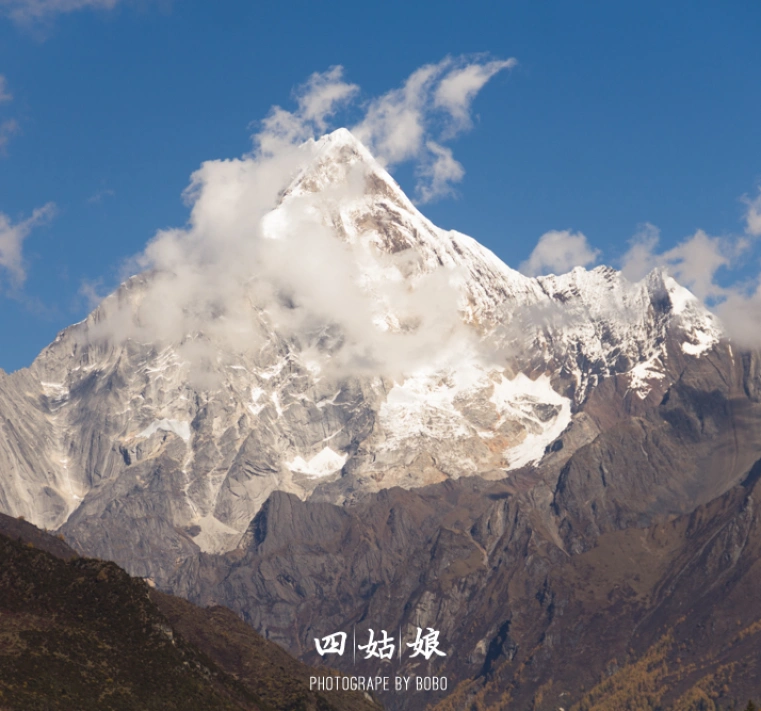
Mount Siguniang (四姑娘山) is the highest peak of the Qionglai Mountain Range, with four peaks lining up from north to south:
- Peak 1: 6,250 meters
- Peak 2: 5,664 meters
- Peak 3: 5,454 meters
- Peak 4: 5,355 meters
Named after four maidens draped in white veils, this is a hiking paradise. The valley trail from Changping Valley to Bipeng Valley stretches 70 kilometers, passing glacial streams and alpine meadows.
At the Cat's Nose Ridge Viewpoint, Mount Siguniang played coy, hiding behind thickening clouds. Perhaps she was saving her full beauty for my next visit.
[Link: Best hiking trails in Mount Siguniang]
Danba Tibetan Village: China's Most Beautiful Village
Arriving in Danba as the sun set, I couldn't capture her full beauty on camera—but the awe was already etched into my heart.
Danba Tibetan Village clings to the mountainside, terraced from the Dajin River Valley upward to the Kapama Peaks. Every house seems to grow organically from the mountain, blending seamlessly with nature. No wonder it's called "China's Most Beautiful Village."
Tibetan folklore says: whoever finds an eight-petal Gesang flower will find happiness. "Gesang" means "good times" in Tibetan—a promise of joy for the young at heart.
Chapter 2: Golden Mountains at Sunrise – Faith in Light and Shadow
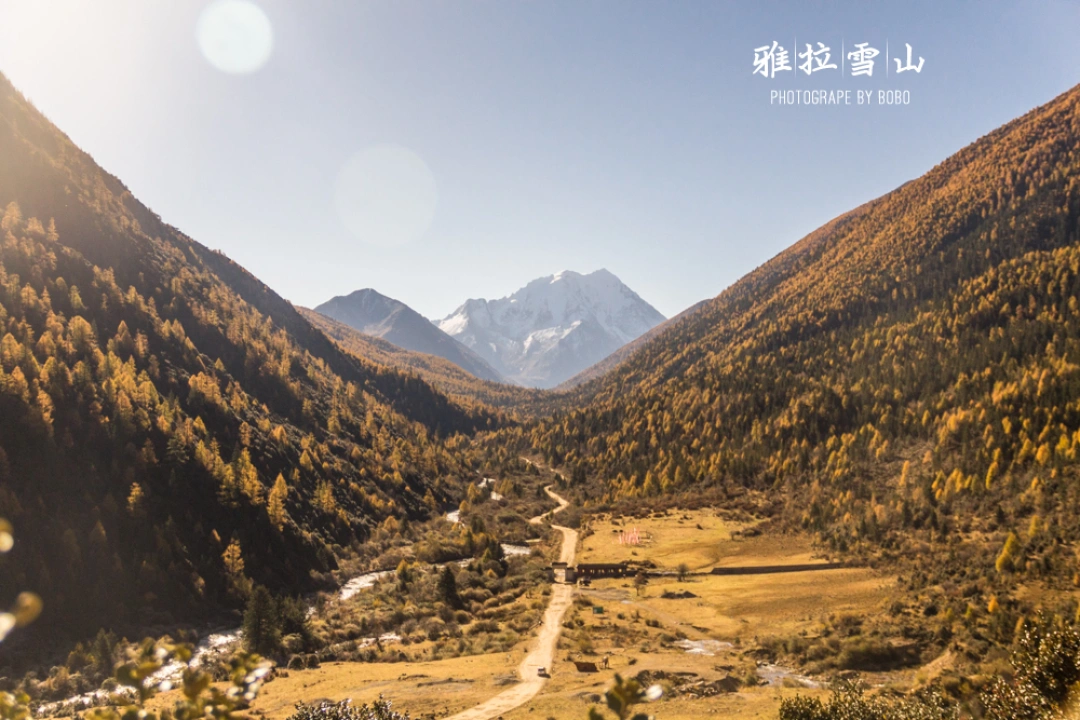
Yala Snow Mountain: The Eastern White Yak
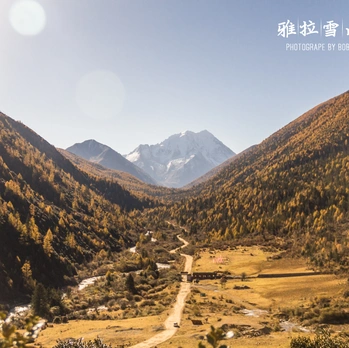
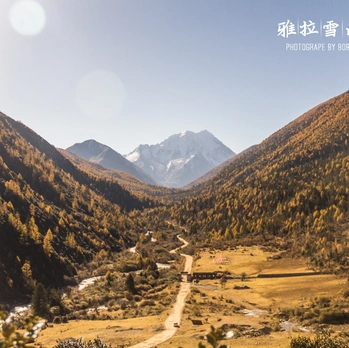
Yala Snow Mountain (雅拉雪山), full name "Xiaxue Yala Garpo," means "Eastern White Yak Mountain." One of the four sacred mountains in Tibetan regions, it stands at 5,884 meters at the junction of Kangding, Daofu, and Danba counties.
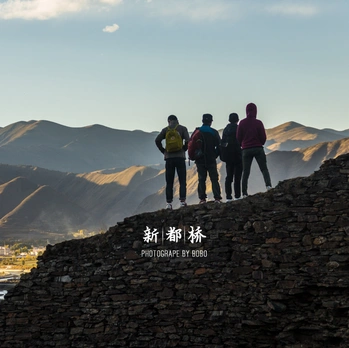
Unique natural phenomenon: Two lakes less than 300 meters apart on the mountainside drain in opposite directions—north and south.
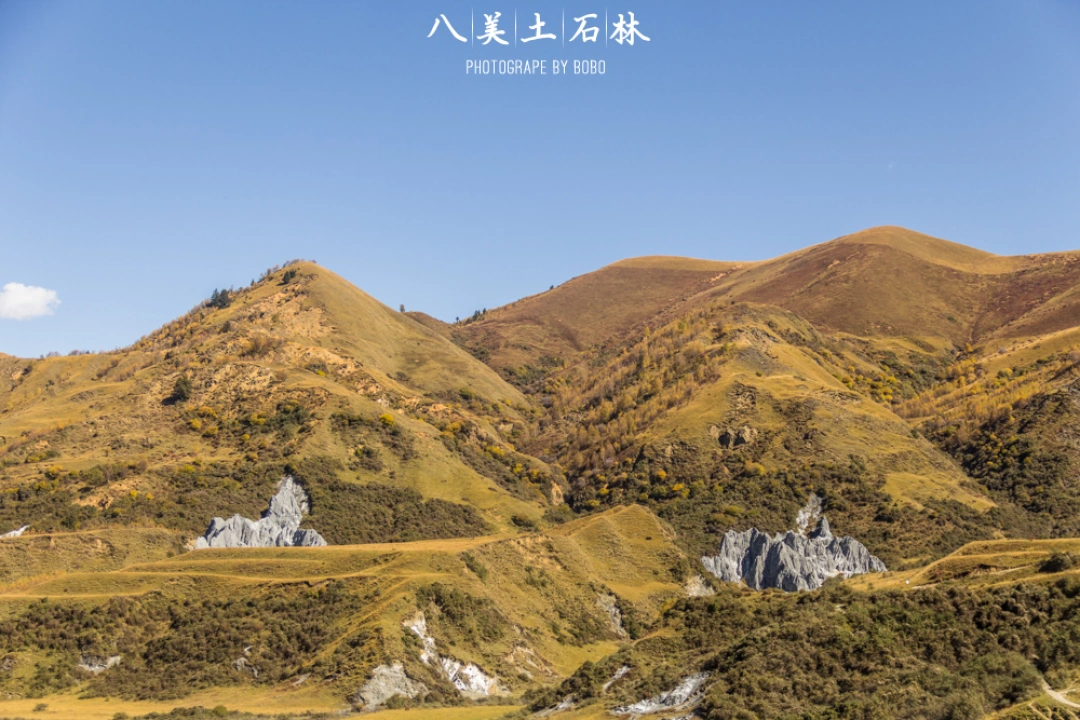
Bamei Stone Forest: Color Amid Gray Tones
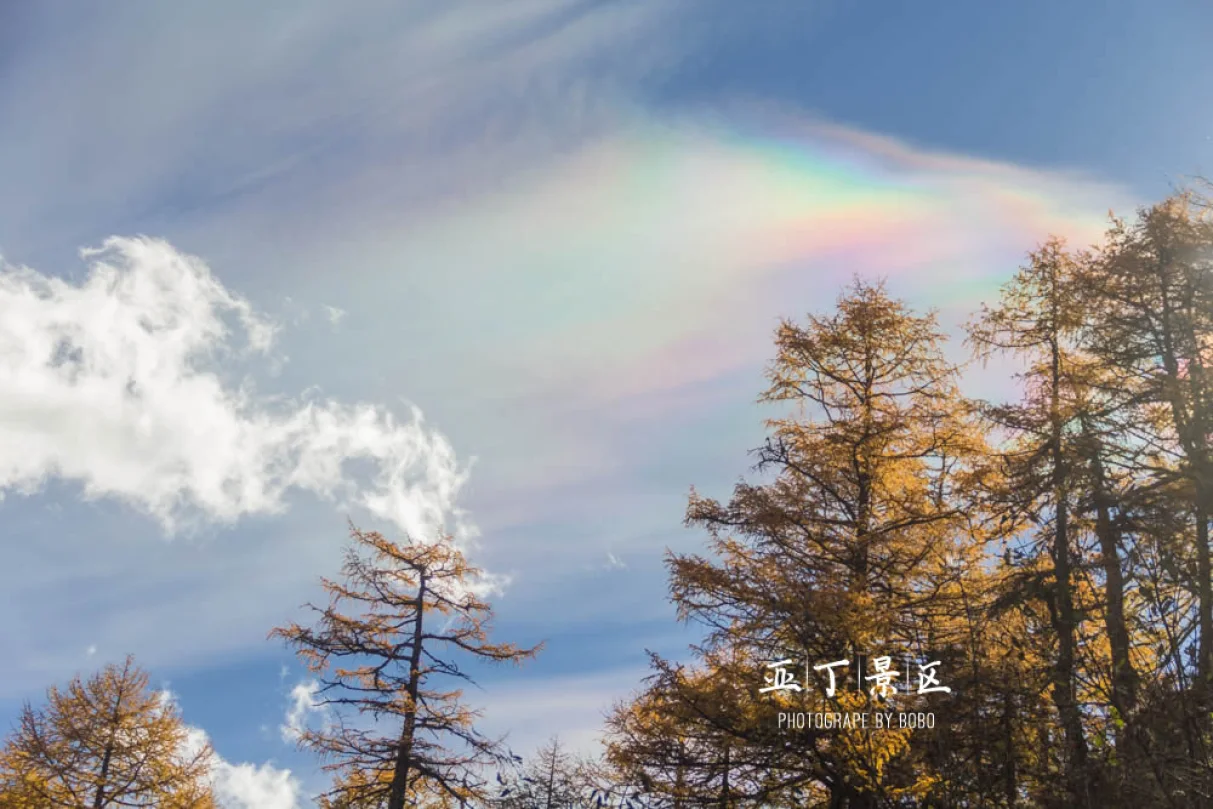
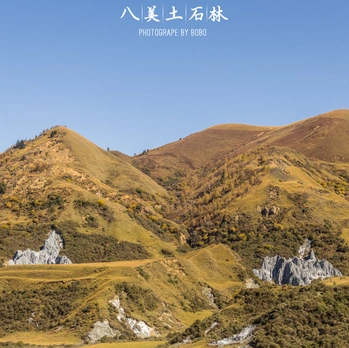
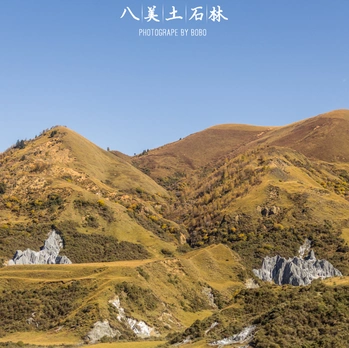
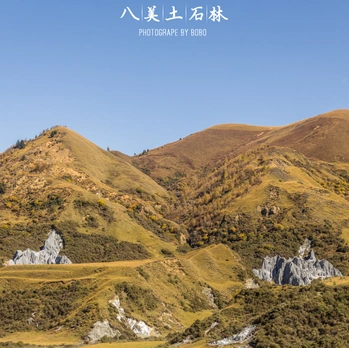
Bamei Stone Forest is dominated by gray tones, but its surroundings burst with color. In summer, green mountains and wildflowers frame the stone forest. By autumn, golden withered grass and fiery red maple trees make the forest look reborn through flames.
From the viewing platform, the entire forest rises in clustered peaks and towering spires—a magnificent sight.
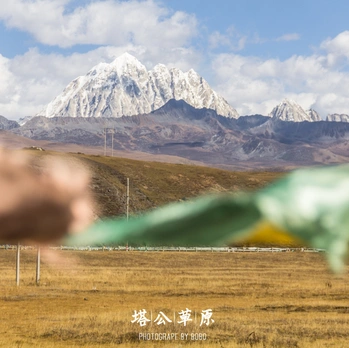
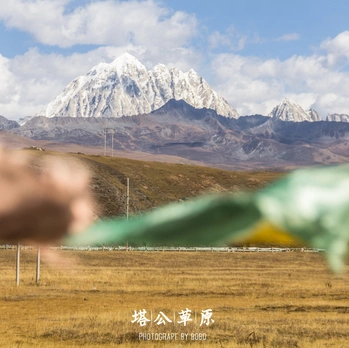
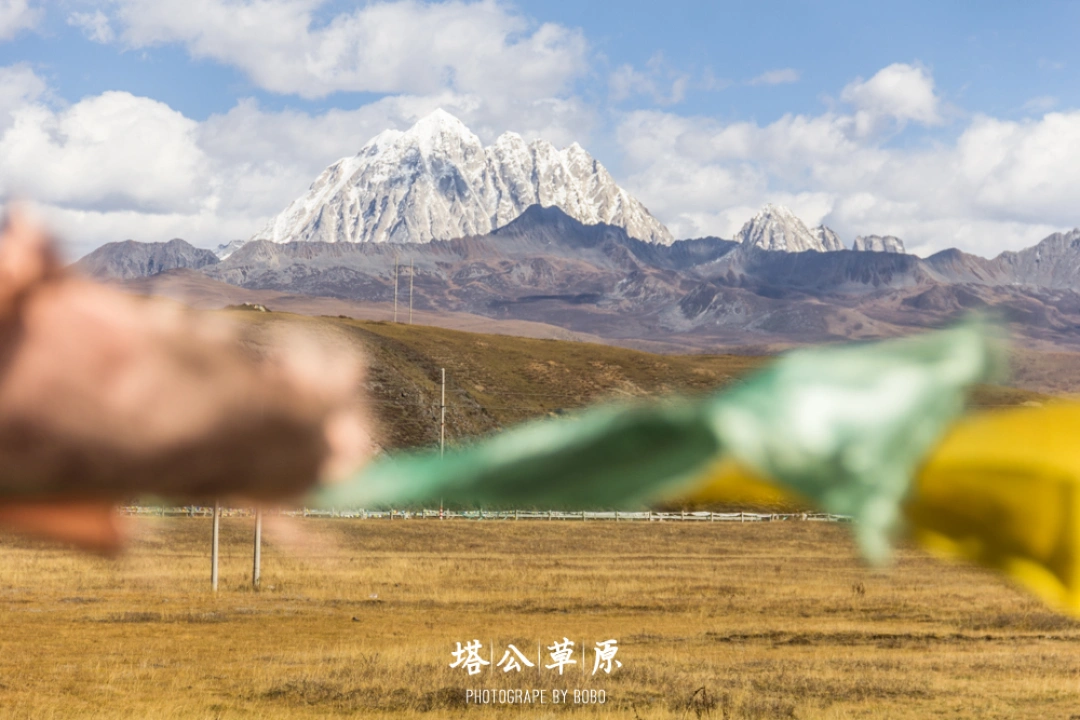
Tagong Grassland: Where Bodhisattvas Love to Be
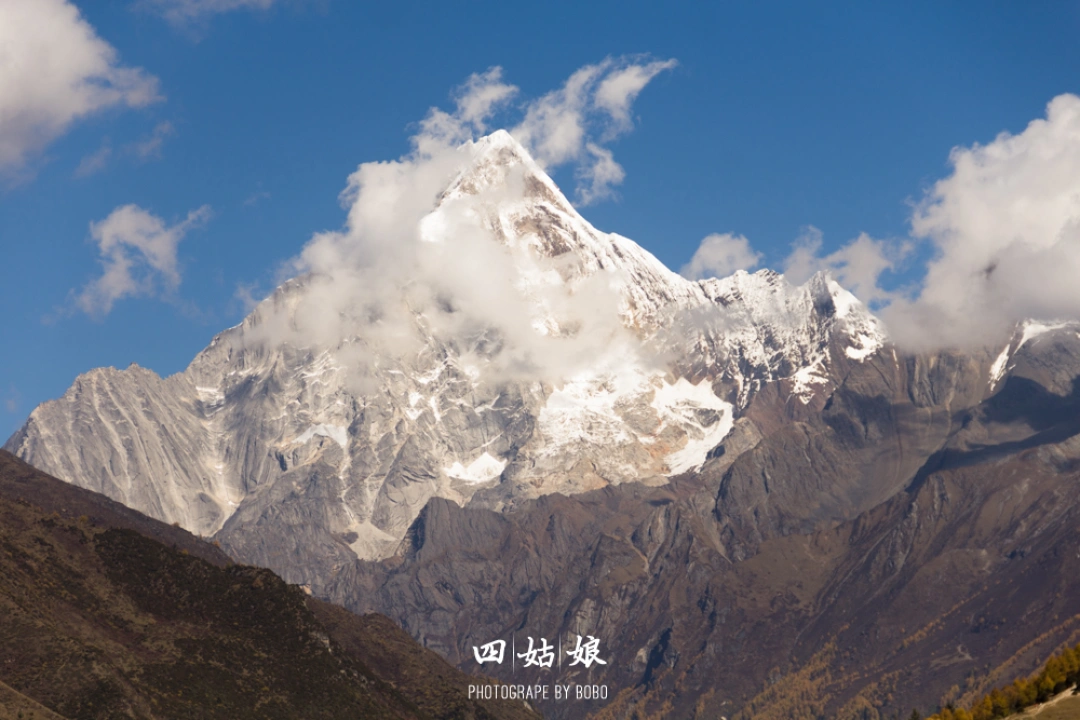
"Tagong" in Tibetan means "the place Bodhisattvas love." Here you'll find:
- Vast grasslands
- Snow mountains
- Tagong Temple (a famous Sakya monastery)
- A pagoda forest with over 100 stupas
Mani stones, called "Duobeng" in Tibetan, meaning "100,000 scripture stones," are scattered across the landscape. The Xinzhai Mani Stone Mound contains over two billion scripture stones carved with Buddha images or sutras.
Gongga Snow Mountain at Sunset: King of Sichuan Mountains
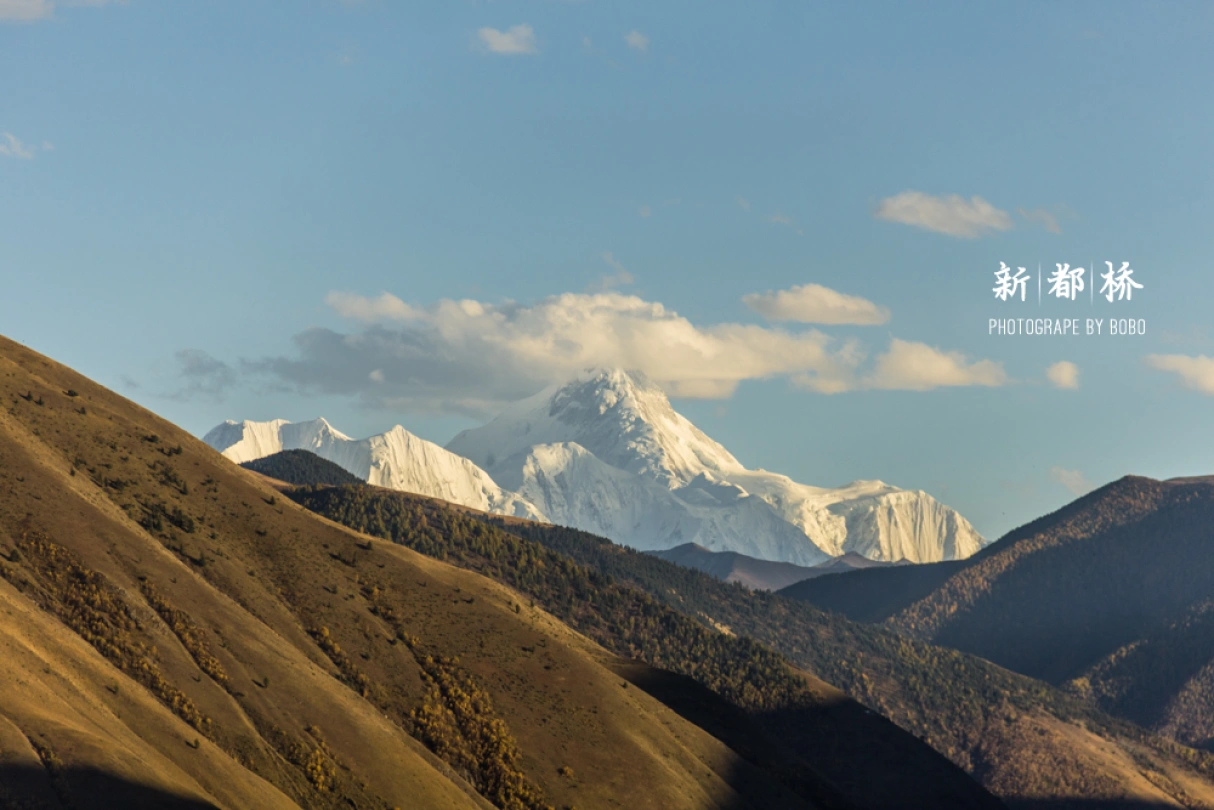
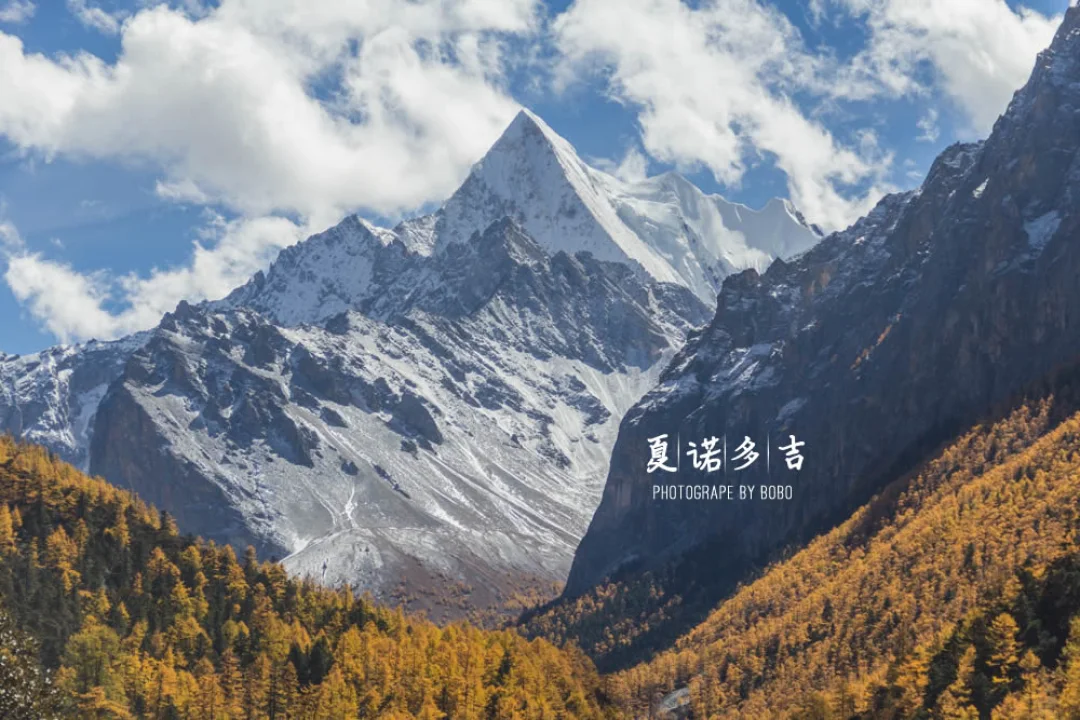
At 7,556 meters, Gongga Snow Mountain (贡嘎雪山) is the "King of Sichuan Mountains," surrounded by 145 ice peaks between 5,000 and 6,000 meters.
From the Xinduqiao Gongga Snow Mountain Viewpoint, I watched the sun slowly set. The temperature plummeted—then Gongga began to turn yellow, then gold. The breathtaking spectacle of golden sunlight illuminating the mountain peak unfolded before me. All fatigue melted away.
[Link: Best sunset viewpoints in Western Sichuan]
Chapter 3: On the Sky Road – Traveling Through the Clouds
The Eighteen Bends of the Sky Road
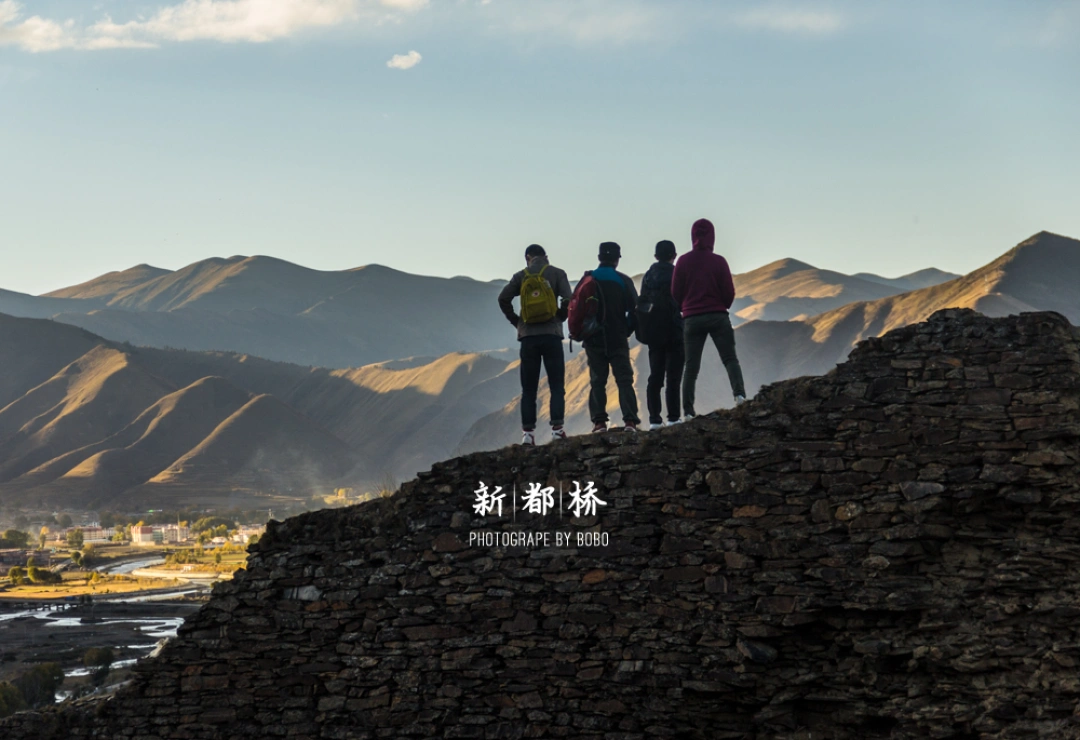
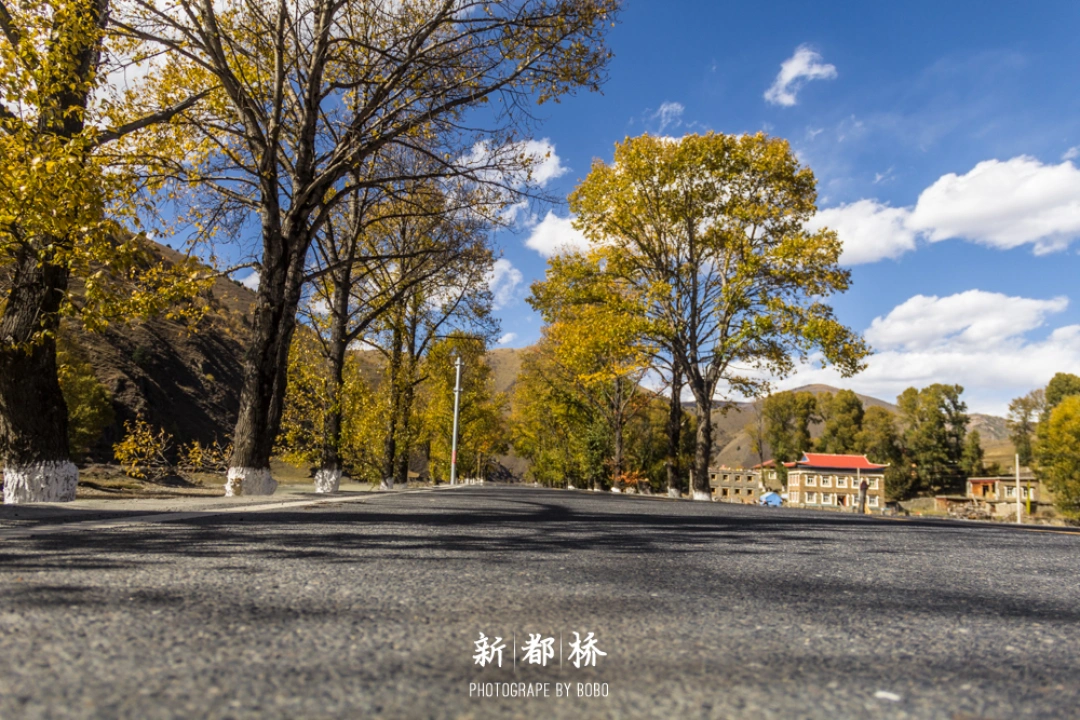
From Xinduqiao to Daocheng, National Highway 318—"China's Most Beautiful National Road"—lives up to its reputation. The Eighteen Bends of the Sky Road are visible when crossing the 4,659-meter Jianziwan Mountain. Each turn looks like an arc drawn across the sky.
Kazila Mountain: Walking on the Sky Road
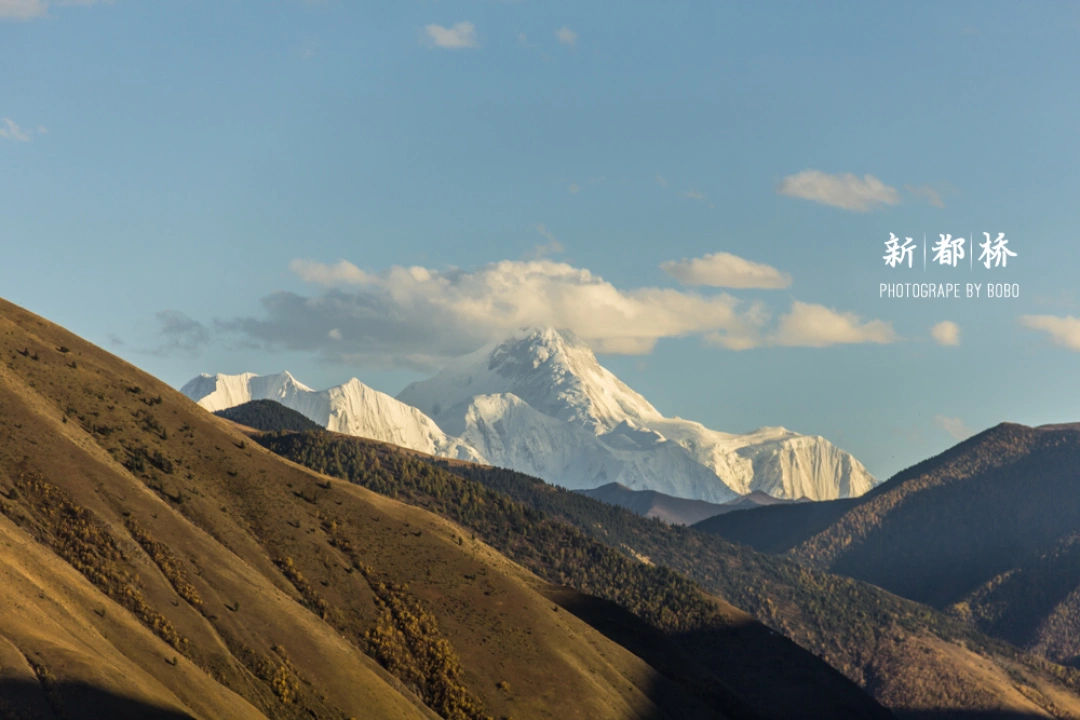
The Xiongzongka Viewpoint sits at 4,281 meters. As we ascended above 4,000 meters, altitude sickness wasn't as severe as feared. Kazila Mountain (卡子拉山), at 4,718 meters, features alpine meadows stretching layer upon layer, each lighter in color until they fade into the horizon. It truly feels like walking on a "sky road."
Rabbit Mountain and Haizi Mountain: The Romance of the Highlands
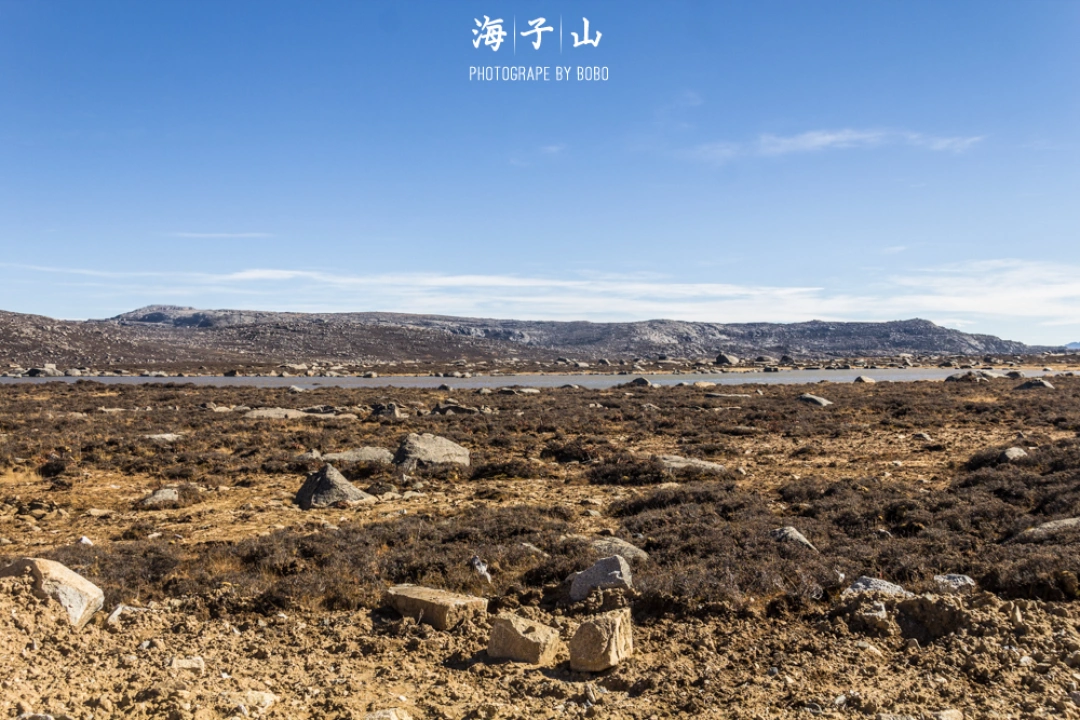
Rabbit Mountain (兔儿山) and Haizi Mountain (海子山) offer otherworldly landscapes—glacial lakes, rocky terrain, and the sense of traveling through another planet. The high-altitude lakes (haizi) sparkle like scattered jewels.
FAQ: Your Western Sichuan Solo Travel Questions Answered
1. Is Western Sichuan safe for solo travelers?
Yes, Western Sichuan is generally safe for solo travelers. Choose reputable tour groups or experienced guides. The area is well-traveled, and local communities are welcoming. However, always inform someone of your itinerary and carry emergency contacts.
2. How do I manage altitude sickness?
- Ascend gradually (stay 1-2 days in Chengdu or Kangding)
- Stay hydrated (drink 3-4 liters daily)
- Avoid alcohol and heavy meals
- Carry Diamox (acetazolamide) as a preventive measure
- If symptoms worsen, descend immediately
3. What is the best time to visit Western Sichuan for autumn colors?
Late September to late October is peak autumn season. Mid-October offers the most vibrant colors—golden meadows, red maple trees, and clear skies. Avoid November when snow may block passes.
4. Do I need a permit to visit Daocheng Yading?
Yes, you need a ticket for Daocheng Yading Scenic Area (around ¥270 during peak season). Book online in advance during October. No special permits are required for most areas, but check current regulations.
5. What should I pack for a Western Sichuan solo trip?
- Clothing: Layers (thermal base, fleece, windproof jacket), waterproof boots, wool hat, gloves
- Gear: Sunscreen (SPF 50+), sunglasses, lip balm, power bank, first-aid kit
- Documents: ID, travel insurance, printed itinerary
- Extras: Snacks, water purification tablets, camera
Internal Linking Suggestions
- [Link: How to plan a solo trip to Western Sichuan]
- [Link: Best photography spots in Daocheng Yading]
- [Link: Tibetan culture and etiquette guide]
- [Link: Altitude sickness prevention tips]
- [Link: Top 10 autumn destinations in China]
Conclusion: Your Western Sichuan Pilgrimage Awaits
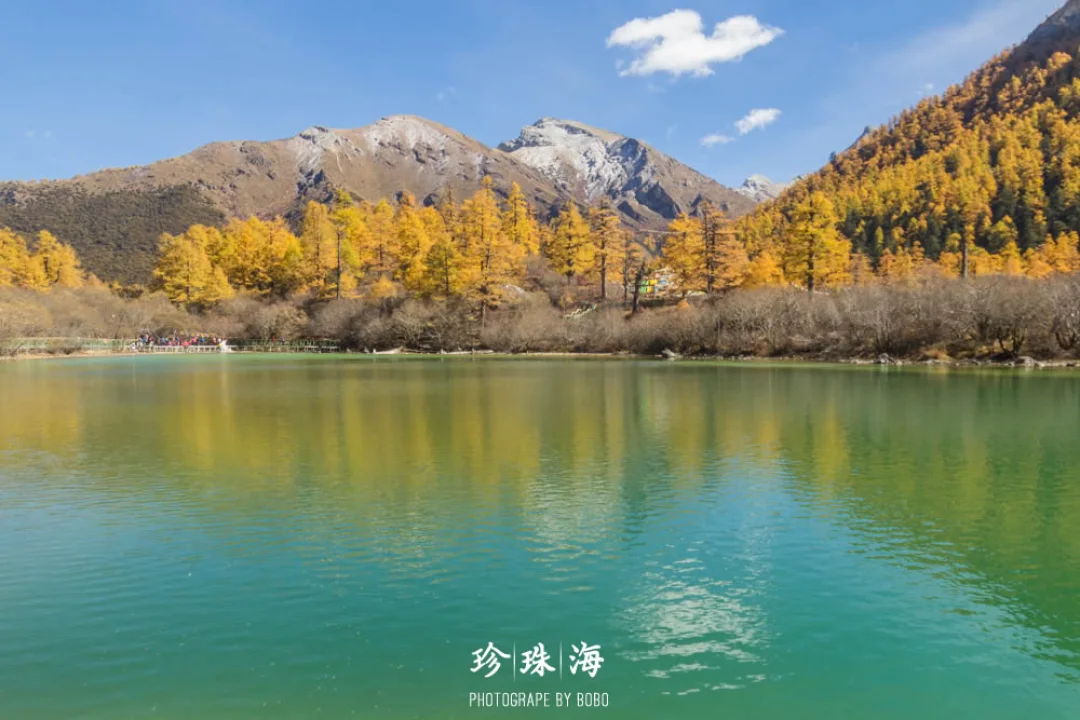
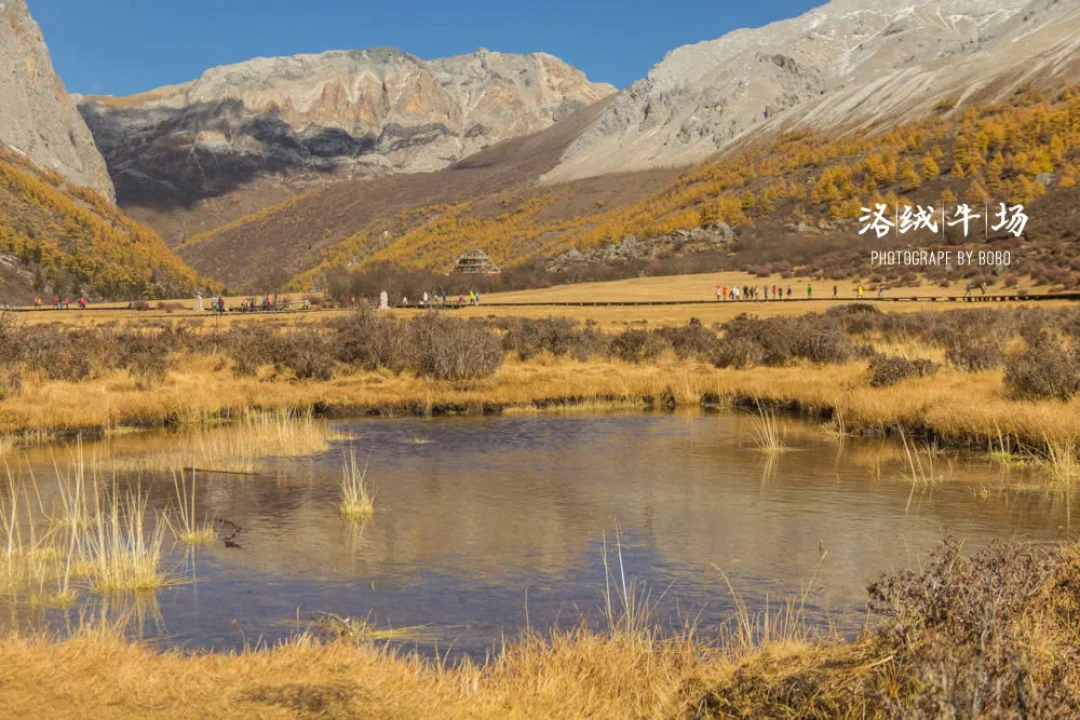
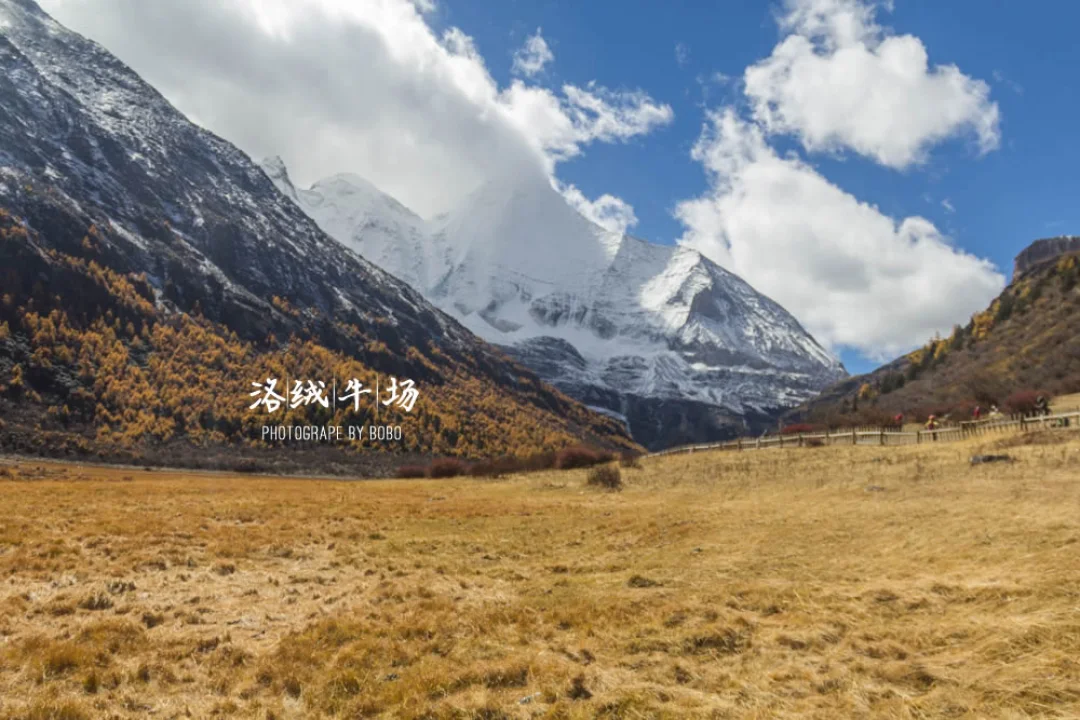
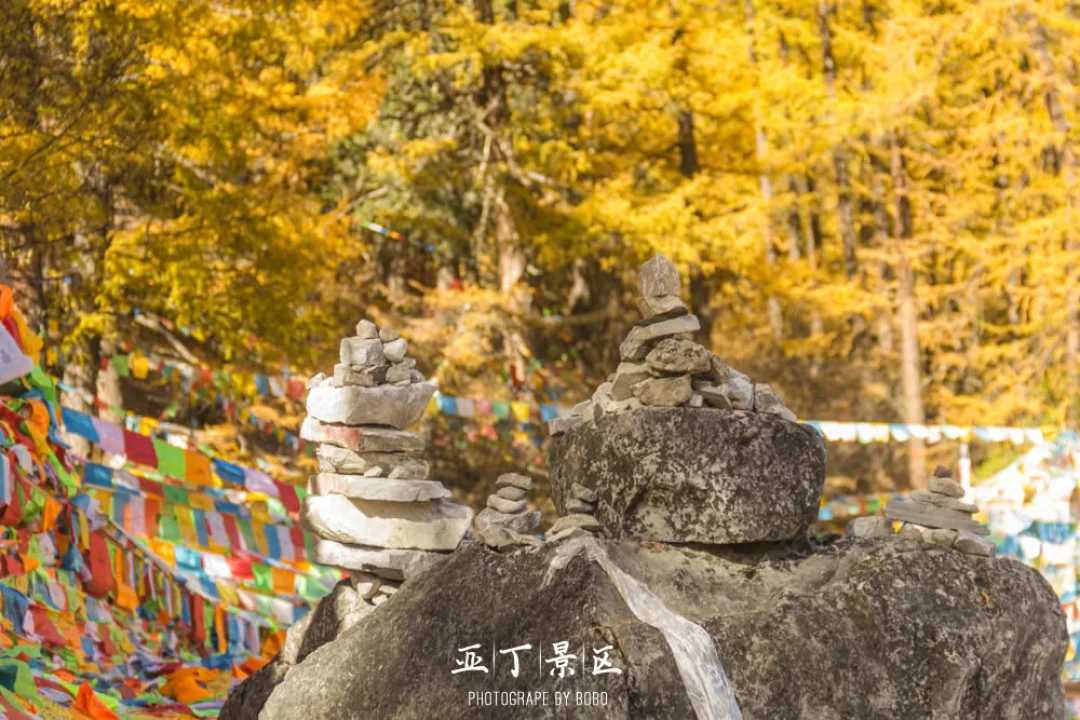
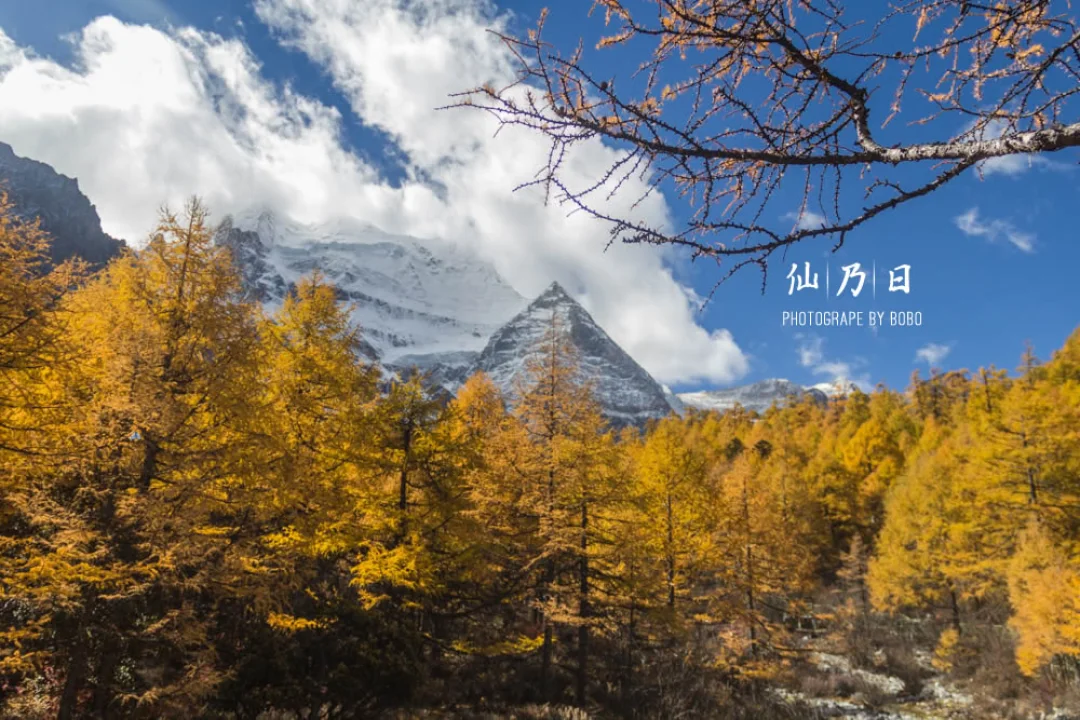
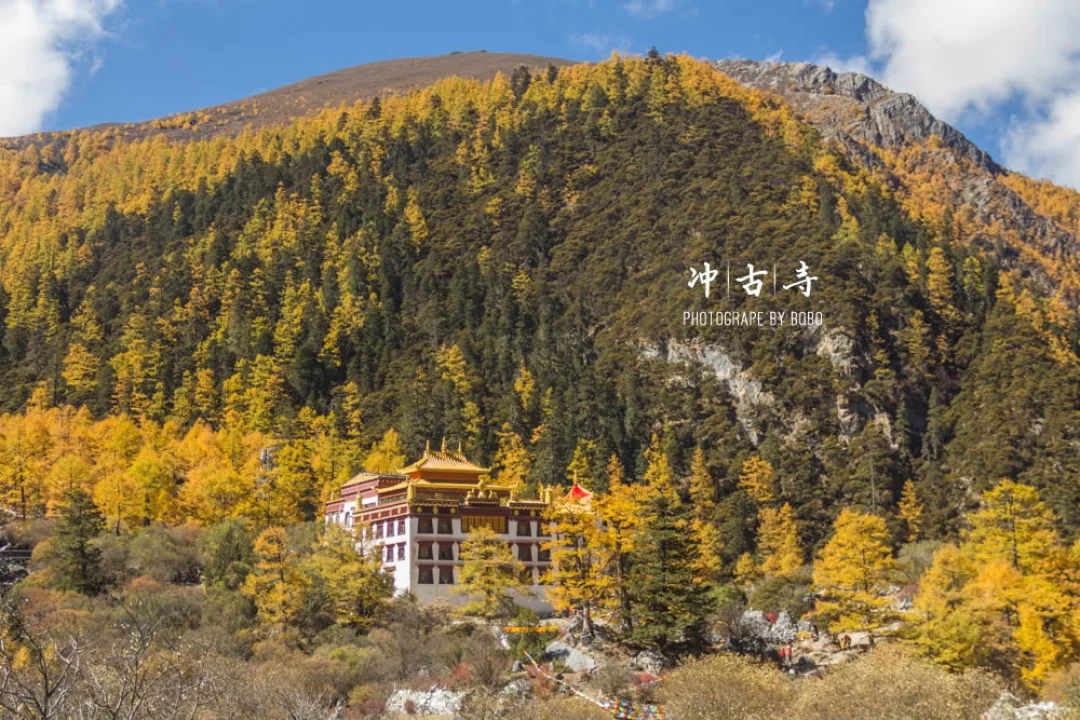
From the golden meadows of Daocheng Yading to the sacred peaks of Mount Siguniang, from the pagoda forests of Tagong to the sunset glow of Gongga Snow Mountain—Western Sichuan in autumn is a masterpiece painted by nature itself.
This solo pilgrimage taught me that the best journeys are those where you're alone but never lonely. The landscapes, the people, and the moments of quiet awe create connections that last a lifetime.
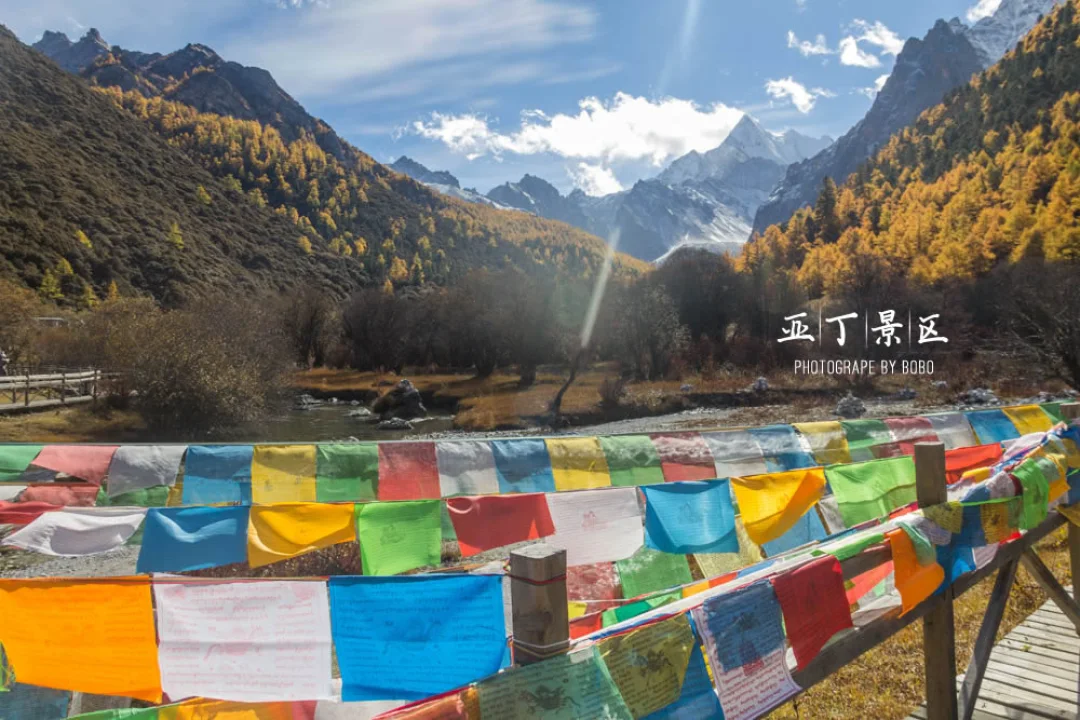
Ready to embark on your own adventure? Start planning today. Book flights to Chengdu, choose your travel dates (late September to late October), and prepare for the journey of a lifetime.
Share your Western Sichuan story in the comments below—or tag us in your photos. The mountains are calling, and I must go.
Disclaimer: This article is based on a personal travel experience from October 2017. Current travel conditions, prices, and regulations may vary. Always check official sources before planning your trip.


