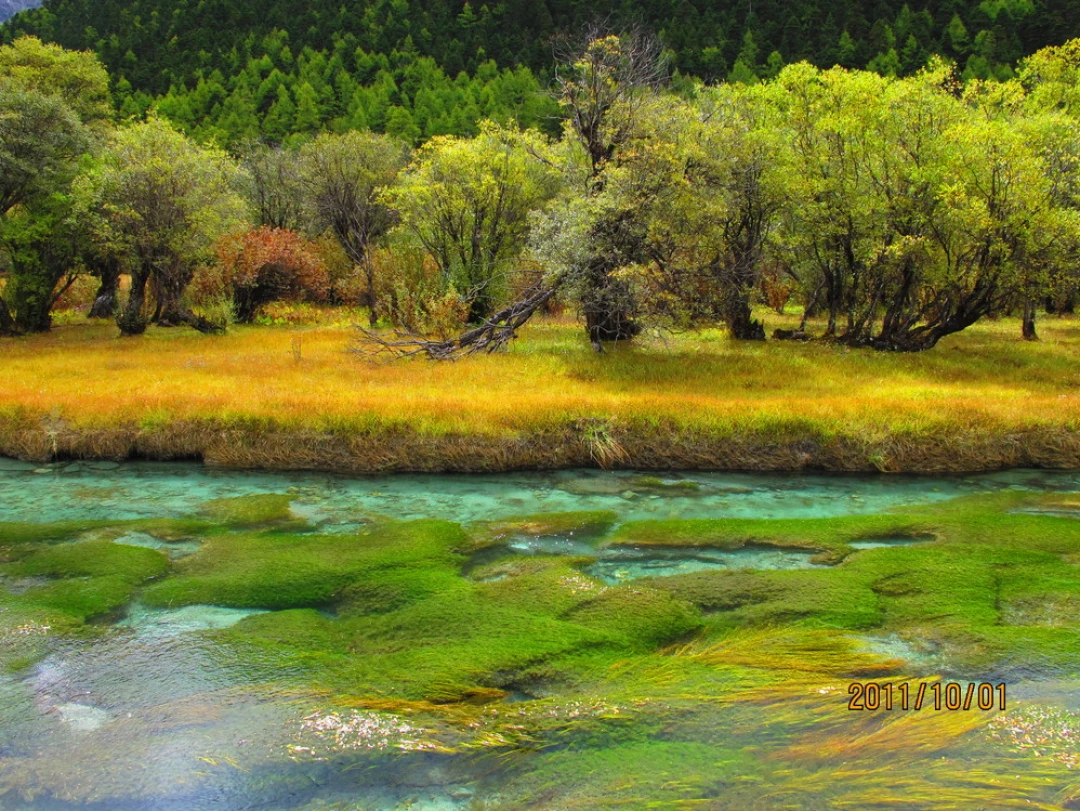
Autumn Pilgrimage in Western Sichuan: A Feast of Colors at Heishui, Bipenggou, and Mount Siguniang
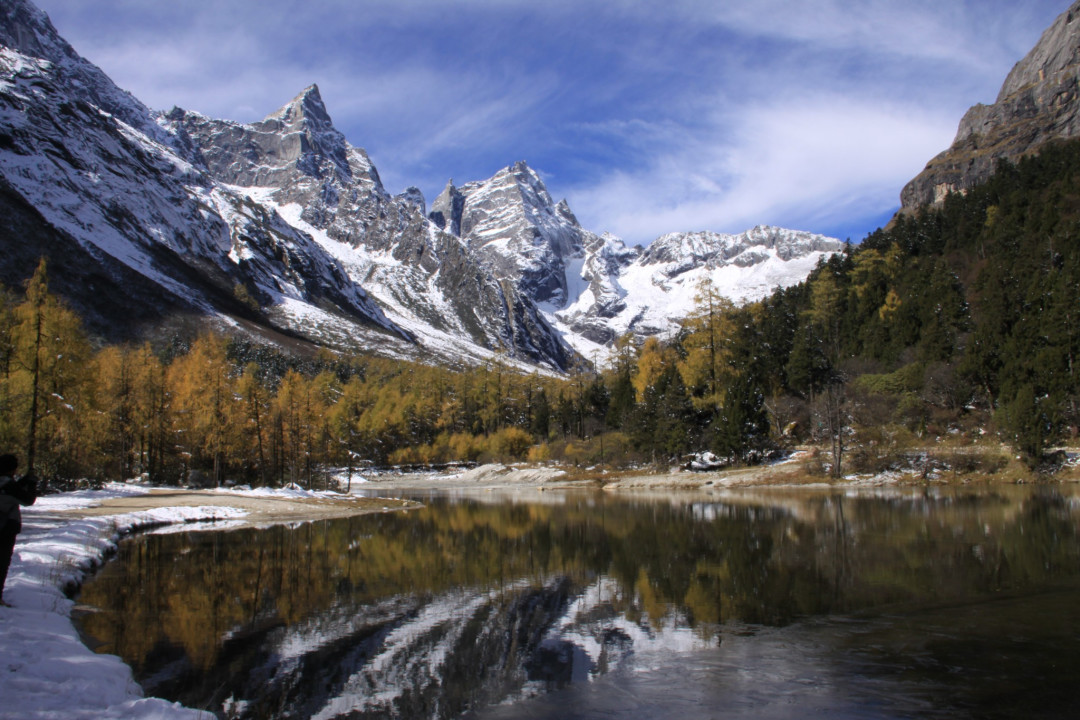
Meta Description: Discover the ultimate Western Sichuan autumn itinerary—Heishui, Bipenggou, and Mount Siguniang. Experience vibrant fall foliage, high-altitude glaciers, and Tibetan culture on this unforgettable 3-day loop from Chengdu.
Introduction: Why Western Sichuan is China's Autumn Paradise
When autumn arrives in China, few destinations rival the breathtaking transformation of Western Sichuan. Unlike the low-altitude forests of Mount Guangwu, the Sichuan autumn colors here unfold against a dramatic backdrop of snow-capped peaks, ancient Tibetan villages, and pristine alpine lakes. This is a region where every turn reveals a new shade of gold, crimson, and amber—a photographer's dream and a traveler's pilgrimage.
For this journey, I chose a carefully planned small loop route: Chengdu → Maoxian → Heishui → Lixian → Chengdu. This itinerary avoids overcrowded spots while capturing the essence of autumn in Western Sichuan. The route includes the viral "Li-Xiaolu" road (Jiesi Township) and three iconic destinations: Heishui's Dagu Glacier, Bipenggou's colorful forests, and the majestic Mount Siguniang.
All photos in this guide were taken with an iPhone or DSLR—straight out of camera, no filters, no editing. What you see is what you get: the authentic, unfiltered beauty of Sichuan's autumn foliage.
Planning Your Western Sichuan Autumn Trip
Best Time for Autumn Colors in Western Sichuan

The Western Sichuan autumn season typically peaks from mid-October to early November. However, timing varies by altitude and weather patterns. In 2023, a late cold snap meant colors arrived later than usual—even at the end of October, some areas hadn't fully turned.
Pro tip: Check local forecasts and social media updates from recent visitors before booking. For guaranteed peak colors, aim for the last week of October.
How to Get to Western Sichuan from Chengdu
Most travelers start from Chengdu, the capital of Sichuan province. Options include:
- Self-drive: The most flexible option, but requires experience with mountain roads and potential rockfalls
- Shared van tour: Booked through travel platforms (like Ctrip or Mafengwo)—affordable but unpredictable group dynamics
- Private tour: More expensive but offers personalized itineraries and better comfort
From Guangzhou, a red-eye flight lands in Chengdu around 2 a.m., perfect for an early morning departure.
Essential Packing List for Autumn in Western Sichuan
- Warm layers (temperatures drop significantly at altitude)
- Oxygen canisters (essential for Dagu Glacier at 4,860m)
- Sun protection (sunglasses, sunscreen, lip balm)
- Comfortable hiking shoes
- Power bank (cold drains phone batteries faster)
- Snacks for long drives (rockfalls can cause delays)
Day 1: Chengdu to Heishui via Maoxian
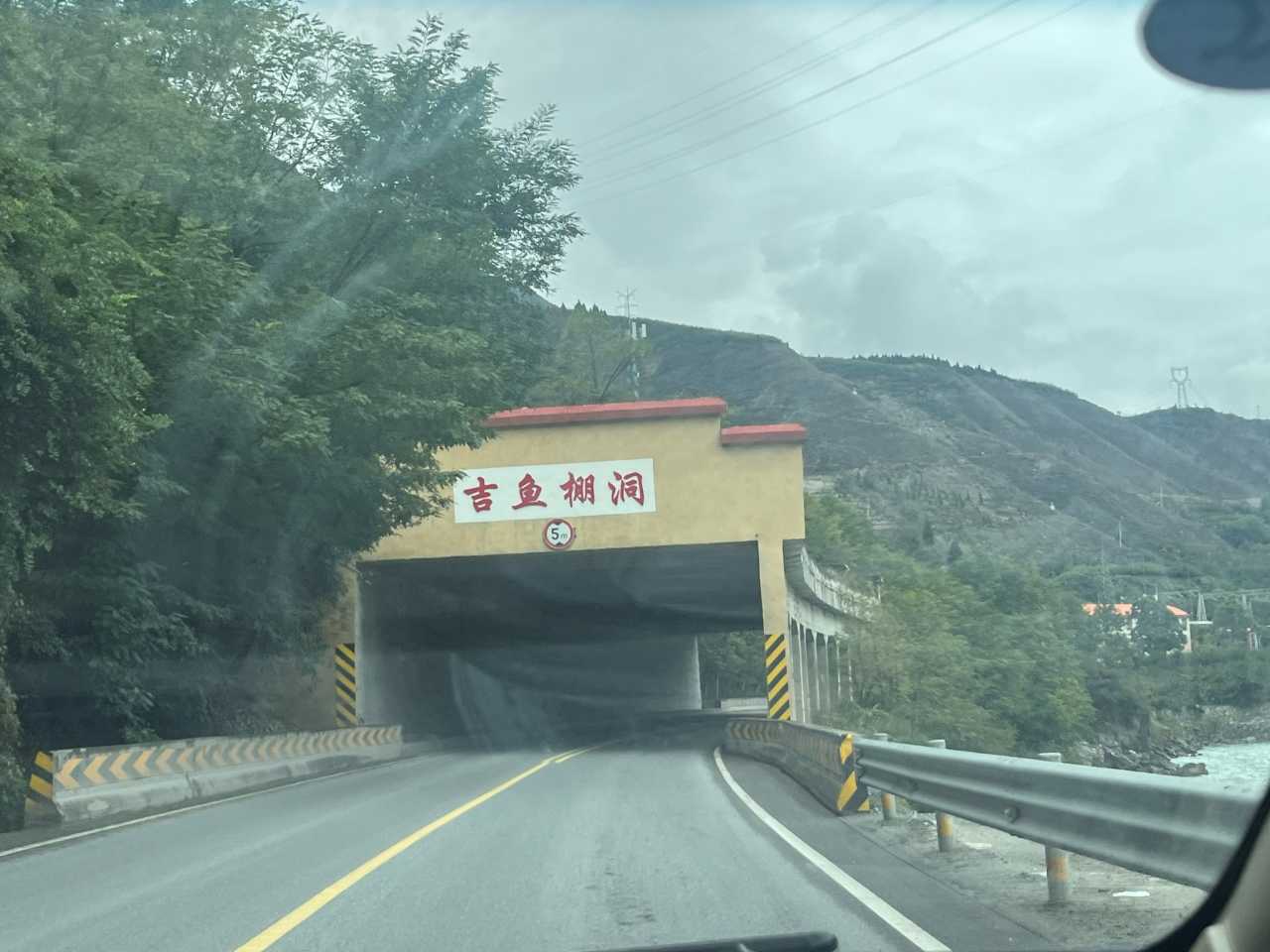
Route Overview: The Scenic Drive North
Distance: ~300 km | Driving time: 5-6 hours (excluding stops)
The journey begins on the Duwen Expressway, passing through the Zipingpu Reservoir and Dujiangyan before heading north toward Maoxian. This road runs through an earthquake-prone zone with loose soil—rockfalls are common. If rocks block the road, simply wait until workers clear them. Always pack extra snacks.
Lunch Stop: Sergie Ancient Town
This ancient Qiang village offers authentic Sichuan-Tibetan cuisine: stir-fried cured pork, eggs, wild greens, and rice. The food is heavy on oil and salt—simple but satisfying after a morning of driving.
Qicai Jiazu: The Colorful Tibetan Village

Qicai Jiazu (Colorful Tibetan Tribe) is a resort village known for its vibrantly painted buildings, following traditional Tibetan prayer flag colors. Unfortunately, this year's late autumn meant the surrounding forest hadn't turned. The village itself felt underfunded—many guesthouses were closed. Worth a quick photo stop, but don't expect spectacular fall colors here.
Yangrong Hade: Handmade Prayer Flags and Village Stroll
A highlight of Day 1, Yangrong Hade offers a chance to participate in prayer flag making—a rubbing-like process. After completing your flag, a local Tibetan will hang it by the white pagoda for blessings.
Even without strong autumn colors, the village is peaceful and uncrowded. Focus on Tibetan architecture and portrait photography. Sister Tang lost her drone here, but she had two backups—always bring spares!
Accommodation tip: Stay in Heishui County for easy access to Dagu Glacier the next morning. Altitude here is around 2,350m—manageable for most travelers.
Day 2: Heishui—Dagu Glacier—Luolicuo—Naizigou—Guergou

Dagu Glacier: Conquering 4,860 Meters
Dagu Glacier is the crown jewel of Heishui autumn travel. The experience involves:
- Hiking two scenic spots near the entrance (Golden Monkey Lake, Dagu Lake)
- Taking the cable car to the summit at 4,860 meters
Golden Monkey Lake: A lawn dotted with Sichuan golden monkeys sunbathing at noon. Keep your distance—they're wild animals.
Dagu Lake: Offers beautiful reflections of snowy peaks, though sunlight is often scarce.
The Summit: An enclosed rest hall at 4,860m. Everyone clutches oxygen canisters. Outside, strong winds and thick clouds block the sun. Altitude sickness hits hard—headaches, dizziness, weakness. My advice: take it slow, use oxygen regularly, and don't push yourself.
Café warning: Coffee costs over 40 yuan and comes in a paper cup. No ceremony at all.
The Hiker's Alternative: Qicai Jiazu to Yangrong Hade
While we tackled the glacier, Sister Shi hiked the 6-7 kilometer stretch from Qicai Jiazu to Yangrong Hade. Under sunlight, this section of the Naizigou colorful forest corridor burst into vibrant, layered colors. She stopped for a warm cup of roadside tea—inexpensive and perfect for the cold.
Lesson learned: Sunlight makes all the difference. If Dagu Glacier is cloudy, consider skipping the summit and exploring the lower-elevation forests instead.
Luolicuo and Naizigou Colorful Forest Road
After reuniting with Sister Shi, we caught a rare glimpse of sun and rushed to Luolicuo, just a few kilometers from Yangrong Hade. This spot features dead trees, reflections, pavilions, and colorful forests all in one frame.
Leaving Luolicuo, we drove along G347 through the Naizigou colorful forest road, passing through the Yakxia Snow Mountain area. Autumn scenery at its finest—impossible to replicate in photos. Just take it in, memorize it, and move on.
Accommodation: Guergou, Lixian County
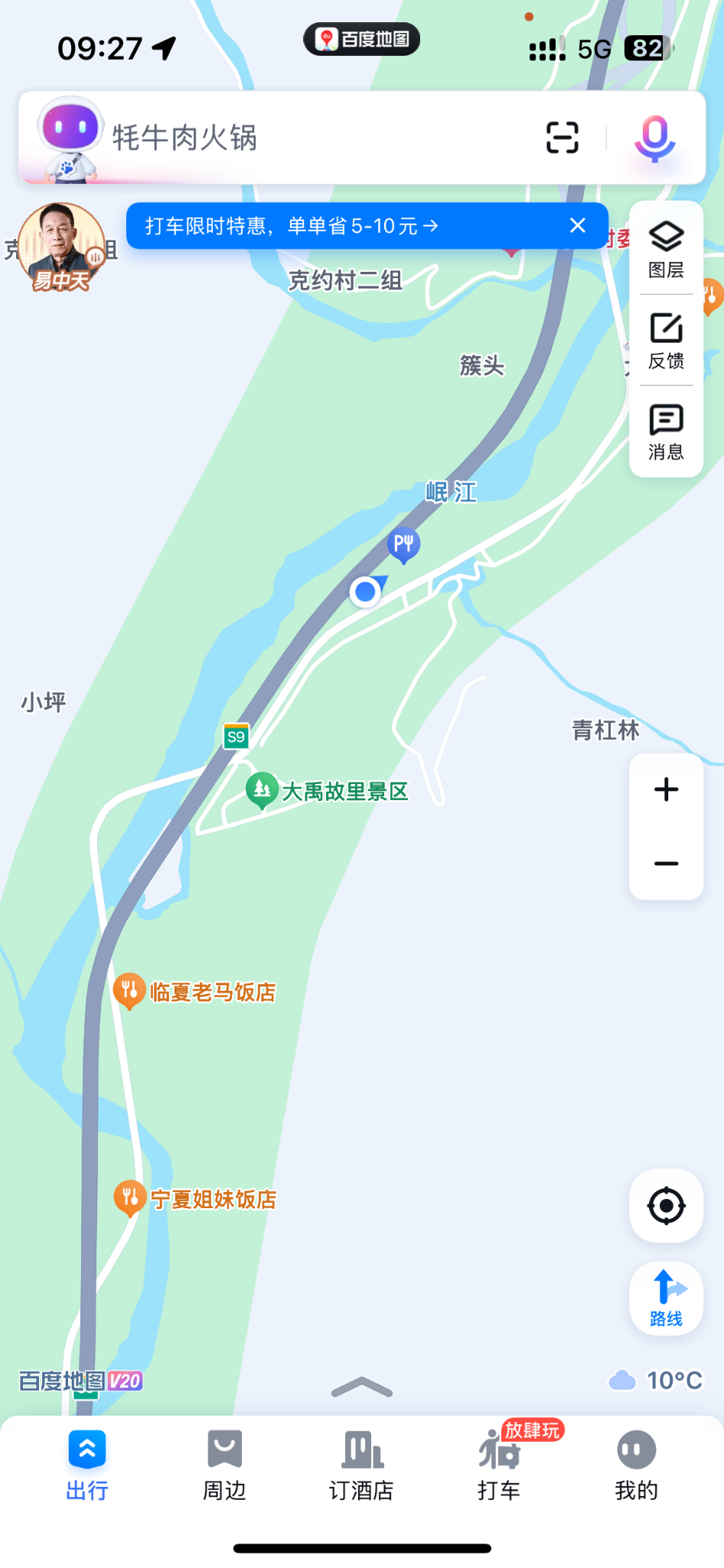
We checked into the Laiyue Shimu Hot Spring Hotel (莱悦石木居温泉酒店) in Guergou. The hot spring water quality was excellent—perfect for soothing tired muscles after a long day of hiking. Best of all, the low altitude (around 1,800m) meant no altitude sickness worries.
Dinner recommendation: Yak hotpot. Hearty, warming, and delicious.
Day 3: Guergou—Bipenggou—Li-Xiaolu—Mount Siguniang Town
Bipenggou: Autumn's Masterpiece
Bipenggou is arguably the most stunning destination for Sichuan autumn foliage on this route. The key strategy: visit attractions one by one going up (shuttle buses connect each stop). At the top, take a direct bus back down.
What to expect: - Crystal-clear lakes reflecting golden forests - Waterfalls framed by crimson leaves - Snow-capped peaks in the distance - Well-maintained boardwalks for easy hiking
Unlike Dagu Glacier, Bipenggou's lower altitude (2,000-3,500m) makes it more accessible. The colors here were stunning under the sun—vibrant reds, oranges, and yellows that seemed to glow.
Important note: Our driver dropped us 800 meters from the entrance, claiming "cars aren't allowed inside." This was a scam to save parking fees. All tour buses stop right at the gate. At high altitude, every meter counts—insist on being dropped at the entrance.
Li-Xiaolu Road: The Viral Scenic Drive
The Li-Xiaolu road (Jiesi Township) has become famous on social media for its dramatic mountain views and winding roads. This stretch connects Bipenggou to Mount Siguniang Town and offers some of the most photogenic landscapes in Western Sichuan.
Photo tip: Stop at the designated viewpoints for panoramic shots of the valley below. Early morning or late afternoon light creates the best conditions.
Mount Siguniang Town: Gateway to the Four Sisters
Mount Siguniang (Four Sisters Mountain) is one of Sichuan's most iconic peaks. The town at its base serves as a perfect overnight stop. From here, you can:
- Visit Shuangqiao Valley (the most accessible of the three valleys)
- Hike to Changping Valley for closer views
- Drive to Haizi Valley for alpine lakes
Accommodation: Choose a hotel with mountain views. Many offer hot water, heating, and decent restaurants.
Practical Tips for Your Western Sichuan Autumn Trip
Dealing with Altitude Sickness
- Ascend gradually: Spend your first night at lower altitude (Heishui at 2,350m)
- Stay hydrated: Drink plenty of water, avoid alcohol
- Use oxygen: Canisters are available at most scenic spots
- Listen to your body: If symptoms worsen, descend immediately
Avoiding Common Scams
- Driver drop-offs: Insist on being dropped at the actual entrance
- Overpriced food: Check menus before ordering
- Fake prayer flags: Only buy from official village workshops
- Parking fees: Some drivers charge extra for parking—clarify upfront
Photography Tips for Autumn Colors
- Golden hour: 30 minutes after sunrise, 30 minutes before sunset
- Polarizing filter: Reduces glare on water and leaves
- Shoot RAW: Gives more flexibility in post-processing
- Include people: Adds scale and story to landscapes
Frequently Asked Questions
When is the best time to visit Western Sichuan for autumn colors?
The peak season runs from mid-October to early November. However, timing varies by altitude. Lower elevations (Bipenggou, Mount Siguniang) peak later, while higher areas (Dagu Glacier) turn earlier. Check recent visitor reports before booking.
Is Dagu Glacier suitable for beginners?
Dagu Glacier's summit at 4,860m is challenging. First-time high-altitude visitors should prepare with oxygen canisters, warm clothing, and gradual ascent. If you're unsure, stick to the lower scenic spots and skip the cable car to the summit.
Can I visit Mount Siguniang without a guide?
Yes. Shuangqiao Valley is well-developed with boardwalks and shuttle buses. Changping Valley and Haizi Valley require more hiking experience. Maps and signage are in Chinese—download offline translation tools.
What is the Li-Xiaolu road?
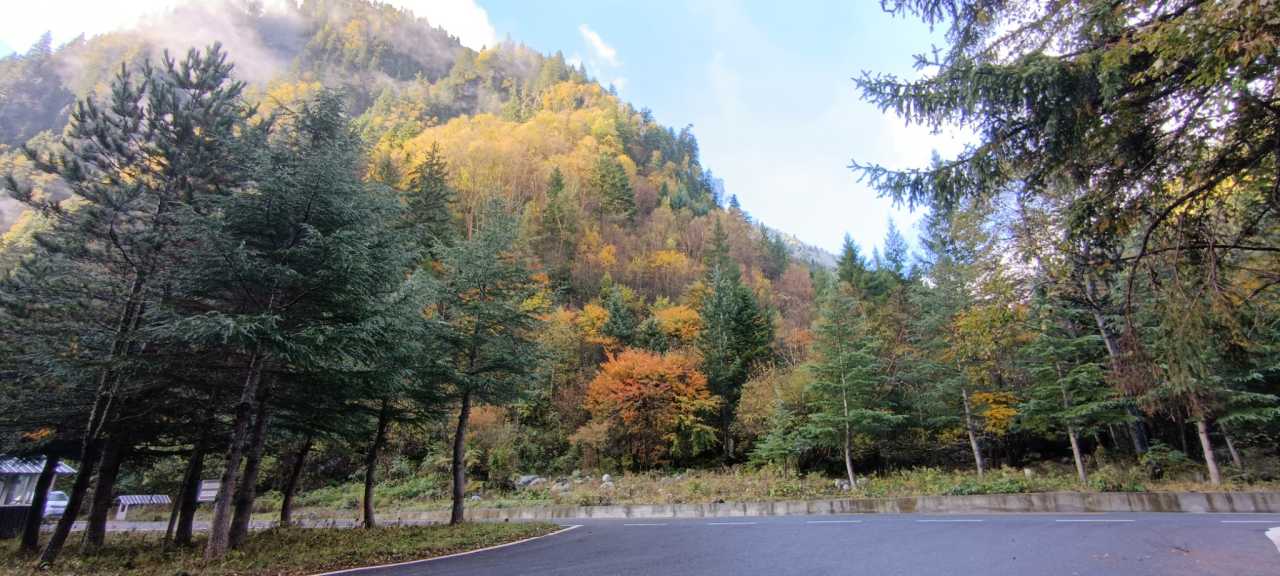
The Li-Xiaolu road (Jiesi Township) is a scenic mountain road connecting Lixian County to Xiaojin County. It's become famous for its dramatic views of the surrounding peaks and valleys. Drive carefully—the road is narrow with sharp turns.
How do I book a shared van tour from Chengdu?
Book through reputable travel platforms like Ctrip, Mafengwo, or Qunar. Look for tours with "platform guarantee" and read recent reviews. Expect a mixed group of travelers—our group included women from Shanghai, Hangzhou, and Changsha, plus a Sichuan driver.
Conclusion: Your Autumn Pilgrimage Awaits
Western Sichuan in autumn is more than a trip—it's a pilgrimage. From the high-altitude challenge of Dagu Glacier to the vibrant forests of Bipenggou, and the majestic peaks of Mount Siguniang, every moment offers a new revelation.
This 3-day loop from Chengdu packs the region's best into a manageable itinerary. Yes, there are challenges: altitude sickness, unpredictable weather, and occasional scams. But the rewards—those golden forests reflected in alpine lakes, the warmth of Tibetan hospitality, the thrill of conquering 4,860 meters—make it all worthwhile.
Ready to experience autumn's finest? Start planning your Western Sichuan adventure today. Book your flights to Chengdu, choose your travel style, and prepare for a feast of colors that will stay with you forever.
[Link: Best Sichuan autumn destinations]
[Link: High-altitude travel tips]
[Link: Tibetan village cultural experiences]
Have questions about planning your trip? Drop them in the comments below—I'll help you create the perfect autumn itinerary.
You may also like