Autumn Hunt for Colors in Aba Prefecture: Half-Mountain Colorful Forests, Half-Mountain Snow — The Ultimate Western Sichuan Autumn Guide
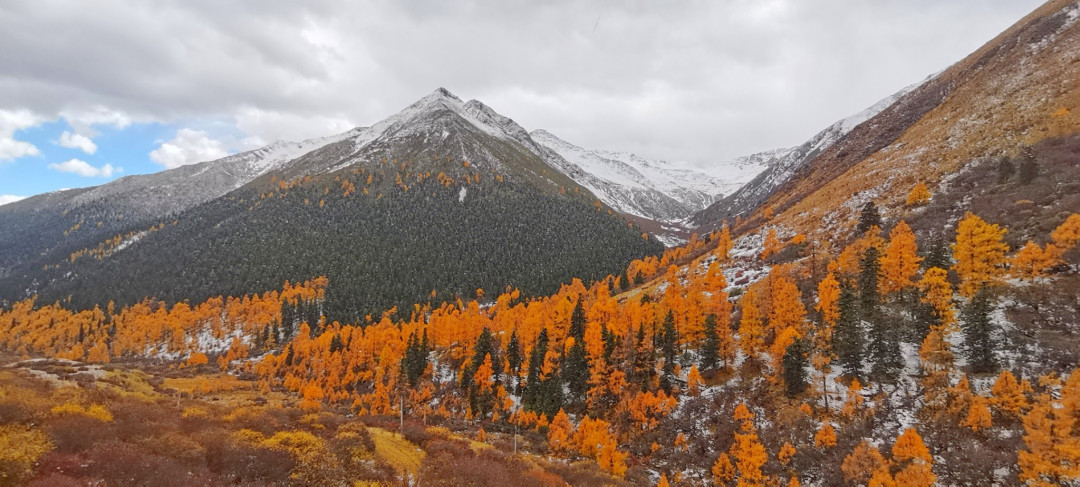
Meta Description: Discover the ultimate Western Sichuan autumn with our 5-day Aba Prefecture road trip guide. From Taoping Qiang Village to Bipenggou's snow-dusted forests, experience half-mountain color, half-mountain snow. Plan your 2025 autumn escape now.
Introduction: Why Aba Prefecture is the Crown Jewel of Western Sichuan Autumn
When the first frost touches the peaks of Western Sichuan, a transformation begins. The mountains of Aba Tibetan and Qiang Autonomous Prefecture erupt into a symphony of gold, crimson, and amber — a spectacle so breathtaking that travelers return year after year. As a Sichuan native once told me: "You can miss autumn anywhere else, but you cannot miss autumn in Aba."
On October 25, 2024, our five-day self-driving autumn pilgrimage began from Chengdu. What awaited us was a landscape where half-mountain colorful forests met half-mountain snow — a visual poem written by nature itself. This guide will take you through every stop, every hidden gem, and every practical tip you need to plan your own Aba autumn adventure.
[Link: Best time to visit Western Sichuan for autumn colors]
Itinerary Overview: 5 Days Through Aba's Autumn Wonderland
Trip Details: - Dates: October 25–29, 2024 - Location: Aba Tibetan and Qiang Autonomous Prefecture, Sichuan - Transportation: Self-driving (4WD recommended for mountain roads) - Cost per person: Approximately 2,500 RMB (accommodation, meals, tickets, fuel)
Daily Route Summary:
| Day | Route | Highlights |
|---|---|---|
| D1 | Chengdu → Wenchuan → Taoping Qiang Village → Ganbao Tibetan Village → Li County | Ancient Qiang fortress, Gyalrong Tibetan culture |
| D2 | Panyang Lake Hotel → Bipenggou → Guergou | Autumn snow, alpine lakes, Tibetan hotpot |
| D3 | Miyaluo → Jiabi Village → Siboguo Village → Heishui → Naizigou → Luolicuo | Red leaf valleys, hidden villages |
| D4 | Dagu Glacier | Glacier views, high-altitude hiking |
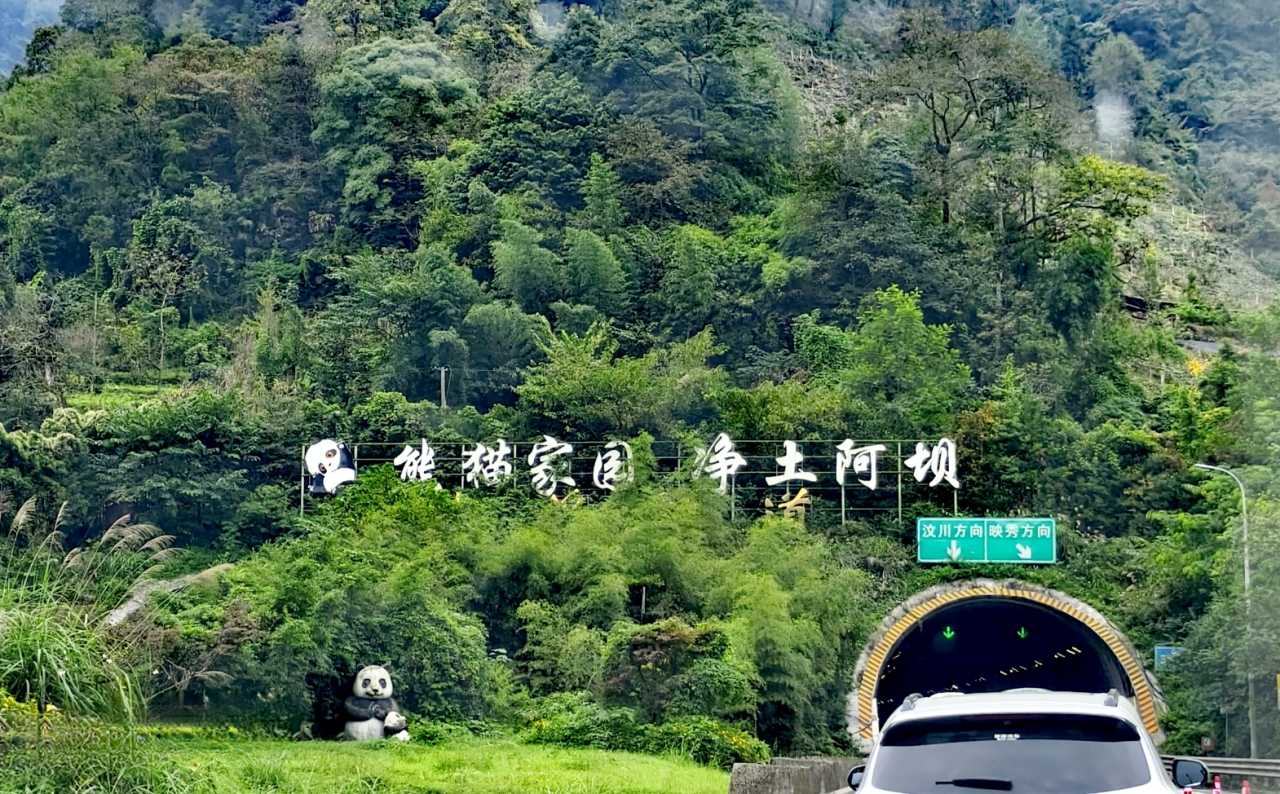
| D5 | Return via Yingxiu → Chengdu | Scenic drive, earthquake memorial |
[Link: Essential packing list for Western Sichuan autumn road trips]
First Stop: Taoping Qiang Village — The "Eastern Ancient Castle" with 2,000 Years of History
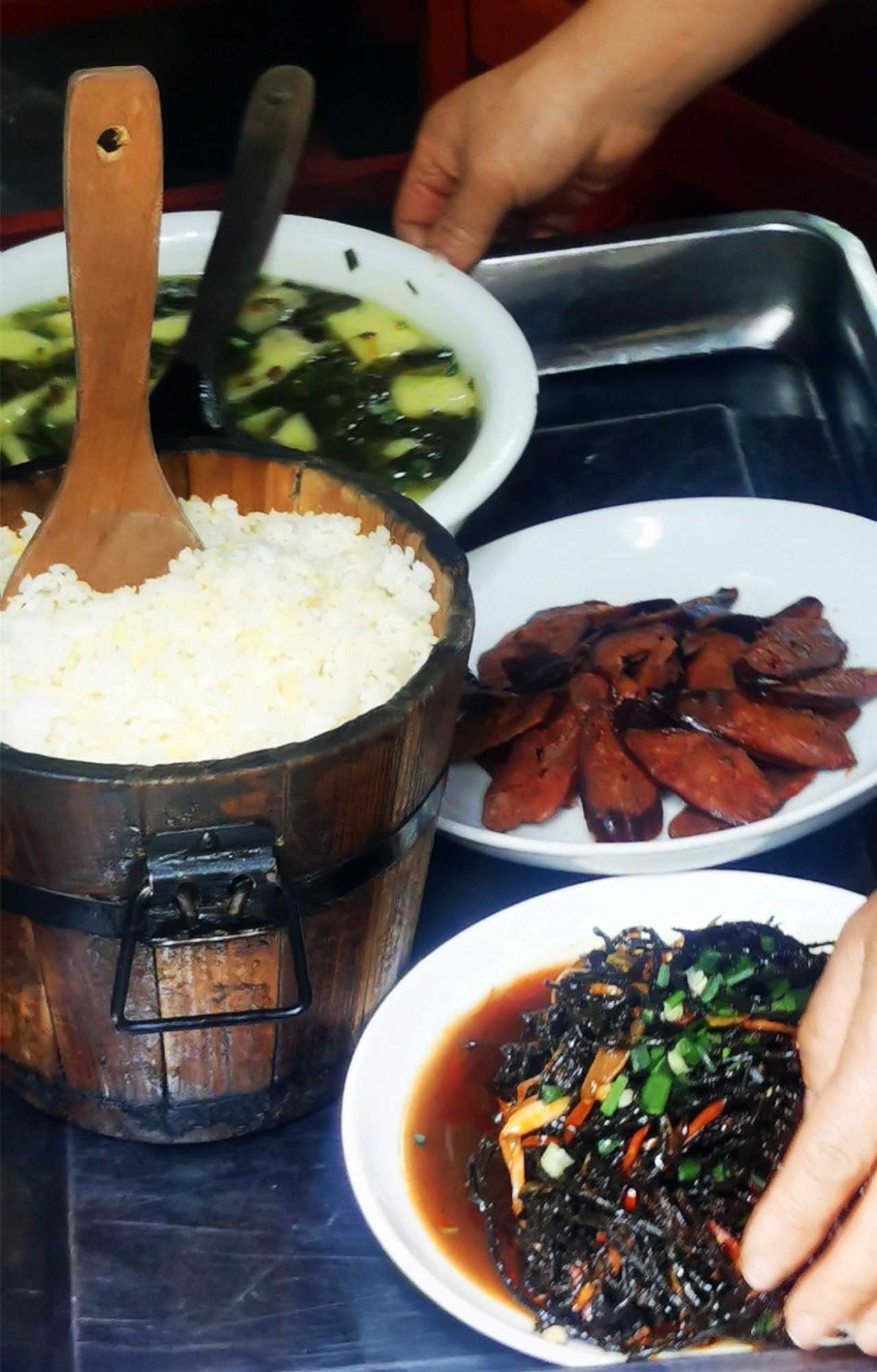
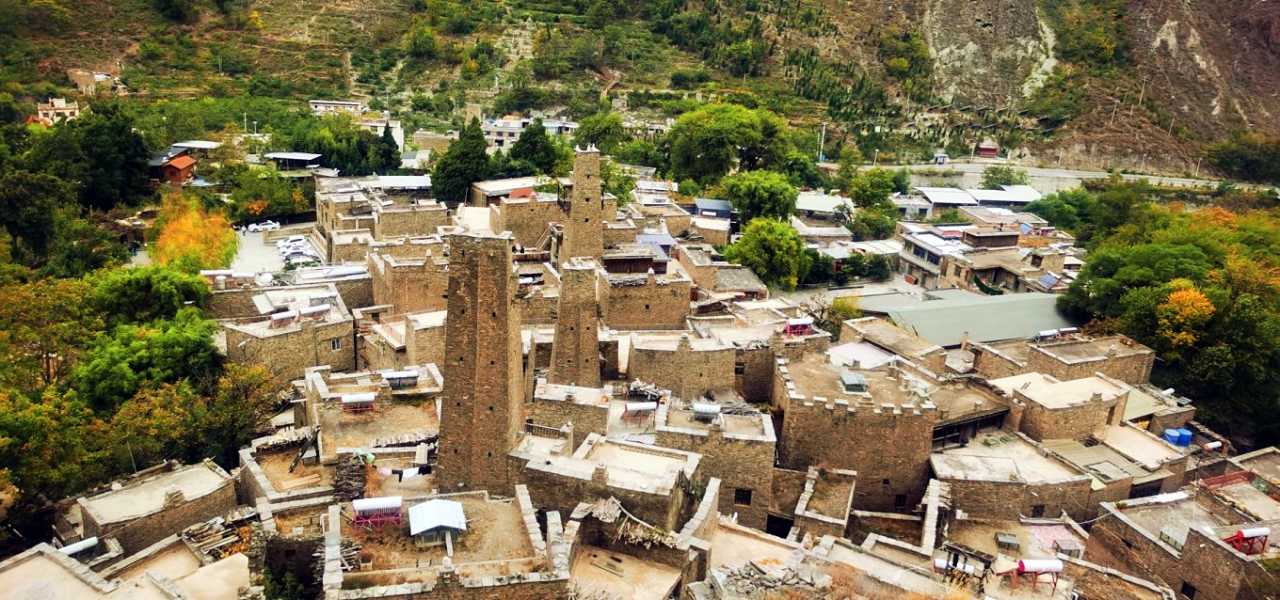
Just two hours from Chengdu, nestled in the Li County river valley, lies Taoping Qiang Village — the only well-preserved, still-inhabited Qiang settlement in China. Its brownish-yellow stone houses climb the steep hillside like a fortress carved from the mountain itself.
Why Taoping Qiang Village Matters
Cultural Significance: This "living fossil of Qiang architectural art" has stood for over two millennia. The watchtowers — called Qionglong in the Qiang language — served as homes, defensive structures, storage facilities, and communication towers. Some reach 10 stories high, with arrow slits designed for light, ventilation, and defense.
Must-Do Experience: Authentic Qiang Cuisine at Erma Renjia
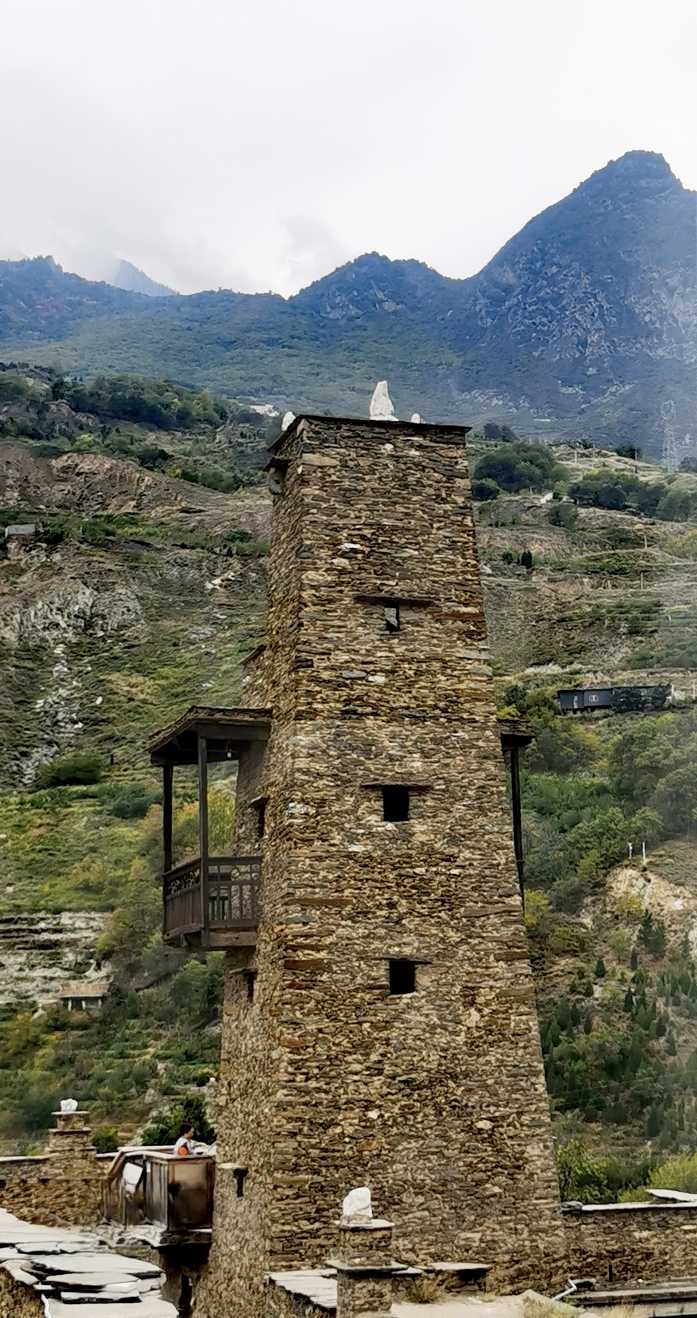
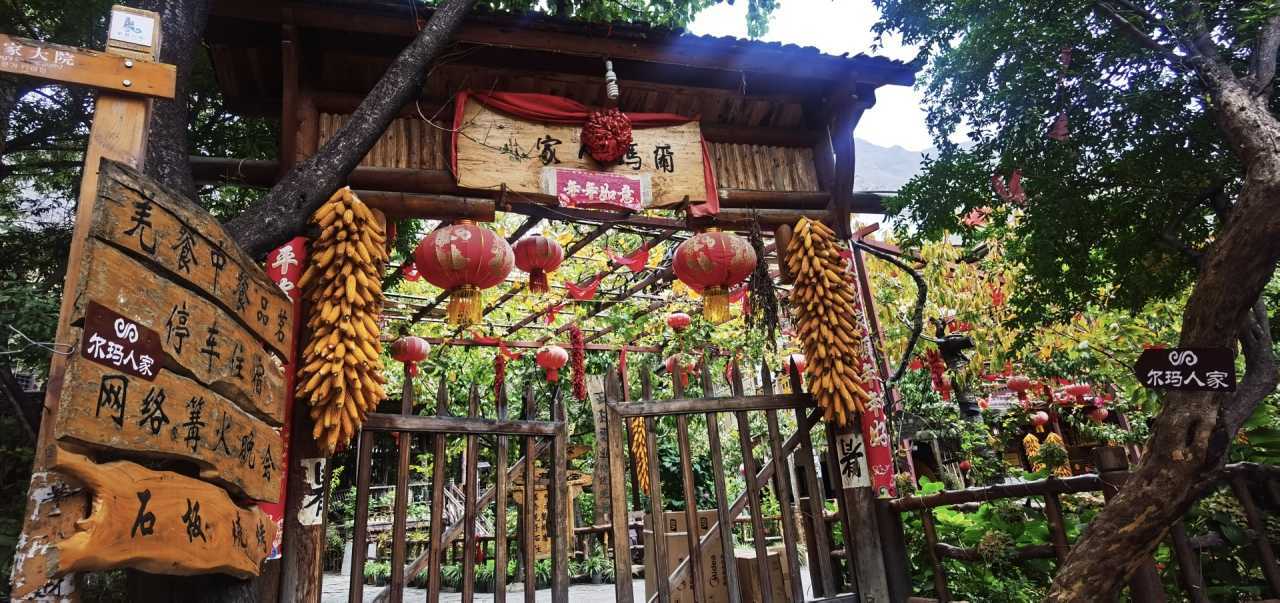
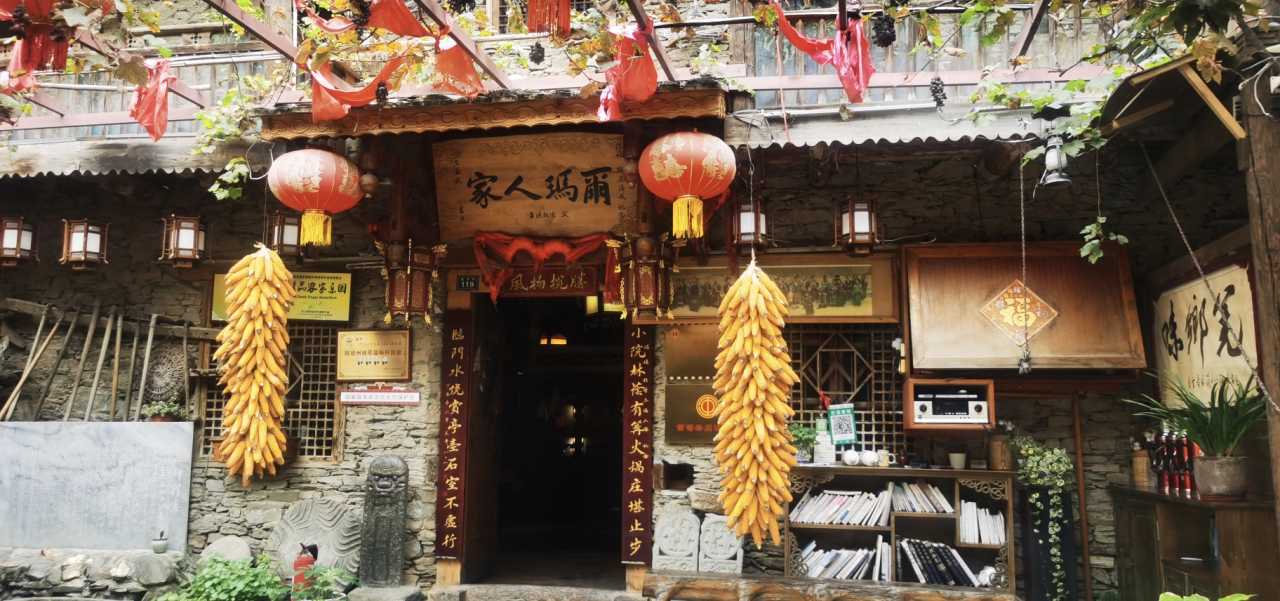
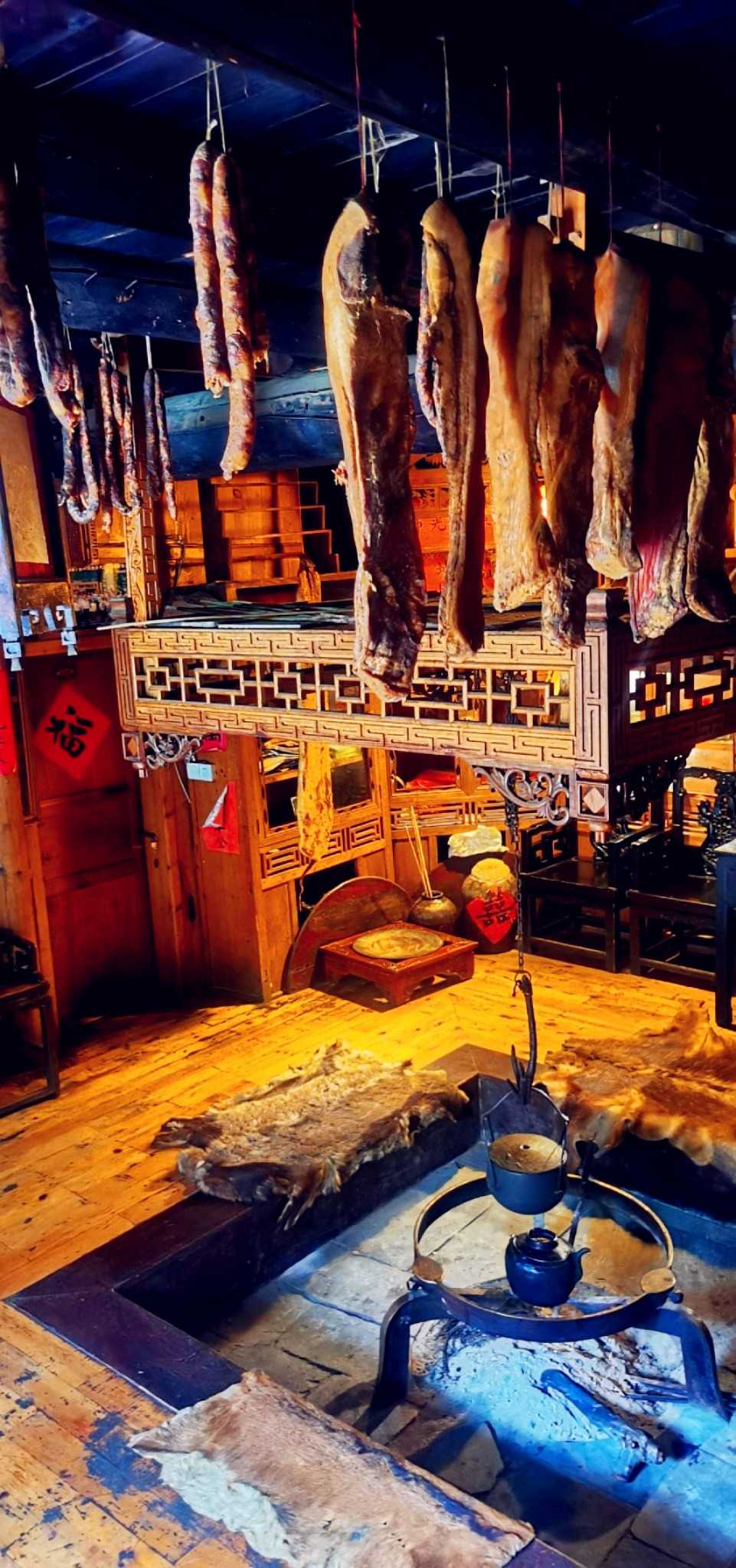
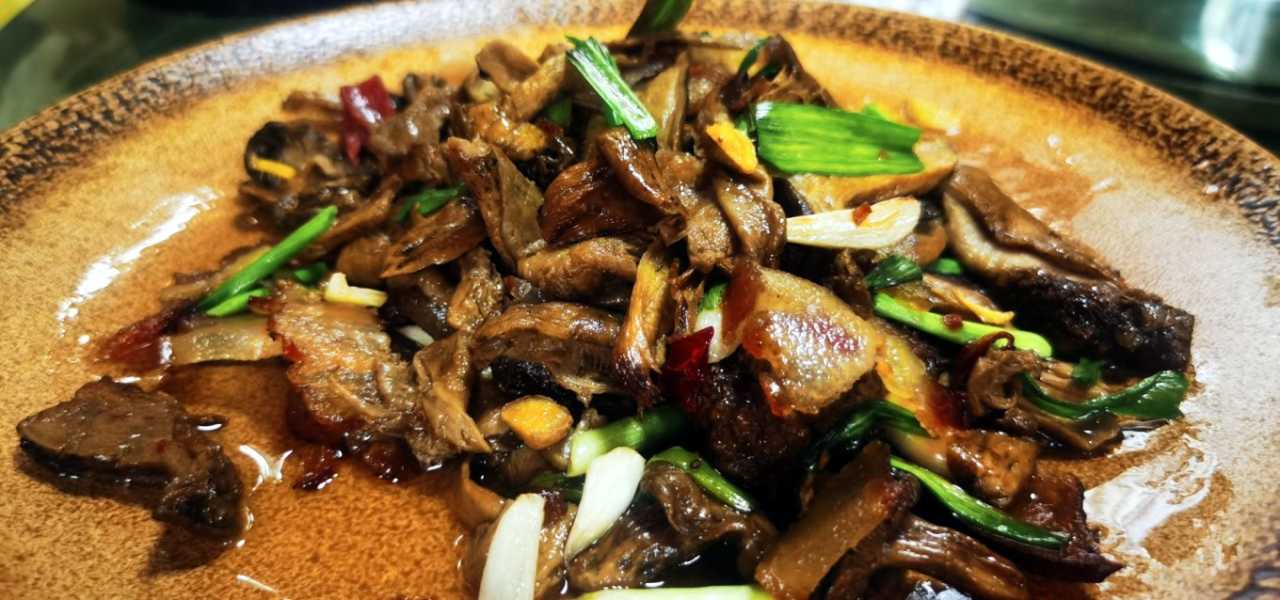
Deep in the old village, we found Erma Renjia — a family-run restaurant where the aroma of aged cured pork and handmade sausages fills the courtyard. We ordered: - Qiang-style aged cured pork (羌香老腊肉) — rich but not greasy - Handmade sausages (手工香肠) — savory with perfect springiness - Sour vegetable and glutinous rice cake (酸菜糍粑) — soft and appetizing - Wild mountain walnut blossoms (山野核桃花) — a local delicacy
Cost: 279 RMB for five dishes and soup — surprisingly affordable for such quality.
Climbing the "Oriental Pyramid"
We hired a local Qiang guide (60 RMB) — a middle-aged woman who actually owned one of the watchtowers. Under her guidance, we climbed a tower that survived the 2008 Wenchuan earthquake intact. From the top, the entire village spread below us — a testament to the Qiang people's architectural genius.
Practical Tips for Taoping Qiang Village: - Parking: Available near Erma Renjia, but roads are narrow — not suitable for large vehicles - Ticket: 60 RMB (free for visitors over 60). Waived if you dine at Erma Renjia and hire a local guide - Guide recommended: For in-depth understanding of Qiang culture and history
[Link: Qiang culture and festivals in Sichuan]
Second Stop: Ganbao Tibetan Village — The "Stone Castle" of Gyalrong Tibet

Thirty kilometers from Taoping, Ganbao Tibetan Village offers a completely different experience. This Gyalrong Tibetan settlement — often called "the first village of the Gyalrong Tibetan region" — also dates back 2,000 years.
What Makes Ganbao Special
The entire village is built into the mountainside using stone construction. Stone watchtowers, white stupas, prayer flags, and prayer wheels create an unmistakably Tibetan atmosphere. The most dramatic feature is the "Pointing Platform" (点将台), which evokes images of ancient garrison troops.
Cultural Highlight: Boba Sengen Dance
At the village entrance, you'll find Boba Sengen Square. Boba Sengen is a unique large-scale narrative circle dance (锅庄) originating from Ganbao. Listed as an intangible cultural heritage of Sichuan Province, this dance commemorates Qing Dynasty soldiers who heroically fought British forces in the Daoguang era.
Every Dragon Boat Festival, the entire village performs this two-hour dance, passing down history through movement and song.
Practical Tips for Ganbao Tibetan Village: - Entry: Free (rebuilt after the 2008 earthquake) - Photo tip: Rent a Tibetan costume for 10 RMB — incredibly photogenic against prayer flags and stupas - Local produce: Sugar-heart apples for only 5 RMB per catty — sweet and juicy
[Link: Gyalrong Tibetan culture and traditions]
Third Stop: Bipenggou — Where Autumn and Winter Collide in Fairy Tale Perfection
We came to Bipenggou seeking autumn colors. Instead, we found the first snow of 2024 — an unexpected gift that transformed the landscape into something magical.
Evening Comfort: Tibetan-Style Yak Hotpot
We stayed at Panyang Lake Hotel, steps from the Bipenggou visitor center. The floor heating was already on — a warm welcome after the cold drive. As evening rain began, we ordered Tibetan-style yak hotpot (藏式牦牛土火锅). The rich broth and tender meat chased away every trace of chill.
The Main Event: Autumn Snow at Bipenggou
The next morning, we entered Bipenggou. The scene was unforgettable: colorful mountain forests draped in a thin layer of white snow. Golden larches, fiery red maple leaves, and pure white snow intertwined — a fairy tale world come to life.
A gentle breeze rippled across the clear alpine lake, where reflections of autumn leaves and snow swayed together. Autumn and winter had merged into one perfect frame.
Bipenggou Highlights: - Best time for autumn colors: Mid-October to early November - Snow likelihood: October snow is common at higher elevations - Photography tip: Arrive early for morning light on snow-dusted trees
[Link: Bipenggou travel guide and ticket prices]
Fourth Stop: Miyaluo and the Hidden Villages of Heishui
From Bipenggou, we continued to Miyaluo — famous for its red leaf valleys. But the real gems were the lesser-known villages: Jiabi Village, Siboguo Village, and Naizigou. Each offered a quieter, more intimate autumn experience.
Why These Villages Matter
- Jiabi Village: Traditional Qiang architecture with fewer tourists
- Siboguo Village: Stunning valley views with minimal crowds
- Naizigou: A photographer's paradise for golden larch forests
[Link: Off-the-beaten-path autumn spots in Aba]
Fifth Stop: Dagu Glacier — Half-Mountain Snow, Half-Mountain Color
Our final major stop was Dagu Glacier, where the "half-mountain snow" promise delivered spectacularly. The glacier itself is accessible via cable car, offering panoramic views of snow-capped peaks and autumn forests below.
Dagu Glacier Tips: - Altitude: 4,800m at the top — bring oxygen if needed - Best time: Late October for snow-covered peaks with autumn colors below - Duration: Allow 4-5 hours for the full experience
[Link: Dagu Glacier travel guide and altitude tips]
FAQ: Your Aba Autumn Questions Answered
1. What is the best time to see autumn colors in Aba Prefecture?
Late October to early November is the peak season. Our October 25-29 trip captured the perfect balance of colorful forests and early snow. Colors typically peak around October 20-30 at lower elevations, while higher areas like Bipenggou and Dagu Glacier may have snow by late October.
2. Is self-driving safe in Aba during autumn?
Yes, but with precautions. Roads can be narrow and winding, especially in mountain areas. 4WD vehicles are recommended for higher elevations. Check weather forecasts for snow conditions, and carry tire chains for passes above 3,000m. Our experience was smooth, but we recommend driving during daylight hours.
3. What should I pack for an Aba autumn trip?
Essentials include: - Warm layers (temperatures can drop to 0°C at night) - Waterproof jacket and pants - Comfortable hiking shoes - Sunscreen and sunglasses (high altitude = strong UV) - Portable oxygen canisters (for elevations above 3,500m) - Camera with extra batteries (cold drains batteries faster)
4. How much does a 5-day Aba autumn trip cost?
Approximately 2,500 RMB per person, including: - Accommodation: 800-1,200 RMB (mid-range hotels and guesthouses) - Meals: 500-700 RMB (local restaurants and guesthouse dining) - Tickets: 300-500 RMB (Bipenggou, Dagu Glacier, etc.) - Fuel and tolls: 400-600 RMB (depending on vehicle)
5. Can I visit Aba without a car?
Yes, but it's more challenging. Public buses connect Chengdu to major towns like Li County and Barkam. From there, you can hire local drivers or join group tours. However, for maximum flexibility and access to hidden villages, self-driving is strongly recommended.
[Link: Public transport options for Western Sichuan]
Conclusion: Your Aba Autumn Adventure Awaits
Aba Prefecture in autumn is not just a destination — it's a pilgrimage for the soul. From the ancient stone walls of Taoping Qiang Village to the snow-dusted forests of Bipenggou, every mile of this journey rewards you with moments of pure wonder.
The half-mountain colorful forests, the half-mountain snow — this is the ultimate Western Sichuan autumn that travelers dream about. And now, with this guide, you have everything you need to make that dream a reality.
Ready to plan your trip? Book your accommodation early — October is peak season, and the best guesthouses fill up fast. Pack your warmest layers, charge your camera, and prepare for an autumn experience that will stay with you forever.
Start planning your 2025 Aba autumn adventure today. The mountains are waiting.
Have you experienced autumn in Western Sichuan? Share your favorite Aba moment in the comments below!
[Link: Book your Aba Prefecture road trip package] [Link: Find the best autumn photography spots in Sichuan] [Link: Join our Western Sichuan travel community]
You may also like


