Autumn Colors of Western Sichuan: The Ultimate Guide to Crossing the Hengduan Mountains Hidden Realm
Meta Description: Discover the breathtaking autumn colors of Western Sichuan on a journey through the Hengduan Mountains. From Sanxingdui mysteries to Yuzixi snowscapes, explore this epic travel guide with insider tips for 2024.
Introduction: Why Western Sichuan's Autumn Colors Are a Must-See
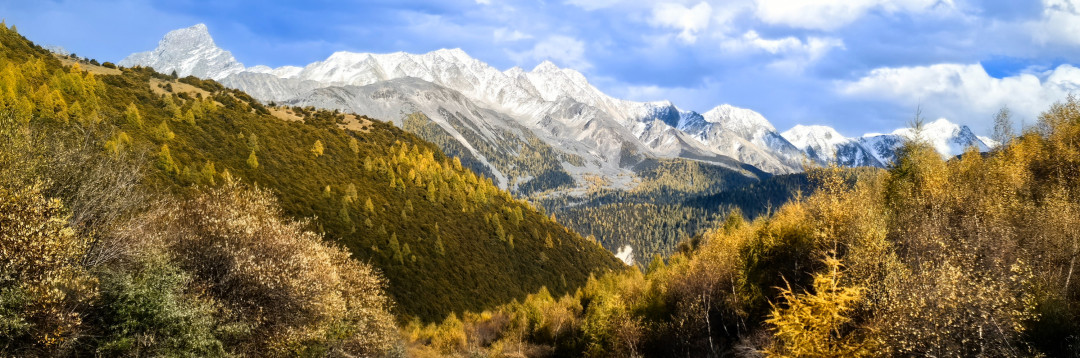
Every autumn, travelers from around the world flock to Western Sichuan to witness one of China's most spectacular natural phenomena: the transformation of the Hengduan Mountains into a canvas of gold, crimson, and amber. This remote region, often called "the hidden realm," offers an unparalleled blend of dramatic alpine scenery, ancient cultural sites, and vibrant local traditions.
In early September, a group of 12 outdoor enthusiasts—9 women and 3 men—embarked on an unforgettable journey through this stunning landscape. Organized by the reputable travel agency "Longshe Tianxia" (Dragon Shooting the World), the team traveled in four spacious Toyota Prados, ensuring comfort on the rugged mountain roads. What followed was a 10-day adventure that combined natural wonders, historical revelations, and authentic Sichuan hospitality.
This comprehensive guide will take you through every step of the journey, from the nostalgic green train to the misty passes of Kangding, and from the enigmatic Sanxingdui ruins to the snow-capped peaks of Yuzixi. Whether you're planning your own trip or simply dreaming of autumn in Western Sichuan, this article provides all the insights you need.
The Journey Begins: From Green Train to Chengdu
A Nostalgic Ride on the 502 Green Train
Our adventure started on October 14th at Yiyang Railway Station, where we boarded the 502 green train heading to Chengdu. For many travelers, this train holds special memories. I first rode it in 2007 when sending my daughter to school in Chengdu, and later used it for cycling trips along the Jiuzhaigou loop (2012) and the Sichuan-Tibet Highway (2018).
Unlike modern high-speed trains where passengers scroll through phones in silence, the green train retains a lively, communal atmosphere. As soon as we boarded, the aunties in our group launched an impromptu "snack exhibition," sharing homemade dried vegetables and local specialties. After dinner, the train car transformed into a concert hall, with our group performing at a professional choir level. By morning, we had arrived in Chengdu, well-rested and ready for adventure.
Travel Tip: The green train now stops at Chengdu West Station, which is more convenient for accessing Western Sichuan routes than the old Chengdu East Station.
Sanxingdui: Unlocking the Ancient Shu Kingdom's Mysteries
A Civilization That Overturns History
With half a day to spare in Chengdu, we made a detour to the Sanxingdui site in Guanghan. This archaeological wonder, first discovered in 1929, has revolutionized our understanding of ancient Chinese civilization.
Key Facts About Sanxingdui: - Location: South bank of the Yazi River, Sanxingdui Town, Guanghan City - Area: 12 square kilometers, with an ancient city covering 370 hectares - Age: 4,800 to 2,800 years old (Neolithic to Shang-Zhou dynasties) - Zones: Sacrificial, residential, workshop, and burial areas - Significance: Largest ancient cultural site in Southwest China, proving the existence of the ancient Shu Kingdom
The newly built Sanxingdui Ancient Shu Cultural Site Museum, costing over 1.4 billion yuan, features 22,000 square meters of exhibition space. It displays more than 1,500 artifacts, including pottery, bronze ware, jade tools, gold ware, and ivory. Nearly 600 pieces are on display for the first time, including over 300 newly unearthed items from sacrificial pits No. 3 to No. 8.
What Sanxingdui Reveals About Chinese Civilization
The exhibition is organized around three themes: "Century of Dream-Chasing," "Majestic Royal Capital," and "Heaven, Earth, and Gods." Our guide, a knowledgeable young man, explained each exhibit with remarkable clarity.
Historical Revelations: - The ancient Ba-Shu region was not isolated from Central Plains civilization - Sanxingdui was an important cultural center during the Xia and Shang periods - The Yangtze River Basin, like the Yellow River Basin, is a cradle of Chinese civilization - The ancient Shu Kingdom's history has been pushed back to 5,000 years ago
Unsolved Mysteries: Unlike contemporary sites like Erlitou (Luoyang) or Yinxu (Anyang), Sanxingdui has yielded no written records, depictions of people, or evidence of currency and trade. The civilization remains as enigmatic as the temple in the novel "Joy of Life"—an almost extraterrestrial presence that seems to have appeared from nowhere.
Why Visit Sanxingdui: This site is essential for anyone interested in Chinese archaeology, ancient civilizations, or the origins of Chinese culture. It's a perfect prelude to the natural wonders of Western Sichuan.
[Link: Best Ancient Ruins to Visit in Sichuan Province]
The Scenic Drive: Ya'an to Kangding
Misty Ya'an and the Qingyi River
On October 16th, our Western Sichuan journey officially began. The weather was clear when we left Chengdu, but as soon as we reached Ya'an, the rain started—living up to its reputation as "Misty Ya'an" and "Rain City." The road followed the Qingyi River, shrouded in mist and rain, creating a fairy-tale atmosphere.
The Ya'an-Kangding Expressway: A Modern Marvel
The new Ya'an-Kangding Expressway is significantly faster than the old road. After passing through the Erlang Mountain Tunnel, we entered the Luding service area, where the scenery was breathtaking. From the Dadu River Bridge, we could see Luding County town and the Dadu River itself—a blue ribbon floating in the clouds and mist, with the town like a gem set on that ribbon.
Route Details: - Distance: Approximately 200 km from Ya'an to Kangding - Driving Time: About 3-4 hours (significantly faster than the old road) - Key Landmarks: Erlang Mountain Tunnel, Luding Bridge, Dadu River
Kangding to Xinduqiao: Weather Challenges
The weather turned bad, and we worried about heavy snow and slippery roads on the mountain passes. We abandoned our planned S434 route and switched to G318. After lunch at the Qionglai Tupopo Restaurant in Kangding, we headed straight for Xinduqiao.
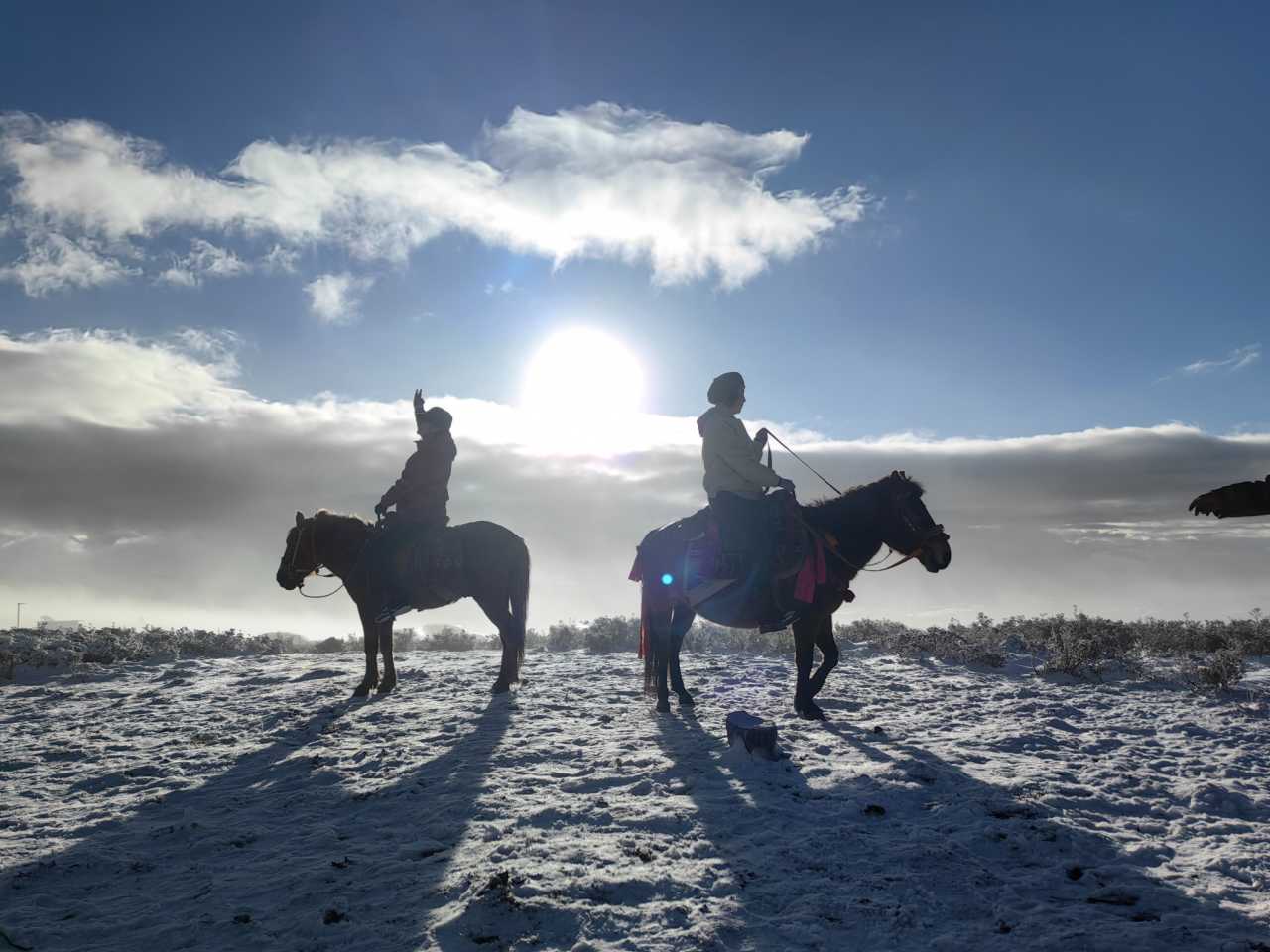
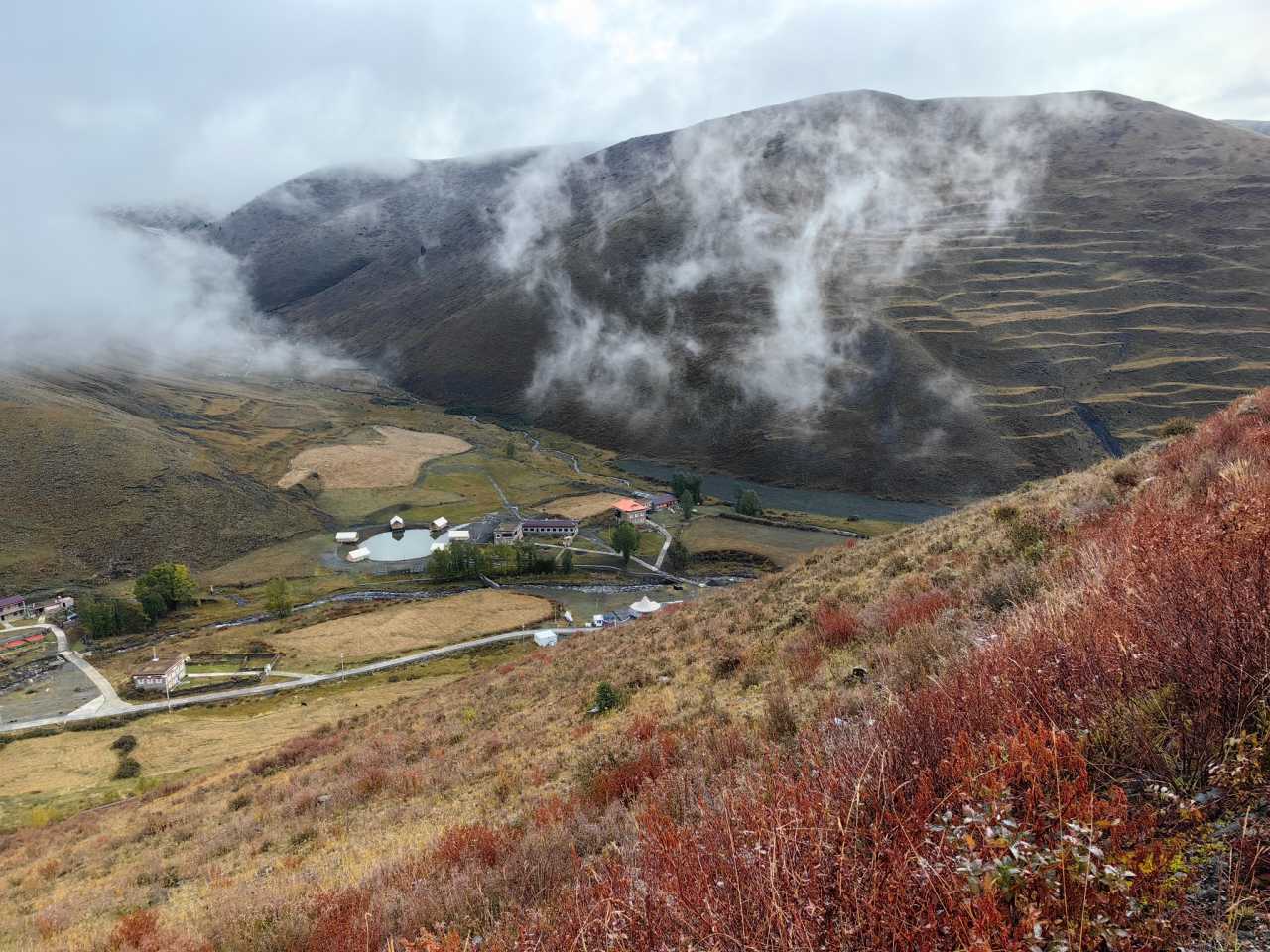
When we passed the Zheduo Mountain pass, it was snowing lightly, and fog was thick. We didn't stop. The 20-kilometer stretch from the pass to Xinduqiao is normally incredibly beautiful, but the weather didn't cooperate, and ongoing highway construction had diminished its charm. We went directly to the Lufeng Hotel at the intersection of Waze Village in Xinduqiao.
Travel Warning: Weather in the Hengduan Mountains can change rapidly. Always check forecasts and be prepared for snow, fog, and road closures, especially in autumn.
[Link: Essential Packing List for Western Sichuan Autumn Travel]
Yuzixi: A Visual Feast After the Snow
Waiting for Clear Skies
After checking in, our guide Xiao Xu told us to wait at the hotel. If the weather improved, we would go to Yuzixi to see: - Gongga Mountain peaks (the King of Sichuan mountains) - Yala Snow Mountain - Sunset glow and golden light on the peaks - Starry sky
Unfortunately, we waited in vain. The descriptions of Xinduqiao and Yuzixi scenery in our itinerary remained beautiful imaginings. During dinner, Xiao Xu comforted us, saying the weather would be good the next day and we would go see the sunrise at a little past 5 AM.
The Yuzixi Experience
Yuzixi is one of the most famous photography spots in Western Sichuan, offering panoramic views of the Gongga Mountain range. The best times to visit are: - Sunrise: Golden light on the snow-capped peaks (5:30-7:00 AM) - Sunset: Warm glow and alpenglow (5:00-6:30 PM) - Night: Starry sky photography (10:00 PM - 2:00 AM)
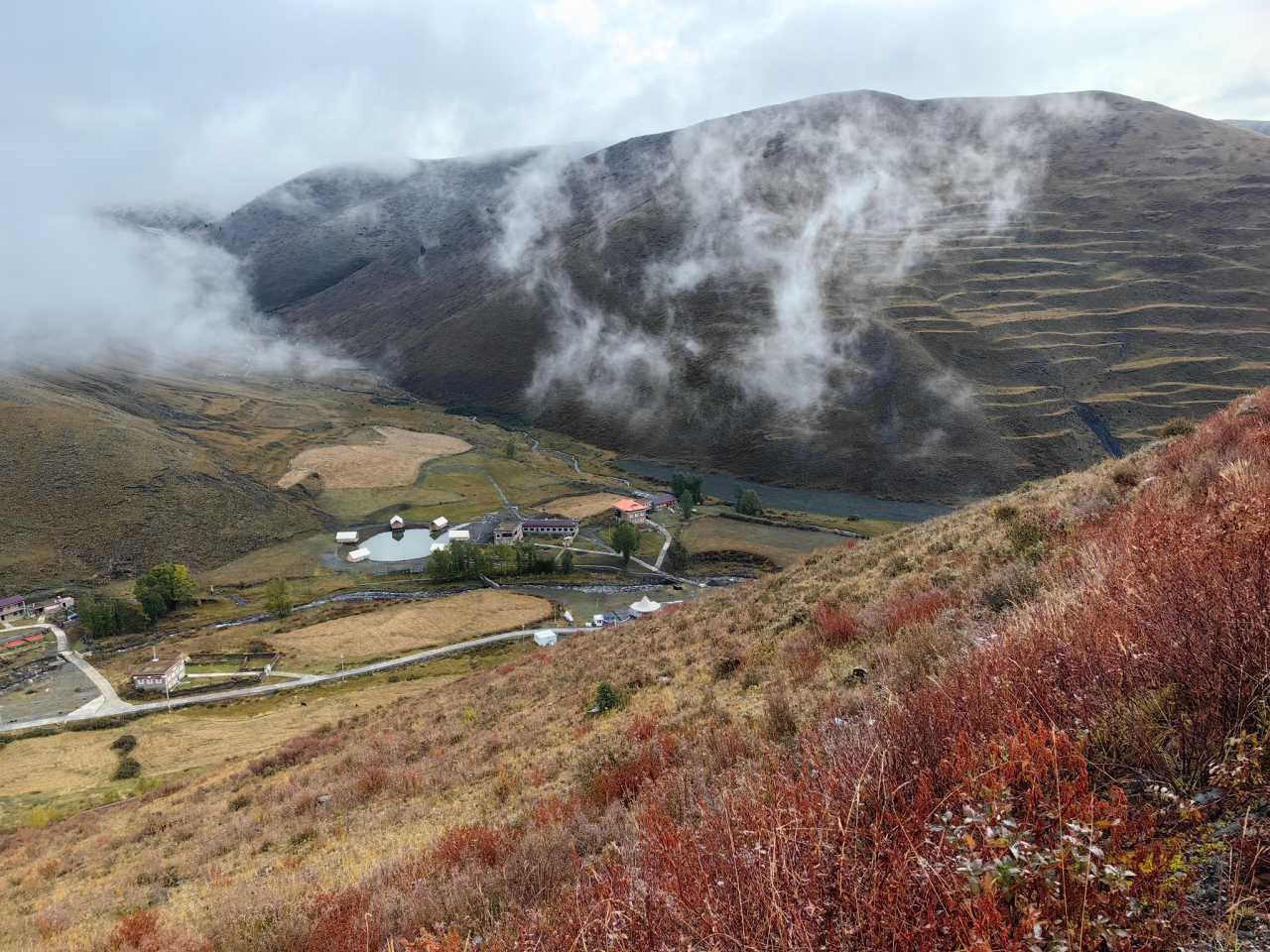
Photography Tips: - Bring a wide-angle lens for landscape shots - Use a tripod for low-light conditions - Arrive early to secure the best spots - Dress warmly—temperatures can drop below freezing
Alternative Viewpoints: If Yuzixi is too crowded, consider nearby spots like: - Zheduo Mountain Pass: Offers similar views with fewer crowds - Tagong Grassland: Stunning autumn colors and yaks - Mugecuo Lake: A beautiful alpine lake with reflection views
[Link: Top Photography Spots in Western Sichuan for Autumn Colors]
Practical Travel Tips for Western Sichuan Autumn
Best Time to Visit
The autumn colors in Western Sichuan typically peak from mid-October to early November. Key dates: - October 10-20: Early autumn colors in lower elevations - October 20-30: Peak colors in most areas - October 30-November 10: Late autumn in higher elevations
Transportation Options
| Option | Pros | Cons |
|---|---|---|
| Self-drive | Flexibility, scenic stops | Requires mountain driving experience |
| Private tour | Comfort, local knowledge | Higher cost |
| Public bus | Budget-friendly | Limited schedules |
| Group tour | Social, organized | Less flexibility |
Accommodation Recommendations
- Xinduqiao: Lufeng Hotel (comfortable, good location)
- Kangding: Various options from budget to luxury
- Yuzixi: Basic guesthouses (book in advance during peak season)
What to Pack
- Warm layers (temperatures can drop to -5°C at night)
- Waterproof jacket and pants
- Hiking boots with good grip
- Sun protection (sun altitude is high)
- Camera with extra batteries
- Snacks and water (limited options on the road)
- Altitude sickness medication (if needed)
FAQ: Western Sichuan Autumn Travel

1. When is the best time to see autumn colors in Western Sichuan?
The peak season is from mid-October to early November. However, exact timing varies by elevation. Lower areas (around 2,000-3,000 meters) peak in mid-October, while higher areas (above 3,500 meters) peak in late October to early November.
2. Is it safe to drive in Western Sichuan during autumn?
Yes, but with caution. Roads can be narrow and winding, and weather can change rapidly. Snow and fog are common at higher passes. It's recommended to have mountain driving experience or hire a local driver. Check road conditions before departure.
3. What should I know about altitude sickness?
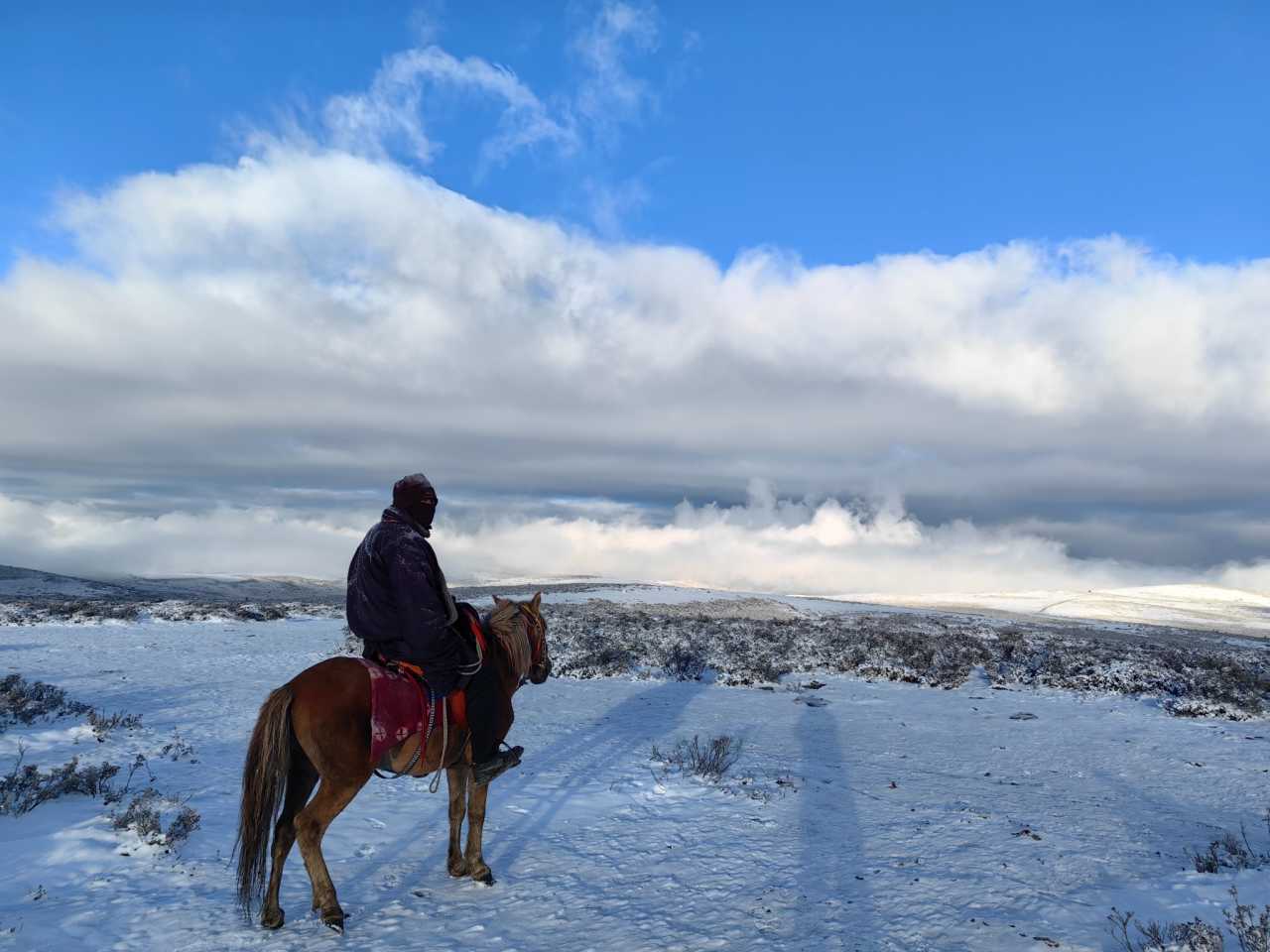 Many routes pass through elevations above 3,500 meters. Symptoms include headache, nausea, and fatigue. To prevent altitude sickness: - Ascend gradually over 2-3 days - Stay hydrated - Avoid alcohol and heavy meals - Consider medication like acetazolamide - Descend immediately if symptoms are severe
4. What are the must-see spots for autumn colors?
Top recommendations include: - Yuzixi (Gongga Mountain views) - Xinduqiao (photography paradise) - Tagong Grassland (golden meadows) - Mugecuo Lake (alpine reflections) - Zheduo Mountain Pass (panoramic views)
5. How do I get to Western Sichuan from Chengdu?
The most common route is via the Ya'an-Kangding Expressway (about 3-4 hours). Alternatively, you can take a bus from Chengdu to Kangding (about 6-8 hours) or join a tour group. The green train from Chengdu to Kangding is also an option for a more nostalgic experience.
Conclusion: Your Autumn Adventure Awaits
Western Sichuan's autumn colors are a once-in-a-lifetime experience. From the mysterious Sanxingdui ruins to the snow-capped peaks of Yuzixi, and from the misty roads of Ya'an to the golden meadows of Xinduqiao, this region offers an unparalleled blend of natural beauty, cultural depth, and adventure.
Why You Should Go: - Witness one of China's most spectacular autumn displays - Explore ancient civilizations at Sanxingdui - Drive through some of the world's most scenic mountain roads - Experience authentic Tibetan culture and hospitality - Create memories that will last a lifetime
Ready to Plan Your Trip?
Don't let the perfect autumn pass you by. Whether you're a seasoned traveler or a first-time visitor, Western Sichuan's hidden realm is calling. Book your tour with a reputable agency like "Longshe Tianxia," pack your camera, and prepare for an unforgettable journey.
Start planning today—the autumn colors won't wait!
[Link: Book Your Western Sichuan Autumn Tour] [Link: Download Our Free Western Sichuan Travel Checklist] [Link: Join Our Community of Western Sichuan Travelers]
Article updated for 2024 travel season. All information is accurate at time of publication but may change. Always check local conditions and travel advisories before departure.
You may also like


