At Dawn When the Ice Melts in Daocheng: A Photographer's Ten-Day Journey Through China's Last Pure Land
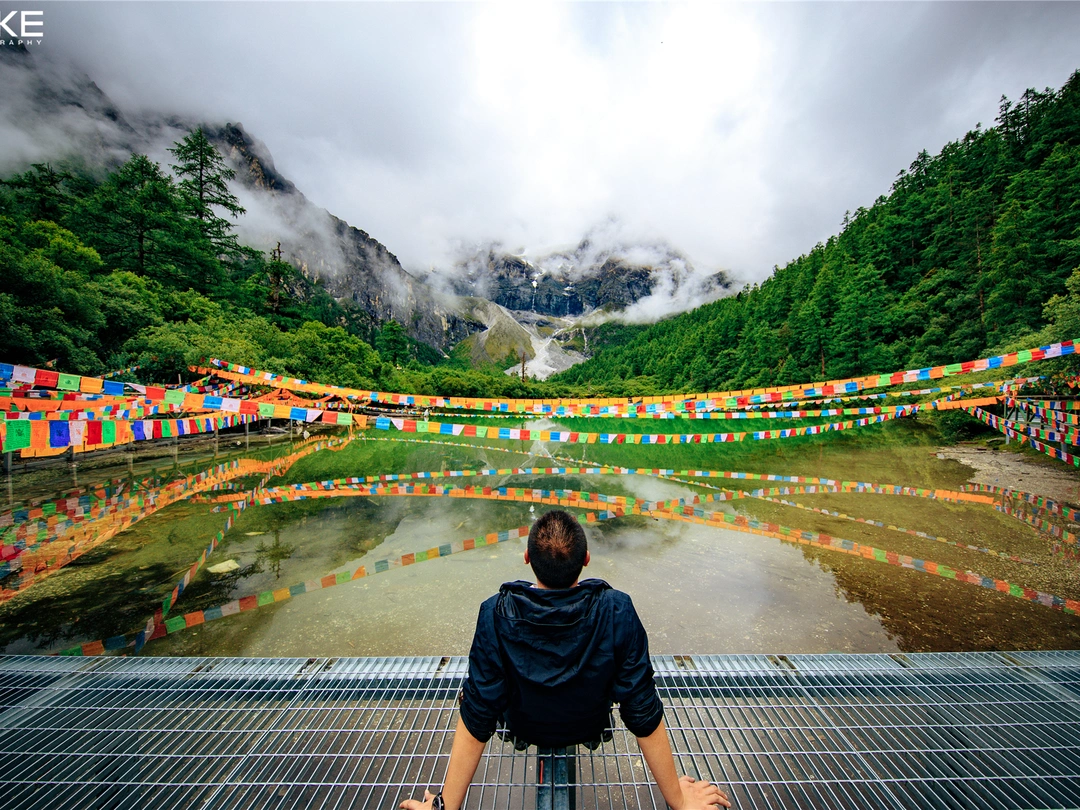
Meta Description: Discover Daocheng Yading through a photographer's lens. A ten-day journey from 500m to 4,400m altitude, exploring Haizi Mountain lakes, barley fields, and the story behind the song Aohan. Your ultimate travel guide to Sichuan's last pure land.
Introduction: Why Daocheng Remains China's Most Captivating Highland Destination
Nestled in the Garzê Tibetan Autonomous Prefecture of Sichuan Province, Daocheng (formerly known as "Daoba" – meaning "wide-open mouth of a valley" in Tibetan) has earned its reputation as "the last pure land on this blue planet." But what makes this remote destination so magnetic for photographers, adventurers, and soul-seekers alike?
In July 2017, I landed at Daocheng Yading Airport – the world's highest civilian airport at 4,400 meters above sea level – and gave myself ten days to measure its depth, not its breadth. What unfolded was a dialogue with nature, chance encounters, and a rediscovery of what it means to be present.
This comprehensive guide will take you beyond the tourist trail, revealing the hidden lakes of Haizi Mountain, the romance of highland barley fields, and the real story behind the song that made Daocheng famous.
H2: From Chengdu to Daocheng – The World's Highest Commercial Flight

H3: Altitude Adaptation: What to Expect When Jumping from 500m to 4,400m
The flight from Chengdu (500m) to Daocheng Yading Airport (4,400m) is no ordinary journey. It's a rapid ascent that can trigger altitude sickness in even seasoned travelers. Yet, surprisingly, I lit a cigarette at the airport entrance without reaction – a stroke of luck, not a guarantee.
Pro tip: [Link: Altitude sickness prevention in Tibet] – Allow at least 24 hours of rest before any strenuous activity. The body needs time to acclimatize to the thin air.
H3: Daocheng's First Impression – Rain, Clouds, and Unpredictable Beauty
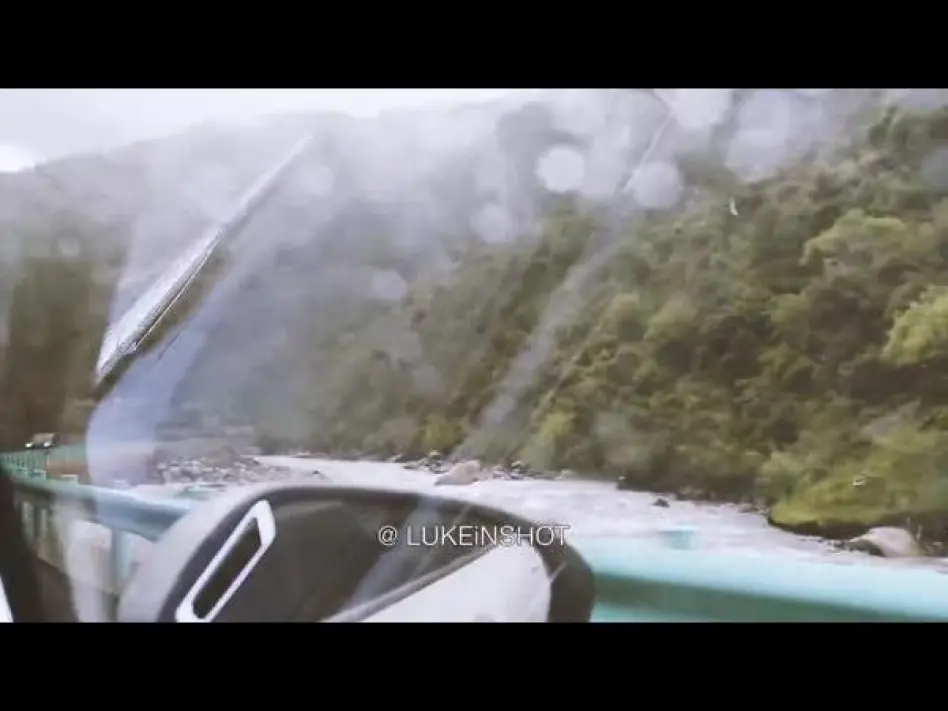
The torrential rain that greeted me at the airport was a humbling welcome. As photographer who has shot in 29 countries, I learned that Daocheng's rainy season (June-September) offers a raw, untamed beauty – dark clouds bring sudden downpours, and after the rain, the sky rarely clears completely. This is not a flaw; it's the landscape's authentic character.
H2: Wandering Into Highland Barley Fields – A Romantic Accident
H3: The Geely Emgrand GS and the Unplanned Detour
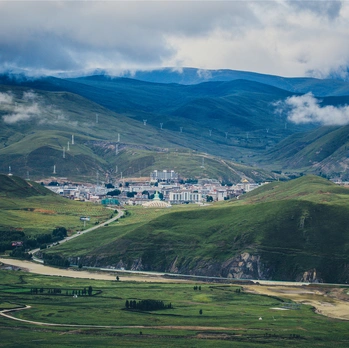
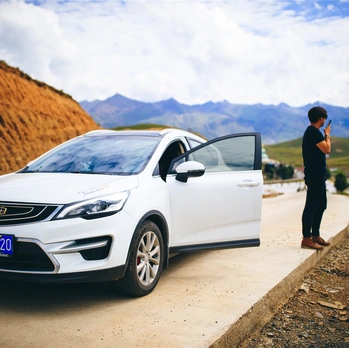
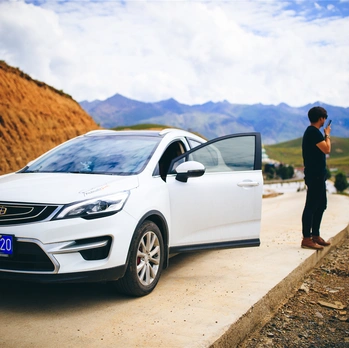
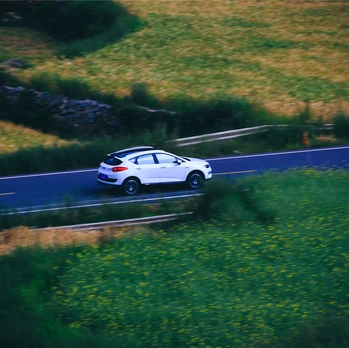
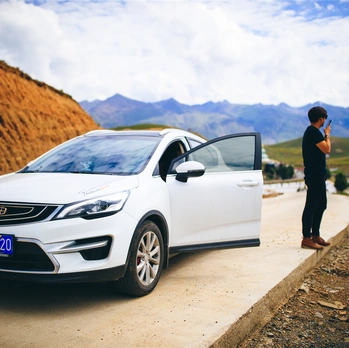
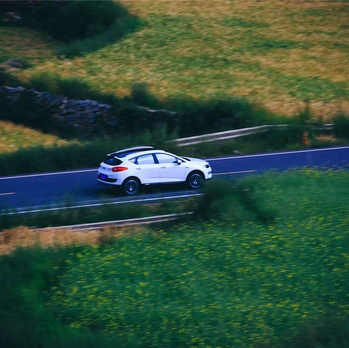
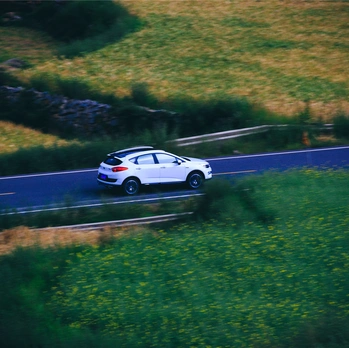
My driver Yuchen – who had driven all night from Chengdu – steered his white Geely Emgrand GS up the ridge beside the White Pagoda. What followed was a series of serendipitous moments: a playful calf that knocked me flat, a hitchhiking girl, and an impromptu photo session under the panoramic sunroof.
Insider tip: The highland barley fields surrounding Daocheng are best photographed during golden hour (just after sunrise or before sunset). The contrast between green barley and distant snow-capped peaks creates stunning compositions.
H3: Meeting Ma Di – The Folk Singer Behind Aohan
Unexpectedly, we met Ma Di, a member of the Mayouye indie collective. His song Aohan has made countless people fall in love with Daocheng. As his music played through the car's CarPlay system, the melody of South Mountain, South Mountain echoed along the Bang River.
Fun fact: Ma Di had never visited Daocheng before writing Aohan. He wrote it simply because his partner, Aohan, loved the place. The song is a love letter – plain as water, yet unforgettable.
H2: Aohan by the Fire – The Song That Defines Daocheng
H3: Daocheng Mama Boutique Inn – A Home Away From Home
After checking into the Daocheng Mama Boutique Inn, I met the owner, Brother Han – a Beijing native whose accent gave him away instantly. The inn's terrace offered a view of two rainbows over the nearby hills. Han claimed he had seen as many as five at once.
Where to stay: [Link: Best boutique hotels in Daocheng] – The Mama Boutique Inn offers a cozy atmosphere, local hospitality, and a perfect base for exploring the town.
H3: The Night Ma Di Sang Aohan Live
Night fell, accompanied by rain and chill. Yuchen had taken my advice – flattening the back seat to lie with the girl under the stars (though a storm was forecast). Meanwhile, Han and Ma Di sat by the fire, talking about everything and nothing. When emotion ran high, Ma Di picked up his guitar:
"Aohan, let's get married / On the morning when the ice melts in Daocheng / Aohan, let's get married / At dusk, when the stars fill the sky..."
Hearing that song in Daocheng itself – everyone in the room felt a lump in their throats. Yesterday, we were solitary travelers. Now we had wine, stories, and music. We began to miss home, or simply sank into this "temporary home."
The lyrics that resonate:
"You just smile, without a word / Like that moment fifty years from now when we lock eyes again / You cover your eyes that have seen so much change / This is a landscape without farewells / Forget your name / I'll give you a home."
Daocheng, perhaps, is a place where youthful dreams come true. Guesthouses and hotels bloom everywhere, and people from all corners of the country have made it their home – a dream about travel and rest, about music and wine.
H2: The "Tso" on Haizi Mountain – Pearls in the Barren Wilderness
H3: Why Most Tourists Miss Haizi Mountain's True Beauty
If you find the barren desolation of Haizi Mountain disappointing, you've probably missed the right way to experience it. This vast ancient glacial site deserves to be explored "tso by tso" – each lake a pearl waiting to be discovered. (In Tibetan, "lake" is pronounced tso, often written as "cuo" in Chinese.)
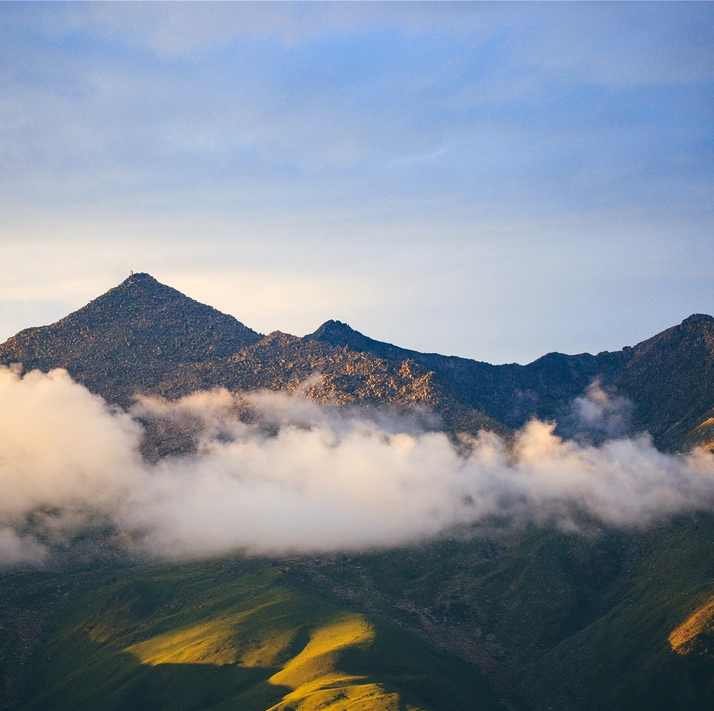
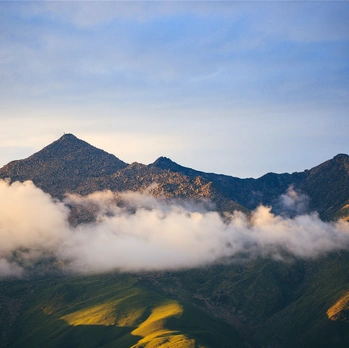
Common complaint: "Just piles of ugly rocks – what's so special?" If I hadn't ventured deep into Haizi Mountain's heart, I might have felt the same – endless rubble fields covered by thick clouds, the same desolate view stretching for dozens of kilometers.
The key: Take time. Explore one hilltop at a time. The truth of Haizi Mountain reveals itself to those who linger.
H3: Xiaqu Tso – The Crow Lake That Deceives Travelers
Xiaqu Tso (meaning "Crow Lake") is the first large lake you see when driving through Haizi Mountain. It sits right by the road with a spacious parking area. Many tourists take this as the entirety of Haizi Mountain's scenery.
Local secret: If you're willing to step into a local herder's tent and drink a bowl of rich butter tea, you'll learn that Xiaqu Tso is merely a small lake. The real great lakes of Haizi Mountain are several times larger.
H3: Xingyi Tso – The Sacred Lake at 4,420 Meters
Take an undeveloped dirt road up Haizi Mountain, bouncing over potholes and rocks for nearly 40 minutes, and you'll reach Xingyi Tso at 4,420 meters. This is the largest alpine lake on Haizi Mountain, considered a sacred lake by Tibetans.
Photography tip: The lake's surface acts as a perfect mirror for the surrounding peaks during calm weather. Visit early morning for the best reflections.
How to get there: [Link: Haizi Mountain driving routes] – A 4WD vehicle is essential. The road is rough but passable for experienced drivers.
H3: Other Notable Lakes on Haizi Mountain
- Cuo Cuo (Lake of Lakes) – A series of smaller interconnected lakes
- Niang Cuo – Known for its turquoise color
- Rigong Cuo – A sacred lake with prayer flags
H2: Practical Tips for Your Daocheng Photography Expedition
H3: Best Time to Visit
- June-September: Rainy season – lush green landscapes, but frequent rain
- October-November: Autumn colors – golden grasslands, clear skies
- December-February: Snow season – dramatic winter landscapes, but some roads may close
H3: Essential Gear for Highland Photography
- Camera body: Weather-sealed preferred (rain is unpredictable)
- Lenses: Wide-angle (16-35mm) for landscapes, telephoto (70-200mm) for details
- Tripod: Sturdy enough for windy conditions
- Filters: Polarizer for lakes, ND filter for long exposures
- Batteries: Cold drains battery life – bring spares
- Memory cards: At least 64GB (you'll shoot more than expected)
H3: Altitude Sickness Precautions
- Ascend gradually (stop at 3,000m for 24 hours if possible)
- Stay hydrated (drink 3-4 liters of water daily)
- Avoid alcohol and smoking (I was lucky – don't test your luck)
- Carry Diamox (acetazolamide) as preventive medication
- Know the symptoms: headache, nausea, dizziness, shortness of breath
H2: Frequently Asked Questions About Daocheng
Q1: Is Daocheng safe for solo travelers?
 A: Yes, Daocheng is generally safe for solo travelers. The local Tibetan community is welcoming, and the town has a well-developed tourism infrastructure. However, always inform someone of your itinerary when heading to remote areas like Haizi Mountain.
Q2: How many days should I spend in Daocheng?
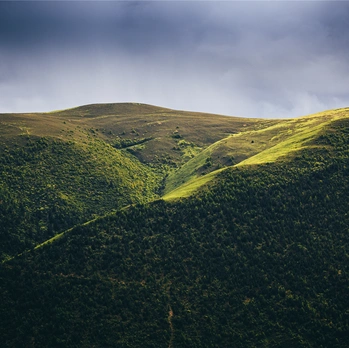 A: A minimum of 5-7 days is recommended. Three days for Yading Nature Reserve, one day for Haizi Mountain, and one day for the town itself. The photographer's ten-day itinerary allows for deeper exploration and unexpected encounters.
Q3: What is the best way to get to Daocheng?
A: The fastest way is flying to Daocheng Yading Airport from Chengdu (1 hour flight). Alternatively, a 2-day road trip from Chengdu via the Sichuan-Tibet Highway offers stunning scenery but requires good driving skills and altitude adaptation.
Q4: Can I visit Haizi Mountain without a guide?
 A: Yes, the main road is well-marked. However, for the remote lakes (like Xingyi Tso), a local guide or experienced driver is recommended as the dirt roads are unmarked and can be confusing.
Q5: What should I pack for Daocheng in July?
A: Pack layers: thermal underwear, fleece, waterproof jacket, and a down jacket for evenings. Sun protection (hat, sunglasses, SPF 50+ sunscreen) is essential even on cloudy days. Sturdy hiking boots, rain gear, and a reusable water bottle are must-haves.
Conclusion: Your Daocheng Story Awaits
Daocheng is not a destination you simply visit – it's a landscape you enter, a story you become part of. From the chance encounters in barley fields to the sacred lakes of Haizi Mountain, from the fire-lit renditions of Aohan to the rainbows that paint the sky, this "last pure land" offers something that no photograph can fully capture: presence.
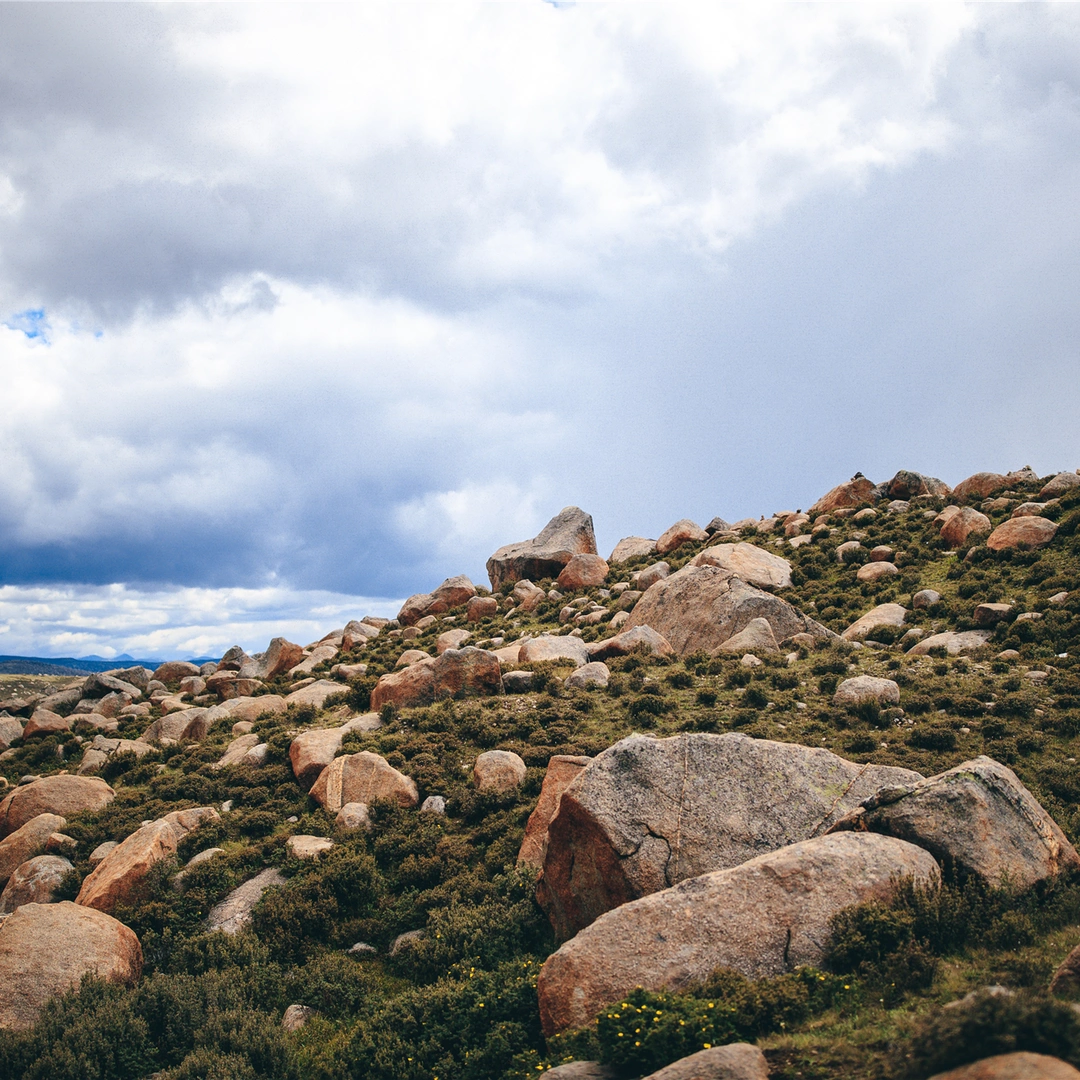
As I stood on the ridge beside the White Pagoda, watching the clouds break over the valley, I realized that Daocheng's true gift is not the stunning scenery – it's the permission to slow down, to wander, to let serendipity guide you. In a world that demands efficiency, Daocheng invites you to measure its depth, not its breadth.
Your turn: Pack your camera, book your flight, and give yourself ten days. The ice will melt at dawn, and you'll find yourself in a dialogue with the last pure land – a conversation that will echo long after you've left.
Call to Action
Ready to plan your Daocheng adventure? [Link: Book your Daocheng tour package] or [Link: Rent a Geely Emgrand GS for your highland road trip]. Share your Daocheng story with us using #LastPureLand – we'd love to see your photography and hear about your encounters.
Tashi delek, Daocheng. See you at dawn.
You may also like


