Four-Day Pure Electric秘境 Journey Beneath Genie Sacred Mountain: When a Tesla Model Y Drives into the Sky City at 4,000 Meters
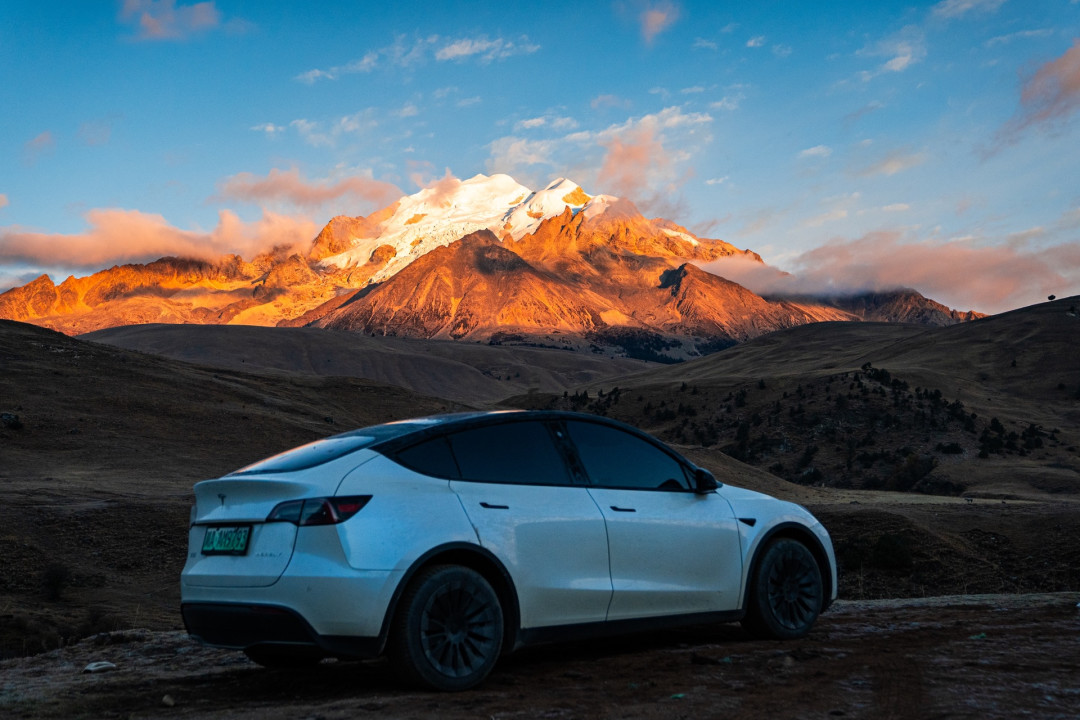
Meta Description: Discover the ultimate Tesla Model Y road trip through Western Sichuan's Genie Sacred Mountain loop. From Litang's 4,000m sky city to hidden Tibetan villages, this 4-day pure electric journey blends adventure, faith, and eco-travel. Plan your EV秘境 trip now.
Introduction: Why a Tesla Model Y is the Perfect Vehicle for a Tibetan Plateau Adventure
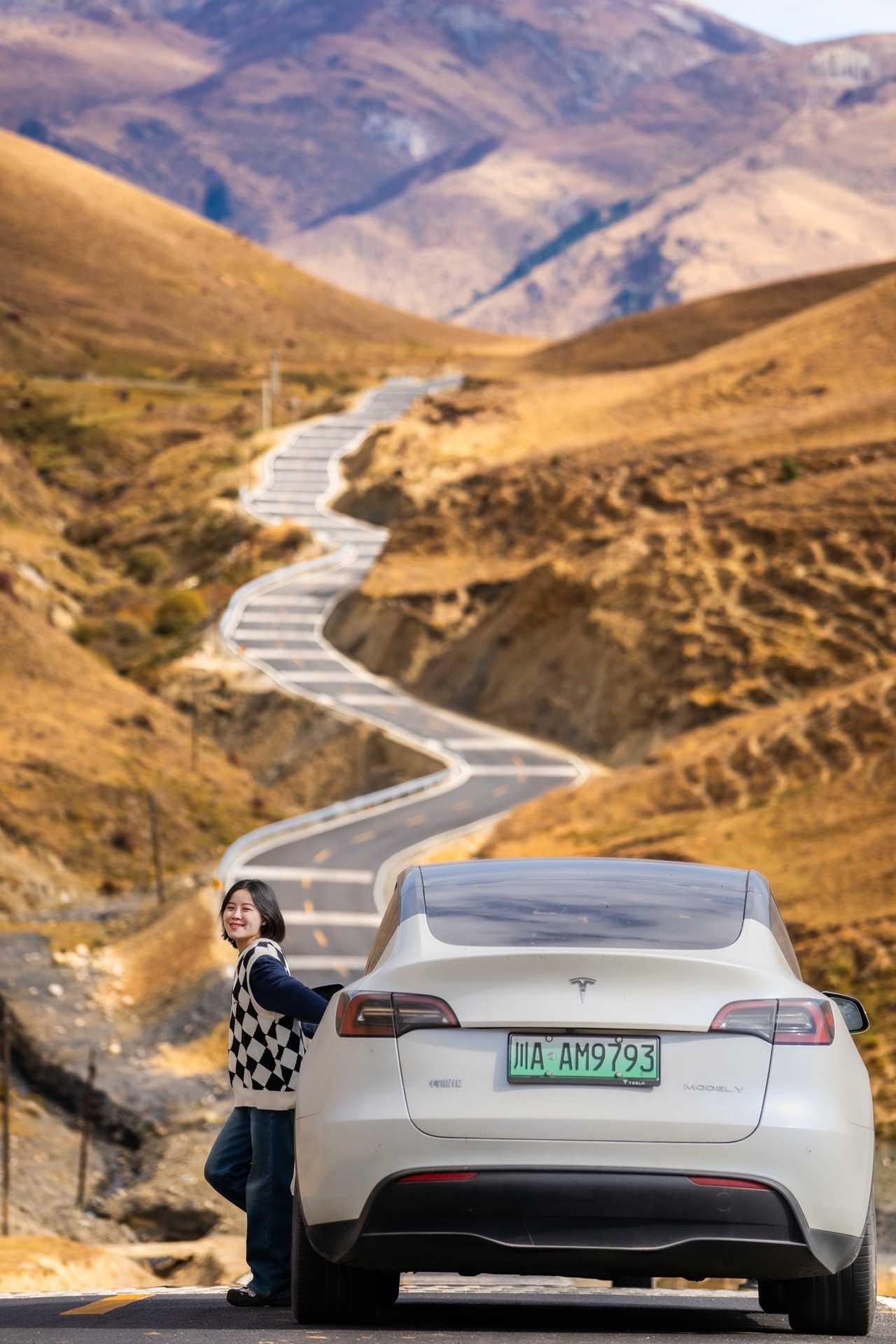
When the last glimmer of city lights fades from the rearview mirror, when the roar of traffic gives way to the lonely hum of tires on a highland meadow, a pilgrimage to Genie Sacred Mountain quietly begins on the Chengdu Plain. We set out in a Tesla Model Y, our hearts filled with a yearning for the wilderness, embarking on this western Sichuan Genie loop—a route that blends breathtaking landscapes, Tibetan culture, and the challenge of pure electric travel.
Four days. From the "world's highest city" Litang to the hidden villages at the foot of Genie Sacred Mountain. This was a journey that tested both body and soul, and a bold exploration of the boundaries of electric vehicle travel. When modern technology meets raw wilderness and ancient faith, what we gained was far more than a few photographs—it was a profound memory of freedom, courage, and a dialogue between heaven and earth.
For EV owners wondering "Can a Tesla handle high-altitude, remote terrain?"—the answer is a resounding yes, provided you plan your charging stops and respect the altitude. This guide will show you exactly how to make it happen.
Day 1: Chengdu → Luding → Litang – Crossing Zheduo Mountain, Entering the Sky City
Departure at Dawn: Your EV's First High-Altitude Test
At six in the morning, Chengdu was still shrouded in mist as we merged onto the Chengdu-Ya'an Expressway. The scenery outside the window gradually shifted from plains and hills to towering mountains, and our spirits lifted with the view. For an EV owner, the first priority in trip planning is charging—not out of anxiety, but out of respect for the journey.
Charging Strategy: We stopped at the Luding service area to charge. A quick half-hour top-up gave us enough range to conquer Zheduo Mountain and reach Litang. Charging infrastructure in Luding County and along the expressway is quite well-developed, with fast-charging stations at places like the Pengba Shilixiang Hotel and the Luding Bridge Hotel—making it an ideal pit stop for EV drivers.
Pro Tip: Always charge when you have the opportunity, even if you think you have enough range. Plateau conditions can reduce battery efficiency by 15-20%.
Zheduo Mountain: An Epic of Endless Switchbacks
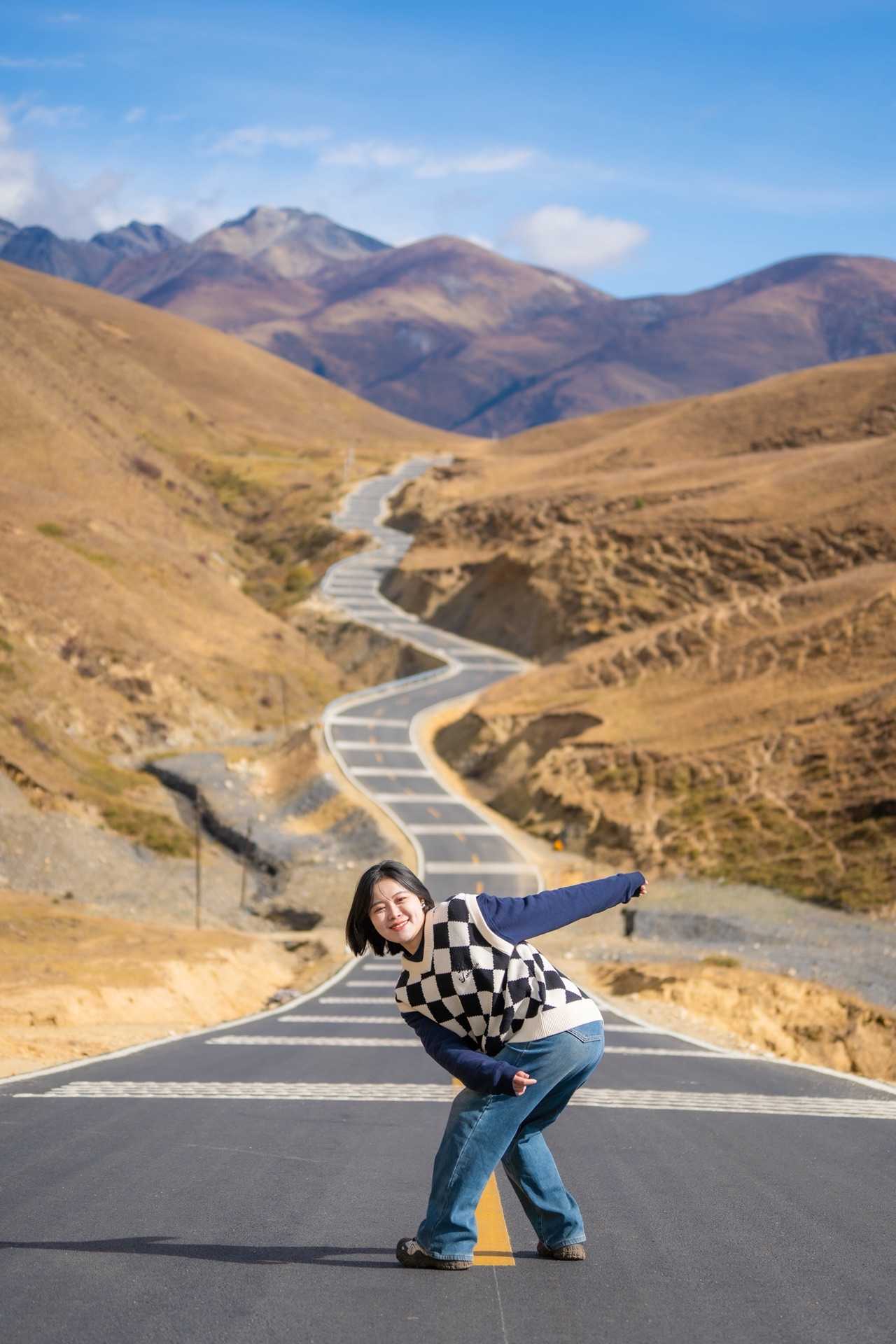
Leaving Kangding, the gradient of National Highway 318 steepens sharply. Zheduo Mountain, a 4,298-meter barrier, is the most symbolic challenge of this journey. The mountain road twists and turns like a dragon coiled along the ridge. When we reached the pass, a biting wind swept through, but the view was breathtaking.
The standing stone inscribed with "Westward Beyond Zheduo" marks a geographic and cultural boundary—from here, you truly enter the Kham Tibetan region. Colorful prayer flags flapped violently in the gale, as if countless devout chants were being carried to the heavens by the wind. A white stupa stood in silent stillness, and every stone in the mani piles bore the prayers of travelers who had passed before.
EV Performance Insight: The Model Y's regenerative braking system performed brilliantly on the descent, continuously converting gravitational potential energy into electricity, greatly alleviating range anxiety. This is perhaps the most delightful "hidden advantage" of driving an EV across the plateau.
Xinduqiao: A Flowing Canvas of Light and Shadow
After crossing the Zheduo Mountain pass, we descended into the legendary "Photographer's Paradise"—Xinduqiao. Its beauty doesn't lie in a single scenic spot, but in the flowing canvas of light and shadow along the road. Tall poplar trees glowed golden in the autumn light, winding streams reflected the cloudless blue sky, and the distant mountain ridges were soft and graceful, with colorful Tibetan houses scattered like stars among barley fields and meadows.
Here, light becomes the most magical artist, especially at dawn and dusk, gilding everything with a gentle golden edge. We slowed down, rolled down the windows, and let the crisp highland air and this serene pastoral poem flow into our hearts.
The Heavenly Road's Eighteen Bends and the Maoya Prairie
Through Xinduqiao, the challenges continued. Crossing Ga'ersi Mountain, clouds often split open beneath our feet, revealing glimpses of the Gongga peaks and Yala Sacred Mountain in the distance. Then came the astonishing Heavenly Road's Eighteen Bends—the highway winding like a dragon's spine in countless "S" shapes along Jianziwan Mountain. From the viewing platform, the twisting lines were embedded in the green mountain body, a stunning testament to both human engineering and nature's grandeur.
Passing through the 4,718-meter Kazila Mountain felt like walking among the clouds. Rolling alpine meadows stretched in gentle undulations, dotted with herds of yaks like black pearls. Finally, we were welcomed by the vast, boundless Maoya Prairie. Wildflowers carpeted the grassland, the Wuliang River meandered like a green dragon, snow-capped mountains encircled the horizon, and herds of cattle and sheep wandered leisurely.
The World's Highest City: First Impressions of Litang
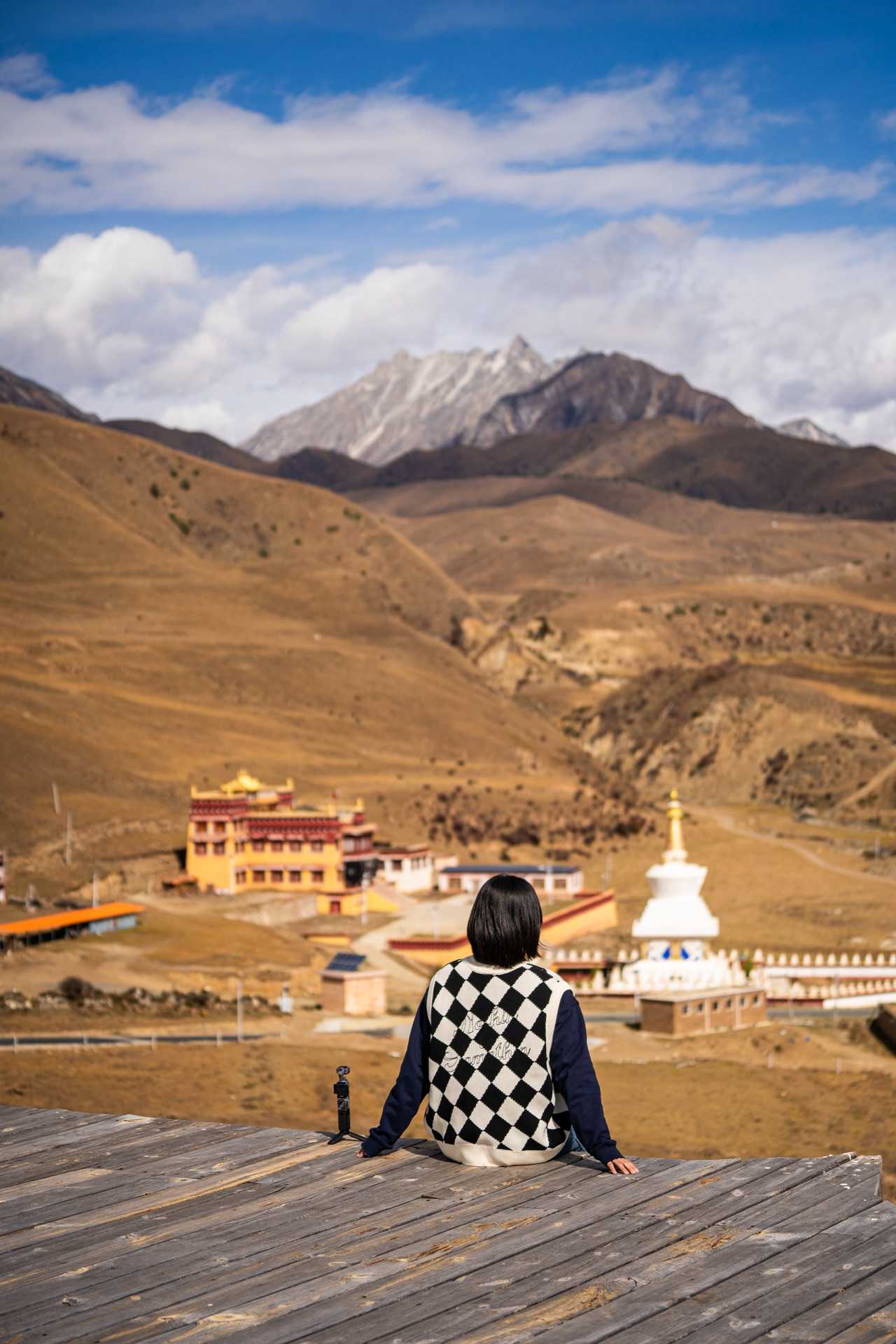
By evening, we reached the first high point of our journey—Litang County. This "world's highest city," perched at over 4,000 meters, was far from the desolate, frozen place we might have imagined. Clean streets, architecturally distinctive buildings, and the unique air—a blend of butter tea and juniper incense—immediately captivated every arrival.
Litang, whose name in Tibetan means "a flat meadow like a bronze mirror," is not only the "land of the crane's longing" that the romantic poet Tsangyang Gyatso yearned for, but also an important cultural stop on National Highway 318. It may lack oxygen, but it never lacks faith, color, or vitality.
Where to Stay: That night, we stayed at the Litang Yunjin Hotel (East City Branch), a well-regarded choice along Highway 318, especially friendly to EV owners and those prone to altitude sickness. The hotel's backyard is equipped with three fast-charging stations and two slow-charging stations, making charging very convenient. We booked an oxygen-supplied room, paying an extra 80 yuan for a night of diffused oxygen—an absolute lifesaver for our first night on the plateau.
Day 1 Practical Tips
- Charging Plan: The distance from Chengdu to Litang is about 650 km. You must recharge at Luding or Kangding along the way. Litang County has ample charging resources, including the Yunjin Hotel or independent supercharging stations.
- Altitude Sickness: Litang is at high altitude. Avoid strenuous activity on the first day, and do not shower. Choosing a hotel with oxygen supply is crucial.
- Scenic Highlights: Zheduo Mountain Pass, the light and shadow of Xinduqiao, the Heavenly Road's Eighteen Bends, and the Maoya Prairie are unmissable corridors of scenery along this route—allow plenty of time to enjoy them.
[Link: Best EV-friendly hotels on Highway 318]
Day 2: Litang → East Hilltop → Letong Ancient Town → Zebacun – Between Faith and Wilderness
East Hilltop: Overlooking the Sky City
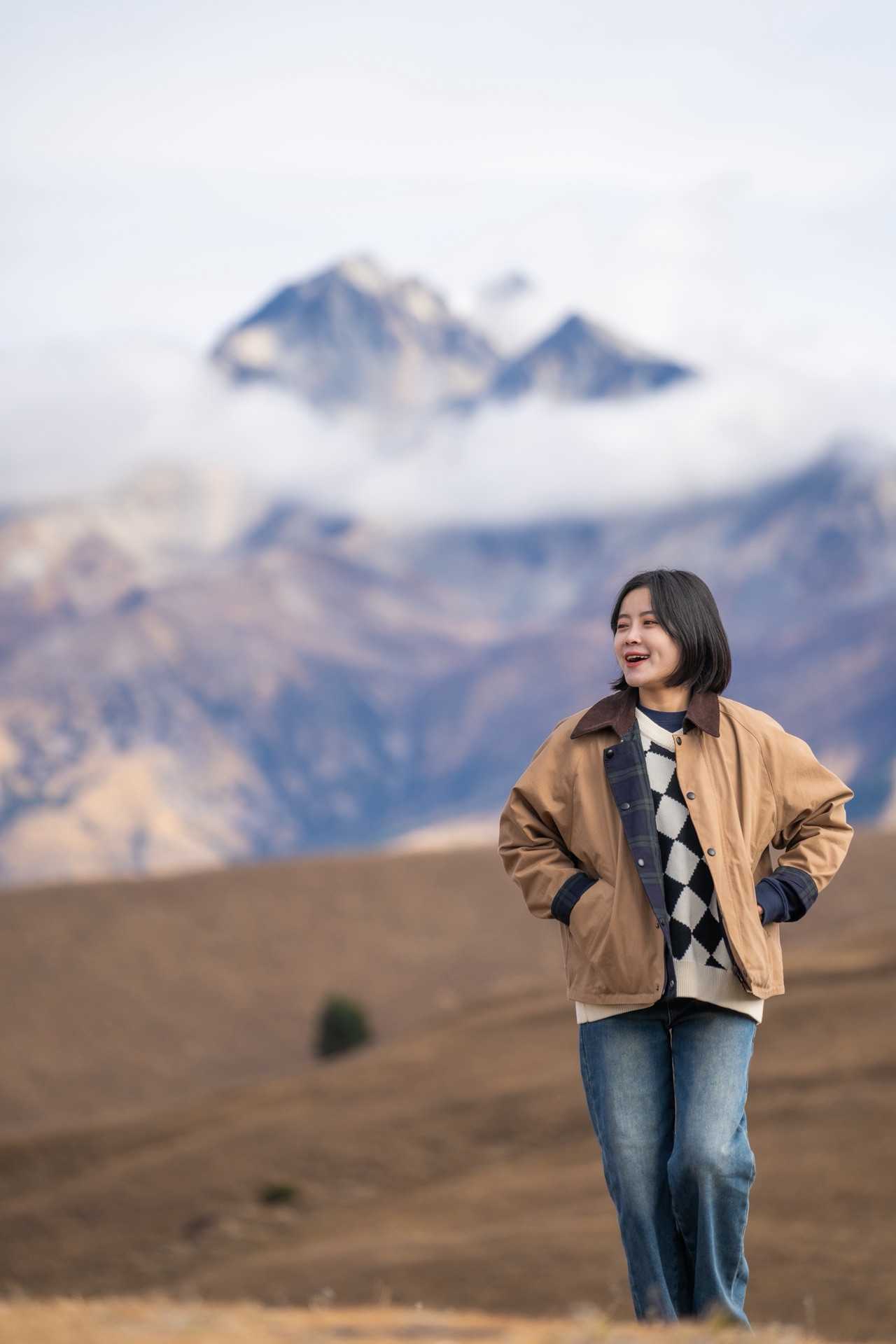
After a night in an oxygen-supplied room, our altitude sickness had largely subsided. At dawn, we drove to East Hilltop, the perfect vantage point for a panoramic view of Litang. Spiraling up along County Road Y004, the entire county and the distant Maoya Prairie unfolded before us.
At the summit, prayer flags stood in dense clusters, their five-colored wind-horse banners whipping violently in the plateau's fierce wind. Each flutter seemed to recite the sutras once more, carrying people's eternal wishes for peace, health, and happiness. Standing amidst the fluttering flags, listening to the crackling sound, and gazing down at the peaceful "sky city" and the boundless prairie, a complex emotion—somewhere between the sacred and the free—stirred within us.
Photography Tip: Arrive at East Hilltop before 8 AM for the best light. The morning sun paints the prayer flags in golden hues against the deep blue sky.
Changqingchunke'er Monastery: A Hall of Faith
Descending from East Hilltop, we visited the spiritual heart of the Kham Tibetan region with reverence—Changqingchunke'er Monastery (Litang Monastery). This massive Gelugpa monastery, with its golden roofs and whitewashed walls, houses over 3,000 monks and is one of the most important Buddhist centers in Sichuan.
Walking through its courtyards, the sound of chanting echoed from the assembly hall, punctuated by the deep drone of long horns and the clang of cymbals. Butter lamps flickered in the dim interior, casting dancing shadows on ancient thangka paintings. Monks in maroon robes moved silently through the corridors, their prayer beads clicking in perpetual devotion.
Respectful Travel: Remember to walk clockwise around all religious structures, remove shoes before entering temples, and always ask permission before photographing monks or religious ceremonies.
Letong Ancient Town: Time Stands Still
A short drive from the monastery brought us to Letong Ancient Town, a hidden gem that feels frozen in time. Unlike the tourist-heavy ancient towns of Lijiang or Dali, Letong retains an authentic, lived-in atmosphere. Narrow cobblestone streets wind between traditional Tibetan houses with carved wooden windows and painted beams.
We stopped for lunch at a family-run restaurant, where the owner served us steaming bowls of yak meat noodle soup and butter tea. The conversation, though limited by language, was warm and genuine. This is the kind of experience that makes slow travel so rewarding—the chance to connect with local culture on a human level.
Zebacun: The Hidden Village at Genie's Foot
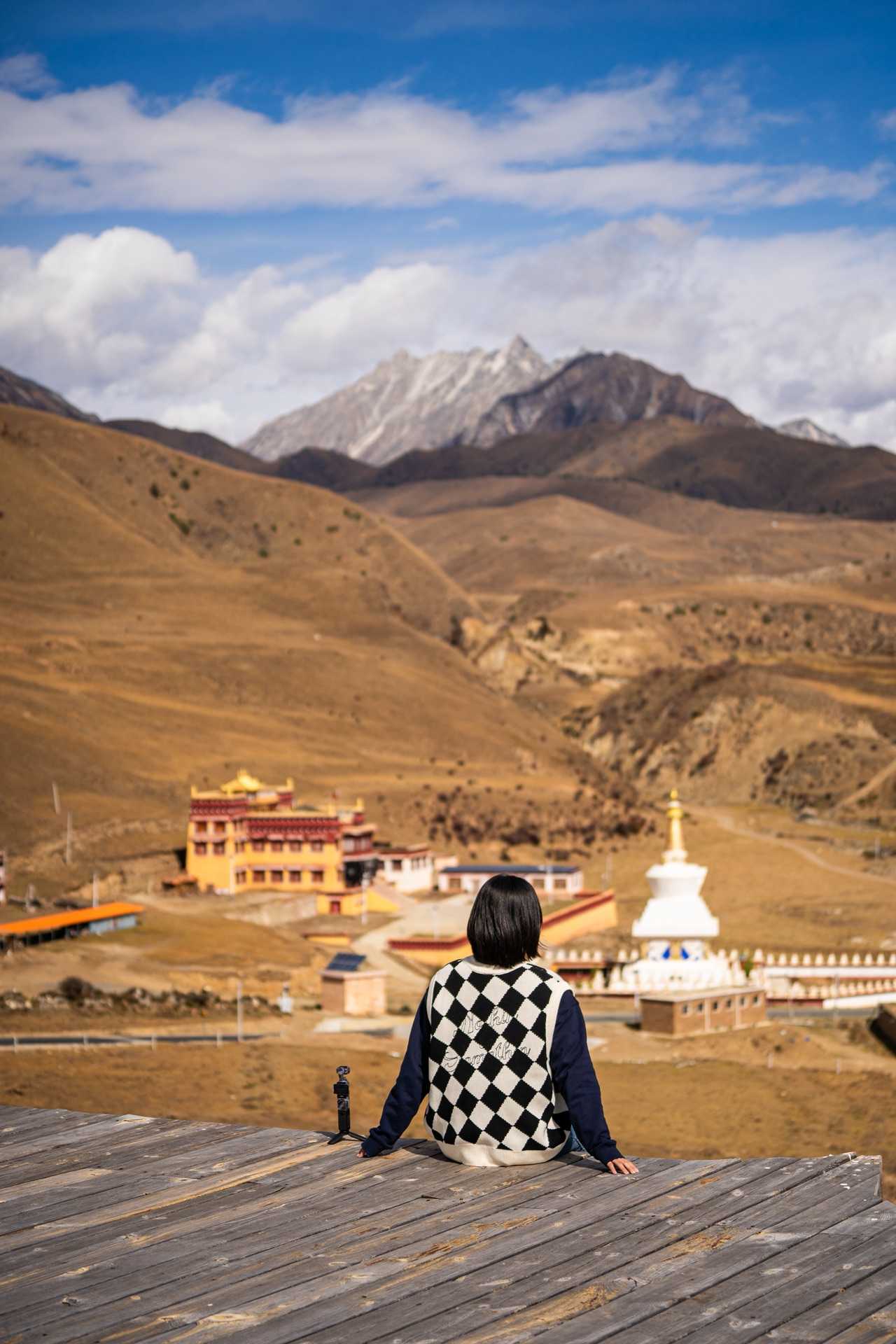
As afternoon shadows lengthened, we continued toward Zebacun, a small village nestled at the base of Genie Sacred Mountain. The road narrowed, winding through forests of spruce and rhododendron, crossing crystal-clear streams on simple wooden bridges. The Model Y handled the rough patches with surprising ease, its low center of gravity providing stability on the uneven terrain.
Zebacun is the kind of place that makes you question modern life. Here, time moves at the pace of a grazing yak. Children wave as you pass, elderly women spin prayer wheels on their doorsteps, and the air smells of pine and damp earth. We found a simple guesthouse run by a local family, where we spent the night listening to the wind and the distant sound of the monastery's evening prayers.
[Link: Top 10 hidden villages on the Genie Sacred Mountain loop]
Day 2 Practical Tips
- Charging: Ensure you have a full charge before leaving Litang. Charging options become sparse beyond the county.
- Altitude: You'll be above 3,800 meters for most of the day. Continue taking it easy and stay hydrated.
- Cultural Etiquette: Dress modestly when visiting monasteries. Women should cover shoulders and knees. Avoid pointing your feet at religious objects.
- Accommodation: Guesthouses in Zebacun are basic but clean. Bring a sleeping bag liner for extra comfort.
Day 3: Zebacun → Genie Sacred Mountain Base Camp – The Heart of the Wilderness
Dawn at Genie Sacred Mountain
We woke before sunrise to witness the "golden moment" on Genie Sacred Mountain. From the village, the mountain's twin peaks—often called the "father and son" peaks—rose sharply against the dark sky. As the first rays of sunlight touched the summit, the snow turned from gray to pink to brilliant gold, as if the mountain itself was awakening.
Sacred Mountain Significance: Genie Sacred Mountain (also known as Gesang Holy Mountain) is one of the most revered peaks in Tibetan Buddhism. Local legend says the mountain is the dwelling place of a powerful protective deity, and pilgrims from across the plateau make the kora (circumambulation) around its base.
The Drive to Base Camp
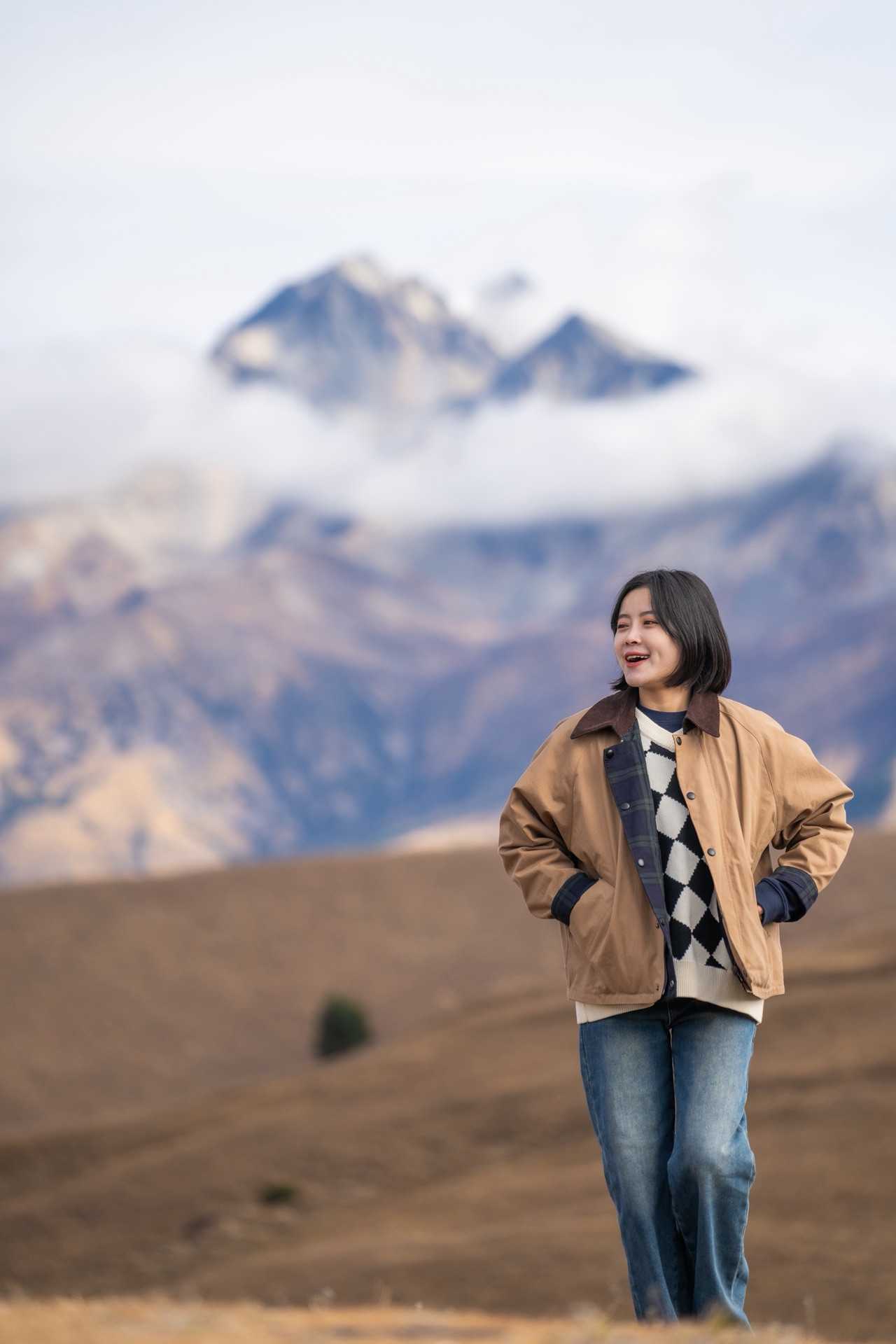
From Zebacun, the road to Genie Sacred Mountain Base Camp is a rough, unpaved track that climbs steeply through alpine meadows. The Model Y's all-wheel drive and generous ground clearance proved invaluable here. We engaged "Off-Road Assist" mode, which optimizes traction control for loose surfaces.
EV Range Management: This leg consumes more battery than expected due to the steep grade. We calculated we had just enough range to reach the base camp and return to the nearest charger in Litang—a nerve-wracking but ultimately rewarding calculation.
Base Camp: Where Earth Meets Sky
At 4,500 meters, the base camp is a sprawling meadow dotted with stone cairns, prayer flags, and small tents. The silence here is profound—broken only by the wind, the occasional cry of a Himalayan griffon, and the distant rumble of shifting ice on the mountain's face.
We set up a small picnic, using the Model Y's frunk as a table. The car's panoramic roof offered an unobstructed view of the mountain as we ate. It was a moment of pure, unmediated connection with nature—the kind that reminds you why you travel.
Photography Note: Bring a wide-angle lens for the mountain and a telephoto for details. The light changes rapidly, so be ready to shoot quickly.
Afternoon Exploration
In the afternoon, we took a short hike along a section of the kora trail. The path was lined with mani stones, each carved with the mantra "Om Mani Padme Hum." Small shrines dotted the route, their contents—coins, prayer beads, photographs—offerings from countless pilgrims.
We met a group of Tibetan pilgrims making the full kora, a journey that takes three days on foot. Their dedication was humbling. One elderly woman, bent with age but walking with fierce determination, smiled at us and offered a piece of tsampa (roasted barley flour). We accepted with gratitude, feeling the weight of her blessing.
Return to Litang

As the sun began to set, we reluctantly headed back. The descent was a gift for the Model Y's battery—regenerative braking recovered nearly 15% of our charge by the time we reached the paved road. We arrived in Litang with 8% battery remaining, a testament to careful planning and the car's efficiency.
[Link: How to maximize EV range on mountain descents]
Day 3 Practical Tips
- Charging: Charge fully in Litang before attempting the Genie Sacred Mountain Base Camp drive. There are no charging stations beyond the city.
- Supplies: Bring extra food, water, and warm clothing. Temperatures can drop below freezing even in summer.
- Altitude: At 4,500 meters, altitude sickness can strike suddenly. Carry portable oxygen canisters and know the symptoms.
- Respect: Do not remove stones, prayer flags, or any religious objects from the mountain.
Day 4: Litang → Chengdu – The Return Journey
Morning Reflection
Our final morning in Litang was bittersweet. We visited the local market one last time, buying dried yak meat, Tibetan butter, and a small thangka painting as souvenirs. The market was alive with color and noise—traders haggling, children laughing, monks collecting alms.
The Drive Back
The return journey to Chengdu took approximately 8 hours, including charging stops. The route was familiar now, but no less beautiful. We stopped at Xinduqiao for lunch, enjoying the same spectacular views that had captivated us on Day 1.
Charging on the Return: We charged at Kangding and Luding, taking advantage of the fast chargers. The downhill sections from Zheduo Mountain to Kangding gave us a significant range boost, allowing us to skip one planned charging stop.
Final Thoughts
Four days. Four hundred kilometers of pure electric travel. A Tesla Model Y that proved itself capable, comfortable, and surprisingly efficient in one of China's most challenging environments. But more than the technical achievement, this journey was about connection—to the landscape, to the culture, and to something deeper within ourselves.
Genie Sacred Mountain remains, unchanged and eternal. But we returned changed, carrying memories that will last a lifetime.
Frequently Asked Questions
1. Can a standard Tesla Model Y (Long Range) complete this route without charging anxiety?
Yes, with careful planning. The Model Y Long Range's official 525 km (NEDC) range is sufficient for each leg of the journey, provided you charge at Luding/Kangding and Litang. The regenerative braking on descents is a significant advantage, often recovering 10-15% of battery on long downhill sections. We recommend carrying a portable Level 2 charger as a backup, though we never needed it.
2. What is the best time of year for this Genie Sacred Mountain EV road trip?
The ideal window is May to October. May-June offers wildflowers and moderate temperatures. July-August is the warmest but also the rainiest—be prepared for sudden storms. September-October provides the clearest skies and stunning autumn colors. Avoid November-April due to snow and ice on high passes, which can be dangerous for any vehicle and significantly reduce EV range.
3. How should I prepare for altitude sickness on this trip?
Essential steps: - Acclimate for at least one night in Kangding (2,600m) before ascending to Litang (4,000m) - Book oxygen-supplied rooms for the first two nights on the plateau - Take acetazolamide (Diamox) as prescribed by your doctor - Avoid alcohol, smoking, and strenuous activity for the first 48 hours - Drink 3-4 liters of water daily - Carry portable oxygen canisters for emergencies - Know the symptoms of HAPE (High Altitude Pulmonary Edema) and HACE (High Altitude Cerebral Edema)—descend immediately if they occur
4. Are there sufficient charging stations along Highway 318 for EVs?
Yes, the infrastructure has improved dramatically. Key charging points include: - Luding: Fast chargers at Pengba Shilixiang Hotel and Luding Bridge Hotel - Kangding: Multiple fast-charging stations in the city center - Litang: Yunjin Hotel (3 fast, 2 slow), plus independent supercharging stations - Xinduqiao: Limited options—charge in Kangding before heading here
We recommend using apps like Tesla's navigation, State Grid's e-Charging, or Teld to locate stations in real-time.
5. What should I pack specifically for an EV road trip to Genie Sacred Mountain?
EV-specific items: - Portable Level 2 charging cable (Type 2/GB/T) - CCS to Type 2 adapter (if using non-Tesla chargers) - Tire repair kit and portable air compressor - 12V battery jump starter (for accessories, not main battery) - Solar-powered USB charger for phones (backup) - Paper map (GPS can fail in remote areas)
General essentials: - Warm layers (temperatures drop below freezing at night) - Waterproof jacket and pants - Sunscreen and UV-protective sunglasses - First aid kit with altitude sickness medication - Headlamp with extra batteries - High-energy snacks and extra water
Conclusion: Your Turn to Drive into the Sky City
This four-day pure electric journey beneath Genie Sacred Mountain is more than a road trip—it's a statement. A statement that modern technology and ancient traditions can coexist. That electric vehicles are ready for the world's most challenging terrain. That the spirit of adventure is alive and well in the age of sustainable travel.
The Tesla Model Y proved itself as a capable, reliable, and surprisingly efficient partner for this high-altitude adventure. But the real magic was in the places it took us—the prayer-flagged passes, the hidden villages, the sacred mountain that has watched over this land for millennia.
Your turn now. Pack your bags, charge your car, and set your navigation for Litang. The sky city is waiting, and Genie Sacred Mountain will welcome you with open arms and endless horizons.
Ready to plan your own Genie Sacred Mountain EV adventure? [Link: Book your Tesla rental in Chengdu] or [Link: Download our complete EV road trip checklist]
Safe travels, and may the wind always be at your back.
You may also like


