Answering Yibin's Call: Exploring Lizhuang's Charm and the Vast Bamboo Sea – An SEO-Optimized Travel Guide
Meta Description: Discover Yibin's hidden gems: Lizhuang Ancient Town's WWII history, Liang Sicheng's legacy, and the 70,000-acre Southern Sichuan Bamboo Sea. Plan your Sichuan itinerary with insider tips.
Introduction: Why Yibin is Sichuan's Most Underrated Destination
When travelers think of Sichuan, Chengdu's pandas and Chongqing's neon-lit skyline dominate the conversation. Yet just two hours south by high-speed rail lies Yibin—a city where the Jinsha and Min Rivers converge to birth the Yangtze. This ancient gateway on the Southern Silk Road offers something rare: authentic cultural depth without tourist crowds.
Yibin's charm unfolds in two distinct chapters. First, Lizhuang Ancient Town, a wartime sanctuary that preserved China's intellectual heritage. Second, the Southern Sichuan Bamboo Sea, an emerald ocean spanning 70,000 acres. Together, they form a perfect weekend escape for history buffs, nature lovers, and food enthusiasts.
[Link: Sichuan off-the-beaten-path destinations]
Chapter One: Lizhuang Ancient Town – The First Ancient Town on the Yangtze
Getting to Lizhuang: Budget-Friendly Transport from Yibin
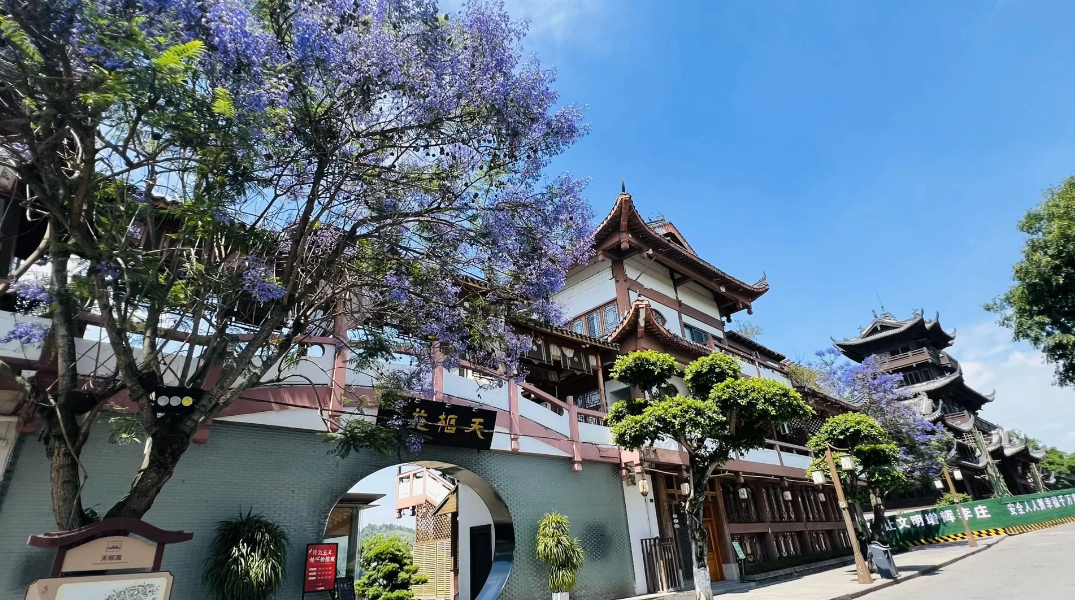
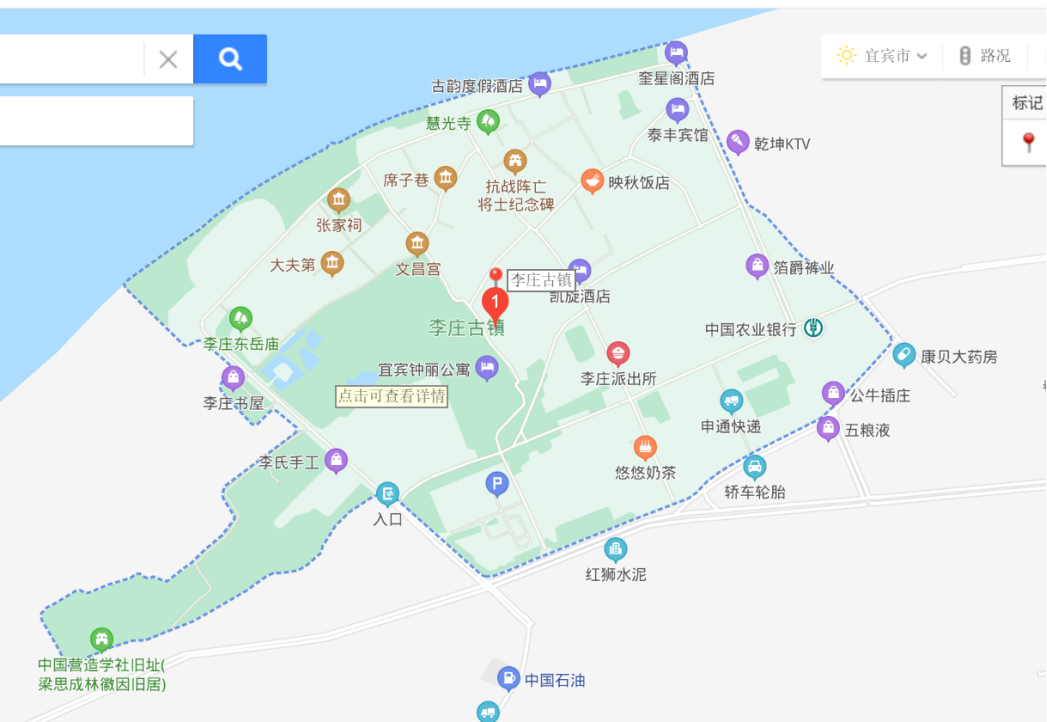
From Yibin High-Speed Rail Station, a 20-minute ride-sharing trip (approximately 25 yuan or $3.50 USD) delivers you to Lizhuang's main gate. This historic settlement sits 20 kilometers from downtown Yibin on the Yangtze's southern bank. Once part of Nanxi County, it now anchors Cuiping District as its largest town.
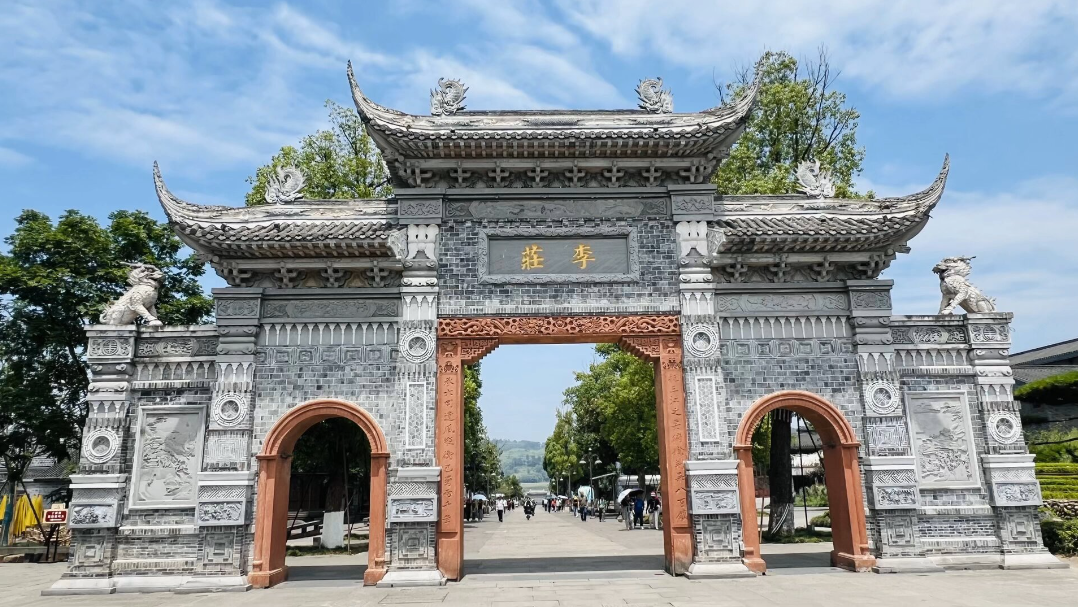
The renovated main gate—a 2020 landmark with six pillars and triple eaves—announces your entry into a living museum. Built in classic southern Sichuan style, it frames the journey ahead: a step into time itself.
Kuixing Pavilion: Liang Sicheng's Riverside Masterpiece
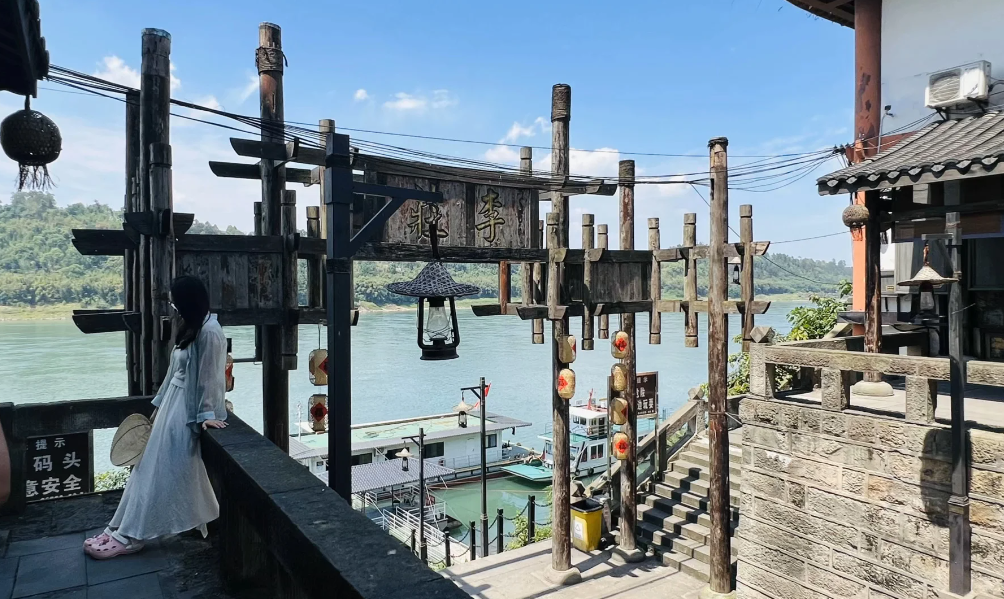
Architecture enthusiasts will recognize Kuixing Pavilion as the highlight of any Lizhuang tour. This octagonal, three-story wooden pavilion dates to the Qing Dynasty's Tongzhi-Guangxu period (1862-1908). Its green tiles, flying eaves, and intricate dougong brackets earned praise from Liang Sicheng, who called it "the finest pavilion along the two-thousand-kilometer riverbank from Shanghai to Yibin."
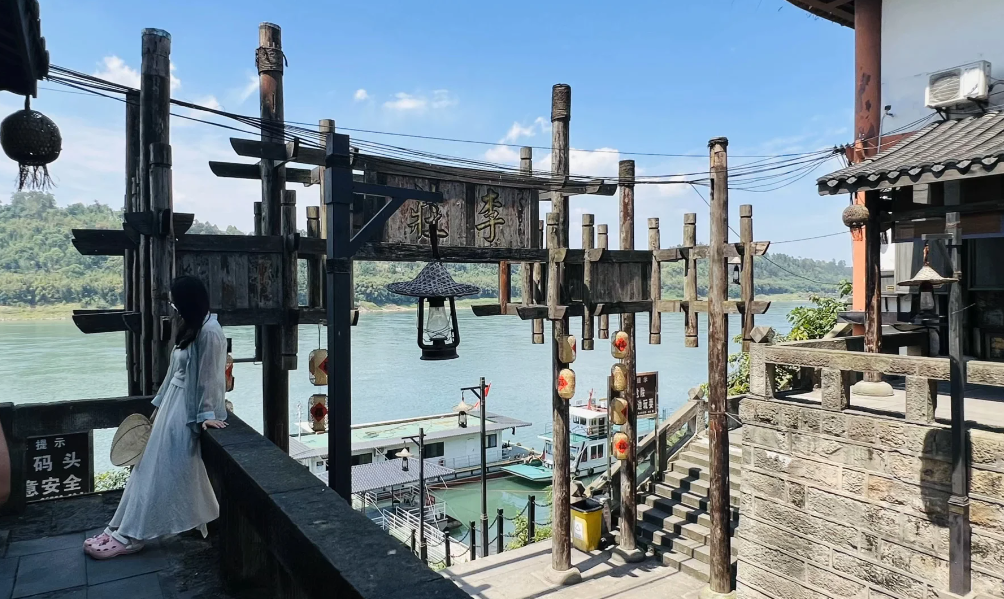
Climb to the top for panoramic Yangtze views. The river stretches like silk ribbon, framing the ancient town below in perfect symmetry.
Zhang Family Ancestral Hall: National Treasures and Hundred-Crane Screens

The Zhang Family Ancestral Hall houses one of Lizhuang's "Four Wonders"—the Hundred-Crane Auspicious Cloud Window. Each window panel features two cranes, totaling one hundred, each carved in unique poses amid curling vines, dragons, and phoenixes. The craftsmanship rivals any Qing Dynasty woodcarving in China.
During the War of Resistance (1937-1945), this hall served as temporary storage for the National Central Museum. It protected invaluable artifacts from Japanese bombardment, earning its reputation as a "sanctuary for national treasures."
Spiral Hall: Ming Dynasty Wooden Architecture Without Nails
Spiral Hall (Xuanluo Dian) stands as Lizhuang's architectural crown jewel. Built in 1596 (24th year of Wanli reign), this octagonal, three-eave pavilion reaches 25 meters using only interlocking wooden joinery—no nails or rivets.
Look up to witness the caisson ceiling: 288 sets of dougong spiral upward from right to left, forming a giant wooden vortex. This engineering marvel gives the hall its name and leaves visitors speechless.
Moon Field: Instagram-Worthy Reflections
Photographers flock to Moon Field (Yueliang Tian), where 24 traditional southern Sichuan houses reflect in flooded rice paddies. Nightfall transforms the scene with light shows, creating a dreamy Jiangnan water-town atmosphere. It's Lizhuang's newest social media darling—a perfect blend of tradition and modernity.
Wartime Lizhuang: Where Scholars Found Refuge
During the War of Resistance, over a dozen universities and research institutes relocated to Lizhuang, including National Tongji University, Academia Sinica, and the Society for the Study of Chinese Architecture. World-class scholars—Liang Sicheng, Lin Huiyin, Fu Sinian, Li Ji, Tong Zuobin, Liang Siyong, and Tong Dizhou—gathered here.
Visit the former site of the Society for the Study of Chinese Architecture (also Liang Sicheng and Lin Huiyin's residence). Yellowed blueprints and worn desks whisper stories of late-night research. This was where Liang and Lin completed A History of Chinese Architecture, the foundational text of Chinese architectural history.
[Link: Chinese architectural history tours]
Lizhuang's Three Whites: White Meat, White Cake, White Liquor
No Lizhuang visit is complete without tasting the "Three Whites":
Lizhuang White Meat (Baizhuang Baipai) is a provincial intangible cultural heritage item. The knife work is legendary: slices so thin they're translucent, allowing light to pass through. Chefs use a two-jin (1 kg) broad-bladed knife, slicing with speed and precision. Each piece could theoretically reveal scenery behind it.
Lizhuang White Cake (Baigao) offers a century-old recipe of sweet glutinous rice. Snow-white, melt-in-your-mouth texture with clean sweetness—beloved by elderly and children alike.
White Liquor (Baijiu) completes the trio, though it's the meat and cake that steal the show.
In 2025, CCTV's Three Meals and Four Seasons featured Lizhuang as its Sichuan episode core location. Host Sa Beining, guest Wu Zun, and Chef Lin explored white meat and cake, showcasing Yangtze River life and wartime cultural heritage.
Lizhuang on Spring Festival Gala 2026
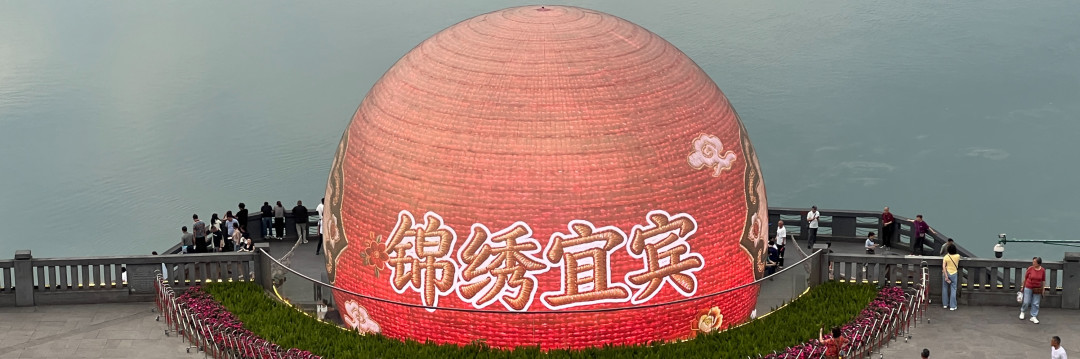
On Chinese New Year's Eve 2026, Yibin's satellite venue at Hejiangmen and Lizhuang Ancient Town hosted the CCTV Spring Festival Gala. The segment Standing Upstream (7 minutes 47 seconds) integrated Yangtze culture, southern Sichuan intangible heritage, and Lizhuang elements. Aerial shots of green tiles and river waters created stunning panoramas. The Lizhuang Grass Dragon Dance—a provincial intangible heritage featuring a golden rice-straw dragon—became the evening's highlight.
Chapter Two: Southern Sichuan Bamboo Sea – 70,000 Acres of Emerald Paradise
How to Reach the Bamboo Sea from Yibin
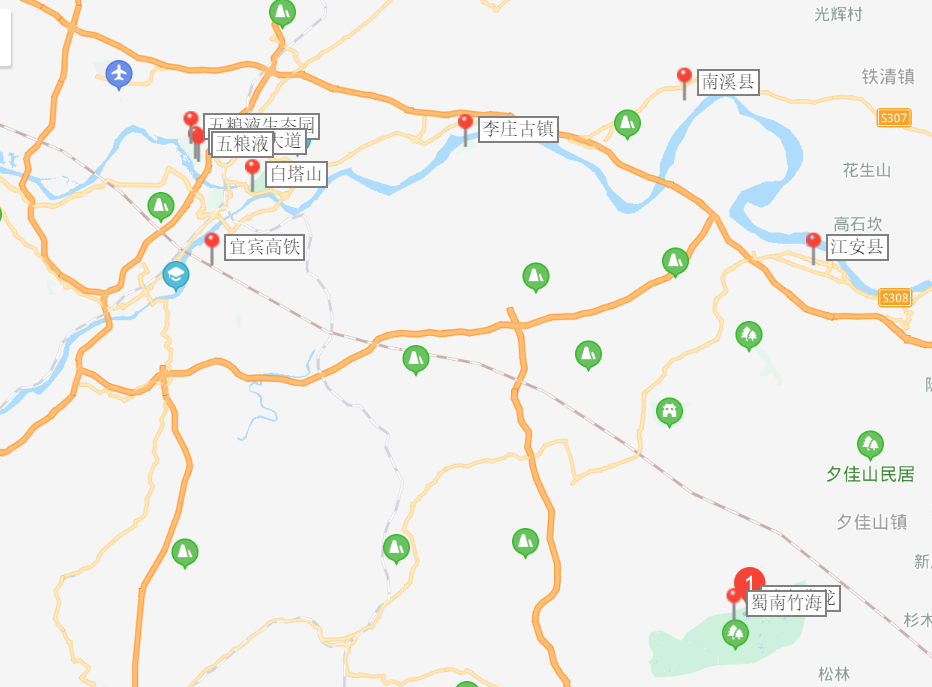
Take a high-speed train from Yibin West Station to Changning Station (20 minutes). Then hail a ride-sharing car for 20 yuan and 30 minutes to reach the West Gate of Shunan Zhuhai.
This "ocean of bamboo" spans 70,000 acres across 27 mountain ridges and 500 peaks. Home to 58 bamboo species, it offers hiking, photography, and cultural immersion.
Top Attractions in the Bamboo Sea
Tianbao Village preserves traditional bamboo crafts. Watch artisans weave baskets, furniture, and decorative items using techniques passed down through generations.
Xianyu Cave provides natural air conditioning—a limestone cave system with stalactites and underground streams. Temperatures stay cool year-round.
Longyin Temple perches on a bamboo-covered peak. Built during the Ming Dynasty, it offers panoramic views of the emerald sea below.
Best Time to Visit
Spring (March-May) brings fresh bamboo shoots and mild temperatures. Autumn (September-November) offers golden light for photography. Summer can be humid but provides lush greenery. Winter sees fewer crowds but cooler weather.
[Link: Sichuan bamboo forest travel tips]
FAQ: Your Yibin Travel Questions Answered
1. How many days should I spend in Yibin?
Three days is ideal: Day 1 for Lizhuang Ancient Town, Day 2 for the Bamboo Sea, and Day 3 for Yibin city attractions like Hejiangmen and local cuisine.
2. Is Lizhuang suitable for family travel?
Absolutely. The town is flat and walkable, with kid-friendly attractions like Moon Field and the Grass Dragon Dance demonstrations. White cake is a hit with children.
3. What's the best season to visit the Bamboo Sea?
Spring (March-May) and autumn (September-November) offer the most comfortable weather. Avoid Chinese national holidays (May Day, National Day) when crowds peak.
4. Can I visit both Lizhuang and the Bamboo Sea in one day?
Technically yes, but it's rushed. Each deserves at least half a day. For a relaxed experience, allocate separate days.
5. What local dishes should I try beyond the Three Whites?
Try Yibin ranmian (burning noodles), Lizhuang tofu pudding, and bamboo shoot dishes in the Bamboo Sea area. Don't miss the spicy malatang hot pot.
Conclusion: Your Yibin Adventure Awaits
Yibin offers what discerning travelers seek: authentic culture, stunning nature, and meaningful history without tourist crowds. From Liang Sicheng's architectural legacy in Lizhuang to the endless bamboo corridors of Shunan Zhuhai, this corner of Sichuan delivers experiences that linger long after you return home.
Ready to explore? Book your high-speed rail ticket to Yibin today. Pack comfortable walking shoes, a camera for the bamboo sea, and an empty stomach for Lizhuang's white meat. Your journey through time, nature, and flavor begins at the source of the Yangtze.
[Link: Book Yibin tours and accommodation]
Article last updated: July 2025. Prices and schedules may vary. Always check official sources before travel.
You may also like


