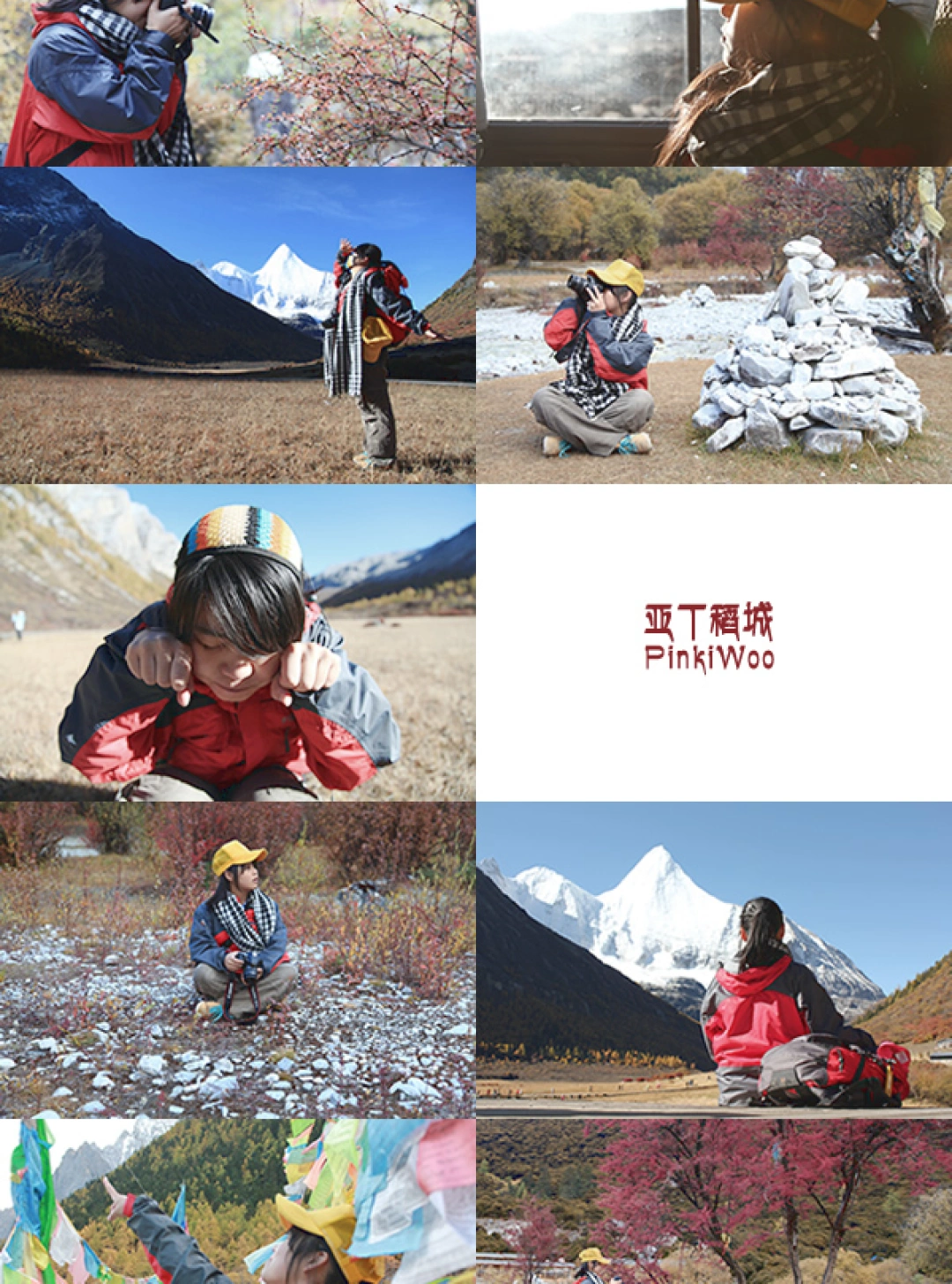
An Unexpected Encounter, An Obsession with Daocheng – A Love Letter to Daocheng
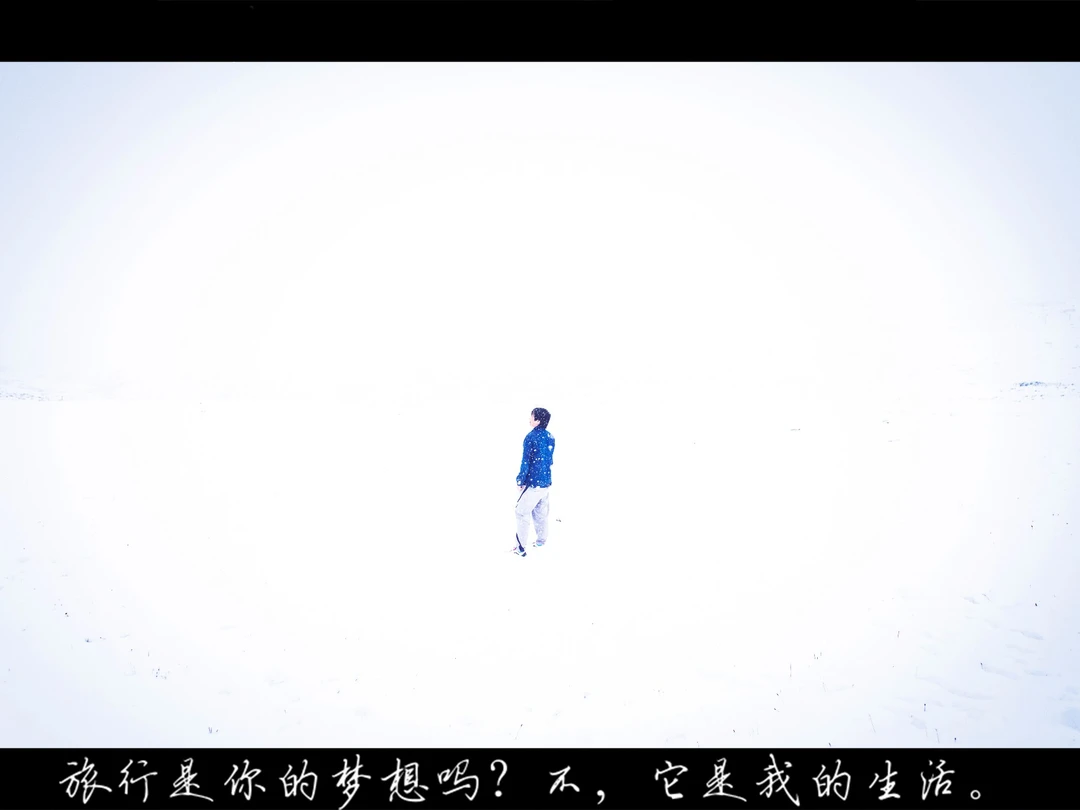
Meta Description: Discover why Daocheng Yading is called "the last pure land on Earth." A personal travel story about falling in love with Western Sichuan's most breathtaking destination, with practical tips and hidden gems.
Prologue: Why Daocheng Captures Every Traveler's Heart
At a youth hostel on the Western Sichuan Plateau, the owner glanced at a young man carrying a camera and casually asked, "First time in Daocheng?"
The young man smiled and shook his head. "Third time."
The owner smiled too—that knowing kind of smile. "You've been bitten. Bitten by the Daocheng bug."
The young man raised his teacup, his gaze drifting through the clouds beyond the window. "Yeah. It's in my bones. Incurable."
That young man was me.
The first time I saw the name "Daocheng" in a travel guide for Western Sichuan, I even made a fool of myself—I thought "Yading" was a separate little town, and that Daocheng must be a field of golden rice paddies. Wind blowing, waves of rice rolling, the scent drifting past Tibetan villages, streams, and snowy peaks, finally settling in my heart, taking root and sprouting.
It wasn't until I actually set foot on that land that I understood: Daocheng is a name as gentle as poetry; and Yading is her clearest, most moving pair of eyes.
Here, there are skies so blue they're transparent, clouds so white they're pure, grasslands so red they're passionate, rice fields so golden they're radiant, snow-capped mountains so cold they're majestic, and alpine lakes so still they're serene—and the best version of myself.
And so, my story begins here.
Planning Your Daocheng Yading Trip: The Ultimate Western Sichuan Itinerary
Lately, I've been looping a song: Cheer Chen's "What Was I Thinking When I Fell for You". It's the theme song from the movie This Is Not What I Expected, where Zhou Dongyu brought the bumbling Gu Shengnan to life. And Cheer Chen's voice carries a hint of shyness, anticipation, freedom, etherealness, confusion, and a touch of sweetness.

On NetEase Cloud Music, a comment under the song stayed with me for a long time:
"There are seven thousand places in the world. If there's one that could make a wanderer like me settle down, it would have to be Daocheng."
At a gathering with friends earlier this year, someone suddenly mentioned wanting to go to Daocheng. I blurted out, "Sure."
It had been over three years since my last trip to Daocheng. I thought it was time to go back. Even without that casual mention, I knew I'd soon be walking that road that had echoed through my dreams countless times.
How Many Days Do You Need for Daocheng?
My friend wanted the shortest route—six days: Chengdu-Xinduqiao-Daocheng-Yading-Xinduqiao-Chengdu. But I felt that was too rushed, like checking items off a list, losing the essence of travel. So I stretched the itinerary to nine days.
I wanted to detour to Sertar (色达), to see the hillsides covered in red houses and devout monks. I wanted to detour to Mount Siguniang (四姑娘山), to see the standing snow peaks and gentle valleys. I even wanted to detour to Zoige (若尔盖), to see the endless grasslands, and to Lugu Lake (泸沽湖), to see the sky and water merge into one.
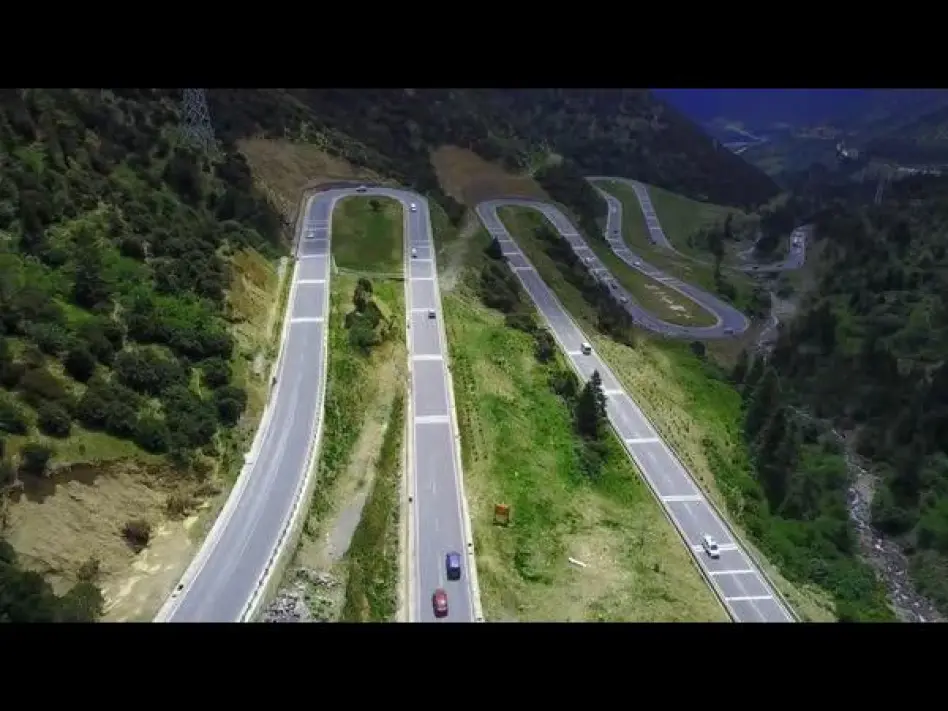
But nine days couldn't satisfy all that greed.
Where should I go? What should I give up?
In the end, I was willful: I'd head straight to Daocheng first, and after meeting Daocheng, I'd decide the rest of my journey.
The itinerary didn't matter. Time didn't matter. Because willfulness brings freedom, freedom brings joy, and joy comes from Daocheng—the place of my dreams.
My Final Daocheng Travel Itinerary
- DAY 1: Chengdu – Xinduqiao
- DAY 2: Xinduqiao – Daocheng
- DAY 3: Daocheng exploration
- DAY 4: Daocheng – Yading
- DAY 5: Yading full-day hike
- DAY 6 onward: Even God doesn't know. Let the world and me meet unexpectedly.
[Link: Best time to visit Daocheng Yading]
Driving the Most Beautiful Highway in China: National Highway 318
The night before departure, I started choosing songs for the road.

I loaded Chen Li's albums one by one into my phone. Her light voice sang, "I've seen deserts rain, seen the ocean kiss a shark, seen dusk chase dawn..." I imagined someday encountering these sights myself—that's why I never tire of traveling.
I also loaded Ma Di's songs, because there's a girl named Ao Han in them, and the Daocheng she loves. Ma Di sang, "Ao Han, let's get married, on the morning when the snow melts in Daocheng." I think that's the most moving love confession in the world. I thought, if I could, I'd sing this song for my beloved under Daocheng's first ray of morning light—even if I can't play guitar, even if I'm tone-deaf.
I filled my phone with music, packed my emotions, got a good night's sleep. Tomorrow, we set off.
Highway 318: The Road to Daocheng Adventure
We got off the highway at Ya'an and entered the legendary National Highway 318, which countless people dream about. With the completion of various tunnels, travel time has shortened, but the fun of crossing mountain passes has diminished. Still, the remaining passes left me with many beautiful memories.
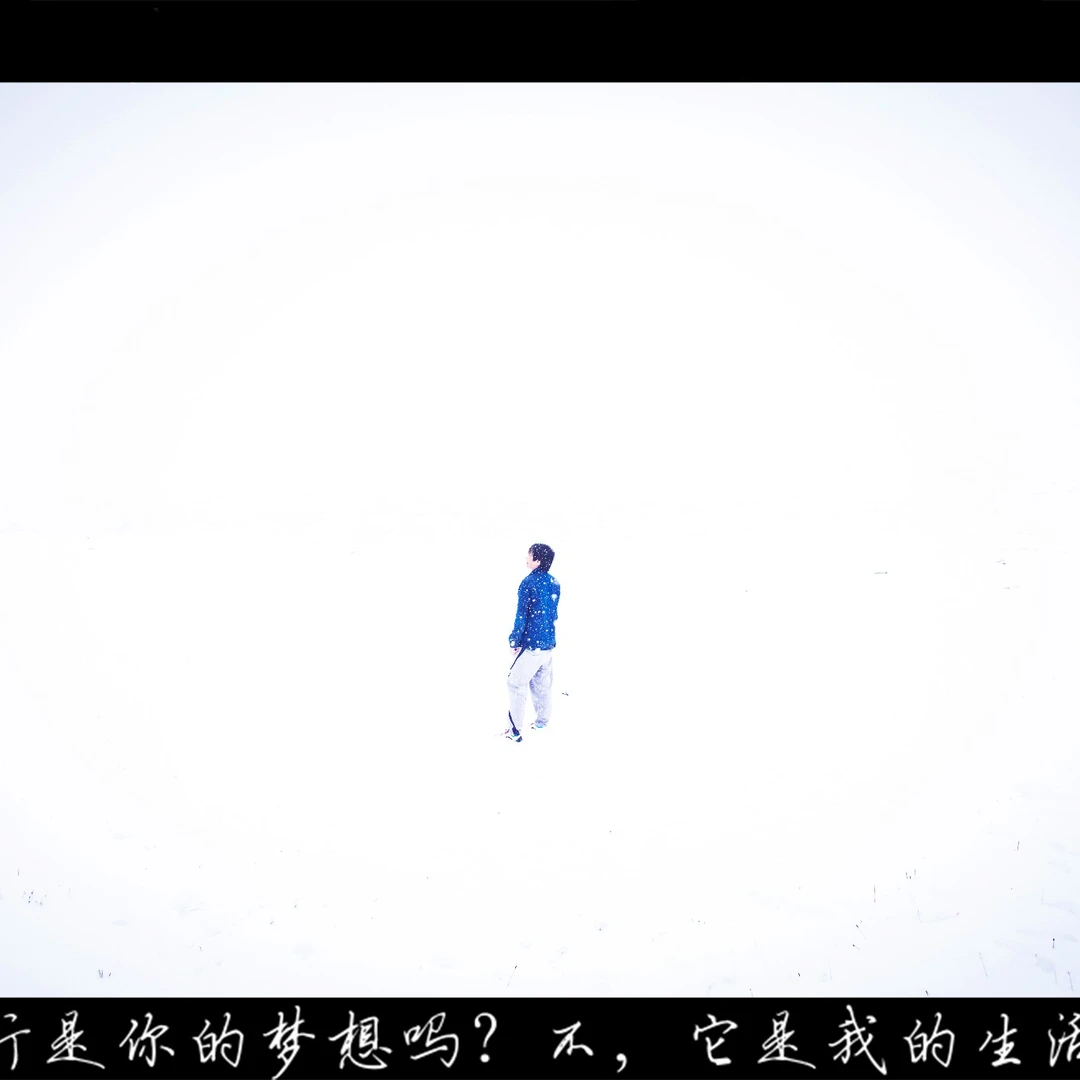
My companions and I sang all the way, stopping now and then, chatting about the sights, people, and stories we'd encountered on Highway 318 before.
We talked about the massive traffic jam at Erlang Mountain years ago—stuck in front of a tunnel for a whole day and night, with corn on the cob being sold for 50 yuan, a memory that still makes me sigh. This time, traffic jams were unavoidable too—not a full day and night, but bad enough that we had to cross Zheduo Mountain at night.
We talked about the year when heavy snow blocked the road, and we spent a night at the Zheduo Mountain pass, under a sky full of stars, singing about youth and dreams against the biting wind.
Xinduqiao: The Photography Corridor
Because of the traffic jam, we didn't arrive at Xinduqiao until nightfall. We had to hole up in the hostel, unable to explore the surroundings. Xinduqiao is a curious place—the town itself has little to offer, but it's a checkpoint on Highway 318. Many cyclists stop here to rest after crossing Zheduo Mountain, making Xinduqiao lively and bustling.

Still, compared to Xinduqiao, I prefer Provincial Road 215 leading to Danba. Known as the "Photography Corridor," this road has left beautiful memories in both my camera and my heart. There's Tagong Grassland, Yala Snow Mountain, and too many scenic spots worth stopping for.
Even though I couldn't wander around Xinduqiao this time, I didn't regret it. Because every encounter has its own timing, and every missed opportunity will eventually return. What you hold in your heart will surely come back to you.
[Link: Xinduqiao photography tips]
The Most Scenic Stretch: From Xinduqiao to Daocheng
Waking up in the morning, well-rested, we continued on. The next stretch of Highway 318 is the most beautiful part.
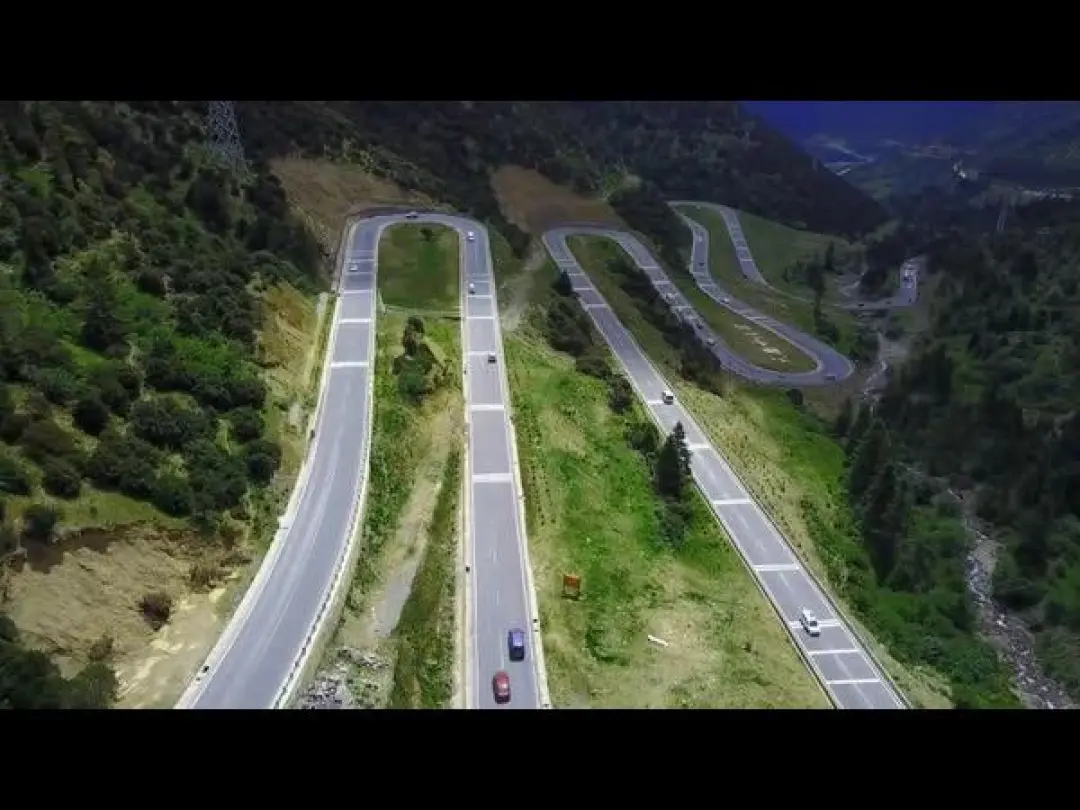
Starting from Xinduqiao, the altitude kept rising, the number of vehicles kept decreasing, and Highway 318 finally revealed its most enchanting form. From Yajiang to Litang, crossing the eighteen hairpin bends of Kazila Mountain, every scene that unfolded before my eyes was breathtaking.
Even after a full day on the road yesterday, the beauty before me washed away all fatigue. I sang loudly, laughed heartily, and savored every moment of the journey. Suddenly, I remembered Sanmao's words: "Live earnestly—sing, laugh, and face the life that belongs to us."
At the pass of Kazila Mountain, the rolling mountain ranges and the clouds on the horizon made me feel that Daocheng was just around the corner—maybe even visible from afar.
Crossing Litang and Haizi Mountain
Passing through Litang, we left Highway 318 and turned onto Provincial Road 217. Ahead of me lay the vastness of Litang Grassland and the wonder of Haizi Mountain. On the grassland at 4,000 meters above sea level, the clouds hung low, close enough to touch. Haizi Mountain, with its piles of scattered rocks, felt like an alien planet.
I love a poem by Emily Dickinson: "I cannot build a prairie, nor fence in wild horses, nor keep you—but fortunately, in dreams, I can."
The road from Litang to Daocheng is a road from a dream.
Singing all the way, longing all the way. Crossing Haizi Mountain, I finally arrived at Daocheng—poetic Daocheng, song-like Daocheng.
"Welcome back," I said to myself.
Tonight, I sleep in Daocheng. Goodnight, Daocheng.
[Link: Altitude sickness prevention tips]
Dreaming of Daocheng: Waking at Dawn, Sleeping at Midnight
(Whispers of the night in Daocheng)
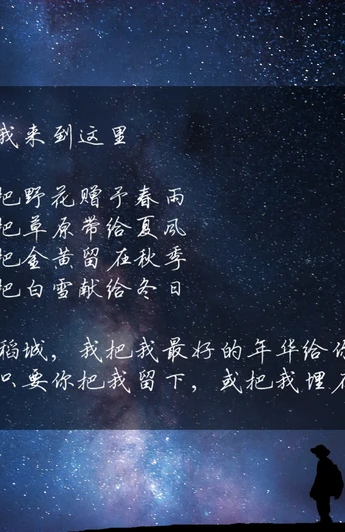
The first morning in Daocheng, I woke before dawn. The air was thin and cold, carrying the scent of pine and earth. I wrapped myself in a thick jacket and stepped outside.
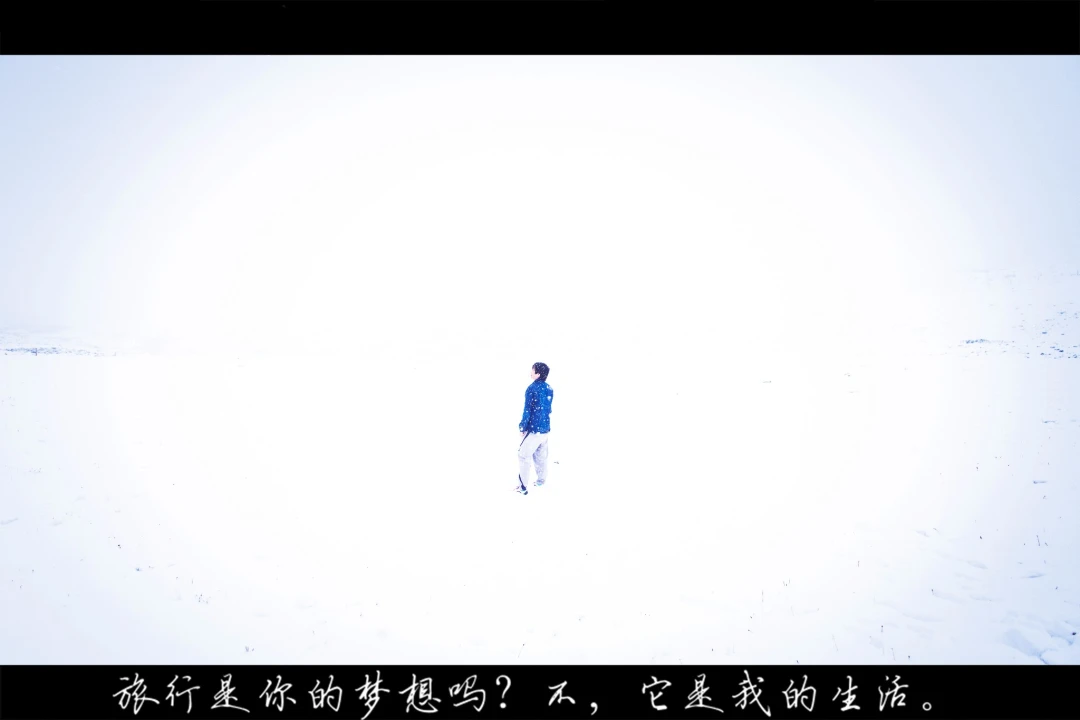
The stars were still visible—brighter than any city sky. The Milky Way stretched across the horizon like a river of light. I stood there, shivering but mesmerized, until the first rays of sunlight touched the snow-capped peaks in the distance.

This is what Daocheng does to you. It makes you forget time. It makes you forget yourself. It makes you remember what it means to be alive.
Throughout the day, I wandered through the town, visited local monasteries, and talked with Tibetan families. Every face I met carried a warmth that matched the landscape's grandeur. Every meal—yak butter tea, tsampa, momos—tasted like home.
At midnight, I sat on the rooftop of my hostel, watching the stars wheel overhead. The silence was profound, broken only by the distant sound of a prayer bell.
Daocheng doesn't just capture your heart. It rewrites your soul.
Yading Nature Reserve: The Crown Jewel of Daocheng
On Day 4, I headed to Yading Nature Reserve—the heart of Daocheng's beauty. Known as "the last pure land on Earth," Yading is home to three sacred peaks: Xiannairi (仙乃日), Yangmaiyong (央迈勇), and Xianuoduoji (夏诺多吉).
The hike to Five Color Lake (五色海) and Milk Lake (牛奶海) was challenging—altitude, steep trails, and unpredictable weather. But every step was worth it.
The lakes shimmered in shades of turquoise, emerald, and deep blue. The snow peaks reflected in their waters like ancient gods watching over their kingdom.
I sat by Milk Lake for an hour, just breathing. No phone. No camera. Just me, the mountain, and the sky.
This is what people mean when they say Daocheng changes you.
[Link: Yading hiking guide and trail maps]
Frequently Asked Questions About Daocheng Travel
Q1: When is the best time to visit Daocheng Yading?
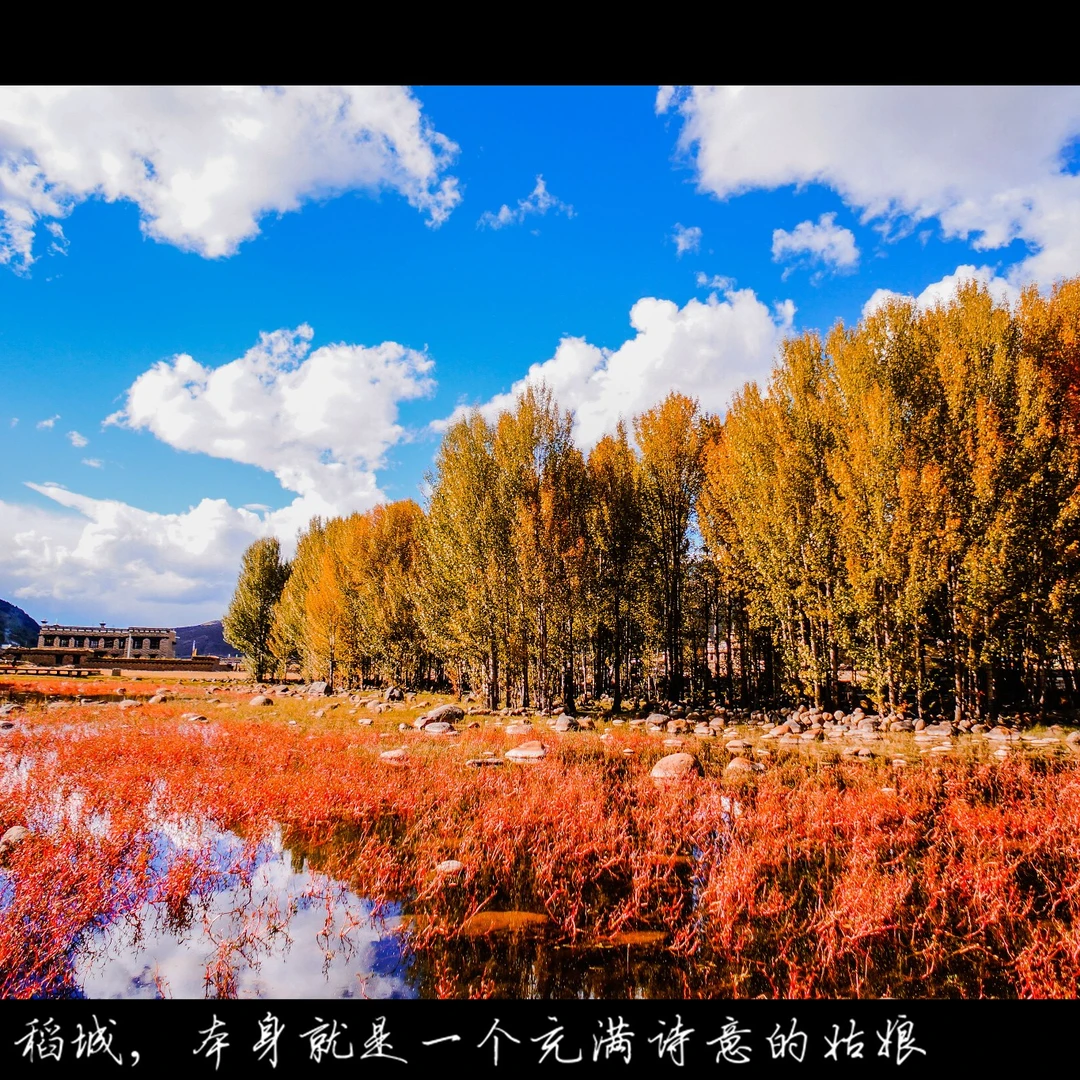
Answer: The best time is May to October. September and October offer the most stunning autumn colors, with golden grasslands and clear skies. July and August are the rainy season but still beautiful. Winter (November to March) is cold and some roads may be closed.
Q2: How do I get to Daocheng from Chengdu?
Answer: You have two options: - By car: Drive via National Highway 318 through Ya'an, Xinduqiao, Litang, and Haizi Mountain. Takes 2-3 days with stops. - By flight: Daocheng Yading Airport has direct flights from Chengdu (about 1 hour). The airport is the highest civil airport in the world at 4,411 meters.
Q3: What should I pack for Daocheng?
Answer: Essentials include: - Warm layers (temperatures drop below freezing at night) - Sunscreen and sunglasses (UV is intense at high altitude) - Altitude sickness medication (Diamox recommended) - Comfortable hiking boots - Waterproof jacket and pants - Power bank (limited charging options) - Snacks and water (few shops on trails)
Q4: Is altitude sickness a problem in Daocheng?

Answer: Yes. Daocheng town sits at 3,700 meters, and Yading hikes reach 4,700 meters. Acclimatize for 1-2 days before strenuous activities. Drink plenty of water, avoid alcohol, and consider taking acetazolamide (Diamox) if prone to altitude sickness.
Q5: Can I visit Daocheng independently without a tour?
Answer: Absolutely. Many travelers visit independently by car, bus, or flight. However, if you're not experienced with high-altitude driving or Mandarin, a guided tour can be helpful. For Yading hikes, you can explore independently using the park's shuttle buses.
[Link: Daocheng accommodation recommendations]
Your Daocheng Adventure Awaits
Daocheng isn't just a destination. It's a feeling. A memory. A promise.
It's the place where the sky touches the earth, where the mountains whisper ancient stories, and where your heart finds its true rhythm.
Whether you're a first-time visitor or a returning pilgrim, Daocheng will welcome you with open arms and leave you forever changed.
Ready to start your Daocheng journey?
- Book your flights to Chengdu
- Plan your 7-10 day itinerary
- Pack your bags and your sense of wonder
- Let the road lead you home
"There are seven thousand places in the world. If there's one that could make a wanderer like me settle down, it would have to be Daocheng."
See you on the road.
Want more Western Sichuan travel guides? [Link: Complete Western Sichuan road trip guide] | [Link: Tibetan culture and etiquette tips] | [Link: Best photography spots in Daocheng]
Have you been to Daocheng? Share your experience in the comments below!
You may also like